The California Report’s weekly Magazine, with host Sasha Khokha, brings in-depth storytelling and audio documentaries about the people and places that make California unique. The 29-minute Magazine is broadcast on KQED every Friday afternoon at 4:30pm and 6:30pm and airs throughout the weekend on stations across California.
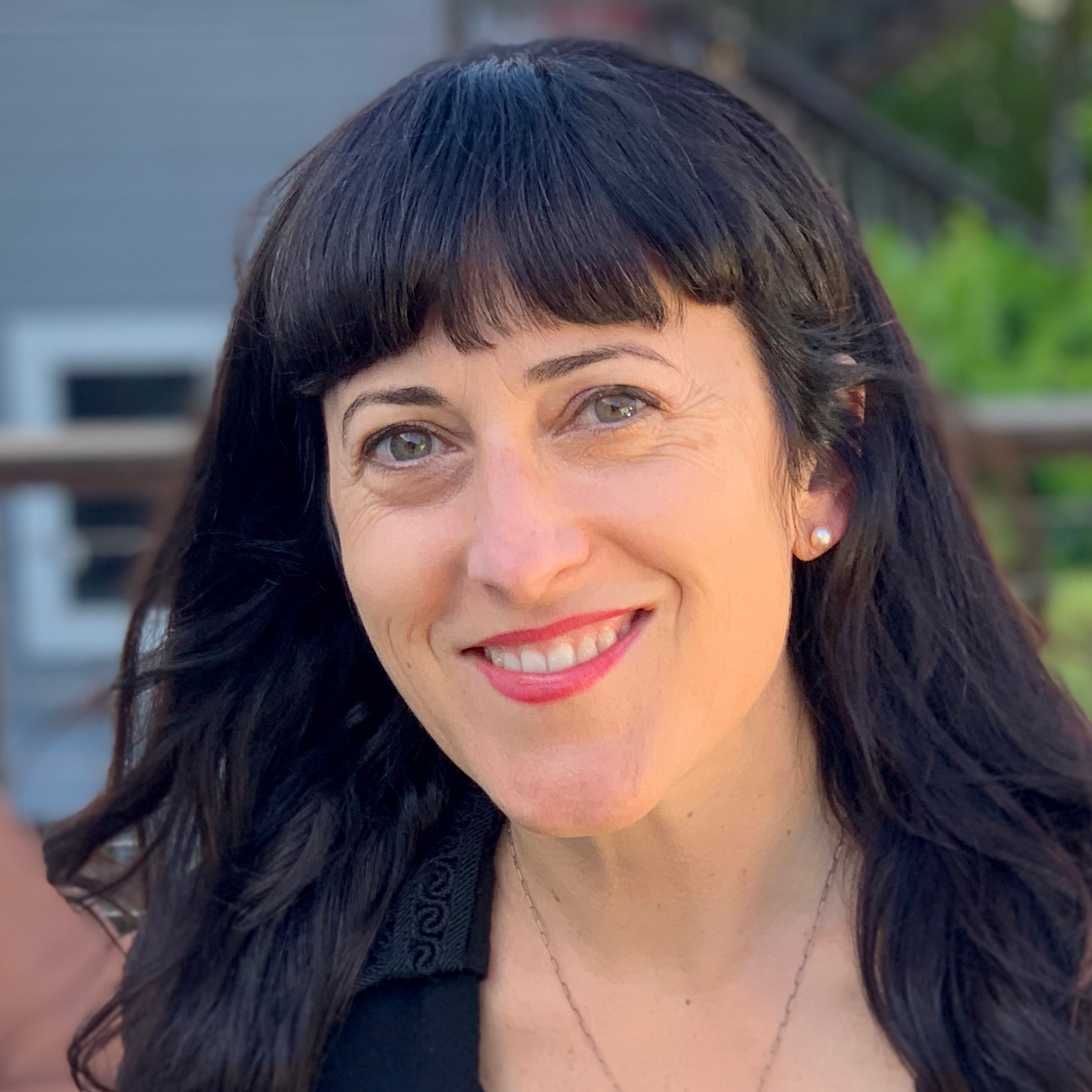
Victoria Mauleón is The California Report Magazine's senior editor, overseeing the production and editorial direction of the program. She is the show's primary content editor, working with KQED reporters and other contributors. Victoria has taught advanced radio and podcasting at UC Berkeley’s Graduate School of Journalism. Before her work in radio, Victoria worked as a television producer, and her work aired on PBS, MSNBC, HBO, VH1, and AMC. Her work has earned her a Northern California Emmy Award, a John Swett Award, several Excellence in Journalism Awards from the Society of Professional Journalists, two San Francisco Peninsula Press Club awards and a Casey Medal for Meritorious Journalism. She’s a proud alumna of UC Berkeley’s Graduate School of Journalism, and Amherst College. Twitter @mauleonsf
Sasha Khokha
Host, The California Report Magazine
Sasha Khokha has hosted The California Report's weekly magazine program since 2016, taking listeners on sound-rich excursions from exploring the Salton Sea in the the Eastern Coachella Valley to ziplining through the Northern CA redwoods. As The California Report's Central Valley Bureau Chief based in Fresno for nearly a dozen years, Sasha brought the lives and concerns of rural Californians to listeners around the state. Her reporting helped expose the hidden price immigrant women janitors and farmworkers may pay to keep their jobs: sexual assault at work — and helped change California law, twice. She was a key member of the reporting team for the Frontline film Rape on the Night Shift, which was nominated for two national Emmys. Sasha has also won a national Edward R. Murrow and a national PRNDI award for investigative reporting, as well as multiple prizes from the Society for Professional Journalists. She began her radio career in waterproof overalls, filing stories about the salmon fishery at Raven Radio in Sitka, AK. She has produced and reported for several documentary films. Her film “Calcutta Calling," about children adopted from India to Swedish-Lutheran Minnesota, was nominated for a national Emmy Award. Sasha is a graduate of the University of California at Berkeley Graduate School of Journalism and Brown University, and a member of the South Asian Journalists Association. Twitter @KQEDSashaKhokha
Suzie Racho
Producer/Director of The California Report Magazine
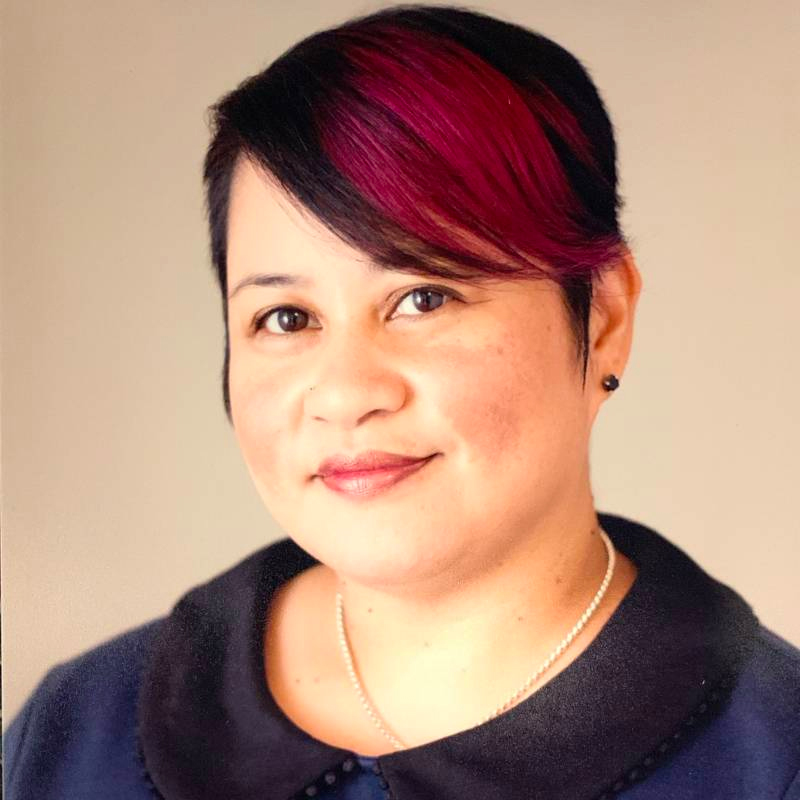
Suzie Racho is the producer/director of The California Report Magazine. She has worked as a producer, editor and sound designer on many other KQED News productions, including the podcasts Bay Curious, Truth Be Told and the Political Mind of Jerry Brown. Suzie came to KQED in 1996 after receiving a BA in journalism from San Francisco State University. She received a national Gracie Award in 2019 from the Alliance of Women in Media and her work has been recognized by the Society of Professional Journalists Northern California and PRNDI, among others. She spends her free time baking, listening to records and rooting for the San Francisco Giants. Twitter @sracho
Amanda Font
Contributor
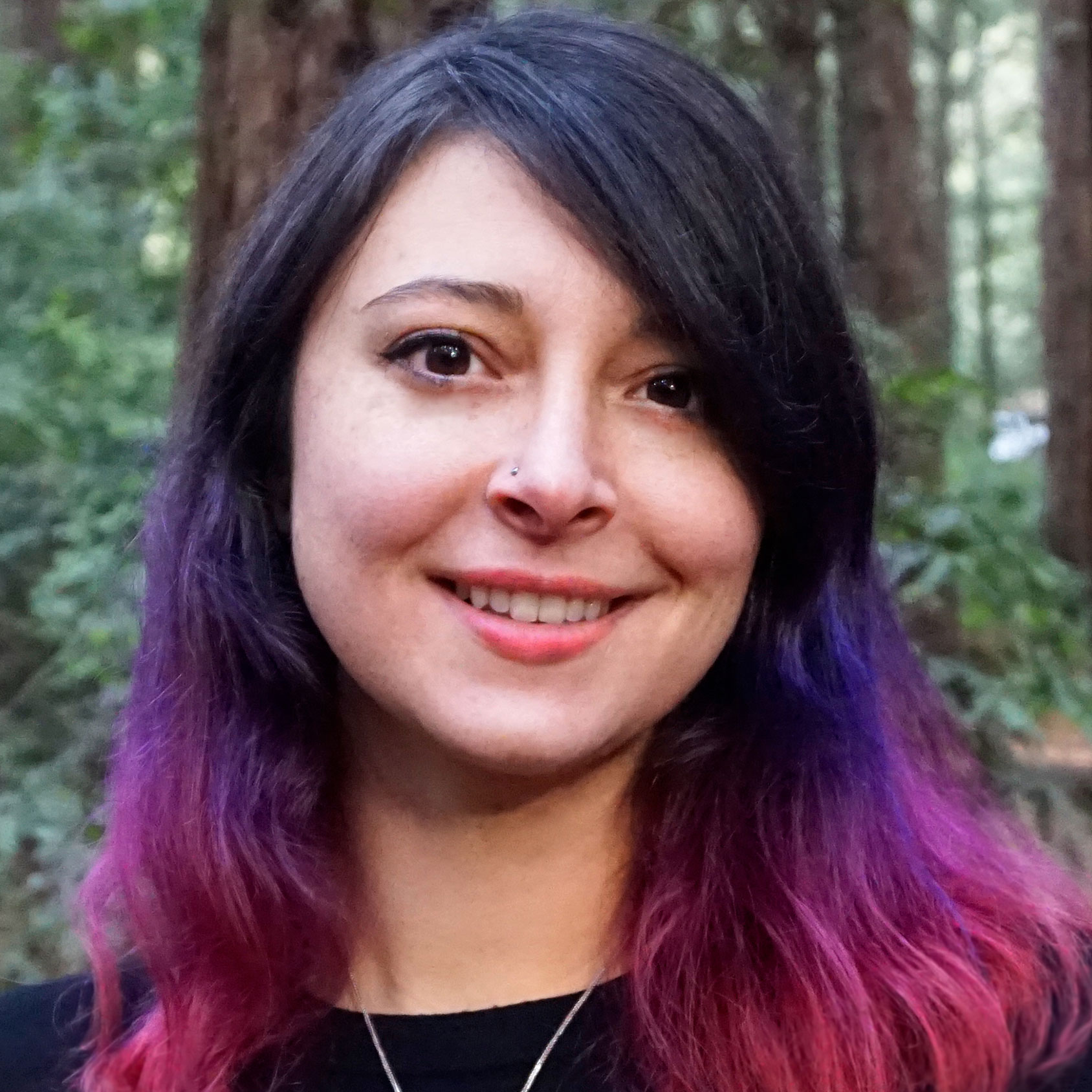
Amanda Font got her start in radio at a small AM station in Santa Cruz, where she worked as a board operator, news anchor, and sometimes screened callers from inside an old bomb shelter. She is a graduate of San Francisco State’s Broadcasting and Electronic Communication Arts program, where she managed the school’s radio station and hosted a sound art show. In addition to working on The California Report Magazine, Amanda has been KQED’s radio archivist and reported stories for the Bay Curious podcast. She started at KQED as an intern. Twitter @afontradio
We Also Recommend
Player sponsored by
window.__IS_SSR__=true
window.__INITIAL_STATE__={
"attachmentsReducer": {
"audio_0": {
"type": "attachments",
"id": "audio_0",
"imgSizes": {
"kqedFullSize": {
"file": "https://ww2.kqed.org/news/wp-content/themes/KQED-unified/img/audio_bgs/background0.jpg"
}
}
},
"audio_1": {
"type": "attachments",
"id": "audio_1",
"imgSizes": {
"kqedFullSize": {
"file": "https://ww2.kqed.org/news/wp-content/themes/KQED-unified/img/audio_bgs/background1.jpg"
}
}
},
"audio_2": {
"type": "attachments",
"id": "audio_2",
"imgSizes": {
"kqedFullSize": {
"file": "https://ww2.kqed.org/news/wp-content/themes/KQED-unified/img/audio_bgs/background2.jpg"
}
}
},
"audio_3": {
"type": "attachments",
"id": "audio_3",
"imgSizes": {
"kqedFullSize": {
"file": "https://ww2.kqed.org/news/wp-content/themes/KQED-unified/img/audio_bgs/background3.jpg"
}
}
},
"audio_4": {
"type": "attachments",
"id": "audio_4",
"imgSizes": {
"kqedFullSize": {
"file": "https://ww2.kqed.org/news/wp-content/themes/KQED-unified/img/audio_bgs/background4.jpg"
}
}
},
"placeholder": {
"type": "attachments",
"id": "placeholder",
"imgSizes": {
"thumbnail": {
"file": "https://cdn.kqed.org/wp-content/uploads/2024/12/KQED-Default-Image-816638274-2000x1333-1-160x107.jpg",
"width": 160,
"height": 107,
"mimeType": "image/jpeg"
},
"medium": {
"file": "https://cdn.kqed.org/wp-content/uploads/2024/12/KQED-Default-Image-816638274-2000x1333-1-800x533.jpg",
"width": 800,
"height": 533,
"mimeType": "image/jpeg"
},
"medium_large": {
"file": "https://cdn.kqed.org/wp-content/uploads/2024/12/KQED-Default-Image-816638274-2000x1333-1-768x512.jpg",
"width": 768,
"height": 512,
"mimeType": "image/jpeg"
},
"large": {
"file": "https://cdn.kqed.org/wp-content/uploads/2024/12/KQED-Default-Image-816638274-2000x1333-1-1020x680.jpg",
"width": 1020,
"height": 680,
"mimeType": "image/jpeg"
},
"1536x1536": {
"file": "https://cdn.kqed.org/wp-content/uploads/2024/12/KQED-Default-Image-816638274-2000x1333-1-1536x1024.jpg",
"width": 1536,
"height": 1024,
"mimeType": "image/jpeg"
},
"fd-lrg": {
"file": "https://cdn.kqed.org/wp-content/uploads/2024/12/KQED-Default-Image-816638274-2000x1333-1-1536x1024.jpg",
"width": 1536,
"height": 1024,
"mimeType": "image/jpeg"
},
"fd-med": {
"file": "https://cdn.kqed.org/wp-content/uploads/2024/12/KQED-Default-Image-816638274-2000x1333-1-1020x680.jpg",
"width": 1020,
"height": 680,
"mimeType": "image/jpeg"
},
"fd-sm": {
"file": "https://cdn.kqed.org/wp-content/uploads/2024/12/KQED-Default-Image-816638274-2000x1333-1-800x533.jpg",
"width": 800,
"height": 533,
"mimeType": "image/jpeg"
},
"post-thumbnail": {
"file": "https://cdn.kqed.org/wp-content/uploads/2024/12/KQED-Default-Image-816638274-2000x1333-1-672x372.jpg",
"width": 672,
"height": 372,
"mimeType": "image/jpeg"
},
"twentyfourteen-full-width": {
"file": "https://cdn.kqed.org/wp-content/uploads/2024/12/KQED-Default-Image-816638274-2000x1333-1-1038x576.jpg",
"width": 1038,
"height": 576,
"mimeType": "image/jpeg"
},
"xxsmall": {
"file": "https://cdn.kqed.org/wp-content/uploads/2024/12/KQED-Default-Image-816638274-2000x1333-1-160x107.jpg",
"width": 160,
"height": 107,
"mimeType": "image/jpeg"
},
"xsmall": {
"file": "https://cdn.kqed.org/wp-content/uploads/2024/12/KQED-Default-Image-816638274-2000x1333-1-672x372.jpg",
"width": 672,
"height": 372,
"mimeType": "image/jpeg"
},
"small": {
"file": "https://cdn.kqed.org/wp-content/uploads/2024/12/KQED-Default-Image-816638274-2000x1333-1-672x372.jpg",
"width": 672,
"height": 372,
"mimeType": "image/jpeg"
},
"xlarge": {
"file": "https://cdn.kqed.org/wp-content/uploads/2024/12/KQED-Default-Image-816638274-2000x1333-1-1020x680.jpg",
"width": 1020,
"height": 680,
"mimeType": "image/jpeg"
},
"full-width": {
"file": "https://cdn.kqed.org/wp-content/uploads/2024/12/KQED-Default-Image-816638274-2000x1333-1-1920x1280.jpg",
"width": 1920,
"height": 1280,
"mimeType": "image/jpeg"
},
"guest-author-32": {
"file": "https://cdn.kqed.org/wp-content/uploads/2025/01/KQED-Default-Image-816638274-1333x1333-1-160x160.jpg",
"width": 32,
"height": 32,
"mimeType": "image/jpeg"
},
"guest-author-50": {
"file": "https://cdn.kqed.org/wp-content/uploads/2025/01/KQED-Default-Image-816638274-1333x1333-1-160x160.jpg",
"width": 50,
"height": 50,
"mimeType": "image/jpeg"
},
"guest-author-64": {
"file": "https://cdn.kqed.org/wp-content/uploads/2025/01/KQED-Default-Image-816638274-1333x1333-1-160x160.jpg",
"width": 64,
"height": 64,
"mimeType": "image/jpeg"
},
"guest-author-96": {
"file": "https://cdn.kqed.org/wp-content/uploads/2025/01/KQED-Default-Image-816638274-1333x1333-1-160x160.jpg",
"width": 96,
"height": 96,
"mimeType": "image/jpeg"
},
"guest-author-128": {
"file": "https://cdn.kqed.org/wp-content/uploads/2025/01/KQED-Default-Image-816638274-1333x1333-1-160x160.jpg",
"width": 128,
"height": 128,
"mimeType": "image/jpeg"
},
"detail": {
"file": "https://cdn.kqed.org/wp-content/uploads/2025/01/KQED-Default-Image-816638274-1333x1333-1-160x160.jpg",
"width": 160,
"height": 160,
"mimeType": "image/jpeg"
},
"kqedFullSize": {
"file": "https://cdn.kqed.org/wp-content/uploads/2024/12/KQED-Default-Image-816638274-2000x1333-1.jpg",
"width": 2000,
"height": 1333
}
}
},
"root-site_20505": {
"type": "attachments",
"id": "root-site_20505",
"meta": {
"index": "attachments_1716263798",
"site": "root-site",
"id": "20505",
"found": true
},
"parent": 20248,
"imgSizes": {
"twentyfourteen-full-width": {
"file": "https://cdn.kqed.org/wp-content/uploads/2021/10/tcrmag-tile-scaled-1-1038x576.jpeg",
"width": 1038,
"mimeType": "image/jpeg",
"height": 576
},
"thumbnail": {
"file": "https://cdn.kqed.org/wp-content/uploads/2021/10/tcrmag-tile-scaled-1-160x160.jpeg",
"width": 160,
"mimeType": "image/jpeg",
"height": 160
},
"post-thumbnail": {
"file": "https://cdn.kqed.org/wp-content/uploads/2021/10/tcrmag-tile-scaled-1-672x372.jpeg",
"width": 672,
"mimeType": "image/jpeg",
"height": 372
},
"kqedFullSize": {
"file": "https://cdn.kqed.org/wp-content/uploads/2021/10/tcrmag-tile-scaled-1.jpeg",
"width": 2560,
"height": 2560
},
"2048x2048": {
"file": "https://cdn.kqed.org/wp-content/uploads/2021/10/tcrmag-tile-scaled-1-2048x2048.jpeg",
"width": 2048,
"mimeType": "image/jpeg",
"height": 2048
},
"large": {
"file": "https://cdn.kqed.org/wp-content/uploads/2021/10/tcrmag-tile-scaled-1-1020x1020.jpeg",
"width": 1020,
"mimeType": "image/jpeg",
"height": 1020
},
"1536x1536": {
"file": "https://cdn.kqed.org/wp-content/uploads/2021/10/tcrmag-tile-scaled-1-1536x1536.jpeg",
"width": 1536,
"mimeType": "image/jpeg",
"height": 1536
},
"full-width": {
"file": "https://cdn.kqed.org/wp-content/uploads/2021/10/tcrmag-tile-scaled-1-1920x1920.jpeg",
"width": 1920,
"mimeType": "image/jpeg",
"height": 1920
},
"medium": {
"file": "https://cdn.kqed.org/wp-content/uploads/2021/10/tcrmag-tile-scaled-1-800x800.jpeg",
"width": 800,
"mimeType": "image/jpeg",
"height": 800
},
"medium_large": {
"file": "https://cdn.kqed.org/wp-content/uploads/2021/10/tcrmag-tile-scaled-1-768x768.jpeg",
"width": 768,
"mimeType": "image/jpeg",
"height": 768
}
},
"publishDate": 1634147754,
"modified": 1634147795,
"caption": null,
"description": null,
"title": "tcrmag-tile-scaled",
"credit": null,
"status": "inherit",
"altTag": "The California Report Magazine - Illustration of a brown bear on a hill with sun setting over the ocean",
"isLoading": false,
"fetchFailed": false
},
"root-site_19562": {
"type": "attachments",
"id": "root-site_19562",
"meta": {
"index": "attachments_1716263798",
"site": "root-site",
"id": "19562",
"found": true
},
"parent": 0,
"imgSizes": {
"twentyfourteen-full-width": {
"file": "https://cdn.kqed.org/wp-content/uploads/2021/06/Forum_itunes_900-900x576.png",
"width": 900,
"mimeType": "image/png",
"height": 576
},
"thumbnail": {
"file": "https://cdn.kqed.org/wp-content/uploads/2021/06/Forum_itunes_900-160x160.png",
"width": 160,
"mimeType": "image/png",
"height": 160
},
"post-thumbnail": {
"file": "https://cdn.kqed.org/wp-content/uploads/2021/06/Forum_itunes_900-672x372.png",
"width": 672,
"mimeType": "image/png",
"height": 372
},
"kqedFullSize": {
"file": "https://cdn.kqed.org/wp-content/uploads/2021/06/Forum_itunes_900.png",
"width": 900,
"height": 900
},
"medium": {
"file": "https://cdn.kqed.org/wp-content/uploads/2021/06/Forum_itunes_900-800x800.png",
"width": 800,
"mimeType": "image/png",
"height": 800
},
"medium_large": {
"file": "https://cdn.kqed.org/wp-content/uploads/2021/06/Forum_itunes_900-768x768.png",
"width": 768,
"mimeType": "image/png",
"height": 768
}
},
"publishDate": 1622767817,
"modified": 1622767876,
"caption": null,
"description": null,
"title": "Forum_itunes_900",
"credit": null,
"status": "inherit",
"altTag": "KQED Forum with Mina Kim and Alexis Madrigal",
"isLoading": false,
"fetchFailed": false
},
"news_12102840": {
"type": "attachments",
"id": "news_12102840",
"meta": {
"index": "attachments_1716263798",
"site": "news",
"id": "12102840",
"found": true
},
"title": "092326-STREETVETS-20-MC-KQED",
"publishDate": 1791219973,
"status": "inherit",
"parent": 0,
"modified": 1791220152,
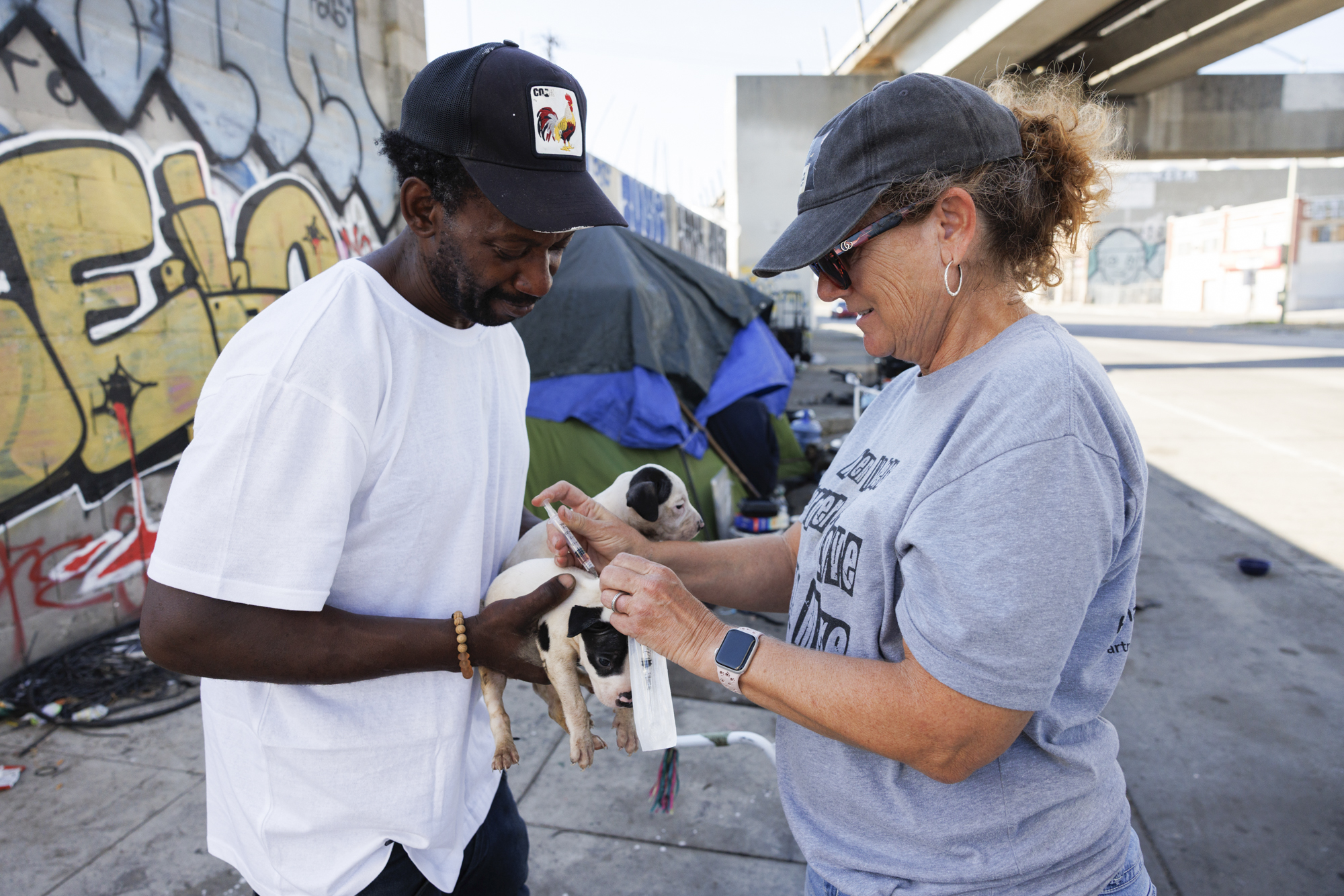
"caption": "Meg McAdams cuts the nails of Christy Grensberg’s new puppy, Houdini, on Sept. 23, 2026, in Oakland.",
"credit": "Miles Cull/KQED",
"altTag": null,
"description": null,
"imgSizes": {
"thumbnail": {
"file": "https://cdn.kqed.org/wp-content/uploads/sites/10/2026/10/092326-STREETVETS-20-MC-KQED-160x107.jpg",
"width": 160,
"height": 107,
"mimeType": "image/jpeg"
},
"1536x1536": {
"file": "https://cdn.kqed.org/wp-content/uploads/sites/10/2026/10/092326-STREETVETS-20-MC-KQED-1536x1025.jpg",
"width": 1536,
"height": 1025,
"mimeType": "image/jpeg"
},
"post-thumbnail": {
"file": "https://cdn.kqed.org/wp-content/uploads/sites/10/2026/10/092326-STREETVETS-20-MC-KQED-672x372.jpg",
"width": 672,
"height": 372,
"mimeType": "image/jpeg"
},
"twentyfourteen-full-width": {
"file": "https://cdn.kqed.org/wp-content/uploads/sites/10/2026/10/092326-STREETVETS-20-MC-KQED-1038x576.jpg",
"width": 1038,
"height": 576,
"mimeType": "image/jpeg"
},
"npr-cds-wide": {
"file": "https://cdn.kqed.org/wp-content/uploads/sites/10/2026/10/092326-STREETVETS-20-MC-KQED-1200x675.jpg",
"width": 1200,
"height": 675,
"mimeType": "image/jpeg"
},
"npr-cds-square": {
"file": "https://cdn.kqed.org/wp-content/uploads/sites/10/2026/10/092326-STREETVETS-20-MC-KQED-600x600.jpg",
"width": 600,
"height": 600,
"mimeType": "image/jpeg"
},
"kqedFullSize": {
"file": "https://cdn.kqed.org/wp-content/uploads/sites/10/2026/10/092326-STREETVETS-20-MC-KQED.jpg",
"width": 2000,
"height": 1334
}
},
"isLoading": false,
"fetchFailed": false
},
"news_12102857": {
"type": "attachments",
"id": "news_12102857",
"meta": {
"index": "attachments_1716263798",
"site": "news",
"id": "12102857",
"found": true
},
"title": "092326-STREETVETS-53-MC-KQED-1",
"publishDate": 1791220276,
"status": "inherit",
"parent": 0,
"modified": 1791220305,
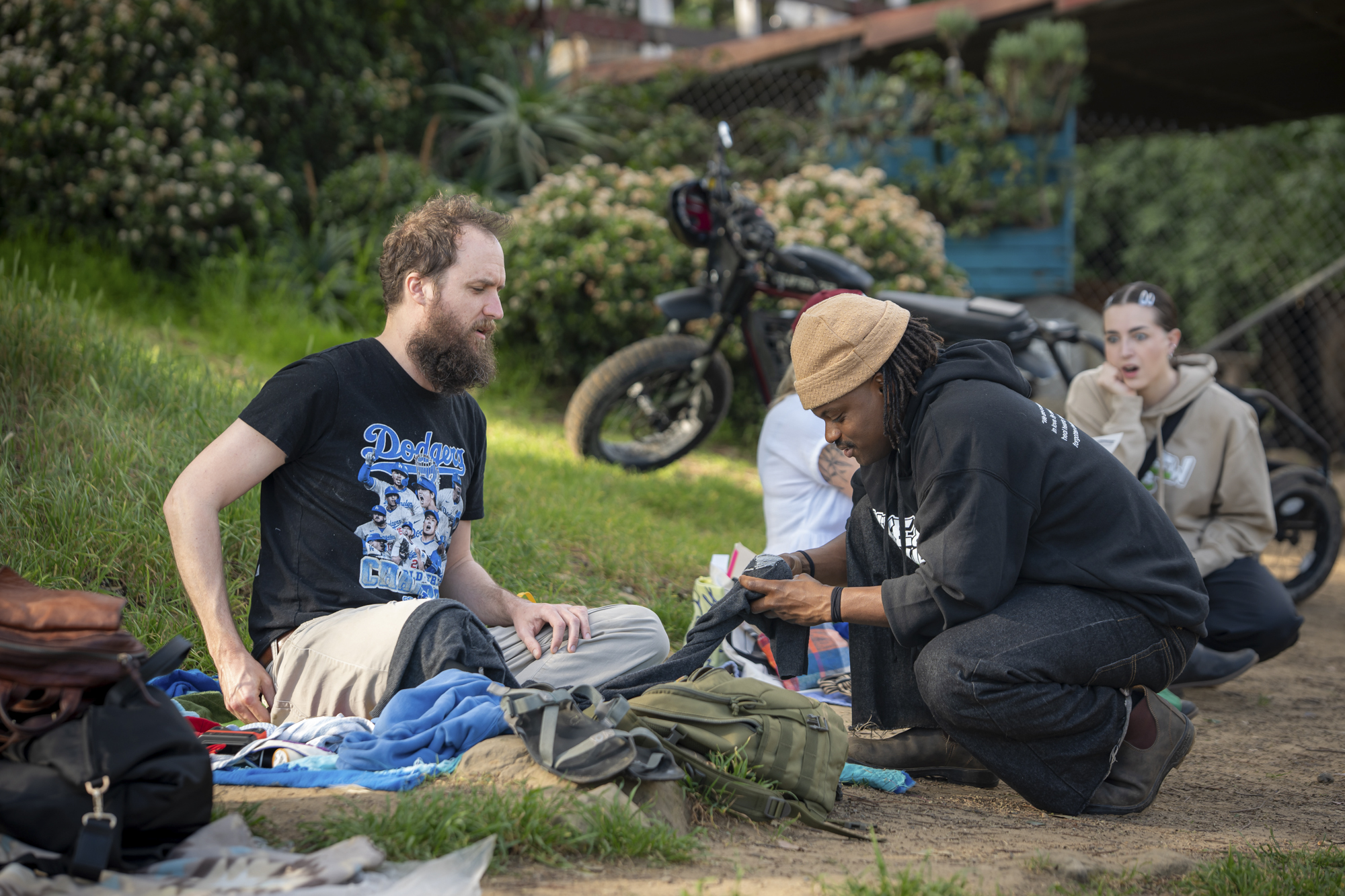
"caption": "Andre Lewis holds new puppies for Sharon Brown to vaccinate on Sept. 23, 2026, in Oakland. After telling their owner that they would die without vaccines, Lewis went to the owner’s tent and brought them out one by one.",
"credit": "Miles Cull/KQED",
"altTag": null,
"description": null,
"imgSizes": {
"thumbnail": {
"file": "https://cdn.kqed.org/wp-content/uploads/sites/10/2026/10/092326-STREETVETS-53-MC-KQED-1-160x107.jpg",
"width": 160,
"height": 107,
"mimeType": "image/jpeg"
},
"1536x1536": {
"file": "https://cdn.kqed.org/wp-content/uploads/sites/10/2026/10/092326-STREETVETS-53-MC-KQED-1-1536x1025.jpg",
"width": 1536,
"height": 1025,
"mimeType": "image/jpeg"
},
"post-thumbnail": {
"file": "https://cdn.kqed.org/wp-content/uploads/sites/10/2026/10/092326-STREETVETS-53-MC-KQED-1-672x372.jpg",
"width": 672,
"height": 372,
"mimeType": "image/jpeg"
},
"twentyfourteen-full-width": {
"file": "https://cdn.kqed.org/wp-content/uploads/sites/10/2026/10/092326-STREETVETS-53-MC-KQED-1-1038x576.jpg",
"width": 1038,
"height": 576,
"mimeType": "image/jpeg"
},
"npr-cds-wide": {
"file": "https://cdn.kqed.org/wp-content/uploads/sites/10/2026/10/092326-STREETVETS-53-MC-KQED-1-1200x675.jpg",
"width": 1200,
"height": 675,
"mimeType": "image/jpeg"
},
"npr-cds-square": {
"file": "https://cdn.kqed.org/wp-content/uploads/sites/10/2026/10/092326-STREETVETS-53-MC-KQED-1-600x600.jpg",
"width": 600,
"height": 600,
"mimeType": "image/jpeg"
},
"kqedFullSize": {
"file": "https://cdn.kqed.org/wp-content/uploads/sites/10/2026/10/092326-STREETVETS-53-MC-KQED-1.jpg",
"width": 2000,
"height": 1334
}
},
"isLoading": false,
"fetchFailed": false
},
"news_12102207": {
"type": "attachments",
"id": "news_12102207",
"meta": {
"index": "attachments_1716263798",
"site": "news",
"id": "12102207",
"found": true
},
"title": null,
"publishDate": 1790802154,
"status": "inherit",
"parent": 12102202,
"modified": 1790814690,
"caption": "Cesar Quijano and his Amity support team at the finish line of the San Diego 100.",
"credit": "Lucy Copp/LAist",
"altTag": null,
"description": null,
"imgSizes": {
"thumbnail": {
"file": "https://cdn.kqed.org/wp-content/uploads/sites/10/2026/09/download-160x120.jpeg",
"width": 160,
"height": 120,
"mimeType": "image/jpeg"
},
"post-thumbnail": {
"file": "https://cdn.kqed.org/wp-content/uploads/sites/10/2026/09/download-672x372.jpeg",
"width": 672,
"height": 372,
"mimeType": "image/jpeg"
},
"twentyfourteen-full-width": {
"file": "https://cdn.kqed.org/wp-content/uploads/sites/10/2026/09/download-1038x576.jpeg",
"width": 1038,
"height": 576,
"mimeType": "image/jpeg"
},
"npr-cds-wide": {
"file": "https://cdn.kqed.org/wp-content/uploads/sites/10/2026/09/download-1200x675.jpeg",
"width": 1200,
"height": 675,
"mimeType": "image/jpeg"
},
"npr-cds-square": {
"file": "https://cdn.kqed.org/wp-content/uploads/sites/10/2026/09/download-600x600.jpeg",
"width": 600,
"height": 600,
"mimeType": "image/jpeg"
},
"kqedFullSize": {
"file": "https://cdn.kqed.org/wp-content/uploads/sites/10/2026/09/download.jpeg",
"width": 1344,
"height": 1008
}
},
"isLoading": false,
"fetchFailed": false
},
"news_12087199": {
"type": "attachments",
"id": "news_12087199",
"meta": {
"index": "attachments_1716263798",
"site": "news",
"id": "12087199",
"found": true
},
"title": "260609-housingcrisisharlowsrain-TV-01198-KQED",
"publishDate": 1781209969,
"status": "inherit",
"parent": 0,
"modified": 1781210022,
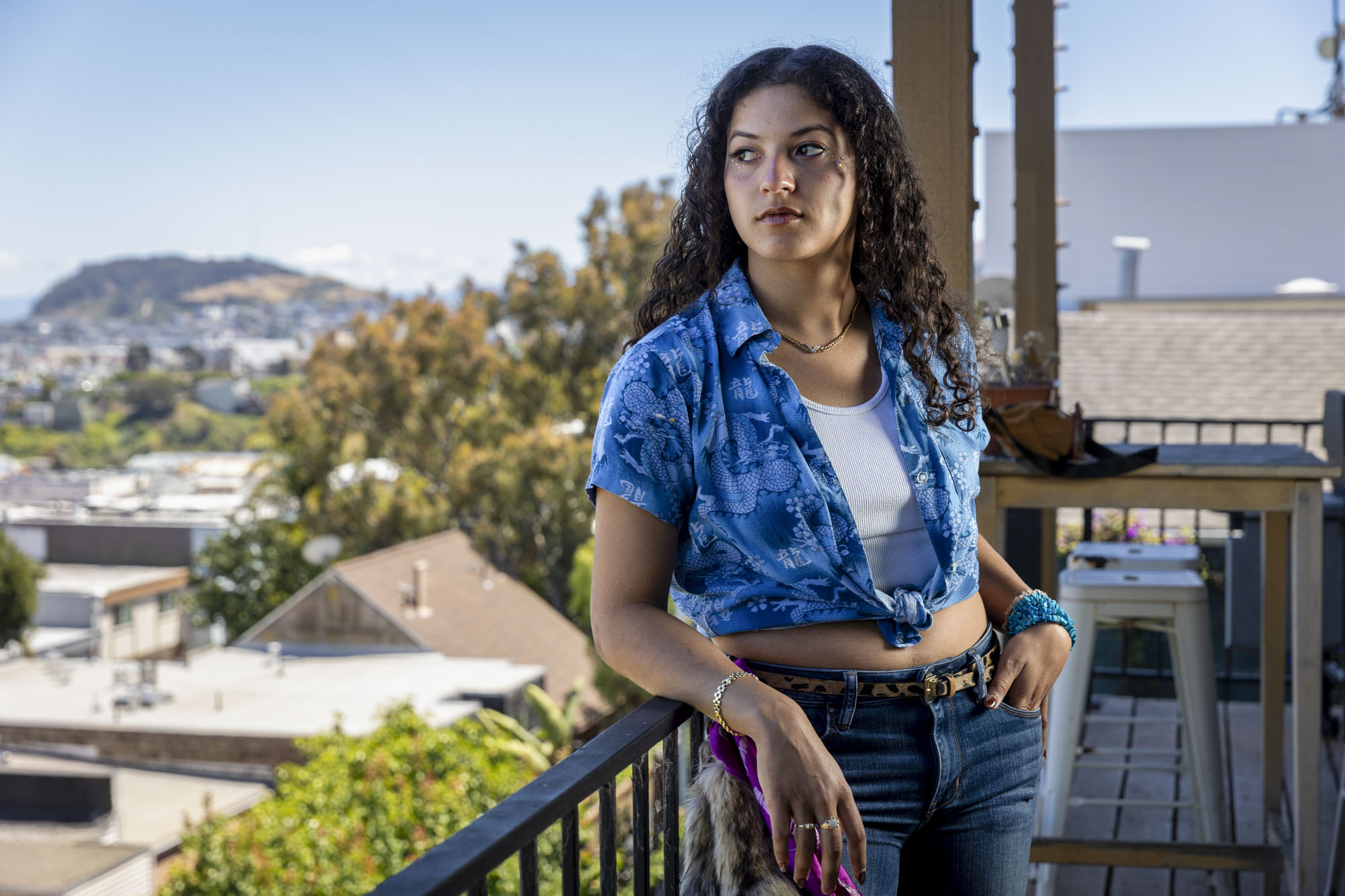
"caption": "Harlow Srain poses for a portrait on the balcony of her housing unit in San Francisco on June 9, 2026.",
"credit": "Tâm Vũ/KQED",
"altTag": null,
"description": null,
"imgSizes": {
"thumbnail": {
"file": "https://cdn.kqed.org/wp-content/uploads/sites/10/2026/06/260609-housingcrisisharlowsrain-TV-01198-KQED-160x107.jpg",
"width": 160,
"height": 107,
"mimeType": "image/jpeg"
},
"1536x1536": {
"file": "https://cdn.kqed.org/wp-content/uploads/sites/10/2026/06/260609-housingcrisisharlowsrain-TV-01198-KQED-1536x1024.jpg",
"width": 1536,
"height": 1024,
"mimeType": "image/jpeg"
},
"post-thumbnail": {
"file": "https://cdn.kqed.org/wp-content/uploads/sites/10/2026/06/260609-housingcrisisharlowsrain-TV-01198-KQED-672x372.jpg",
"width": 672,
"height": 372,
"mimeType": "image/jpeg"
},
"twentyfourteen-full-width": {
"file": "https://cdn.kqed.org/wp-content/uploads/sites/10/2026/06/260609-housingcrisisharlowsrain-TV-01198-KQED-1038x576.jpg",
"width": 1038,
"height": 576,
"mimeType": "image/jpeg"
},
"npr-cds-wide": {
"file": "https://cdn.kqed.org/wp-content/uploads/sites/10/2026/06/260609-housingcrisisharlowsrain-TV-01198-KQED-1200x675.jpg",
"width": 1200,
"height": 675,
"mimeType": "image/jpeg"
},
"npr-cds-square": {
"file": "https://cdn.kqed.org/wp-content/uploads/sites/10/2026/06/260609-housingcrisisharlowsrain-TV-01198-KQED-600x600.jpg",
"width": 600,
"height": 600,
"mimeType": "image/jpeg"
},
"kqedFullSize": {
"file": "https://cdn.kqed.org/wp-content/uploads/sites/10/2026/06/260609-housingcrisisharlowsrain-TV-01198-KQED.jpg",
"width": 2000,
"height": 1333
}
},
"isLoading": false,
"fetchFailed": false
},
"news_12101628": {
"type": "attachments",
"id": "news_12101628",
"meta": {
"index": "attachments_1716263798",
"site": "news",
"id": "12101628",
"found": true
},
"title": "260609-housingcrisisharlowsrain-TV-01227_qed",
"publishDate": 1790620577,
"status": "inherit",
"parent": 12100661,
"modified": 1790620591,
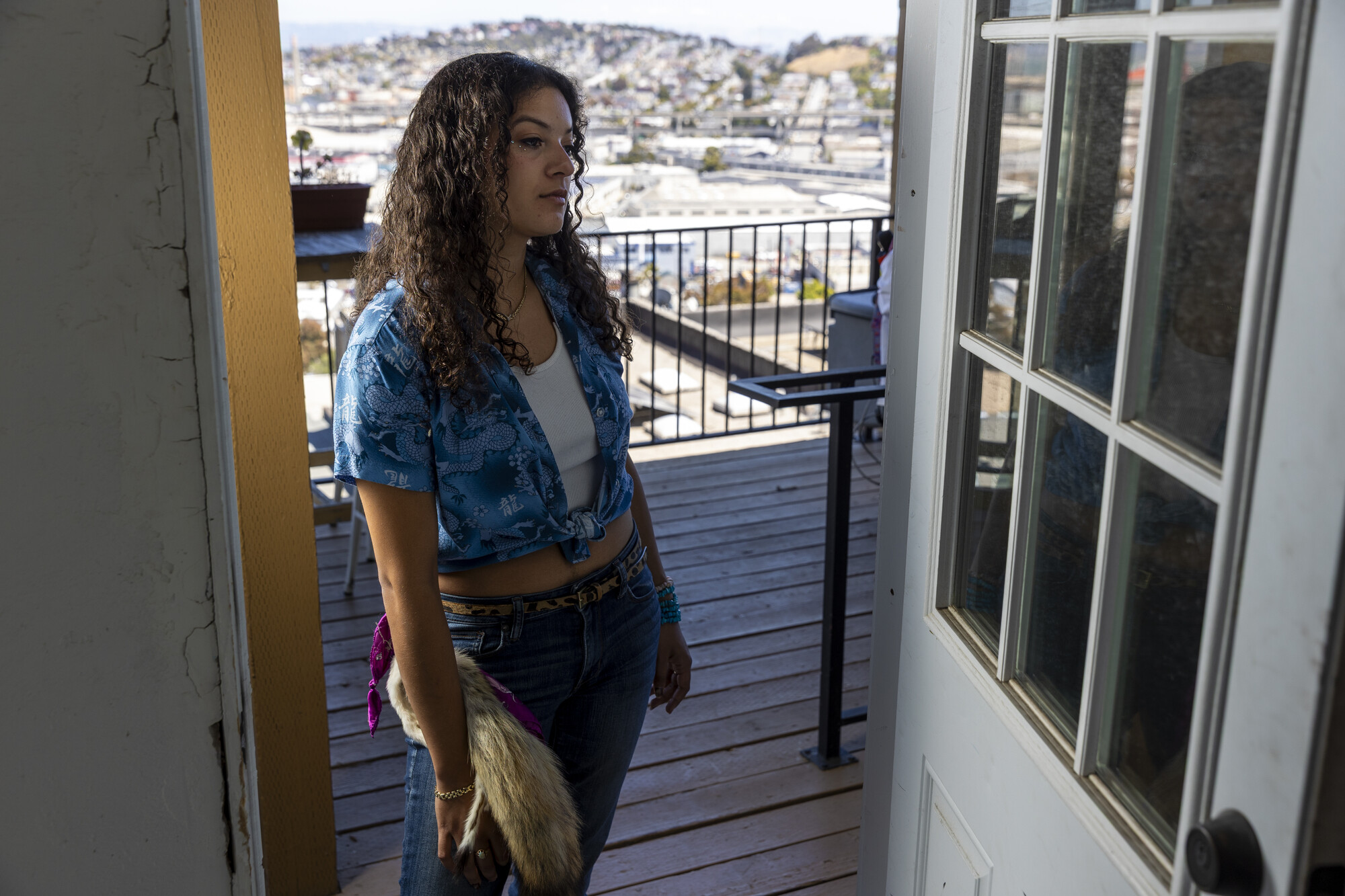
"caption": "Harlow Srain poses for a portrait on the balcony of her housing unit in San Francisco on June 9, 2026.",
"credit": "Tâm Vũ/KQED",
"altTag": null,
"description": null,
"imgSizes": {
"thumbnail": {
"file": "https://cdn.kqed.org/wp-content/uploads/sites/10/2026/09/260609-housingcrisisharlowsrain-TV-01227_qed-160x107.jpg",
"width": 160,
"height": 107,
"mimeType": "image/jpeg"
},
"1536x1536": {
"file": "https://cdn.kqed.org/wp-content/uploads/sites/10/2026/09/260609-housingcrisisharlowsrain-TV-01227_qed-1536x1024.jpg",
"width": 1536,
"height": 1024,
"mimeType": "image/jpeg"
},
"post-thumbnail": {
"file": "https://cdn.kqed.org/wp-content/uploads/sites/10/2026/09/260609-housingcrisisharlowsrain-TV-01227_qed-672x372.jpg",
"width": 672,
"height": 372,
"mimeType": "image/jpeg"
},
"twentyfourteen-full-width": {
"file": "https://cdn.kqed.org/wp-content/uploads/sites/10/2026/09/260609-housingcrisisharlowsrain-TV-01227_qed-1038x576.jpg",
"width": 1038,
"height": 576,
"mimeType": "image/jpeg"
},
"npr-cds-wide": {
"file": "https://cdn.kqed.org/wp-content/uploads/sites/10/2026/09/260609-housingcrisisharlowsrain-TV-01227_qed-1200x675.jpg",
"width": 1200,
"height": 675,
"mimeType": "image/jpeg"
},
"npr-cds-square": {
"file": "https://cdn.kqed.org/wp-content/uploads/sites/10/2026/09/260609-housingcrisisharlowsrain-TV-01227_qed-600x600.jpg",
"width": 600,
"height": 600,
"mimeType": "image/jpeg"
},
"kqedFullSize": {
"file": "https://cdn.kqed.org/wp-content/uploads/sites/10/2026/09/260609-housingcrisisharlowsrain-TV-01227_qed.jpg",
"width": 2000,
"height": 1333
}
},
"isLoading": false,
"fetchFailed": false
},
"news_12098630": {
"type": "attachments",
"id": "news_12098630",
"meta": {
"index": "attachments_1716263798",
"site": "news",
"id": "12098630",
"found": true
},
"title": "TheSpeaker_Horizontal_Episode 1-13",
"publishDate": 1788888970,
"status": "inherit",
"parent": 12098628,
"modified": 1789515833,
"caption": "Photo courtesy of the Office of Speaker Emerita Nancy Pelosi.",
"credit": null,
"altTag": "A smiling young Nancy Pelosi wears a red shirt and gestures with her arm out to the side in front of a large poster for her congressional campaign.",
"description": null,
"imgSizes": {
"medium": {
"file": "https://cdn.kqed.org/wp-content/uploads/sites/10/2026/09/TheSpeaker_Horizontal_Episode-1-13-2000x1125.jpg",
"width": 2000,
"height": 1125,
"mimeType": "image/jpeg"
},
"large": {
"file": "https://cdn.kqed.org/wp-content/uploads/sites/10/2026/09/TheSpeaker_Horizontal_Episode-1-13-2000x1125.jpg",
"width": 2000,
"height": 1125,
"mimeType": "image/jpeg"
},
"thumbnail": {
"file": "https://cdn.kqed.org/wp-content/uploads/sites/10/2026/09/TheSpeaker_Horizontal_Episode-1-13-160x90.jpg",
"width": 160,
"height": 90,
"mimeType": "image/jpeg"
},
"1536x1536": {
"file": "https://cdn.kqed.org/wp-content/uploads/sites/10/2026/09/TheSpeaker_Horizontal_Episode-1-13-1536x864.jpg",
"width": 1536,
"height": 864,
"mimeType": "image/jpeg"
},
"2048x2048": {
"file": "https://cdn.kqed.org/wp-content/uploads/sites/10/2026/09/TheSpeaker_Horizontal_Episode-1-13-2048x1152.jpg",
"width": 2048,
"height": 1152,
"mimeType": "image/jpeg"
},
"post-thumbnail": {
"file": "https://cdn.kqed.org/wp-content/uploads/sites/10/2026/09/TheSpeaker_Horizontal_Episode-1-13-672x372.jpg",
"width": 672,
"height": 372,
"mimeType": "image/jpeg"
},
"twentyfourteen-full-width": {
"file": "https://cdn.kqed.org/wp-content/uploads/sites/10/2026/09/TheSpeaker_Horizontal_Episode-1-13-1038x576.jpg",
"width": 1038,
"height": 576,
"mimeType": "image/jpeg"
},
"full-width": {
"file": "https://cdn.kqed.org/wp-content/uploads/sites/10/2026/09/TheSpeaker_Horizontal_Episode-1-13-2000x1125.jpg",
"width": 2000,
"height": 1125,
"mimeType": "image/jpeg"
},
"npr-cds-wide": {
"file": "https://cdn.kqed.org/wp-content/uploads/sites/10/2026/09/TheSpeaker_Horizontal_Episode-1-13-1200x675.jpg",
"width": 1200,
"height": 675,
"mimeType": "image/jpeg"
},
"npr-cds-square": {
"file": "https://cdn.kqed.org/wp-content/uploads/sites/10/2026/09/TheSpeaker_Horizontal_Episode-1-13-600x600.jpg",
"width": 600,
"height": 600,
"mimeType": "image/jpeg"
},
"kqedFullSize": {
"file": "https://cdn.kqed.org/wp-content/uploads/sites/10/2026/09/TheSpeaker_Horizontal_Episode-1-13-scaled.jpg",
"width": 2560,
"height": 1440
}
},
"isLoading": false,
"fetchFailed": false
},
"news_12068329": {
"type": "attachments",
"id": "news_12068329",
"meta": {
"index": "attachments_1716263798",
"site": "news",
"id": "12068329",
"found": true
},
"title": "20251221_JohnColtraneChurch_December_GH-6_qed",
"publishDate": 1766517655,
"status": "inherit",
"parent": 12070415,
"modified": 1768938345,
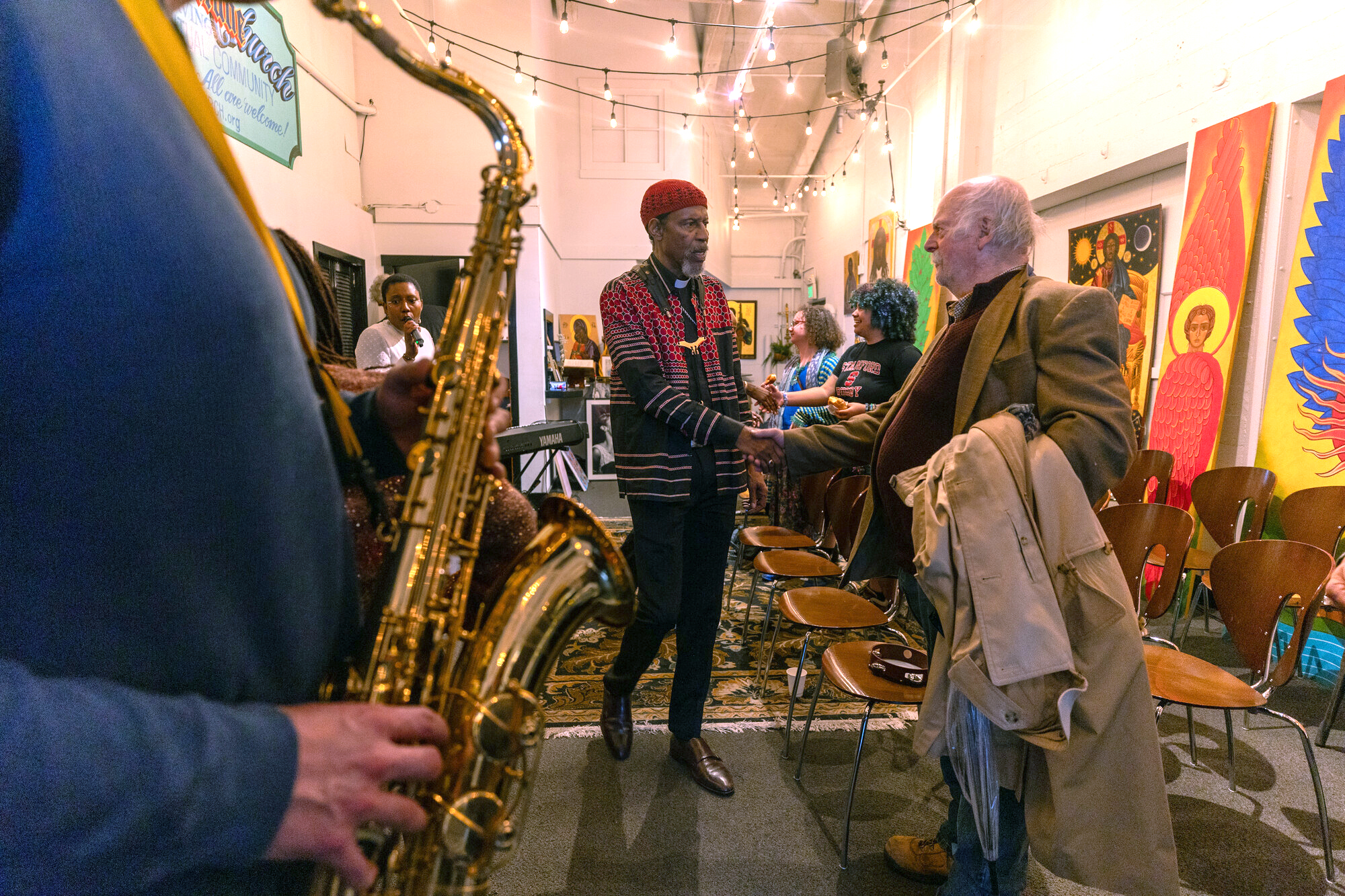
"caption": "His Eminence Archbishop Franzo W. King greets congregants after Sunday mass at the St. John Coltrane Church at Fort Mason in San Francisco on Dec. 21, 2025.",
"credit": "Gustavo Hernandez/KQED",
"altTag": null,
"description": null,
"imgSizes": {
"thumbnail": {
"file": "https://cdn.kqed.org/wp-content/uploads/sites/10/2025/12/20251221_JohnColtraneChurch_December_GH-6_qed-160x107.jpg",
"width": 160,
"height": 107,
"mimeType": "image/jpeg"
},
"1536x1536": {
"file": "https://cdn.kqed.org/wp-content/uploads/sites/10/2025/12/20251221_JohnColtraneChurch_December_GH-6_qed-1536x1024.jpg",
"width": 1536,
"height": 1024,
"mimeType": "image/jpeg"
},
"post-thumbnail": {
"file": "https://cdn.kqed.org/wp-content/uploads/sites/10/2025/12/20251221_JohnColtraneChurch_December_GH-6_qed-672x372.jpg",
"width": 672,
"height": 372,
"mimeType": "image/jpeg"
},
"twentyfourteen-full-width": {
"file": "https://cdn.kqed.org/wp-content/uploads/sites/10/2025/12/20251221_JohnColtraneChurch_December_GH-6_qed-1038x576.jpg",
"width": 1038,
"height": 576,
"mimeType": "image/jpeg"
},
"npr-cds-wide": {
"file": "https://cdn.kqed.org/wp-content/uploads/sites/10/2025/12/20251221_JohnColtraneChurch_December_GH-6_qed-1200x675.jpg",
"width": 1200,
"height": 675,
"mimeType": "image/jpeg"
},
"kqedFullSize": {
"file": "https://cdn.kqed.org/wp-content/uploads/sites/10/2025/12/20251221_JohnColtraneChurch_December_GH-6_qed.jpg",
"width": 2000,
"height": 1333
}
},
"isLoading": false,
"fetchFailed": false
},
"news_11800347": {
"type": "attachments",
"id": "news_11800347",
"meta": {
"index": "attachments_1716263798",
"site": "news",
"id": "11800347",
"found": true
},
"parent": 11797827,
"imgSizes": {
"apple_news_ca_landscape_5_5": {
"file": "https://ww2.kqed.org/app/uploads/sites/10/2020/04/postpartum_illustration_final-qut-1044x783.jpg",
"width": 1044,
"mimeType": "image/jpeg",
"height": 783
},
"apple_news_ca_square_4_0": {
"file": "https://ww2.kqed.org/app/uploads/sites/10/2020/04/postpartum_illustration_final-qut-470x470.jpg",
"width": 470,
"mimeType": "image/jpeg",
"height": 470
},
"twentyfourteen-full-width": {
"file": "https://ww2.kqed.org/app/uploads/sites/10/2020/04/postpartum_illustration_final-qut-1038x576.jpg",
"width": 1038,
"mimeType": "image/jpeg",
"height": 576
},
"thumbnail": {
"file": "https://ww2.kqed.org/app/uploads/sites/10/2020/04/postpartum_illustration_final-qut-160x90.jpg",
"width": 160,
"mimeType": "image/jpeg",
"height": 90
},
"post-thumbnail": {
"file": "https://ww2.kqed.org/app/uploads/sites/10/2020/04/postpartum_illustration_final-qut-672x372.jpg",
"width": 672,
"mimeType": "image/jpeg",
"height": 372
},
"kqedFullSize": {
"file": "https://ww2.kqed.org/app/uploads/sites/10/2020/04/postpartum_illustration_final-qut.jpg",
"width": 1920,
"height": 1080
},
"apple_news_ca_landscape_4_7": {
"file": "https://ww2.kqed.org/app/uploads/sites/10/2020/04/postpartum_illustration_final-qut-632x474.jpg",
"width": 632,
"mimeType": "image/jpeg",
"height": 474
},
"large": {
"file": "https://ww2.kqed.org/app/uploads/sites/10/2020/04/postpartum_illustration_final-qut-1020x574.jpg",
"width": 1020,
"mimeType": "image/jpeg",
"height": 574
},
"apple_news_ca_landscape_4_0": {
"file": "https://ww2.kqed.org/app/uploads/sites/10/2020/04/postpartum_illustration_final-qut-536x402.jpg",
"width": 536,
"mimeType": "image/jpeg",
"height": 402
},
"apple_news_ca_portrait_12_9": {
"file": "https://ww2.kqed.org/app/uploads/sites/10/2020/04/postpartum_illustration_final-qut-1122x1080.jpg",
"width": 1122,
"mimeType": "image/jpeg",
"height": 1080
},
"medium": {
"file": "https://ww2.kqed.org/app/uploads/sites/10/2020/04/postpartum_illustration_final-qut-800x450.jpg",
"width": 800,
"mimeType": "image/jpeg",
"height": 450
},
"apple_news_ca_portrait_4_0": {
"file": "https://ww2.kqed.org/app/uploads/sites/10/2020/04/postpartum_illustration_final-qut-354x472.jpg",
"width": 354,
"mimeType": "image/jpeg",
"height": 472
},
"apple_news_ca_portrait_9_7": {
"file": "https://ww2.kqed.org/app/uploads/sites/10/2020/04/postpartum_illustration_final-qut-840x1080.jpg",
"width": 840,
"mimeType": "image/jpeg",
"height": 1080
},
"apple_news_ca_landscape_12_9": {
"file": "https://ww2.kqed.org/app/uploads/sites/10/2020/04/postpartum_illustration_final-qut-1832x1080.jpg",
"width": 1832,
"mimeType": "image/jpeg",
"height": 1080
},
"apple_news_ca_square_9_7": {
"file": "https://ww2.kqed.org/app/uploads/sites/10/2020/04/postpartum_illustration_final-qut-1104x1080.jpg",
"width": 1104,
"mimeType": "image/jpeg",
"height": 1080
},
"apple_news_ca_portrait_4_7": {
"file": "https://ww2.kqed.org/app/uploads/sites/10/2020/04/postpartum_illustration_final-qut-414x552.jpg",
"width": 414,
"mimeType": "image/jpeg",
"height": 552
},
"apple_news_ca_square_12_9": {
"file": "https://ww2.kqed.org/app/uploads/sites/10/2020/04/postpartum_illustration_final-qut-1472x1080.jpg",
"width": 1472,
"mimeType": "image/jpeg",
"height": 1080
},
"apple_news_ca_portrait_5_5": {
"file": "https://ww2.kqed.org/app/uploads/sites/10/2020/04/postpartum_illustration_final-qut-687x916.jpg",
"width": 687,
"mimeType": "image/jpeg",
"height": 916
},
"full-width": {
"file": "https://ww2.kqed.org/app/uploads/sites/10/2020/04/postpartum_illustration_final-qut-1920x1080.jpg",
"width": 1920,
"mimeType": "image/jpeg",
"height": 1080
},
"apple_news_ca_square_4_7": {
"file": "https://ww2.kqed.org/app/uploads/sites/10/2020/04/postpartum_illustration_final-qut-550x550.jpg",
"width": 550,
"mimeType": "image/jpeg",
"height": 550
},
"apple_news_ca_landscape_9_7": {
"file": "https://ww2.kqed.org/app/uploads/sites/10/2020/04/postpartum_illustration_final-qut-1376x1032.jpg",
"width": 1376,
"mimeType": "image/jpeg",
"height": 1032
},
"apple_news_ca_square_5_5": {
"file": "https://ww2.kqed.org/app/uploads/sites/10/2020/04/postpartum_illustration_final-qut-912x912.jpg",
"width": 912,
"mimeType": "image/jpeg",
"height": 912
}
},
"publishDate": 1580957164,
"modified": 1580957198,
"caption": "Postpartum psychosis affects one to two moms out of 1,000 births, but many reproductive psychiatrists believe that is an underestimate because the symptoms are easy to miss, and the doctors who most often see new moms are not trained to recognize them.",
"description": "Postpartum psychosis affects one to two moms out of 1,000 births, but many reproductive psychiatrists believe that is an underestimate because the symptoms are easy to miss, and the doctors who most often see new moms are not trained to recognize them.",
"title": "postpartum_illustration_final-qut",
"credit": "Kelly Heigert/KQED",
"status": "inherit",
"isLoading": false,
"fetchFailed": false
},
"news_12096619": {
"type": "attachments",
"id": "news_12096619",
"meta": {
"index": "attachments_1716263798",
"site": "news",
"id": "12096619",
"found": true
},
"title": "260824-Big Bear Eagles 2way-01-KQED",
"publishDate": 1787613195,
"status": "inherit",
"parent": 0,
"modified": 1787701334,
"caption": "Jackie, the late Big Bear bald eagle, is seen on a 2023 livestream from the San Bernardino Mountains.",
"credit": "Photo Courtesy: Friends of Big Bear Valley ",
"altTag": null,
"description": null,
"imgSizes": {
"thumbnail": {
"file": "https://cdn.kqed.org/wp-content/uploads/sites/10/2026/08/260824-Big-Bear-Eagles-2way-01-KQED-160x90.jpg",
"width": 160,
"height": 90,
"mimeType": "image/jpeg"
},
"1536x1536": {
"file": "https://cdn.kqed.org/wp-content/uploads/sites/10/2026/08/260824-Big-Bear-Eagles-2way-01-KQED-1536x864.jpg",
"width": 1536,
"height": 864,
"mimeType": "image/jpeg"
},
"post-thumbnail": {
"file": "https://cdn.kqed.org/wp-content/uploads/sites/10/2026/08/260824-Big-Bear-Eagles-2way-01-KQED-672x372.jpg",
"width": 672,
"height": 372,
"mimeType": "image/jpeg"
},
"twentyfourteen-full-width": {
"file": "https://cdn.kqed.org/wp-content/uploads/sites/10/2026/08/260824-Big-Bear-Eagles-2way-01-KQED-1038x576.jpg",
"width": 1038,
"height": 576,
"mimeType": "image/jpeg"
},
"npr-cds-wide": {
"file": "https://cdn.kqed.org/wp-content/uploads/sites/10/2026/08/260824-Big-Bear-Eagles-2way-01-KQED-1200x675.jpg",
"width": 1200,
"height": 675,
"mimeType": "image/jpeg"
},
"npr-cds-square": {
"file": "https://cdn.kqed.org/wp-content/uploads/sites/10/2026/08/260824-Big-Bear-Eagles-2way-01-KQED-600x600.jpg",
"width": 600,
"height": 600,
"mimeType": "image/jpeg"
},
"kqedFullSize": {
"file": "https://cdn.kqed.org/wp-content/uploads/sites/10/2026/08/260824-Big-Bear-Eagles-2way-01-KQED.jpg",
"width": 2000,
"height": 1125
}
},
"isLoading": false,
"fetchFailed": false
},
"news_12095032": {
"type": "attachments",
"id": "news_12095032",
"meta": {
"index": "attachments_1716263798",
"site": "news",
"id": "12095032",
"found": true
},
"title": "260812-FamilyRehab-02",
"publishDate": 1786570030,
"status": "inherit",
"parent": 0,
"modified": 1787264090,
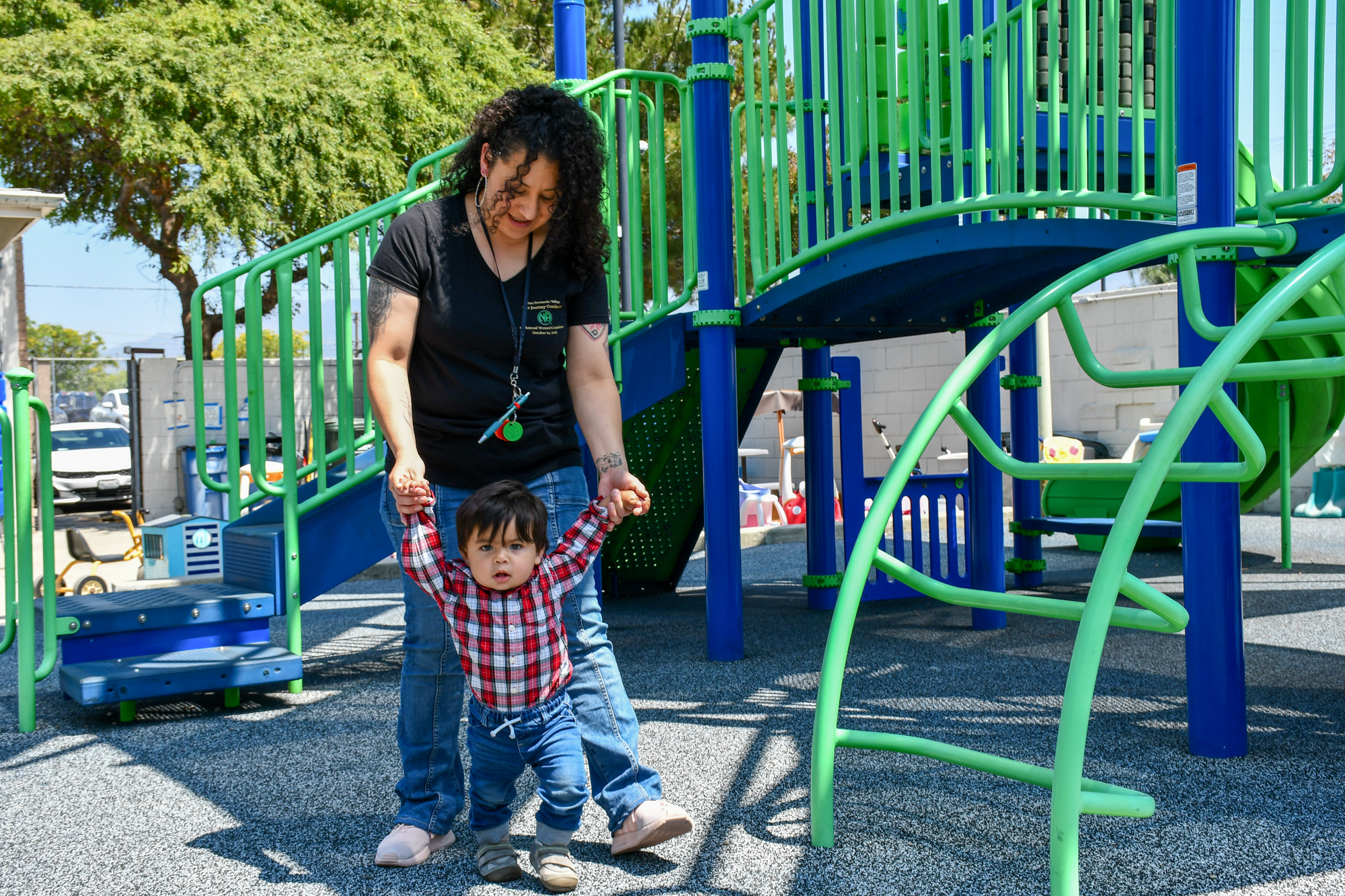
"caption": "Via Avanta resident Jasmine walk with her toddler, Angel, in the playground at the Southern California facility on June 17, 2026.\n",
"credit": "Courtesy of Emmanuel Luissi",
"altTag": null,
"description": null,
"imgSizes": {
"thumbnail": {
"file": "https://cdn.kqed.org/wp-content/uploads/sites/10/2026/08/260812-FamilyRehab-02-160x107.jpg",
"width": 160,
"height": 107,
"mimeType": "image/jpeg"
},
"1536x1536": {
"file": "https://cdn.kqed.org/wp-content/uploads/sites/10/2026/08/260812-FamilyRehab-02-1536x1024.jpg",
"width": 1536,
"height": 1024,
"mimeType": "image/jpeg"
},
"post-thumbnail": {
"file": "https://cdn.kqed.org/wp-content/uploads/sites/10/2026/08/260812-FamilyRehab-02-672x372.jpg",
"width": 672,
"height": 372,
"mimeType": "image/jpeg"
},
"twentyfourteen-full-width": {
"file": "https://cdn.kqed.org/wp-content/uploads/sites/10/2026/08/260812-FamilyRehab-02-1038x576.jpg",
"width": 1038,
"height": 576,
"mimeType": "image/jpeg"
},
"npr-cds-wide": {
"file": "https://cdn.kqed.org/wp-content/uploads/sites/10/2026/08/260812-FamilyRehab-02-1200x675.jpg",
"width": 1200,
"height": 675,
"mimeType": "image/jpeg"
},
"npr-cds-square": {
"file": "https://cdn.kqed.org/wp-content/uploads/sites/10/2026/08/260812-FamilyRehab-02-600x600.jpg",
"width": 600,
"height": 600,
"mimeType": "image/jpeg"
},
"kqedFullSize": {
"file": "https://cdn.kqed.org/wp-content/uploads/sites/10/2026/08/260812-FamilyRehab-02.jpg",
"width": 2000,
"height": 1333
}
},
"isLoading": false,
"fetchFailed": false
},
"news_12093135": {
"type": "attachments",
"id": "news_12093135",
"meta": {
"index": "attachments_1716263798",
"site": "news",
"id": "12093135",
"found": true
},
"title": "260722-FAMILYSEPARATION-03-BL-KQED",
"publishDate": 1785359842,
"status": "inherit",
"parent": 0,
"modified": 1786559364,
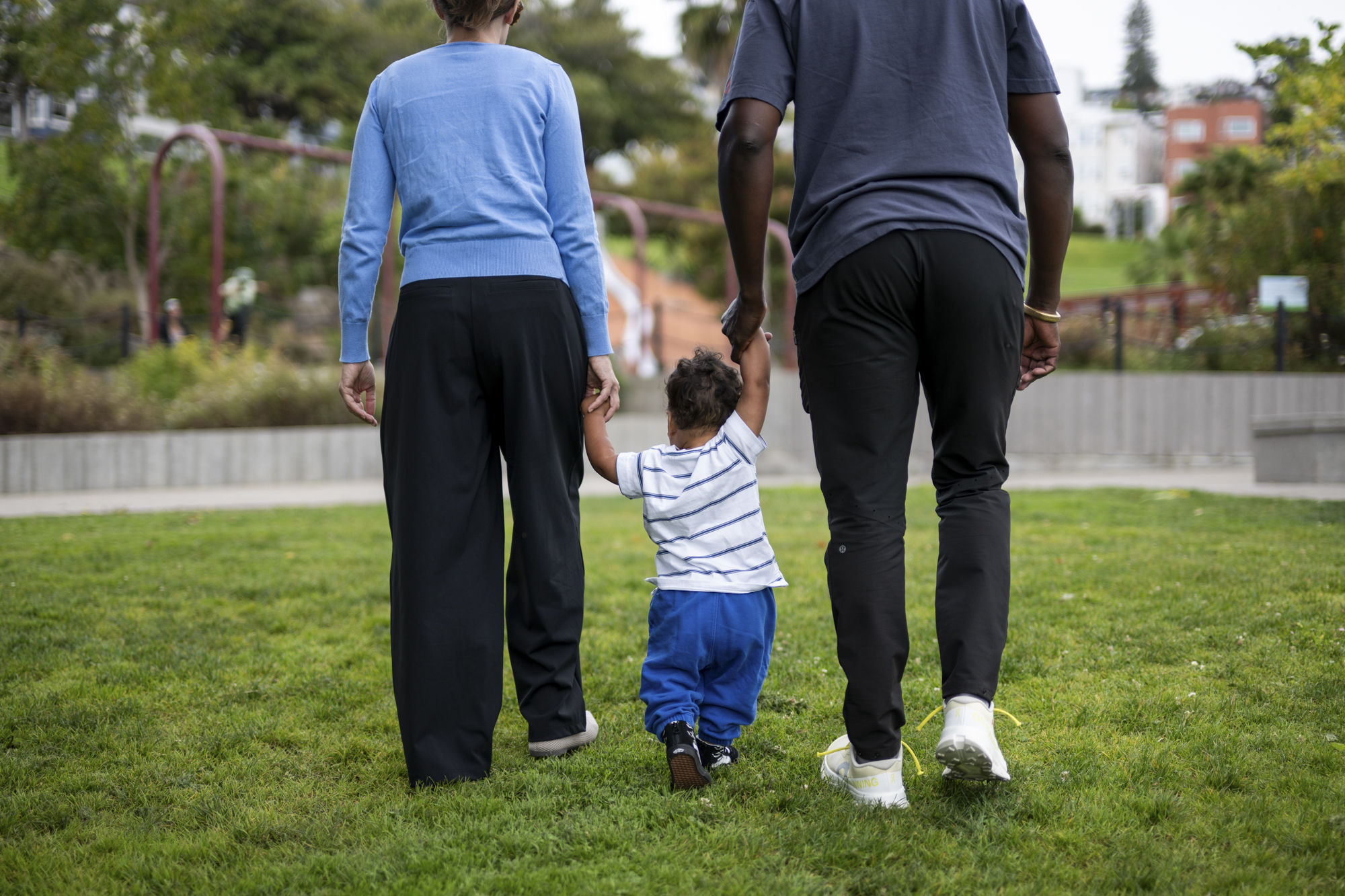
"caption": "Alexandra, Peter and their 1-year-old son walk through Dolores Park in San Francisco on July 22, 2026.",
"credit": "Beth LaBerge/KQED",
"altTag": null,
"description": null,
"imgSizes": {
"thumbnail": {
"file": "https://cdn.kqed.org/wp-content/uploads/sites/10/2026/07/260722-FAMILYSEPARATION-03-BL-KQED-160x107.jpg",
"width": 160,
"height": 107,
"mimeType": "image/jpeg"
},
"1536x1536": {
"file": "https://cdn.kqed.org/wp-content/uploads/sites/10/2026/07/260722-FAMILYSEPARATION-03-BL-KQED-1536x1024.jpg",
"width": 1536,
"height": 1024,
"mimeType": "image/jpeg"
},
"post-thumbnail": {
"file": "https://cdn.kqed.org/wp-content/uploads/sites/10/2026/07/260722-FAMILYSEPARATION-03-BL-KQED-672x372.jpg",
"width": 672,
"height": 372,
"mimeType": "image/jpeg"
},
"twentyfourteen-full-width": {
"file": "https://cdn.kqed.org/wp-content/uploads/sites/10/2026/07/260722-FAMILYSEPARATION-03-BL-KQED-1038x576.jpg",
"width": 1038,
"height": 576,
"mimeType": "image/jpeg"
},
"npr-cds-wide": {
"file": "https://cdn.kqed.org/wp-content/uploads/sites/10/2026/07/260722-FAMILYSEPARATION-03-BL-KQED-1200x675.jpg",
"width": 1200,
"height": 675,
"mimeType": "image/jpeg"
},
"npr-cds-square": {
"file": "https://cdn.kqed.org/wp-content/uploads/sites/10/2026/07/260722-FAMILYSEPARATION-03-BL-KQED-600x600.jpg",
"width": 600,
"height": 600,
"mimeType": "image/jpeg"
},
"kqedFullSize": {
"file": "https://cdn.kqed.org/wp-content/uploads/sites/10/2026/07/260722-FAMILYSEPARATION-03-BL-KQED.jpg",
"width": 2000,
"height": 1333
}
},
"isLoading": false,
"fetchFailed": false
},
"news_12095031": {
"type": "attachments",
"id": "news_12095031",
"meta": {
"index": "attachments_1716263798",
"site": "news",
"id": "12095031",
"found": true
},
"title": "260812-FamilyRehab-01",
"publishDate": 1786570007,
"status": "inherit",
"parent": 0,
"modified": 1787263850,
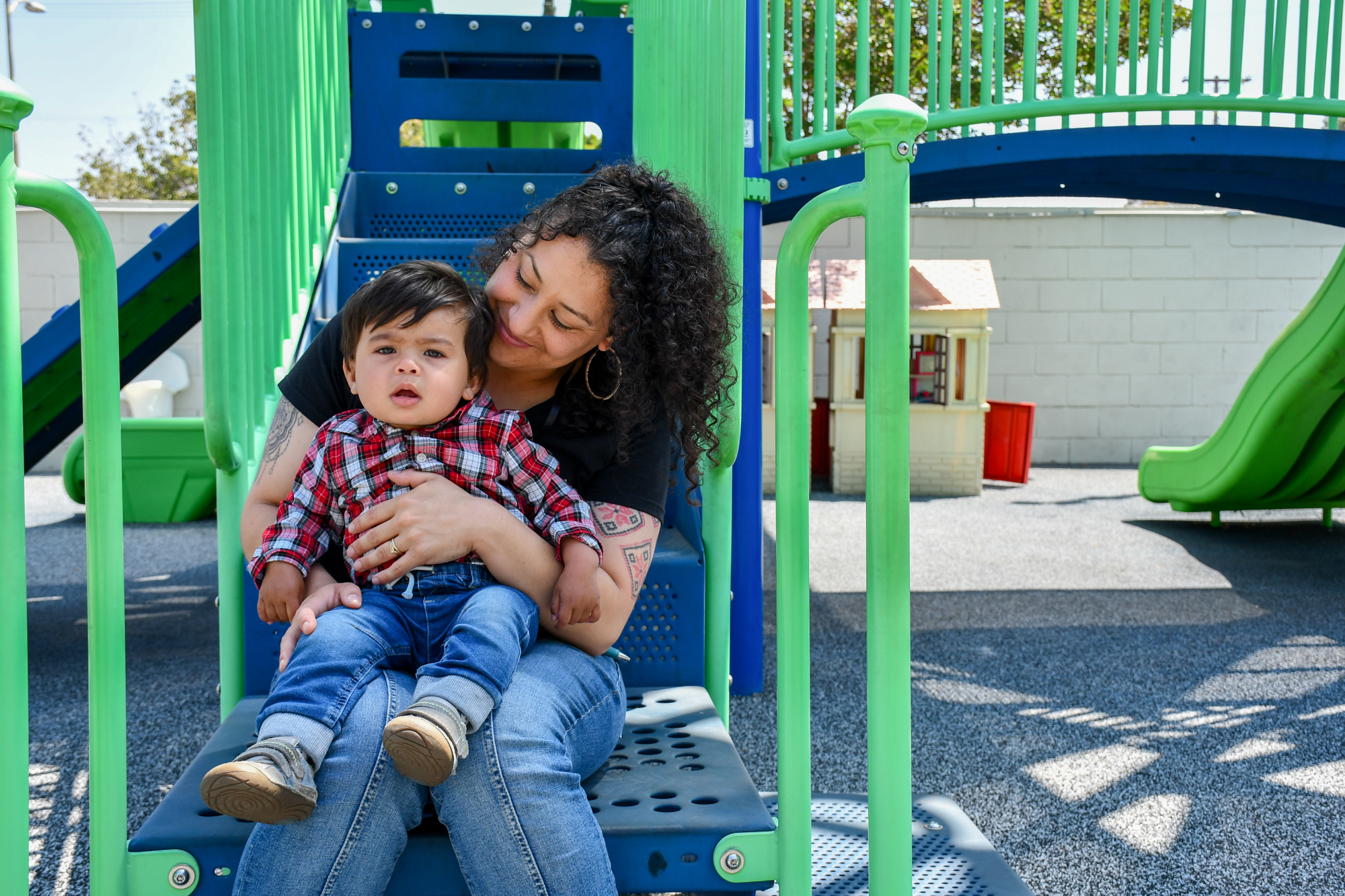
"caption": "Jasmine smiles at her toddler, Angel, on the Via Avanta playground on June 17, 2026. ",
"credit": "Courtesy of Emmanuel Luissi",
"altTag": null,
"description": null,
"imgSizes": {
"thumbnail": {
"file": "https://cdn.kqed.org/wp-content/uploads/sites/10/2026/08/260812-FamilyRehab-01-160x107.jpg",
"width": 160,
"height": 107,
"mimeType": "image/jpeg"
},
"1536x1536": {
"file": "https://cdn.kqed.org/wp-content/uploads/sites/10/2026/08/260812-FamilyRehab-01-1536x1024.jpg",
"width": 1536,
"height": 1024,
"mimeType": "image/jpeg"
},
"post-thumbnail": {
"file": "https://cdn.kqed.org/wp-content/uploads/sites/10/2026/08/260812-FamilyRehab-01-672x372.jpg",
"width": 672,
"height": 372,
"mimeType": "image/jpeg"
},
"twentyfourteen-full-width": {
"file": "https://cdn.kqed.org/wp-content/uploads/sites/10/2026/08/260812-FamilyRehab-01-1038x576.jpg",
"width": 1038,
"height": 576,
"mimeType": "image/jpeg"
},
"npr-cds-wide": {
"file": "https://cdn.kqed.org/wp-content/uploads/sites/10/2026/08/260812-FamilyRehab-01-1200x675.jpg",
"width": 1200,
"height": 675,
"mimeType": "image/jpeg"
},
"npr-cds-square": {
"file": "https://cdn.kqed.org/wp-content/uploads/sites/10/2026/08/260812-FamilyRehab-01-600x600.jpg",
"width": 600,
"height": 600,
"mimeType": "image/jpeg"
},
"kqedFullSize": {
"file": "https://cdn.kqed.org/wp-content/uploads/sites/10/2026/08/260812-FamilyRehab-01.jpg",
"width": 2000,
"height": 1333
}
},
"isLoading": false,
"fetchFailed": false
},
"news_12080971": {
"type": "attachments",
"id": "news_12080971",
"meta": {
"index": "attachments_1716263798",
"site": "news",
"id": "12080971",
"found": true
},
"title": "Hike & Sew",
"publishDate": 1776891020,
"status": "inherit",
"parent": 12083851,
"modified": 1778865194,
"caption": "Angle Gentle (right) and a friend work on a project together at a Hike and Sew event in Los Angeles. A community-driven, mobile crafting group combines, hiking, and outdoor sewing in Los Angeles.",
"credit": "Courtesy of Kim Silverstein",
"altTag": null,
"description": null,
"imgSizes": {
"thumbnail": {
"file": "https://cdn.kqed.org/wp-content/uploads/sites/10/2026/04/260422-HIKENSEW-04-KQED-160x107.jpg",
"width": 160,
"height": 107,
"mimeType": "image/jpeg"
},
"1536x1536": {
"file": "https://cdn.kqed.org/wp-content/uploads/sites/10/2026/04/260422-HIKENSEW-04-KQED-1536x1024.jpg",
"width": 1536,
"height": 1024,
"mimeType": "image/jpeg"
},
"post-thumbnail": {
"file": "https://cdn.kqed.org/wp-content/uploads/sites/10/2026/04/260422-HIKENSEW-04-KQED-672x372.jpg",
"width": 672,
"height": 372,
"mimeType": "image/jpeg"
},
"twentyfourteen-full-width": {
"file": "https://cdn.kqed.org/wp-content/uploads/sites/10/2026/04/260422-HIKENSEW-04-KQED-1038x576.jpg",
"width": 1038,
"height": 576,
"mimeType": "image/jpeg"
},
"npr-cds-wide": {
"file": "https://cdn.kqed.org/wp-content/uploads/sites/10/2026/04/260422-HIKENSEW-04-KQED-1200x675.jpg",
"width": 1200,
"height": 675,
"mimeType": "image/jpeg"
},
"npr-cds-square": {
"file": "https://cdn.kqed.org/wp-content/uploads/sites/10/2026/04/260422-HIKENSEW-04-KQED-600x600.jpg",
"width": 600,
"height": 600,
"mimeType": "image/jpeg"
},
"kqedFullSize": {
"file": "https://cdn.kqed.org/wp-content/uploads/sites/10/2026/04/260422-HIKENSEW-04-KQED.jpg",
"width": 2000,
"height": 1333
}
},
"isLoading": false,
"fetchFailed": false
},
"news_12073464": {
"type": "attachments",
"id": "news_12073464",
"meta": {
"index": "attachments_1716263798",
"site": "news",
"id": "12073464",
"found": true
},
"title": "Alfred Melbourne who founded the indigenous education farming operation called the Three Sisters Garden. It was founded in 2018 by Alfred Melbourne with a goal to give back to the community by inspiring and empowering youth through gardening, with a focus",
"publishDate": 1771006033,
"status": "inherit",
"parent": 0,
"modified": 1771006133,
"caption": "Kenny McDowell holds a handful of onion microgreens at Three Sisters Garden in West Sacramento on Feb. 12, 2026.",
"credit": "Louis Bryant III for KQED",
"altTag": null,
"description": null,
"imgSizes": {
"thumbnail": {
"file": "https://cdn.kqed.org/wp-content/uploads/sites/10/2026/02/02122026_LBR3_3SISGDN-86-KQED-160x107.jpg",
"width": 160,
"height": 107,
"mimeType": "image/jpeg"
},
"1536x1536": {
"file": "https://cdn.kqed.org/wp-content/uploads/sites/10/2026/02/02122026_LBR3_3SISGDN-86-KQED-1536x1025.jpg",
"width": 1536,
"height": 1025,
"mimeType": "image/jpeg"
},
"post-thumbnail": {
"file": "https://cdn.kqed.org/wp-content/uploads/sites/10/2026/02/02122026_LBR3_3SISGDN-86-KQED-672x372.jpg",
"width": 672,
"height": 372,
"mimeType": "image/jpeg"
},
"twentyfourteen-full-width": {
"file": "https://cdn.kqed.org/wp-content/uploads/sites/10/2026/02/02122026_LBR3_3SISGDN-86-KQED-1038x576.jpg",
"width": 1038,
"height": 576,
"mimeType": "image/jpeg"
},
"npr-cds-wide": {
"file": "https://cdn.kqed.org/wp-content/uploads/sites/10/2026/02/02122026_LBR3_3SISGDN-86-KQED-1200x675.jpg",
"width": 1200,
"height": 675,
"mimeType": "image/jpeg"
},
"kqedFullSize": {
"file": "https://cdn.kqed.org/wp-content/uploads/sites/10/2026/02/02122026_LBR3_3SISGDN-86-KQED.jpg",
"width": 2000,
"height": 1334
}
},
"isLoading": false,
"fetchFailed": false
},
"news_12078433": {
"type": "attachments",
"id": "news_12078433",
"meta": {
"index": "attachments_1716263798",
"site": "news",
"id": "12078433",
"found": true
},
"title": "012426_FREEOAKLANDUP_GH_011-KQED",
"publishDate": 1775137637,
"status": "inherit",
"parent": 0,
"modified": 1775137651,
"caption": "Customers browse donated items inside Free Oakland UP in Oakland on Jan. 24, 2026.",
"credit": "Gustavo Hernandez/KQED",
"altTag": null,
"description": null,
"imgSizes": {
"thumbnail": {
"file": "https://cdn.kqed.org/wp-content/uploads/sites/10/2026/04/012426_FREEOAKLANDUP_GH_011-KQED-160x107.jpg",
"width": 160,
"height": 107,
"mimeType": "image/jpeg"
},
"1536x1536": {
"file": "https://cdn.kqed.org/wp-content/uploads/sites/10/2026/04/012426_FREEOAKLANDUP_GH_011-KQED-1536x1024.jpg",
"width": 1536,
"height": 1024,
"mimeType": "image/jpeg"
},
"post-thumbnail": {
"file": "https://cdn.kqed.org/wp-content/uploads/sites/10/2026/04/012426_FREEOAKLANDUP_GH_011-KQED-672x372.jpg",
"width": 672,
"height": 372,
"mimeType": "image/jpeg"
},
"twentyfourteen-full-width": {
"file": "https://cdn.kqed.org/wp-content/uploads/sites/10/2026/04/012426_FREEOAKLANDUP_GH_011-KQED-1038x576.jpg",
"width": 1038,
"height": 576,
"mimeType": "image/jpeg"
},
"npr-cds-wide": {
"file": "https://cdn.kqed.org/wp-content/uploads/sites/10/2026/04/012426_FREEOAKLANDUP_GH_011-KQED-1200x675.jpg",
"width": 1200,
"height": 675,
"mimeType": "image/jpeg"
},
"npr-cds-square": {
"file": "https://cdn.kqed.org/wp-content/uploads/sites/10/2026/04/012426_FREEOAKLANDUP_GH_011-KQED-600x600.jpg",
"width": 600,
"height": 600,
"mimeType": "image/jpeg"
},
"kqedFullSize": {
"file": "https://cdn.kqed.org/wp-content/uploads/sites/10/2026/04/012426_FREEOAKLANDUP_GH_011-KQED.jpg",
"width": 2000,
"height": 1333
}
},
"isLoading": false,
"fetchFailed": false
},
"news_12063882": {
"type": "attachments",
"id": "news_12063882",
"meta": {
"index": "attachments_1716263798",
"site": "news",
"id": "12063882",
"found": true
},
"title": "LYFY_WEB_Ep3_A",
"publishDate": 1762987230,
"status": "inherit",
"parent": 12063601,
"modified": 1762987688,
"caption": "Roberto Santiago and his two kids, Ryu (15) and Eloui (14). The California Report Magazine is featuring conversations between gender-expansive youth and adults in their lives who love, support and mentor them.",
"credit": "Anna Vignet/KQED",
"altTag": null,
"description": null,
"imgSizes": {
"thumbnail": {
"file": "https://cdn.kqed.org/wp-content/uploads/sites/10/2025/11/LYFY_WEB_Ep3_A-160x90.png",
"width": 160,
"height": 90,
"mimeType": "image/png"
},
"1536x1536": {
"file": "https://cdn.kqed.org/wp-content/uploads/sites/10/2025/11/LYFY_WEB_Ep3_A-1536x864.png",
"width": 1536,
"height": 864,
"mimeType": "image/png"
},
"post-thumbnail": {
"file": "https://cdn.kqed.org/wp-content/uploads/sites/10/2025/11/LYFY_WEB_Ep3_A-672x372.png",
"width": 672,
"height": 372,
"mimeType": "image/png"
},
"twentyfourteen-full-width": {
"file": "https://cdn.kqed.org/wp-content/uploads/sites/10/2025/11/LYFY_WEB_Ep3_A-1038x576.png",
"width": 1038,
"height": 576,
"mimeType": "image/png"
},
"npr-cds-wide": {
"file": "https://cdn.kqed.org/wp-content/uploads/sites/10/2025/11/LYFY_WEB_Ep3_A-1200x675.png",
"width": 1200,
"height": 675,
"mimeType": "image/png"
},
"kqedFullSize": {
"file": "https://cdn.kqed.org/wp-content/uploads/sites/10/2025/11/LYFY_WEB_Ep3_A.png",
"width": 1920,
"height": 1080
}
},
"isLoading": false,
"fetchFailed": false
},
"news_12063823": {
"type": "attachments",
"id": "news_12063823",
"meta": {
"index": "attachments_1716263798",
"site": "news",
"id": "12063823",
"found": true
},
"title": "20251106_TRANSELDERSYOUTH_GC-30-KQED",
"publishDate": 1762973957,
"status": "inherit",
"parent": 0,
"modified": 1763414686,
"caption": "Quetzali, left, gives Donna Personna a hug at Donna’s home in San Francisco on Nov. 6, 2025.",
"credit": "Gina Castro/KQED",
"altTag": null,
"description": null,
"imgSizes": {
"thumbnail": {
"file": "https://cdn.kqed.org/wp-content/uploads/sites/10/2025/11/20251106_TRANSELDERSYOUTH_GC-30-KQED-160x107.jpg",
"width": 160,
"height": 107,
"mimeType": "image/jpeg"
},
"1536x1536": {
"file": "https://cdn.kqed.org/wp-content/uploads/sites/10/2025/11/20251106_TRANSELDERSYOUTH_GC-30-KQED-1536x1024.jpg",
"width": 1536,
"height": 1024,
"mimeType": "image/jpeg"
},
"post-thumbnail": {
"file": "https://cdn.kqed.org/wp-content/uploads/sites/10/2025/11/20251106_TRANSELDERSYOUTH_GC-30-KQED-672x372.jpg",
"width": 672,
"height": 372,
"mimeType": "image/jpeg"
},
"twentyfourteen-full-width": {
"file": "https://cdn.kqed.org/wp-content/uploads/sites/10/2025/11/20251106_TRANSELDERSYOUTH_GC-30-KQED-1038x576.jpg",
"width": 1038,
"height": 576,
"mimeType": "image/jpeg"
},
"npr-cds-wide": {
"file": "https://cdn.kqed.org/wp-content/uploads/sites/10/2025/11/20251106_TRANSELDERSYOUTH_GC-30-KQED-1200x675.jpg",
"width": 1200,
"height": 675,
"mimeType": "image/jpeg"
},
"kqedFullSize": {
"file": "https://cdn.kqed.org/wp-content/uploads/sites/10/2025/11/20251106_TRANSELDERSYOUTH_GC-30-KQED.jpg",
"width": 2000,
"height": 1333
}
},
"isLoading": false,
"fetchFailed": false
},
"news_12063358": {
"type": "attachments",
"id": "news_12063358",
"meta": {
"index": "attachments_1716263798",
"site": "news",
"id": "12063358",
"found": true
},
"title": "4",
"publishDate": 1762475166,
"status": "inherit",
"parent": 12062744,
"modified": 1762476065,
"caption": "An illustration of a 14-year-old nonbinary kid, their mom and their grandmother, who lives in India. There, she’s become a fierce advocate for transgender and nonbinary youth. The California Report Magazine is featuring conversations between gender-expansive youth and adults in their lives who love, support and mentor them.",
"credit": "Anna Vignet/KQED",
"altTag": null,
"description": null,
"imgSizes": {
"thumbnail": {
"file": "https://cdn.kqed.org/wp-content/uploads/sites/10/2025/11/4-160x90.png",
"width": 160,
"height": 90,
"mimeType": "image/png"
},
"1536x1536": {
"file": "https://cdn.kqed.org/wp-content/uploads/sites/10/2025/11/4-1536x864.png",
"width": 1536,
"height": 864,
"mimeType": "image/png"
},
"post-thumbnail": {
"file": "https://cdn.kqed.org/wp-content/uploads/sites/10/2025/11/4-672x372.png",
"width": 672,
"height": 372,
"mimeType": "image/png"
},
"twentyfourteen-full-width": {
"file": "https://cdn.kqed.org/wp-content/uploads/sites/10/2025/11/4-1038x576.png",
"width": 1038,
"height": 576,
"mimeType": "image/png"
},
"npr-cds-wide": {
"file": "https://cdn.kqed.org/wp-content/uploads/sites/10/2025/11/4-1200x675.png",
"width": 1200,
"height": 675,
"mimeType": "image/png"
},
"kqedFullSize": {
"file": "https://cdn.kqed.org/wp-content/uploads/sites/10/2025/11/4.png",
"width": 1920,
"height": 1080
}
},
"isLoading": false,
"fetchFailed": false
},
"news_12039908": {
"type": "attachments",
"id": "news_12039908",
"meta": {
"index": "attachments_1716263798",
"site": "news",
"id": "12039908",
"found": true
},
"title": "250513-REENA ESMAIL-1-KQED",
"publishDate": 1747156305,
"status": "inherit",
"parent": 0,
"modified": 1747867909,
"caption": "Composer Reena Esmail speaks at the premiere of her work \"When the Violin\" in September 2018.",
"credit": "Courtesy of Reena Esmail",
"altTag": null,
"description": null,
"imgSizes": {
"medium": {
"file": "https://cdn.kqed.org/wp-content/uploads/sites/10/2025/05/250513-REENA-ESMAIL-1-KQED-800x533.jpg",
"width": 800,
"height": 533,
"mimeType": "image/jpeg"
},
"large": {
"file": "https://cdn.kqed.org/wp-content/uploads/sites/10/2025/05/250513-REENA-ESMAIL-1-KQED-1020x680.jpg",
"width": 1020,
"height": 680,
"mimeType": "image/jpeg"
},
"thumbnail": {
"file": "https://cdn.kqed.org/wp-content/uploads/sites/10/2025/05/250513-REENA-ESMAIL-1-KQED-160x107.jpg",
"width": 160,
"height": 107,
"mimeType": "image/jpeg"
},
"1536x1536": {
"file": "https://cdn.kqed.org/wp-content/uploads/sites/10/2025/05/250513-REENA-ESMAIL-1-KQED-1536x1024.jpg",
"width": 1536,
"height": 1024,
"mimeType": "image/jpeg"
},
"post-thumbnail": {
"file": "https://cdn.kqed.org/wp-content/uploads/sites/10/2025/05/250513-REENA-ESMAIL-1-KQED-672x372.jpg",
"width": 672,
"height": 372,
"mimeType": "image/jpeg"
},
"twentyfourteen-full-width": {
"file": "https://cdn.kqed.org/wp-content/uploads/sites/10/2025/05/250513-REENA-ESMAIL-1-KQED-1038x576.jpg",
"width": 1038,
"height": 576,
"mimeType": "image/jpeg"
},
"full-width": {
"file": "https://cdn.kqed.org/wp-content/uploads/sites/10/2025/05/250513-REENA-ESMAIL-1-KQED-1920x1280.jpg",
"width": 1920,
"height": 1280,
"mimeType": "image/jpeg"
},
"kqedFullSize": {
"file": "https://cdn.kqed.org/wp-content/uploads/sites/10/2025/05/250513-REENA-ESMAIL-1-KQED.jpg",
"width": 2000,
"height": 1333
}
},
"isLoading": false,
"fetchFailed": false
},
"news_12020445": {
"type": "attachments",
"id": "news_12020445",
"meta": {
"index": "attachments_1716263798",
"site": "news",
"id": "12020445",
"found": true
},
"title": "20250106_KishiBashi_DMB_00061",
"publishDate": 1736198054,
"status": "inherit",
"parent": 0,
"modified": 1738886601,
"caption": "Composer Kishi Bashi poses with a keytar he owns at his home in the Santa Cruz Mountains of Los Gatos, Santa Clara County, Jan. 6, 2025.",
"credit": "David M. Barreda/KQED",
"altTag": null,
"description": null,
"imgSizes": {
"medium": {
"file": "https://cdn.kqed.org/wp-content/uploads/sites/10/2025/01/20250106_KishiBashi_DMB_00061-800x533.jpg",
"width": 800,
"height": 533,
"mimeType": "image/jpeg"
},
"large": {
"file": "https://cdn.kqed.org/wp-content/uploads/sites/10/2025/01/20250106_KishiBashi_DMB_00061-1020x680.jpg",
"width": 1020,
"height": 680,
"mimeType": "image/jpeg"
},
"thumbnail": {
"file": "https://cdn.kqed.org/wp-content/uploads/sites/10/2025/01/20250106_KishiBashi_DMB_00061-160x107.jpg",
"width": 160,
"height": 107,
"mimeType": "image/jpeg"
},
"1536x1536": {
"file": "https://cdn.kqed.org/wp-content/uploads/sites/10/2025/01/20250106_KishiBashi_DMB_00061-1536x1024.jpg",
"width": 1536,
"height": 1024,
"mimeType": "image/jpeg"
},
"post-thumbnail": {
"file": "https://cdn.kqed.org/wp-content/uploads/sites/10/2025/01/20250106_KishiBashi_DMB_00061-672x372.jpg",
"width": 672,
"height": 372,
"mimeType": "image/jpeg"
},
"twentyfourteen-full-width": {
"file": "https://cdn.kqed.org/wp-content/uploads/sites/10/2025/01/20250106_KishiBashi_DMB_00061-1038x576.jpg",
"width": 1038,
"height": 576,
"mimeType": "image/jpeg"
},
"full-width": {
"file": "https://cdn.kqed.org/wp-content/uploads/sites/10/2025/01/20250106_KishiBashi_DMB_00061-1920x1280.jpg",
"width": 1920,
"height": 1280,
"mimeType": "image/jpeg"
},
"kqedFullSize": {
"file": "https://cdn.kqed.org/wp-content/uploads/sites/10/2025/01/20250106_KishiBashi_DMB_00061.jpg",
"width": 2000,
"height": 1333
}
},
"isLoading": false,
"fetchFailed": false
},
"arts_13964205": {
"type": "attachments",
"id": "arts_13964205",
"meta": {
"index": "attachments_1716263798",
"site": "arts",
"id": "13964205",
"found": true
},
"title": "Kev Choice poses for a portrait at his studio in Oakland on Sept. 12, 2024.",
"publishDate": 1726182126,
"status": "inherit",
"parent": 0,
"modified": 1726182196,
"caption": "Kev Choice poses for a portrait at his studio in Oakland on Sept. 12, 2024.",
"credit": "Beth LaBerge/KQED",
"altTag": null,
"description": null,
"imgSizes": {
"medium": {
"file": "https://cdn.kqed.org/wp-content/uploads/sites/2/2024/09/240912-KEVCHOICE-31-BL-KQED-800x533.jpg",
"width": 800,
"height": 533,
"mimeType": "image/jpeg"
},
"large": {
"file": "https://cdn.kqed.org/wp-content/uploads/sites/2/2024/09/240912-KEVCHOICE-31-BL-KQED-1020x680.jpg",
"width": 1020,
"height": 680,
"mimeType": "image/jpeg"
},
"thumbnail": {
"file": "https://cdn.kqed.org/wp-content/uploads/sites/2/2024/09/240912-KEVCHOICE-31-BL-KQED-160x107.jpg",
"width": 160,
"height": 107,
"mimeType": "image/jpeg"
},
"medium_large": {
"file": "https://cdn.kqed.org/wp-content/uploads/sites/2/2024/09/240912-KEVCHOICE-31-BL-KQED-768x512.jpg",
"width": 768,
"height": 512,
"mimeType": "image/jpeg"
},
"1536x1536": {
"file": "https://cdn.kqed.org/wp-content/uploads/sites/2/2024/09/240912-KEVCHOICE-31-BL-KQED-1536x1024.jpg",
"width": 1536,
"height": 1024,
"mimeType": "image/jpeg"
},
"post-thumbnail": {
"file": "https://cdn.kqed.org/wp-content/uploads/sites/2/2024/09/240912-KEVCHOICE-31-BL-KQED-672x372.jpg",
"width": 672,
"height": 372,
"mimeType": "image/jpeg"
},
"twentyfourteen-full-width": {
"file": "https://cdn.kqed.org/wp-content/uploads/sites/2/2024/09/240912-KEVCHOICE-31-BL-KQED-1038x576.jpg",
"width": 1038,
"height": 576,
"mimeType": "image/jpeg"
},
"full-width": {
"file": "https://cdn.kqed.org/wp-content/uploads/sites/2/2024/09/240912-KEVCHOICE-31-BL-KQED-1920x1280.jpg",
"width": 1920,
"height": 1280,
"mimeType": "image/jpeg"
},
"kqedFullSize": {
"file": "https://cdn.kqed.org/wp-content/uploads/sites/2/2024/09/240912-KEVCHOICE-31-BL-KQED.jpg",
"width": 2000,
"height": 1333
}
},
"isLoading": false,
"fetchFailed": false
},
"news_12067131": {
"type": "attachments",
"id": "news_12067131",
"meta": {
"index": "attachments_1716263798",
"site": "news",
"id": "12067131",
"found": true
},
"title": "251211-CHEFCHU00432_TV-KQED",
"publishDate": 1765823975,
"status": "inherit",
"parent": 0,
"modified": 1766098117,
"caption": "Lawrence Chu, also known as Chef Chu, garnishes a plate of sweet and sour pork at Chef Chu’s in Los Altos on December 11, 2025. Chef Chu’s is a family-run business, owned by Lawrence Chu, which has been operating since 1970 and is known not only for the food but also for hosting celebrities and tech innovators.",
"credit": "Tâm Vũ/KQED",
"altTag": null,
"description": null,
"imgSizes": {
"thumbnail": {
"file": "https://cdn.kqed.org/wp-content/uploads/sites/10/2025/12/251211-CHEFCHU00432_TV-KQED-160x107.jpg",
"width": 160,
"height": 107,
"mimeType": "image/jpeg"
},
"1536x1536": {
"file": "https://cdn.kqed.org/wp-content/uploads/sites/10/2025/12/251211-CHEFCHU00432_TV-KQED-1536x1024.jpg",
"width": 1536,
"height": 1024,
"mimeType": "image/jpeg"
},
"post-thumbnail": {
"file": "https://cdn.kqed.org/wp-content/uploads/sites/10/2025/12/251211-CHEFCHU00432_TV-KQED-672x372.jpg",
"width": 672,
"height": 372,
"mimeType": "image/jpeg"
},
"twentyfourteen-full-width": {
"file": "https://cdn.kqed.org/wp-content/uploads/sites/10/2025/12/251211-CHEFCHU00432_TV-KQED-1038x576.jpg",
"width": 1038,
"height": 576,
"mimeType": "image/jpeg"
},
"npr-cds-wide": {
"file": "https://cdn.kqed.org/wp-content/uploads/sites/10/2025/12/251211-CHEFCHU00432_TV-KQED-1200x675.jpg",
"width": 1200,
"height": 675,
"mimeType": "image/jpeg"
},
"kqedFullSize": {
"file": "https://cdn.kqed.org/wp-content/uploads/sites/10/2025/12/251211-CHEFCHU00432_TV-KQED.jpg",
"width": 2000,
"height": 1333
}
},
"isLoading": false,
"fetchFailed": false
},
"news_12065458": {
"type": "attachments",
"id": "news_12065458",
"meta": {
"index": "attachments_1716263798",
"site": "news",
"id": "12065458",
"found": true
},
"title": "251119-CJSBBQANDFISH-45-BL-KQED",
"publishDate": 1764179032,
"status": "inherit",
"parent": 0,
"modified": 1765402426,
"caption": "Charles “CJ” Evans stands outside CJ’s BBQ and Fish in Richmond on Nov. 19, 2025, which serves barbecue, seafood and Southern-style comfort food.",
"credit": "Beth LaBerge/KQED",
"altTag": null,
"description": null,
"imgSizes": {
"thumbnail": {
"file": "https://cdn.kqed.org/wp-content/uploads/sites/10/2025/11/251119-CJSBBQANDFISH-45-BL-KQED-160x107.jpg",
"width": 160,
"height": 107,
"mimeType": "image/jpeg"
},
"1536x1536": {
"file": "https://cdn.kqed.org/wp-content/uploads/sites/10/2025/11/251119-CJSBBQANDFISH-45-BL-KQED-1536x1024.jpg",
"width": 1536,
"height": 1024,
"mimeType": "image/jpeg"
},
"post-thumbnail": {
"file": "https://cdn.kqed.org/wp-content/uploads/sites/10/2025/11/251119-CJSBBQANDFISH-45-BL-KQED-672x372.jpg",
"width": 672,
"height": 372,
"mimeType": "image/jpeg"
},
"twentyfourteen-full-width": {
"file": "https://cdn.kqed.org/wp-content/uploads/sites/10/2025/11/251119-CJSBBQANDFISH-45-BL-KQED-1038x576.jpg",
"width": 1038,
"height": 576,
"mimeType": "image/jpeg"
},
"npr-cds-wide": {
"file": "https://cdn.kqed.org/wp-content/uploads/sites/10/2025/11/251119-CJSBBQANDFISH-45-BL-KQED-1200x675.jpg",
"width": 1200,
"height": 675,
"mimeType": "image/jpeg"
},
"kqedFullSize": {
"file": "https://cdn.kqed.org/wp-content/uploads/sites/10/2025/11/251119-CJSBBQANDFISH-45-BL-KQED.jpg",
"width": 2000,
"height": 1333
}
},
"isLoading": false,
"fetchFailed": false
},
"news_12018792": {
"type": "attachments",
"id": "news_12018792",
"meta": {
"index": "attachments_1716263798",
"site": "news",
"id": "12018792",
"found": true
},
"title": "Loading PFE Cars",
"publishDate": 1734545579,
"status": "inherit",
"parent": 0,
"modified": 1734659534,
"caption": "Workers load a Pacific Fruit Express mechanical refrigerator car with lettuce in this undated photograph.",
"credit": "PFE/California State Railroad Museum",
"altTag": null,
"description": null,
"imgSizes": {
"medium": {
"file": "https://cdn.kqed.org/wp-content/uploads/sites/10/2024/12/CSRM_39595_p-800x533.jpg",
"width": 800,
"height": 533,
"mimeType": "image/jpeg"
},
"large": {
"file": "https://cdn.kqed.org/wp-content/uploads/sites/10/2024/12/CSRM_39595_p-1020x679.jpg",
"width": 1020,
"height": 679,
"mimeType": "image/jpeg"
},
"thumbnail": {
"file": "https://cdn.kqed.org/wp-content/uploads/sites/10/2024/12/CSRM_39595_p-160x107.jpg",
"width": 160,
"height": 107,
"mimeType": "image/jpeg"
},
"1536x1536": {
"file": "https://cdn.kqed.org/wp-content/uploads/sites/10/2024/12/CSRM_39595_p-1536x1023.jpg",
"width": 1536,
"height": 1023,
"mimeType": "image/jpeg"
},
"post-thumbnail": {
"file": "https://cdn.kqed.org/wp-content/uploads/sites/10/2024/12/CSRM_39595_p-672x372.jpg",
"width": 672,
"height": 372,
"mimeType": "image/jpeg"
},
"twentyfourteen-full-width": {
"file": "https://cdn.kqed.org/wp-content/uploads/sites/10/2024/12/CSRM_39595_p-1038x576.jpg",
"width": 1038,
"height": 576,
"mimeType": "image/jpeg"
},
"full-width": {
"file": "https://cdn.kqed.org/wp-content/uploads/sites/10/2024/12/CSRM_39595_p-1920x1279.jpg",
"width": 1920,
"height": 1279,
"mimeType": "image/jpeg"
},
"kqedFullSize": {
"file": "https://cdn.kqed.org/wp-content/uploads/sites/10/2024/12/CSRM_39595_p.jpg",
"width": 2000,
"height": 1332
}
},
"isLoading": false,
"fetchFailed": false
},
"news_12022769": {
"type": "attachments",
"id": "news_12022769",
"meta": {
"index": "attachments_1716263798",
"site": "news",
"id": "12022769",
"found": true
},
"title": "US-WEATHER-FIRE",
"publishDate": 1737141557,
"status": "inherit",
"parent": 12022760,
"modified": 1737141636,
"caption": "Volunteers carry water for evacuees from the Eaton Fire dwell at a donation center in Santa Anita Park, Arcadia, Los Angeles, on Jan. 13, 2025. ",
"credit": "Etienne Laurent/AFP via Getty Images",
"altTag": null,
"description": null,
"imgSizes": {
"medium": {
"file": "https://cdn.kqed.org/wp-content/uploads/sites/10/2025/01/GettyImages-2193205551-800x534.jpg",
"width": 800,
"height": 534,
"mimeType": "image/jpeg"
},
"large": {
"file": "https://cdn.kqed.org/wp-content/uploads/sites/10/2025/01/GettyImages-2193205551-1020x680.jpg",
"width": 1020,
"height": 680,
"mimeType": "image/jpeg"
},
"thumbnail": {
"file": "https://cdn.kqed.org/wp-content/uploads/sites/10/2025/01/GettyImages-2193205551-160x107.jpg",
"width": 160,
"height": 107,
"mimeType": "image/jpeg"
},
"post-thumbnail": {
"file": "https://cdn.kqed.org/wp-content/uploads/sites/10/2025/01/GettyImages-2193205551-672x372.jpg",
"width": 672,
"height": 372,
"mimeType": "image/jpeg"
},
"twentyfourteen-full-width": {
"file": "https://cdn.kqed.org/wp-content/uploads/sites/10/2025/01/GettyImages-2193205551-1024x576.jpg",
"width": 1024,
"height": 576,
"mimeType": "image/jpeg"
},
"kqedFullSize": {
"file": "https://cdn.kqed.org/wp-content/uploads/sites/10/2025/01/GettyImages-2193205551.jpg",
"width": 1024,
"height": 683
}
},
"isLoading": false,
"fetchFailed": false
},
"news_12049548": {
"type": "attachments",
"id": "news_12049548",
"meta": {
"index": "attachments_1716263798",
"site": "news",
"id": "12049548",
"found": true
},
"title": "Poets laureate from California to New Hampshire use their art form to comfort families grappling with pandemic fears, racial justice and social upheaval.",
"publishDate": 1753378389,
"status": "inherit",
"parent": 12049545,
"modified": 1753471406,
"caption": "Author Luis J. Rodriguez sits at Tía Chucha's Centro Cultural in Sylmar, which Rodriguez co-founded, on Saturday, November 28, 2020. His book of essays, From Our Land to Our Land, came out in February 2020. ",
"credit": "Mark Rightmire/MediaNews Group/Orange County Register via Getty Images",
"altTag": null,
"description": null,
"imgSizes": {
"medium": {
"file": "https://cdn.kqed.org/wp-content/uploads/sites/10/2025/07/GettyImages-1290177307-2000x1280.jpg",
"width": 2000,
"height": 1280,
"mimeType": "image/jpeg"
},
"large": {
"file": "https://cdn.kqed.org/wp-content/uploads/sites/10/2025/07/GettyImages-1290177307-2000x1280.jpg",
"width": 2000,
"height": 1280,
"mimeType": "image/jpeg"
},
"thumbnail": {
"file": "https://cdn.kqed.org/wp-content/uploads/sites/10/2025/07/GettyImages-1290177307-160x102.jpg",
"width": 160,
"height": 102,
"mimeType": "image/jpeg"
},
"1536x1536": {
"file": "https://cdn.kqed.org/wp-content/uploads/sites/10/2025/07/GettyImages-1290177307-1536x983.jpg",
"width": 1536,
"height": 983,
"mimeType": "image/jpeg"
},
"2048x2048": {
"file": "https://cdn.kqed.org/wp-content/uploads/sites/10/2025/07/GettyImages-1290177307-2048x1311.jpg",
"width": 2048,
"height": 1311,
"mimeType": "image/jpeg"
},
"post-thumbnail": {
"file": "https://cdn.kqed.org/wp-content/uploads/sites/10/2025/07/GettyImages-1290177307-672x372.jpg",
"width": 672,
"height": 372,
"mimeType": "image/jpeg"
},
"twentyfourteen-full-width": {
"file": "https://cdn.kqed.org/wp-content/uploads/sites/10/2025/07/GettyImages-1290177307-1038x576.jpg",
"width": 1038,
"height": 576,
"mimeType": "image/jpeg"
},
"full-width": {
"file": "https://cdn.kqed.org/wp-content/uploads/sites/10/2025/07/GettyImages-1290177307-2000x1280.jpg",
"width": 2000,
"height": 1280,
"mimeType": "image/jpeg"
},
"kqedFullSize": {
"file": "https://cdn.kqed.org/wp-content/uploads/sites/10/2025/07/GettyImages-1290177307-scaled-e1753378415984.jpg",
"width": 2000,
"height": 1280
}
},
"isLoading": false,
"fetchFailed": false
},
"news_12034001": {
"type": "attachments",
"id": "news_12034001",
"meta": {
"index": "attachments_1716263798",
"site": "news",
"id": "12034001",
"found": true
},
"title": "Qualified 2024",
"publishDate": 1743528708,
"status": "inherit",
"parent": 0,
"modified": 1744055562,
"caption": "Brittianna Robinson survived sexual abuse and trafficking and now serves on the Los Angeles County Youth Commission. She advocates for other survivors of commercial child sexual exploitation and those going through the juvenile justice system. ",
"credit": "Kim Alexis Photography",
"altTag": null,
"description": null,
"imgSizes": {
"medium": {
"file": "https://cdn.kqed.org/wp-content/uploads/sites/10/2025/04/230401-Brittianna-Robinson-04-KQED-800x533.jpg",
"width": 800,
"height": 533,
"mimeType": "image/jpeg"
},
"large": {
"file": "https://cdn.kqed.org/wp-content/uploads/sites/10/2025/04/230401-Brittianna-Robinson-04-KQED-1020x680.jpg",
"width": 1020,
"height": 680,
"mimeType": "image/jpeg"
},
"thumbnail": {
"file": "https://cdn.kqed.org/wp-content/uploads/sites/10/2025/04/230401-Brittianna-Robinson-04-KQED-160x107.jpg",
"width": 160,
"height": 107,
"mimeType": "image/jpeg"
},
"1536x1536": {
"file": "https://cdn.kqed.org/wp-content/uploads/sites/10/2025/04/230401-Brittianna-Robinson-04-KQED-1536x1024.jpg",
"width": 1536,
"height": 1024,
"mimeType": "image/jpeg"
},
"post-thumbnail": {
"file": "https://cdn.kqed.org/wp-content/uploads/sites/10/2025/04/230401-Brittianna-Robinson-04-KQED-672x372.jpg",
"width": 672,
"height": 372,
"mimeType": "image/jpeg"
},
"twentyfourteen-full-width": {
"file": "https://cdn.kqed.org/wp-content/uploads/sites/10/2025/04/230401-Brittianna-Robinson-04-KQED-1038x576.jpg",
"width": 1038,
"height": 576,
"mimeType": "image/jpeg"
},
"full-width": {
"file": "https://cdn.kqed.org/wp-content/uploads/sites/10/2025/04/230401-Brittianna-Robinson-04-KQED-1920x1280.jpg",
"width": 1920,
"height": 1280,
"mimeType": "image/jpeg"
},
"kqedFullSize": {
"file": "https://cdn.kqed.org/wp-content/uploads/sites/10/2025/04/230401-Brittianna-Robinson-04-KQED.jpg",
"width": 2000,
"height": 1333
}
},
"isLoading": false,
"fetchFailed": false
}
},
"audioPlayerReducer": {
"postId": "stream_live",
"isPaused": true,
"isPlaying": false,
"pfsActive": false,
"pledgeModalIsOpen": true,
"playerDrawerIsOpen": false,
"liveAudioPlayStartedAt": 0,
"liveAudioPlayContext": ""
},
"authorsReducer": {
"byline_news_12103515": {
"type": "authors",
"id": "byline_news_12103515",
"meta": {
"override": true
},
"slug": "byline_news_12103515",
"name": "Alastair Boone",
"isLoading": false
},
"byline_news_12096008": {
"type": "authors",
"id": "byline_news_12096008",
"meta": {
"override": true
},
"slug": "byline_news_12096008",
"name": "Clare Wiley",
"isLoading": false
},
"kqed": {
"type": "authors",
"id": "236",
"meta": {
"index": "authors_1716337520",
"id": "236",
"found": true
},
"name": "KQED News Staff",
"firstName": "KQED News Staff",
"lastName": null,
"slug": "kqed",
"email": "faq@kqed.org",
"display_author_email": false,
"staff_mastheads": [],
"title": null,
"bio": null,
"avatar": "https://secure.gravatar.com/avatar/ef0e801a68c4c54afa9180db14084167?s=600&d=blank&r=g",
"twitter": null,
"facebook": null,
"instagram": null,
"linkedin": null,
"sites": [
{
"site": "arts",
"roles": [
"contributor"
]
},
{
"site": "news",
"roles": [
"editor"
]
},
{
"site": "futureofyou",
"roles": [
"author"
]
}
],
"headData": {
"title": "KQED News Staff | KQED",
"description": null,
"ogImgSrc": "https://secure.gravatar.com/avatar/ef0e801a68c4c54afa9180db14084167?s=600&d=blank&r=g",
"twImgSrc": "https://secure.gravatar.com/avatar/ef0e801a68c4c54afa9180db14084167?s=600&d=blank&r=g"
},
"isLoading": false,
"link": "/author/kqed"
},
"adembosky": {
"type": "authors",
"id": "3205",
"meta": {
"index": "authors_1716337520",
"id": "3205",
"found": true
},
"name": "April Dembosky",
"firstName": "April",
"lastName": "Dembosky",
"slug": "adembosky",
"email": "adembosky@kqed.org",
"display_author_email": false,
"staff_mastheads": [
"news",
"science"
],
"title": "KQED Health Correspondent",
"bio": "April Dembosky is the health correspondent for KQED News and a regular contributor to NPR. She specializes in covering altered states of mind, from postpartum depression to methamphetamine-induced psychosis to the insanity defense. Her investigative series on insurance companies sidestepping mental health laws won multiple awards, including first place in beat reporting from the national Association of Health Care Journalists. She is the recipient of numerous other prizes and fellowships, including a national Edward R. Murrow award for investigative reporting, a Society of Professional Journalists award for long-form storytelling, and a Carter Center Fellowship for Mental Health Journalism.\r\n\r\nDembosky reported and produced \u003cem>Soundtrack of Silence\u003c/em>, an audio documentary about music and memory that is currently being made into a feature film by Paramount Pictures.\r\n\r\nBefore joining KQED in 2013, Dembosky covered technology and Silicon Valley for \u003cem>The Financial Times of London,\u003c/em> and contributed business and arts stories to \u003cem>Marketplace \u003c/em>and \u003cem>The New York Times.\u003c/em> She got her undergraduate degree in philosophy from Smith College and her master's in journalism from the University of California, Berkeley. She is a classically trained violinist and proud alum of the first symphony orchestra at Burning Man.",
"avatar": "https://secure.gravatar.com/avatar/d6593cd737b732102fe0b6250b5351c2d3bc9b2987566514aa3c9a106494d684?s=600&d=blank&r=g",
"twitter": "adembosky",
"bluesky": null,
"facebook": null,
"instagram": null,
"linkedin": null,
"sites": [
{
"site": "arts",
"roles": [
"author"
]
},
{
"site": "news",
"roles": [
"editor"
]
},
{
"site": "futureofyou",
"roles": [
"author"
]
},
{
"site": "stateofhealth",
"roles": [
"editor"
]
},
{
"site": "science",
"roles": [
"editor"
]
},
{
"site": "forum",
"roles": [
"editor"
]
}
],
"headData": {
"title": "April Dembosky | KQED",
"description": "KQED Health Correspondent",
"ogImgSrc": "https://secure.gravatar.com/avatar/d6593cd737b732102fe0b6250b5351c2d3bc9b2987566514aa3c9a106494d684?s=600&d=blank&r=g",
"twImgSrc": "https://secure.gravatar.com/avatar/d6593cd737b732102fe0b6250b5351c2d3bc9b2987566514aa3c9a106494d684?s=600&d=blank&r=g"
},
"isLoading": false,
"link": "/author/adembosky"
},
"abandlamudi": {
"type": "authors",
"id": "11672",
"meta": {
"index": "authors_1716337520",
"id": "11672",
"found": true
},
"name": "Adhiti Bandlamudi",
"firstName": "Adhiti",
"lastName": "Bandlamudi",
"slug": "abandlamudi",
"email": "abandlamudi@kqed.org",
"display_author_email": false,
"staff_mastheads": [
"news"
],
"title": "KQED Housing Reporter",
"bio": "Adhiti Bandlamudi reports for KQED's Housing desk. She focuses on how housing gets built across the Bay Area. Before joining KQED in 2020, she reported for WUNC in Durham, North Carolina, WABE in Atlanta, Georgia and Capital Public Radio in Sacramento. In 2017, she was awarded a Kroc Fellowship at NPR where she reported on everything from sprinkles to the Golden State Killer's arrest. When she's not reporting, she's baking new recipes in her kitchen or watching movies with friends and family. She's originally from Georgia and has strong opinions about Great British Bake Off.",
"avatar": "https://secure.gravatar.com/avatar/868129c8b257bb99a3500e2c86a65400?s=600&d=mm&r=g",
"twitter": "oddity_adhiti",
"facebook": null,
"instagram": null,
"linkedin": null,
"sites": [
{
"site": "arts",
"roles": [
"author"
]
},
{
"site": "news",
"roles": [
"editor"
]
},
{
"site": "liveblog",
"roles": [
"author"
]
}
],
"headData": {
"title": "Adhiti Bandlamudi | KQED",
"description": "KQED Housing Reporter",
"ogImgSrc": "https://secure.gravatar.com/avatar/868129c8b257bb99a3500e2c86a65400?s=600&d=mm&r=g",
"twImgSrc": "https://secure.gravatar.com/avatar/868129c8b257bb99a3500e2c86a65400?s=600&d=mm&r=g"
},
"isLoading": false,
"link": "/author/abandlamudi"
},
"daisynguyen": {
"type": "authors",
"id": "11829",
"meta": {
"index": "authors_1716337520",
"id": "11829",
"found": true
},
"name": "Daisy Nguyen",
"firstName": "Daisy",
"lastName": "Nguyen",
"slug": "daisynguyen",
"email": "daisynguyen@kqed.org",
"display_author_email": true,
"staff_mastheads": [
"news"
],
"title": "KQED Contributor",
"bio": "I have covered early childhood education and child care for KQED since 2022. I focus on policies aimed at increasing access to early care and education and how they shape individual lives. I've been a journalist for more than two decades, with most of that time devoted to covering breaking news throughout California for The Associated Press. I grew up in San Francisco and studied at UC Davis and Columbia University's Graduate School of Journalism. I live in Oakland with my husband and two kids.",
"avatar": "https://secure.gravatar.com/avatar/2da2127c27f7143b53ebd419800fd55f?s=600&d=blank&r=g",
"twitter": null,
"facebook": null,
"instagram": null,
"linkedin": "https://www.linkedin.com/in/daisynguyen/",
"sites": [
{
"site": "news",
"roles": [
"author"
]
},
{
"site": "liveblog",
"roles": [
"author"
]
}
],
"headData": {
"title": "Daisy Nguyen | KQED",
"description": "KQED Contributor",
"ogImgSrc": "https://secure.gravatar.com/avatar/2da2127c27f7143b53ebd419800fd55f?s=600&d=blank&r=g",
"twImgSrc": "https://secure.gravatar.com/avatar/2da2127c27f7143b53ebd419800fd55f?s=600&d=blank&r=g"
},
"isLoading": false,
"link": "/author/daisynguyen"
},
"byline_news_12083851": {
"type": "authors",
"id": "byline_news_12083851",
"meta": {
"override": true
},
"slug": "byline_news_12083851",
"name": "Claire Wiley",
"isLoading": false
},
"sprabha": {
"type": "authors",
"id": "11976",
"meta": {
"index": "authors_1716337520",
"id": "11976",
"found": true
},
"name": "Srishti Prabha",
"firstName": "Srishti",
"lastName": "Prabha",
"slug": "sprabha",
"email": "sprabha@KQED.org",
"display_author_email": false,
"staff_mastheads": [],
"title": "KQED Contributor",
"bio": "Srishti Prabha is a producer and reporter for KQED news and podcasts. They also work on longform human-interest features as a Beat Reporting Fellow with KALW. Their reporting has appeared on NPR, Morning Edition, All Things Considered, The California Report Magazine, and more. Most recently, Prabha covered education for CapRadio as a Report for America corps member, focusing on issues affecting communities of color in the Sacramento region. They previously served as managing editor of India Currents, where they reported on immigration, cultural identity, and health in South Asian communities. Prabha's work has been recognized by the San Francisco Press Club, the California News Publishers Association, and the Edward R. Murrow Awards.",
"avatar": "https://secure.gravatar.com/avatar/cc4d8ef770090714faad7e1d24857f806d09340456c5734167b9a6361b175d7d?s=600&d=blank&r=g",
"twitter": null,
"bluesky": null,
"facebook": null,
"instagram": null,
"linkedin": null,
"sites": [
{
"site": "news",
"roles": [
"editor"
]
}
],
"headData": {
"title": "Srishti Prabha | KQED",
"description": "KQED Contributor",
"ogImgSrc": "https://secure.gravatar.com/avatar/cc4d8ef770090714faad7e1d24857f806d09340456c5734167b9a6361b175d7d?s=600&d=blank&r=g",
"twImgSrc": "https://secure.gravatar.com/avatar/cc4d8ef770090714faad7e1d24857f806d09340456c5734167b9a6361b175d7d?s=600&d=blank&r=g"
},
"isLoading": false,
"link": "/author/sprabha"
},
"sasha-khokha": {
"type": "authors",
"id": "254",
"meta": {
"index": "authors_1716337520",
"id": "254",
"found": true
},
"name": "Sasha Khokha",
"firstName": "Sasha",
"lastName": "Khokha",
"slug": "sasha-khokha",
"email": "skhokha@kqed.org",
"display_author_email": true,
"staff_mastheads": [
"news"
],
"title": "Host, The California Report Magazine",
"bio": "Sasha Khokha is the host of \u003cem>The California Report's \u003c/em> weekly magazine program, which takes listeners on sound-rich excursions to meet the people that make the Golden State unique -- through audio documentaries and long-form stories. As \u003cem>The California Report's\u003c/em> Central Valley Bureau Chief based in Fresno for nearly a dozen years, Sasha brought the lives and concerns of rural Californians to listeners around the state. Her reporting helped expose the hidden price immigrant women janitors and farmworkers may pay to keep their jobs: sexual assault at work. It inspired two new California laws to protect them from sexual harassment. She was a key member of the reporting team for the Frontline film \u003cem>Rape on the Night Shift, \u003c/em>which was nominated for two national Emmys. Sasha has also won a national Edward R. Murrow and a national PRNDI award for investigative reporting, as well as multiple prizes from the Society for Professional Journalists. Sasha is a proud alum of the UC Berkeley Graduate School of Journalism and Brown University and a member of the South Asian Journalists Association.",
"avatar": "https://secure.gravatar.com/avatar/e4b5e1541aaeea2aa356aa1fb2a68950?s=600&d=blank&r=g",
"twitter": "KQEDSashaKhokha",
"facebook": null,
"instagram": null,
"linkedin": null,
"sites": [
{
"site": "news",
"roles": [
"editor"
]
},
{
"site": "stateofhealth",
"roles": [
"author"
]
},
{
"site": "science",
"roles": [
"author"
]
},
{
"site": "quest",
"roles": [
"subscriber"
]
}
],
"headData": {
"title": "Sasha Khokha | KQED",
"description": "Host, The California Report Magazine",
"ogImgSrc": "https://secure.gravatar.com/avatar/e4b5e1541aaeea2aa356aa1fb2a68950?s=600&d=blank&r=g",
"twImgSrc": "https://secure.gravatar.com/avatar/e4b5e1541aaeea2aa356aa1fb2a68950?s=600&d=blank&r=g"
},
"isLoading": false,
"link": "/author/sasha-khokha"
},
"byline_news_12026067": {
"type": "authors",
"id": "byline_news_12026067",
"meta": {
"override": true
},
"slug": "byline_news_12026067",
"name": "Lusen Mendel",
"isLoading": false
},
"nvoynovskaya": {
"type": "authors",
"id": "11387",
"meta": {
"index": "authors_1716337520",
"id": "11387",
"found": true
},
"name": "Nastia Voynovskaya",
"firstName": "Nastia",
"lastName": "Voynovskaya",
"slug": "nvoynovskaya",
"email": "nvoynovskaya@kqed.org",
"display_author_email": false,
"staff_mastheads": [
"arts"
],
"title": "Editor and reporter",
"bio": "Nastia Voynovskaya is a reporter, editor and host at KQED Arts & Culture. She's been covering the arts in the Bay Area for over a decade, with a focus on music, queer culture, labor issues and grassroots organizing. She has edited KQED story series such as Trans Bay: A History of San Francisco's Gender-Diverse Community, and co-created KQED's Bay Area hip-hop history project, That's My Word. Nastia's work has been recognized by the Society of Professional Journalists and San Francisco Press Club. She regularly appears on podcasts and radio programs, including NPR's All Songs Considered, and hosts live events where music, culture and conversation meet.",
"avatar": "https://secure.gravatar.com/avatar/5025ee460e5a85d69ca20ea6c6f2f80d7e17795c828f61ea3aecfcd924e9042e?s=600&d=blank&r=g",
"twitter": null,
"bluesky": null,
"facebook": null,
"instagram": "https://www.instagram.com/nananastia/",
"linkedin": null,
"sites": [
{
"site": "",
"roles": [
"editor"
]
},
{
"site": "arts",
"roles": [
"administrator"
]
},
{
"site": "news",
"roles": [
"editor"
]
},
{
"site": "pop",
"roles": [
"administrator"
]
},
{
"site": "bayareabites",
"roles": [
"editor"
]
},
{
"site": "podcasts",
"roles": [
"editor"
]
},
{
"site": "hiphop",
"roles": [
"editor"
]
}
],
"headData": {
"title": "Nastia Voynovskaya | KQED",
"description": "Editor and reporter",
"ogImgSrc": "https://secure.gravatar.com/avatar/5025ee460e5a85d69ca20ea6c6f2f80d7e17795c828f61ea3aecfcd924e9042e?s=600&d=blank&r=g",
"twImgSrc": "https://secure.gravatar.com/avatar/5025ee460e5a85d69ca20ea6c6f2f80d7e17795c828f61ea3aecfcd924e9042e?s=600&d=blank&r=g"
},
"isLoading": false,
"link": "/author/nvoynovskaya"
},
"lmorehouse": {
"type": "authors",
"id": "3229",
"meta": {
"index": "authors_1716337520",
"id": "3229",
"found": true
},
"name": "Lisa Morehouse",
"firstName": "Lisa",
"lastName": "Morehouse",
"slug": "lmorehouse",
"email": "morehouse.lisa@gmail.com",
"display_author_email": false,
"staff_mastheads": [],
"title": "KQED Contributor",
"bio": "Lisa Morehouse is an award-winning public radio and print journalist, who has filed for National Public Radio, American Public Media, KQED Public Radio, Edutopia, and McSweeney’s. Her reporting has taken her from Samoan traveling circuses to Mississippi Delta classrooms to the homes of Lao refugees in rural Iowa. In addition to reporting, she teaches radio production to at-risk youth in the Bay Area. Her series \u003ca href=\"http://afterthegoldrushradio.com/\">After the Gold Rush\u003c/a> featured the changing industries, populations and identities of rural towns throughout California. She’s now producing \u003ca href=\"http://www.californiafoodways.com/\">California Foodways\u003c/a>, a series exploring the intersections of food, culture, economics, history and labor. Follow along on the \u003ca href=\"https://www.facebook.com/californiafoodways?ref=hl\">Facebook page\u003c/a> or on Twitter @cafoodways.",
"avatar": "https://secure.gravatar.com/avatar/dae74b002a6e256f39abb19d6f5acaea?s=600&d=blank&r=g",
"twitter": null,
"facebook": null,
"instagram": null,
"linkedin": null,
"sites": [
{
"site": "",
"roles": [
"editor"
]
},
{
"site": "news",
"roles": [
"author"
]
}
],
"headData": {
"title": "Lisa Morehouse | KQED",
"description": "KQED Contributor",
"ogImgSrc": "https://secure.gravatar.com/avatar/dae74b002a6e256f39abb19d6f5acaea?s=600&d=blank&r=g",
"twImgSrc": "https://secure.gravatar.com/avatar/dae74b002a6e256f39abb19d6f5acaea?s=600&d=blank&r=g"
},
"isLoading": false,
"link": "/author/lmorehouse"
},
"whewlett": {
"type": "authors",
"id": "12023",
"meta": {
"index": "authors_1716337520",
"id": "12023",
"found": true
},
"name": "Will Hewlett",
"firstName": "Will",
"lastName": "Hewlett",
"slug": "whewlett",
"email": "will.a.m.hewlett@gmail.com",
"display_author_email": false,
"staff_mastheads": [],
"title": "KQED Contributor",
"bio": null,
"avatar": "https://secure.gravatar.com/avatar/54cf7cb2aa65eae6b177422dca69046b8ace9f51ac90eb29442c913a3ee046ea?s=600&d=blank&r=g",
"twitter": null,
"bluesky": null,
"facebook": null,
"instagram": null,
"linkedin": null,
"sites": [
{
"site": "news",
"roles": [
"contributor"
]
}
],
"headData": {
"title": "Will Hewlett | KQED",
"description": "KQED Contributor",
"ogImgSrc": "https://secure.gravatar.com/avatar/54cf7cb2aa65eae6b177422dca69046b8ace9f51ac90eb29442c913a3ee046ea?s=600&d=blank&r=g",
"twImgSrc": "https://secure.gravatar.com/avatar/54cf7cb2aa65eae6b177422dca69046b8ace9f51ac90eb29442c913a3ee046ea?s=600&d=blank&r=g"
},
"isLoading": false,
"link": "/author/whewlett"
},
"sracho": {
"type": "authors",
"id": "107",
"meta": {
"index": "authors_1716337520",
"id": "107",
"found": true
},
"name": "Suzie Racho",
"firstName": "Suzie",
"lastName": "Racho",
"slug": "sracho",
"email": "SRacho@KQED.org",
"display_author_email": false,
"staff_mastheads": [
"news"
],
"title": "KQED Contributor",
"bio": "Suzie Racho is a correspondent-producer with \u003cem>The California Report Magazine\u003c/em>\u003cem>. S\u003c/em>he has also worked with several other KQED productions, including Bay Curious, Truth Be Told, The Do List and KQED News.\r\n\r\nSuzie came to KQED in 1996 after receiving a BA in journalism from San Francisco State University and spending several years working in the music industry. As part of \u003cem>The California Report\u003c/em> team, her work has been recognized by the Society for Professional Journalists, National Federation of Community Broadcasters and Public Radio News Directors Incorporated, among others. She was recognized with a national Gracie Award in 2019. She spends her free time baking, listening to K-pop and rooting for the Giants and Valkyries.",
"avatar": "https://secure.gravatar.com/avatar/842e457a9830b0f3c1ce3ab70ed3518d616d1e25e315c6292eab8cd611d98601?s=600&d=blank&r=g",
"twitter": null,
"bluesky": null,
"facebook": null,
"instagram": null,
"linkedin": null,
"sites": [
{
"site": "arts",
"roles": [
"editor"
]
},
{
"site": "news",
"roles": [
"editor"
]
}
],
"headData": {
"title": "Suzie Racho | KQED",
"description": "KQED Contributor",
"ogImgSrc": "https://secure.gravatar.com/avatar/842e457a9830b0f3c1ce3ab70ed3518d616d1e25e315c6292eab8cd611d98601?s=600&d=blank&r=g",
"twImgSrc": "https://secure.gravatar.com/avatar/842e457a9830b0f3c1ce3ab70ed3518d616d1e25e315c6292eab8cd611d98601?s=600&d=blank&r=g"
},
"isLoading": false,
"link": "/author/sracho"
}
},
"pagesReducer": {
"root-site_californiareportmagazine-podcasts": {
"type": "pages",
"id": "root-site_20248",
"meta": {
"index": "pages_1716337520",
"site": "root-site",
"id": "20248",
"score": 0
},
"slug": "californiareportmagazine-podcasts",
"title": "The California Report Magazine",
"headTitle": "The California Report Magazine | KQED",
"pagePath": "californiareportmagazine-podcasts",
"pageMeta": {
"sticky": false,
"WpPageTemplate": "page-podcast",
"excludeFromSiteSearch": "Include"
},
"headData": {
"title": "The California Weekly Report Magazine | KQED",
"description": "Explore the stories that define California, from its rich history to its diverse cultures with KQED's California Report Magazine.",
"ogTitle": "Listen to The California Report Magazine",
"ogDescription": "The California Report’s weekly magazine, with host Sasha Khokha, brings in-depth storytelling and audio documentaries, about the people and places that make California unique.",
"ogImgId": "root-site_20505",
"twTitle": "Listen to The California Report Magazine",
"twDescription": "The California Report’s weekly magazine, with host Sasha Khokha, brings in-depth storytelling and audio documentaries, about the people and places that make California unique.",
"twImgId": "root-site_19562",
"socialTitle": "The California Weekly Report Magazine | KQED",
"socialDescription": "Explore the stories that define California, from its rich history to its diverse cultures with KQED's California Report Magazine.",
"canonicalUrl": "https://www.kqed.org/californiareportmagazine",
"schema": {
"@context": "https://schema.org",
"@type": "PodcastSeries",
"name": "The California Report Magazine",
"description": "Explore the stories that define California, from its rich history to its diverse cultures with KQED's California Report Magazine.",
"url": "https://www.kqed.org/californiareportmagazine",
"image": "https://cdn.kqed.org/wp-content/uploads/2024/04/The-California-Report-Magazine-Podcast-Tile-703x703-1.jpg",
"inLanguage": "en-US",
"publisher": {
"@type": "NewsMediaOrganization",
"@id": "https://www.kqed.org/#organization",
"name": "KQED",
"logo": "https://cdn.kqed.org/wp-content/uploads/2020/02/KQED-OG-Image@1x.png",
"url": "https://www.kqed.org",
"sameAs": [
"https://www.facebook.com/KQED",
"https://twitter.com/KQED",
"https://www.instagram.com/kqed/",
"https://www.tiktok.com/@kqedofficial",
"https://www.linkedin.com/company/kqed",
"https://www.youtube.com/channel/UCeC0IOo7i1P_61zVUWbJ4nw"
]
}
}
},
"labelTerm": {
"site": ""
},
"publishDate": 1631491917,
"content": "\n\n\n\n\n\u003ch2 class=\"wp-block-heading\">A Little Bit of Good\u003c/h2>\n\n\n\n\u003cp>Meet the regular folks spreading joy and connection in their California communities.\u003c/p>\n\n\n\n\n\n\u003ch2 class=\"wp-block-heading\">Love You for You\u003c/h2>\n\n\n\n\u003cp class=\"has-text-align-center\">Conversations between gender-expansive youth and the adults in their lives who love and support them.\u003c/p>\n\n\n\n\n\n\u003ch2 class=\"wp-block-heading\">\u003cstrong>California Composers\u003c/strong>\u003c/h2>\n\n\n\n\u003cp class=\"has-text-align-center\">Musicians writing a new soundtrack for the Golden State.\u003c/p>\n\n\n\n\n\n\u003ch2 class=\"wp-block-heading\">\u003cstrong>\u003cstrong>California Foodways\u003c/strong>\u003c/strong>\u003c/h2>\n\n\n\n\u003cp class=\"has-text-align-center\">Stories about the people and places at the intersection of food, culture, history and economy, from each of California’s 58 counties.\u003c/p>\n\n\n\n\n\n\u003ch2 class=\"wp-block-heading\">\u003cstrong>\u003cstrong>\u003cstrong>Resilience\u003c/strong>\u003c/strong>\u003c/strong>\u003c/h2>\n\n\n\n\u003cp class=\"has-text-align-center\">Conversations with Californians sharing how we can survive and even thrive under really tough circumstances.\u003c/p>\n\n\n\n\n\n\u003cdiv class=\"wp-block-kqed-section\">\n\u003ch2 class=\"wp-block-heading has-text-align-left\">\u003cstrong>Funding for TCR Is Provided By\u003c/strong>\u003c/h2>\n\n\n\n\u003cp>Support for The California Report is provided by \u003ca href=\"https://stanfordhealthcare.org/\">Stanford Health Care\u003c/a>, \u003ca href=\"https://schmidtfutures.com/\">Eric & Wendy Schmidt\u003c/a>, \u003ca href=\"https://www.irvine.org/\">The James Irvine Foundation\u003c/a>, \u003ca href=\"https://www.montereybayaquarium.org/\">Monterey Bay Aquarium\u003c/a>, \u003ca href=\"https://www.paintcare.org/\">PaintCare\u003c/a> and \u003ca href=\"https://westly.org/\">Westly Foundation\u003c/a>.\u003c/p>\n\u003c/div>\n\n\n\n\u003cdiv class=\"wp-block-kqed-biographies\">\n\n\n\n\n\n\u003c/div>\n\n\n\n\n\n\n\n\u003cp>\u003c/p>\n",
"blocks": [
{
"blockName": "kqed/hero",
"attrs": {
"titleLayout": "svg",
"titleSVG": "https://cdn.kqed.org/wp-content/uploads/2023/05/Tcrmag-Logo@2x.png",
"backgroundImageAlt": "Illustration of a brown bear with ocean sunset in background",
"backgroundImageUrl": "https://cdn.kqed.org/wp-content/uploads/2024/04/The-California-Report-Magazine-Podcast-Banner-2560x1000-1.jpg",
"blurb": "\u003cem>The California Report\u003c/em>’s weekly Magazine, with host Sasha Khokha, brings in-depth storytelling and audio documentaries about the people and places that make California unique. The 29-minute Magazine is broadcast on KQED every Friday afternoon at 4:30pm and 6:30pm and airs throughout the weekend on stations across California.\u003cbr>\u003cbr>It’s also available as a \u003ca href=\"https://podcasts.apple.com/us/podcast/the-california-report-magazine/id1314750545\">podcast\u003c/a>.\u003cbr>\u003cbr>Got a great California story idea? Follow host Sasha Khokha on Twitter \u003ca href=\"https://twitter.com/KQEDSashaKhokha\">@KQEDSashaKhokha\u003c/a>, Senior editor Victoria Mauleón \u003ca href=\"https://twitter.com/mauleonsf\">mauleonSF\u003c/a>, Director Suzie Racho \u003ca href=\"https://twitter.com/SRacho\">@sracho\u003c/a>\u003cbr>Email us: \u003ca href=\"mailto:calreport@kqed.org\">calreportmag@kqed.org\u003c/a> \u003cbr>Tweet us \u003ca href=\"https://twitter.com/CalReportTweets\">@CalReportTweets\u003c/a>",
"blurbImageAlt": "Illustration of a brown bear with ocean sunset in background",
"blurbImageUrl": "https://cdn.kqed.org/wp-content/uploads/2024/04/The-California-Report-Magazine-Podcast-Tile-703x703-1.jpg",
"previewID": ""
},
"innerHTML": "",
"innerContent": [],
"innerBlocks": []
},
{
"blockName": "kqed/post-list",
"attrs": {
"layout": "cardsRecent",
"query": "posts/news,arts,science?program=the-california-report-magazine,tcrarchive&queryId=f157fa3d37",
"title": "The California Report Magazine Episodes",
"useSSR": true,
"seeMore": true,
"sizeBase": 12,
"sizeSeeMore": 12
},
"innerHTML": "",
"innerContent": [],
"innerBlocks": []
},
{
"blockName": "core/heading",
"attrs": {
"text": "A Little Bit of Good",
"level": 2
},
"innerHTML": "\n\u003ch2 class=\"wp-block-heading\">A Little Bit of Good\u003c/h2>\n",
"innerContent": [
"\n\u003ch2 class=\"wp-block-heading\">A Little Bit of Good\u003c/h2>\n"
],
"innerBlocks": []
},
{
"blockName": "core/paragraph",
"attrs": {
"dropCap": false
},
"innerHTML": "\n\u003cp>Meet the regular folks spreading joy and connection in their California communities.\u003c/p>\n",
"innerContent": [
"\n\u003cp>Meet the regular folks spreading joy and connection in their California communities.\u003c/p>\n"
],
"innerBlocks": []
},
{
"blockName": "kqed/post-list",
"attrs": {
"layout": "cardsRecent",
"query": "posts?tag=community-connections&queryId=12f21553d55",
"sectionUrl": "https://www.kqed.org/news/tag/community-connections",
"buttonText": "Browse All Stories",
"seeMore": false,
"sizeBase": 3,
"sizeSeeMore": 3
},
"innerHTML": "",
"innerContent": [],
"innerBlocks": []
},
{
"blockName": "core/heading",
"attrs": {
"text": "Love You for You",
"level": 2
},
"innerHTML": "\n\u003ch2 class=\"wp-block-heading\">Love You for You\u003c/h2>\n",
"innerContent": [
"\n\u003ch2 class=\"wp-block-heading\">Love You for You\u003c/h2>\n"
],
"innerBlocks": []
},
{
"blockName": "core/paragraph",
"attrs": {
"align": "center",
"dropCap": false
},
"innerHTML": "\n\u003cp class=\"has-text-align-center\">Conversations between gender-expansive youth and the adults in their lives who love and support them.\u003c/p>\n",
"innerContent": [
"\n\u003cp class=\"has-text-align-center\">Conversations between gender-expansive youth and the adults in their lives who love and support them.\u003c/p>\n"
],
"innerBlocks": []
},
{
"blockName": "kqed/post-list",
"attrs": {
"layout": "cardsRecent",
"query": "posts?ids=news_12063601,news_12063889,news_12062744&queryId=3e85e67559",
"sectionUrl": "https://www.kqed.org/loveyouforyou",
"buttonText": "Browse All Stories",
"seeMore": false,
"sizeBase": 3,
"sizeSeeMore": 3
},
"innerHTML": "",
"innerContent": [],
"innerBlocks": []
},
{
"blockName": "core/heading",
"attrs": {
"text": "California Composers",
"level": 2
},
"innerHTML": "\n\u003ch2 class=\"wp-block-heading\">\u003cstrong>California Composers\u003c/strong>\u003c/h2>\n",
"innerContent": [
"\n\u003ch2 class=\"wp-block-heading\">\u003cstrong>California Composers\u003c/strong>\u003c/h2>\n"
],
"innerBlocks": []
},
{
"blockName": "core/paragraph",
"attrs": {
"align": "center",
"dropCap": false
},
"innerHTML": "\n\u003cp class=\"has-text-align-center\">Musicians writing a new soundtrack for the Golden State.\u003c/p>\n",
"innerContent": [
"\n\u003cp class=\"has-text-align-center\">Musicians writing a new soundtrack for the Golden State.\u003c/p>\n"
],
"innerBlocks": []
},
{
"blockName": "kqed/post-list",
"attrs": {
"layout": "cardsRecent",
"query": "posts?ids=news_12040449,news_12026067,arts_13967557&queryId=e7f4e3d156",
"sectionUrl": "https://www.kqed.org/news/tag/california-composers",
"buttonText": "Browse All Stories",
"seeMore": false,
"sizeBase": 3,
"sizeSeeMore": 6
},
"innerHTML": "",
"innerContent": [],
"innerBlocks": []
},
{
"blockName": "core/heading",
"attrs": {
"text": "California Foodways",
"level": 2
},
"innerHTML": "\n\u003ch2 class=\"wp-block-heading\">\u003cstrong>\u003cstrong>California Foodways\u003c/strong>\u003c/strong>\u003c/h2>\n",
"innerContent": [
"\n\u003ch2 class=\"wp-block-heading\">\u003cstrong>\u003cstrong>California Foodways\u003c/strong>\u003c/strong>\u003c/h2>\n"
],
"innerBlocks": []
},
{
"blockName": "core/paragraph",
"attrs": {
"align": "center",
"dropCap": false
},
"innerHTML": "\n\u003cp class=\"has-text-align-center\">Stories about the people and places at the intersection of food, culture, history and economy, from each of California’s 58 counties.\u003c/p>\n",
"innerContent": [
"\n\u003cp class=\"has-text-align-center\">Stories about the people and places at the intersection of food, culture, history and economy, from each of California’s 58 counties.\u003c/p>\n"
],
"innerBlocks": []
},
{
"blockName": "kqed/post-list",
"attrs": {
"layout": "cardsRecent",
"query": "posts?ids=news_12067747,news_12065744,news_12019051&queryId=7f5f7ee738",
"sectionUrl": "https://www.kqed.org/californiafoodways",
"buttonText": "Browse All Stories",
"seeMore": false,
"sizeBase": 3,
"sizeSeeMore": 6
},
"innerHTML": "",
"innerContent": [],
"innerBlocks": []
},
{
"blockName": "core/heading",
"attrs": {
"text": "Resilience",
"level": 2
},
"innerHTML": "\n\u003ch2 class=\"wp-block-heading\">\u003cstrong>\u003cstrong>\u003cstrong>Resilience\u003c/strong>\u003c/strong>\u003c/strong>\u003c/h2>\n",
"innerContent": [
"\n\u003ch2 class=\"wp-block-heading\">\u003cstrong>\u003cstrong>\u003cstrong>Resilience\u003c/strong>\u003c/strong>\u003c/strong>\u003c/h2>\n"
],
"innerBlocks": []
},
{
"blockName": "core/paragraph",
"attrs": {
"align": "center",
"dropCap": false
},
"innerHTML": "\n\u003cp class=\"has-text-align-center\">Conversations with Californians sharing how we can survive and even thrive under really tough circumstances.\u003c/p>\n",
"innerContent": [
"\n\u003cp class=\"has-text-align-center\">Conversations with Californians sharing how we can survive and even thrive under really tough circumstances.\u003c/p>\n"
],
"innerBlocks": []
},
{
"blockName": "kqed/post-list",
"attrs": {
"layout": "cardsRecent",
"query": "posts?ids=news_12022760,news_12049545,news_12035436&queryId=651a77a0c9",
"sectionUrl": "https://www.kqed.org/news/tag/resilience",
"buttonText": "Browse All Stories",
"seeMore": false,
"sizeBase": 3,
"sizeSeeMore": 3
},
"innerHTML": "",
"innerContent": [],
"innerBlocks": []
},
{
"blockName": "kqed/section",
"attrs": {
"heading": ""
},
"innerHTML": "\n\u003cdiv class=\"wp-block-kqed-section\">\n\n\u003c/div>\n",
"innerContent": [
"\n\u003cdiv class=\"wp-block-kqed-section\">",
null,
"\n\n",
null,
"\u003c/div>\n"
],
"innerBlocks": [
{
"blockName": "core/heading",
"attrs": {
"textAlign": "left",
"level": 2
},
"innerBlocks": [],
"innerHTML": "\n\u003ch2 class=\"wp-block-heading has-text-align-left\">\u003cstrong>Funding for TCR Is Provided By\u003c/strong>\u003c/h2>\n",
"innerContent": [
"\n\u003ch2 class=\"wp-block-heading has-text-align-left\">\u003cstrong>Funding for TCR Is Provided By\u003c/strong>\u003c/h2>\n"
]
},
{
"blockName": "core/paragraph",
"attrs": {
"dropCap": false
},
"innerBlocks": [],
"innerHTML": "\n\u003cp>Support for The California Report is provided by \u003ca href=\"https://stanfordhealthcare.org/\">Stanford Health Care\u003c/a>, \u003ca href=\"https://schmidtfutures.com/\">Eric & Wendy Schmidt\u003c/a>, \u003ca href=\"https://www.irvine.org/\">The James Irvine Foundation\u003c/a>, \u003ca href=\"https://www.montereybayaquarium.org/\">Monterey Bay Aquarium\u003c/a>, \u003ca href=\"https://www.paintcare.org/\">PaintCare\u003c/a> and \u003ca href=\"https://westly.org/\">Westly Foundation\u003c/a>.\u003c/p>\n",
"innerContent": [
"\n\u003cp>Support for The California Report is provided by \u003ca href=\"https://stanfordhealthcare.org/\">Stanford Health Care\u003c/a>, \u003ca href=\"https://schmidtfutures.com/\">Eric & Wendy Schmidt\u003c/a>, \u003ca href=\"https://www.irvine.org/\">The James Irvine Foundation\u003c/a>, \u003ca href=\"https://www.montereybayaquarium.org/\">Monterey Bay Aquarium\u003c/a>, \u003ca href=\"https://www.paintcare.org/\">PaintCare\u003c/a> and \u003ca href=\"https://westly.org/\">Westly Foundation\u003c/a>.\u003c/p>\n"
]
}
]
},
{
"blockName": "kqed/biographies",
"attrs": {
"heading": "The Team",
"bioType": "white"
},
"innerHTML": "\n\u003cdiv class=\"wp-block-kqed-biographies\">\n\n\n\n\n\n\u003c/div>\n",
"innerContent": [
"\n\u003cdiv class=\"wp-block-kqed-biographies\">",
null,
"\n\n",
null,
"\n\n",
null,
"\n\n",
null,
"\u003c/div>\n"
],
"innerBlocks": [
{
"blockName": "kqed/biographies-item",
"attrs": {
"mediaURL": "https://ww2.kqed.org/app/uploads/2021/07/vmauleon-1542x1542-1.jpg",
"mediaAlt": "Victoria Mauleon",
"name": "Victoria Mauleón",
"position": "Senior Editor, The California Report Magazine",
"bio": "\u003ca href=\"/author/vmauleon\">Victoria Mauleó\u003c/a>\u003ca href=\"https://www.kqed.org/author/vmauleon\">n\u003c/a> is The California Report Magazine's senior editor, overseeing the production and editorial direction of the program. She is the show's primary content editor, working with KQED reporters and other contributors. Victoria has taught advanced radio and podcasting at UC Berkeley’s Graduate School of Journalism. Before her work in radio, Victoria worked as a television producer, and her work aired on PBS, MSNBC, HBO, VH1, and AMC. Her work has earned her a Northern California Emmy Award, a John Swett Award, several Excellence in Journalism Awards from the Society of Professional Journalists, two San Francisco Peninsula Press Club awards and a Casey Medal for Meritorious Journalism. She’s a proud alumna of UC Berkeley’s Graduate School of Journalism, and Amherst College.\u003cbr>Twitter \u003ca href=\"https://twitter.com/mauleonsf\">@mauleonsf\u003c/a>",
"link": "/author/vmauleon"
},
"innerBlocks": [],
"innerHTML": "",
"innerContent": []
},
{
"blockName": "kqed/biographies-item",
"attrs": {
"mediaURL": "https://ww2.kqed.org/app/uploads/2021/07/skhokha-884x884-1.jpg",
"mediaAlt": "Sasha Khokha",
"name": "Sasha Khokha",
"position": "Host, The California Report Magazine",
"bio": "Sasha Khokha has hosted The California Report's weekly magazine program since 2016, taking listeners on sound-rich excursions from exploring the Salton Sea in the the Eastern Coachella Valley to ziplining through the Northern CA redwoods. As The California Report's Central Valley Bureau Chief based in Fresno for nearly a dozen years, Sasha brought the lives and concerns of rural Californians to listeners around the state. Her reporting helped expose the hidden price immigrant women janitors and farmworkers may pay to keep their jobs: sexual assault at work — and helped change California law, twice. She was a key member of the reporting team for the Frontline film Rape on the Night Shift, which was nominated for two national Emmys. Sasha has also won a national Edward R. Murrow and a national PRNDI award for investigative reporting, as well as multiple prizes from the Society for Professional Journalists. She began her radio career in waterproof overalls, filing stories about the salmon fishery at Raven Radio in Sitka, AK. She has produced and reported for several documentary films. Her film “Calcutta Calling,\" about children adopted from India to Swedish-Lutheran Minnesota, was nominated for a national Emmy Award. Sasha is a graduate of the University of California at Berkeley Graduate School of Journalism and Brown University, and a member of the South Asian Journalists Association.\u003cbr>Twitter \u003ca href=\"https://twitter.com/KQEDSashaKhokha\">@KQEDSashaKhokha\u003c/a>",
"link": "/author/sasha-khokha"
},
"innerBlocks": [],
"innerHTML": "",
"innerContent": []
},
{
"blockName": "kqed/biographies-item",
"attrs": {
"mediaURL": "https://ww2.kqed.org/app/uploads/2021/09/suzieracho-100x100-1.jpg",
"mediaAlt": "Suzie Racho",
"name": "Suzie Racho",
"position": "Producer/Director of The California Report Magazine",
"bio": "Suzie Racho is the producer/director of \u003cem>The California Report Magazine. S\u003c/em>he has worked as a producer, editor and sound designer on many other KQED News productions, including the podcasts Bay Curious, Truth Be Told and the Political Mind of Jerry Brown. Suzie came to KQED in 1996 after receiving a BA in journalism from San Francisco State University. She received a national Gracie Award in 2019 from the Alliance of Women in Media and her work has been recognized by the Society of Professional Journalists Northern California and PRNDI, among others. She spends her free time baking, listening to records and rooting for the San Francisco Giants.\u003cbr>Twitter \u003ca href=\"https://twitter.com/SRacho\">@sracho\u003c/a>"
},
"innerBlocks": [],
"innerHTML": "",
"innerContent": []
},
{
"blockName": "kqed/biographies-item",
"attrs": {
"mediaURL": "https://ww2.kqed.org/app/uploads/2021/09/amandafont-1920x1920-2.jpg",
"mediaAlt": "Amanda Font",
"name": "Amanda Font",
"position": "Contributor",
"bio": "\u003ca href=\"/author/afont\">Amanda Font\u003c/a> got her start in radio at a small AM station in Santa Cruz, where she worked as a board operator, news anchor, and sometimes screened callers from inside an old bomb shelter. She is a graduate of San Francisco State’s Broadcasting and Electronic Communication Arts program, where she managed the school’s radio station and hosted a sound art show. In addition to working on The California Report Magazine, Amanda has been KQED’s radio archivist and reported stories for the Bay Curious podcast. She started at KQED as an intern.\u003cbr>Twitter \u003ca href=\"https://twitter.com/afontradio\">@afontradio\u003c/a>",
"link": "/author/afont"
},
"innerBlocks": [],
"innerHTML": "",
"innerContent": []
}
]
},
{
"blockName": "kqed/programs",
"attrs": {
"title": "We Also Recommend",
"programIDs": [
"baycurious",
"rightnowish",
"politicalbreakdown",
"soldout",
"onourwatch",
"thebay"
]
},
"innerHTML": "",
"innerContent": [],
"innerBlocks": []
},
{
"blockName": "kqed/ad",
"attrs": [],
"innerHTML": "",
"innerContent": [],
"innerBlocks": []
},
{
"blockName": "core/paragraph",
"attrs": {
"dropCap": false
},
"innerHTML": "\n\u003cp>\u003c/p>\n",
"innerContent": [
"\n\u003cp>\u003c/p>\n"
],
"innerBlocks": []
}
],
"status": "publish",
"parent": 0,
"modified": 1791330872,
"format": "standard",
"path": "/californiareportmagazine",
"redirect": {
"type": "internal",
"url": "/californiareportmagazine"
},
"audioTrackLength": null,
"parsedContent": [
{
"type": "contentString",
"content": "\u003cdiv class=\"post-body\">\u003cp>\n\n\n\n\n\u003ch2 class=\"wp-block-heading\">A Little Bit of Good\u003c/h2>\n\n\n\n\u003cp>Meet the regular folks spreading joy and connection in their California communities.\u003c/p>\n\n\n\n\n\n\u003ch2 class=\"wp-block-heading\">Love You for You\u003c/h2>\n\n\n\n\u003cp class=\"has-text-align-center\">Conversations between gender-expansive youth and the adults in their lives who love and support them.\u003c/p>\n\n\n\n\n\n\u003ch2 class=\"wp-block-heading\">\u003cstrong>California Composers\u003c/strong>\u003c/h2>\n\n\n\n\u003cp class=\"has-text-align-center\">Musicians writing a new soundtrack for the Golden State.\u003c/p>\n\n\n\n\n\n\u003ch2 class=\"wp-block-heading\">\u003cstrong>\u003cstrong>California Foodways\u003c/strong>\u003c/strong>\u003c/h2>\n\n\n\n\u003cp class=\"has-text-align-center\">Stories about the people and places at the intersection of food, culture, history and economy, from each of California’s 58 counties.\u003c/p>\n\n\n\n\n\n\u003ch2 class=\"wp-block-heading\">\u003cstrong>\u003cstrong>\u003cstrong>Resilience\u003c/strong>\u003c/strong>\u003c/strong>\u003c/h2>\n\n\n\n\u003cp class=\"has-text-align-center\">Conversations with Californians sharing how we can survive and even thrive under really tough circumstances.\u003c/p>\n\n\n\n\n\n\u003cdiv class=\"wp-block-kqed-section\">\n\u003ch2 class=\"wp-block-heading has-text-align-left\">\u003cstrong>Funding for TCR Is Provided By\u003c/strong>\u003c/h2>\n\n\n\n\u003cp>Support for The California Report is provided by \u003ca href=\"https://stanfordhealthcare.org/\">Stanford Health Care\u003c/a>, \u003ca href=\"https://schmidtfutures.com/\">Eric & Wendy Schmidt\u003c/a>, \u003ca href=\"https://www.irvine.org/\">The James Irvine Foundation\u003c/a>, \u003ca href=\"https://www.montereybayaquarium.org/\">Monterey Bay Aquarium\u003c/a>, \u003ca href=\"https://www.paintcare.org/\">PaintCare\u003c/a> and \u003ca href=\"https://westly.org/\">Westly Foundation\u003c/a>.\u003c/p>\n\u003c/div>\n\n\n\n\u003cdiv class=\"wp-block-kqed-biographies\">\n\n\n\n\n\n\u003c/div>\n\n\n\n\n\n\n\n\u003cp>\u003c/p>\n\u003c/div>\u003c/p>",
"attributes": {
"named": {},
"numeric": []
}
}
],
"featImg": "root-site_20505",
"label": "root-site",
"isLoading": false
}
},
"pfsSessionReducer": {},
"postsReducer": {
"stream_live": {
"type": "live",
"id": "stream_live",
"audioUrl": "https://streams.kqed.org/kqedradio",
"title": "Live Stream",
"excerpt": "Live Stream information currently unavailable.",
"link": "/radio",
"featImg": "",
"label": {
"name": "KQED Live",
"link": "/"
}
},
"stream_kqedNewscast": {
"type": "posts",
"id": "stream_kqedNewscast",
"audioUrl": "https://www.kqed.org/.stream/anon/radio/RDnews/newscast.mp3?_=1",
"title": "KQED Newscast",
"featImg": "",
"label": {
"name": "88.5 FM",
"link": "/"
}
},
"news_12103362": {
"type": "posts",
"id": "news_12103362",
"meta": {
"index": "posts_1716263798",
"site": "news",
"id": "12103362",
"score": null,
"sort": [
1791565200000
]
},
"guestAuthors": [],
"slug": "showing-up-street-pets-stranded-whales-and-a-scream-at-the-sea",
"title": "Showing Up: Street Pets, Stranded Whales and a Scream at the Sea",
"publishDate": 1791565200,
"format": "standard",
"headTitle": "Showing Up: Street Pets, Stranded Whales and a Scream at the Sea | KQED",
"labelTerm": {},
"content": "\n\u003cp>\u003cem>\u003ca href=\"http://itunes.apple.com/us/podcast/the-california-report-magazine/id1314750545?mt=2\" target=\"_blank\" rel=\"noopener noreferrer\">Listen to this and more in-depth storytelling by subscribing to The California Report Magazine podcast.\u003c/a>\u003c/em>\u003ci> \u003c/i>\u003c/p>\n\n\n\n\u003ch2 class=\"wp-block-heading\">\u003cstrong>\u003cstrong>\u003cstrong>\u003cstrong>\u003cstrong>\u003ca href=\"https://www.kqed.org/news/12103515/oaklands-street-vet-provides-care-to-unhoused-residents-four-legged-friends\">Oakland Pet Lovers Provide Care to Unhoused Residents’ Furry Friends\u003c/a>\u003c/strong>\u003c/strong>\u003c/strong>\u003c/strong>\u003c/strong>\u003c/h2>\n\n\n\n\u003cp>For people living outside, a trip to the vet is often out of reach. Meg McAdam’s Human and Pet Initiative drives through Oakland’s homeless encampments, handing out kibble and vaccinating dogs and cats for free – no questions asked. Reporter Alastair Boone rides along for a day and finds that caring for the animals is also how McAdam earns the trust of their owners. This story originally aired on KALW’s “Crosscurrents.”\u003c/p>\n\n\n\n\u003ch2 class=\"wp-block-heading\">\u003cstrong>\u003cstrong>\u003cstrong>\u003cstrong>\u003cstrong>\u003cstrong>\u003ca href=\"https://snapjudgment.org/episode/the-whale/\">A Humboldt County Field Trip Becomes a Race to Save a Baby Whale\u003c/a>\u003c/strong>\u003c/strong>\u003c/strong>\u003c/strong>\u003c/strong>\u003c/strong>\u003c/h2>\n\n\n\n\u003cp>When a group of Humboldt County elementary students took a field trip to their local tide pools, they expected to find crabs and sea anemones. They also witnessed a pod of orcas attack a mother whale and her calf just offshore. Teachers and students found themselves at the center of a desperate rescue when the injured calf washed up on the beach in front of them. This story was produced by KQED’s Sukey Lewis and first aired on “Snap Judgment.”\u003c/p>\n\n\n\n\u003ch2 class=\"wp-block-heading\">\u003cstrong>\u003cstrong>\u003cstrong>\u003cstrong>\u003cstrong>\u003cstrong>At Sutro Heights, Strangers Gather to Scream at the Sea\u003c/strong>\u003c/strong>\u003c/strong>\u003c/strong>\u003c/strong>\u003c/strong>\u003c/h2>\n\n\n\n\u003cp>Did you just get laid off? Is your love life a disaster? Did not one, but two, of your violins get stolen? These are all good reasons to release a “guttural scream at the sea” according to Danielle Egan, who invited a crowd of strangers to join her in a collective wail at the Pacific Ocean in San Francisco.\u003c/p>\n",
"blocks": [
{
"blockName": "core/paragraph",
"attrs": {
"dropCap": false
},
"innerHTML": "\n\u003cp>\u003cem>\u003ca href=\"http://itunes.apple.com/us/podcast/the-california-report-magazine/id1314750545?mt=2\" target=\"_blank\" rel=\"noopener noreferrer\">Listen to this and more in-depth storytelling by subscribing to The California Report Magazine podcast.\u003c/a>\u003c/em>\u003ci> \u003c/i>\u003c/p>\n",
"innerContent": [
"\n\u003cp>\u003cem>\u003ca href=\"http://itunes.apple.com/us/podcast/the-california-report-magazine/id1314750545?mt=2\" target=\"_blank\" rel=\"noopener noreferrer\">Listen to this and more in-depth storytelling by subscribing to The California Report Magazine podcast.\u003c/a>\u003c/em>\u003ci> \u003c/i>\u003c/p>\n"
],
"innerBlocks": []
},
{
"blockName": "core/heading",
"attrs": {
"text": "Oakland Pet Lovers Provide Care to Unhoused Residents’ Furry Friends",
"level": 2
},
"innerHTML": "\n\u003ch2 class=\"wp-block-heading\">\u003cstrong>\u003cstrong>\u003cstrong>\u003cstrong>\u003cstrong>\u003ca href=\"https://www.kqed.org/news/12103515/oaklands-street-vet-provides-care-to-unhoused-residents-four-legged-friends\">Oakland Pet Lovers Provide Care to Unhoused Residents’ Furry Friends\u003c/a>\u003c/strong>\u003c/strong>\u003c/strong>\u003c/strong>\u003c/strong>\u003c/h2>\n",
"innerContent": [
"\n\u003ch2 class=\"wp-block-heading\">\u003cstrong>\u003cstrong>\u003cstrong>\u003cstrong>\u003cstrong>\u003ca href=\"https://www.kqed.org/news/12103515/oaklands-street-vet-provides-care-to-unhoused-residents-four-legged-friends\">Oakland Pet Lovers Provide Care to Unhoused Residents’ Furry Friends\u003c/a>\u003c/strong>\u003c/strong>\u003c/strong>\u003c/strong>\u003c/strong>\u003c/h2>\n"
],
"innerBlocks": []
},
{
"blockName": "core/paragraph",
"attrs": {
"dropCap": false
},
"innerHTML": "\n\u003cp>For people living outside, a trip to the vet is often out of reach. Meg McAdam’s Human and Pet Initiative drives through Oakland’s homeless encampments, handing out kibble and vaccinating dogs and cats for free – no questions asked. Reporter Alastair Boone rides along for a day and finds that caring for the animals is also how McAdam earns the trust of their owners. This story originally aired on KALW’s “Crosscurrents.”\u003c/p>\n",
"innerContent": [
"\n\u003cp>For people living outside, a trip to the vet is often out of reach. Meg McAdam’s Human and Pet Initiative drives through Oakland’s homeless encampments, handing out kibble and vaccinating dogs and cats for free – no questions asked. Reporter Alastair Boone rides along for a day and finds that caring for the animals is also how McAdam earns the trust of their owners. This story originally aired on KALW’s “Crosscurrents.”\u003c/p>\n"
],
"innerBlocks": []
},
{
"blockName": "core/heading",
"attrs": {
"text": "A Humboldt County Field Trip Becomes a Race to Save a Baby Whale",
"level": 2
},
"innerHTML": "\n\u003ch2 class=\"wp-block-heading\">\u003cstrong>\u003cstrong>\u003cstrong>\u003cstrong>\u003cstrong>\u003cstrong>\u003ca href=\"https://snapjudgment.org/episode/the-whale/\">A Humboldt County Field Trip Becomes a Race to Save a Baby Whale\u003c/a>\u003c/strong>\u003c/strong>\u003c/strong>\u003c/strong>\u003c/strong>\u003c/strong>\u003c/h2>\n",
"innerContent": [
"\n\u003ch2 class=\"wp-block-heading\">\u003cstrong>\u003cstrong>\u003cstrong>\u003cstrong>\u003cstrong>\u003cstrong>\u003ca href=\"https://snapjudgment.org/episode/the-whale/\">A Humboldt County Field Trip Becomes a Race to Save a Baby Whale\u003c/a>\u003c/strong>\u003c/strong>\u003c/strong>\u003c/strong>\u003c/strong>\u003c/strong>\u003c/h2>\n"
],
"innerBlocks": []
},
{
"blockName": "core/paragraph",
"attrs": {
"dropCap": false
},
"innerHTML": "\n\u003cp>When a group of Humboldt County elementary students took a field trip to their local tide pools, they expected to find crabs and sea anemones. They also witnessed a pod of orcas attack a mother whale and her calf just offshore. Teachers and students found themselves at the center of a desperate rescue when the injured calf washed up on the beach in front of them. This story was produced by KQED’s Sukey Lewis and first aired on “Snap Judgment.”\u003c/p>\n",
"innerContent": [
"\n\u003cp>When a group of Humboldt County elementary students took a field trip to their local tide pools, they expected to find crabs and sea anemones. They also witnessed a pod of orcas attack a mother whale and her calf just offshore. Teachers and students found themselves at the center of a desperate rescue when the injured calf washed up on the beach in front of them. This story was produced by KQED’s Sukey Lewis and first aired on “Snap Judgment.”\u003c/p>\n"
],
"innerBlocks": []
},
{
"blockName": "core/heading",
"attrs": {
"text": "At Sutro Heights, Strangers Gather to Scream at the Sea",
"level": 2
},
"innerHTML": "\n\u003ch2 class=\"wp-block-heading\">\u003cstrong>\u003cstrong>\u003cstrong>\u003cstrong>\u003cstrong>\u003cstrong>At Sutro Heights, Strangers Gather to Scream at the Sea\u003c/strong>\u003c/strong>\u003c/strong>\u003c/strong>\u003c/strong>\u003c/strong>\u003c/h2>\n",
"innerContent": [
"\n\u003ch2 class=\"wp-block-heading\">\u003cstrong>\u003cstrong>\u003cstrong>\u003cstrong>\u003cstrong>\u003cstrong>At Sutro Heights, Strangers Gather to Scream at the Sea\u003c/strong>\u003c/strong>\u003c/strong>\u003c/strong>\u003c/strong>\u003c/strong>\u003c/h2>\n"
],
"innerBlocks": []
},
{
"blockName": "core/paragraph",
"attrs": {
"dropCap": false
},
"innerHTML": "\n\u003cp>Did you just get laid off? Is your love life a disaster? Did not one, but two, of your violins get stolen? These are all good reasons to release a “guttural scream at the sea” according to Danielle Egan, who invited a crowd of strangers to join her in a collective wail at the Pacific Ocean in San Francisco.\u003c/p>\n",
"innerContent": [
"\n\u003cp>Did you just get laid off? Is your love life a disaster? Did not one, but two, of your violins get stolen? These are all good reasons to release a “guttural scream at the sea” according to Danielle Egan, who invited a crowd of strangers to join her in a collective wail at the Pacific Ocean in San Francisco.\u003c/p>\n"
],
"innerBlocks": []
}
],
"excerpt": null,
"status": "publish",
"parent": 0,
"modified": 1791574950,
"stats": {
"hasAudio": false,
"hasVideo": false,
"hasChartOrMap": false,
"iframeSrcs": [],
"hasGoogleForm": false,
"hasGallery": false,
"hasHearkenModule": false,
"hasPolis": false,
"paragraphCount": 4,
"wordCount": 271
},
"headData": {
"title": "Showing Up: Street Pets, Stranded Whales and a Scream at the Sea | KQED",
"description": "Listen to this and more in-depth storytelling by subscribing to The California Report Magazine podcast. Oakland Pet Lovers Provide Care to Unhoused Residents’ Furry Friends For people living outside, a trip to the vet is often out of reach. Meg McAdam's Human and Pet Initiative drives through Oakland's homeless encampments, handing out kibble and vaccinating dogs and cats for free – no questions asked. Reporter Alastair Boone rides along for a day and finds that caring for the animals is also how McAdam earns the trust of their owners. This story originally aired on KALW's "Crosscurrents." A Humboldt County Field",
"ogTitle": "",
"ogDescription": "",
"ogImgId": "",
"twTitle": "",
"twDescription": "",
"twImgId": "",
"schema": {
"@context": "https://schema.org",
"@type": "NewsArticle",
"headline": "Showing Up: Street Pets, Stranded Whales and a Scream at the Sea",
"datePublished": "2026-10-09T10:00:00-07:00",
"dateModified": "2026-10-09T12:42:30-07:00",
"image": "https://cdn.kqed.org/wp-content/uploads/2020/02/KQED-OG-Image@1x.png",
"isAccessibleForFree": "True",
"publisher": {
"@type": "NewsMediaOrganization",
"@id": "https://www.kqed.org/#organization",
"name": "KQED",
"logo": "https://cdn.kqed.org/wp-content/uploads/2020/02/KQED-OG-Image@1x.png",
"url": "https://www.kqed.org",
"sameAs": [
"https://www.facebook.com/KQED",
"https://twitter.com/KQED",
"https://www.instagram.com/kqed/",
"https://www.tiktok.com/@kqedofficial",
"https://www.linkedin.com/company/kqed",
"https://www.youtube.com/channel/UCeC0IOo7i1P_61zVUWbJ4nw"
]
}
}
},
"primaryCategory": {
"termId": 31795,
"slug": "california",
"name": "California"
},
"source": "The California Report Magazine",
"sourceUrl": "https://www.kqed.org/news/tag/tcrmag/ ",
"audioUrl": "https://www.podtrac.com/pts/redirect.mp3/traffic.megaphone.fm/KQINC7049177012.mp3",
"sticky": false,
"templateType": "standard",
"featuredImageType": "standard",
"excludeFromSiteSearch": "Include",
"articleAge": "0",
"path": "/news/12103362/showing-up-street-pets-stranded-whales-and-a-scream-at-the-sea",
"audioTrackLength": null,
"parsedContent": [
{
"type": "contentString",
"content": "\u003cdiv class=\"post-body\">\u003cp>\n\u003cp>\u003cem>\u003ca href=\"http://itunes.apple.com/us/podcast/the-california-report-magazine/id1314750545?mt=2\" target=\"_blank\" rel=\"noopener noreferrer\">Listen to this and more in-depth storytelling by subscribing to The California Report Magazine podcast.\u003c/a>\u003c/em>\u003ci> \u003c/i>\u003c/p>\n\n\n\n\u003ch2 class=\"wp-block-heading\">\u003cstrong>\u003cstrong>\u003cstrong>\u003cstrong>\u003cstrong>\u003ca href=\"https://www.kqed.org/news/12103515/oaklands-street-vet-provides-care-to-unhoused-residents-four-legged-friends\">Oakland Pet Lovers Provide Care to Unhoused Residents’ Furry Friends\u003c/a>\u003c/strong>\u003c/strong>\u003c/strong>\u003c/strong>\u003c/strong>\u003c/h2>\n\n\n\n\u003cp>For people living outside, a trip to the vet is often out of reach. Meg McAdam’s Human and Pet Initiative drives through Oakland’s homeless encampments, handing out kibble and vaccinating dogs and cats for free – no questions asked. Reporter Alastair Boone rides along for a day and finds that caring for the animals is also how McAdam earns the trust of their owners. This story originally aired on KALW’s “Crosscurrents.”\u003c/p>\n\n\n\n\u003ch2 class=\"wp-block-heading\">\u003cstrong>\u003cstrong>\u003cstrong>\u003cstrong>\u003cstrong>\u003cstrong>\u003ca href=\"https://snapjudgment.org/episode/the-whale/\">A Humboldt County Field Trip Becomes a Race to Save a Baby Whale\u003c/a>\u003c/strong>\u003c/strong>\u003c/strong>\u003c/strong>\u003c/strong>\u003c/strong>\u003c/h2>\n\n\n\n\u003cp>When a group of Humboldt County elementary students took a field trip to their local tide pools, they expected to find crabs and sea anemones. They also witnessed a pod of orcas attack a mother whale and her calf just offshore. Teachers and students found themselves at the center of a desperate rescue when the injured calf washed up on the beach in front of them. This story was produced by KQED’s Sukey Lewis and first aired on “Snap Judgment.”\u003c/p>\n\n\n\n\u003ch2 class=\"wp-block-heading\">\u003cstrong>\u003cstrong>\u003cstrong>\u003cstrong>\u003cstrong>\u003cstrong>At Sutro Heights, Strangers Gather to Scream at the Sea\u003c/strong>\u003c/strong>\u003c/strong>\u003c/strong>\u003c/strong>\u003c/strong>\u003c/h2>\n\n\n\n\u003cp>Did you just get laid off? Is your love life a disaster? Did not one, but two, of your violins get stolen? These are all good reasons to release a “guttural scream at the sea” according to Danielle Egan, who invited a crowd of strangers to join her in a collective wail at the Pacific Ocean in San Francisco.\u003c/p>\n\u003c/div>\u003c/p>",
"attributes": {
"named": {},
"numeric": []
}
}
],
"link": "/news/12103362/showing-up-street-pets-stranded-whales-and-a-scream-at-the-sea",
"authors": [
"236"
],
"programs": [
"news_72",
"news_26731"
],
"categories": [
"news_31795",
"news_33520"
],
"tags": [
"news_18538"
],
"featImg": "news_12102840",
"label": "source_news_12103362"
},
"news_12103515": {
"type": "posts",
"id": "news_12103515",
"meta": {
"index": "posts_1716263798",
"site": "news",
"id": "12103515",
"score": null,
"sort": [
1791561600000
]
},
"guestAuthors": [],
"slug": "oaklands-street-vet-provides-care-to-unhoused-residents-four-legged-friends",
"title": "Oakland Pet Lovers Provide Care to Unhoused Residents’ Furry Friends",
"publishDate": 1791561600,
"format": "standard",
"headTitle": "Oakland Pet Lovers Provide Care to Unhoused Residents’ Furry Friends | KQED",
"labelTerm": {},
"content": "\n\u003cp>When it started, Bradford and Ophelia only had a few cats. But others soon appeared.\u003c/p>\n\n\n\n\u003cp>The couple, who have lived together at a West Oakland \u003ca href=\"https://www.kqed.org/housing\">homeless\u003c/a> encampment for the last three years, bottle-fed the strays who wandered in and administered medicine to them when they were sick. \u003c/p>\n\n\n\n\u003cp>It wasn’t long before Bradford and Ophelia, who asked KQED to only use their first names out of concern for their safety, developed a reputation for being knowledgeable pet owners. People started bringing them more cats: the shop owner who couldn’t keep his kitten, or the pregnant cat they were given after a friend passed away. \u003c/p>\n\n\n\n\u003cp>Today, they’re caring for a verifiable colony: 14 cats and kittens — and counting.\u003c/p>\n\n\n\n\u003cp>“Everybody just got spayed and neutered,” Bradford said with a smile. “So we’re feeling very responsible about that.”\u003c/p>\n\n\n\u003cdiv class=\"wp-block-image\">\n\u003cfigure class=\"aligncenter size-full\">\u003cimg loading=\"lazy\" decoding=\"async\" width=\"2000\" height=\"1334\" src=\"https://cdn.kqed.org/wp-content/uploads/sites/10/2026/10/092326-STREETVETS-31-MC-KQED.jpg\" alt=\"\" class=\"wp-image-12102847\" srcset=\"https://cdn.kqed.org/wp-content/uploads/sites/10/2026/10/092326-STREETVETS-31-MC-KQED.jpg 2000w, https://cdn.kqed.org/wp-content/uploads/sites/10/2026/10/092326-STREETVETS-31-MC-KQED-160x107.jpg 160w, https://cdn.kqed.org/wp-content/uploads/sites/10/2026/10/092326-STREETVETS-31-MC-KQED-1536x1025.jpg 1536w\" sizes=\"auto, (max-width: 2000px) 100vw, 2000px\" />\u003cfigcaption class=\"wp-element-caption\">Two of Kevin Klee’s many cats roam the area outside his trailer on Sept. 23, 2026, in Oakland. Klee says that he’s running out of space where he lives and he wishes that somebody could take them. (Miles Cull/KQED)\u003c/figcaption>\u003c/figure>\n\u003c/div>\n\n\n\u003cfigure class=\"wp-block-gallery has-nested-images columns-default is-cropped wp-block-gallery-7 is-layout-flex wp-block-gallery-is-layout-flex\">\n\u003cfigure class=\"wp-block-image size-large\">\u003cimg loading=\"lazy\" decoding=\"async\" width=\"2000\" height=\"1334\" data-id=\"12102848\" src=\"https://cdn.kqed.org/wp-content/uploads/sites/10/2026/10/092326-STREETVETS-40-MC-KQED.jpg\" alt=\"\" class=\"wp-image-12102848\" srcset=\"https://cdn.kqed.org/wp-content/uploads/sites/10/2026/10/092326-STREETVETS-40-MC-KQED.jpg 2000w, https://cdn.kqed.org/wp-content/uploads/sites/10/2026/10/092326-STREETVETS-40-MC-KQED-160x107.jpg 160w, https://cdn.kqed.org/wp-content/uploads/sites/10/2026/10/092326-STREETVETS-40-MC-KQED-1536x1025.jpg 1536w\" sizes=\"auto, (max-width: 2000px) 100vw, 2000px\" />\u003cfigcaption class=\"wp-element-caption\">Meg McAdams prepares vaccines on Sept. 23, 2026, in Oakland. (Miles Cull/KQED)\u003c/figcaption>\u003c/figure>\n\n\n\n\u003cfigure class=\"wp-block-image size-full\">\u003cimg loading=\"lazy\" decoding=\"async\" width=\"2000\" height=\"1334\" data-id=\"12102849\" src=\"https://cdn.kqed.org/wp-content/uploads/sites/10/2026/10/092326-STREETVETS-43-MC-KQED.jpg\" alt=\"\" class=\"wp-image-12102849\" srcset=\"https://cdn.kqed.org/wp-content/uploads/sites/10/2026/10/092326-STREETVETS-43-MC-KQED.jpg 2000w, https://cdn.kqed.org/wp-content/uploads/sites/10/2026/10/092326-STREETVETS-43-MC-KQED-160x107.jpg 160w, https://cdn.kqed.org/wp-content/uploads/sites/10/2026/10/092326-STREETVETS-43-MC-KQED-1536x1025.jpg 1536w\" sizes=\"auto, (max-width: 2000px) 100vw, 2000px\" />\u003cfigcaption class=\"wp-element-caption\">Meg McAdams tries to gain the trust of a dog she is about to vaccinate on Sept. 23, 2026, in Oakland. (Miles Cull/KQED)\u003c/figcaption>\u003c/figure>\n\u003c/figure>\n\n\n\n\u003cp>Taking care of a pet — let alone two dozen — can be a challenge for unhoused people. The cost of a typical trip to the vet can easily reach hundreds or thousands of dollars. And figuring out how to transport a sick pet to a low-cost community clinic can be difficult.\u003c/p>\n\n\n\n\u003cp>One Oakland group, the Human and Pet Initiative, or \u003ca href=\"https://www.hapi.pet/\">HAPI\u003c/a>, is working to solve this problem. For the last three years, on a weekly basis, the small nonprofit has brought shots, microchips, flea medication, kibble and other resources to about 15 encampments in Oakland.\u003c/p>\n\n\n\n\u003cp>Meg McAdam, HAPI’s group’s founder and president, made it possible for Bradford and Ophelia to fix their cats. HAPI paid for the operations after McAdam and her team of about five volunteers built a trusting relationship with the couple, who agreed to let her take their cats to the vet to get spayed and neutered.\u003c/p>\n\n\n\n\n\n\u003cp>McAdam knows that some people have strong feelings about the wellbeing of the animals they see on the street, or question whether unhoused people deserve to have pets in the first place. But she said that’s beside the point.\u003c/p>\n\n\n\n\u003cp>“I don’t even have to debate that, ’cause it doesn’t matter, ’cause they do. So as long as they do, I want to help them take care of them,” McAdam said. \u003c/p>\n\n\n\n\u003cp>McAdam said that this work has a butterfly effect: providing care to these animals allows HAPI to support their human companions too. “When they’re making a choice of whether to feed their dog or themselves, if I can feed their dog so they can feed themselves, it’s a win, right?”\u003c/p>\n\n\n\n\u003cp>McAdam wears her heart on her sleeve. Her arms are covered in animal tattoos: A dog on her right arm, and a vibrant blue sleeve of sea creatures on her left. \u003c/p>\n\n\n\n\u003cp>It’s a fitting look for the job she does seven days a week: Providing no-cost, mobile medical support to people living on the streets. McAdam has learned that there are many reasons why an unhoused person may choose to have a pet. One of the reasons is safety. \u003c/p>\n\n\n\n\u003cp>“The bigger, the better,” said Star, who lives near the Lake Merritt Estuary with her three guard dogs, Prince, Joker, and Chloe, who weigh over 100 pounds each. “‘Cause they can cuddle you, they can love you, they can protect you.”\u003c/p>\n\n\n\u003cdiv class=\"wp-block-image\">\n\u003cfigure class=\"aligncenter size-full\">\u003cimg loading=\"lazy\" decoding=\"async\" width=\"2000\" height=\"1334\" src=\"https://cdn.kqed.org/wp-content/uploads/sites/10/2026/10/092326-STREETVETS-20-MC-KQED.jpg\" alt=\"\" class=\"wp-image-12102840\" srcset=\"https://cdn.kqed.org/wp-content/uploads/sites/10/2026/10/092326-STREETVETS-20-MC-KQED.jpg 2000w, https://cdn.kqed.org/wp-content/uploads/sites/10/2026/10/092326-STREETVETS-20-MC-KQED-160x107.jpg 160w, https://cdn.kqed.org/wp-content/uploads/sites/10/2026/10/092326-STREETVETS-20-MC-KQED-1536x1025.jpg 1536w\" sizes=\"auto, (max-width: 2000px) 100vw, 2000px\" />\u003cfigcaption class=\"wp-element-caption\">Meg McAdams cuts the nails of Christy Grensberg’s new puppy, Houdini, on Sept. 23, 2026, in Oakland. (Miles Cull/KQED)\u003c/figcaption>\u003c/figure>\n\u003c/div>\n\n\n\u003cp>One of the dogs, Prince, acts as her service animal, Star said. She has epilepsy, and he alerts her when she’s going to have a seizure, providing stability when she loses her balance. Her dogs also protect her from external threats, like theft, or sexual harassment and assault — the dangers of being a woman living outside.\u003c/p>\n\n\n\n\u003cp>“ The only way to survive out here is if I have my dogs,” she said.\u003c/p>\n\n\n\n\u003cp>Pets can also provide a sense of companionship, or a second chance at developing bonds that feel like family. \u003c/p>\n\n\n\n\u003cp>“I’ve not had responsibility to anyone … or anything in a while,” said Jaquelyn, who lives at an encampment under the West Oakland BART tracks with her puppy, Loco. “I feel like my son will be jealous if I pay more attention to the dog than him, but I don’t get to see my son often.”\u003c/p>\n\n\n\u003cdiv class=\"wp-block-image\">\n\u003cfigure class=\"aligncenter size-full\">\u003cimg loading=\"lazy\" decoding=\"async\" width=\"2000\" height=\"1334\" src=\"https://cdn.kqed.org/wp-content/uploads/sites/10/2026/10/092326-STREETVETS-51-MC-KQED.jpg\" alt=\"\" class=\"wp-image-12102852\" srcset=\"https://cdn.kqed.org/wp-content/uploads/sites/10/2026/10/092326-STREETVETS-51-MC-KQED.jpg 2000w, https://cdn.kqed.org/wp-content/uploads/sites/10/2026/10/092326-STREETVETS-51-MC-KQED-160x107.jpg 160w, https://cdn.kqed.org/wp-content/uploads/sites/10/2026/10/092326-STREETVETS-51-MC-KQED-1536x1025.jpg 1536w\" sizes=\"auto, (max-width: 2000px) 100vw, 2000px\" />\u003cfigcaption class=\"wp-element-caption\">Hailey Looneie and Jane Esposito greet a local’s dog on Sept. 23, 2026, in Oakland. (Miles Cull/KQED)\u003c/figcaption>\u003c/figure>\n\u003c/div>\n\n\n\u003cp>Losing touch with family is a common source of trauma for unhoused people, and pets can help fill the gap. \u003c/p>\n\n\n\n\u003cp>“I don’t want to mess up this time,” Jaquelyn said.\u003c/p>\n\n\n\n\u003cp>Part of this responsibility is regular veterinary care. Most of the people McAdam works with are eager to receive support from her. But it’s not always so simple.\u003c/p>\n\n\n\n\u003cp>Jaquelyn and Loco live in the same encampment as Loco’s grandma, a German Shepherd named Diamond. Diamond belongs to a man named Alfonso, who has always been wary of McAdam and her team. \u003c/p>\n\n\n\n\u003cp>“Alfonso is the only person who ever said to us, ‘Get away from my dogs,’” McAdam told her volunteers during a weekly outreach meeting. As a result, she tries to give him space to avoid making him feel encroached upon.\u003c/p>\n\n\n\n\u003cfigure class=\"wp-block-gallery has-nested-images columns-default is-cropped wp-block-gallery-8 is-layout-flex wp-block-gallery-is-layout-flex\">\n\u003cfigure class=\"wp-block-image size-large\">\u003cimg loading=\"lazy\" decoding=\"async\" width=\"2000\" height=\"1334\" data-id=\"12102845\" src=\"https://cdn.kqed.org/wp-content/uploads/sites/10/2026/10/092326-STREETVETS-29-MC-KQED.jpg\" alt=\"\" class=\"wp-image-12102845\" srcset=\"https://cdn.kqed.org/wp-content/uploads/sites/10/2026/10/092326-STREETVETS-29-MC-KQED.jpg 2000w, https://cdn.kqed.org/wp-content/uploads/sites/10/2026/10/092326-STREETVETS-29-MC-KQED-160x107.jpg 160w, https://cdn.kqed.org/wp-content/uploads/sites/10/2026/10/092326-STREETVETS-29-MC-KQED-1536x1025.jpg 1536w\" sizes=\"auto, (max-width: 2000px) 100vw, 2000px\" />\u003cfigcaption class=\"wp-element-caption\">Julian Standley and Claudia Glasper pose with their dogs, Benji and Sassy, on Sept. 23, 2026, in Oakland. (Miles Cull/KQED)\u003c/figcaption>\u003c/figure>\n\n\n\n\u003cfigure class=\"wp-block-image size-large\">\u003cimg loading=\"lazy\" decoding=\"async\" width=\"2000\" height=\"1334\" data-id=\"12102837\" src=\"https://cdn.kqed.org/wp-content/uploads/sites/10/2026/10/092326-STREETVETS-11-MC-KQED.jpg\" alt=\"\" class=\"wp-image-12102837\" srcset=\"https://cdn.kqed.org/wp-content/uploads/sites/10/2026/10/092326-STREETVETS-11-MC-KQED.jpg 2000w, https://cdn.kqed.org/wp-content/uploads/sites/10/2026/10/092326-STREETVETS-11-MC-KQED-160x107.jpg 160w, https://cdn.kqed.org/wp-content/uploads/sites/10/2026/10/092326-STREETVETS-11-MC-KQED-1536x1025.jpg 1536w\" sizes=\"auto, (max-width: 2000px) 100vw, 2000px\" />\u003cfigcaption class=\"wp-element-caption\">Meg McAdam’s van is packed with supplies for pet owners on Sept. 23, 2026, in Oakland. (Miles Cull/KQED)\u003c/figcaption>\u003c/figure>\n\u003c/figure>\n\n\n\n\u003cfigure class=\"wp-block-gallery has-nested-images columns-default is-cropped wp-block-gallery-9 is-layout-flex wp-block-gallery-is-layout-flex\">\n\u003cfigure class=\"wp-block-image size-large\">\u003cimg loading=\"lazy\" decoding=\"async\" width=\"2000\" height=\"1334\" data-id=\"12102844\" src=\"https://cdn.kqed.org/wp-content/uploads/sites/10/2026/10/092326-STREETVETS-28-MC-KQED.jpg\" alt=\"\" class=\"wp-image-12102844\" srcset=\"https://cdn.kqed.org/wp-content/uploads/sites/10/2026/10/092326-STREETVETS-28-MC-KQED.jpg 2000w, https://cdn.kqed.org/wp-content/uploads/sites/10/2026/10/092326-STREETVETS-28-MC-KQED-160x107.jpg 160w, https://cdn.kqed.org/wp-content/uploads/sites/10/2026/10/092326-STREETVETS-28-MC-KQED-1536x1025.jpg 1536w\" sizes=\"auto, (max-width: 2000px) 100vw, 2000px\" />\u003cfigcaption class=\"wp-element-caption\">HAPI member, Jane Esposito, organizes vaccination records while her coworkers vaccinate a dog on Sept. 23, 2026, in Oakland. (Miles Cull/KQED)\u003c/figcaption>\u003c/figure>\n\n\n\n\u003cfigure class=\"wp-block-image size-large\">\u003cimg loading=\"lazy\" decoding=\"async\" width=\"2000\" height=\"1334\" data-id=\"12102842\" src=\"https://cdn.kqed.org/wp-content/uploads/sites/10/2026/10/092326-STREETVETS-25-MC-KQED.jpg\" alt=\"\" class=\"wp-image-12102842\" srcset=\"https://cdn.kqed.org/wp-content/uploads/sites/10/2026/10/092326-STREETVETS-25-MC-KQED.jpg 2000w, https://cdn.kqed.org/wp-content/uploads/sites/10/2026/10/092326-STREETVETS-25-MC-KQED-160x107.jpg 160w, https://cdn.kqed.org/wp-content/uploads/sites/10/2026/10/092326-STREETVETS-25-MC-KQED-1536x1025.jpg 1536w\" sizes=\"auto, (max-width: 2000px) 100vw, 2000px\" />\u003cfigcaption class=\"wp-element-caption\">Meg McAdams injects a microchip into Christy Grensburg’s new puppy, Houdini, on Sept. 23, 2026, in Oakland. In case the owner is not available or doesn’t have a phone, McAdams adds HAPI’s contact information onto every microchip form they fill out. (Miles Cull/KQED)\u003c/figcaption>\u003c/figure>\n\u003c/figure>\n\n\n\n\u003cp>But one outreach day in May, McAdam noticed that Diamond looked quite ill. Alfonso returned home as a volunteer vet tech named Jocelyn Saenz-Sanchez performed an exam on the German Shepherd, who was breathing heavily in a resting place in the shade. \u003c/p>\n\n\n\n\u003cp>But instead of getting mad at them and asking him to leave as he had done in the past, Alfonso was happy to see McAdam. The two made a plan for her to come back and take Diamond to the vet.\u003c/p>\n\n\n\n\u003cp>“This was a huge breakthrough,” she said later. “I’m hoping that this is the beginning of a new relationship with him.”\u003c/p>\n\n\n\n\u003cp>Building this level of trust can take a long time. In this case, it took three years of offering food and other support and being turned down or ignored. But time is finite, and the needs of a sick pet can be urgent. \u003c/p>\n\n\n\u003cdiv class=\"wp-block-image\">\n\u003cfigure class=\"aligncenter size-full\">\u003cimg loading=\"lazy\" decoding=\"async\" width=\"2000\" height=\"1334\" src=\"https://cdn.kqed.org/wp-content/uploads/sites/10/2026/10/092326-STREETVETS-46-MC-KQED.jpg\" alt=\"\" class=\"wp-image-12102850\" srcset=\"https://cdn.kqed.org/wp-content/uploads/sites/10/2026/10/092326-STREETVETS-46-MC-KQED.jpg 2000w, https://cdn.kqed.org/wp-content/uploads/sites/10/2026/10/092326-STREETVETS-46-MC-KQED-160x107.jpg 160w, https://cdn.kqed.org/wp-content/uploads/sites/10/2026/10/092326-STREETVETS-46-MC-KQED-1536x1025.jpg 1536w\" sizes=\"auto, (max-width: 2000px) 100vw, 2000px\" />\u003cfigcaption class=\"wp-element-caption\">Meg McAdams and Alfredo Penate update each other on their lives since HAPI last visited on Sept. 23, 2026, in Oakland. McAdams says that she visited Penate many times over the years in order to first gain his trust. (Miles Cull/KQED)\u003c/figcaption>\u003c/figure>\n\u003c/div>\n\n\n\u003cp>Diamond’s health drastically declined in the days after McAdam’s team examined her, and she died before she could get in to see a vet.\u003c/p>\n\n\n\n\u003cp>McAdam knows that without relationship building, she can’t reach the animals that need help. And ultimately, she also knows these animals are extensions of their owners. The city of Oakland recognizes this, too.\u003c/p>\n\n\n\n\u003cp>“These nonprofit groups, they are a force multiplier for our work,” said Joe DeVries, director of Oakland Animal Services. He said the resources HAPI provides are critical. \u003c/p>\n\n\n\n\u003cp>“But I think what’s even more important is the relationships that they provide.”\u003c/p>\n\n\n\n\u003cp>DeVries said many people associate Animal Control Officers, formerly part of the police department until 2015, with law enforcement. It’s now a standalone agency under the city administrator’s office, but it does have a mandate to enforce local pet laws, like leash laws, and animal cruelty and neglect. \u003c/p>\n\n\n\u003cdiv class=\"wp-block-image\">\n\u003cfigure class=\"aligncenter size-full\">\u003cimg loading=\"lazy\" decoding=\"async\" width=\"2000\" height=\"1334\" src=\"https://cdn.kqed.org/wp-content/uploads/sites/10/2026/10/092326-STREETVETS-21-MC-KQED.jpg\" alt=\"\" class=\"wp-image-12102841\" srcset=\"https://cdn.kqed.org/wp-content/uploads/sites/10/2026/10/092326-STREETVETS-21-MC-KQED.jpg 2000w, https://cdn.kqed.org/wp-content/uploads/sites/10/2026/10/092326-STREETVETS-21-MC-KQED-160x107.jpg 160w, https://cdn.kqed.org/wp-content/uploads/sites/10/2026/10/092326-STREETVETS-21-MC-KQED-1536x1025.jpg 1536w\" sizes=\"auto, (max-width: 2000px) 100vw, 2000px\" />\u003cfigcaption class=\"wp-element-caption\">Christy Grensberg relays her vaccine record contact information to Jane Esposito on Sept. 23, 2026, in Oakland. After her past two dogs died from Canine Parvovirus, Grensberg said that she is being extremely cautious with Houdini and making sure to get him vaccinated. (Miles Cull/KQED)\u003c/figcaption>\u003c/figure>\n\u003c/div>\n\n\n\u003cp>So far this year, they have seized pets from their owners about 300 times. But the majority of the animals in their custody are domesticated pets that are surrendered, DeVries said. Most of the time, this happens when somebody can’t afford both animal care and housing.\u003c/p>\n\n\n\n\u003cp>He witnessed others making this heartbreaking choice when he worked as Oakland’s homelessness administrator back in 2018.\u003c/p>\n\n\n\n\u003cp>“What I saw when we were out at encampments, and people weren’t accepting offers of shelter, their criticism of congregate shelter was very valid,” he said.\u003c/p>\n\n\n\n\u003cp>Now, some city-run shelter programs do allow pets, making it easier for unhoused people to take the first step toward getting indoors.\u003c/p>\n\n\n\n\u003cp>But before they get to a shelter or housing, groups like HAPI take care of pets on the street. There are a handful of groups around the state like HAPI, from \u003ca href=\"https://pawfund.org/what-we-do/\">Paw Fund\u003c/a> in Berkeley to the \u003ca href=\"https://folsomtimes.com/paws-mobile-clinic-is-lifeline-for-pets-of-countys-unhoused/\">PAWS Mobile Clinic\u003c/a> in Sacramento and \u003ca href=\"https://www.projectstreetvet.org/volunteer\">Project Street Vet\u003c/a> in Los Angeles. \u003c/p>\n\n\n\n\u003cp>On an outreach day in May, McAdam and her crew distributed 270 pounds of dog kibble, 45 pounds of cat kibble, and vaccinated 15 dogs and two kittens. Some of these animals were already on her list, but others were new.\u003c/p>\n\n\n\n\u003cp>“That common ground of loving someone’s pets,” she said, “really breaks down barriers.”\u003c/p>\n",
"blocks": [
{
"blockName": "core/paragraph",
"attrs": {
"dropCap": false
},
"innerHTML": "\n\u003cp>When it started, Bradford and Ophelia only had a few cats. But others soon appeared.\u003c/p>\n",
"innerContent": [
"\n\u003cp>When it started, Bradford and Ophelia only had a few cats. But others soon appeared.\u003c/p>\n"
],
"innerBlocks": []
},
{
"blockName": "core/paragraph",
"attrs": {
"dropCap": false
},
"innerHTML": "\n\u003cp>The couple, who have lived together at a West Oakland \u003ca href=\"https://www.kqed.org/housing\">homeless\u003c/a> encampment for the last three years, bottle-fed the strays who wandered in and administered medicine to them when they were sick. \u003c/p>\n",
"innerContent": [
"\n\u003cp>The couple, who have lived together at a West Oakland \u003ca href=\"https://www.kqed.org/housing\">homeless\u003c/a> encampment for the last three years, bottle-fed the strays who wandered in and administered medicine to them when they were sick. \u003c/p>\n"
],
"innerBlocks": []
},
{
"blockName": "core/paragraph",
"attrs": {
"dropCap": false
},
"innerHTML": "\n\u003cp>It wasn’t long before Bradford and Ophelia, who asked KQED to only use their first names out of concern for their safety, developed a reputation for being knowledgeable pet owners. People started bringing them more cats: the shop owner who couldn’t keep his kitten, or the pregnant cat they were given after a friend passed away. \u003c/p>\n",
"innerContent": [
"\n\u003cp>It wasn’t long before Bradford and Ophelia, who asked KQED to only use their first names out of concern for their safety, developed a reputation for being knowledgeable pet owners. People started bringing them more cats: the shop owner who couldn’t keep his kitten, or the pregnant cat they were given after a friend passed away. \u003c/p>\n"
],
"innerBlocks": []
},
{
"blockName": "core/paragraph",
"attrs": {
"dropCap": false
},
"innerHTML": "\n\u003cp>Today, they’re caring for a verifiable colony: 14 cats and kittens — and counting.\u003c/p>\n",
"innerContent": [
"\n\u003cp>Today, they’re caring for a verifiable colony: 14 cats and kittens — and counting.\u003c/p>\n"
],
"innerBlocks": []
},
{
"blockName": "core/paragraph",
"attrs": {
"dropCap": false
},
"innerHTML": "\n\u003cp>“Everybody just got spayed and neutered,” Bradford said with a smile. “So we’re feeling very responsible about that.”\u003c/p>\n",
"innerContent": [
"\n\u003cp>“Everybody just got spayed and neutered,” Bradford said with a smile. “So we’re feeling very responsible about that.”\u003c/p>\n"
],
"innerBlocks": []
},
{
"blockName": "core/image",
"attrs": {
"id": 12102847,
"sizeSlug": "full",
"linkDestination": "none",
"align": "center",
"alt": "",
"srcset": "https://cdn.kqed.org/wp-content/uploads/sites/10/2026/10/092326-STREETVETS-31-MC-KQED.jpg 2000w, https://cdn.kqed.org/wp-content/uploads/sites/10/2026/10/092326-STREETVETS-31-MC-KQED-160x107.jpg 160w, https://cdn.kqed.org/wp-content/uploads/sites/10/2026/10/092326-STREETVETS-31-MC-KQED-1536x1025.jpg 1536w",
"sizes": "(min-width: 992px) min(100vw, 1536px), (min-width: 768px) min(100vw, 1280px), min(100vw, 1020px)"
},
"innerHTML": "\n\u003cfigure class=\"wp-block-image aligncenter size-full\">\u003cimg src=\"https://cdn.kqed.org/wp-content/uploads/sites/10/2026/10/092326-STREETVETS-31-MC-KQED.jpg\" alt=\"\" class=\"wp-image-12102847\" srcset=\"https://cdn.kqed.org/wp-content/uploads/sites/10/2026/10/092326-STREETVETS-31-MC-KQED.jpg 2000w, https://cdn.kqed.org/wp-content/uploads/sites/10/2026/10/092326-STREETVETS-31-MC-KQED-160x107.jpg 160w, https://cdn.kqed.org/wp-content/uploads/sites/10/2026/10/092326-STREETVETS-31-MC-KQED-1536x1025.jpg 1536w\" sizes=\"(min-width: 992px) min(100vw, 1536px), (min-width: 768px) min(100vw, 1280px), min(100vw, 1020px)\"/>\u003cfigcaption class=\"wp-element-caption\">Two of Kevin Klee’s many cats roam the area outside his trailer on Sept. 23, 2026, in Oakland. Klee says that he’s running out of space where he lives and he wishes that somebody could take them.\u003ccite class=\"wp-inline-image-credit\"> (Miles Cull/KQED)\u003c/cite>\u003c/figcaption>\u003c/figure>\n",
"innerContent": [
"\n\u003cfigure class=\"wp-block-image aligncenter size-full\">\u003cimg src=\"https://cdn.kqed.org/wp-content/uploads/sites/10/2026/10/092326-STREETVETS-31-MC-KQED.jpg\" alt=\"\" class=\"wp-image-12102847\"/>\u003cfigcaption class=\"wp-element-caption\">Two of Kevin Klee’s many cats roam the area outside his trailer on Sept. 23, 2026, in Oakland. Klee says that he’s running out of space where he lives and he wishes that somebody could take them.\u003ccite class=\"wp-inline-image-credit\"> (Miles Cull/KQED)\u003c/cite>\u003c/figcaption>\u003c/figure>\n"
],
"innerBlocks": []
},
{
"blockName": "core/gallery",
"attrs": {
"linkTo": "none",
"images": [],
"ids": [],
"shortCodeTransforms": [],
"imageCrop": true,
"randomOrder": false,
"fixedHeight": true,
"sizeSlug": "large",
"allowResize": false,
"aspectRatio": "auto"
},
"innerHTML": "\n\u003cfigure class=\"wp-block-gallery has-nested-images columns-default is-cropped\">\n\n\u003c/figure>\n",
"innerContent": [
"\n\u003cfigure class=\"wp-block-gallery has-nested-images columns-default is-cropped\">",
null,
"\n\n",
null,
"\u003c/figure>\n"
],
"innerBlocks": [
{
"blockName": "core/image",
"attrs": {
"id": 12102848,
"sizeSlug": "large",
"linkDestination": "none",
"alt": ""
},
"innerBlocks": [],
"innerHTML": "\n\u003cfigure class=\"wp-block-image size-large\">\u003cimg src=\"https://cdn.kqed.org/wp-content/uploads/sites/10/2026/10/092326-STREETVETS-40-MC-KQED.jpg\" alt=\"\" class=\"wp-image-12102848\"/>\u003cfigcaption class=\"wp-element-caption\">Meg McAdams prepares vaccines on Sept. 23, 2026, in Oakland.\u003c/figcaption>\u003c/figure>\n",
"innerContent": [
"\n\u003cfigure class=\"wp-block-image size-large\">\u003cimg src=\"https://cdn.kqed.org/wp-content/uploads/sites/10/2026/10/092326-STREETVETS-40-MC-KQED.jpg\" alt=\"\" class=\"wp-image-12102848\"/>\u003cfigcaption class=\"wp-element-caption\">Meg McAdams prepares vaccines on Sept. 23, 2026, in Oakland.\u003c/figcaption>\u003c/figure>\n"
]
},
{
"blockName": "core/image",
"attrs": {
"id": 12102849,
"sizeSlug": "full",
"linkDestination": "none",
"alt": ""
},
"innerBlocks": [],
"innerHTML": "\n\u003cfigure class=\"wp-block-image size-full\">\u003cimg src=\"https://cdn.kqed.org/wp-content/uploads/sites/10/2026/10/092326-STREETVETS-43-MC-KQED.jpg\" alt=\"\" class=\"wp-image-12102849\"/>\u003cfigcaption class=\"wp-element-caption\">Meg McAdams tries to gain the trust of a dog she is about to vaccinate on Sept. 23, 2026, in Oakland.\u003c/figcaption>\u003c/figure>\n",
"innerContent": [
"\n\u003cfigure class=\"wp-block-image size-full\">\u003cimg src=\"https://cdn.kqed.org/wp-content/uploads/sites/10/2026/10/092326-STREETVETS-43-MC-KQED.jpg\" alt=\"\" class=\"wp-image-12102849\"/>\u003cfigcaption class=\"wp-element-caption\">Meg McAdams tries to gain the trust of a dog she is about to vaccinate on Sept. 23, 2026, in Oakland.\u003c/figcaption>\u003c/figure>\n"
]
}
]
},
{
"blockName": "core/paragraph",
"attrs": {
"dropCap": false
},
"innerHTML": "\n\u003cp>Taking care of a pet — let alone two dozen — can be a challenge for unhoused people. The cost of a typical trip to the vet can easily reach hundreds or thousands of dollars. And figuring out how to transport a sick pet to a low-cost community clinic can be difficult.\u003c/p>\n",
"innerContent": [
"\n\u003cp>Taking care of a pet — let alone two dozen — can be a challenge for unhoused people. The cost of a typical trip to the vet can easily reach hundreds or thousands of dollars. And figuring out how to transport a sick pet to a low-cost community clinic can be difficult.\u003c/p>\n"
],
"innerBlocks": []
},
{
"blockName": "core/paragraph",
"attrs": {
"dropCap": false
},
"innerHTML": "\n\u003cp>One Oakland group, the Human and Pet Initiative, or \u003ca href=\"https://www.hapi.pet/\">HAPI\u003c/a>, is working to solve this problem. For the last three years, on a weekly basis, the small nonprofit has brought shots, microchips, flea medication, kibble and other resources to about 15 encampments in Oakland.\u003c/p>\n",
"innerContent": [
"\n\u003cp>One Oakland group, the Human and Pet Initiative, or \u003ca href=\"https://www.hapi.pet/\">HAPI\u003c/a>, is working to solve this problem. For the last three years, on a weekly basis, the small nonprofit has brought shots, microchips, flea medication, kibble and other resources to about 15 encampments in Oakland.\u003c/p>\n"
],
"innerBlocks": []
},
{
"blockName": "core/paragraph",
"attrs": {
"dropCap": false
},
"innerHTML": "\n\u003cp>Meg McAdam, HAPI’s group’s founder and president, made it possible for Bradford and Ophelia to fix their cats. HAPI paid for the operations after McAdam and her team of about five volunteers built a trusting relationship with the couple, who agreed to let her take their cats to the vet to get spayed and neutered.\u003c/p>\n",
"innerContent": [
"\n\u003cp>Meg McAdam, HAPI’s group’s founder and president, made it possible for Bradford and Ophelia to fix their cats. HAPI paid for the operations after McAdam and her team of about five volunteers built a trusting relationship with the couple, who agreed to let her take their cats to the vet to get spayed and neutered.\u003c/p>\n"
],
"innerBlocks": []
},
{
"blockName": "kqed-v2/related-articles",
"attrs": {
"postIds": [
"news_12092538"
],
"label": "Related Articles",
"maxPosts": 1,
"showImages": false,
"heroImage": "https://cdn.kqed.org/wp-content/uploads/sites/10/2026/06/20260604_YOLOBATS_GC-2-KQED-2000x1356.jpg",
"query": "",
"labelWasCleared": false,
"heroImageAlt": "",
"heroImageLink": "",
"labelLink": "",
"alignment": "right",
"target": "_self",
"manualLinks": [],
"posts": []
},
"innerHTML": "",
"innerContent": [],
"innerBlocks": []
},
{
"blockName": "core/paragraph",
"attrs": {
"dropCap": false
},
"innerHTML": "\n\u003cp>McAdam knows that some people have strong feelings about the wellbeing of the animals they see on the street, or question whether unhoused people deserve to have pets in the first place. But she said that’s beside the point.\u003c/p>\n",
"innerContent": [
"\n\u003cp>McAdam knows that some people have strong feelings about the wellbeing of the animals they see on the street, or question whether unhoused people deserve to have pets in the first place. But she said that’s beside the point.\u003c/p>\n"
],
"innerBlocks": []
},
{
"blockName": "core/paragraph",
"attrs": {
"dropCap": false
},
"innerHTML": "\n\u003cp>“I don’t even have to debate that, ’cause it doesn’t matter, ’cause they do. So as long as they do, I want to help them take care of them,” McAdam said. \u003c/p>\n",
"innerContent": [
"\n\u003cp>“I don’t even have to debate that, ’cause it doesn’t matter, ’cause they do. So as long as they do, I want to help them take care of them,” McAdam said. \u003c/p>\n"
],
"innerBlocks": []
},
{
"blockName": "core/paragraph",
"attrs": {
"dropCap": false
},
"innerHTML": "\n\u003cp>McAdam said that this work has a butterfly effect: providing care to these animals allows HAPI to support their human companions too. “When they’re making a choice of whether to feed their dog or themselves, if I can feed their dog so they can feed themselves, it’s a win, right?”\u003c/p>\n",
"innerContent": [
"\n\u003cp>McAdam said that this work has a butterfly effect: providing care to these animals allows HAPI to support their human companions too. “When they’re making a choice of whether to feed their dog or themselves, if I can feed their dog so they can feed themselves, it’s a win, right?”\u003c/p>\n"
],
"innerBlocks": []
},
{
"blockName": "core/paragraph",
"attrs": {
"dropCap": false
},
"innerHTML": "\n\u003cp>McAdam wears her heart on her sleeve. Her arms are covered in animal tattoos: A dog on her right arm, and a vibrant blue sleeve of sea creatures on her left. \u003c/p>\n",
"innerContent": [
"\n\u003cp>McAdam wears her heart on her sleeve. Her arms are covered in animal tattoos: A dog on her right arm, and a vibrant blue sleeve of sea creatures on her left. \u003c/p>\n"
],
"innerBlocks": []
},
{
"blockName": "core/paragraph",
"attrs": {
"dropCap": false
},
"innerHTML": "\n\u003cp>It’s a fitting look for the job she does seven days a week: Providing no-cost, mobile medical support to people living on the streets. McAdam has learned that there are many reasons why an unhoused person may choose to have a pet. One of the reasons is safety. \u003c/p>\n",
"innerContent": [
"\n\u003cp>It’s a fitting look for the job she does seven days a week: Providing no-cost, mobile medical support to people living on the streets. McAdam has learned that there are many reasons why an unhoused person may choose to have a pet. One of the reasons is safety. \u003c/p>\n"
],
"innerBlocks": []
},
{
"blockName": "core/paragraph",
"attrs": {
"dropCap": false
},
"innerHTML": "\n\u003cp>“The bigger, the better,” said Star, who lives near the Lake Merritt Estuary with her three guard dogs, Prince, Joker, and Chloe, who weigh over 100 pounds each. “‘Cause they can cuddle you, they can love you, they can protect you.”\u003c/p>\n",
"innerContent": [
"\n\u003cp>“The bigger, the better,” said Star, who lives near the Lake Merritt Estuary with her three guard dogs, Prince, Joker, and Chloe, who weigh over 100 pounds each. “‘Cause they can cuddle you, they can love you, they can protect you.”\u003c/p>\n"
],
"innerBlocks": []
},
{
"blockName": "core/image",
"attrs": {
"id": 12102840,
"sizeSlug": "full",
"linkDestination": "none",
"align": "center",
"alt": "",
"srcset": "https://cdn.kqed.org/wp-content/uploads/sites/10/2026/10/092326-STREETVETS-20-MC-KQED.jpg 2000w, https://cdn.kqed.org/wp-content/uploads/sites/10/2026/10/092326-STREETVETS-20-MC-KQED-160x107.jpg 160w, https://cdn.kqed.org/wp-content/uploads/sites/10/2026/10/092326-STREETVETS-20-MC-KQED-1536x1025.jpg 1536w",
"sizes": "(min-width: 992px) min(100vw, 1536px), (min-width: 768px) min(100vw, 1280px), min(100vw, 1020px)"
},
"innerHTML": "\n\u003cfigure class=\"wp-block-image aligncenter size-full\">\u003cimg src=\"https://cdn.kqed.org/wp-content/uploads/sites/10/2026/10/092326-STREETVETS-20-MC-KQED.jpg\" alt=\"\" class=\"wp-image-12102840\" srcset=\"https://cdn.kqed.org/wp-content/uploads/sites/10/2026/10/092326-STREETVETS-20-MC-KQED.jpg 2000w, https://cdn.kqed.org/wp-content/uploads/sites/10/2026/10/092326-STREETVETS-20-MC-KQED-160x107.jpg 160w, https://cdn.kqed.org/wp-content/uploads/sites/10/2026/10/092326-STREETVETS-20-MC-KQED-1536x1025.jpg 1536w\" sizes=\"(min-width: 992px) min(100vw, 1536px), (min-width: 768px) min(100vw, 1280px), min(100vw, 1020px)\"/>\u003cfigcaption class=\"wp-element-caption\">Meg McAdams cuts the nails of Christy Grensberg’s new puppy, Houdini, on Sept. 23, 2026, in Oakland.\u003ccite class=\"wp-inline-image-credit\"> (Miles Cull/KQED)\u003c/cite>\u003c/figcaption>\u003c/figure>\n",
"innerContent": [
"\n\u003cfigure class=\"wp-block-image aligncenter size-full\">\u003cimg src=\"https://cdn.kqed.org/wp-content/uploads/sites/10/2026/10/092326-STREETVETS-20-MC-KQED.jpg\" alt=\"\" class=\"wp-image-12102840\"/>\u003cfigcaption class=\"wp-element-caption\">Meg McAdams cuts the nails of Christy Grensberg’s new puppy, Houdini, on Sept. 23, 2026, in Oakland.\u003ccite class=\"wp-inline-image-credit\"> (Miles Cull/KQED)\u003c/cite>\u003c/figcaption>\u003c/figure>\n"
],
"innerBlocks": []
},
{
"blockName": "core/paragraph",
"attrs": {
"dropCap": false
},
"innerHTML": "\n\u003cp>One of the dogs, Prince, acts as her service animal, Star said. She has epilepsy, and he alerts her when she’s going to have a seizure, providing stability when she loses her balance. Her dogs also protect her from external threats, like theft, or sexual harassment and assault — the dangers of being a woman living outside.\u003c/p>\n",
"innerContent": [
"\n\u003cp>One of the dogs, Prince, acts as her service animal, Star said. She has epilepsy, and he alerts her when she’s going to have a seizure, providing stability when she loses her balance. Her dogs also protect her from external threats, like theft, or sexual harassment and assault — the dangers of being a woman living outside.\u003c/p>\n"
],
"innerBlocks": []
},
{
"blockName": "core/paragraph",
"attrs": {
"dropCap": false
},
"innerHTML": "\n\u003cp>“ The only way to survive out here is if I have my dogs,” she said.\u003c/p>\n",
"innerContent": [
"\n\u003cp>“ The only way to survive out here is if I have my dogs,” she said.\u003c/p>\n"
],
"innerBlocks": []
},
{
"blockName": "core/paragraph",
"attrs": {
"dropCap": false
},
"innerHTML": "\n\u003cp>Pets can also provide a sense of companionship, or a second chance at developing bonds that feel like family. \u003c/p>\n",
"innerContent": [
"\n\u003cp>Pets can also provide a sense of companionship, or a second chance at developing bonds that feel like family. \u003c/p>\n"
],
"innerBlocks": []
},
{
"blockName": "core/paragraph",
"attrs": {
"dropCap": false
},
"innerHTML": "\n\u003cp>“I’ve not had responsibility to anyone … or anything in a while,” said Jaquelyn, who lives at an encampment under the West Oakland BART tracks with her puppy, Loco. “I feel like my son will be jealous if I pay more attention to the dog than him, but I don’t get to see my son often.”\u003c/p>\n",
"innerContent": [
"\n\u003cp>“I’ve not had responsibility to anyone … or anything in a while,” said Jaquelyn, who lives at an encampment under the West Oakland BART tracks with her puppy, Loco. “I feel like my son will be jealous if I pay more attention to the dog than him, but I don’t get to see my son often.”\u003c/p>\n"
],
"innerBlocks": []
},
{
"blockName": "core/image",
"attrs": {
"id": 12102852,
"sizeSlug": "full",
"linkDestination": "none",
"align": "center",
"alt": "",
"srcset": "https://cdn.kqed.org/wp-content/uploads/sites/10/2026/10/092326-STREETVETS-51-MC-KQED.jpg 2000w, https://cdn.kqed.org/wp-content/uploads/sites/10/2026/10/092326-STREETVETS-51-MC-KQED-160x107.jpg 160w, https://cdn.kqed.org/wp-content/uploads/sites/10/2026/10/092326-STREETVETS-51-MC-KQED-1536x1025.jpg 1536w",
"sizes": "(min-width: 992px) min(100vw, 1536px), (min-width: 768px) min(100vw, 1280px), min(100vw, 1020px)"
},
"innerHTML": "\n\u003cfigure class=\"wp-block-image aligncenter size-full\">\u003cimg src=\"https://cdn.kqed.org/wp-content/uploads/sites/10/2026/10/092326-STREETVETS-51-MC-KQED.jpg\" alt=\"\" class=\"wp-image-12102852\" srcset=\"https://cdn.kqed.org/wp-content/uploads/sites/10/2026/10/092326-STREETVETS-51-MC-KQED.jpg 2000w, https://cdn.kqed.org/wp-content/uploads/sites/10/2026/10/092326-STREETVETS-51-MC-KQED-160x107.jpg 160w, https://cdn.kqed.org/wp-content/uploads/sites/10/2026/10/092326-STREETVETS-51-MC-KQED-1536x1025.jpg 1536w\" sizes=\"(min-width: 992px) min(100vw, 1536px), (min-width: 768px) min(100vw, 1280px), min(100vw, 1020px)\"/>\u003cfigcaption class=\"wp-element-caption\">Hailey Looneie and Jane Esposito greet a local’s dog on Sept. 23, 2026, in Oakland.\u003ccite class=\"wp-inline-image-credit\"> (Miles Cull/KQED)\u003c/cite>\u003c/figcaption>\u003c/figure>\n",
"innerContent": [
"\n\u003cfigure class=\"wp-block-image aligncenter size-full\">\u003cimg src=\"https://cdn.kqed.org/wp-content/uploads/sites/10/2026/10/092326-STREETVETS-51-MC-KQED.jpg\" alt=\"\" class=\"wp-image-12102852\"/>\u003cfigcaption class=\"wp-element-caption\">Hailey Looneie and Jane Esposito greet a local’s dog on Sept. 23, 2026, in Oakland.\u003ccite class=\"wp-inline-image-credit\"> (Miles Cull/KQED)\u003c/cite>\u003c/figcaption>\u003c/figure>\n"
],
"innerBlocks": []
},
{
"blockName": "core/paragraph",
"attrs": {
"dropCap": false
},
"innerHTML": "\n\u003cp>Losing touch with family is a common source of trauma for unhoused people, and pets can help fill the gap. \u003c/p>\n",
"innerContent": [
"\n\u003cp>Losing touch with family is a common source of trauma for unhoused people, and pets can help fill the gap. \u003c/p>\n"
],
"innerBlocks": []
},
{
"blockName": "core/paragraph",
"attrs": {
"dropCap": false
},
"innerHTML": "\n\u003cp>“I don’t want to mess up this time,” Jaquelyn said.\u003c/p>\n",
"innerContent": [
"\n\u003cp>“I don’t want to mess up this time,” Jaquelyn said.\u003c/p>\n"
],
"innerBlocks": []
},
{
"blockName": "core/paragraph",
"attrs": {
"dropCap": false
},
"innerHTML": "\n\u003cp>Part of this responsibility is regular veterinary care. Most of the people McAdam works with are eager to receive support from her. But it’s not always so simple.\u003c/p>\n",
"innerContent": [
"\n\u003cp>Part of this responsibility is regular veterinary care. Most of the people McAdam works with are eager to receive support from her. But it’s not always so simple.\u003c/p>\n"
],
"innerBlocks": []
},
{
"blockName": "core/paragraph",
"attrs": {
"dropCap": false
},
"innerHTML": "\n\u003cp>Jaquelyn and Loco live in the same encampment as Loco’s grandma, a German Shepherd named Diamond. Diamond belongs to a man named Alfonso, who has always been wary of McAdam and her team. \u003c/p>\n",
"innerContent": [
"\n\u003cp>Jaquelyn and Loco live in the same encampment as Loco’s grandma, a German Shepherd named Diamond. Diamond belongs to a man named Alfonso, who has always been wary of McAdam and her team. \u003c/p>\n"
],
"innerBlocks": []
},
{
"blockName": "core/paragraph",
"attrs": {
"dropCap": false
},
"innerHTML": "\n\u003cp>“Alfonso is the only person who ever said to us, ‘Get away from my dogs,’” McAdam told her volunteers during a weekly outreach meeting. As a result, she tries to give him space to avoid making him feel encroached upon.\u003c/p>\n",
"innerContent": [
"\n\u003cp>“Alfonso is the only person who ever said to us, ‘Get away from my dogs,’” McAdam told her volunteers during a weekly outreach meeting. As a result, she tries to give him space to avoid making him feel encroached upon.\u003c/p>\n"
],
"innerBlocks": []
},
{
"blockName": "core/gallery",
"attrs": {
"linkTo": "none",
"images": [],
"ids": [],
"shortCodeTransforms": [],
"imageCrop": true,
"randomOrder": false,
"fixedHeight": true,
"sizeSlug": "large",
"allowResize": false,
"aspectRatio": "auto"
},
"innerHTML": "\n\u003cfigure class=\"wp-block-gallery has-nested-images columns-default is-cropped\">\n\n\u003c/figure>\n",
"innerContent": [
"\n\u003cfigure class=\"wp-block-gallery has-nested-images columns-default is-cropped\">",
null,
"\n\n",
null,
"\u003c/figure>\n"
],
"innerBlocks": [
{
"blockName": "core/image",
"attrs": {
"id": 12102845,
"sizeSlug": "large",
"linkDestination": "none",
"alt": ""
},
"innerBlocks": [],
"innerHTML": "\n\u003cfigure class=\"wp-block-image size-large\">\u003cimg src=\"https://cdn.kqed.org/wp-content/uploads/sites/10/2026/10/092326-STREETVETS-29-MC-KQED.jpg\" alt=\"\" class=\"wp-image-12102845\"/>\u003cfigcaption class=\"wp-element-caption\">Julian Standley and Claudia Glasper pose with their dogs, Benji and Sassy, on Sept. 23, 2026, in Oakland.\u003c/figcaption>\u003c/figure>\n",
"innerContent": [
"\n\u003cfigure class=\"wp-block-image size-large\">\u003cimg src=\"https://cdn.kqed.org/wp-content/uploads/sites/10/2026/10/092326-STREETVETS-29-MC-KQED.jpg\" alt=\"\" class=\"wp-image-12102845\"/>\u003cfigcaption class=\"wp-element-caption\">Julian Standley and Claudia Glasper pose with their dogs, Benji and Sassy, on Sept. 23, 2026, in Oakland.\u003c/figcaption>\u003c/figure>\n"
]
},
{
"blockName": "core/image",
"attrs": {
"id": 12102837,
"sizeSlug": "large",
"linkDestination": "none",
"alt": ""
},
"innerBlocks": [],
"innerHTML": "\n\u003cfigure class=\"wp-block-image size-large\">\u003cimg src=\"https://cdn.kqed.org/wp-content/uploads/sites/10/2026/10/092326-STREETVETS-11-MC-KQED.jpg\" alt=\"\" class=\"wp-image-12102837\"/>\u003cfigcaption class=\"wp-element-caption\">Meg McAdam’s van is packed with supplies for pet owners on Sept. 23, 2026, in Oakland.\u003c/figcaption>\u003c/figure>\n",
"innerContent": [
"\n\u003cfigure class=\"wp-block-image size-large\">\u003cimg src=\"https://cdn.kqed.org/wp-content/uploads/sites/10/2026/10/092326-STREETVETS-11-MC-KQED.jpg\" alt=\"\" class=\"wp-image-12102837\"/>\u003cfigcaption class=\"wp-element-caption\">Meg McAdam’s van is packed with supplies for pet owners on Sept. 23, 2026, in Oakland.\u003c/figcaption>\u003c/figure>\n"
]
}
]
},
{
"blockName": "core/gallery",
"attrs": {
"linkTo": "none",
"images": [],
"ids": [],
"shortCodeTransforms": [],
"imageCrop": true,
"randomOrder": false,
"fixedHeight": true,
"sizeSlug": "large",
"allowResize": false,
"aspectRatio": "auto"
},
"innerHTML": "\n\u003cfigure class=\"wp-block-gallery has-nested-images columns-default is-cropped\">\n\n\u003c/figure>\n",
"innerContent": [
"\n\u003cfigure class=\"wp-block-gallery has-nested-images columns-default is-cropped\">",
null,
"\n\n",
null,
"\u003c/figure>\n"
],
"innerBlocks": [
{
"blockName": "core/image",
"attrs": {
"id": 12102844,
"sizeSlug": "large",
"linkDestination": "none",
"alt": ""
},
"innerBlocks": [],
"innerHTML": "\n\u003cfigure class=\"wp-block-image size-large\">\u003cimg src=\"https://cdn.kqed.org/wp-content/uploads/sites/10/2026/10/092326-STREETVETS-28-MC-KQED.jpg\" alt=\"\" class=\"wp-image-12102844\"/>\u003cfigcaption class=\"wp-element-caption\">HAPI member, Jane Esposito, organizes vaccination records while her coworkers vaccinate a dog on Sept. 23, 2026, in Oakland.\u003c/figcaption>\u003c/figure>\n",
"innerContent": [
"\n\u003cfigure class=\"wp-block-image size-large\">\u003cimg src=\"https://cdn.kqed.org/wp-content/uploads/sites/10/2026/10/092326-STREETVETS-28-MC-KQED.jpg\" alt=\"\" class=\"wp-image-12102844\"/>\u003cfigcaption class=\"wp-element-caption\">HAPI member, Jane Esposito, organizes vaccination records while her coworkers vaccinate a dog on Sept. 23, 2026, in Oakland.\u003c/figcaption>\u003c/figure>\n"
]
},
{
"blockName": "core/image",
"attrs": {
"id": 12102842,
"sizeSlug": "large",
"linkDestination": "none",
"alt": ""
},
"innerBlocks": [],
"innerHTML": "\n\u003cfigure class=\"wp-block-image size-large\">\u003cimg src=\"https://cdn.kqed.org/wp-content/uploads/sites/10/2026/10/092326-STREETVETS-25-MC-KQED.jpg\" alt=\"\" class=\"wp-image-12102842\"/>\u003cfigcaption class=\"wp-element-caption\">Meg McAdams injects a microchip into Christy Grensburg’s new puppy, Houdini, on Sept. 23, 2026, in Oakland. In case the owner is not available or doesn’t have a phone, McAdams adds HAPI’s contact information onto every microchip form they fill out.\u003c/figcaption>\u003c/figure>\n",
"innerContent": [
"\n\u003cfigure class=\"wp-block-image size-large\">\u003cimg src=\"https://cdn.kqed.org/wp-content/uploads/sites/10/2026/10/092326-STREETVETS-25-MC-KQED.jpg\" alt=\"\" class=\"wp-image-12102842\"/>\u003cfigcaption class=\"wp-element-caption\">Meg McAdams injects a microchip into Christy Grensburg’s new puppy, Houdini, on Sept. 23, 2026, in Oakland. In case the owner is not available or doesn’t have a phone, McAdams adds HAPI’s contact information onto every microchip form they fill out.\u003c/figcaption>\u003c/figure>\n"
]
}
]
},
{
"blockName": "core/paragraph",
"attrs": {
"dropCap": false
},
"innerHTML": "\n\u003cp>But one outreach day in May, McAdam noticed that Diamond looked quite ill. Alfonso returned home as a volunteer vet tech named Jocelyn Saenz-Sanchez performed an exam on the German Shepherd, who was breathing heavily in a resting place in the shade. \u003c/p>\n",
"innerContent": [
"\n\u003cp>But one outreach day in May, McAdam noticed that Diamond looked quite ill. Alfonso returned home as a volunteer vet tech named Jocelyn Saenz-Sanchez performed an exam on the German Shepherd, who was breathing heavily in a resting place in the shade. \u003c/p>\n"
],
"innerBlocks": []
},
{
"blockName": "core/paragraph",
"attrs": {
"dropCap": false
},
"innerHTML": "\n\u003cp>But instead of getting mad at them and asking him to leave as he had done in the past, Alfonso was happy to see McAdam. The two made a plan for her to come back and take Diamond to the vet.\u003c/p>\n",
"innerContent": [
"\n\u003cp>But instead of getting mad at them and asking him to leave as he had done in the past, Alfonso was happy to see McAdam. The two made a plan for her to come back and take Diamond to the vet.\u003c/p>\n"
],
"innerBlocks": []
},
{
"blockName": "core/paragraph",
"attrs": {
"dropCap": false
},
"innerHTML": "\n\u003cp>“This was a huge breakthrough,” she said later. “I’m hoping that this is the beginning of a new relationship with him.”\u003c/p>\n",
"innerContent": [
"\n\u003cp>“This was a huge breakthrough,” she said later. “I’m hoping that this is the beginning of a new relationship with him.”\u003c/p>\n"
],
"innerBlocks": []
},
{
"blockName": "core/paragraph",
"attrs": {
"dropCap": false
},
"innerHTML": "\n\u003cp>Building this level of trust can take a long time. In this case, it took three years of offering food and other support and being turned down or ignored. But time is finite, and the needs of a sick pet can be urgent. \u003c/p>\n",
"innerContent": [
"\n\u003cp>Building this level of trust can take a long time. In this case, it took three years of offering food and other support and being turned down or ignored. But time is finite, and the needs of a sick pet can be urgent. \u003c/p>\n"
],
"innerBlocks": []
},
{
"blockName": "core/image",
"attrs": {
"id": 12102850,
"sizeSlug": "full",
"linkDestination": "none",
"align": "center",
"alt": "",
"srcset": "https://cdn.kqed.org/wp-content/uploads/sites/10/2026/10/092326-STREETVETS-46-MC-KQED.jpg 2000w, https://cdn.kqed.org/wp-content/uploads/sites/10/2026/10/092326-STREETVETS-46-MC-KQED-160x107.jpg 160w, https://cdn.kqed.org/wp-content/uploads/sites/10/2026/10/092326-STREETVETS-46-MC-KQED-1536x1025.jpg 1536w",
"sizes": "(min-width: 992px) min(100vw, 1536px), (min-width: 768px) min(100vw, 1280px), min(100vw, 1020px)"
},
"innerHTML": "\n\u003cfigure class=\"wp-block-image aligncenter size-full\">\u003cimg src=\"https://cdn.kqed.org/wp-content/uploads/sites/10/2026/10/092326-STREETVETS-46-MC-KQED.jpg\" alt=\"\" class=\"wp-image-12102850\" srcset=\"https://cdn.kqed.org/wp-content/uploads/sites/10/2026/10/092326-STREETVETS-46-MC-KQED.jpg 2000w, https://cdn.kqed.org/wp-content/uploads/sites/10/2026/10/092326-STREETVETS-46-MC-KQED-160x107.jpg 160w, https://cdn.kqed.org/wp-content/uploads/sites/10/2026/10/092326-STREETVETS-46-MC-KQED-1536x1025.jpg 1536w\" sizes=\"(min-width: 992px) min(100vw, 1536px), (min-width: 768px) min(100vw, 1280px), min(100vw, 1020px)\"/>\u003cfigcaption class=\"wp-element-caption\">Meg McAdams and Alfredo Penate update each other on their lives since HAPI last visited on Sept. 23, 2026, in Oakland. McAdams says that she visited Penate many times over the years in order to first gain his trust.\u003ccite class=\"wp-inline-image-credit\"> (Miles Cull/KQED)\u003c/cite>\u003c/figcaption>\u003c/figure>\n",
"innerContent": [
"\n\u003cfigure class=\"wp-block-image aligncenter size-full\">\u003cimg src=\"https://cdn.kqed.org/wp-content/uploads/sites/10/2026/10/092326-STREETVETS-46-MC-KQED.jpg\" alt=\"\" class=\"wp-image-12102850\"/>\u003cfigcaption class=\"wp-element-caption\">Meg McAdams and Alfredo Penate update each other on their lives since HAPI last visited on Sept. 23, 2026, in Oakland. McAdams says that she visited Penate many times over the years in order to first gain his trust.\u003ccite class=\"wp-inline-image-credit\"> (Miles Cull/KQED)\u003c/cite>\u003c/figcaption>\u003c/figure>\n"
],
"innerBlocks": []
},
{
"blockName": "core/paragraph",
"attrs": {
"dropCap": false
},
"innerHTML": "\n\u003cp>Diamond’s health drastically declined in the days after McAdam’s team examined her, and she died before she could get in to see a vet.\u003c/p>\n",
"innerContent": [
"\n\u003cp>Diamond’s health drastically declined in the days after McAdam’s team examined her, and she died before she could get in to see a vet.\u003c/p>\n"
],
"innerBlocks": []
},
{
"blockName": "core/paragraph",
"attrs": {
"dropCap": false
},
"innerHTML": "\n\u003cp>McAdam knows that without relationship building, she can’t reach the animals that need help. And ultimately, she also knows these animals are extensions of their owners. The city of Oakland recognizes this, too.\u003c/p>\n",
"innerContent": [
"\n\u003cp>McAdam knows that without relationship building, she can’t reach the animals that need help. And ultimately, she also knows these animals are extensions of their owners. The city of Oakland recognizes this, too.\u003c/p>\n"
],
"innerBlocks": []
},
{
"blockName": "core/paragraph",
"attrs": {
"dropCap": false
},
"innerHTML": "\n\u003cp>“These nonprofit groups, they are a force multiplier for our work,” said Joe DeVries, director of Oakland Animal Services. He said the resources HAPI provides are critical. \u003c/p>\n",
"innerContent": [
"\n\u003cp>“These nonprofit groups, they are a force multiplier for our work,” said Joe DeVries, director of Oakland Animal Services. He said the resources HAPI provides are critical. \u003c/p>\n"
],
"innerBlocks": []
},
{
"blockName": "core/paragraph",
"attrs": {
"dropCap": false
},
"innerHTML": "\n\u003cp>“But I think what’s even more important is the relationships that they provide.”\u003c/p>\n",
"innerContent": [
"\n\u003cp>“But I think what’s even more important is the relationships that they provide.”\u003c/p>\n"
],
"innerBlocks": []
},
{
"blockName": "core/paragraph",
"attrs": {
"dropCap": false
},
"innerHTML": "\n\u003cp>DeVries said many people associate Animal Control Officers, formerly part of the police department until 2015, with law enforcement. It’s now a standalone agency under the city administrator’s office, but it does have a mandate to enforce local pet laws, like leash laws, and animal cruelty and neglect. \u003c/p>\n",
"innerContent": [
"\n\u003cp>DeVries said many people associate Animal Control Officers, formerly part of the police department until 2015, with law enforcement. It’s now a standalone agency under the city administrator’s office, but it does have a mandate to enforce local pet laws, like leash laws, and animal cruelty and neglect. \u003c/p>\n"
],
"innerBlocks": []
},
{
"blockName": "core/image",
"attrs": {
"id": 12102841,
"sizeSlug": "full",
"linkDestination": "none",
"align": "center",
"alt": "",
"srcset": "https://cdn.kqed.org/wp-content/uploads/sites/10/2026/10/092326-STREETVETS-21-MC-KQED.jpg 2000w, https://cdn.kqed.org/wp-content/uploads/sites/10/2026/10/092326-STREETVETS-21-MC-KQED-160x107.jpg 160w, https://cdn.kqed.org/wp-content/uploads/sites/10/2026/10/092326-STREETVETS-21-MC-KQED-1536x1025.jpg 1536w",
"sizes": "(min-width: 992px) min(100vw, 1536px), (min-width: 768px) min(100vw, 1280px), min(100vw, 1020px)"
},
"innerHTML": "\n\u003cfigure class=\"wp-block-image aligncenter size-full\">\u003cimg src=\"https://cdn.kqed.org/wp-content/uploads/sites/10/2026/10/092326-STREETVETS-21-MC-KQED.jpg\" alt=\"\" class=\"wp-image-12102841\" srcset=\"https://cdn.kqed.org/wp-content/uploads/sites/10/2026/10/092326-STREETVETS-21-MC-KQED.jpg 2000w, https://cdn.kqed.org/wp-content/uploads/sites/10/2026/10/092326-STREETVETS-21-MC-KQED-160x107.jpg 160w, https://cdn.kqed.org/wp-content/uploads/sites/10/2026/10/092326-STREETVETS-21-MC-KQED-1536x1025.jpg 1536w\" sizes=\"(min-width: 992px) min(100vw, 1536px), (min-width: 768px) min(100vw, 1280px), min(100vw, 1020px)\"/>\u003cfigcaption class=\"wp-element-caption\">Christy Grensberg relays her vaccine record contact information to Jane Esposito on Sept. 23, 2026, in Oakland. After her past two dogs died from Canine Parvovirus, Grensberg said that she is being extremely cautious with Houdini and making sure to get him vaccinated.\u003ccite class=\"wp-inline-image-credit\"> (Miles Cull/KQED)\u003c/cite>\u003c/figcaption>\u003c/figure>\n",
"innerContent": [
"\n\u003cfigure class=\"wp-block-image aligncenter size-full\">\u003cimg src=\"https://cdn.kqed.org/wp-content/uploads/sites/10/2026/10/092326-STREETVETS-21-MC-KQED.jpg\" alt=\"\" class=\"wp-image-12102841\"/>\u003cfigcaption class=\"wp-element-caption\">Christy Grensberg relays her vaccine record contact information to Jane Esposito on Sept. 23, 2026, in Oakland. After her past two dogs died from Canine Parvovirus, Grensberg said that she is being extremely cautious with Houdini and making sure to get him vaccinated.\u003ccite class=\"wp-inline-image-credit\"> (Miles Cull/KQED)\u003c/cite>\u003c/figcaption>\u003c/figure>\n"
],
"innerBlocks": []
},
{
"blockName": "core/paragraph",
"attrs": {
"dropCap": false
},
"innerHTML": "\n\u003cp>So far this year, they have seized pets from their owners about 300 times. But the majority of the animals in their custody are domesticated pets that are surrendered, DeVries said. Most of the time, this happens when somebody can’t afford both animal care and housing.\u003c/p>\n",
"innerContent": [
"\n\u003cp>So far this year, they have seized pets from their owners about 300 times. But the majority of the animals in their custody are domesticated pets that are surrendered, DeVries said. Most of the time, this happens when somebody can’t afford both animal care and housing.\u003c/p>\n"
],
"innerBlocks": []
},
{
"blockName": "core/paragraph",
"attrs": {
"dropCap": false
},
"innerHTML": "\n\u003cp>He witnessed others making this heartbreaking choice when he worked as Oakland’s homelessness administrator back in 2018.\u003c/p>\n",
"innerContent": [
"\n\u003cp>He witnessed others making this heartbreaking choice when he worked as Oakland’s homelessness administrator back in 2018.\u003c/p>\n"
],
"innerBlocks": []
},
{
"blockName": "core/paragraph",
"attrs": {
"dropCap": false
},
"innerHTML": "\n\u003cp>“What I saw when we were out at encampments, and people weren’t accepting offers of shelter, their criticism of congregate shelter was very valid,” he said.\u003c/p>\n",
"innerContent": [
"\n\u003cp>“What I saw when we were out at encampments, and people weren’t accepting offers of shelter, their criticism of congregate shelter was very valid,” he said.\u003c/p>\n"
],
"innerBlocks": []
},
{
"blockName": "core/paragraph",
"attrs": {
"dropCap": false
},
"innerHTML": "\n\u003cp>Now, some city-run shelter programs do allow pets, making it easier for unhoused people to take the first step toward getting indoors.\u003c/p>\n",
"innerContent": [
"\n\u003cp>Now, some city-run shelter programs do allow pets, making it easier for unhoused people to take the first step toward getting indoors.\u003c/p>\n"
],
"innerBlocks": []
},
{
"blockName": "core/paragraph",
"attrs": {
"dropCap": false
},
"innerHTML": "\n\u003cp>But before they get to a shelter or housing, groups like HAPI take care of pets on the street. There are a handful of groups around the state like HAPI, from \u003ca href=\"https://pawfund.org/what-we-do/\">Paw Fund\u003c/a> in Berkeley to the \u003ca href=\"https://folsomtimes.com/paws-mobile-clinic-is-lifeline-for-pets-of-countys-unhoused/\">PAWS Mobile Clinic\u003c/a> in Sacramento and \u003ca href=\"https://www.projectstreetvet.org/volunteer\">Project Street Vet\u003c/a> in Los Angeles. \u003c/p>\n",
"innerContent": [
"\n\u003cp>But before they get to a shelter or housing, groups like HAPI take care of pets on the street. There are a handful of groups around the state like HAPI, from \u003ca href=\"https://pawfund.org/what-we-do/\">Paw Fund\u003c/a> in Berkeley to the \u003ca href=\"https://folsomtimes.com/paws-mobile-clinic-is-lifeline-for-pets-of-countys-unhoused/\">PAWS Mobile Clinic\u003c/a> in Sacramento and \u003ca href=\"https://www.projectstreetvet.org/volunteer\">Project Street Vet\u003c/a> in Los Angeles. \u003c/p>\n"
],
"innerBlocks": []
},
{
"blockName": "core/paragraph",
"attrs": {
"dropCap": false
},
"innerHTML": "\n\u003cp>On an outreach day in May, McAdam and her crew distributed 270 pounds of dog kibble, 45 pounds of cat kibble, and vaccinated 15 dogs and two kittens. Some of these animals were already on her list, but others were new.\u003c/p>\n",
"innerContent": [
"\n\u003cp>On an outreach day in May, McAdam and her crew distributed 270 pounds of dog kibble, 45 pounds of cat kibble, and vaccinated 15 dogs and two kittens. Some of these animals were already on her list, but others were new.\u003c/p>\n"
],
"innerBlocks": []
},
{
"blockName": "core/paragraph",
"attrs": {
"dropCap": false
},
"innerHTML": "\n\u003cp>“That common ground of loving someone’s pets,” she said, “really breaks down barriers.”\u003c/p>\n",
"innerContent": [
"\n\u003cp>“That common ground of loving someone’s pets,” she said, “really breaks down barriers.”\u003c/p>\n"
],
"innerBlocks": []
}
],
"excerpt": "Volunteers providing weekly mobile veterinary care help build trust with the East Bay city’s unhoused pet owners.\n",
"status": "publish",
"parent": 0,
"modified": 1791573225,
"stats": {
"hasAudio": false,
"hasVideo": false,
"hasChartOrMap": false,
"iframeSrcs": [],
"hasGoogleForm": false,
"hasGallery": false,
"hasHearkenModule": false,
"hasPolis": false,
"paragraphCount": 39,
"wordCount": 1682
},
"headData": {
"title": "Oakland Pet Lovers Provide Care to Unhoused Residents’ Furry Friends | KQED",
"description": "Volunteers providing weekly mobile veterinary care help build trust with the East Bay city’s unhoused pet owners.\n",
"ogTitle": "",
"ogDescription": "",
"ogImgId": "",
"twTitle": "",
"twDescription": "",
"twImgId": "",
"schema": {
"@context": "https://schema.org",
"@type": "NewsArticle",
"headline": "Oakland Pet Lovers Provide Care to Unhoused Residents’ Furry Friends",
"datePublished": "2026-10-09T09:00:00-07:00",
"dateModified": "2026-10-09T12:13:45-07:00",
"image": "https://cdn.kqed.org/wp-content/uploads/2020/02/KQED-OG-Image@1x.png",
"isAccessibleForFree": "True",
"publisher": {
"@type": "NewsMediaOrganization",
"@id": "https://www.kqed.org/#organization",
"name": "KQED",
"logo": "https://cdn.kqed.org/wp-content/uploads/2020/02/KQED-OG-Image@1x.png",
"url": "https://www.kqed.org",
"sameAs": [
"https://www.facebook.com/KQED",
"https://twitter.com/KQED",
"https://www.instagram.com/kqed/",
"https://www.tiktok.com/@kqedofficial",
"https://www.linkedin.com/company/kqed",
"https://www.youtube.com/channel/UCeC0IOo7i1P_61zVUWbJ4nw"
]
}
}
},
"primaryCategory": {
"termId": 31795,
"slug": "california",
"name": "California"
},
"source": "The California Report Magazine",
"sourceUrl": "https://www.kqed.org/californiareportmagazine",
"audioUrl": "https://traffic.omny.fm/d/clips/0af137ef-751e-4b19-a055-aaef00d2d578/ffca7e9f-6831-41c5-bcaf-aaef00f5a073/05150fb2-5481-4df1-9dc7-b4dd0157ba15/audio.mp3",
"sticky": false,
"nprByline": "Alastair Boone",
"nprStoryId": "kqed-12103515",
"templateType": "standard",
"featuredImageType": "standard",
"excludeFromSiteSearch": "Include",
"showOnAuthorArchivePages": "No",
"articleAge": "0",
"path": "/news/12103515/oaklands-street-vet-provides-care-to-unhoused-residents-four-legged-friends",
"audioTrackLength": null,
"parsedContent": [
{
"type": "contentString",
"content": "\u003cdiv class=\"post-body\">\u003cp>\n\u003cp>When it started, Bradford and Ophelia only had a few cats. But others soon appeared.\u003c/p>\n\n\n\n\u003cp>The couple, who have lived together at a West Oakland \u003ca href=\"https://www.kqed.org/housing\">homeless\u003c/a> encampment for the last three years, bottle-fed the strays who wandered in and administered medicine to them when they were sick. \u003c/p>\n\n\n\n\u003cp>It wasn’t long before Bradford and Ophelia, who asked KQED to only use their first names out of concern for their safety, developed a reputation for being knowledgeable pet owners. People started bringing them more cats: the shop owner who couldn’t keep his kitten, or the pregnant cat they were given after a friend passed away. \u003c/p>\n\n\n\n\u003cp>Today, they’re caring for a verifiable colony: 14 cats and kittens — and counting.\u003c/p>\n\n\n\n\u003cp>“Everybody just got spayed and neutered,” Bradford said with a smile. “So we’re feeling very responsible about that.”\u003c/p>\n\n\n\u003cdiv class=\"wp-block-image\">\n\u003cfigure class=\"aligncenter size-full\">\u003cimg loading=\"lazy\" decoding=\"async\" width=\"2000\" height=\"1334\" src=\"https://cdn.kqed.org/wp-content/uploads/sites/10/2026/10/092326-STREETVETS-31-MC-KQED.jpg\" alt=\"\" class=\"wp-image-12102847\" srcset=\"https://cdn.kqed.org/wp-content/uploads/sites/10/2026/10/092326-STREETVETS-31-MC-KQED.jpg 2000w, https://cdn.kqed.org/wp-content/uploads/sites/10/2026/10/092326-STREETVETS-31-MC-KQED-160x107.jpg 160w, https://cdn.kqed.org/wp-content/uploads/sites/10/2026/10/092326-STREETVETS-31-MC-KQED-1536x1025.jpg 1536w\" sizes=\"auto, (max-width: 2000px) 100vw, 2000px\" />\u003cfigcaption class=\"wp-element-caption\">Two of Kevin Klee’s many cats roam the area outside his trailer on Sept. 23, 2026, in Oakland. Klee says that he’s running out of space where he lives and he wishes that somebody could take them. (Miles Cull/KQED)\u003c/figcaption>\u003c/figure>\n\u003c/div>\n\n\n\u003cfigure class=\"wp-block-gallery has-nested-images columns-default is-cropped wp-block-gallery-7 is-layout-flex wp-block-gallery-is-layout-flex\">\n\u003cfigure class=\"wp-block-image size-large\">\u003cimg loading=\"lazy\" decoding=\"async\" width=\"2000\" height=\"1334\" data-id=\"12102848\" src=\"https://cdn.kqed.org/wp-content/uploads/sites/10/2026/10/092326-STREETVETS-40-MC-KQED.jpg\" alt=\"\" class=\"wp-image-12102848\" srcset=\"https://cdn.kqed.org/wp-content/uploads/sites/10/2026/10/092326-STREETVETS-40-MC-KQED.jpg 2000w, https://cdn.kqed.org/wp-content/uploads/sites/10/2026/10/092326-STREETVETS-40-MC-KQED-160x107.jpg 160w, https://cdn.kqed.org/wp-content/uploads/sites/10/2026/10/092326-STREETVETS-40-MC-KQED-1536x1025.jpg 1536w\" sizes=\"auto, (max-width: 2000px) 100vw, 2000px\" />\u003cfigcaption class=\"wp-element-caption\">Meg McAdams prepares vaccines on Sept. 23, 2026, in Oakland. (Miles Cull/KQED)\u003c/figcaption>\u003c/figure>\n\n\n\n\u003cfigure class=\"wp-block-image size-full\">\u003cimg loading=\"lazy\" decoding=\"async\" width=\"2000\" height=\"1334\" data-id=\"12102849\" src=\"https://cdn.kqed.org/wp-content/uploads/sites/10/2026/10/092326-STREETVETS-43-MC-KQED.jpg\" alt=\"\" class=\"wp-image-12102849\" srcset=\"https://cdn.kqed.org/wp-content/uploads/sites/10/2026/10/092326-STREETVETS-43-MC-KQED.jpg 2000w, https://cdn.kqed.org/wp-content/uploads/sites/10/2026/10/092326-STREETVETS-43-MC-KQED-160x107.jpg 160w, https://cdn.kqed.org/wp-content/uploads/sites/10/2026/10/092326-STREETVETS-43-MC-KQED-1536x1025.jpg 1536w\" sizes=\"auto, (max-width: 2000px) 100vw, 2000px\" />\u003cfigcaption class=\"wp-element-caption\">Meg McAdams tries to gain the trust of a dog she is about to vaccinate on Sept. 23, 2026, in Oakland. (Miles Cull/KQED)\u003c/figcaption>\u003c/figure>\n\u003c/figure>\n\n\n\n\u003cp>Taking care of a pet — let alone two dozen — can be a challenge for unhoused people. The cost of a typical trip to the vet can easily reach hundreds or thousands of dollars. And figuring out how to transport a sick pet to a low-cost community clinic can be difficult.\u003c/p>\n\n\n\n\u003cp>One Oakland group, the Human and Pet Initiative, or \u003ca href=\"https://www.hapi.pet/\">HAPI\u003c/a>, is working to solve this problem. For the last three years, on a weekly basis, the small nonprofit has brought shots, microchips, flea medication, kibble and other resources to about 15 encampments in Oakland.\u003c/p>\n\n\n\n\u003cp>Meg McAdam, HAPI’s group’s founder and president, made it possible for Bradford and Ophelia to fix their cats. HAPI paid for the operations after McAdam and her team of about five volunteers built a trusting relationship with the couple, who agreed to let her take their cats to the vet to get spayed and neutered.\u003c/p>\n\n\n\n\n\n\u003cp>McAdam knows that some people have strong feelings about the wellbeing of the animals they see on the street, or question whether unhoused people deserve to have pets in the first place. But she said that’s beside the point.\u003c/p>\n\n\n\n\u003cp>“I don’t even have to debate that, ’cause it doesn’t matter, ’cause they do. So as long as they do, I want to help them take care of them,” McAdam said. \u003c/p>\n\n\n\n\u003cp>McAdam said that this work has a butterfly effect: providing care to these animals allows HAPI to support their human companions too. “When they’re making a choice of whether to feed their dog or themselves, if I can feed their dog so they can feed themselves, it’s a win, right?”\u003c/p>\n\n\n\n\u003cp>McAdam wears her heart on her sleeve. Her arms are covered in animal tattoos: A dog on her right arm, and a vibrant blue sleeve of sea creatures on her left. \u003c/p>\n\n\n\n\u003cp>It’s a fitting look for the job she does seven days a week: Providing no-cost, mobile medical support to people living on the streets. McAdam has learned that there are many reasons why an unhoused person may choose to have a pet. One of the reasons is safety. \u003c/p>\n\n\n\n\u003cp>“The bigger, the better,” said Star, who lives near the Lake Merritt Estuary with her three guard dogs, Prince, Joker, and Chloe, who weigh over 100 pounds each. “‘Cause they can cuddle you, they can love you, they can protect you.”\u003c/p>\n\n\n\u003cdiv class=\"wp-block-image\">\n\u003cfigure class=\"aligncenter size-full\">\u003cimg loading=\"lazy\" decoding=\"async\" width=\"2000\" height=\"1334\" src=\"https://cdn.kqed.org/wp-content/uploads/sites/10/2026/10/092326-STREETVETS-20-MC-KQED.jpg\" alt=\"\" class=\"wp-image-12102840\" srcset=\"https://cdn.kqed.org/wp-content/uploads/sites/10/2026/10/092326-STREETVETS-20-MC-KQED.jpg 2000w, https://cdn.kqed.org/wp-content/uploads/sites/10/2026/10/092326-STREETVETS-20-MC-KQED-160x107.jpg 160w, https://cdn.kqed.org/wp-content/uploads/sites/10/2026/10/092326-STREETVETS-20-MC-KQED-1536x1025.jpg 1536w\" sizes=\"auto, (max-width: 2000px) 100vw, 2000px\" />\u003cfigcaption class=\"wp-element-caption\">Meg McAdams cuts the nails of Christy Grensberg’s new puppy, Houdini, on Sept. 23, 2026, in Oakland. (Miles Cull/KQED)\u003c/figcaption>\u003c/figure>\n\u003c/div>\n\n\n\u003cp>One of the dogs, Prince, acts as her service animal, Star said. She has epilepsy, and he alerts her when she’s going to have a seizure, providing stability when she loses her balance. Her dogs also protect her from external threats, like theft, or sexual harassment and assault — the dangers of being a woman living outside.\u003c/p>\n\n\n\n\u003cp>“ The only way to survive out here is if I have my dogs,” she said.\u003c/p>\n\n\n\n\u003cp>Pets can also provide a sense of companionship, or a second chance at developing bonds that feel like family. \u003c/p>\n\n\n\n\u003cp>“I’ve not had responsibility to anyone … or anything in a while,” said Jaquelyn, who lives at an encampment under the West Oakland BART tracks with her puppy, Loco. “I feel like my son will be jealous if I pay more attention to the dog than him, but I don’t get to see my son often.”\u003c/p>\n\n\n\u003cdiv class=\"wp-block-image\">\n\u003cfigure class=\"aligncenter size-full\">\u003cimg loading=\"lazy\" decoding=\"async\" width=\"2000\" height=\"1334\" src=\"https://cdn.kqed.org/wp-content/uploads/sites/10/2026/10/092326-STREETVETS-51-MC-KQED.jpg\" alt=\"\" class=\"wp-image-12102852\" srcset=\"https://cdn.kqed.org/wp-content/uploads/sites/10/2026/10/092326-STREETVETS-51-MC-KQED.jpg 2000w, https://cdn.kqed.org/wp-content/uploads/sites/10/2026/10/092326-STREETVETS-51-MC-KQED-160x107.jpg 160w, https://cdn.kqed.org/wp-content/uploads/sites/10/2026/10/092326-STREETVETS-51-MC-KQED-1536x1025.jpg 1536w\" sizes=\"auto, (max-width: 2000px) 100vw, 2000px\" />\u003cfigcaption class=\"wp-element-caption\">Hailey Looneie and Jane Esposito greet a local’s dog on Sept. 23, 2026, in Oakland. (Miles Cull/KQED)\u003c/figcaption>\u003c/figure>\n\u003c/div>\n\n\n\u003cp>Losing touch with family is a common source of trauma for unhoused people, and pets can help fill the gap. \u003c/p>\n\n\n\n\u003cp>“I don’t want to mess up this time,” Jaquelyn said.\u003c/p>\n\n\n\n\u003cp>Part of this responsibility is regular veterinary care. Most of the people McAdam works with are eager to receive support from her. But it’s not always so simple.\u003c/p>\n\n\n\n\u003cp>Jaquelyn and Loco live in the same encampment as Loco’s grandma, a German Shepherd named Diamond. Diamond belongs to a man named Alfonso, who has always been wary of McAdam and her team. \u003c/p>\n\n\n\n\u003cp>“Alfonso is the only person who ever said to us, ‘Get away from my dogs,’” McAdam told her volunteers during a weekly outreach meeting. As a result, she tries to give him space to avoid making him feel encroached upon.\u003c/p>\n\n\n\n\u003cfigure class=\"wp-block-gallery has-nested-images columns-default is-cropped wp-block-gallery-8 is-layout-flex wp-block-gallery-is-layout-flex\">\n\u003cfigure class=\"wp-block-image size-large\">\u003cimg loading=\"lazy\" decoding=\"async\" width=\"2000\" height=\"1334\" data-id=\"12102845\" src=\"https://cdn.kqed.org/wp-content/uploads/sites/10/2026/10/092326-STREETVETS-29-MC-KQED.jpg\" alt=\"\" class=\"wp-image-12102845\" srcset=\"https://cdn.kqed.org/wp-content/uploads/sites/10/2026/10/092326-STREETVETS-29-MC-KQED.jpg 2000w, https://cdn.kqed.org/wp-content/uploads/sites/10/2026/10/092326-STREETVETS-29-MC-KQED-160x107.jpg 160w, https://cdn.kqed.org/wp-content/uploads/sites/10/2026/10/092326-STREETVETS-29-MC-KQED-1536x1025.jpg 1536w\" sizes=\"auto, (max-width: 2000px) 100vw, 2000px\" />\u003cfigcaption class=\"wp-element-caption\">Julian Standley and Claudia Glasper pose with their dogs, Benji and Sassy, on Sept. 23, 2026, in Oakland. (Miles Cull/KQED)\u003c/figcaption>\u003c/figure>\n\n\n\n\u003cfigure class=\"wp-block-image size-large\">\u003cimg loading=\"lazy\" decoding=\"async\" width=\"2000\" height=\"1334\" data-id=\"12102837\" src=\"https://cdn.kqed.org/wp-content/uploads/sites/10/2026/10/092326-STREETVETS-11-MC-KQED.jpg\" alt=\"\" class=\"wp-image-12102837\" srcset=\"https://cdn.kqed.org/wp-content/uploads/sites/10/2026/10/092326-STREETVETS-11-MC-KQED.jpg 2000w, https://cdn.kqed.org/wp-content/uploads/sites/10/2026/10/092326-STREETVETS-11-MC-KQED-160x107.jpg 160w, https://cdn.kqed.org/wp-content/uploads/sites/10/2026/10/092326-STREETVETS-11-MC-KQED-1536x1025.jpg 1536w\" sizes=\"auto, (max-width: 2000px) 100vw, 2000px\" />\u003cfigcaption class=\"wp-element-caption\">Meg McAdam’s van is packed with supplies for pet owners on Sept. 23, 2026, in Oakland. (Miles Cull/KQED)\u003c/figcaption>\u003c/figure>\n\u003c/figure>\n\n\n\n\u003cfigure class=\"wp-block-gallery has-nested-images columns-default is-cropped wp-block-gallery-9 is-layout-flex wp-block-gallery-is-layout-flex\">\n\u003cfigure class=\"wp-block-image size-large\">\u003cimg loading=\"lazy\" decoding=\"async\" width=\"2000\" height=\"1334\" data-id=\"12102844\" src=\"https://cdn.kqed.org/wp-content/uploads/sites/10/2026/10/092326-STREETVETS-28-MC-KQED.jpg\" alt=\"\" class=\"wp-image-12102844\" srcset=\"https://cdn.kqed.org/wp-content/uploads/sites/10/2026/10/092326-STREETVETS-28-MC-KQED.jpg 2000w, https://cdn.kqed.org/wp-content/uploads/sites/10/2026/10/092326-STREETVETS-28-MC-KQED-160x107.jpg 160w, https://cdn.kqed.org/wp-content/uploads/sites/10/2026/10/092326-STREETVETS-28-MC-KQED-1536x1025.jpg 1536w\" sizes=\"auto, (max-width: 2000px) 100vw, 2000px\" />\u003cfigcaption class=\"wp-element-caption\">HAPI member, Jane Esposito, organizes vaccination records while her coworkers vaccinate a dog on Sept. 23, 2026, in Oakland. (Miles Cull/KQED)\u003c/figcaption>\u003c/figure>\n\n\n\n\u003cfigure class=\"wp-block-image size-large\">\u003cimg loading=\"lazy\" decoding=\"async\" width=\"2000\" height=\"1334\" data-id=\"12102842\" src=\"https://cdn.kqed.org/wp-content/uploads/sites/10/2026/10/092326-STREETVETS-25-MC-KQED.jpg\" alt=\"\" class=\"wp-image-12102842\" srcset=\"https://cdn.kqed.org/wp-content/uploads/sites/10/2026/10/092326-STREETVETS-25-MC-KQED.jpg 2000w, https://cdn.kqed.org/wp-content/uploads/sites/10/2026/10/092326-STREETVETS-25-MC-KQED-160x107.jpg 160w, https://cdn.kqed.org/wp-content/uploads/sites/10/2026/10/092326-STREETVETS-25-MC-KQED-1536x1025.jpg 1536w\" sizes=\"auto, (max-width: 2000px) 100vw, 2000px\" />\u003cfigcaption class=\"wp-element-caption\">Meg McAdams injects a microchip into Christy Grensburg’s new puppy, Houdini, on Sept. 23, 2026, in Oakland. In case the owner is not available or doesn’t have a phone, McAdams adds HAPI’s contact information onto every microchip form they fill out. (Miles Cull/KQED)\u003c/figcaption>\u003c/figure>\n\u003c/figure>\n\n\n\n\u003cp>But one outreach day in May, McAdam noticed that Diamond looked quite ill. Alfonso returned home as a volunteer vet tech named Jocelyn Saenz-Sanchez performed an exam on the German Shepherd, who was breathing heavily in a resting place in the shade. \u003c/p>\n\n\n\n\u003cp>But instead of getting mad at them and asking him to leave as he had done in the past, Alfonso was happy to see McAdam. The two made a plan for her to come back and take Diamond to the vet.\u003c/p>\n\n\n\n\u003cp>“This was a huge breakthrough,” she said later. “I’m hoping that this is the beginning of a new relationship with him.”\u003c/p>\n\n\n\n\u003cp>Building this level of trust can take a long time. In this case, it took three years of offering food and other support and being turned down or ignored. But time is finite, and the needs of a sick pet can be urgent. \u003c/p>\n\n\n\u003cdiv class=\"wp-block-image\">\n\u003cfigure class=\"aligncenter size-full\">\u003cimg loading=\"lazy\" decoding=\"async\" width=\"2000\" height=\"1334\" src=\"https://cdn.kqed.org/wp-content/uploads/sites/10/2026/10/092326-STREETVETS-46-MC-KQED.jpg\" alt=\"\" class=\"wp-image-12102850\" srcset=\"https://cdn.kqed.org/wp-content/uploads/sites/10/2026/10/092326-STREETVETS-46-MC-KQED.jpg 2000w, https://cdn.kqed.org/wp-content/uploads/sites/10/2026/10/092326-STREETVETS-46-MC-KQED-160x107.jpg 160w, https://cdn.kqed.org/wp-content/uploads/sites/10/2026/10/092326-STREETVETS-46-MC-KQED-1536x1025.jpg 1536w\" sizes=\"auto, (max-width: 2000px) 100vw, 2000px\" />\u003cfigcaption class=\"wp-element-caption\">Meg McAdams and Alfredo Penate update each other on their lives since HAPI last visited on Sept. 23, 2026, in Oakland. McAdams says that she visited Penate many times over the years in order to first gain his trust. (Miles Cull/KQED)\u003c/figcaption>\u003c/figure>\n\u003c/div>\n\n\n\u003cp>Diamond’s health drastically declined in the days after McAdam’s team examined her, and she died before she could get in to see a vet.\u003c/p>\n\n\n\n\u003cp>McAdam knows that without relationship building, she can’t reach the animals that need help. And ultimately, she also knows these animals are extensions of their owners. The city of Oakland recognizes this, too.\u003c/p>\n\n\n\n\u003cp>“These nonprofit groups, they are a force multiplier for our work,” said Joe DeVries, director of Oakland Animal Services. He said the resources HAPI provides are critical. \u003c/p>\n\n\n\n\u003cp>“But I think what’s even more important is the relationships that they provide.”\u003c/p>\n\n\n\n\u003cp>DeVries said many people associate Animal Control Officers, formerly part of the police department until 2015, with law enforcement. It’s now a standalone agency under the city administrator’s office, but it does have a mandate to enforce local pet laws, like leash laws, and animal cruelty and neglect. \u003c/p>\n\n\n\u003cdiv class=\"wp-block-image\">\n\u003cfigure class=\"aligncenter size-full\">\u003cimg loading=\"lazy\" decoding=\"async\" width=\"2000\" height=\"1334\" src=\"https://cdn.kqed.org/wp-content/uploads/sites/10/2026/10/092326-STREETVETS-21-MC-KQED.jpg\" alt=\"\" class=\"wp-image-12102841\" srcset=\"https://cdn.kqed.org/wp-content/uploads/sites/10/2026/10/092326-STREETVETS-21-MC-KQED.jpg 2000w, https://cdn.kqed.org/wp-content/uploads/sites/10/2026/10/092326-STREETVETS-21-MC-KQED-160x107.jpg 160w, https://cdn.kqed.org/wp-content/uploads/sites/10/2026/10/092326-STREETVETS-21-MC-KQED-1536x1025.jpg 1536w\" sizes=\"auto, (max-width: 2000px) 100vw, 2000px\" />\u003cfigcaption class=\"wp-element-caption\">Christy Grensberg relays her vaccine record contact information to Jane Esposito on Sept. 23, 2026, in Oakland. After her past two dogs died from Canine Parvovirus, Grensberg said that she is being extremely cautious with Houdini and making sure to get him vaccinated. (Miles Cull/KQED)\u003c/figcaption>\u003c/figure>\n\u003c/div>\n\n\n\u003cp>So far this year, they have seized pets from their owners about 300 times. But the majority of the animals in their custody are domesticated pets that are surrendered, DeVries said. Most of the time, this happens when somebody can’t afford both animal care and housing.\u003c/p>\n\n\n\n\u003cp>He witnessed others making this heartbreaking choice when he worked as Oakland’s homelessness administrator back in 2018.\u003c/p>\n\n\n\n\u003cp>“What I saw when we were out at encampments, and people weren’t accepting offers of shelter, their criticism of congregate shelter was very valid,” he said.\u003c/p>\n\n\n\n\u003cp>Now, some city-run shelter programs do allow pets, making it easier for unhoused people to take the first step toward getting indoors.\u003c/p>\n\n\n\n\u003cp>But before they get to a shelter or housing, groups like HAPI take care of pets on the street. There are a handful of groups around the state like HAPI, from \u003ca href=\"https://pawfund.org/what-we-do/\">Paw Fund\u003c/a> in Berkeley to the \u003ca href=\"https://folsomtimes.com/paws-mobile-clinic-is-lifeline-for-pets-of-countys-unhoused/\">PAWS Mobile Clinic\u003c/a> in Sacramento and \u003ca href=\"https://www.projectstreetvet.org/volunteer\">Project Street Vet\u003c/a> in Los Angeles. \u003c/p>\n\n\n\n\u003cp>On an outreach day in May, McAdam and her crew distributed 270 pounds of dog kibble, 45 pounds of cat kibble, and vaccinated 15 dogs and two kittens. Some of these animals were already on her list, but others were new.\u003c/p>\n\n\n\n\u003cp>“That common ground of loving someone’s pets,” she said, “really breaks down barriers.”\u003c/p>\n\u003c/div>\u003c/p>",
"attributes": {
"named": {},
"numeric": []
}
}
],
"link": "/news/12103515/oaklands-street-vet-provides-care-to-unhoused-residents-four-legged-friends",
"authors": [
"byline_news_12103515"
],
"programs": [
"news_26731"
],
"categories": [
"news_31795",
"news_457",
"news_28250",
"news_8"
],
"tags": [
"news_37114",
"news_34576",
"news_18132",
"news_1386",
"news_18538",
"news_4020",
"news_1775",
"news_3424",
"news_34054",
"news_2318"
],
"featImg": "news_12102857",
"label": "source_news_12103515"
},
"news_12102202": {
"type": "posts",
"id": "news_12102202",
"meta": {
"index": "posts_1716263798",
"site": "news",
"id": "12102202",
"score": null,
"sort": [
1790960400000
]
},
"guestAuthors": [],
"slug": "ultramarathoning-helped-him-train-for-life-after-prison",
"title": "Ultramarathoning Helped Him Train for Life After Prison",
"publishDate": 1790960400,
"format": "standard",
"headTitle": "Ultramarathoning Helped Him Train for Life After Prison | KQED",
"labelTerm": {},
"content": "\n\u003cp>\u003cem>\u003ca href=\"http://itunes.apple.com/us/podcast/the-california-report-magazine/id1314750545?mt=2\" target=\"_blank\" rel=\"noopener noreferrer\">Listen to this and more in-depth storytelling by subscribing to The California Report Magazine podcast.\u003c/a>\u003c/em>\u003ci> \u003c/i>\u003c/p>\n\n\n\n\u003ch2 class=\"wp-block-heading\">\u003cstrong>\u003cstrong>\u003cstrong>\u003cstrong>One Man Took Up Running to Rebuild His Life After Prison\u003c/strong>\u003c/strong>\u003c/strong>\u003c/strong>\u003c/h2>\n\n\n\n\u003cp>When Cesar Quijano was paroled from Ironwood State Prison in 2022, he’d spent most of his adult life behind bars. Quijano joined a reentry program near San Diego, but he still struggled to disrupt old patterns – and to alter his path for good. Then, a new mentor suggested he take up running. Reporter Lucy Copp follows Quijano’s journey as he goes from fighting to finish a mile, to taking on a grueling 100-mile race through the mountains of San Diego. This is an excerpt from LAist Studios’ podcast \u003ca href=\"https://laist.com/podcasts/imperfectparadise/how-one-man-rebuilt-his-life-100-miles-at-a-time-1\">“Imperfect Paradise,”\u003c/a> where the story recently won a national Murrow award.\u003c/p>\n\n\n\n\u003cp>\u003c/p>\n",
"blocks": [
{
"blockName": "core/paragraph",
"attrs": {
"dropCap": false
},
"innerHTML": "\n\u003cp>\u003cem>\u003ca href=\"http://itunes.apple.com/us/podcast/the-california-report-magazine/id1314750545?mt=2\" target=\"_blank\" rel=\"noopener noreferrer\">Listen to this and more in-depth storytelling by subscribing to The California Report Magazine podcast.\u003c/a>\u003c/em>\u003ci> \u003c/i>\u003c/p>\n",
"innerContent": [
"\n\u003cp>\u003cem>\u003ca href=\"http://itunes.apple.com/us/podcast/the-california-report-magazine/id1314750545?mt=2\" target=\"_blank\" rel=\"noopener noreferrer\">Listen to this and more in-depth storytelling by subscribing to The California Report Magazine podcast.\u003c/a>\u003c/em>\u003ci> \u003c/i>\u003c/p>\n"
],
"innerBlocks": []
},
{
"blockName": "core/heading",
"attrs": {
"text": "One Man Took Up Running to Rebuild His Life After Prison",
"level": 2
},
"innerHTML": "\n\u003ch2 class=\"wp-block-heading\">\u003cstrong>\u003cstrong>\u003cstrong>\u003cstrong>One Man Took Up Running to Rebuild His Life After Prison\u003c/strong>\u003c/strong>\u003c/strong>\u003c/strong>\u003c/h2>\n",
"innerContent": [
"\n\u003ch2 class=\"wp-block-heading\">\u003cstrong>\u003cstrong>\u003cstrong>\u003cstrong>One Man Took Up Running to Rebuild His Life After Prison\u003c/strong>\u003c/strong>\u003c/strong>\u003c/strong>\u003c/h2>\n"
],
"innerBlocks": []
},
{
"blockName": "core/paragraph",
"attrs": {
"dropCap": false
},
"innerHTML": "\n\u003cp>When Cesar Quijano was paroled from Ironwood State Prison in 2022, he’d spent most of his adult life behind bars. Quijano joined a reentry program near San Diego, but he still struggled to disrupt old patterns – and to alter his path for good. Then, a new mentor suggested he take up running. Reporter Lucy Copp follows Quijano’s journey as he goes from fighting to finish a mile, to taking on a grueling 100-mile race through the mountains of San Diego. This is an excerpt from LAist Studios’ podcast \u003ca href=\"https://laist.com/podcasts/imperfectparadise/how-one-man-rebuilt-his-life-100-miles-at-a-time-1\">“Imperfect Paradise,”\u003c/a> where the story recently won a national Murrow award.\u003c/p>\n",
"innerContent": [
"\n\u003cp>When Cesar Quijano was paroled from Ironwood State Prison in 2022, he’d spent most of his adult life behind bars. Quijano joined a reentry program near San Diego, but he still struggled to disrupt old patterns – and to alter his path for good. Then, a new mentor suggested he take up running. Reporter Lucy Copp follows Quijano’s journey as he goes from fighting to finish a mile, to taking on a grueling 100-mile race through the mountains of San Diego. This is an excerpt from LAist Studios’ podcast \u003ca href=\"https://laist.com/podcasts/imperfectparadise/how-one-man-rebuilt-his-life-100-miles-at-a-time-1\">“Imperfect Paradise,”\u003c/a> where the story recently won a national Murrow award.\u003c/p>\n"
],
"innerBlocks": []
},
{
"blockName": "core/paragraph",
"attrs": {
"dropCap": false
},
"innerHTML": "\n\u003cp>\u003c/p>\n",
"innerContent": [
"\n\u003cp>\u003c/p>\n"
],
"innerBlocks": []
}
],
"excerpt": null,
"status": "publish",
"parent": 0,
"modified": 1790814734,
"stats": {
"hasAudio": false,
"hasVideo": false,
"hasChartOrMap": false,
"iframeSrcs": [],
"hasGoogleForm": false,
"hasGallery": false,
"hasHearkenModule": false,
"hasPolis": false,
"paragraphCount": 3,
"wordCount": 133
},
"headData": {
"title": "Ultramarathoning Helped Him Train for Life After Prison | KQED",
"description": "Listen to this and more in-depth storytelling by subscribing to The California Report Magazine podcast. One Man Took Up Running to Rebuild His Life After Prison When Cesar Quijano was paroled from Ironwood State Prison in 2022, he’d spent most of his adult life behind bars. Quijano joined a reentry program near San Diego, but",
"ogTitle": "",
"ogDescription": "",
"ogImgId": "",
"twTitle": "",
"twDescription": "",
"twImgId": "",
"schema": {
"@context": "https://schema.org",
"@type": "NewsArticle",
"headline": "Ultramarathoning Helped Him Train for Life After Prison",
"datePublished": "2026-10-02T10:00:00-07:00",
"dateModified": "2026-09-30T17:32:14-07:00",
"image": "https://cdn.kqed.org/wp-content/uploads/2020/02/KQED-OG-Image@1x.png",
"isAccessibleForFree": "True",
"publisher": {
"@type": "NewsMediaOrganization",
"@id": "https://www.kqed.org/#organization",
"name": "KQED",
"logo": "https://cdn.kqed.org/wp-content/uploads/2020/02/KQED-OG-Image@1x.png",
"url": "https://www.kqed.org",
"sameAs": [
"https://www.facebook.com/KQED",
"https://twitter.com/KQED",
"https://www.instagram.com/kqed/",
"https://www.tiktok.com/@kqedofficial",
"https://www.linkedin.com/company/kqed",
"https://www.youtube.com/channel/UCeC0IOo7i1P_61zVUWbJ4nw"
]
}
}
},
"primaryCategory": {
"termId": 31795,
"slug": "california",
"name": "California"
},
"source": "The California Report Magazine",
"sourceUrl": "https://www.kqed.org/news/tag/tcrmag/ ",
"audioUrl": "https://www.podtrac.com/pts/redirect.mp3/traffic.megaphone.fm/KQINC8058714835.mp3",
"sticky": false,
"templateType": "standard",
"featuredImageType": "standard",
"excludeFromSiteSearch": "Include",
"articleAge": "0",
"path": "/news/12102202/ultramarathoning-helped-him-train-for-life-after-prison",
"audioTrackLength": null,
"parsedContent": [
{
"type": "contentString",
"content": "\u003cdiv class=\"post-body\">\u003cp>\n\u003cp>\u003cem>\u003ca href=\"http://itunes.apple.com/us/podcast/the-california-report-magazine/id1314750545?mt=2\" target=\"_blank\" rel=\"noopener noreferrer\">Listen to this and more in-depth storytelling by subscribing to The California Report Magazine podcast.\u003c/a>\u003c/em>\u003ci> \u003c/i>\u003c/p>\n\n\n\n\u003ch2 class=\"wp-block-heading\">\u003cstrong>\u003cstrong>\u003cstrong>\u003cstrong>One Man Took Up Running to Rebuild His Life After Prison\u003c/strong>\u003c/strong>\u003c/strong>\u003c/strong>\u003c/h2>\n\n\n\n\u003cp>When Cesar Quijano was paroled from Ironwood State Prison in 2022, he’d spent most of his adult life behind bars. Quijano joined a reentry program near San Diego, but he still struggled to disrupt old patterns – and to alter his path for good. Then, a new mentor suggested he take up running. Reporter Lucy Copp follows Quijano’s journey as he goes from fighting to finish a mile, to taking on a grueling 100-mile race through the mountains of San Diego. This is an excerpt from LAist Studios’ podcast \u003ca href=\"https://laist.com/podcasts/imperfectparadise/how-one-man-rebuilt-his-life-100-miles-at-a-time-1\">“Imperfect Paradise,”\u003c/a> where the story recently won a national Murrow award.\u003c/p>\n\n\n\n\u003cp>\u003c/p>\n\u003c/div>\u003c/p>",
"attributes": {
"named": {},
"numeric": []
}
}
],
"link": "/news/12102202/ultramarathoning-helped-him-train-for-life-after-prison",
"authors": [
"236"
],
"programs": [
"news_72",
"news_26731"
],
"categories": [
"news_31795",
"news_33520"
],
"tags": [
"news_18538"
],
"featImg": "news_12102207",
"label": "source_news_12102202"
},
"news_12100661": {
"type": "posts",
"id": "news_12100661",
"meta": {
"index": "posts_1716263798",
"site": "news",
"id": "12100661",
"score": null,
"sort": [
1790701236000
]
},
"guestAuthors": [],
"slug": "this-sf-renter-is-trying-to-beat-the-ai-fueled-housing-boom-with-an-analog-approach",
"title": "This SF Renter Is Trying to Beat the AI-Fueled Housing Boom With an Analog Approach",
"publishDate": 1790701236,
"format": "standard",
"headTitle": "This SF Renter Is Trying to Beat the AI-Fueled Housing Boom With an Analog Approach | KQED",
"labelTerm": {
"term": 26731,
"site": "news"
},
"content": "\n\u003cp>\u003cem>This story is part of How We Get By, a KQED series exploring how people are coping with rising costs in the Bay Area and California. Find the \u003c/em>\u003ca href=\"https://www.kqed.org/affordability\">\u003cem>full series here\u003c/em>\u003c/a>\u003cem>.\u003c/em> \u003c/p>\n\n\n\n\u003cp>Over the past nine months, Harlow Srain has reached out to more than 200 landlords and property managers. In search of a deal, she’s determined to stay in \u003ca href=\"https://www.kqed.org/news/tag/san-francisco\">San Francisco\u003c/a>. \u003c/p>\n\n\n\n\u003cp>After nearly a decade bouncing between couches, cars and shoddy apartments, the 28-year-old finally found the perfect place: a one-bedroom in Bernal Heights with access to a backyard that she shares with her now ex-partner. After they broke up late last year, they’ve continued to live uncomfortably together while Srain looks for a new place. \u003c/p>\n\n\n\n\u003cp>But Srain said it’s been a difficult search. The \u003ca href=\"https://www.kqed.org/forum/2010101915202/sf-renters-face-buyout-offers-and-evictions-as-ai-boom-sends-prices-soaring\">AI-fueled housing market\u003c/a> has sent rents soaring, \u003ca href=\"https://www.apartmentlist.com/rent-report/ca/san-francisco\">up more than 25%\u003c/a> over the past year. Even with a roommate or two, Srain said she’d have to stretch her budget to stay in the neighborhood she’s grown to love.\u003c/p>\n\n\n\n\u003cp>So, she decided to do something unusual: cold-call landlords and property managers to appeal to their humanity and possibly get them to lower the rent. \u003c/p>\n\n\n\n\u003cp>“I know these people are probably making a stupid amount of profit,” she said. “Why not just ask to have them cut that back a little bit?”\u003c/p>\n\n\n\n\u003cfigure class=\"wp-block-gallery has-nested-images columns-default is-cropped wp-block-gallery-3 is-layout-flex wp-block-gallery-is-layout-flex\">\n\u003cfigure class=\"wp-block-image size-large\">\u003cimg loading=\"lazy\" decoding=\"async\" width=\"2000\" height=\"1333\" data-id=\"12087198\" src=\"https://cdn.kqed.org/wp-content/uploads/sites/10/2026/06/260609-housingcrisisharlowsrain-TV-01030-KQED.jpg\" alt=\"\" class=\"wp-image-12087198\" srcset=\"https://cdn.kqed.org/wp-content/uploads/sites/10/2026/06/260609-housingcrisisharlowsrain-TV-01030-KQED.jpg 2000w, https://cdn.kqed.org/wp-content/uploads/sites/10/2026/06/260609-housingcrisisharlowsrain-TV-01030-KQED-160x107.jpg 160w, https://cdn.kqed.org/wp-content/uploads/sites/10/2026/06/260609-housingcrisisharlowsrain-TV-01030-KQED-1536x1024.jpg 1536w\" sizes=\"auto, (max-width: 2000px) 100vw, 2000px\" />\u003cfigcaption class=\"wp-element-caption\">Harlow Srain’s (not pictured) plants line a shelf in the backyard of her complex in San Francisco on June 9, 2026. (Tâm Vũ/KQED)\u003c/figcaption>\u003c/figure>\n\n\n\n\u003cfigure class=\"wp-block-image size-large\">\u003cimg loading=\"lazy\" decoding=\"async\" width=\"2000\" height=\"1333\" data-id=\"12087197\" src=\"https://cdn.kqed.org/wp-content/uploads/sites/10/2026/06/260609-housingcrisisharlowsrain-TV-01021-KQED.jpg\" alt=\"\" class=\"wp-image-12087197\" srcset=\"https://cdn.kqed.org/wp-content/uploads/sites/10/2026/06/260609-housingcrisisharlowsrain-TV-01021-KQED.jpg 2000w, https://cdn.kqed.org/wp-content/uploads/sites/10/2026/06/260609-housingcrisisharlowsrain-TV-01021-KQED-160x107.jpg 160w, https://cdn.kqed.org/wp-content/uploads/sites/10/2026/06/260609-housingcrisisharlowsrain-TV-01021-KQED-1536x1024.jpg 1536w\" sizes=\"auto, (max-width: 2000px) 100vw, 2000px\" />\u003cfigcaption class=\"wp-element-caption\">Harlow Srain’s (not pictured) view from a balcony in her complex in San Francisco on June 9, 2026. (Tâm Vũ/KQED)\u003c/figcaption>\u003c/figure>\n\u003c/figure>\n\n\n\n\u003cp>San Francisco’s rental market has “always been a pressure cooker,” Redfin’s chief economist Daryl Fairweather said. The land-constrained city’s scant supply of homes has long been outweighed by intense demand. But now, as more companies require employees to return to the office and investors pump billions of dollars into AI, Fairweather said the fight for available housing has become even more competitive. \u003c/p>\n\n\n\n\u003cp>“People, when they have money, they wanna spend it on a better, nicer place,” she said. “It goes into the real estate market and drives up both home prices and rents.” \u003c/p>\n\n\n\n\u003cp>Those prices have spiked so swiftly that earlier this month, San Francisco Mayor Daniel Lurie declared a “rent emergency” and introduced a \u003ca href=\"https://www.kqed.org/news/12098973/san-francisco-mayor-lurie-infuses-30-million-in-reforms-to-tackle-rent-emergency\">$30 million package\u003c/a> to forestall evictions and protect existing tenants from displacement. \u003c/p>\n\n\n\n\u003cp>That doesn’t address Srain’s problem, however, since her landlord isn’t evicting her. She’s competing for a limited supply of apartments with people who have a lot more money to spend. According to a June report from ApartmentList, an online rental marketplace, just over \u003ca href=\"https://www.apartmentlist.com/research/vacancy-rate-dashboard\">2% of San Francisco’s multifamily housing\u003c/a> is vacant. \u003c/p>\n\n\n\n\n\n\u003cp>Sitting on the back patio of her Bernal Heights apartment earlier this summer, Srain scrolled through listings on her phone in search of a new home. Most of the calls ended in voicemails. Or a bot. \u003c/p>\n\n\n\n\u003cp>When she did get a hold of a live human, they often stonewalled her. “With any situation where there’s a manager — like, ‘I’m just the manager’ — there’s no talking.”\u003c/p>\n\n\n\n\u003cp>But every once in a while, someone picked up and played ball. That’s when she’d get into her pitch. \u003c/p>\n\n\n\n\u003cp>“I recognize AI is really booming, tech is hiring, we’re going back into the office, but I don’t work in tech,” Srain told a property manager listing a two-bedroom in the Mission District for $4,700. “I’ve just lived in the Bay Area for … around 10 years, and I would like to stay here. So I’m just trying to see if rent prices are negotiable at all.” \u003c/p>\n\n\n\n\u003cp>The manager sympathized but didn’t budge. People are willing to pay top dollar, he told her. The city is experiencing a boom right now, but he said one day, that boom will cool. \u003c/p>\n\n\n\n\u003cp>JJ Panzer, the owner of Real Management Company in San Francisco, said that if Srain had been looking to get a good deal on an apartment, she might have found one during the pandemic, when \u003ca href=\"https://www.sfchronicle.com/realestate/article/These-charts-show-just-how-extreme-the-rent-15848320.php\">rents dropped by more than 20%\u003c/a>, and San Francisco’s apartment vacancy rate \u003ca href=\"https://www.apartmentlist.com/research/vacancy-rate-dashboard\">reached nearly 11%\u003c/a>.\u003c/p>\n\n\n\n\u003cp>Srain never reached out to Panzer. But if she had, he said her pitch would have been a “hard sell” in today’s market. His company manages more than 700 units across the Bay Area, though mostly in San Francisco. He owns three buildings himself. \u003c/p>\n\n\n\n\u003cfigure class=\"wp-block-image size-full\">\u003cimg loading=\"lazy\" decoding=\"async\" width=\"2000\" height=\"1333\" src=\"https://cdn.kqed.org/wp-content/uploads/sites/10/2026/08/260813-RentNegotiator-04-BL_qed.jpg\" alt=\"\" class=\"wp-image-12095218\" srcset=\"https://cdn.kqed.org/wp-content/uploads/sites/10/2026/08/260813-RentNegotiator-04-BL_qed.jpg 2000w, https://cdn.kqed.org/wp-content/uploads/sites/10/2026/08/260813-RentNegotiator-04-BL_qed-160x107.jpg 160w, https://cdn.kqed.org/wp-content/uploads/sites/10/2026/08/260813-RentNegotiator-04-BL_qed-1536x1024.jpg 1536w\" sizes=\"auto, (max-width: 2000px) 100vw, 2000px\" />\u003cfigcaption class=\"wp-element-caption\">JJ Panzer, president of Real Management Company, in front of their offices in San Francisco on Aug. 13, 2026. (Beth LaBerge/KQED)\u003c/figcaption>\u003c/figure>\n\n\n\n\u003cp>Because many San Francisco apartments are covered under state or local rent control laws, Panzer said landlords can only increase rents significantly after a tenant leaves. Once a new tenant moves into a rent-controlled unit, he said they often don’t move out for years.\u003c/p>\n\n\n\n\u003cp>“You’ve got to get as much as you can for that vacancy because you don’t know when you’re going to see that apartment come vacant again,” Panzer said. “The better price I give you, the longer it’s going to be before I get a chance to make that money back.”\u003c/p>\n\n\n\n\u003cp>There are also first-come, first-served laws that require landlords to approve the first qualified application they receive. And there are anti-discrimination laws that don’t allow landlords to consider protected characteristics — including race, immigration status, familial status or source of income — when choosing a tenant, Fairweather said. \u003c/p>\n\n\n\n\u003cp>“You might come to your landlord and say ‘I have small kids’ or ‘I have an aging mother’ or ‘I’ve lived in this neighborhood forever,’ and those all might sound like innocent things to say,” she said. “But in housing, you’re not allowed to give preferential treatment to people based on their family status or these other protected characteristics.”\u003c/p>\n\n\n\n\u003cp>Paul Griffiths, CEO and owner of Vesta Asset Management in San Francisco, a mid-size property management company, said today’s rental market has so much demand that it encourages pricing homes above market so there are fewer applicants to sift through. \u003c/p>\n\n\n\n\u003cfigure class=\"wp-block-image size-full\">\u003cimg loading=\"lazy\" decoding=\"async\" width=\"2000\" height=\"1333\" src=\"https://cdn.kqed.org/wp-content/uploads/sites/10/2026/09/260609-housingcrisisharlowsrain-TV-01026_qed.jpg\" alt=\"\" class=\"wp-image-12101639\" srcset=\"https://cdn.kqed.org/wp-content/uploads/sites/10/2026/09/260609-housingcrisisharlowsrain-TV-01026_qed.jpg 2000w, https://cdn.kqed.org/wp-content/uploads/sites/10/2026/09/260609-housingcrisisharlowsrain-TV-01026_qed-160x107.jpg 160w, https://cdn.kqed.org/wp-content/uploads/sites/10/2026/09/260609-housingcrisisharlowsrain-TV-01026_qed-1536x1024.jpg 1536w\" sizes=\"auto, (max-width: 2000px) 100vw, 2000px\" />\u003cfigcaption class=\"wp-element-caption\">Harlow Srain’s (not pictured) plants line a stairwell in the backyard of her complex in San Francisco on June 9, 2026. (Tâm Vũ/KQED)\u003c/figcaption>\u003c/figure>\n\n\n\n\u003cp>“If somebody calls me to say, ‘Can you offer less money?’ First of all, I don’t even have time to call that person back because I’m just scheduling the showings for 75 people,” he said.\u003c/p>\n\n\n\n\u003cp>Srain understands the competition is tough, but can’t help being frustrated by it. “It kind of makes me wonder, where’s the line? Where does it stop?”\u003c/p>\n\n\n\n\u003cp>Srain grew up in Salinas, a mid-sized agricultural community about a two-hour drive south of San Francisco. She decided to move to the Bay Area in 2019 after she started dating someone in San José. She was working as a DoorDash driver and found a room in a three-bedroom house in Fremont for $750 a month. A couple rented one of the other rooms, and another person slept on a mattress in the garage.\u003c/p>\n\n\n\n\u003cp>“I’m freshly moved out of my parents’ house in this giant city that’s in a larger metropolitan area,” she said. “It was really, really exciting until I figured out what it meant to be housing-stable.” \u003c/p>\n\n\n\n\u003cp>Within a week, another person moved into the remaining vacant room and then a stranger started living on the couch. She began to feel like she was living amongst strangers and didn’t have control over who entered or exited her home. \u003c/p>\n\n\n\n\n\n\u003cp>She said she witnessed drug use and domestic violence while living there, so she moved out. \u003c/p>\n\n\n\n\u003cp>For the next three years, Srain moved from apartment to apartment to find an affordable place to live. For some of that time, she lived with friends or in her car.\u003c/p>\n\n\n\n\u003cp>“Having to move almost twice a year every year, it can lead to trauma, believe it or not,” Srain said. “I have been sent through the wringer so many times.”\u003c/p>\n\n\n\n\u003cp>The fear of returning to a semi-nomadic lifestyle is part of what’s driving her current push to stay in San Francisco, and especially the neighborhood she’s called home for nearly two years — the longest she’s been in one place in the past decade.\u003c/p>\n\n\n\n\u003cp>It was in her Bernal Heights apartment where she finally got an opportunity to plant roots and build community. She got to know her neighbors, joined a dodgeball league nearby and volunteered at a nearby bookstore. \u003c/p>\n\n\n\n\u003cp>“This is one of the first places I’ve ever felt comfortable. I felt at home,” she said. “I know my neighbors, whether they’re on this street or down a few blocks. I’ve never had this before.” \u003c/p>\n\n\n\n\u003cp>She also got involved in advocating for tenants rights. Srain became a community organizer with the nonprofit Faith in Action, which champions tenants’ rights, affordable housing and efforts to reduce homelessness. Earlier this year, she canvassed for a rent control measure the group supports that’s \u003ca href=\"https://www.kqed.org/news/12090248/redwood-city-to-vote-on-rent-control-in-november\">headed to the November ballot in Redwood City\u003c/a>. \u003c/p>\n\n\n\n\u003cp>Through that work, she spoke with small landlords and homeowners about the problems they face.\u003c/p>\n\n\n\n\u003cfigure class=\"wp-block-image size-full\">\u003cimg loading=\"lazy\" decoding=\"async\" width=\"2000\" height=\"1333\" src=\"https://cdn.kqed.org/wp-content/uploads/sites/10/2026/09/260609-housingcrisisharlowsrain-TV-01227_qed.jpg\" alt=\"\" class=\"wp-image-12101628\" srcset=\"https://cdn.kqed.org/wp-content/uploads/sites/10/2026/09/260609-housingcrisisharlowsrain-TV-01227_qed.jpg 2000w, https://cdn.kqed.org/wp-content/uploads/sites/10/2026/09/260609-housingcrisisharlowsrain-TV-01227_qed-160x107.jpg 160w, https://cdn.kqed.org/wp-content/uploads/sites/10/2026/09/260609-housingcrisisharlowsrain-TV-01227_qed-1536x1024.jpg 1536w\" sizes=\"auto, (max-width: 2000px) 100vw, 2000px\" />\u003cfigcaption class=\"wp-element-caption\">Harlow Srain poses for a portrait on the balcony of her housing unit in San Francisco on June 9, 2026. (Tâm Vũ/KQED)\u003c/figcaption>\u003c/figure>\n\n\n\n\u003cp>“I can understand that some homeowners are totally oblivious to the rental crisis because they have their own issues owning a home,” she said. “It has become really expensive with rising property taxes, [insurance], PG&E. It’s beginning to become unmanageable to own a home for some people.” \u003c/p>\n\n\n\n\u003cp>She developed sympathy for small mom-and-pop landlords, who own just a building or two and face their own set of affordability issues. While cold-calling, she found they were more willing to explain how they set their rents and the profit they made on each unit.\u003c/p>\n\n\n\n\u003cp>In one such call in January, Srain spoke with an older landlord who walked her through his costs to maintain a Pacifica apartment he was renting out, including details about his water bill, property taxes and how much profit he made. \u003c/p>\n\n\n\n\u003cp>“It was only around $100 to $200 [in profit],” she said. “I was like, ‘Wow, this guy really walked me through this!’ That’s impressive.” \u003c/p>\n\n\n\n\u003cp>But not all landlords are willing to entertain Srain’s questions. Of the hundreds she called, she said only around 50 actually picked up the phone and were willing to talk. Many times, she’s found they were unwilling to divulge their experiences. \u003c/p>\n\n\n\n\n\n\u003cp>And no one has been willing to lower the rent. \u003c/p>\n\n\n\n\u003cp>Griffiths said he understands Srain’s struggle. “I think, ethically, most people believe that housing is a human right.” But he said the United States — even California — doesn’t have enough housing to provide that right to everyone.\u003c/p>\n\n\n\n\u003cp>“You can’t put the responsibility of saying, ‘Well, everybody should be housed, and it’s the landlord’s responsibility,’” he said.\u003c/p>\n\n\n\n\u003cp>Fairweather argued that, if anyone is to blame, it’s local governments that largely control how much housing can be built. San Francisco, she said, has long \u003ca href=\"https://www.kqed.org/news/12033966/sfs-single-family-home-neighborhoods-apartments-65-story-towers-downtown\">restricted development in certain neighborhoods, and while\u003c/a> city leaders have agreed to allow more housing in those parts of town, \u003ca href=\"https://www.kqed.org/news/12062042/report-projects-weak-housing-production-under-san-francisco-zoning-plan-over-next-20-years\">reports suggest\u003c/a> it may not make a dent in the city’s housing affordability crisis.\u003c/p>\n\n\n\n\u003cp>\u003cstrong>“\u003c/strong>In San Francisco, the problem is so far gone that we can’t just say ‘Get rid of single-family zoning,’ and everything will be fixed,” Fairweather said. \u003c/p>\n\n\n\n\u003cp>Then again, she said, the reality is that there may never be enough apartments in San Francisco for everyone who would like to live there. “There’s no mathematical way around that. There are going to be some people who are left moving to other places because there physically aren’t enough units for everybody.” \u003c/p>\n\n\n\n\u003cp>Srain knows her best option might be to move out of San Francisco to the East Bay, where it’s cheaper — something families have done for generations as the city has grown more expensive. \u003c/p>\n\n\n\n\u003cp>But she said that reality points to a broken system. \u003c/p>\n\n\n\n\u003cp>“There are people living through so much worse right now in the Bay Area,” she said. “No one deserves that.”\u003c/p>\n",
"blocks": [
{
"blockName": "core/paragraph",
"attrs": {
"dropCap": false
},
"innerHTML": "\n\u003cp>\u003cem>This story is part of How We Get By, a KQED series exploring how people are coping with rising costs in the Bay Area and California. Find the \u003c/em>\u003ca href=\"https://www.kqed.org/affordability\">\u003cem>full series here\u003c/em>\u003c/a>\u003cem>.\u003c/em> \u003c/p>\n",
"innerContent": [
"\n\u003cp>\u003cem>This story is part of How We Get By, a KQED series exploring how people are coping with rising costs in the Bay Area and California. Find the \u003c/em>\u003ca href=\"https://www.kqed.org/affordability\">\u003cem>full series here\u003c/em>\u003c/a>\u003cem>.\u003c/em> \u003c/p>\n"
],
"innerBlocks": []
},
{
"blockName": "core/paragraph",
"attrs": {
"dropCap": false
},
"innerHTML": "\n\u003cp>Over the past nine months, Harlow Srain has reached out to more than 200 landlords and property managers. In search of a deal, she’s determined to stay in \u003ca href=\"https://www.kqed.org/news/tag/san-francisco\">San Francisco\u003c/a>. \u003c/p>\n",
"innerContent": [
"\n\u003cp>Over the past nine months, Harlow Srain has reached out to more than 200 landlords and property managers. In search of a deal, she’s determined to stay in \u003ca href=\"https://www.kqed.org/news/tag/san-francisco\">San Francisco\u003c/a>. \u003c/p>\n"
],
"innerBlocks": []
},
{
"blockName": "core/paragraph",
"attrs": {
"dropCap": false
},
"innerHTML": "\n\u003cp>After nearly a decade bouncing between couches, cars and shoddy apartments, the 28-year-old finally found the perfect place: a one-bedroom in Bernal Heights with access to a backyard that she shares with her now ex-partner. After they broke up late last year, they’ve continued to live uncomfortably together while Srain looks for a new place. \u003c/p>\n",
"innerContent": [
"\n\u003cp>After nearly a decade bouncing between couches, cars and shoddy apartments, the 28-year-old finally found the perfect place: a one-bedroom in Bernal Heights with access to a backyard that she shares with her now ex-partner. After they broke up late last year, they’ve continued to live uncomfortably together while Srain looks for a new place. \u003c/p>\n"
],
"innerBlocks": []
},
{
"blockName": "core/paragraph",
"attrs": {
"dropCap": false
},
"innerHTML": "\n\u003cp>But Srain said it’s been a difficult search. The \u003ca href=\"https://www.kqed.org/forum/2010101915202/sf-renters-face-buyout-offers-and-evictions-as-ai-boom-sends-prices-soaring\">AI-fueled housing market\u003c/a> has sent rents soaring, \u003ca href=\"https://www.apartmentlist.com/rent-report/ca/san-francisco\">up more than 25%\u003c/a> over the past year. Even with a roommate or two, Srain said she’d have to stretch her budget to stay in the neighborhood she’s grown to love.\u003c/p>\n",
"innerContent": [
"\n\u003cp>But Srain said it’s been a difficult search. The \u003ca href=\"https://www.kqed.org/forum/2010101915202/sf-renters-face-buyout-offers-and-evictions-as-ai-boom-sends-prices-soaring\">AI-fueled housing market\u003c/a> has sent rents soaring, \u003ca href=\"https://www.apartmentlist.com/rent-report/ca/san-francisco\">up more than 25%\u003c/a> over the past year. Even with a roommate or two, Srain said she’d have to stretch her budget to stay in the neighborhood she’s grown to love.\u003c/p>\n"
],
"innerBlocks": []
},
{
"blockName": "core/paragraph",
"attrs": {
"dropCap": false
},
"innerHTML": "\n\u003cp>So, she decided to do something unusual: cold-call landlords and property managers to appeal to their humanity and possibly get them to lower the rent. \u003c/p>\n",
"innerContent": [
"\n\u003cp>So, she decided to do something unusual: cold-call landlords and property managers to appeal to their humanity and possibly get them to lower the rent. \u003c/p>\n"
],
"innerBlocks": []
},
{
"blockName": "core/paragraph",
"attrs": {
"dropCap": false
},
"innerHTML": "\n\u003cp>“I know these people are probably making a stupid amount of profit,” she said. “Why not just ask to have them cut that back a little bit?”\u003c/p>\n",
"innerContent": [
"\n\u003cp>“I know these people are probably making a stupid amount of profit,” she said. “Why not just ask to have them cut that back a little bit?”\u003c/p>\n"
],
"innerBlocks": []
},
{
"blockName": "core/gallery",
"attrs": {
"linkTo": "none",
"images": [],
"ids": [],
"shortCodeTransforms": [],
"imageCrop": true,
"randomOrder": false,
"fixedHeight": true,
"sizeSlug": "large",
"allowResize": false,
"aspectRatio": "auto"
},
"innerHTML": "\n\u003cfigure class=\"wp-block-gallery has-nested-images columns-default is-cropped\">\n\n\u003c/figure>\n",
"innerContent": [
"\n\u003cfigure class=\"wp-block-gallery has-nested-images columns-default is-cropped\">",
null,
"\n\n",
null,
"\u003c/figure>\n"
],
"innerBlocks": [
{
"blockName": "core/image",
"attrs": {
"id": 12087198,
"sizeSlug": "large",
"linkDestination": "none",
"alt": ""
},
"innerBlocks": [],
"innerHTML": "\n\u003cfigure class=\"wp-block-image size-large\">\u003cimg src=\"https://cdn.kqed.org/wp-content/uploads/sites/10/2026/06/260609-housingcrisisharlowsrain-TV-01030-KQED.jpg\" alt=\"\" class=\"wp-image-12087198\"/>\u003cfigcaption class=\"wp-element-caption\">Harlow Srain’s (not pictured) plants line a shelf in the backyard of her complex in San Francisco on June 9, 2026.\u003c/figcaption>\u003c/figure>\n",
"innerContent": [
"\n\u003cfigure class=\"wp-block-image size-large\">\u003cimg src=\"https://cdn.kqed.org/wp-content/uploads/sites/10/2026/06/260609-housingcrisisharlowsrain-TV-01030-KQED.jpg\" alt=\"\" class=\"wp-image-12087198\"/>\u003cfigcaption class=\"wp-element-caption\">Harlow Srain’s (not pictured) plants line a shelf in the backyard of her complex in San Francisco on June 9, 2026.\u003c/figcaption>\u003c/figure>\n"
]
},
{
"blockName": "core/image",
"attrs": {
"id": 12087197,
"sizeSlug": "large",
"linkDestination": "none",
"alt": ""
},
"innerBlocks": [],
"innerHTML": "\n\u003cfigure class=\"wp-block-image size-large\">\u003cimg src=\"https://cdn.kqed.org/wp-content/uploads/sites/10/2026/06/260609-housingcrisisharlowsrain-TV-01021-KQED.jpg\" alt=\"\" class=\"wp-image-12087197\"/>\u003cfigcaption class=\"wp-element-caption\">Harlow Srain’s (not pictured) view from a balcony in her complex in San Francisco on June 9, 2026.\u003c/figcaption>\u003c/figure>\n",
"innerContent": [
"\n\u003cfigure class=\"wp-block-image size-large\">\u003cimg src=\"https://cdn.kqed.org/wp-content/uploads/sites/10/2026/06/260609-housingcrisisharlowsrain-TV-01021-KQED.jpg\" alt=\"\" class=\"wp-image-12087197\"/>\u003cfigcaption class=\"wp-element-caption\">Harlow Srain’s (not pictured) view from a balcony in her complex in San Francisco on June 9, 2026.\u003c/figcaption>\u003c/figure>\n"
]
}
]
},
{
"blockName": "core/paragraph",
"attrs": {
"dropCap": false
},
"innerHTML": "\n\u003cp>San Francisco’s rental market has “always been a pressure cooker,” Redfin’s chief economist Daryl Fairweather said. The land-constrained city’s scant supply of homes has long been outweighed by intense demand. But now, as more companies require employees to return to the office and investors pump billions of dollars into AI, Fairweather said the fight for available housing has become even more competitive. \u003c/p>\n",
"innerContent": [
"\n\u003cp>San Francisco’s rental market has “always been a pressure cooker,” Redfin’s chief economist Daryl Fairweather said. The land-constrained city’s scant supply of homes has long been outweighed by intense demand. But now, as more companies require employees to return to the office and investors pump billions of dollars into AI, Fairweather said the fight for available housing has become even more competitive. \u003c/p>\n"
],
"innerBlocks": []
},
{
"blockName": "core/paragraph",
"attrs": {
"dropCap": false
},
"innerHTML": "\n\u003cp>“People, when they have money, they wanna spend it on a better, nicer place,” she said. “It goes into the real estate market and drives up both home prices and rents.” \u003c/p>\n",
"innerContent": [
"\n\u003cp>“People, when they have money, they wanna spend it on a better, nicer place,” she said. “It goes into the real estate market and drives up both home prices and rents.” \u003c/p>\n"
],
"innerBlocks": []
},
{
"blockName": "core/paragraph",
"attrs": {
"dropCap": false
},
"innerHTML": "\n\u003cp>Those prices have spiked so swiftly that earlier this month, San Francisco Mayor Daniel Lurie declared a “rent emergency” and introduced a \u003ca href=\"https://www.kqed.org/news/12098973/san-francisco-mayor-lurie-infuses-30-million-in-reforms-to-tackle-rent-emergency\">$30 million package\u003c/a> to forestall evictions and protect existing tenants from displacement. \u003c/p>\n",
"innerContent": [
"\n\u003cp>Those prices have spiked so swiftly that earlier this month, San Francisco Mayor Daniel Lurie declared a “rent emergency” and introduced a \u003ca href=\"https://www.kqed.org/news/12098973/san-francisco-mayor-lurie-infuses-30-million-in-reforms-to-tackle-rent-emergency\">$30 million package\u003c/a> to forestall evictions and protect existing tenants from displacement. \u003c/p>\n"
],
"innerBlocks": []
},
{
"blockName": "core/paragraph",
"attrs": {
"dropCap": false
},
"innerHTML": "\n\u003cp>That doesn’t address Srain’s problem, however, since her landlord isn’t evicting her. She’s competing for a limited supply of apartments with people who have a lot more money to spend. According to a June report from ApartmentList, an online rental marketplace, just over \u003ca href=\"https://www.apartmentlist.com/research/vacancy-rate-dashboard\">2% of San Francisco’s multifamily housing\u003c/a> is vacant. \u003c/p>\n",
"innerContent": [
"\n\u003cp>That doesn’t address Srain’s problem, however, since her landlord isn’t evicting her. She’s competing for a limited supply of apartments with people who have a lot more money to spend. According to a June report from ApartmentList, an online rental marketplace, just over \u003ca href=\"https://www.apartmentlist.com/research/vacancy-rate-dashboard\">2% of San Francisco’s multifamily housing\u003c/a> is vacant. \u003c/p>\n"
],
"innerBlocks": []
},
{
"blockName": "kqed-v2/related-articles",
"attrs": {
"postIds": [
"news_12098620"
],
"label": "Related Articles",
"maxPosts": 1,
"showImages": false,
"heroImage": "https://cdn.kqed.org/wp-content/uploads/sites/10/2026/09/Rental-Market-1.jpg",
"query": "",
"labelWasCleared": false,
"heroImageAlt": "",
"heroImageLink": "",
"labelLink": "",
"alignment": "right",
"target": "_self",
"manualLinks": [],
"posts": []
},
"innerHTML": "",
"innerContent": [],
"innerBlocks": []
},
{
"blockName": "core/paragraph",
"attrs": {
"dropCap": false
},
"innerHTML": "\n\u003cp>Sitting on the back patio of her Bernal Heights apartment earlier this summer, Srain scrolled through listings on her phone in search of a new home. Most of the calls ended in voicemails. Or a bot. \u003c/p>\n",
"innerContent": [
"\n\u003cp>Sitting on the back patio of her Bernal Heights apartment earlier this summer, Srain scrolled through listings on her phone in search of a new home. Most of the calls ended in voicemails. Or a bot. \u003c/p>\n"
],
"innerBlocks": []
},
{
"blockName": "core/paragraph",
"attrs": {
"dropCap": false
},
"innerHTML": "\n\u003cp>When she did get a hold of a live human, they often stonewalled her. “With any situation where there’s a manager — like, ‘I’m just the manager’ — there’s no talking.”\u003c/p>\n",
"innerContent": [
"\n\u003cp>When she did get a hold of a live human, they often stonewalled her. “With any situation where there’s a manager — like, ‘I’m just the manager’ — there’s no talking.”\u003c/p>\n"
],
"innerBlocks": []
},
{
"blockName": "core/paragraph",
"attrs": {
"dropCap": false
},
"innerHTML": "\n\u003cp>But every once in a while, someone picked up and played ball. That’s when she’d get into her pitch. \u003c/p>\n",
"innerContent": [
"\n\u003cp>But every once in a while, someone picked up and played ball. That’s when she’d get into her pitch. \u003c/p>\n"
],
"innerBlocks": []
},
{
"blockName": "core/paragraph",
"attrs": {
"dropCap": false
},
"innerHTML": "\n\u003cp>“I recognize AI is really booming, tech is hiring, we’re going back into the office, but I don’t work in tech,” Srain told a property manager listing a two-bedroom in the Mission District for $4,700. “I’ve just lived in the Bay Area for … around 10 years, and I would like to stay here. So I’m just trying to see if rent prices are negotiable at all.” \u003c/p>\n",
"innerContent": [
"\n\u003cp>“I recognize AI is really booming, tech is hiring, we’re going back into the office, but I don’t work in tech,” Srain told a property manager listing a two-bedroom in the Mission District for $4,700. “I’ve just lived in the Bay Area for … around 10 years, and I would like to stay here. So I’m just trying to see if rent prices are negotiable at all.” \u003c/p>\n"
],
"innerBlocks": []
},
{
"blockName": "core/paragraph",
"attrs": {
"dropCap": false
},
"innerHTML": "\n\u003cp>The manager sympathized but didn’t budge. People are willing to pay top dollar, he told her. The city is experiencing a boom right now, but he said one day, that boom will cool. \u003c/p>\n",
"innerContent": [
"\n\u003cp>The manager sympathized but didn’t budge. People are willing to pay top dollar, he told her. The city is experiencing a boom right now, but he said one day, that boom will cool. \u003c/p>\n"
],
"innerBlocks": []
},
{
"blockName": "core/paragraph",
"attrs": {
"dropCap": false
},
"innerHTML": "\n\u003cp>JJ Panzer, the owner of Real Management Company in San Francisco, said that if Srain had been looking to get a good deal on an apartment, she might have found one during the pandemic, when \u003ca href=\"https://www.sfchronicle.com/realestate/article/These-charts-show-just-how-extreme-the-rent-15848320.php\">rents dropped by more than 20%\u003c/a>, and San Francisco’s apartment vacancy rate \u003ca href=\"https://www.apartmentlist.com/research/vacancy-rate-dashboard\">reached nearly 11%\u003c/a>.\u003c/p>\n",
"innerContent": [
"\n\u003cp>JJ Panzer, the owner of Real Management Company in San Francisco, said that if Srain had been looking to get a good deal on an apartment, she might have found one during the pandemic, when \u003ca href=\"https://www.sfchronicle.com/realestate/article/These-charts-show-just-how-extreme-the-rent-15848320.php\">rents dropped by more than 20%\u003c/a>, and San Francisco’s apartment vacancy rate \u003ca href=\"https://www.apartmentlist.com/research/vacancy-rate-dashboard\">reached nearly 11%\u003c/a>.\u003c/p>\n"
],
"innerBlocks": []
},
{
"blockName": "core/paragraph",
"attrs": {
"dropCap": false
},
"innerHTML": "\n\u003cp>Srain never reached out to Panzer. But if she had, he said her pitch would have been a “hard sell” in today’s market. His company manages more than 700 units across the Bay Area, though mostly in San Francisco. He owns three buildings himself. \u003c/p>\n",
"innerContent": [
"\n\u003cp>Srain never reached out to Panzer. But if she had, he said her pitch would have been a “hard sell” in today’s market. His company manages more than 700 units across the Bay Area, though mostly in San Francisco. He owns three buildings himself. \u003c/p>\n"
],
"innerBlocks": []
},
{
"blockName": "core/image",
"attrs": {
"id": 12095218,
"sizeSlug": "full",
"linkDestination": "none",
"alt": "",
"srcset": "https://cdn.kqed.org/wp-content/uploads/sites/10/2026/08/260813-RentNegotiator-04-BL_qed.jpg 2000w, https://cdn.kqed.org/wp-content/uploads/sites/10/2026/08/260813-RentNegotiator-04-BL_qed-160x107.jpg 160w, https://cdn.kqed.org/wp-content/uploads/sites/10/2026/08/260813-RentNegotiator-04-BL_qed-1536x1024.jpg 1536w",
"sizes": "(min-width: 992px) min(100vw, 1536px), (min-width: 768px) min(100vw, 1280px), min(100vw, 1020px)"
},
"innerHTML": "\n\u003cfigure class=\"wp-block-image size-full\">\u003cimg src=\"https://cdn.kqed.org/wp-content/uploads/sites/10/2026/08/260813-RentNegotiator-04-BL_qed.jpg\" alt=\"\" class=\"wp-image-12095218\" srcset=\"https://cdn.kqed.org/wp-content/uploads/sites/10/2026/08/260813-RentNegotiator-04-BL_qed.jpg 2000w, https://cdn.kqed.org/wp-content/uploads/sites/10/2026/08/260813-RentNegotiator-04-BL_qed-160x107.jpg 160w, https://cdn.kqed.org/wp-content/uploads/sites/10/2026/08/260813-RentNegotiator-04-BL_qed-1536x1024.jpg 1536w\" sizes=\"(min-width: 992px) min(100vw, 1536px), (min-width: 768px) min(100vw, 1280px), min(100vw, 1020px)\"/>\u003cfigcaption class=\"wp-element-caption\">JJ Panzer, president of Real Management Company, in front of their offices in San Francisco on Aug. 13, 2026.\u003ccite class=\"wp-inline-image-credit\"> (Beth LaBerge/KQED)\u003c/cite>\u003c/figcaption>\u003c/figure>\n",
"innerContent": [
"\n\u003cfigure class=\"wp-block-image size-full\">\u003cimg src=\"https://cdn.kqed.org/wp-content/uploads/sites/10/2026/08/260813-RentNegotiator-04-BL_qed.jpg\" alt=\"\" class=\"wp-image-12095218\"/>\u003cfigcaption class=\"wp-element-caption\">JJ Panzer, president of Real Management Company, in front of their offices in San Francisco on Aug. 13, 2026.\u003ccite class=\"wp-inline-image-credit\"> (Beth LaBerge/KQED)\u003c/cite>\u003c/figcaption>\u003c/figure>\n"
],
"innerBlocks": []
},
{
"blockName": "core/paragraph",
"attrs": {
"dropCap": false
},
"innerHTML": "\n\u003cp>Because many San Francisco apartments are covered under state or local rent control laws, Panzer said landlords can only increase rents significantly after a tenant leaves. Once a new tenant moves into a rent-controlled unit, he said they often don’t move out for years.\u003c/p>\n",
"innerContent": [
"\n\u003cp>Because many San Francisco apartments are covered under state or local rent control laws, Panzer said landlords can only increase rents significantly after a tenant leaves. Once a new tenant moves into a rent-controlled unit, he said they often don’t move out for years.\u003c/p>\n"
],
"innerBlocks": []
},
{
"blockName": "core/paragraph",
"attrs": {
"dropCap": false
},
"innerHTML": "\n\u003cp>“You’ve got to get as much as you can for that vacancy because you don’t know when you’re going to see that apartment come vacant again,” Panzer said. “The better price I give you, the longer it’s going to be before I get a chance to make that money back.”\u003c/p>\n",
"innerContent": [
"\n\u003cp>“You’ve got to get as much as you can for that vacancy because you don’t know when you’re going to see that apartment come vacant again,” Panzer said. “The better price I give you, the longer it’s going to be before I get a chance to make that money back.”\u003c/p>\n"
],
"innerBlocks": []
},
{
"blockName": "core/paragraph",
"attrs": {
"dropCap": false
},
"innerHTML": "\n\u003cp>There are also first-come, first-served laws that require landlords to approve the first qualified application they receive. And there are anti-discrimination laws that don’t allow landlords to consider protected characteristics — including race, immigration status, familial status or source of income — when choosing a tenant, Fairweather said. \u003c/p>\n",
"innerContent": [
"\n\u003cp>There are also first-come, first-served laws that require landlords to approve the first qualified application they receive. And there are anti-discrimination laws that don’t allow landlords to consider protected characteristics — including race, immigration status, familial status or source of income — when choosing a tenant, Fairweather said. \u003c/p>\n"
],
"innerBlocks": []
},
{
"blockName": "core/paragraph",
"attrs": {
"dropCap": false
},
"innerHTML": "\n\u003cp>“You might come to your landlord and say ‘I have small kids’ or ‘I have an aging mother’ or ‘I’ve lived in this neighborhood forever,’ and those all might sound like innocent things to say,” she said. “But in housing, you’re not allowed to give preferential treatment to people based on their family status or these other protected characteristics.”\u003c/p>\n",
"innerContent": [
"\n\u003cp>“You might come to your landlord and say ‘I have small kids’ or ‘I have an aging mother’ or ‘I’ve lived in this neighborhood forever,’ and those all might sound like innocent things to say,” she said. “But in housing, you’re not allowed to give preferential treatment to people based on their family status or these other protected characteristics.”\u003c/p>\n"
],
"innerBlocks": []
},
{
"blockName": "core/paragraph",
"attrs": {
"dropCap": false
},
"innerHTML": "\n\u003cp>Paul Griffiths, CEO and owner of Vesta Asset Management in San Francisco, a mid-size property management company, said today’s rental market has so much demand that it encourages pricing homes above market so there are fewer applicants to sift through. \u003c/p>\n",
"innerContent": [
"\n\u003cp>Paul Griffiths, CEO and owner of Vesta Asset Management in San Francisco, a mid-size property management company, said today’s rental market has so much demand that it encourages pricing homes above market so there are fewer applicants to sift through. \u003c/p>\n"
],
"innerBlocks": []
},
{
"blockName": "core/image",
"attrs": {
"id": 12101639,
"sizeSlug": "full",
"linkDestination": "none",
"alt": "",
"srcset": "https://cdn.kqed.org/wp-content/uploads/sites/10/2026/09/260609-housingcrisisharlowsrain-TV-01026_qed.jpg 2000w, https://cdn.kqed.org/wp-content/uploads/sites/10/2026/09/260609-housingcrisisharlowsrain-TV-01026_qed-160x107.jpg 160w, https://cdn.kqed.org/wp-content/uploads/sites/10/2026/09/260609-housingcrisisharlowsrain-TV-01026_qed-1536x1024.jpg 1536w",
"sizes": "(min-width: 992px) min(100vw, 1536px), (min-width: 768px) min(100vw, 1280px), min(100vw, 1020px)"
},
"innerHTML": "\n\u003cfigure class=\"wp-block-image size-full\">\u003cimg src=\"https://cdn.kqed.org/wp-content/uploads/sites/10/2026/09/260609-housingcrisisharlowsrain-TV-01026_qed.jpg\" alt=\"\" class=\"wp-image-12101639\" srcset=\"https://cdn.kqed.org/wp-content/uploads/sites/10/2026/09/260609-housingcrisisharlowsrain-TV-01026_qed.jpg 2000w, https://cdn.kqed.org/wp-content/uploads/sites/10/2026/09/260609-housingcrisisharlowsrain-TV-01026_qed-160x107.jpg 160w, https://cdn.kqed.org/wp-content/uploads/sites/10/2026/09/260609-housingcrisisharlowsrain-TV-01026_qed-1536x1024.jpg 1536w\" sizes=\"(min-width: 992px) min(100vw, 1536px), (min-width: 768px) min(100vw, 1280px), min(100vw, 1020px)\"/>\u003cfigcaption class=\"wp-element-caption\">Harlow Srain’s (not pictured) plants line a stairwell in the backyard of her complex in San Francisco on June 9, 2026.\u003ccite class=\"wp-inline-image-credit\"> (Tâm Vũ/KQED)\u003c/cite>\u003c/figcaption>\u003c/figure>\n",
"innerContent": [
"\n\u003cfigure class=\"wp-block-image size-full\">\u003cimg src=\"https://cdn.kqed.org/wp-content/uploads/sites/10/2026/09/260609-housingcrisisharlowsrain-TV-01026_qed.jpg\" alt=\"\" class=\"wp-image-12101639\"/>\u003cfigcaption class=\"wp-element-caption\">Harlow Srain’s (not pictured) plants line a stairwell in the backyard of her complex in San Francisco on June 9, 2026.\u003ccite class=\"wp-inline-image-credit\"> (Tâm Vũ/KQED)\u003c/cite>\u003c/figcaption>\u003c/figure>\n"
],
"innerBlocks": []
},
{
"blockName": "core/paragraph",
"attrs": {
"dropCap": false
},
"innerHTML": "\n\u003cp>“If somebody calls me to say, ‘Can you offer less money?’ First of all, I don’t even have time to call that person back because I’m just scheduling the showings for 75 people,” he said.\u003c/p>\n",
"innerContent": [
"\n\u003cp>“If somebody calls me to say, ‘Can you offer less money?’ First of all, I don’t even have time to call that person back because I’m just scheduling the showings for 75 people,” he said.\u003c/p>\n"
],
"innerBlocks": []
},
{
"blockName": "core/paragraph",
"attrs": {
"dropCap": false
},
"innerHTML": "\n\u003cp>Srain understands the competition is tough, but can’t help being frustrated by it. “It kind of makes me wonder, where’s the line? Where does it stop?”\u003c/p>\n",
"innerContent": [
"\n\u003cp>Srain understands the competition is tough, but can’t help being frustrated by it. “It kind of makes me wonder, where’s the line? Where does it stop?”\u003c/p>\n"
],
"innerBlocks": []
},
{
"blockName": "core/paragraph",
"attrs": {
"dropCap": false
},
"innerHTML": "\n\u003cp>Srain grew up in Salinas, a mid-sized agricultural community about a two-hour drive south of San Francisco. She decided to move to the Bay Area in 2019 after she started dating someone in San José. She was working as a DoorDash driver and found a room in a three-bedroom house in Fremont for $750 a month. A couple rented one of the other rooms, and another person slept on a mattress in the garage.\u003c/p>\n",
"innerContent": [
"\n\u003cp>Srain grew up in Salinas, a mid-sized agricultural community about a two-hour drive south of San Francisco. She decided to move to the Bay Area in 2019 after she started dating someone in San José. She was working as a DoorDash driver and found a room in a three-bedroom house in Fremont for $750 a month. A couple rented one of the other rooms, and another person slept on a mattress in the garage.\u003c/p>\n"
],
"innerBlocks": []
},
{
"blockName": "core/paragraph",
"attrs": {
"dropCap": false
},
"innerHTML": "\n\u003cp>“I’m freshly moved out of my parents’ house in this giant city that’s in a larger metropolitan area,” she said. “It was really, really exciting until I figured out what it meant to be housing-stable.” \u003c/p>\n",
"innerContent": [
"\n\u003cp>“I’m freshly moved out of my parents’ house in this giant city that’s in a larger metropolitan area,” she said. “It was really, really exciting until I figured out what it meant to be housing-stable.” \u003c/p>\n"
],
"innerBlocks": []
},
{
"blockName": "core/paragraph",
"attrs": {
"dropCap": false
},
"innerHTML": "\n\u003cp>Within a week, another person moved into the remaining vacant room and then a stranger started living on the couch. She began to feel like she was living amongst strangers and didn’t have control over who entered or exited her home. \u003c/p>\n",
"innerContent": [
"\n\u003cp>Within a week, another person moved into the remaining vacant room and then a stranger started living on the couch. She began to feel like she was living amongst strangers and didn’t have control over who entered or exited her home. \u003c/p>\n"
],
"innerBlocks": []
},
{
"blockName": "kqed-v2/related-articles",
"attrs": {
"postIds": [
"news_12098973"
],
"label": "Related Articles",
"maxPosts": 1,
"showImages": false,
"heroImage": "https://cdn.kqed.org/wp-content/uploads/sites/10/2026/06/GettyImages-2278646743-2000x1334.jpg",
"query": "",
"labelWasCleared": false,
"heroImageAlt": "",
"heroImageLink": "",
"labelLink": "",
"alignment": "right",
"target": "_self",
"manualLinks": [],
"posts": []
},
"innerHTML": "",
"innerContent": [],
"innerBlocks": []
},
{
"blockName": "core/paragraph",
"attrs": {
"dropCap": false
},
"innerHTML": "\n\u003cp>She said she witnessed drug use and domestic violence while living there, so she moved out. \u003c/p>\n",
"innerContent": [
"\n\u003cp>She said she witnessed drug use and domestic violence while living there, so she moved out. \u003c/p>\n"
],
"innerBlocks": []
},
{
"blockName": "core/paragraph",
"attrs": {
"dropCap": false
},
"innerHTML": "\n\u003cp>For the next three years, Srain moved from apartment to apartment to find an affordable place to live. For some of that time, she lived with friends or in her car.\u003c/p>\n",
"innerContent": [
"\n\u003cp>For the next three years, Srain moved from apartment to apartment to find an affordable place to live. For some of that time, she lived with friends or in her car.\u003c/p>\n"
],
"innerBlocks": []
},
{
"blockName": "core/paragraph",
"attrs": {
"dropCap": false
},
"innerHTML": "\n\u003cp>“Having to move almost twice a year every year, it can lead to trauma, believe it or not,” Srain said. “I have been sent through the wringer so many times.”\u003c/p>\n",
"innerContent": [
"\n\u003cp>“Having to move almost twice a year every year, it can lead to trauma, believe it or not,” Srain said. “I have been sent through the wringer so many times.”\u003c/p>\n"
],
"innerBlocks": []
},
{
"blockName": "core/paragraph",
"attrs": {
"dropCap": false
},
"innerHTML": "\n\u003cp>The fear of returning to a semi-nomadic lifestyle is part of what’s driving her current push to stay in San Francisco, and especially the neighborhood she’s called home for nearly two years — the longest she’s been in one place in the past decade.\u003c/p>\n",
"innerContent": [
"\n\u003cp>The fear of returning to a semi-nomadic lifestyle is part of what’s driving her current push to stay in San Francisco, and especially the neighborhood she’s called home for nearly two years — the longest she’s been in one place in the past decade.\u003c/p>\n"
],
"innerBlocks": []
},
{
"blockName": "core/paragraph",
"attrs": {
"dropCap": false
},
"innerHTML": "\n\u003cp>It was in her Bernal Heights apartment where she finally got an opportunity to plant roots and build community. She got to know her neighbors, joined a dodgeball league nearby and volunteered at a nearby bookstore. \u003c/p>\n",
"innerContent": [
"\n\u003cp>It was in her Bernal Heights apartment where she finally got an opportunity to plant roots and build community. She got to know her neighbors, joined a dodgeball league nearby and volunteered at a nearby bookstore. \u003c/p>\n"
],
"innerBlocks": []
},
{
"blockName": "core/paragraph",
"attrs": {
"dropCap": false
},
"innerHTML": "\n\u003cp>“This is one of the first places I’ve ever felt comfortable. I felt at home,” she said. “I know my neighbors, whether they’re on this street or down a few blocks. I’ve never had this before.” \u003c/p>\n",
"innerContent": [
"\n\u003cp>“This is one of the first places I’ve ever felt comfortable. I felt at home,” she said. “I know my neighbors, whether they’re on this street or down a few blocks. I’ve never had this before.” \u003c/p>\n"
],
"innerBlocks": []
},
{
"blockName": "core/paragraph",
"attrs": {
"dropCap": false
},
"innerHTML": "\n\u003cp>She also got involved in advocating for tenants rights. Srain became a community organizer with the nonprofit Faith in Action, which champions tenants’ rights, affordable housing and efforts to reduce homelessness. Earlier this year, she canvassed for a rent control measure the group supports that’s \u003ca href=\"https://www.kqed.org/news/12090248/redwood-city-to-vote-on-rent-control-in-november\">headed to the November ballot in Redwood City\u003c/a>. \u003c/p>\n",
"innerContent": [
"\n\u003cp>She also got involved in advocating for tenants rights. Srain became a community organizer with the nonprofit Faith in Action, which champions tenants’ rights, affordable housing and efforts to reduce homelessness. Earlier this year, she canvassed for a rent control measure the group supports that’s \u003ca href=\"https://www.kqed.org/news/12090248/redwood-city-to-vote-on-rent-control-in-november\">headed to the November ballot in Redwood City\u003c/a>. \u003c/p>\n"
],
"innerBlocks": []
},
{
"blockName": "core/paragraph",
"attrs": {
"dropCap": false
},
"innerHTML": "\n\u003cp>Through that work, she spoke with small landlords and homeowners about the problems they face.\u003c/p>\n",
"innerContent": [
"\n\u003cp>Through that work, she spoke with small landlords and homeowners about the problems they face.\u003c/p>\n"
],
"innerBlocks": []
},
{
"blockName": "core/image",
"attrs": {
"id": 12101628,
"sizeSlug": "full",
"linkDestination": "none",
"alt": "",
"srcset": "https://cdn.kqed.org/wp-content/uploads/sites/10/2026/09/260609-housingcrisisharlowsrain-TV-01227_qed.jpg 2000w, https://cdn.kqed.org/wp-content/uploads/sites/10/2026/09/260609-housingcrisisharlowsrain-TV-01227_qed-160x107.jpg 160w, https://cdn.kqed.org/wp-content/uploads/sites/10/2026/09/260609-housingcrisisharlowsrain-TV-01227_qed-1536x1024.jpg 1536w",
"sizes": "(min-width: 992px) min(100vw, 1536px), (min-width: 768px) min(100vw, 1280px), min(100vw, 1020px)"
},
"innerHTML": "\n\u003cfigure class=\"wp-block-image size-full\">\u003cimg src=\"https://cdn.kqed.org/wp-content/uploads/sites/10/2026/09/260609-housingcrisisharlowsrain-TV-01227_qed.jpg\" alt=\"\" class=\"wp-image-12101628\" srcset=\"https://cdn.kqed.org/wp-content/uploads/sites/10/2026/09/260609-housingcrisisharlowsrain-TV-01227_qed.jpg 2000w, https://cdn.kqed.org/wp-content/uploads/sites/10/2026/09/260609-housingcrisisharlowsrain-TV-01227_qed-160x107.jpg 160w, https://cdn.kqed.org/wp-content/uploads/sites/10/2026/09/260609-housingcrisisharlowsrain-TV-01227_qed-1536x1024.jpg 1536w\" sizes=\"(min-width: 992px) min(100vw, 1536px), (min-width: 768px) min(100vw, 1280px), min(100vw, 1020px)\"/>\u003cfigcaption class=\"wp-element-caption\">Harlow Srain poses for a portrait on the balcony of her housing unit in San Francisco on June 9, 2026.\u003ccite class=\"wp-inline-image-credit\"> (Tâm Vũ/KQED)\u003c/cite>\u003c/figcaption>\u003c/figure>\n",
"innerContent": [
"\n\u003cfigure class=\"wp-block-image size-full\">\u003cimg src=\"https://cdn.kqed.org/wp-content/uploads/sites/10/2026/09/260609-housingcrisisharlowsrain-TV-01227_qed.jpg\" alt=\"\" class=\"wp-image-12101628\"/>\u003cfigcaption class=\"wp-element-caption\">Harlow Srain poses for a portrait on the balcony of her housing unit in San Francisco on June 9, 2026.\u003ccite class=\"wp-inline-image-credit\"> (Tâm Vũ/KQED)\u003c/cite>\u003c/figcaption>\u003c/figure>\n"
],
"innerBlocks": []
},
{
"blockName": "core/paragraph",
"attrs": {
"dropCap": false
},
"innerHTML": "\n\u003cp>“I can understand that some homeowners are totally oblivious to the rental crisis because they have their own issues owning a home,” she said. “It has become really expensive with rising property taxes, [insurance], PG&E. It’s beginning to become unmanageable to own a home for some people.” \u003c/p>\n",
"innerContent": [
"\n\u003cp>“I can understand that some homeowners are totally oblivious to the rental crisis because they have their own issues owning a home,” she said. “It has become really expensive with rising property taxes, [insurance], PG&E. It’s beginning to become unmanageable to own a home for some people.” \u003c/p>\n"
],
"innerBlocks": []
},
{
"blockName": "core/paragraph",
"attrs": {
"dropCap": false
},
"innerHTML": "\n\u003cp>She developed sympathy for small mom-and-pop landlords, who own just a building or two and face their own set of affordability issues. While cold-calling, she found they were more willing to explain how they set their rents and the profit they made on each unit.\u003c/p>\n",
"innerContent": [
"\n\u003cp>She developed sympathy for small mom-and-pop landlords, who own just a building or two and face their own set of affordability issues. While cold-calling, she found they were more willing to explain how they set their rents and the profit they made on each unit.\u003c/p>\n"
],
"innerBlocks": []
},
{
"blockName": "core/paragraph",
"attrs": {
"dropCap": false
},
"innerHTML": "\n\u003cp>In one such call in January, Srain spoke with an older landlord who walked her through his costs to maintain a Pacifica apartment he was renting out, including details about his water bill, property taxes and how much profit he made. \u003c/p>\n",
"innerContent": [
"\n\u003cp>In one such call in January, Srain spoke with an older landlord who walked her through his costs to maintain a Pacifica apartment he was renting out, including details about his water bill, property taxes and how much profit he made. \u003c/p>\n"
],
"innerBlocks": []
},
{
"blockName": "core/paragraph",
"attrs": {
"dropCap": false
},
"innerHTML": "\n\u003cp>“It was only around $100 to $200 [in profit],” she said. “I was like, ‘Wow, this guy really walked me through this!’ That’s impressive.” \u003c/p>\n",
"innerContent": [
"\n\u003cp>“It was only around $100 to $200 [in profit],” she said. “I was like, ‘Wow, this guy really walked me through this!’ That’s impressive.” \u003c/p>\n"
],
"innerBlocks": []
},
{
"blockName": "core/paragraph",
"attrs": {
"dropCap": false
},
"innerHTML": "\n\u003cp>But not all landlords are willing to entertain Srain’s questions. Of the hundreds she called, she said only around 50 actually picked up the phone and were willing to talk. Many times, she’s found they were unwilling to divulge their experiences. \u003c/p>\n",
"innerContent": [
"\n\u003cp>But not all landlords are willing to entertain Srain’s questions. Of the hundreds she called, she said only around 50 actually picked up the phone and were willing to talk. Many times, she’s found they were unwilling to divulge their experiences. \u003c/p>\n"
],
"innerBlocks": []
},
{
"blockName": "kqed-v2/related-articles",
"attrs": {
"postIds": [
"forum_2010101915202"
],
"label": "Related Articles",
"maxPosts": 1,
"showImages": false,
"heroImage": "https://cdn.kqed.org/wp-content/uploads/sites/43/2026/09/025_SanFrancisco_Housing_07292021_qed.jpg",
"query": "",
"labelWasCleared": false,
"heroImageAlt": "",
"heroImageLink": "",
"labelLink": "",
"alignment": "right",
"target": "_self",
"manualLinks": [],
"posts": []
},
"innerHTML": "",
"innerContent": [],
"innerBlocks": []
},
{
"blockName": "core/paragraph",
"attrs": {
"dropCap": false
},
"innerHTML": "\n\u003cp>And no one has been willing to lower the rent. \u003c/p>\n",
"innerContent": [
"\n\u003cp>And no one has been willing to lower the rent. \u003c/p>\n"
],
"innerBlocks": []
},
{
"blockName": "core/paragraph",
"attrs": {
"dropCap": false
},
"innerHTML": "\n\u003cp>Griffiths said he understands Srain’s struggle. “I think, ethically, most people believe that housing is a human right.” But he said the United States — even California — doesn’t have enough housing to provide that right to everyone.\u003c/p>\n",
"innerContent": [
"\n\u003cp>Griffiths said he understands Srain’s struggle. “I think, ethically, most people believe that housing is a human right.” But he said the United States — even California — doesn’t have enough housing to provide that right to everyone.\u003c/p>\n"
],
"innerBlocks": []
},
{
"blockName": "core/paragraph",
"attrs": {
"dropCap": false
},
"innerHTML": "\n\u003cp>“You can’t put the responsibility of saying, ‘Well, everybody should be housed, and it’s the landlord’s responsibility,’” he said.\u003c/p>\n",
"innerContent": [
"\n\u003cp>“You can’t put the responsibility of saying, ‘Well, everybody should be housed, and it’s the landlord’s responsibility,’” he said.\u003c/p>\n"
],
"innerBlocks": []
},
{
"blockName": "core/paragraph",
"attrs": {
"dropCap": false
},
"innerHTML": "\n\u003cp>Fairweather argued that, if anyone is to blame, it’s local governments that largely control how much housing can be built. San Francisco, she said, has long \u003ca href=\"https://www.kqed.org/news/12033966/sfs-single-family-home-neighborhoods-apartments-65-story-towers-downtown\">restricted development in certain neighborhoods, and while\u003c/a> city leaders have agreed to allow more housing in those parts of town, \u003ca href=\"https://www.kqed.org/news/12062042/report-projects-weak-housing-production-under-san-francisco-zoning-plan-over-next-20-years\">reports suggest\u003c/a> it may not make a dent in the city’s housing affordability crisis.\u003c/p>\n",
"innerContent": [
"\n\u003cp>Fairweather argued that, if anyone is to blame, it’s local governments that largely control how much housing can be built. San Francisco, she said, has long \u003ca href=\"https://www.kqed.org/news/12033966/sfs-single-family-home-neighborhoods-apartments-65-story-towers-downtown\">restricted development in certain neighborhoods, and while\u003c/a> city leaders have agreed to allow more housing in those parts of town, \u003ca href=\"https://www.kqed.org/news/12062042/report-projects-weak-housing-production-under-san-francisco-zoning-plan-over-next-20-years\">reports suggest\u003c/a> it may not make a dent in the city’s housing affordability crisis.\u003c/p>\n"
],
"innerBlocks": []
},
{
"blockName": "core/paragraph",
"attrs": {
"dropCap": false
},
"innerHTML": "\n\u003cp>\u003cstrong>“\u003c/strong>In San Francisco, the problem is so far gone that we can’t just say ‘Get rid of single-family zoning,’ and everything will be fixed,” Fairweather said. \u003c/p>\n",
"innerContent": [
"\n\u003cp>\u003cstrong>“\u003c/strong>In San Francisco, the problem is so far gone that we can’t just say ‘Get rid of single-family zoning,’ and everything will be fixed,” Fairweather said. \u003c/p>\n"
],
"innerBlocks": []
},
{
"blockName": "core/paragraph",
"attrs": {
"dropCap": false
},
"innerHTML": "\n\u003cp>Then again, she said, the reality is that there may never be enough apartments in San Francisco for everyone who would like to live there. “There’s no mathematical way around that. There are going to be some people who are left moving to other places because there physically aren’t enough units for everybody.” \u003c/p>\n",
"innerContent": [
"\n\u003cp>Then again, she said, the reality is that there may never be enough apartments in San Francisco for everyone who would like to live there. “There’s no mathematical way around that. There are going to be some people who are left moving to other places because there physically aren’t enough units for everybody.” \u003c/p>\n"
],
"innerBlocks": []
},
{
"blockName": "core/paragraph",
"attrs": {
"dropCap": false
},
"innerHTML": "\n\u003cp>Srain knows her best option might be to move out of San Francisco to the East Bay, where it’s cheaper — something families have done for generations as the city has grown more expensive. \u003c/p>\n",
"innerContent": [
"\n\u003cp>Srain knows her best option might be to move out of San Francisco to the East Bay, where it’s cheaper — something families have done for generations as the city has grown more expensive. \u003c/p>\n"
],
"innerBlocks": []
},
{
"blockName": "core/paragraph",
"attrs": {
"dropCap": false
},
"innerHTML": "\n\u003cp>But she said that reality points to a broken system. \u003c/p>\n",
"innerContent": [
"\n\u003cp>But she said that reality points to a broken system. \u003c/p>\n"
],
"innerBlocks": []
},
{
"blockName": "core/paragraph",
"attrs": {
"dropCap": false
},
"innerHTML": "\n\u003cp>“There are people living through so much worse right now in the Bay Area,” she said. “No one deserves that.”\u003c/p>\n",
"innerContent": [
"\n\u003cp>“There are people living through so much worse right now in the Bay Area,” she said. “No one deserves that.”\u003c/p>\n"
],
"innerBlocks": []
}
],
"excerpt": "Thanks to the AI boom, rents in San Francisco have soared more than 20% since last year. One renter is trying an unusual approach to finding an apartment she can afford. ",
"status": "publish",
"parent": 0,
"modified": 1790979615,
"stats": {
"hasAudio": false,
"hasVideo": false,
"hasChartOrMap": false,
"iframeSrcs": [],
"hasGoogleForm": false,
"hasGallery": false,
"hasHearkenModule": false,
"hasPolis": false,
"paragraphCount": 49,
"wordCount": 2104
},
"headData": {
"title": "This SF Renter Is Trying to Beat the AI-Fueled Housing Boom With an Analog Approach | KQED",
"description": "Thanks to the AI boom, rents in San Francisco have soared more than 20% since last year. One renter is trying an unusual approach to finding an apartment she can afford. ",
"ogTitle": "",
"ogDescription": "",
"ogImgId": "",
"twTitle": "",
"twDescription": "",
"twImgId": "",
"schema": {
"@context": "https://schema.org",
"@type": "NewsArticle",
"headline": "This SF Renter Is Trying to Beat the AI-Fueled Housing Boom With an Analog Approach",
"datePublished": "2026-09-29T10:00:36-07:00",
"dateModified": "2026-10-02T15:20:15-07:00",
"image": "https://cdn.kqed.org/wp-content/uploads/2020/02/KQED-OG-Image@1x.png",
"isAccessibleForFree": "True",
"publisher": {
"@type": "NewsMediaOrganization",
"@id": "https://www.kqed.org/#organization",
"name": "KQED",
"logo": "https://cdn.kqed.org/wp-content/uploads/2020/02/KQED-OG-Image@1x.png",
"url": "https://www.kqed.org",
"sameAs": [
"https://www.facebook.com/KQED",
"https://twitter.com/KQED",
"https://www.instagram.com/kqed/",
"https://www.tiktok.com/@kqedofficial",
"https://www.linkedin.com/company/kqed",
"https://www.youtube.com/channel/UCeC0IOo7i1P_61zVUWbJ4nw"
]
}
}
},
"primaryCategory": {
"termId": 6266,
"slug": "housing",
"name": "Housing"
},
"audioUrl": "https://traffic.omny.fm/d/clips/0af137ef-751e-4b19-a055-aaef00d2d578/ffca7e9f-6831-41c5-bcaf-aaef00f5a073/c7d4c53f-e7f7-438d-a799-b4d000045a26/audio.mp3",
"sticky": false,
"nprStoryId": "kqed-12100661",
"templateType": "standard",
"featuredImageType": "standard",
"excludeFromSiteSearch": "Include",
"articleAge": "0",
"path": "/news/12100661/this-sf-renter-is-trying-to-beat-the-ai-fueled-housing-boom-with-an-analog-approach",
"audioTrackLength": null,
"parsedContent": [
{
"type": "contentString",
"content": "\u003cdiv class=\"post-body\">\u003cp>\n\u003cp>\u003cem>This story is part of How We Get By, a KQED series exploring how people are coping with rising costs in the Bay Area and California. Find the \u003c/em>\u003ca href=\"https://www.kqed.org/affordability\">\u003cem>full series here\u003c/em>\u003c/a>\u003cem>.\u003c/em> \u003c/p>\n\n\n\n\u003cp>Over the past nine months, Harlow Srain has reached out to more than 200 landlords and property managers. In search of a deal, she’s determined to stay in \u003ca href=\"https://www.kqed.org/news/tag/san-francisco\">San Francisco\u003c/a>. \u003c/p>\n\n\n\n\u003cp>After nearly a decade bouncing between couches, cars and shoddy apartments, the 28-year-old finally found the perfect place: a one-bedroom in Bernal Heights with access to a backyard that she shares with her now ex-partner. After they broke up late last year, they’ve continued to live uncomfortably together while Srain looks for a new place. \u003c/p>\n\n\n\n\u003cp>But Srain said it’s been a difficult search. The \u003ca href=\"https://www.kqed.org/forum/2010101915202/sf-renters-face-buyout-offers-and-evictions-as-ai-boom-sends-prices-soaring\">AI-fueled housing market\u003c/a> has sent rents soaring, \u003ca href=\"https://www.apartmentlist.com/rent-report/ca/san-francisco\">up more than 25%\u003c/a> over the past year. Even with a roommate or two, Srain said she’d have to stretch her budget to stay in the neighborhood she’s grown to love.\u003c/p>\n\n\n\n\u003cp>So, she decided to do something unusual: cold-call landlords and property managers to appeal to their humanity and possibly get them to lower the rent. \u003c/p>\n\n\n\n\u003cp>“I know these people are probably making a stupid amount of profit,” she said. “Why not just ask to have them cut that back a little bit?”\u003c/p>\n\n\n\n\u003cfigure class=\"wp-block-gallery has-nested-images columns-default is-cropped wp-block-gallery-3 is-layout-flex wp-block-gallery-is-layout-flex\">\n\u003cfigure class=\"wp-block-image size-large\">\u003cimg loading=\"lazy\" decoding=\"async\" width=\"2000\" height=\"1333\" data-id=\"12087198\" src=\"https://cdn.kqed.org/wp-content/uploads/sites/10/2026/06/260609-housingcrisisharlowsrain-TV-01030-KQED.jpg\" alt=\"\" class=\"wp-image-12087198\" srcset=\"https://cdn.kqed.org/wp-content/uploads/sites/10/2026/06/260609-housingcrisisharlowsrain-TV-01030-KQED.jpg 2000w, https://cdn.kqed.org/wp-content/uploads/sites/10/2026/06/260609-housingcrisisharlowsrain-TV-01030-KQED-160x107.jpg 160w, https://cdn.kqed.org/wp-content/uploads/sites/10/2026/06/260609-housingcrisisharlowsrain-TV-01030-KQED-1536x1024.jpg 1536w\" sizes=\"auto, (max-width: 2000px) 100vw, 2000px\" />\u003cfigcaption class=\"wp-element-caption\">Harlow Srain’s (not pictured) plants line a shelf in the backyard of her complex in San Francisco on June 9, 2026. (Tâm Vũ/KQED)\u003c/figcaption>\u003c/figure>\n\n\n\n\u003cfigure class=\"wp-block-image size-large\">\u003cimg loading=\"lazy\" decoding=\"async\" width=\"2000\" height=\"1333\" data-id=\"12087197\" src=\"https://cdn.kqed.org/wp-content/uploads/sites/10/2026/06/260609-housingcrisisharlowsrain-TV-01021-KQED.jpg\" alt=\"\" class=\"wp-image-12087197\" srcset=\"https://cdn.kqed.org/wp-content/uploads/sites/10/2026/06/260609-housingcrisisharlowsrain-TV-01021-KQED.jpg 2000w, https://cdn.kqed.org/wp-content/uploads/sites/10/2026/06/260609-housingcrisisharlowsrain-TV-01021-KQED-160x107.jpg 160w, https://cdn.kqed.org/wp-content/uploads/sites/10/2026/06/260609-housingcrisisharlowsrain-TV-01021-KQED-1536x1024.jpg 1536w\" sizes=\"auto, (max-width: 2000px) 100vw, 2000px\" />\u003cfigcaption class=\"wp-element-caption\">Harlow Srain’s (not pictured) view from a balcony in her complex in San Francisco on June 9, 2026. (Tâm Vũ/KQED)\u003c/figcaption>\u003c/figure>\n\u003c/figure>\n\n\n\n\u003cp>San Francisco’s rental market has “always been a pressure cooker,” Redfin’s chief economist Daryl Fairweather said. The land-constrained city’s scant supply of homes has long been outweighed by intense demand. But now, as more companies require employees to return to the office and investors pump billions of dollars into AI, Fairweather said the fight for available housing has become even more competitive. \u003c/p>\n\n\n\n\u003cp>“People, when they have money, they wanna spend it on a better, nicer place,” she said. “It goes into the real estate market and drives up both home prices and rents.” \u003c/p>\n\n\n\n\u003cp>Those prices have spiked so swiftly that earlier this month, San Francisco Mayor Daniel Lurie declared a “rent emergency” and introduced a \u003ca href=\"https://www.kqed.org/news/12098973/san-francisco-mayor-lurie-infuses-30-million-in-reforms-to-tackle-rent-emergency\">$30 million package\u003c/a> to forestall evictions and protect existing tenants from displacement. \u003c/p>\n\n\n\n\u003cp>That doesn’t address Srain’s problem, however, since her landlord isn’t evicting her. She’s competing for a limited supply of apartments with people who have a lot more money to spend. According to a June report from ApartmentList, an online rental marketplace, just over \u003ca href=\"https://www.apartmentlist.com/research/vacancy-rate-dashboard\">2% of San Francisco’s multifamily housing\u003c/a> is vacant. \u003c/p>\n\n\n\n\n\n\u003cp>Sitting on the back patio of her Bernal Heights apartment earlier this summer, Srain scrolled through listings on her phone in search of a new home. Most of the calls ended in voicemails. Or a bot. \u003c/p>\n\n\n\n\u003cp>When she did get a hold of a live human, they often stonewalled her. “With any situation where there’s a manager — like, ‘I’m just the manager’ — there’s no talking.”\u003c/p>\n\n\n\n\u003cp>But every once in a while, someone picked up and played ball. That’s when she’d get into her pitch. \u003c/p>\n\n\n\n\u003cp>“I recognize AI is really booming, tech is hiring, we’re going back into the office, but I don’t work in tech,” Srain told a property manager listing a two-bedroom in the Mission District for $4,700. “I’ve just lived in the Bay Area for … around 10 years, and I would like to stay here. So I’m just trying to see if rent prices are negotiable at all.” \u003c/p>\n\n\n\n\u003cp>The manager sympathized but didn’t budge. People are willing to pay top dollar, he told her. The city is experiencing a boom right now, but he said one day, that boom will cool. \u003c/p>\n\n\n\n\u003cp>JJ Panzer, the owner of Real Management Company in San Francisco, said that if Srain had been looking to get a good deal on an apartment, she might have found one during the pandemic, when \u003ca href=\"https://www.sfchronicle.com/realestate/article/These-charts-show-just-how-extreme-the-rent-15848320.php\">rents dropped by more than 20%\u003c/a>, and San Francisco’s apartment vacancy rate \u003ca href=\"https://www.apartmentlist.com/research/vacancy-rate-dashboard\">reached nearly 11%\u003c/a>.\u003c/p>\n\n\n\n\u003cp>Srain never reached out to Panzer. But if she had, he said her pitch would have been a “hard sell” in today’s market. His company manages more than 700 units across the Bay Area, though mostly in San Francisco. He owns three buildings himself. \u003c/p>\n\n\n\n\u003cfigure class=\"wp-block-image size-full\">\u003cimg loading=\"lazy\" decoding=\"async\" width=\"2000\" height=\"1333\" src=\"https://cdn.kqed.org/wp-content/uploads/sites/10/2026/08/260813-RentNegotiator-04-BL_qed.jpg\" alt=\"\" class=\"wp-image-12095218\" srcset=\"https://cdn.kqed.org/wp-content/uploads/sites/10/2026/08/260813-RentNegotiator-04-BL_qed.jpg 2000w, https://cdn.kqed.org/wp-content/uploads/sites/10/2026/08/260813-RentNegotiator-04-BL_qed-160x107.jpg 160w, https://cdn.kqed.org/wp-content/uploads/sites/10/2026/08/260813-RentNegotiator-04-BL_qed-1536x1024.jpg 1536w\" sizes=\"auto, (max-width: 2000px) 100vw, 2000px\" />\u003cfigcaption class=\"wp-element-caption\">JJ Panzer, president of Real Management Company, in front of their offices in San Francisco on Aug. 13, 2026. (Beth LaBerge/KQED)\u003c/figcaption>\u003c/figure>\n\n\n\n\u003cp>Because many San Francisco apartments are covered under state or local rent control laws, Panzer said landlords can only increase rents significantly after a tenant leaves. Once a new tenant moves into a rent-controlled unit, he said they often don’t move out for years.\u003c/p>\n\n\n\n\u003cp>“You’ve got to get as much as you can for that vacancy because you don’t know when you’re going to see that apartment come vacant again,” Panzer said. “The better price I give you, the longer it’s going to be before I get a chance to make that money back.”\u003c/p>\n\n\n\n\u003cp>There are also first-come, first-served laws that require landlords to approve the first qualified application they receive. And there are anti-discrimination laws that don’t allow landlords to consider protected characteristics — including race, immigration status, familial status or source of income — when choosing a tenant, Fairweather said. \u003c/p>\n\n\n\n\u003cp>“You might come to your landlord and say ‘I have small kids’ or ‘I have an aging mother’ or ‘I’ve lived in this neighborhood forever,’ and those all might sound like innocent things to say,” she said. “But in housing, you’re not allowed to give preferential treatment to people based on their family status or these other protected characteristics.”\u003c/p>\n\n\n\n\u003cp>Paul Griffiths, CEO and owner of Vesta Asset Management in San Francisco, a mid-size property management company, said today’s rental market has so much demand that it encourages pricing homes above market so there are fewer applicants to sift through. \u003c/p>\n\n\n\n\u003cfigure class=\"wp-block-image size-full\">\u003cimg loading=\"lazy\" decoding=\"async\" width=\"2000\" height=\"1333\" src=\"https://cdn.kqed.org/wp-content/uploads/sites/10/2026/09/260609-housingcrisisharlowsrain-TV-01026_qed.jpg\" alt=\"\" class=\"wp-image-12101639\" srcset=\"https://cdn.kqed.org/wp-content/uploads/sites/10/2026/09/260609-housingcrisisharlowsrain-TV-01026_qed.jpg 2000w, https://cdn.kqed.org/wp-content/uploads/sites/10/2026/09/260609-housingcrisisharlowsrain-TV-01026_qed-160x107.jpg 160w, https://cdn.kqed.org/wp-content/uploads/sites/10/2026/09/260609-housingcrisisharlowsrain-TV-01026_qed-1536x1024.jpg 1536w\" sizes=\"auto, (max-width: 2000px) 100vw, 2000px\" />\u003cfigcaption class=\"wp-element-caption\">Harlow Srain’s (not pictured) plants line a stairwell in the backyard of her complex in San Francisco on June 9, 2026. (Tâm Vũ/KQED)\u003c/figcaption>\u003c/figure>\n\n\n\n\u003cp>“If somebody calls me to say, ‘Can you offer less money?’ First of all, I don’t even have time to call that person back because I’m just scheduling the showings for 75 people,” he said.\u003c/p>\n\n\n\n\u003cp>Srain understands the competition is tough, but can’t help being frustrated by it. “It kind of makes me wonder, where’s the line? Where does it stop?”\u003c/p>\n\n\n\n\u003cp>Srain grew up in Salinas, a mid-sized agricultural community about a two-hour drive south of San Francisco. She decided to move to the Bay Area in 2019 after she started dating someone in San José. She was working as a DoorDash driver and found a room in a three-bedroom house in Fremont for $750 a month. A couple rented one of the other rooms, and another person slept on a mattress in the garage.\u003c/p>\n\n\n\n\u003cp>“I’m freshly moved out of my parents’ house in this giant city that’s in a larger metropolitan area,” she said. “It was really, really exciting until I figured out what it meant to be housing-stable.” \u003c/p>\n\n\n\n\u003cp>Within a week, another person moved into the remaining vacant room and then a stranger started living on the couch. She began to feel like she was living amongst strangers and didn’t have control over who entered or exited her home. \u003c/p>\n\n\n\n\n\n\u003cp>She said she witnessed drug use and domestic violence while living there, so she moved out. \u003c/p>\n\n\n\n\u003cp>For the next three years, Srain moved from apartment to apartment to find an affordable place to live. For some of that time, she lived with friends or in her car.\u003c/p>\n\n\n\n\u003cp>“Having to move almost twice a year every year, it can lead to trauma, believe it or not,” Srain said. “I have been sent through the wringer so many times.”\u003c/p>\n\n\n\n\u003cp>The fear of returning to a semi-nomadic lifestyle is part of what’s driving her current push to stay in San Francisco, and especially the neighborhood she’s called home for nearly two years — the longest she’s been in one place in the past decade.\u003c/p>\n\n\n\n\u003cp>It was in her Bernal Heights apartment where she finally got an opportunity to plant roots and build community. She got to know her neighbors, joined a dodgeball league nearby and volunteered at a nearby bookstore. \u003c/p>\n\n\n\n\u003cp>“This is one of the first places I’ve ever felt comfortable. I felt at home,” she said. “I know my neighbors, whether they’re on this street or down a few blocks. I’ve never had this before.” \u003c/p>\n\n\n\n\u003cp>She also got involved in advocating for tenants rights. Srain became a community organizer with the nonprofit Faith in Action, which champions tenants’ rights, affordable housing and efforts to reduce homelessness. Earlier this year, she canvassed for a rent control measure the group supports that’s \u003ca href=\"https://www.kqed.org/news/12090248/redwood-city-to-vote-on-rent-control-in-november\">headed to the November ballot in Redwood City\u003c/a>. \u003c/p>\n\n\n\n\u003cp>Through that work, she spoke with small landlords and homeowners about the problems they face.\u003c/p>\n\n\n\n\u003cfigure class=\"wp-block-image size-full\">\u003cimg loading=\"lazy\" decoding=\"async\" width=\"2000\" height=\"1333\" src=\"https://cdn.kqed.org/wp-content/uploads/sites/10/2026/09/260609-housingcrisisharlowsrain-TV-01227_qed.jpg\" alt=\"\" class=\"wp-image-12101628\" srcset=\"https://cdn.kqed.org/wp-content/uploads/sites/10/2026/09/260609-housingcrisisharlowsrain-TV-01227_qed.jpg 2000w, https://cdn.kqed.org/wp-content/uploads/sites/10/2026/09/260609-housingcrisisharlowsrain-TV-01227_qed-160x107.jpg 160w, https://cdn.kqed.org/wp-content/uploads/sites/10/2026/09/260609-housingcrisisharlowsrain-TV-01227_qed-1536x1024.jpg 1536w\" sizes=\"auto, (max-width: 2000px) 100vw, 2000px\" />\u003cfigcaption class=\"wp-element-caption\">Harlow Srain poses for a portrait on the balcony of her housing unit in San Francisco on June 9, 2026. (Tâm Vũ/KQED)\u003c/figcaption>\u003c/figure>\n\n\n\n\u003cp>“I can understand that some homeowners are totally oblivious to the rental crisis because they have their own issues owning a home,” she said. “It has become really expensive with rising property taxes, [insurance], PG&E. It’s beginning to become unmanageable to own a home for some people.” \u003c/p>\n\n\n\n\u003cp>She developed sympathy for small mom-and-pop landlords, who own just a building or two and face their own set of affordability issues. While cold-calling, she found they were more willing to explain how they set their rents and the profit they made on each unit.\u003c/p>\n\n\n\n\u003cp>In one such call in January, Srain spoke with an older landlord who walked her through his costs to maintain a Pacifica apartment he was renting out, including details about his water bill, property taxes and how much profit he made. \u003c/p>\n\n\n\n\u003cp>“It was only around $100 to $200 [in profit],” she said. “I was like, ‘Wow, this guy really walked me through this!’ That’s impressive.” \u003c/p>\n\n\n\n\u003cp>But not all landlords are willing to entertain Srain’s questions. Of the hundreds she called, she said only around 50 actually picked up the phone and were willing to talk. Many times, she’s found they were unwilling to divulge their experiences. \u003c/p>\n\n\n\n\n\n\u003cp>And no one has been willing to lower the rent. \u003c/p>\n\n\n\n\u003cp>Griffiths said he understands Srain’s struggle. “I think, ethically, most people believe that housing is a human right.” But he said the United States — even California — doesn’t have enough housing to provide that right to everyone.\u003c/p>\n\n\n\n\u003cp>“You can’t put the responsibility of saying, ‘Well, everybody should be housed, and it’s the landlord’s responsibility,’” he said.\u003c/p>\n\n\n\n\u003cp>Fairweather argued that, if anyone is to blame, it’s local governments that largely control how much housing can be built. San Francisco, she said, has long \u003ca href=\"https://www.kqed.org/news/12033966/sfs-single-family-home-neighborhoods-apartments-65-story-towers-downtown\">restricted development in certain neighborhoods, and while\u003c/a> city leaders have agreed to allow more housing in those parts of town, \u003ca href=\"https://www.kqed.org/news/12062042/report-projects-weak-housing-production-under-san-francisco-zoning-plan-over-next-20-years\">reports suggest\u003c/a> it may not make a dent in the city’s housing affordability crisis.\u003c/p>\n\n\n\n\u003cp>\u003cstrong>“\u003c/strong>In San Francisco, the problem is so far gone that we can’t just say ‘Get rid of single-family zoning,’ and everything will be fixed,” Fairweather said. \u003c/p>\n\n\n\n\u003cp>Then again, she said, the reality is that there may never be enough apartments in San Francisco for everyone who would like to live there. “There’s no mathematical way around that. There are going to be some people who are left moving to other places because there physically aren’t enough units for everybody.” \u003c/p>\n\n\n\n\u003cp>Srain knows her best option might be to move out of San Francisco to the East Bay, where it’s cheaper — something families have done for generations as the city has grown more expensive. \u003c/p>\n\n\n\n\u003cp>But she said that reality points to a broken system. \u003c/p>\n\n\n\n\u003cp>“There are people living through so much worse right now in the Bay Area,” she said. “No one deserves that.”\u003c/p>\n\u003c/div>\u003c/p>",
"attributes": {
"named": {},
"numeric": []
}
}
],
"link": "/news/12100661/this-sf-renter-is-trying-to-beat-the-ai-fueled-housing-boom-with-an-analog-approach",
"authors": [
"11672"
],
"programs": [
"news_26731"
],
"categories": [
"news_6266",
"news_28250",
"news_8",
"news_248"
],
"tags": [
"news_26598",
"news_3921",
"news_25184",
"news_1386",
"news_18538",
"news_36350",
"news_27626",
"news_1775",
"news_36360",
"news_36872",
"news_38",
"news_1631"
],
"featImg": "news_12087199",
"label": "news_26731"
},
"news_12101319": {
"type": "posts",
"id": "news_12101319",
"meta": {
"index": "posts_1716263798",
"site": "news",
"id": "12101319",
"score": null,
"sort": [
1790355000000
]
},
"guestAuthors": [],
"slug": "stories-of-persistence-from-negotiating-rent-to-swimming-the-ca-coast",
"title": "Stories of Persistence: From Negotiating Rent to Swimming the CA Coast",
"publishDate": 1790355000,
"format": "standard",
"headTitle": "Stories of Persistence: From Negotiating Rent to Swimming the CA Coast | KQED",
"labelTerm": {},
"content": "\n\u003cp>\u003cem>\u003ca href=\"http://itunes.apple.com/us/podcast/the-california-report-magazine/id1314750545?mt=2\" target=\"_blank\" rel=\"noopener noreferrer\">Listen to this and more in-depth storytelling by subscribing to The California Report Magazine podcast.\u003c/a>\u003c/em>\u003ci> \u003c/i>\u003c/p>\n\n\n\n\u003ch2 class=\"wp-block-heading\">\u003cstrong>\u003cstrong>\u003cstrong>\u003cstrong>This SF Renter Is Trying to Beat the AI-Fueled Housing Boom With an Analog Approach \u003c/strong>\u003c/strong>\u003c/strong>\u003c/strong>\u003c/h2>\n\n\n\n\u003cp>Facing a rental market where even a shared apartment can cost thousands per month, San Francisco resident Harlow Srain has spent nine months cold-calling landlords and property managers, to see if they might be willing to charge less for rent. KQED Housing Reporter Adhiti Bandlamudi follows Srain’s search as she fights to stay in the community she’s built, rather than move to a cheaper apartment farther away.\u003c/p>\n\n\n\n\u003ch2 class=\"wp-block-heading\">\u003cstrong>\u003cstrong>\u003cstrong>\u003ca href=\"https://www.kalw.org/podcast/crosscurrents/2026-08-19/uncuffed-dance-dance-revolution\">\u003cstrong>Inside the Unlikely Dance That Brought Two Cultures Together at San Quentin\u003c/strong>\u003c/a>\u003c/strong>\u003c/strong>\u003c/strong>\u003c/h2>\n\n\n\n\u003cp>Amu Wynn and Angel Rodriguez are both incarcerated at San Quentin, where Wynn dances with the prison’s Native Hawaiian group and Rodriguez leads its Aztec Dance troupe. For the prison’s annual Day of Peace, the two broke with prison norms to stage an unprecedented joint performance blending their traditions. This is an excerpt from KALW’s podcast “Uncuffed.”\u003c/p>\n\n\n\n\u003ch2 class=\"wp-block-heading\">\u003cstrong>\u003cstrong>\u003cstrong>\u003cstrong>Meet the Woman Attempting to Swim the Entire California Coast\u003c/strong>\u003c/strong>\u003c/strong>\u003c/strong>\u003c/h2>\n\n\n\n\u003cp>In July, Catherine Breed got in the ocean near the Oregon border with a goal: to swim all 900 miles of California’s coastline and end near the Mexico border by October. She swims up to 15 miles a day, calling the journey her love letter to the California coast — and a tribute to the women in sports who came before her.\u003c/p>\n\n\n\n\u003ch2 class=\"wp-block-heading\">\u003cstrong>\u003cstrong>\u003cstrong>\u003cstrong>Inside the Nation’s Biggest National Park Cleanup, Now in Its Third Decade at Yosemite\u003c/strong>\u003c/strong>\u003c/strong>\u003c/strong>\u003c/h2>\n\n\n\n\u003cp>Yosemite has seen record visitor numbers this year after the park dropped its reservation system. And more visitors means more garbage. Right now, thousands of volunteers are descending for its annual “Facelift” cleanup, hauling everything from cigarette butts to smashed bicycles out of the park. Susan Valot reports on the event, which has removed more than a million pounds of trash from Yosemite since its founding.\u003c/p>\n",
"blocks": [
{
"blockName": "core/paragraph",
"attrs": {
"dropCap": false
},
"innerHTML": "\n\u003cp>\u003cem>\u003ca href=\"http://itunes.apple.com/us/podcast/the-california-report-magazine/id1314750545?mt=2\" target=\"_blank\" rel=\"noopener noreferrer\">Listen to this and more in-depth storytelling by subscribing to The California Report Magazine podcast.\u003c/a>\u003c/em>\u003ci> \u003c/i>\u003c/p>\n",
"innerContent": [
"\n\u003cp>\u003cem>\u003ca href=\"http://itunes.apple.com/us/podcast/the-california-report-magazine/id1314750545?mt=2\" target=\"_blank\" rel=\"noopener noreferrer\">Listen to this and more in-depth storytelling by subscribing to The California Report Magazine podcast.\u003c/a>\u003c/em>\u003ci> \u003c/i>\u003c/p>\n"
],
"innerBlocks": []
},
{
"blockName": "core/heading",
"attrs": {
"text": "This SF Renter Is Trying to Beat the AI-Fueled Housing Boom With an Analog Approach ",
"level": 2
},
"innerHTML": "\n\u003ch2 class=\"wp-block-heading\">\u003cstrong>\u003cstrong>\u003cstrong>\u003cstrong>This SF Renter Is Trying to Beat the AI-Fueled Housing Boom With an Analog Approach \u003c/strong>\u003c/strong>\u003c/strong>\u003c/strong>\u003c/h2>\n",
"innerContent": [
"\n\u003ch2 class=\"wp-block-heading\">\u003cstrong>\u003cstrong>\u003cstrong>\u003cstrong>This SF Renter Is Trying to Beat the AI-Fueled Housing Boom With an Analog Approach \u003c/strong>\u003c/strong>\u003c/strong>\u003c/strong>\u003c/h2>\n"
],
"innerBlocks": []
},
{
"blockName": "core/paragraph",
"attrs": {
"dropCap": false
},
"innerHTML": "\n\u003cp>Facing a rental market where even a shared apartment can cost thousands per month, San Francisco resident Harlow Srain has spent nine months cold-calling landlords and property managers, to see if they might be willing to charge less for rent. KQED Housing Reporter Adhiti Bandlamudi follows Srain’s search as she fights to stay in the community she’s built, rather than move to a cheaper apartment farther away.\u003c/p>\n",
"innerContent": [
"\n\u003cp>Facing a rental market where even a shared apartment can cost thousands per month, San Francisco resident Harlow Srain has spent nine months cold-calling landlords and property managers, to see if they might be willing to charge less for rent. KQED Housing Reporter Adhiti Bandlamudi follows Srain’s search as she fights to stay in the community she’s built, rather than move to a cheaper apartment farther away.\u003c/p>\n"
],
"innerBlocks": []
},
{
"blockName": "core/heading",
"attrs": {
"text": "Inside the Unlikely Dance That Brought Two Cultures Together at San Quentin",
"level": 2
},
"innerHTML": "\n\u003ch2 class=\"wp-block-heading\">\u003cstrong>\u003cstrong>\u003cstrong>\u003ca href=\"https://www.kalw.org/podcast/crosscurrents/2026-08-19/uncuffed-dance-dance-revolution\">\u003cstrong>Inside the Unlikely Dance That Brought Two Cultures Together at San Quentin\u003c/strong>\u003c/a>\u003c/strong>\u003c/strong>\u003c/strong>\u003c/h2>\n",
"innerContent": [
"\n\u003ch2 class=\"wp-block-heading\">\u003cstrong>\u003cstrong>\u003cstrong>\u003ca href=\"https://www.kalw.org/podcast/crosscurrents/2026-08-19/uncuffed-dance-dance-revolution\">\u003cstrong>Inside the Unlikely Dance That Brought Two Cultures Together at San Quentin\u003c/strong>\u003c/a>\u003c/strong>\u003c/strong>\u003c/strong>\u003c/h2>\n"
],
"innerBlocks": []
},
{
"blockName": "core/paragraph",
"attrs": {
"dropCap": false
},
"innerHTML": "\n\u003cp>Amu Wynn and Angel Rodriguez are both incarcerated at San Quentin, where Wynn dances with the prison’s Native Hawaiian group and Rodriguez leads its Aztec Dance troupe. For the prison’s annual Day of Peace, the two broke with prison norms to stage an unprecedented joint performance blending their traditions. This is an excerpt from KALW’s podcast “Uncuffed.”\u003c/p>\n",
"innerContent": [
"\n\u003cp>Amu Wynn and Angel Rodriguez are both incarcerated at San Quentin, where Wynn dances with the prison’s Native Hawaiian group and Rodriguez leads its Aztec Dance troupe. For the prison’s annual Day of Peace, the two broke with prison norms to stage an unprecedented joint performance blending their traditions. This is an excerpt from KALW’s podcast “Uncuffed.”\u003c/p>\n"
],
"innerBlocks": []
},
{
"blockName": "core/heading",
"attrs": {
"text": "Meet the Woman Attempting to Swim the Entire California Coast",
"level": 2
},
"innerHTML": "\n\u003ch2 class=\"wp-block-heading\">\u003cstrong>\u003cstrong>\u003cstrong>\u003cstrong>Meet the Woman Attempting to Swim the Entire California Coast\u003c/strong>\u003c/strong>\u003c/strong>\u003c/strong>\u003c/h2>\n",
"innerContent": [
"\n\u003ch2 class=\"wp-block-heading\">\u003cstrong>\u003cstrong>\u003cstrong>\u003cstrong>Meet the Woman Attempting to Swim the Entire California Coast\u003c/strong>\u003c/strong>\u003c/strong>\u003c/strong>\u003c/h2>\n"
],
"innerBlocks": []
},
{
"blockName": "core/paragraph",
"attrs": {
"dropCap": false
},
"innerHTML": "\n\u003cp>In July, Catherine Breed got in the ocean near the Oregon border with a goal: to swim all 900 miles of California’s coastline and end near the Mexico border by October. She swims up to 15 miles a day, calling the journey her love letter to the California coast — and a tribute to the women in sports who came before her.\u003c/p>\n",
"innerContent": [
"\n\u003cp>In July, Catherine Breed got in the ocean near the Oregon border with a goal: to swim all 900 miles of California’s coastline and end near the Mexico border by October. She swims up to 15 miles a day, calling the journey her love letter to the California coast — and a tribute to the women in sports who came before her.\u003c/p>\n"
],
"innerBlocks": []
},
{
"blockName": "core/heading",
"attrs": {
"text": "Inside the Nation’s Biggest National Park Cleanup, Now in Its Third Decade at Yosemite",
"level": 2
},
"innerHTML": "\n\u003ch2 class=\"wp-block-heading\">\u003cstrong>\u003cstrong>\u003cstrong>\u003cstrong>Inside the Nation’s Biggest National Park Cleanup, Now in Its Third Decade at Yosemite\u003c/strong>\u003c/strong>\u003c/strong>\u003c/strong>\u003c/h2>\n",
"innerContent": [
"\n\u003ch2 class=\"wp-block-heading\">\u003cstrong>\u003cstrong>\u003cstrong>\u003cstrong>Inside the Nation’s Biggest National Park Cleanup, Now in Its Third Decade at Yosemite\u003c/strong>\u003c/strong>\u003c/strong>\u003c/strong>\u003c/h2>\n"
],
"innerBlocks": []
},
{
"blockName": "core/paragraph",
"attrs": {
"dropCap": false
},
"innerHTML": "\n\u003cp>Yosemite has seen record visitor numbers this year after the park dropped its reservation system. And more visitors means more garbage. Right now, thousands of volunteers are descending for its annual “Facelift” cleanup, hauling everything from cigarette butts to smashed bicycles out of the park. Susan Valot reports on the event, which has removed more than a million pounds of trash from Yosemite since its founding.\u003c/p>\n",
"innerContent": [
"\n\u003cp>Yosemite has seen record visitor numbers this year after the park dropped its reservation system. And more visitors means more garbage. Right now, thousands of volunteers are descending for its annual “Facelift” cleanup, hauling everything from cigarette butts to smashed bicycles out of the park. Susan Valot reports on the event, which has removed more than a million pounds of trash from Yosemite since its founding.\u003c/p>\n"
],
"innerBlocks": []
}
],
"excerpt": null,
"status": "publish",
"parent": 0,
"modified": 1791567211,
"stats": {
"hasAudio": false,
"hasVideo": false,
"hasChartOrMap": false,
"iframeSrcs": [],
"hasGoogleForm": false,
"hasGallery": false,
"hasHearkenModule": false,
"hasPolis": false,
"paragraphCount": 5,
"wordCount": 339
},
"headData": {
"title": "Stories of Persistence: From Negotiating Rent to Swimming the CA Coast | KQED",
"description": "Listen to this and more in-depth storytelling by subscribing to The California Report Magazine podcast. This SF Renter Is Trying to Beat the AI-Fueled Housing Boom With an Analog Approach Facing a rental market where even a shared apartment can cost thousands per month, San Francisco resident Harlow Srain has spent nine months cold-calling landlords and property managers, to see if they might be willing to charge less for rent. KQED Housing Reporter Adhiti Bandlamudi follows Srain's search as she fights to stay in the community she's built, rather than move to a cheaper apartment farther away. Inside the Unlikely",
"ogTitle": "",
"ogDescription": "",
"ogImgId": "",
"twTitle": "",
"twDescription": "",
"twImgId": "",
"schema": {
"@context": "https://schema.org",
"@type": "NewsArticle",
"headline": "Stories of Persistence: From Negotiating Rent to Swimming the CA Coast",
"datePublished": "2026-09-25T09:50:00-07:00",
"dateModified": "2026-10-09T10:33:31-07:00",
"image": "https://cdn.kqed.org/wp-content/uploads/2020/02/KQED-OG-Image@1x.png",
"isAccessibleForFree": "True",
"publisher": {
"@type": "NewsMediaOrganization",
"@id": "https://www.kqed.org/#organization",
"name": "KQED",
"logo": "https://cdn.kqed.org/wp-content/uploads/2020/02/KQED-OG-Image@1x.png",
"url": "https://www.kqed.org",
"sameAs": [
"https://www.facebook.com/KQED",
"https://twitter.com/KQED",
"https://www.instagram.com/kqed/",
"https://www.tiktok.com/@kqedofficial",
"https://www.linkedin.com/company/kqed",
"https://www.youtube.com/channel/UCeC0IOo7i1P_61zVUWbJ4nw"
]
}
}
},
"primaryCategory": {
"termId": 31795,
"slug": "california",
"name": "California"
},
"source": "The California Report Magazine",
"sourceUrl": "https://www.kqed.org/news/tag/tcrmag/ ",
"audioUrl": "https://www.podtrac.com/pts/redirect.mp3/traffic.megaphone.fm/KQINC8563761746.mp3",
"sticky": false,
"templateType": "standard",
"featuredImageType": "standard",
"excludeFromSiteSearch": "Include",
"articleAge": "0",
"path": "/news/12101319/stories-of-persistence-from-negotiating-rent-to-swimming-the-ca-coast",
"audioTrackLength": null,
"parsedContent": [
{
"type": "contentString",
"content": "\u003cdiv class=\"post-body\">\u003cp>\n\u003cp>\u003cem>\u003ca href=\"http://itunes.apple.com/us/podcast/the-california-report-magazine/id1314750545?mt=2\" target=\"_blank\" rel=\"noopener noreferrer\">Listen to this and more in-depth storytelling by subscribing to The California Report Magazine podcast.\u003c/a>\u003c/em>\u003ci> \u003c/i>\u003c/p>\n\n\n\n\u003ch2 class=\"wp-block-heading\">\u003cstrong>\u003cstrong>\u003cstrong>\u003cstrong>This SF Renter Is Trying to Beat the AI-Fueled Housing Boom With an Analog Approach \u003c/strong>\u003c/strong>\u003c/strong>\u003c/strong>\u003c/h2>\n\n\n\n\u003cp>Facing a rental market where even a shared apartment can cost thousands per month, San Francisco resident Harlow Srain has spent nine months cold-calling landlords and property managers, to see if they might be willing to charge less for rent. KQED Housing Reporter Adhiti Bandlamudi follows Srain’s search as she fights to stay in the community she’s built, rather than move to a cheaper apartment farther away.\u003c/p>\n\n\n\n\u003ch2 class=\"wp-block-heading\">\u003cstrong>\u003cstrong>\u003cstrong>\u003ca href=\"https://www.kalw.org/podcast/crosscurrents/2026-08-19/uncuffed-dance-dance-revolution\">\u003cstrong>Inside the Unlikely Dance That Brought Two Cultures Together at San Quentin\u003c/strong>\u003c/a>\u003c/strong>\u003c/strong>\u003c/strong>\u003c/h2>\n\n\n\n\u003cp>Amu Wynn and Angel Rodriguez are both incarcerated at San Quentin, where Wynn dances with the prison’s Native Hawaiian group and Rodriguez leads its Aztec Dance troupe. For the prison’s annual Day of Peace, the two broke with prison norms to stage an unprecedented joint performance blending their traditions. This is an excerpt from KALW’s podcast “Uncuffed.”\u003c/p>\n\n\n\n\u003ch2 class=\"wp-block-heading\">\u003cstrong>\u003cstrong>\u003cstrong>\u003cstrong>Meet the Woman Attempting to Swim the Entire California Coast\u003c/strong>\u003c/strong>\u003c/strong>\u003c/strong>\u003c/h2>\n\n\n\n\u003cp>In July, Catherine Breed got in the ocean near the Oregon border with a goal: to swim all 900 miles of California’s coastline and end near the Mexico border by October. She swims up to 15 miles a day, calling the journey her love letter to the California coast — and a tribute to the women in sports who came before her.\u003c/p>\n\n\n\n\u003ch2 class=\"wp-block-heading\">\u003cstrong>\u003cstrong>\u003cstrong>\u003cstrong>Inside the Nation’s Biggest National Park Cleanup, Now in Its Third Decade at Yosemite\u003c/strong>\u003c/strong>\u003c/strong>\u003c/strong>\u003c/h2>\n\n\n\n\u003cp>Yosemite has seen record visitor numbers this year after the park dropped its reservation system. And more visitors means more garbage. Right now, thousands of volunteers are descending for its annual “Facelift” cleanup, hauling everything from cigarette butts to smashed bicycles out of the park. Susan Valot reports on the event, which has removed more than a million pounds of trash from Yosemite since its founding.\u003c/p>\n\u003c/div>\u003c/p>",
"attributes": {
"named": {},
"numeric": []
}
}
],
"link": "/news/12101319/stories-of-persistence-from-negotiating-rent-to-swimming-the-ca-coast",
"authors": [
"236"
],
"programs": [
"news_72",
"news_26731"
],
"categories": [
"news_31795",
"news_33520"
],
"tags": [
"news_18538"
],
"featImg": "news_12101628",
"label": "source_news_12101319"
},
"news_12100414": {
"type": "posts",
"id": "news_12100414",
"meta": {
"index": "posts_1716263798",
"site": "news",
"id": "12100414",
"score": null,
"sort": [
1789747200000
]
},
"guestAuthors": [],
"slug": "the-speaker-a-new-podcast-on-nancy-pelosis-unlikely-path-to-power",
"title": "The Speaker: A New Podcast on Nancy Pelosi's Unlikely Path to Power",
"publishDate": 1789747200,
"format": "standard",
"headTitle": "The Speaker: A New Podcast on Nancy Pelosi’s Unlikely Path to Power | KQED",
"labelTerm": {},
"content": "\n\u003cp>\u003cem>\u003ca href=\"http://itunes.apple.com/us/podcast/the-california-report-magazine/id1314750545?mt=2\" target=\"_blank\" rel=\"noopener noreferrer\">Listen to this and more in-depth storytelling by subscribing to The California Report Magazine podcast.\u003c/a>\u003c/em>\u003ci> \u003c/i>\u003c/p>\n\n\n\n\u003ch2 class=\"wp-block-heading\">\u003cstrong>\u003cstrong>\u003ca href=\"https://www.kqed.org/news/12098628/the-ultimate-insider\">\u003cstrong>The Speaker: A New Podcast on Nancy Pelosi’s Unlikely Path to Power\u003c/strong>\u003c/a>\u003c/strong>\u003c/strong>\u003c/h2>\n\n\n\n\u003cp>Ahead of Nancy Pelosi’s retirement, KQED’s Scott Shafer traces her improbable 1987 rise in a new podcast \u003cem>The Speaker: How Nancy Pelosi Changed the Face of Power\u003c/em>. The first episode revisits her primary against Democratic Socialist Harry Britt, who had hoped to become San Francisco’s first openly gay congressman amid the AIDS crisis — a race Pelosi narrowly won on her way to becoming one of the most powerful women in American politics.\u003c/p>\n",
"blocks": [
{
"blockName": "core/paragraph",
"attrs": {
"dropCap": false
},
"innerHTML": "\n\u003cp>\u003cem>\u003ca href=\"http://itunes.apple.com/us/podcast/the-california-report-magazine/id1314750545?mt=2\" target=\"_blank\" rel=\"noopener noreferrer\">Listen to this and more in-depth storytelling by subscribing to The California Report Magazine podcast.\u003c/a>\u003c/em>\u003ci> \u003c/i>\u003c/p>\n",
"innerContent": [
"\n\u003cp>\u003cem>\u003ca href=\"http://itunes.apple.com/us/podcast/the-california-report-magazine/id1314750545?mt=2\" target=\"_blank\" rel=\"noopener noreferrer\">Listen to this and more in-depth storytelling by subscribing to The California Report Magazine podcast.\u003c/a>\u003c/em>\u003ci> \u003c/i>\u003c/p>\n"
],
"innerBlocks": []
},
{
"blockName": "core/heading",
"attrs": {
"text": "The Speaker: A New Podcast on Nancy Pelosi’s Unlikely Path to Power",
"level": 2
},
"innerHTML": "\n\u003ch2 class=\"wp-block-heading\">\u003cstrong>\u003cstrong>\u003ca href=\"https://www.kqed.org/news/12098628/the-ultimate-insider\">\u003cstrong>The Speaker: A New Podcast on Nancy Pelosi’s Unlikely Path to Power\u003c/strong>\u003c/a>\u003c/strong>\u003c/strong>\u003c/h2>\n",
"innerContent": [
"\n\u003ch2 class=\"wp-block-heading\">\u003cstrong>\u003cstrong>\u003ca href=\"https://www.kqed.org/news/12098628/the-ultimate-insider\">\u003cstrong>The Speaker: A New Podcast on Nancy Pelosi’s Unlikely Path to Power\u003c/strong>\u003c/a>\u003c/strong>\u003c/strong>\u003c/h2>\n"
],
"innerBlocks": []
},
{
"blockName": "core/paragraph",
"attrs": {
"dropCap": false
},
"innerHTML": "\n\u003cp>Ahead of Nancy Pelosi’s retirement, KQED’s Scott Shafer traces her improbable 1987 rise in a new podcast \u003cem>The Speaker: How Nancy Pelosi Changed the Face of Power\u003c/em>. The first episode revisits her primary against Democratic Socialist Harry Britt, who had hoped to become San Francisco’s first openly gay congressman amid the AIDS crisis — a race Pelosi narrowly won on her way to becoming one of the most powerful women in American politics.\u003c/p>\n",
"innerContent": [
"\n\u003cp>Ahead of Nancy Pelosi’s retirement, KQED’s Scott Shafer traces her improbable 1987 rise in a new podcast \u003cem>The Speaker: How Nancy Pelosi Changed the Face of Power\u003c/em>. The first episode revisits her primary against Democratic Socialist Harry Britt, who had hoped to become San Francisco’s first openly gay congressman amid the AIDS crisis — a race Pelosi narrowly won on her way to becoming one of the most powerful women in American politics.\u003c/p>\n"
],
"innerBlocks": []
}
],
"excerpt": null,
"status": "publish",
"parent": 0,
"modified": 1789682673,
"stats": {
"hasAudio": false,
"hasVideo": false,
"hasChartOrMap": false,
"iframeSrcs": [],
"hasGoogleForm": false,
"hasGallery": false,
"hasHearkenModule": false,
"hasPolis": false,
"paragraphCount": 2,
"wordCount": 109
},
"headData": {
"title": "The Speaker: A New Podcast on Nancy Pelosi's Unlikely Path to Power | KQED",
"description": "Listen to this and more in-depth storytelling by subscribing to The California Report Magazine podcast. The Speaker: A New Podcast on Nancy Pelosi’s Unlikely Path to Power Ahead of Nancy Pelosi’s retirement, KQED’s Scott Shafer traces her improbable 1987 rise in a new podcast The Speaker: How Nancy Pelosi Changed the Face of Power. The",
"ogTitle": "",
"ogDescription": "",
"ogImgId": "",
"twTitle": "",
"twDescription": "",
"twImgId": "",
"schema": {
"@context": "https://schema.org",
"@type": "NewsArticle",
"headline": "The Speaker: A New Podcast on Nancy Pelosi's Unlikely Path to Power",
"datePublished": "2026-09-18T09:00:00-07:00",
"dateModified": "2026-09-17T15:04:33-07:00",
"image": "https://cdn.kqed.org/wp-content/uploads/2020/02/KQED-OG-Image@1x.png",
"isAccessibleForFree": "True",
"publisher": {
"@type": "NewsMediaOrganization",
"@id": "https://www.kqed.org/#organization",
"name": "KQED",
"logo": "https://cdn.kqed.org/wp-content/uploads/2020/02/KQED-OG-Image@1x.png",
"url": "https://www.kqed.org",
"sameAs": [
"https://www.facebook.com/KQED",
"https://twitter.com/KQED",
"https://www.instagram.com/kqed/",
"https://www.tiktok.com/@kqedofficial",
"https://www.linkedin.com/company/kqed",
"https://www.youtube.com/channel/UCeC0IOo7i1P_61zVUWbJ4nw"
]
}
}
},
"primaryCategory": {
"termId": 31795,
"slug": "california",
"name": "California"
},
"source": "The California Report Magazine",
"sourceUrl": "https://www.kqed.org/news/tag/tcrmag/ ",
"audioUrl": "https://www.podtrac.com/pts/redirect.mp3/traffic.megaphone.fm/KQINC6738812743.mp3",
"sticky": false,
"templateType": "standard",
"featuredImageType": "standard",
"excludeFromSiteSearch": "Include",
"articleAge": "0",
"path": "/news/12100414/the-speaker-a-new-podcast-on-nancy-pelosis-unlikely-path-to-power",
"audioTrackLength": null,
"parsedContent": [
{
"type": "contentString",
"content": "\u003cdiv class=\"post-body\">\u003cp>\n\u003cp>\u003cem>\u003ca href=\"http://itunes.apple.com/us/podcast/the-california-report-magazine/id1314750545?mt=2\" target=\"_blank\" rel=\"noopener noreferrer\">Listen to this and more in-depth storytelling by subscribing to The California Report Magazine podcast.\u003c/a>\u003c/em>\u003ci> \u003c/i>\u003c/p>\n\n\n\n\u003ch2 class=\"wp-block-heading\">\u003cstrong>\u003cstrong>\u003ca href=\"https://www.kqed.org/news/12098628/the-ultimate-insider\">\u003cstrong>The Speaker: A New Podcast on Nancy Pelosi’s Unlikely Path to Power\u003c/strong>\u003c/a>\u003c/strong>\u003c/strong>\u003c/h2>\n\n\n\n\u003cp>Ahead of Nancy Pelosi’s retirement, KQED’s Scott Shafer traces her improbable 1987 rise in a new podcast \u003cem>The Speaker: How Nancy Pelosi Changed the Face of Power\u003c/em>. The first episode revisits her primary against Democratic Socialist Harry Britt, who had hoped to become San Francisco’s first openly gay congressman amid the AIDS crisis — a race Pelosi narrowly won on her way to becoming one of the most powerful women in American politics.\u003c/p>\n\u003c/div>\u003c/p>",
"attributes": {
"named": {},
"numeric": []
}
}
],
"link": "/news/12100414/the-speaker-a-new-podcast-on-nancy-pelosis-unlikely-path-to-power",
"authors": [
"236"
],
"programs": [
"news_72",
"news_26731"
],
"categories": [
"news_31795",
"news_33520"
],
"tags": [
"news_18538"
],
"featImg": "news_12098630",
"label": "source_news_12100414"
},
"news_12098950": {
"type": "posts",
"id": "news_12098950",
"meta": {
"index": "posts_1716263798",
"site": "news",
"id": "12098950",
"score": null,
"sort": [
1789146000000
]
},
"guestAuthors": [],
"slug": "inside-the-sf-church-where-john-coltrane-is-a-saint-ca-gold-fever-in-2026",
"title": "Inside the SF Church Where John Coltrane is a Saint; CA Gold Fever in 2026?",
"publishDate": 1789146000,
"format": "standard",
"headTitle": "Inside the SF Church Where John Coltrane is a Saint; CA Gold Fever in 2026? | KQED",
"labelTerm": {},
"content": "\n\u003cp>\u003cem>\u003ca href=\"http://itunes.apple.com/us/podcast/the-california-report-magazine/id1314750545?mt=2\" target=\"_blank\" rel=\"noopener noreferrer\">Listen to this and more in-depth storytelling by subscribing to The California Report Magazine podcast.\u003c/a>\u003c/em>\u003ci> \u003c/i>\u003c/p>\n\n\n\n\u003ch2 class=\"wp-block-heading\">\u003cstrong>\u003ca href=\"https://www.kqed.org/news/12070415/inside-the-san-francisco-church-where-john-coltrane-is-a-saint\">\u003cbr>\u003cstrong>Inside the San Francisco Church Where John Coltrane is a Saint\u003c/strong>\u003c/a>\u003c/strong>\u003c/h2>\n\n\n\n\u003cp>If Coltrane were still alive, he’d be celebrating his 100th birthday this month. In a story from our friends at KQED’s Bay Curious podcast, Asal Ehsanipour visits the Saint John Coltrane African Orthodox Church in San Francisco, where Reverend Franzo King and Mother Marina have spent 60 years turning the jazz legend’s music into a spiritual practice. What began as a living room listening clinic in the 1960s grew into a congregation that has weathered evictions and a copyright lawsuit. Still, they persist in the belief that Coltrane’s saxophone carries a divine message.\u003c/p>\n\n\n\n\u003ch2 class=\"wp-block-heading\">\u003cstrong>\u003ca href=\"https://www.kqed.org/news/12090660/old-timers-and-newbies-look-to-cash-in-by-panning-in-gold-country\">\u003cstrong>Old Timers and Newbies Look to Cash in by Panning in Gold Country\u003c/strong>\u003c/a>\u003c/strong>\u003c/h2>\n\n\n\n\u003cp>With gold prices hovering near record highs, a new wave of prospectors is showing up along California’s Yuba and American rivers, joining old-timers who’ve been panning for generations. KQED’s Katherine Monahan talks to sixth-generation miners, gold-shop owners and newcomers about whether the modern gold rush is worth the effort or mostly hype.\u003c/p>\n\n\n\n\u003cp>\u003cstrong>\u003cbr>\u003c/strong>\u003c/p>\n\n\n\n\u003cp>\u003cstrong>\u003cbr>\u003cbr>\u003c/strong>\u003c/p>\n",
"blocks": [
{
"blockName": "core/paragraph",
"attrs": {
"dropCap": false
},
"innerHTML": "\n\u003cp>\u003cem>\u003ca href=\"http://itunes.apple.com/us/podcast/the-california-report-magazine/id1314750545?mt=2\" target=\"_blank\" rel=\"noopener noreferrer\">Listen to this and more in-depth storytelling by subscribing to The California Report Magazine podcast.\u003c/a>\u003c/em>\u003ci> \u003c/i>\u003c/p>\n",
"innerContent": [
"\n\u003cp>\u003cem>\u003ca href=\"http://itunes.apple.com/us/podcast/the-california-report-magazine/id1314750545?mt=2\" target=\"_blank\" rel=\"noopener noreferrer\">Listen to this and more in-depth storytelling by subscribing to The California Report Magazine podcast.\u003c/a>\u003c/em>\u003ci> \u003c/i>\u003c/p>\n"
],
"innerBlocks": []
},
{
"blockName": "core/heading",
"attrs": {
"text": "Inside the San Francisco Church Where John Coltrane is a Saint",
"level": 2
},
"innerHTML": "\n\u003ch2 class=\"wp-block-heading\">\u003cstrong>\u003ca href=\"https://www.kqed.org/news/12070415/inside-the-san-francisco-church-where-john-coltrane-is-a-saint\">\u003cbr>\u003cstrong>Inside the San Francisco Church Where John Coltrane is a Saint\u003c/strong>\u003c/a>\u003c/strong>\u003c/h2>\n",
"innerContent": [
"\n\u003ch2 class=\"wp-block-heading\">\u003cstrong>\u003ca href=\"https://www.kqed.org/news/12070415/inside-the-san-francisco-church-where-john-coltrane-is-a-saint\">\u003cbr>\u003cstrong>Inside the San Francisco Church Where John Coltrane is a Saint\u003c/strong>\u003c/a>\u003c/strong>\u003c/h2>\n"
],
"innerBlocks": []
},
{
"blockName": "core/paragraph",
"attrs": {
"dropCap": false
},
"innerHTML": "\n\u003cp>If Coltrane were still alive, he’d be celebrating his 100th birthday this month. In a story from our friends at KQED’s Bay Curious podcast, Asal Ehsanipour visits the Saint John Coltrane African Orthodox Church in San Francisco, where Reverend Franzo King and Mother Marina have spent 60 years turning the jazz legend’s music into a spiritual practice. What began as a living room listening clinic in the 1960s grew into a congregation that has weathered evictions and a copyright lawsuit. Still, they persist in the belief that Coltrane’s saxophone carries a divine message.\u003c/p>\n",
"innerContent": [
"\n\u003cp>If Coltrane were still alive, he’d be celebrating his 100th birthday this month. In a story from our friends at KQED’s Bay Curious podcast, Asal Ehsanipour visits the Saint John Coltrane African Orthodox Church in San Francisco, where Reverend Franzo King and Mother Marina have spent 60 years turning the jazz legend’s music into a spiritual practice. What began as a living room listening clinic in the 1960s grew into a congregation that has weathered evictions and a copyright lawsuit. Still, they persist in the belief that Coltrane’s saxophone carries a divine message.\u003c/p>\n"
],
"innerBlocks": []
},
{
"blockName": "core/heading",
"attrs": {
"text": "Old Timers and Newbies Look to Cash in by Panning in Gold Country",
"level": 2
},
"innerHTML": "\n\u003ch2 class=\"wp-block-heading\">\u003cstrong>\u003ca href=\"https://www.kqed.org/news/12090660/old-timers-and-newbies-look-to-cash-in-by-panning-in-gold-country\">\u003cstrong>Old Timers and Newbies Look to Cash in by Panning in Gold Country\u003c/strong>\u003c/a>\u003c/strong>\u003c/h2>\n",
"innerContent": [
"\n\u003ch2 class=\"wp-block-heading\">\u003cstrong>\u003ca href=\"https://www.kqed.org/news/12090660/old-timers-and-newbies-look-to-cash-in-by-panning-in-gold-country\">\u003cstrong>Old Timers and Newbies Look to Cash in by Panning in Gold Country\u003c/strong>\u003c/a>\u003c/strong>\u003c/h2>\n"
],
"innerBlocks": []
},
{
"blockName": "core/paragraph",
"attrs": {
"dropCap": false
},
"innerHTML": "\n\u003cp>With gold prices hovering near record highs, a new wave of prospectors is showing up along California’s Yuba and American rivers, joining old-timers who’ve been panning for generations. KQED’s Katherine Monahan talks to sixth-generation miners, gold-shop owners and newcomers about whether the modern gold rush is worth the effort or mostly hype.\u003c/p>\n",
"innerContent": [
"\n\u003cp>With gold prices hovering near record highs, a new wave of prospectors is showing up along California’s Yuba and American rivers, joining old-timers who’ve been panning for generations. KQED’s Katherine Monahan talks to sixth-generation miners, gold-shop owners and newcomers about whether the modern gold rush is worth the effort or mostly hype.\u003c/p>\n"
],
"innerBlocks": []
},
{
"blockName": "core/paragraph",
"attrs": {
"dropCap": false
},
"innerHTML": "\n\u003cp>\u003cstrong>\u003cbr>\u003c/strong>\u003c/p>\n",
"innerContent": [
"\n\u003cp>\u003cstrong>\u003cbr>\u003c/strong>\u003c/p>\n"
],
"innerBlocks": []
},
{
"blockName": "core/paragraph",
"attrs": {
"dropCap": false
},
"innerHTML": "\n\u003cp>\u003cstrong>\u003cbr>\u003cbr>\u003c/strong>\u003c/p>\n",
"innerContent": [
"\n\u003cp>\u003cstrong>\u003cbr>\u003cbr>\u003c/strong>\u003c/p>\n"
],
"innerBlocks": []
}
],
"excerpt": null,
"status": "publish",
"parent": 0,
"modified": 1789059529,
"stats": {
"hasAudio": false,
"hasVideo": false,
"hasChartOrMap": false,
"iframeSrcs": [],
"hasGoogleForm": false,
"hasGallery": false,
"hasHearkenModule": false,
"hasPolis": false,
"paragraphCount": 5,
"wordCount": 202
},
"headData": {
"title": "Inside the SF Church Where John Coltrane is a Saint; CA Gold Fever in 2026? | KQED",
"description": "Listen to this and more in-depth storytelling by subscribing to The California Report Magazine podcast. Inside the San Francisco Church Where John Coltrane is a Saint If Coltrane were still alive, he’d be celebrating his 100th birthday this month. In a story from our friends at KQED’s Bay Curious podcast, Asal Ehsanipour visits the Saint",
"ogTitle": "",
"ogDescription": "",
"ogImgId": "",
"twTitle": "",
"twDescription": "",
"twImgId": "",
"schema": {
"@context": "https://schema.org",
"@type": "NewsArticle",
"headline": "Inside the SF Church Where John Coltrane is a Saint; CA Gold Fever in 2026?",
"datePublished": "2026-09-11T10:00:00-07:00",
"dateModified": "2026-09-10T09:58:49-07:00",
"image": "https://cdn.kqed.org/wp-content/uploads/2020/02/KQED-OG-Image@1x.png",
"isAccessibleForFree": "True",
"publisher": {
"@type": "NewsMediaOrganization",
"@id": "https://www.kqed.org/#organization",
"name": "KQED",
"logo": "https://cdn.kqed.org/wp-content/uploads/2020/02/KQED-OG-Image@1x.png",
"url": "https://www.kqed.org",
"sameAs": [
"https://www.facebook.com/KQED",
"https://twitter.com/KQED",
"https://www.instagram.com/kqed/",
"https://www.tiktok.com/@kqedofficial",
"https://www.linkedin.com/company/kqed",
"https://www.youtube.com/channel/UCeC0IOo7i1P_61zVUWbJ4nw"
]
}
}
},
"primaryCategory": {
"termId": 31795,
"slug": "california",
"name": "California"
},
"source": "The California Report Magazine",
"sourceUrl": "https://www.kqed.org/news/tag/tcrmag/ ",
"audioUrl": "https://www.podtrac.com/pts/redirect.mp3/traffic.megaphone.fm/KQINC1282551245.mp3",
"sticky": false,
"templateType": "standard",
"featuredImageType": "standard",
"excludeFromSiteSearch": "Include",
"articleAge": "0",
"path": "/news/12098950/inside-the-sf-church-where-john-coltrane-is-a-saint-ca-gold-fever-in-2026",
"audioTrackLength": null,
"parsedContent": [
{
"type": "contentString",
"content": "\u003cdiv class=\"post-body\">\u003cp>\n\u003cp>\u003cem>\u003ca href=\"http://itunes.apple.com/us/podcast/the-california-report-magazine/id1314750545?mt=2\" target=\"_blank\" rel=\"noopener noreferrer\">Listen to this and more in-depth storytelling by subscribing to The California Report Magazine podcast.\u003c/a>\u003c/em>\u003ci> \u003c/i>\u003c/p>\n\n\n\n\u003ch2 class=\"wp-block-heading\">\u003cstrong>\u003ca href=\"https://www.kqed.org/news/12070415/inside-the-san-francisco-church-where-john-coltrane-is-a-saint\">\u003cbr>\u003cstrong>Inside the San Francisco Church Where John Coltrane is a Saint\u003c/strong>\u003c/a>\u003c/strong>\u003c/h2>\n\n\n\n\u003cp>If Coltrane were still alive, he’d be celebrating his 100th birthday this month. In a story from our friends at KQED’s Bay Curious podcast, Asal Ehsanipour visits the Saint John Coltrane African Orthodox Church in San Francisco, where Reverend Franzo King and Mother Marina have spent 60 years turning the jazz legend’s music into a spiritual practice. What began as a living room listening clinic in the 1960s grew into a congregation that has weathered evictions and a copyright lawsuit. Still, they persist in the belief that Coltrane’s saxophone carries a divine message.\u003c/p>\n\n\n\n\u003ch2 class=\"wp-block-heading\">\u003cstrong>\u003ca href=\"https://www.kqed.org/news/12090660/old-timers-and-newbies-look-to-cash-in-by-panning-in-gold-country\">\u003cstrong>Old Timers and Newbies Look to Cash in by Panning in Gold Country\u003c/strong>\u003c/a>\u003c/strong>\u003c/h2>\n\n\n\n\u003cp>With gold prices hovering near record highs, a new wave of prospectors is showing up along California’s Yuba and American rivers, joining old-timers who’ve been panning for generations. KQED’s Katherine Monahan talks to sixth-generation miners, gold-shop owners and newcomers about whether the modern gold rush is worth the effort or mostly hype.\u003c/p>\n\n\n\n\u003cp>\u003cstrong>\u003cbr>\u003c/strong>\u003c/p>\n\n\n\n\u003cp>\u003cstrong>\u003cbr>\u003cbr>\u003c/strong>\u003c/p>\n\u003c/div>\u003c/p>",
"attributes": {
"named": {},
"numeric": []
}
}
],
"link": "/news/12098950/inside-the-sf-church-where-john-coltrane-is-a-saint-ca-gold-fever-in-2026",
"authors": [
"236"
],
"programs": [
"news_72",
"news_26731"
],
"categories": [
"news_31795",
"news_33520"
],
"tags": [
"news_18538"
],
"featImg": "news_12068329",
"label": "source_news_12098950"
},
"news_11797827": {
"type": "posts",
"id": "news_11797827",
"meta": {
"index": "posts_1716263798",
"site": "news",
"id": "11797827",
"score": null,
"sort": [
1788544841000
]
},
"guestAuthors": [],
"slug": "postpartum",
"title": "She Killed Her Children. Can We Forgive Her?",
"publishDate": 1788544841,
"format": "standard",
"headTitle": "She Killed Her Children. Can We Forgive Her? | KQED",
"labelTerm": {
"term": 26731,
"site": "news"
},
"content": "\u003cp>\u003cem>Editor’s note: This story was originally published in February 2020 and was republished when the 2026 trial of Lindsay Clancy in Plymouth, Mass. reignited a long-running debate about how the legal system interprets postpartum psychosis and handles cases of women like Clancy and Coronado who kill their children.\u003c/em>\u003c/p>\n\u003cp>Years later, Rudy Coronado still refers to what happened as “that day.” He thinks about what he said, what he didn’t say and what he wishes he could take back. The signs he missed – and the signs he saw, but ignored.\u003c/p>\n\u003cp>“That day, Carol was acting kind of weird,” he stammered. “She was just different.”\u003c/p>\n\u003cp>Not different the way his wife was usually different, the traits that charmed Rudy when they first met at a doughnut shop in Carson: her simple, no makeup, no celebrity gossip style; her book-loving, hard-working focus.\u003c/p>\n\u003cfigure id=\"attachment_12098278\" class=\"wp-caption aligncenter\" style=\"max-width: 2000px\">\u003ca href=\"https://cdn.kqed.org/wp-content/uploads/sites/10/2020/02/GettyImages-567386861-e1788460092156.jpg\">\u003cimg loading=\"lazy\" decoding=\"async\" class=\"wp-image-12098278 size-full\" src=\"https://cdn.kqed.org/wp-content/uploads/sites/10/2020/02/GettyImages-567386861-e1788460092156.jpg\" alt=\"\" width=\"2000\" height=\"1333\" />\u003c/a>\u003cfigcaption class=\"wp-caption-text\">Family and friends gather around Rudy Coronado, second from left, the father of the slain girls, as he speaks to media after the arraignment hearing for his wife, Carol Coronado at the Compton courthouse, Thursday, May 29, 2014. Carol Coronado has been charged with killing her three young children at their home in an unincorporated area near Carson.\u003c/figcaption>\u003c/figure>\n\u003cp>Not quirky, the way she was quirky, separating the rice and beans and vegetables on her plate, and always eating one thing first.\u003c/p>\n\u003cp>Not precise and meticulous, the way she learned to be in the military and then later applied to motherhood, keeping spreadsheets on all the daily activities of their three daughters: Sophia, 2, Yazmine, 1, and Xenia, 3 months.\u003c/p>\n\u003cp>“Every time she breast fed, every bottle she gave them – everything was documented,” Rudy said. “Every time they pooped, how they pooped, everything. Everything.”\u003c/p>\n\u003cp>That day, May 20, 2014, was different. Carol seemed to wake up in a panic. She called her mom over and over, leaving one desperate message after another: “Mommy, please call me. Please — Please — Please. I’m tired. I’m exhausted. I’m hungry,” she said, crying and rambling until the voicemail system cut her off four times in a row.\u003c/p>\n\u003cp>By the sixth message, Carol sounded spent: “Mom. Please call me. I love you. Bye.”\u003c/p>\n\u003cp>By the afternoon, Carol was barely saying anything.\u003c/p>\n\u003cp>When Rudy came inside after working on his ’68 Chevy truck across the street from their home in Torrance, Sophia was running around with no diaper on. There was poop on the carpet, poop on the walls, poop on her hands. Carol was lying on the bed. Her eyes were blank, black.\u003c/p>\n\u003cp>Rudy started yelling. And that’s when he said the thing he wishes he hadn’t.\u003c/p>\n\u003cp>“I was like, ‘Carol – to what extreme is this going to get to?’ And I regret telling her that,” he said. “Because I don’t know if that’s what kind of sparked her to do something dumb? To do that?”\u003c/p>\n\u003cp>Rudy went back outside. He was working on his truck when Carol’s mom came over after her shift driving a local school bus. She went into the house, then ran out, screaming.\u003c/p>\n\u003cp>All three girls were dead. Carol had taken a knife from the kitchen and stabbed them each in the throat and through the heart. Then she laid them on the bed, in order from youngest to oldest.\u003c/p>\n\u003cp>“At first glance, it was weird, ’cause I didn’t see no blood. I don’t remember seeing blood. So when I walked up and I touched Sophie, she was cold,” he recalled, his voice catching. “I was like, ‘What’d you do?’ I couldn’t believe my eyes.”\u003c/p>\n\u003cp>Carol looked at Rudy and told him she loved him. Then she pushed the knife into her own chest.\u003c/p>\n\u003ch2>The Victim or the Monster?\u003c/h2>\n\u003cp>Carol did not die that day. If she had, perhaps she would have been mourned, alongside her daughters, as one of the victims of an inexplicable tragedy. But her survival meant that day would have to be explained — in court, by prosecutors, who would cast Carol as a criminal, driven by revenge, and deserving of society’s harshest judgment.\u003c/p>\n\u003cp>[pullquote size='medium' align='right' citation='Carol Coronado, the day she killed her three daughters']‘Mommy, please call me. Please — Please — Please. I’m tired. I’m exhausted.’[/pullquote]Even though several psychiatrists testified that Carol was suffering from postpartum psychosis, a severe mental illness triggered by childbirth, the judge would set that evidence aside: The law used to evaluate these cases was written a century before any doctor had uttered such a diagnosis, and the web of clinical symptoms simply doesn’t fit the legal test for insanity.\u003c/p>\n\u003cp>In California, more than 100 women are in prison for killing their children, data analysis by KQED shows. The state prison system doesn’t track these numbers, so KQED reviewed thousands of court records and news reports to calculate them. Forty percent of these women took their baby’s life before they were a year old. Seventy percent of those women are serving life sentences.\u003c/p>\n\u003cp>This doesn’t happen in other developed countries. \u003ca href=\"http://www.legislation.gov.uk/ukpga/Geo6/1-2/36/section/1\" target=\"_blank\" rel=\"noopener noreferrer\">England\u003c/a>, Canada, Australia, Japan, Brazil, Sweden and \u003ca href=\"https://www.ncbi.nlm.nih.gov/pmc/articles/PMC2174580/\" target=\"_blank\" rel=\"noopener noreferrer\">more than a dozen other nations\u003c/a> have specific laws for these cases. Most are modeled after Britain’s Infanticide Act, which says if a woman harms her child within a year of giving birth, it is presumed she suffered from a postpartum mental illness. She is often sentenced to treatment, not incarceration.\u003c/p>\n\u003cp>“There’s an assumption that something was off,” said Diana Lynn Barnes, a psychotherapist in Southern California who frequently serves as an expert witness in infanticide cases. “Most of the time these women are found guilty of manslaughter, and in many cases they don’t even go to prison.”\u003c/p>\n\u003cp>A few states have pushed for similar laws to allow judges to reconsider and lower harsh sentences with evidence of postpartum mental illness in mind. Only one succeeded: \u003ca href=\"http://www.ilga.gov/legislation/publicacts/fulltext.asp?Name=100-0574\" target=\"_blank\" rel=\"noopener noreferrer\">Illinois\u003c/a> in 2018. When California advocates broached the topic that same year, they said lawmakers told them, “No, not now.”\u003c/p>\n\u003cp>Without a uniform standard for these cases in the U.S., judgments have been \u003ca href=\"https://chicagounbound.uchicago.edu/cgi/viewcontent.cgi?article=1060&context=uclf\" target=\"_blank\" rel=\"noopener noreferrer\">arbitrary and variable\u003c/a>, from life without parole to probation, often depending on the sympathies of the judge or jury. Most courts continue to view women who harm their children the same as trained assassins, experts say.\u003c/p>\n\u003cp>Carol Coronado was charged with three counts of first-degree murder. The Los Angeles County District Attorney’s Office considered \u003ca href=\"https://www.dailybreeze.com/2014/05/23/mother-charged-in-daughters-murders-near-carson-could-face-death-penalty/\" target=\"_blank\" rel=\"noopener noreferrer\">seeking the death penalty\u003c/a>.\u003c/p>\n\u003cp>\u003ca href=\"https://ww2.kqed.org/app/uploads/sites/10/2020/02/postpartumfinal3.png\">\u003cimg loading=\"lazy\" decoding=\"async\" class=\"alignnone size-full wp-image-11800379\" src=\"https://ww2.kqed.org/app/uploads/sites/10/2020/02/postpartumfinal3.png\" alt=\"\" width=\"1920\" height=\"1447\" srcset=\"https://cdn.kqed.org/wp-content/uploads/sites/10/2020/02/postpartumfinal3.png 1920w, https://cdn.kqed.org/wp-content/uploads/sites/10/2020/02/postpartumfinal3-160x121.png 160w, https://cdn.kqed.org/wp-content/uploads/sites/10/2020/02/postpartumfinal3-800x603.png 800w, https://cdn.kqed.org/wp-content/uploads/sites/10/2020/02/postpartumfinal3-1020x769.png 1020w\" sizes=\"auto, (max-width: 1920px) 100vw, 1920px\" />\u003c/a>\u003c/p>\n\u003ch2>‘It Was the Disease’\u003c/h2>\n\u003cp>The first time Rudy and Carol Coronado ever heard of postpartum psychosis was after Carol was taken to jail.\u003c/p>\n\u003cp>Doctors later told them that Carol’s break from reality was caused by hormonal changes from her last pregnancy, lack of sleep and the relentless cycle of breastfeeding and caring for three babies under three. \u003ca href=\"https://repository.jmls.edu/cgi/viewcontent.cgi?article=1325&context=lawreview\" target=\"_blank\" rel=\"noopener noreferrer\">Two-thirds of women\u003c/a> who kill their children following childbirth suffer from postpartum psychosis, a 2000 study found.\u003c/p>\n\u003cp>“Everybody who saw her, all of the doctors, within hours and days of this event found that she had some kind of a psychotic disorder,” said Barnes, the expert witness in Carol’s case.\u003c/p>\n\u003cp>Carol’s bizarre behavior, her confusion and detachment, she said, these are all symptoms of postpartum psychosis — and they can develop without warning.\u003c/p>\n\u003cp>“She will look disheveled, not just unkempt, but disheveled. She’ll start to look glazed over,” Barnes said. “She may be looking around as though she’s taking things in from the environment that may or may not be there.”\u003c/p>\n\u003cp>Rudy finally had an explanation for Carol’s sudden change in behavior.\u003c/p>\n\u003cp>“I was thinking like a demon possessed her or something because her eyes went black,” he said. “Now I know that it was the disease.”\u003c/p>\n\u003cp>That’s what frustrates Rudy now — knowing there’s treatment that could have cleared Carol’s symptoms and prevented what happened that day. If he had only known what he was seeing and what else to look for.\u003c/p>\n\u003cp>[pullquote size='medium' align='right' citation='Psychotherapist Diana Lynn Barnes, the expert witness in Carol’s case']‘Everybody who saw her, all of the doctors, within hours and days of this event found that she had some kind of a psychotic disorder.’[/pullquote]Postpartum psychosis affects \u003ca href=\"https://www.ncbi.nlm.nih.gov/pmc/articles/PMC3109493/\" target=\"_blank\" rel=\"noopener noreferrer\">one to two moms\u003c/a> out of 1,000 births, but many reproductive psychiatrists believe that is an \u003ca href=\"https://www.kqed.org/news/11710961/she-strived-to-be-the-perfect-mom-and-landed-in-the-psych-ward\" target=\"_blank\" rel=\"noopener noreferrer\">underestimate\u003c/a> because the symptoms are easy to miss, and the doctors who most often see new moms are not trained to recognize them.\u003c/p>\n\u003cp>“Postpartum psychosis often presents with delirium-type symptoms, mainly confusion and disorganized thoughts and not classic hallucinations or paranoia,” said Nirmaljit Dhami, a reproductive psychiatrist in Mountain View. “And the symptoms wax and wane. I had one patient who was confused at times and very clear at other times.”\u003c/p>\n\u003cp>Women with postpartum psychosis often experience a mood disturbance, too, either mania or depression. Carol’s lawyer argued she was depressed, but that her doctors missed that, too. Her primary care doctor, Bijan Ghatan, testified at her trial that Carol didn’t “seem depressed” to him, when he saw her six days before the deaths.\u003c/p>\n\u003cp>“She was her usual jovial self,” Ghatan said.\u003c/p>\n\u003cp>This was 2014, four years before the American College of Obstetricians and Gynecologists \u003ca href=\"https://www.acog.org/Clinical-Guidance-and-Publications/Committee-Opinions/Committee-on-Obstetric-Practice/Screening-for-Perinatal-Depression\" target=\"_blank\" rel=\"noopener noreferrer\">rewrote its guidelines\u003c/a> to recommend doctors administer a formal screening test for postpartum depression, and five years before \u003ca href=\"http://leginfo.legislature.ca.gov/faces/billCompareClient.xhtml?bill_id=201720180AB2193\" target=\"_blank\" rel=\"noopener noreferrer\">California law\u003c/a> made the test \u003ca href=\"https://www.kqed.org/stateofhealth/362521/woman-seeks-help-for-post-partum-depression-the-nurse-calls-the-cops\" target=\"_blank\" rel=\"noopener noreferrer\">mandatory\u003c/a>. So Carol’s doctor said he didn’t do one. He said Carol didn’t seem depressed, so he didn’t ask.\u003c/p>\n\u003cp>“When we enter an exam room, we always say, ‘Hey, you look great! Look at the baby! Yay!’ ” said Torie Sepah, a reproductive psychiatrist who has delivered many babies over many years in family practice. “That leaves no room for the mom to not be doing great. To say, ‘Actually, I’m really miserable.’ ”\u003c/p>\n\u003cp>Women are conditioned to act like they’re happy and have it together, Sepah said. To admit otherwise might invite others to believe she’s a bad mom, or, worst of all, \u003ca href=\"https://www.kqed.org/stateofhealth/362521/woman-seeks-help-for-post-partum-depression-the-nurse-calls-the-cops\" target=\"_blank\" rel=\"noopener noreferrer\">trigger a call\u003c/a> to a government agency that might take the baby away. That’s why testing is now required for all new moms, she said, no matter how they present in the doctor’s office.\u003c/p>\n\u003cp>To Sepah, who treated Carol at a Los Angeles jail in the days after her daughters’ deaths, there is no doubt she had postpartum psychosis.\u003c/p>\n\u003cp>Even before the children were killed, Sepah said, there were clinical signs that something was off, in particular, Carol’s weight loss: She weighed less after having her third baby than she did before getting pregnant with her first.\u003c/p>\n\u003cfigure id=\"attachment_11800227\" class=\"wp-caption alignnone\" style=\"max-width: 800px\">\u003cimg loading=\"lazy\" decoding=\"async\" class=\"size-medium wp-image-11800227\" src=\"https://ww2.kqed.org/app/uploads/sites/10/2020/04/postpartum-psychosis_hospital_Carol-Coronado-qut-800x610.jpg\" alt=\"After Carol Coronado was arrested, she was taken to a hospital where she was treated for self-inflicted stab wounds and given anti-psychotic medication.\" width=\"800\" height=\"610\" srcset=\"https://cdn.kqed.org/wp-content/uploads/sites/10/2020/04/postpartum-psychosis_hospital_Carol-Coronado-qut-800x610.jpg 800w, https://cdn.kqed.org/wp-content/uploads/sites/10/2020/04/postpartum-psychosis_hospital_Carol-Coronado-qut-160x122.jpg 160w, https://cdn.kqed.org/wp-content/uploads/sites/10/2020/04/postpartum-psychosis_hospital_Carol-Coronado-qut-1020x778.jpg 1020w, https://cdn.kqed.org/wp-content/uploads/sites/10/2020/04/postpartum-psychosis_hospital_Carol-Coronado-qut.jpg 1920w\" sizes=\"auto, (max-width: 800px) 100vw, 800px\" />\u003cfigcaption class=\"wp-caption-text\">After Carol Coronado was arrested, she was taken to a hospital where she was treated for self-inflicted stab wounds and given anti-psychotic medication. \u003ccite>(Evidence file/Compton Courthouse)\u003c/cite>\u003c/figcaption>\u003c/figure>\n\u003ch2>What Carol Remembers\u003c/h2>\n\u003cp>That day, Carol was treated briefly in the hospital for a punctured lung, then taken straight to jail. She was on suicide watch for the next 21 months.\u003c/p>\n\u003cp>That whole time, Carol says she didn’t know what was going on or what had happened. The scar, from plunging the knife into her chest? She had no idea how it got there.\u003c/p>\n\u003cp>[pullquote size='medium' align='right' citation='Rudy Coronado']‘I was thinking like a demon possessed her or something because her eyes went black. Now I know that it was the disease.’[/pullquote]It’s common for people not to remember what happened during a psychotic episode, said Dr. Sepah. Cognitive pathways short circuit and synapses stop firing correctly: “Instead of going A, B, C, they’re going A, D, G,” she said. Those kinds of thought patterns are too disorganized for memories to form.\u003c/p>\n\u003cp>Carol says her memories stop about a week before the killings.\u003c/p>\n\u003cp>“That’s about the time my brain began to stutter and shut off, memory-wise. Before it completely broke,” she says over a scratchy phone connection from prison.\u003c/p>\n\u003cp>She does remember having nightmares.\u003c/p>\n\u003cp>“I was terrified to go to sleep. I wasn’t showering, taking a bath, brushing my teeth. I wasn’t eating. I wasn’t doing anything.”\u003c/p>\n\u003cp>She couldn’t concentrate. She put socks away in the fridge and milk in the dresser. She felt overwhelmed.\u003c/p>\n\u003cp>“Like I was worthless, helpless, hopeless and I’d be better off dead,” she says. “That nobody needed me. That I was nothing.”\u003c/p>\n\u003ch2>Legal Insanity: The Twinkie Defense to Today\u003c/h2>\n\u003cp>Carol was not much help to her defense attorney. At the time, she did not have the insight into her feelings that she is beginning to have now, five years later.\u003c/p>\n\u003cp>Her lawyer’s strategy was an insanity defense. And here the odds were against them: Less than 1% of criminal cases end with a successful insanity defense, according to \u003ca href=\"https://www.researchgate.net/publication/21370218_The_Volume_and_Characteristics_of_Insanity_Defense_Pleas_An_Eight-State_Study\" target=\"_blank\" rel=\"noopener noreferrer\">a seminal study\u003c/a> from 1991.\u003c/p>\n\u003cp>“It’s a very, very hard defense to make,” said Michelle Oberman, a law professor at Santa Clara University School of Law. “It almost never works in postpartum mental health defenses.”\u003c/p>\n\u003cp>This is because of what happened in 1981, when John Hinckley Jr. fired multiple gunshots in his attempt to assassinate President Ronald Reagan. Hinckley, 25, said he was in love with actress Jodie Foster, and he was convinced that she would fall in love with him if he killed the president.\u003c/p>\n\u003cp>Psychiatrists said Hinckley had schizophrenia and the jury found him not guilty by reason of insanity. He spent the next 30 years in a psychiatric hospital.\u003c/p>\n\u003cp>Americans were outraged: The day after the verdict, \u003ca href=\"https://www.amazon.com/gp/product/0879235330/ref=dbs_a_def_rwt_hsch_vapi_taft_p1_i3\" target=\"_blank\" rel=\"noopener noreferrer\">83% said justice\u003c/a> had not been done. Lawmakers from 38 states rewrote their insanity laws to ensure that another Hinckley “would not get off.”\u003c/p>\n\u003cp>[pullquote size='medium' align='right' citation='Michelle Oberman, law professor at Santa Clara University School of Law']‘The test for proving insanity is so out of keeping with the way that we understand how the mind works.’[/pullquote]One of them was \u003ca href=\"https://en.wikipedia.org/wiki/1982_California_Proposition_8\" target=\"_blank\" rel=\"noopener noreferrer\">California\u003c/a>. The state had its own version of the Hinckley case a few years earlier in 1978, when Dan White climbed through a window into San Francisco City Hall and shot and killed Mayor George Moscone and Supervisor Harvey Milk.\u003c/p>\n\u003cp>White’s lawyer argued what would from then on be remembered as the infamous “Twinkie defense.” He said White suffered from depression, which made him periodically obsessed with junk food, and which compromised his capacity to understand or control what he was doing.\u003c/p>\n\u003cp>The jury found White guilty of manslaughter, rather than murder, and sentenced him to eight years in prison. San Francisco erupted in riots.\u003c/p>\n\u003cp>After this, just when the jury delivered the Hinckley verdict, California voters passed a tough-on-crime measure that included an overhaul of the state’s insanity defense law.\u003c/p>\n\u003cp>California is one of \u003ca href=\"https://criminal.findlaw.com/criminal-procedure/the-insanity-defense-among-the-states.html\" target=\"_blank\" rel=\"noopener noreferrer\">25 states\u003c/a> that now uses a strict legal test for insanity established in 1843. It’s focused on whether a person knows the difference between right and wrong — it’s a moral test, not a clinical one.\u003c/p>\n\u003cp>“The test for proving insanity is so out of keeping with the way that we understand how the mind works,” law professor Michelle Oberman said.\u003c/p>\n\u003cp>And it completely ignores the \u003ca href=\"https://via.library.depaul.edu/cgi/viewcontent.cgi?article=1152&context=jhcl\" target=\"_blank\" rel=\"noopener noreferrer\">risk factors\u003c/a> researchers now know are associated with infanticide: isolation and shame. These moms spend long hours alone with their kids with little to no help, Oberman said.\u003c/p>\n\u003cp>Like a lot of moms, they start to feel like a failure, like a bad mom. But with psychosis in the mix, this belief becomes a full-on delusion. Up to \u003ca href=\"https://www.ncbi.nlm.nih.gov/pmc/articles/PMC2174580/\" target=\"_blank\" rel=\"noopener noreferrer\">29% of moms\u003c/a> who kill their kids also kill themselves, and even more attempt suicide.\u003c/p>\n\u003cp>“They start to believe that their children would be better off with them in heaven,” Oberman said.\u003c/p>\n\u003cfigure id=\"attachment_11800241\" class=\"wp-caption alignnone\" style=\"max-width: 800px\">\u003cimg loading=\"lazy\" decoding=\"async\" class=\"size-medium wp-image-11800241\" src=\"https://ww2.kqed.org/app/uploads/sites/10/2020/04/postpartum-psychosis-postpartum-depression-coronado-house-800x609.png\" alt=\"Outside the home of Carol and Rudy Coronado after she killed the couple's three daughters.\" width=\"800\" height=\"609\" srcset=\"https://cdn.kqed.org/wp-content/uploads/sites/10/2020/04/postpartum-psychosis-postpartum-depression-coronado-house-800x609.png 800w, https://cdn.kqed.org/wp-content/uploads/sites/10/2020/04/postpartum-psychosis-postpartum-depression-coronado-house-160x122.png 160w, https://cdn.kqed.org/wp-content/uploads/sites/10/2020/04/postpartum-psychosis-postpartum-depression-coronado-house.png 978w\" sizes=\"auto, (max-width: 800px) 100vw, 800px\" />\u003cfigcaption class=\"wp-caption-text\">Outside the home of Carol and Rudy Coronado after she killed the couple’s three daughters. \u003ccite>(Evidence file/Compton Courthouse)\u003c/cite>\u003c/figcaption>\u003c/figure>\n\u003ch2>The Trial\u003c/h2>\n\u003cp>When Carol Coronado went on trial in 2015, she said she couldn’t remember anything from the day her daughters died. And even though this is common with psychotic episodes, it was the biggest weakness in her legal defense.\u003c/p>\n\u003cp>To be found insane, Carol would have to prove that she didn’t know what she was doing was wrong.\u003c/p>\n\u003cp>But Carol says she didn’t know what she was doing at all. She had no explanation for why she did what she did — even a psychotic explanation that her babies would be better off in heaven.\u003c/p>\n\u003cp>[pullquote size='medium' align='right' citation='Carol Coronado']‘I literally kept looking for my children, having delusions that they were on the other side of that door, that they were going to walk in at any moment and I would be able to hold them .’[/pullquote]The prosecutor, Emily Spear, exploited this weakness at every turn, filling the void in Carol’s memory with her own narrative of what happened. She said Carol’s motive was revenge. She said Rudy was a jerk, leaving Carol in charge of three little girls with no help. She said Carol had had enough that day and decided to get back at Rudy by killing their daughters.\u003c/p>\n\u003cp>“The marriage was not a good one,” Spear said during her opening statement. “Finances were very, very tough.”\u003c/p>\n\u003cp>This was a crime of rage, of desperation, but not delusion, she said.\u003c/p>\n\u003cp>Spear interpreted all of Carol’s actions from that day according to this revenge narrative. She framed each move as a premeditated moral failing — while the defense reframed everything as a clinical symptom of psychosis.\u003c/p>\n\u003cp>The prosecutor pointed to statements Carol gave to a detective hours after she was arrested, when he asked her if she killed her children to “get back at her husband.”\u003c/p>\n\u003cp>She said: “If that’s true, do I get a better deal?” When the detective asked her, “What do you need from us in order to tell us what happened?” Carol responded: “Bedpan.”\u003c/p>\n\u003cp>“A psychotic mind has a logic all its own,” said defense expert witness Diana Lynn Barnes. “The state is attempting to use rational, logical thought to explain psychosis, which is illogical and delusional.”\u003c/p>\n\u003cp>This is the thing about postpartum psychosis that most often gets confused in court, she added: the way the symptoms wax and wane.\u003c/p>\n\u003cp>“Because if one moment I’m telling you something, but then in the next moment I can’t remember what I just did – that kind of looks like I’m faking it,” Barnes said. “But it’s actually the clinical presentation of postpartum psychosis.”\u003c/p>\n\u003ch2>Calm, Just Like Me\u003c/h2>\n\u003cp>When Carol came into the visiting room at the Central California Women’s Facility in Chowchilla, she looked — four years after the trial — as she did in the courtroom shot of her that ran in the paper over and over: straight brown hair, a little greasy; pale skin and no makeup.\u003c/p>\n\u003cp>[pullquote size='medium' align='right' citation='Defense expert witness, Diana Lynn Barnes']‘A psychotic mind has a logic all its own. The state is attempting to use rational, logical thought to explain psychosis, which is illogical and delusional.’[/pullquote]Carol is getting some treatment here, but it’s hard to tell if it’s working. Conversation with her jumped around. She easily veered off on tangents. Sometimes she said things that didn’t make sense. On other topics, she went deep into detail.\u003c/p>\n\u003cp>Like the last time her family went to the beach together. Rudy and Sophie went straight for the ocean. But Yazi stayed with Carol. She liked to run her little rake through the sand, look at the lines, then wipe them flat and do it again. Sophie is just like Rudy, social and playful. Yazi is Zen, calm. Just like me, she says.\u003c/p>\n\u003cp>Some of these stories about the girls still come out in the present tense. Throughout her trial, Carol said she thought her children were still alive.\u003c/p>\n\u003cp>“I literally kept looking for my children, having delusions that they were on the other side of that door, that they were going to walk in at any moment and I would be able to hold them,” she said.\u003c/p>\n\u003cp>When her family called her in prison and Carol asked after the girls, her mother just said they were “gone.” Rudy said they were “safe.” Carol figured they were at their godparents’ house or her sister’s house.\u003c/p>\n\u003cp>It was her lawyer who told her what happened. The specifics.\u003c/p>\n\u003cp>“I flipped out. I became hysterical and inconsolable. I was screaming,” Carol said. “I did not believe it.”\u003c/p>\n\u003cp>What Carol’s case came down to was what the judge believed. She opted for a bench trial, deciding not to take her chances on a jury.\u003c/p>\n\u003cp>In the end, the judge said he thought Carol did suffer from a mental health condition. He said he believed she needed treatment.\u003c/p>\n\u003cp>But the insanity law is the law. He said she would have to get treatment in prison. He sentenced her to three consecutive life sentences. No parole.\u003c/p>\n\u003ch2>A Successful Insanity Defense\u003c/h2>\n\u003cp>Angela Burling once stood before a judge like Carol did, after she killed her son. There were a lot of similarities between Angela’s case and Carol’s, except the outcome: One went to prison, and the other went home.\u003c/p>\n\u003cp>“I couldn’t have been more fortunate,” Angela said from her home outside Sacramento.\u003c/p>\n\u003cp>In 1983, nine months after Angela gave birth to her second child, Michael, she stopped breastfeeding him abruptly, rather than weaning him gradually as doctors now recommend. She started having strange thoughts.\u003c/p>\n\u003cp>“I felt I had a calling to expunge the world of evil,” she said.\u003c/p>\n\u003cp>She began to believe her husband, Jeff, was Jesus. She was the bride of Christ. And her baby Michael, was the devil.\u003c/p>\n\u003cp>“I felt I needed to drown Michael,” she said. “But then I thought, ‘He’ll come back to life. Jeff will raise him from the dead in three days. Then the world will know: Jeff is Jesus and peace will reign.’ So that’s what I did. I drowned him.”\u003c/p>\n\u003cp>This was the thing that made the difference in Angela’s case – her account of what happened fit the strict legal test for insanity. She believed her son was the devil and that killing him was the right thing to do.\u003c/p>\n\u003cp>The judge found her not guilty by reason of insanity. He sentenced her to outpatient treatment, meaning Angela could go home.\u003c/p>\n\u003cp>Angela recovered. The psychosis went away and Angela has since been doing well taking regular medication for bipolar disorder – doctors now understand women with the disorder have a \u003ca href=\"https://www.ncbi.nlm.nih.gov/pmc/articles/PMC3109493/\" target=\"_blank\" rel=\"noopener noreferrer\">30% likelihood\u003c/a> of experiencing postpartum psychosis. Women who have had postpartum psychosis with one pregnancy have a \u003ca href=\"https://www.ncbi.nlm.nih.gov/pubmed/23651079\" target=\"_blank\" rel=\"noopener noreferrer\">50% chance\u003c/a> of having it again with a subsequent pregnancy.\u003c/p>\n\u003cp>[pullquote size='medium' align='right' citation='Angela Burling, who drowned her son while suffering from postpartum psychosis']‘I make a case for understanding how it can happen to anybody. I could be your sister, or your daughter, or your wife.’[/pullquote]So when Angela became pregnant with her third child, she put together a team of top-notch psychiatric providers to be on call. In their care, she was sure the psychosis would not come back, and even if it did, she was certain no harm would come to her baby.\u003c/p>\n\u003cp>“When I found out I was pregnant, I was the happiest woman on earth,” she said. “Because I felt like, I have another chance – to raise another baby. And prove I’m a good mom.”\u003c/p>\n\u003cp>She went back to school for her master’s degree in nursing, and when her first marriage frayed under the tensions of what happened, she remarried. She and her second husband have been together for 25 years.\u003c/p>\n\u003cp>“I feel like what happened to me is what should happen to other women in my situation,” said Angela, now 64. “I make a case for understanding how it can happen to anybody. I could be your sister, or your daughter, or your wife.”\u003c/p>\n\u003cp>Angela believes the way to level the field for all women is for California to adopt a law similar to Britain’s \u003ca href=\"https://en.wikipedia.org/wiki/Infanticide_Act_1938\">Infanticide Act\u003c/a>, which says any woman who kills her baby is presumed to be mentally ill and faces a maximum charge of manslaughter.\u003c/p>\n\u003cp>Back in 1989, a California senator was so moved by Angela’s story that \u003ca href=\"https://www.documentcloud.org/documents/6769000-Senate-Resolution-23-Complete-Apr-4.html\" target=\"_blank\" rel=\"noopener noreferrer\">he recommended California adopt a version of this law\u003c/a>. But it never went anywhere.\u003c/p>\n\u003cp>“It was a pretty bold resolution,” she said. “I don’t know if society was ready for it then.”\u003c/p>\n\u003cp>Illinois, the one state that has managed to make a small change, now allows judges to give women lower sentences if postpartum mental illness was a factor in her baby’s death. For women already convicted, they could get a new hearing and a reduced sentence.\u003c/p>\n\u003cp>It is the first criminal statute in the U.S. that mentions postpartum psychosis by name. Advocates in Massachusetts, Connecticut and New York are considering a similar law.\u003c/p>\n\u003cp>If California were to follow suit, KQED’s data analysis shows more than 40 women currently in prison could have their cases reheard.\u003c/p>\n\u003cp>“We can’t fail these moms twice,” said Joy Burkhard, executive director of \u003ca href=\"https://www.2020mom.org/\" target=\"_blank\" rel=\"noopener noreferrer\">2020 Mom\u003c/a>, an advocacy group seeking a sponsor for a similar law in California. “They’re failed by the health care system, then again by the legal system.”\u003c/p>\n\u003cfigure id=\"attachment_11800250\" class=\"wp-caption alignnone\" style=\"max-width: 800px\">\u003cimg loading=\"lazy\" decoding=\"async\" class=\"size-medium wp-image-11800250\" src=\"https://ww2.kqed.org/app/uploads/sites/10/2020/04/Edited_Rudy-Coronado-3-reading-letter-qut-800x600.jpg\" alt=\"Rudy Coronado reading a letter from Carol.\" width=\"800\" height=\"600\" srcset=\"https://cdn.kqed.org/wp-content/uploads/sites/10/2020/04/Edited_Rudy-Coronado-3-reading-letter-qut-800x600.jpg 800w, https://cdn.kqed.org/wp-content/uploads/sites/10/2020/04/Edited_Rudy-Coronado-3-reading-letter-qut-160x120.jpg 160w, https://cdn.kqed.org/wp-content/uploads/sites/10/2020/04/Edited_Rudy-Coronado-3-reading-letter-qut-1020x765.jpg 1020w, https://cdn.kqed.org/wp-content/uploads/sites/10/2020/04/Edited_Rudy-Coronado-3-reading-letter-qut.jpg 1920w, https://cdn.kqed.org/wp-content/uploads/sites/10/2020/04/Edited_Rudy-Coronado-3-reading-letter-qut-1832x1374.jpg 1832w, https://cdn.kqed.org/wp-content/uploads/sites/10/2020/04/Edited_Rudy-Coronado-3-reading-letter-qut-1376x1032.jpg 1376w, https://cdn.kqed.org/wp-content/uploads/sites/10/2020/04/Edited_Rudy-Coronado-3-reading-letter-qut-1044x783.jpg 1044w, https://cdn.kqed.org/wp-content/uploads/sites/10/2020/04/Edited_Rudy-Coronado-3-reading-letter-qut-632x474.jpg 632w, https://cdn.kqed.org/wp-content/uploads/sites/10/2020/04/Edited_Rudy-Coronado-3-reading-letter-qut-536x402.jpg 536w\" sizes=\"auto, (max-width: 800px) 100vw, 800px\" />\u003cfigcaption class=\"wp-caption-text\">Rudy Coronado reading a letter from Carol at his home in October 2018. \u003ccite>(April Dembosky/KQED)\u003c/cite>\u003c/figcaption>\u003c/figure>\n\u003ch2>‘Speak to the Dads’\u003c/h2>\n\u003cp>Rudy Coronado packs up oil, anti-freeze and wiper blades from his stall at the Alpine Village flea market in Los Angeles. He’s been selling auto parts here since his girls were born, about eight years ago.\u003c/p>\n\u003cp>“I used to want to get rich, to leave something for my daughters. That was my fire, that was my fuel,” said Rudy, now 41. “Now, my fire is gone.”\u003c/p>\n\u003cp>He still feels guilty that he didn’t know what was happening to Carol. He still thinks about the way he talked to her or if there was something he could have done to stop it.\u003c/p>\n\u003cp>[pullquote size='medium' align='right' citation='Joy Burkhard, executive director of 2020 Mom']‘We can’t fail these moms twice. They’re failed by the health care system, then again by the legal system.’[/pullquote]So when women’s health advocates asked him for help, he said yes. He always says yes. He speaks at rallies and forums and in the state Legislature. His testimony helped pass a package of laws in 2018, including the one requiring mandatory screening of new moms for postpartum mental illness.\u003c/p>\n\u003cp>Hospitals now also have to \u003ca href=\"http://leginfo.legislature.ca.gov/faces/billCompareClient.xhtml?bill_id=201720180AB3032\" target=\"_blank\" rel=\"noopener noreferrer\">train staff\u003c/a> how to recognize symptoms, and the state is \u003ca href=\"http://leginfo.legislature.ca.gov/faces/billTextClient.xhtml?bill_id=201720180AB1893\" target=\"_blank\" rel=\"noopener noreferrer\">applying for more federal money\u003c/a> to do more outreach to families.\u003c/p>\n\u003cp>“I always make it an issue to go and speak to the dads,” Rudy said of his public appearances. “Because no one never talks to the dads.”\u003c/p>\n\u003cp>He tells them: Postpartum mental illness is real. Look for it. Research it. Don’t confuse it with “baby mama drama.”\u003c/p>\n\u003cp>“This is a famous thing,” Rudy explained. ” ‘Aw, my baby mama’s trippin.’ Now I tell them, ‘Your baby mama is not trippin. Your baby mama’s going through it.’ ”\u003c/p>\n\u003cp>The work has helped him to understand what happened to Carol that day, but not necessarily to forgive her.\u003c/p>\n\u003cp>“The way I think about it, like, I blame the disease, not Carol,” he said. “It’s not that I forgive Carol. I’ve kind of, somehow, not really blamed her.”\u003c/p>\n\u003cfigure id=\"attachment_11800253\" class=\"wp-caption alignnone\" style=\"max-width: 800px\">\u003cimg loading=\"lazy\" decoding=\"async\" class=\"size-medium wp-image-11800253\" src=\"https://ww2.kqed.org/app/uploads/sites/10/2020/04/Edited_Carol-drawing-close-up-qut-800x600.jpg\" alt=\"Rudy Coronado reading a letter from Carol.\" width=\"800\" height=\"600\" srcset=\"https://cdn.kqed.org/wp-content/uploads/sites/10/2020/04/Edited_Carol-drawing-close-up-qut-800x600.jpg 800w, https://cdn.kqed.org/wp-content/uploads/sites/10/2020/04/Edited_Carol-drawing-close-up-qut-160x120.jpg 160w, https://cdn.kqed.org/wp-content/uploads/sites/10/2020/04/Edited_Carol-drawing-close-up-qut-1020x765.jpg 1020w, https://cdn.kqed.org/wp-content/uploads/sites/10/2020/04/Edited_Carol-drawing-close-up-qut.jpg 1920w, https://cdn.kqed.org/wp-content/uploads/sites/10/2020/04/Edited_Carol-drawing-close-up-qut-1832x1374.jpg 1832w, https://cdn.kqed.org/wp-content/uploads/sites/10/2020/04/Edited_Carol-drawing-close-up-qut-1376x1032.jpg 1376w, https://cdn.kqed.org/wp-content/uploads/sites/10/2020/04/Edited_Carol-drawing-close-up-qut-1044x783.jpg 1044w, https://cdn.kqed.org/wp-content/uploads/sites/10/2020/04/Edited_Carol-drawing-close-up-qut-632x474.jpg 632w, https://cdn.kqed.org/wp-content/uploads/sites/10/2020/04/Edited_Carol-drawing-close-up-qut-536x402.jpg 536w\" sizes=\"auto, (max-width: 800px) 100vw, 800px\" />\u003cfigcaption class=\"wp-caption-text\">Rudy Coronado shows a drawing that Carol sent to him from prison in November 2017. \u003ccite>(April Dembosky/KQED)\u003c/cite>\u003c/figcaption>\u003c/figure>\n\u003ch2>‘Should Have Been in a Hospital’\u003c/h2>\n\u003cp>Last October, the Saturday before Carol’s 36th birthday, her parents, David and Julie Piercey, got up at 4 a.m. and drove their Dodge minivan five hours north from Los Angeles to the prison in Chowchilla.\u003c/p>\n\u003cp>In the visiting room with Carol, they didn’t say much. They just played round after round of dominoes. Later in the parking lot, they both said Carol doesn’t belong here.\u003c/p>\n\u003cp>“She had no business going to prison,” her dad said. “She should have been in a hospital, period.”\u003c/p>\n\u003cp>That’s all they wanted from an insanity defense, for Carol to go to a place where she could get real treatment. Not a place where she says other inmates beat her up and call her a baby killer.\u003c/p>\n\u003cp>Her parents said Carol still says things that don’t make sense.\u003c/p>\n\u003cp>“She tells us, ‘I’m going to be getting out in a couple of weeks or three weeks or a month,’ ” David said. “It’s heart-wrenching because I know it’s never going to happen.”\u003c/p>\n\u003cp>Her dad can’t bring himself to say anything in response. Her mom can’t help but say something.\u003c/p>\n\u003cp>” ‘OK Carol. I’ll be happy when you get out, sweetheart!’ ” she said. ” ‘Mama’s waiting for you.’ ”\u003c/p>\n\u003cp>[aside postID=news_11710961,news_11744174,news_362521]These conversations are too hard for Rudy. He doesn’t visit Carol anymore. He hasn’t talked to her on the phone in three years. He said she’s not the same person.\u003c/p>\n\u003cp>Carol still writes to Rudy. He has stacks and stacks of her letters. But he stopped reading those, too. He said she never mentions what happened. She never writes about the girls.\u003c/p>\n\u003cp>She doesn’t even write their names. Just draws cryptic images of threes: three pumpkins, three stars. Three hearts with three letters inside, the girls’ initials: S, Y, X.\u003c/p>\n\u003cp>\u003cem>April Dembosky is a health correspondent at KQED public radio and The California Report. She is also a recipient of a Rosalynn Carter Fellowship for Mental Health Journalism.\u003c/em>\u003c/p>\n\u003cp>\u003cem>KQED’s Kate Wolffe contributed research for this story.\u003c/em>\u003c/p>\n\u003cp>[ad fullwidth]\u003c/p>\n",
"blocks": [],
"excerpt": "Several psychiatric experts said Carol Coronado was psychotic when she killed her three daughters. But proving insanity comes down to a moral test, not a clinical one.",
"status": "publish",
"parent": 0,
"modified": 1789059907,
"stats": {
"hasAudio": false,
"hasVideo": false,
"hasChartOrMap": false,
"iframeSrcs": [],
"hasGoogleForm": false,
"hasGallery": false,
"hasHearkenModule": false,
"hasPolis": false,
"paragraphCount": 134,
"wordCount": 5246
},
"headData": {
"title": "She Killed Her Children. Can We Forgive Her? | KQED",
"description": "Several psychiatric experts said Carol Coronado was psychotic when she killed her three daughters. But proving insanity comes down to a moral test, not a clinical one.",
"ogTitle": "",
"ogDescription": "",
"ogImgId": "",
"twTitle": "",
"twDescription": "",
"twImgId": "",
"schema": {
"@context": "https://schema.org",
"@type": "NewsArticle",
"headline": "She Killed Her Children. Can We Forgive Her?",
"datePublished": "2026-09-04T11:00:41-07:00",
"dateModified": "2026-09-10T10:05:07-07:00",
"image": "https://cdn.kqed.org/wp-content/uploads/2020/02/KQED-OG-Image@1x.png",
"isAccessibleForFree": "True",
"publisher": {
"@type": "NewsMediaOrganization",
"@id": "https://www.kqed.org/#organization",
"name": "KQED",
"logo": "https://cdn.kqed.org/wp-content/uploads/2020/02/KQED-OG-Image@1x.png",
"url": "https://www.kqed.org",
"sameAs": [
"https://www.facebook.com/KQED",
"https://twitter.com/KQED",
"https://www.instagram.com/kqed/",
"https://www.tiktok.com/@kqedofficial",
"https://www.linkedin.com/company/kqed",
"https://www.youtube.com/channel/UCeC0IOo7i1P_61zVUWbJ4nw"
]
}
}
},
"primaryCategory": {
"termId": 457,
"slug": "health",
"name": "Health"
},
"audioUrl": "https://www.podtrac.com/pts/redirect.mp3/traffic.megaphone.fm/KQINC9135404031.mp3",
"sticky": false,
"audioTrackLength": 1739,
"templateType": "standard",
"featuredImageType": "standard",
"excludeFromSiteSearch": "Include",
"articleAge": "0",
"path": "/news/11797827/postpartum",
"parsedContent": [
{
"type": "contentString",
"content": "\u003cdiv class=\"post-body\">\u003cp>\u003cp>\u003cem>Editor’s note: This story was originally published in February 2020 and was republished when the 2026 trial of Lindsay Clancy in Plymouth, Mass. reignited a long-running debate about how the legal system interprets postpartum psychosis and handles cases of women like Clancy and Coronado who kill their children.\u003c/em>\u003c/p>\n\u003cp>Years later, Rudy Coronado still refers to what happened as “that day.” He thinks about what he said, what he didn’t say and what he wishes he could take back. The signs he missed – and the signs he saw, but ignored.\u003c/p>\n\u003cp>“That day, Carol was acting kind of weird,” he stammered. “She was just different.”\u003c/p>\n\u003cp>Not different the way his wife was usually different, the traits that charmed Rudy when they first met at a doughnut shop in Carson: her simple, no makeup, no celebrity gossip style; her book-loving, hard-working focus.\u003c/p>\n\u003cfigure id=\"attachment_12098278\" class=\"wp-caption aligncenter\" style=\"max-width: 2000px\">\u003ca href=\"https://cdn.kqed.org/wp-content/uploads/sites/10/2020/02/GettyImages-567386861-e1788460092156.jpg\">\u003cimg loading=\"lazy\" decoding=\"async\" class=\"wp-image-12098278 size-full\" src=\"https://cdn.kqed.org/wp-content/uploads/sites/10/2020/02/GettyImages-567386861-e1788460092156.jpg\" alt=\"\" width=\"2000\" height=\"1333\" />\u003c/a>\u003cfigcaption class=\"wp-caption-text\">Family and friends gather around Rudy Coronado, second from left, the father of the slain girls, as he speaks to media after the arraignment hearing for his wife, Carol Coronado at the Compton courthouse, Thursday, May 29, 2014. Carol Coronado has been charged with killing her three young children at their home in an unincorporated area near Carson.\u003c/figcaption>\u003c/figure>\n\u003cp>Not quirky, the way she was quirky, separating the rice and beans and vegetables on her plate, and always eating one thing first.\u003c/p>\n\u003cp>Not precise and meticulous, the way she learned to be in the military and then later applied to motherhood, keeping spreadsheets on all the daily activities of their three daughters: Sophia, 2, Yazmine, 1, and Xenia, 3 months.\u003c/p>\n\u003cp>“Every time she breast fed, every bottle she gave them – everything was documented,” Rudy said. “Every time they pooped, how they pooped, everything. Everything.”\u003c/p>\n\u003cp>That day, May 20, 2014, was different. Carol seemed to wake up in a panic. She called her mom over and over, leaving one desperate message after another: “Mommy, please call me. Please — Please — Please. I’m tired. I’m exhausted. I’m hungry,” she said, crying and rambling until the voicemail system cut her off four times in a row.\u003c/p>\n\u003cp>By the sixth message, Carol sounded spent: “Mom. Please call me. I love you. Bye.”\u003c/p>\n\u003cp>By the afternoon, Carol was barely saying anything.\u003c/p>\n\u003cp>When Rudy came inside after working on his ’68 Chevy truck across the street from their home in Torrance, Sophia was running around with no diaper on. There was poop on the carpet, poop on the walls, poop on her hands. Carol was lying on the bed. Her eyes were blank, black.\u003c/p>\n\u003cp>Rudy started yelling. And that’s when he said the thing he wishes he hadn’t.\u003c/p>\n\u003cp>“I was like, ‘Carol – to what extreme is this going to get to?’ And I regret telling her that,” he said. “Because I don’t know if that’s what kind of sparked her to do something dumb? To do that?”\u003c/p>\n\u003cp>Rudy went back outside. He was working on his truck when Carol’s mom came over after her shift driving a local school bus. She went into the house, then ran out, screaming.\u003c/p>\n\u003cp>All three girls were dead. Carol had taken a knife from the kitchen and stabbed them each in the throat and through the heart. Then she laid them on the bed, in order from youngest to oldest.\u003c/p>\n\u003cp>“At first glance, it was weird, ’cause I didn’t see no blood. I don’t remember seeing blood. So when I walked up and I touched Sophie, she was cold,” he recalled, his voice catching. “I was like, ‘What’d you do?’ I couldn’t believe my eyes.”\u003c/p>\n\u003cp>Carol looked at Rudy and told him she loved him. Then she pushed the knife into her own chest.\u003c/p>\n\u003ch2>The Victim or the Monster?\u003c/h2>\n\u003cp>Carol did not die that day. If she had, perhaps she would have been mourned, alongside her daughters, as one of the victims of an inexplicable tragedy. But her survival meant that day would have to be explained — in court, by prosecutors, who would cast Carol as a criminal, driven by revenge, and deserving of society’s harshest judgment.\u003c/p>\n\u003cp>\u003c/p>\u003c/div>",
"attributes": {
"named": {},
"numeric": []
}
},
{
"type": "component",
"content": "‘Mommy, please call me. Please — Please — Please. I’m tired. I’m exhausted.’",
"name": "pullquote",
"attributes": {
"named": {
"size": "medium",
"align": "right",
"citation": "Carol Coronado, the day she killed her three daughters",
"label": ""
},
"numeric": []
}
},
{
"type": "contentString",
"content": "\u003cdiv class=\"post-body\">\u003cp>Even though several psychiatrists testified that Carol was suffering from postpartum psychosis, a severe mental illness triggered by childbirth, the judge would set that evidence aside: The law used to evaluate these cases was written a century before any doctor had uttered such a diagnosis, and the web of clinical symptoms simply doesn’t fit the legal test for insanity.\u003c/p>\n\u003cp>In California, more than 100 women are in prison for killing their children, data analysis by KQED shows. The state prison system doesn’t track these numbers, so KQED reviewed thousands of court records and news reports to calculate them. Forty percent of these women took their baby’s life before they were a year old. Seventy percent of those women are serving life sentences.\u003c/p>\n\u003cp>This doesn’t happen in other developed countries. \u003ca href=\"http://www.legislation.gov.uk/ukpga/Geo6/1-2/36/section/1\" target=\"_blank\" rel=\"noopener noreferrer\">England\u003c/a>, Canada, Australia, Japan, Brazil, Sweden and \u003ca href=\"https://www.ncbi.nlm.nih.gov/pmc/articles/PMC2174580/\" target=\"_blank\" rel=\"noopener noreferrer\">more than a dozen other nations\u003c/a> have specific laws for these cases. Most are modeled after Britain’s Infanticide Act, which says if a woman harms her child within a year of giving birth, it is presumed she suffered from a postpartum mental illness. She is often sentenced to treatment, not incarceration.\u003c/p>\n\u003cp>“There’s an assumption that something was off,” said Diana Lynn Barnes, a psychotherapist in Southern California who frequently serves as an expert witness in infanticide cases. “Most of the time these women are found guilty of manslaughter, and in many cases they don’t even go to prison.”\u003c/p>\n\u003cp>A few states have pushed for similar laws to allow judges to reconsider and lower harsh sentences with evidence of postpartum mental illness in mind. Only one succeeded: \u003ca href=\"http://www.ilga.gov/legislation/publicacts/fulltext.asp?Name=100-0574\" target=\"_blank\" rel=\"noopener noreferrer\">Illinois\u003c/a> in 2018. When California advocates broached the topic that same year, they said lawmakers told them, “No, not now.”\u003c/p>\n\u003cp>Without a uniform standard for these cases in the U.S., judgments have been \u003ca href=\"https://chicagounbound.uchicago.edu/cgi/viewcontent.cgi?article=1060&context=uclf\" target=\"_blank\" rel=\"noopener noreferrer\">arbitrary and variable\u003c/a>, from life without parole to probation, often depending on the sympathies of the judge or jury. Most courts continue to view women who harm their children the same as trained assassins, experts say.\u003c/p>\n\u003cp>Carol Coronado was charged with three counts of first-degree murder. The Los Angeles County District Attorney’s Office considered \u003ca href=\"https://www.dailybreeze.com/2014/05/23/mother-charged-in-daughters-murders-near-carson-could-face-death-penalty/\" target=\"_blank\" rel=\"noopener noreferrer\">seeking the death penalty\u003c/a>.\u003c/p>\n\u003cp>\u003ca href=\"https://ww2.kqed.org/app/uploads/sites/10/2020/02/postpartumfinal3.png\">\u003cimg loading=\"lazy\" decoding=\"async\" class=\"alignnone size-full wp-image-11800379\" src=\"https://ww2.kqed.org/app/uploads/sites/10/2020/02/postpartumfinal3.png\" alt=\"\" width=\"1920\" height=\"1447\" srcset=\"https://cdn.kqed.org/wp-content/uploads/sites/10/2020/02/postpartumfinal3.png 1920w, https://cdn.kqed.org/wp-content/uploads/sites/10/2020/02/postpartumfinal3-160x121.png 160w, https://cdn.kqed.org/wp-content/uploads/sites/10/2020/02/postpartumfinal3-800x603.png 800w, https://cdn.kqed.org/wp-content/uploads/sites/10/2020/02/postpartumfinal3-1020x769.png 1020w\" sizes=\"auto, (max-width: 1920px) 100vw, 1920px\" />\u003c/a>\u003c/p>\n\u003ch2>‘It Was the Disease’\u003c/h2>\n\u003cp>The first time Rudy and Carol Coronado ever heard of postpartum psychosis was after Carol was taken to jail.\u003c/p>\n\u003cp>Doctors later told them that Carol’s break from reality was caused by hormonal changes from her last pregnancy, lack of sleep and the relentless cycle of breastfeeding and caring for three babies under three. \u003ca href=\"https://repository.jmls.edu/cgi/viewcontent.cgi?article=1325&context=lawreview\" target=\"_blank\" rel=\"noopener noreferrer\">Two-thirds of women\u003c/a> who kill their children following childbirth suffer from postpartum psychosis, a 2000 study found.\u003c/p>\n\u003cp>“Everybody who saw her, all of the doctors, within hours and days of this event found that she had some kind of a psychotic disorder,” said Barnes, the expert witness in Carol’s case.\u003c/p>\n\u003cp>Carol’s bizarre behavior, her confusion and detachment, she said, these are all symptoms of postpartum psychosis — and they can develop without warning.\u003c/p>\n\u003cp>“She will look disheveled, not just unkempt, but disheveled. She’ll start to look glazed over,” Barnes said. “She may be looking around as though she’s taking things in from the environment that may or may not be there.”\u003c/p>\n\u003cp>Rudy finally had an explanation for Carol’s sudden change in behavior.\u003c/p>\n\u003cp>“I was thinking like a demon possessed her or something because her eyes went black,” he said. “Now I know that it was the disease.”\u003c/p>\n\u003cp>That’s what frustrates Rudy now — knowing there’s treatment that could have cleared Carol’s symptoms and prevented what happened that day. If he had only known what he was seeing and what else to look for.\u003c/p>\n\u003cp>\u003c/p>\u003c/div>",
"attributes": {
"named": {},
"numeric": []
}
},
{
"type": "component",
"content": "‘Everybody who saw her, all of the doctors, within hours and days of this event found that she had some kind of a psychotic disorder.’",
"name": "pullquote",
"attributes": {
"named": {
"size": "medium",
"align": "right",
"citation": "Psychotherapist Diana Lynn Barnes, the expert witness in Carol’s case",
"label": ""
},
"numeric": []
}
},
{
"type": "contentString",
"content": "\u003cdiv class=\"post-body\">\u003cp>Postpartum psychosis affects \u003ca href=\"https://www.ncbi.nlm.nih.gov/pmc/articles/PMC3109493/\" target=\"_blank\" rel=\"noopener noreferrer\">one to two moms\u003c/a> out of 1,000 births, but many reproductive psychiatrists believe that is an \u003ca href=\"https://www.kqed.org/news/11710961/she-strived-to-be-the-perfect-mom-and-landed-in-the-psych-ward\" target=\"_blank\" rel=\"noopener noreferrer\">underestimate\u003c/a> because the symptoms are easy to miss, and the doctors who most often see new moms are not trained to recognize them.\u003c/p>\n\u003cp>“Postpartum psychosis often presents with delirium-type symptoms, mainly confusion and disorganized thoughts and not classic hallucinations or paranoia,” said Nirmaljit Dhami, a reproductive psychiatrist in Mountain View. “And the symptoms wax and wane. I had one patient who was confused at times and very clear at other times.”\u003c/p>\n\u003cp>Women with postpartum psychosis often experience a mood disturbance, too, either mania or depression. Carol’s lawyer argued she was depressed, but that her doctors missed that, too. Her primary care doctor, Bijan Ghatan, testified at her trial that Carol didn’t “seem depressed” to him, when he saw her six days before the deaths.\u003c/p>\n\u003cp>“She was her usual jovial self,” Ghatan said.\u003c/p>\n\u003cp>This was 2014, four years before the American College of Obstetricians and Gynecologists \u003ca href=\"https://www.acog.org/Clinical-Guidance-and-Publications/Committee-Opinions/Committee-on-Obstetric-Practice/Screening-for-Perinatal-Depression\" target=\"_blank\" rel=\"noopener noreferrer\">rewrote its guidelines\u003c/a> to recommend doctors administer a formal screening test for postpartum depression, and five years before \u003ca href=\"http://leginfo.legislature.ca.gov/faces/billCompareClient.xhtml?bill_id=201720180AB2193\" target=\"_blank\" rel=\"noopener noreferrer\">California law\u003c/a> made the test \u003ca href=\"https://www.kqed.org/stateofhealth/362521/woman-seeks-help-for-post-partum-depression-the-nurse-calls-the-cops\" target=\"_blank\" rel=\"noopener noreferrer\">mandatory\u003c/a>. So Carol’s doctor said he didn’t do one. He said Carol didn’t seem depressed, so he didn’t ask.\u003c/p>\n\u003cp>“When we enter an exam room, we always say, ‘Hey, you look great! Look at the baby! Yay!’ ” said Torie Sepah, a reproductive psychiatrist who has delivered many babies over many years in family practice. “That leaves no room for the mom to not be doing great. To say, ‘Actually, I’m really miserable.’ ”\u003c/p>\n\u003cp>Women are conditioned to act like they’re happy and have it together, Sepah said. To admit otherwise might invite others to believe she’s a bad mom, or, worst of all, \u003ca href=\"https://www.kqed.org/stateofhealth/362521/woman-seeks-help-for-post-partum-depression-the-nurse-calls-the-cops\" target=\"_blank\" rel=\"noopener noreferrer\">trigger a call\u003c/a> to a government agency that might take the baby away. That’s why testing is now required for all new moms, she said, no matter how they present in the doctor’s office.\u003c/p>\n\u003cp>To Sepah, who treated Carol at a Los Angeles jail in the days after her daughters’ deaths, there is no doubt she had postpartum psychosis.\u003c/p>\n\u003cp>Even before the children were killed, Sepah said, there were clinical signs that something was off, in particular, Carol’s weight loss: She weighed less after having her third baby than she did before getting pregnant with her first.\u003c/p>\n\u003cfigure id=\"attachment_11800227\" class=\"wp-caption alignnone\" style=\"max-width: 800px\">\u003cimg loading=\"lazy\" decoding=\"async\" class=\"size-medium wp-image-11800227\" src=\"https://ww2.kqed.org/app/uploads/sites/10/2020/04/postpartum-psychosis_hospital_Carol-Coronado-qut-800x610.jpg\" alt=\"After Carol Coronado was arrested, she was taken to a hospital where she was treated for self-inflicted stab wounds and given anti-psychotic medication.\" width=\"800\" height=\"610\" srcset=\"https://cdn.kqed.org/wp-content/uploads/sites/10/2020/04/postpartum-psychosis_hospital_Carol-Coronado-qut-800x610.jpg 800w, https://cdn.kqed.org/wp-content/uploads/sites/10/2020/04/postpartum-psychosis_hospital_Carol-Coronado-qut-160x122.jpg 160w, https://cdn.kqed.org/wp-content/uploads/sites/10/2020/04/postpartum-psychosis_hospital_Carol-Coronado-qut-1020x778.jpg 1020w, https://cdn.kqed.org/wp-content/uploads/sites/10/2020/04/postpartum-psychosis_hospital_Carol-Coronado-qut.jpg 1920w\" sizes=\"auto, (max-width: 800px) 100vw, 800px\" />\u003cfigcaption class=\"wp-caption-text\">After Carol Coronado was arrested, she was taken to a hospital where she was treated for self-inflicted stab wounds and given anti-psychotic medication. \u003ccite>(Evidence file/Compton Courthouse)\u003c/cite>\u003c/figcaption>\u003c/figure>\n\u003ch2>What Carol Remembers\u003c/h2>\n\u003cp>That day, Carol was treated briefly in the hospital for a punctured lung, then taken straight to jail. She was on suicide watch for the next 21 months.\u003c/p>\n\u003cp>That whole time, Carol says she didn’t know what was going on or what had happened. The scar, from plunging the knife into her chest? She had no idea how it got there.\u003c/p>\n\u003cp>\u003c/p>\u003c/div>",
"attributes": {
"named": {},
"numeric": []
}
},
{
"type": "component",
"content": "‘I was thinking like a demon possessed her or something because her eyes went black. Now I know that it was the disease.’",
"name": "pullquote",
"attributes": {
"named": {
"size": "medium",
"align": "right",
"citation": "Rudy Coronado",
"label": ""
},
"numeric": []
}
},
{
"type": "contentString",
"content": "\u003cdiv class=\"post-body\">\u003cp>It’s common for people not to remember what happened during a psychotic episode, said Dr. Sepah. Cognitive pathways short circuit and synapses stop firing correctly: “Instead of going A, B, C, they’re going A, D, G,” she said. Those kinds of thought patterns are too disorganized for memories to form.\u003c/p>\n\u003cp>Carol says her memories stop about a week before the killings.\u003c/p>\n\u003cp>“That’s about the time my brain began to stutter and shut off, memory-wise. Before it completely broke,” she says over a scratchy phone connection from prison.\u003c/p>\n\u003cp>She does remember having nightmares.\u003c/p>\n\u003cp>“I was terrified to go to sleep. I wasn’t showering, taking a bath, brushing my teeth. I wasn’t eating. I wasn’t doing anything.”\u003c/p>\n\u003cp>She couldn’t concentrate. She put socks away in the fridge and milk in the dresser. She felt overwhelmed.\u003c/p>\n\u003cp>“Like I was worthless, helpless, hopeless and I’d be better off dead,” she says. “That nobody needed me. That I was nothing.”\u003c/p>\n\u003ch2>Legal Insanity: The Twinkie Defense to Today\u003c/h2>\n\u003cp>Carol was not much help to her defense attorney. At the time, she did not have the insight into her feelings that she is beginning to have now, five years later.\u003c/p>\n\u003cp>Her lawyer’s strategy was an insanity defense. And here the odds were against them: Less than 1% of criminal cases end with a successful insanity defense, according to \u003ca href=\"https://www.researchgate.net/publication/21370218_The_Volume_and_Characteristics_of_Insanity_Defense_Pleas_An_Eight-State_Study\" target=\"_blank\" rel=\"noopener noreferrer\">a seminal study\u003c/a> from 1991.\u003c/p>\n\u003cp>“It’s a very, very hard defense to make,” said Michelle Oberman, a law professor at Santa Clara University School of Law. “It almost never works in postpartum mental health defenses.”\u003c/p>\n\u003cp>This is because of what happened in 1981, when John Hinckley Jr. fired multiple gunshots in his attempt to assassinate President Ronald Reagan. Hinckley, 25, said he was in love with actress Jodie Foster, and he was convinced that she would fall in love with him if he killed the president.\u003c/p>\n\u003cp>Psychiatrists said Hinckley had schizophrenia and the jury found him not guilty by reason of insanity. He spent the next 30 years in a psychiatric hospital.\u003c/p>\n\u003cp>Americans were outraged: The day after the verdict, \u003ca href=\"https://www.amazon.com/gp/product/0879235330/ref=dbs_a_def_rwt_hsch_vapi_taft_p1_i3\" target=\"_blank\" rel=\"noopener noreferrer\">83% said justice\u003c/a> had not been done. Lawmakers from 38 states rewrote their insanity laws to ensure that another Hinckley “would not get off.”\u003c/p>\n\u003cp>\u003c/p>\u003c/div>",
"attributes": {
"named": {},
"numeric": []
}
},
{
"type": "component",
"content": "‘The test for proving insanity is so out of keeping with the way that we understand how the mind works.’",
"name": "pullquote",
"attributes": {
"named": {
"size": "medium",
"align": "right",
"citation": "Michelle Oberman, law professor at Santa Clara University School of Law",
"label": ""
},
"numeric": []
}
},
{
"type": "contentString",
"content": "\u003cdiv class=\"post-body\">\u003cp>One of them was \u003ca href=\"https://en.wikipedia.org/wiki/1982_California_Proposition_8\" target=\"_blank\" rel=\"noopener noreferrer\">California\u003c/a>. The state had its own version of the Hinckley case a few years earlier in 1978, when Dan White climbed through a window into San Francisco City Hall and shot and killed Mayor George Moscone and Supervisor Harvey Milk.\u003c/p>\n\u003cp>White’s lawyer argued what would from then on be remembered as the infamous “Twinkie defense.” He said White suffered from depression, which made him periodically obsessed with junk food, and which compromised his capacity to understand or control what he was doing.\u003c/p>\n\u003cp>The jury found White guilty of manslaughter, rather than murder, and sentenced him to eight years in prison. San Francisco erupted in riots.\u003c/p>\n\u003cp>After this, just when the jury delivered the Hinckley verdict, California voters passed a tough-on-crime measure that included an overhaul of the state’s insanity defense law.\u003c/p>\n\u003cp>California is one of \u003ca href=\"https://criminal.findlaw.com/criminal-procedure/the-insanity-defense-among-the-states.html\" target=\"_blank\" rel=\"noopener noreferrer\">25 states\u003c/a> that now uses a strict legal test for insanity established in 1843. It’s focused on whether a person knows the difference between right and wrong — it’s a moral test, not a clinical one.\u003c/p>\n\u003cp>“The test for proving insanity is so out of keeping with the way that we understand how the mind works,” law professor Michelle Oberman said.\u003c/p>\n\u003cp>And it completely ignores the \u003ca href=\"https://via.library.depaul.edu/cgi/viewcontent.cgi?article=1152&context=jhcl\" target=\"_blank\" rel=\"noopener noreferrer\">risk factors\u003c/a> researchers now know are associated with infanticide: isolation and shame. These moms spend long hours alone with their kids with little to no help, Oberman said.\u003c/p>\n\u003cp>Like a lot of moms, they start to feel like a failure, like a bad mom. But with psychosis in the mix, this belief becomes a full-on delusion. Up to \u003ca href=\"https://www.ncbi.nlm.nih.gov/pmc/articles/PMC2174580/\" target=\"_blank\" rel=\"noopener noreferrer\">29% of moms\u003c/a> who kill their kids also kill themselves, and even more attempt suicide.\u003c/p>\n\u003cp>“They start to believe that their children would be better off with them in heaven,” Oberman said.\u003c/p>\n\u003cfigure id=\"attachment_11800241\" class=\"wp-caption alignnone\" style=\"max-width: 800px\">\u003cimg loading=\"lazy\" decoding=\"async\" class=\"size-medium wp-image-11800241\" src=\"https://ww2.kqed.org/app/uploads/sites/10/2020/04/postpartum-psychosis-postpartum-depression-coronado-house-800x609.png\" alt=\"Outside the home of Carol and Rudy Coronado after she killed the couple's three daughters.\" width=\"800\" height=\"609\" srcset=\"https://cdn.kqed.org/wp-content/uploads/sites/10/2020/04/postpartum-psychosis-postpartum-depression-coronado-house-800x609.png 800w, https://cdn.kqed.org/wp-content/uploads/sites/10/2020/04/postpartum-psychosis-postpartum-depression-coronado-house-160x122.png 160w, https://cdn.kqed.org/wp-content/uploads/sites/10/2020/04/postpartum-psychosis-postpartum-depression-coronado-house.png 978w\" sizes=\"auto, (max-width: 800px) 100vw, 800px\" />\u003cfigcaption class=\"wp-caption-text\">Outside the home of Carol and Rudy Coronado after she killed the couple’s three daughters. \u003ccite>(Evidence file/Compton Courthouse)\u003c/cite>\u003c/figcaption>\u003c/figure>\n\u003ch2>The Trial\u003c/h2>\n\u003cp>When Carol Coronado went on trial in 2015, she said she couldn’t remember anything from the day her daughters died. And even though this is common with psychotic episodes, it was the biggest weakness in her legal defense.\u003c/p>\n\u003cp>To be found insane, Carol would have to prove that she didn’t know what she was doing was wrong.\u003c/p>\n\u003cp>But Carol says she didn’t know what she was doing at all. She had no explanation for why she did what she did — even a psychotic explanation that her babies would be better off in heaven.\u003c/p>\n\u003cp>\u003c/p>\u003c/div>",
"attributes": {
"named": {},
"numeric": []
}
},
{
"type": "component",
"content": "‘I literally kept looking for my children, having delusions that they were on the other side of that door, that they were going to walk in at any moment and I would be able to hold them .’",
"name": "pullquote",
"attributes": {
"named": {
"size": "medium",
"align": "right",
"citation": "Carol Coronado",
"label": ""
},
"numeric": []
}
},
{
"type": "contentString",
"content": "\u003cdiv class=\"post-body\">\u003cp>The prosecutor, Emily Spear, exploited this weakness at every turn, filling the void in Carol’s memory with her own narrative of what happened. She said Carol’s motive was revenge. She said Rudy was a jerk, leaving Carol in charge of three little girls with no help. She said Carol had had enough that day and decided to get back at Rudy by killing their daughters.\u003c/p>\n\u003cp>“The marriage was not a good one,” Spear said during her opening statement. “Finances were very, very tough.”\u003c/p>\n\u003cp>This was a crime of rage, of desperation, but not delusion, she said.\u003c/p>\n\u003cp>Spear interpreted all of Carol’s actions from that day according to this revenge narrative. She framed each move as a premeditated moral failing — while the defense reframed everything as a clinical symptom of psychosis.\u003c/p>\n\u003cp>The prosecutor pointed to statements Carol gave to a detective hours after she was arrested, when he asked her if she killed her children to “get back at her husband.”\u003c/p>\n\u003cp>She said: “If that’s true, do I get a better deal?” When the detective asked her, “What do you need from us in order to tell us what happened?” Carol responded: “Bedpan.”\u003c/p>\n\u003cp>“A psychotic mind has a logic all its own,” said defense expert witness Diana Lynn Barnes. “The state is attempting to use rational, logical thought to explain psychosis, which is illogical and delusional.”\u003c/p>\n\u003cp>This is the thing about postpartum psychosis that most often gets confused in court, she added: the way the symptoms wax and wane.\u003c/p>\n\u003cp>“Because if one moment I’m telling you something, but then in the next moment I can’t remember what I just did – that kind of looks like I’m faking it,” Barnes said. “But it’s actually the clinical presentation of postpartum psychosis.”\u003c/p>\n\u003ch2>Calm, Just Like Me\u003c/h2>\n\u003cp>When Carol came into the visiting room at the Central California Women’s Facility in Chowchilla, she looked — four years after the trial — as she did in the courtroom shot of her that ran in the paper over and over: straight brown hair, a little greasy; pale skin and no makeup.\u003c/p>\n\u003cp>\u003c/p>\u003c/div>",
"attributes": {
"named": {},
"numeric": []
}
},
{
"type": "component",
"content": "‘A psychotic mind has a logic all its own. The state is attempting to use rational, logical thought to explain psychosis, which is illogical and delusional.’",
"name": "pullquote",
"attributes": {
"named": {
"size": "medium",
"align": "right",
"citation": "Defense expert witness, Diana Lynn Barnes",
"label": ""
},
"numeric": []
}
},
{
"type": "contentString",
"content": "\u003cdiv class=\"post-body\">\u003cp>Carol is getting some treatment here, but it’s hard to tell if it’s working. Conversation with her jumped around. She easily veered off on tangents. Sometimes she said things that didn’t make sense. On other topics, she went deep into detail.\u003c/p>\n\u003cp>Like the last time her family went to the beach together. Rudy and Sophie went straight for the ocean. But Yazi stayed with Carol. She liked to run her little rake through the sand, look at the lines, then wipe them flat and do it again. Sophie is just like Rudy, social and playful. Yazi is Zen, calm. Just like me, she says.\u003c/p>\n\u003cp>Some of these stories about the girls still come out in the present tense. Throughout her trial, Carol said she thought her children were still alive.\u003c/p>\n\u003cp>“I literally kept looking for my children, having delusions that they were on the other side of that door, that they were going to walk in at any moment and I would be able to hold them,” she said.\u003c/p>\n\u003cp>When her family called her in prison and Carol asked after the girls, her mother just said they were “gone.” Rudy said they were “safe.” Carol figured they were at their godparents’ house or her sister’s house.\u003c/p>\n\u003cp>It was her lawyer who told her what happened. The specifics.\u003c/p>\n\u003cp>“I flipped out. I became hysterical and inconsolable. I was screaming,” Carol said. “I did not believe it.”\u003c/p>\n\u003cp>What Carol’s case came down to was what the judge believed. She opted for a bench trial, deciding not to take her chances on a jury.\u003c/p>\n\u003cp>In the end, the judge said he thought Carol did suffer from a mental health condition. He said he believed she needed treatment.\u003c/p>\n\u003cp>But the insanity law is the law. He said she would have to get treatment in prison. He sentenced her to three consecutive life sentences. No parole.\u003c/p>\n\u003ch2>A Successful Insanity Defense\u003c/h2>\n\u003cp>Angela Burling once stood before a judge like Carol did, after she killed her son. There were a lot of similarities between Angela’s case and Carol’s, except the outcome: One went to prison, and the other went home.\u003c/p>\n\u003cp>“I couldn’t have been more fortunate,” Angela said from her home outside Sacramento.\u003c/p>\n\u003cp>In 1983, nine months after Angela gave birth to her second child, Michael, she stopped breastfeeding him abruptly, rather than weaning him gradually as doctors now recommend. She started having strange thoughts.\u003c/p>\n\u003cp>“I felt I had a calling to expunge the world of evil,” she said.\u003c/p>\n\u003cp>She began to believe her husband, Jeff, was Jesus. She was the bride of Christ. And her baby Michael, was the devil.\u003c/p>\n\u003cp>“I felt I needed to drown Michael,” she said. “But then I thought, ‘He’ll come back to life. Jeff will raise him from the dead in three days. Then the world will know: Jeff is Jesus and peace will reign.’ So that’s what I did. I drowned him.”\u003c/p>\n\u003cp>This was the thing that made the difference in Angela’s case – her account of what happened fit the strict legal test for insanity. She believed her son was the devil and that killing him was the right thing to do.\u003c/p>\n\u003cp>The judge found her not guilty by reason of insanity. He sentenced her to outpatient treatment, meaning Angela could go home.\u003c/p>\n\u003cp>Angela recovered. The psychosis went away and Angela has since been doing well taking regular medication for bipolar disorder – doctors now understand women with the disorder have a \u003ca href=\"https://www.ncbi.nlm.nih.gov/pmc/articles/PMC3109493/\" target=\"_blank\" rel=\"noopener noreferrer\">30% likelihood\u003c/a> of experiencing postpartum psychosis. Women who have had postpartum psychosis with one pregnancy have a \u003ca href=\"https://www.ncbi.nlm.nih.gov/pubmed/23651079\" target=\"_blank\" rel=\"noopener noreferrer\">50% chance\u003c/a> of having it again with a subsequent pregnancy.\u003c/p>\n\u003cp>\u003c/p>\u003c/div>",
"attributes": {
"named": {},
"numeric": []
}
},
{
"type": "component",
"content": "‘I make a case for understanding how it can happen to anybody. I could be your sister, or your daughter, or your wife.’",
"name": "pullquote",
"attributes": {
"named": {
"size": "medium",
"align": "right",
"citation": "Angela Burling, who drowned her son while suffering from postpartum psychosis",
"label": ""
},
"numeric": []
}
},
{
"type": "contentString",
"content": "\u003cdiv class=\"post-body\">\u003cp>So when Angela became pregnant with her third child, she put together a team of top-notch psychiatric providers to be on call. In their care, she was sure the psychosis would not come back, and even if it did, she was certain no harm would come to her baby.\u003c/p>\n\u003cp>“When I found out I was pregnant, I was the happiest woman on earth,” she said. “Because I felt like, I have another chance – to raise another baby. And prove I’m a good mom.”\u003c/p>\n\u003cp>She went back to school for her master’s degree in nursing, and when her first marriage frayed under the tensions of what happened, she remarried. She and her second husband have been together for 25 years.\u003c/p>\n\u003cp>“I feel like what happened to me is what should happen to other women in my situation,” said Angela, now 64. “I make a case for understanding how it can happen to anybody. I could be your sister, or your daughter, or your wife.”\u003c/p>\n\u003cp>Angela believes the way to level the field for all women is for California to adopt a law similar to Britain’s \u003ca href=\"https://en.wikipedia.org/wiki/Infanticide_Act_1938\">Infanticide Act\u003c/a>, which says any woman who kills her baby is presumed to be mentally ill and faces a maximum charge of manslaughter.\u003c/p>\n\u003cp>Back in 1989, a California senator was so moved by Angela’s story that \u003ca href=\"https://www.documentcloud.org/documents/6769000-Senate-Resolution-23-Complete-Apr-4.html\" target=\"_blank\" rel=\"noopener noreferrer\">he recommended California adopt a version of this law\u003c/a>. But it never went anywhere.\u003c/p>\n\u003cp>“It was a pretty bold resolution,” she said. “I don’t know if society was ready for it then.”\u003c/p>\n\u003cp>Illinois, the one state that has managed to make a small change, now allows judges to give women lower sentences if postpartum mental illness was a factor in her baby’s death. For women already convicted, they could get a new hearing and a reduced sentence.\u003c/p>\n\u003cp>It is the first criminal statute in the U.S. that mentions postpartum psychosis by name. Advocates in Massachusetts, Connecticut and New York are considering a similar law.\u003c/p>\n\u003cp>If California were to follow suit, KQED’s data analysis shows more than 40 women currently in prison could have their cases reheard.\u003c/p>\n\u003cp>“We can’t fail these moms twice,” said Joy Burkhard, executive director of \u003ca href=\"https://www.2020mom.org/\" target=\"_blank\" rel=\"noopener noreferrer\">2020 Mom\u003c/a>, an advocacy group seeking a sponsor for a similar law in California. “They’re failed by the health care system, then again by the legal system.”\u003c/p>\n\u003cfigure id=\"attachment_11800250\" class=\"wp-caption alignnone\" style=\"max-width: 800px\">\u003cimg loading=\"lazy\" decoding=\"async\" class=\"size-medium wp-image-11800250\" src=\"https://ww2.kqed.org/app/uploads/sites/10/2020/04/Edited_Rudy-Coronado-3-reading-letter-qut-800x600.jpg\" alt=\"Rudy Coronado reading a letter from Carol.\" width=\"800\" height=\"600\" srcset=\"https://cdn.kqed.org/wp-content/uploads/sites/10/2020/04/Edited_Rudy-Coronado-3-reading-letter-qut-800x600.jpg 800w, https://cdn.kqed.org/wp-content/uploads/sites/10/2020/04/Edited_Rudy-Coronado-3-reading-letter-qut-160x120.jpg 160w, https://cdn.kqed.org/wp-content/uploads/sites/10/2020/04/Edited_Rudy-Coronado-3-reading-letter-qut-1020x765.jpg 1020w, https://cdn.kqed.org/wp-content/uploads/sites/10/2020/04/Edited_Rudy-Coronado-3-reading-letter-qut.jpg 1920w, https://cdn.kqed.org/wp-content/uploads/sites/10/2020/04/Edited_Rudy-Coronado-3-reading-letter-qut-1832x1374.jpg 1832w, https://cdn.kqed.org/wp-content/uploads/sites/10/2020/04/Edited_Rudy-Coronado-3-reading-letter-qut-1376x1032.jpg 1376w, https://cdn.kqed.org/wp-content/uploads/sites/10/2020/04/Edited_Rudy-Coronado-3-reading-letter-qut-1044x783.jpg 1044w, https://cdn.kqed.org/wp-content/uploads/sites/10/2020/04/Edited_Rudy-Coronado-3-reading-letter-qut-632x474.jpg 632w, https://cdn.kqed.org/wp-content/uploads/sites/10/2020/04/Edited_Rudy-Coronado-3-reading-letter-qut-536x402.jpg 536w\" sizes=\"auto, (max-width: 800px) 100vw, 800px\" />\u003cfigcaption class=\"wp-caption-text\">Rudy Coronado reading a letter from Carol at his home in October 2018. \u003ccite>(April Dembosky/KQED)\u003c/cite>\u003c/figcaption>\u003c/figure>\n\u003ch2>‘Speak to the Dads’\u003c/h2>\n\u003cp>Rudy Coronado packs up oil, anti-freeze and wiper blades from his stall at the Alpine Village flea market in Los Angeles. He’s been selling auto parts here since his girls were born, about eight years ago.\u003c/p>\n\u003cp>“I used to want to get rich, to leave something for my daughters. That was my fire, that was my fuel,” said Rudy, now 41. “Now, my fire is gone.”\u003c/p>\n\u003cp>He still feels guilty that he didn’t know what was happening to Carol. He still thinks about the way he talked to her or if there was something he could have done to stop it.\u003c/p>\n\u003cp>\u003c/p>\u003c/div>",
"attributes": {
"named": {},
"numeric": []
}
},
{
"type": "component",
"content": "‘We can’t fail these moms twice. They’re failed by the health care system, then again by the legal system.’",
"name": "pullquote",
"attributes": {
"named": {
"size": "medium",
"align": "right",
"citation": "Joy Burkhard, executive director of 2020 Mom",
"label": ""
},
"numeric": []
}
},
{
"type": "contentString",
"content": "\u003cdiv class=\"post-body\">\u003cp>So when women’s health advocates asked him for help, he said yes. He always says yes. He speaks at rallies and forums and in the state Legislature. His testimony helped pass a package of laws in 2018, including the one requiring mandatory screening of new moms for postpartum mental illness.\u003c/p>\n\u003cp>Hospitals now also have to \u003ca href=\"http://leginfo.legislature.ca.gov/faces/billCompareClient.xhtml?bill_id=201720180AB3032\" target=\"_blank\" rel=\"noopener noreferrer\">train staff\u003c/a> how to recognize symptoms, and the state is \u003ca href=\"http://leginfo.legislature.ca.gov/faces/billTextClient.xhtml?bill_id=201720180AB1893\" target=\"_blank\" rel=\"noopener noreferrer\">applying for more federal money\u003c/a> to do more outreach to families.\u003c/p>\n\u003cp>“I always make it an issue to go and speak to the dads,” Rudy said of his public appearances. “Because no one never talks to the dads.”\u003c/p>\n\u003cp>He tells them: Postpartum mental illness is real. Look for it. Research it. Don’t confuse it with “baby mama drama.”\u003c/p>\n\u003cp>“This is a famous thing,” Rudy explained. ” ‘Aw, my baby mama’s trippin.’ Now I tell them, ‘Your baby mama is not trippin. Your baby mama’s going through it.’ ”\u003c/p>\n\u003cp>The work has helped him to understand what happened to Carol that day, but not necessarily to forgive her.\u003c/p>\n\u003cp>“The way I think about it, like, I blame the disease, not Carol,” he said. “It’s not that I forgive Carol. I’ve kind of, somehow, not really blamed her.”\u003c/p>\n\u003cfigure id=\"attachment_11800253\" class=\"wp-caption alignnone\" style=\"max-width: 800px\">\u003cimg loading=\"lazy\" decoding=\"async\" class=\"size-medium wp-image-11800253\" src=\"https://ww2.kqed.org/app/uploads/sites/10/2020/04/Edited_Carol-drawing-close-up-qut-800x600.jpg\" alt=\"Rudy Coronado reading a letter from Carol.\" width=\"800\" height=\"600\" srcset=\"https://cdn.kqed.org/wp-content/uploads/sites/10/2020/04/Edited_Carol-drawing-close-up-qut-800x600.jpg 800w, https://cdn.kqed.org/wp-content/uploads/sites/10/2020/04/Edited_Carol-drawing-close-up-qut-160x120.jpg 160w, https://cdn.kqed.org/wp-content/uploads/sites/10/2020/04/Edited_Carol-drawing-close-up-qut-1020x765.jpg 1020w, https://cdn.kqed.org/wp-content/uploads/sites/10/2020/04/Edited_Carol-drawing-close-up-qut.jpg 1920w, https://cdn.kqed.org/wp-content/uploads/sites/10/2020/04/Edited_Carol-drawing-close-up-qut-1832x1374.jpg 1832w, https://cdn.kqed.org/wp-content/uploads/sites/10/2020/04/Edited_Carol-drawing-close-up-qut-1376x1032.jpg 1376w, https://cdn.kqed.org/wp-content/uploads/sites/10/2020/04/Edited_Carol-drawing-close-up-qut-1044x783.jpg 1044w, https://cdn.kqed.org/wp-content/uploads/sites/10/2020/04/Edited_Carol-drawing-close-up-qut-632x474.jpg 632w, https://cdn.kqed.org/wp-content/uploads/sites/10/2020/04/Edited_Carol-drawing-close-up-qut-536x402.jpg 536w\" sizes=\"auto, (max-width: 800px) 100vw, 800px\" />\u003cfigcaption class=\"wp-caption-text\">Rudy Coronado shows a drawing that Carol sent to him from prison in November 2017. \u003ccite>(April Dembosky/KQED)\u003c/cite>\u003c/figcaption>\u003c/figure>\n\u003ch2>‘Should Have Been in a Hospital’\u003c/h2>\n\u003cp>Last October, the Saturday before Carol’s 36th birthday, her parents, David and Julie Piercey, got up at 4 a.m. and drove their Dodge minivan five hours north from Los Angeles to the prison in Chowchilla.\u003c/p>\n\u003cp>In the visiting room with Carol, they didn’t say much. They just played round after round of dominoes. Later in the parking lot, they both said Carol doesn’t belong here.\u003c/p>\n\u003cp>“She had no business going to prison,” her dad said. “She should have been in a hospital, period.”\u003c/p>\n\u003cp>That’s all they wanted from an insanity defense, for Carol to go to a place where she could get real treatment. Not a place where she says other inmates beat her up and call her a baby killer.\u003c/p>\n\u003cp>Her parents said Carol still says things that don’t make sense.\u003c/p>\n\u003cp>“She tells us, ‘I’m going to be getting out in a couple of weeks or three weeks or a month,’ ” David said. “It’s heart-wrenching because I know it’s never going to happen.”\u003c/p>\n\u003cp>Her dad can’t bring himself to say anything in response. Her mom can’t help but say something.\u003c/p>\n\u003cp>” ‘OK Carol. I’ll be happy when you get out, sweetheart!’ ” she said. ” ‘Mama’s waiting for you.’ ”\u003c/p>\n\u003cp>\u003c/p>\u003c/div>",
"attributes": {
"named": {},
"numeric": []
}
},
{
"type": "component",
"content": "",
"name": "aside",
"attributes": {
"named": {
"postid": "news_11710961,news_11744174,news_362521",
"label": ""
},
"numeric": []
}
},
{
"type": "contentString",
"content": "\u003cdiv class=\"post-body\">\u003cp>These conversations are too hard for Rudy. He doesn’t visit Carol anymore. He hasn’t talked to her on the phone in three years. He said she’s not the same person.\u003c/p>\n\u003cp>Carol still writes to Rudy. He has stacks and stacks of her letters. But he stopped reading those, too. He said she never mentions what happened. She never writes about the girls.\u003c/p>\n\u003cp>She doesn’t even write their names. Just draws cryptic images of threes: three pumpkins, three stars. Three hearts with three letters inside, the girls’ initials: S, Y, X.\u003c/p>\n\u003cp>\u003cem>April Dembosky is a health correspondent at KQED public radio and The California Report. She is also a recipient of a Rosalynn Carter Fellowship for Mental Health Journalism.\u003c/em>\u003c/p>\n\u003cp>\u003cem>KQED’s Kate Wolffe contributed research for this story.\u003c/em>\u003c/p>\n\u003cp>\u003c/p>\u003c/div>",
"attributes": {
"named": {},
"numeric": []
}
},
{
"type": "component",
"content": "",
"name": "ad",
"attributes": {
"named": {
"label": "fullwidth"
},
"numeric": [
"fullwidth"
]
}
},
{
"type": "contentString",
"content": "\u003cdiv class=\"post-body\">\u003cp>\u003c/p>\n\u003c/div>\u003c/p>",
"attributes": {
"named": {},
"numeric": []
}
}
],
"link": "/news/11797827/postpartum",
"authors": [
"3205"
],
"programs": [
"news_72",
"news_26731"
],
"categories": [
"news_457",
"news_8",
"news_356"
],
"tags": [
"news_19542",
"news_18543",
"news_2109",
"news_35994",
"news_17983",
"news_19743",
"news_30162",
"news_17041",
"news_18077"
],
"featImg": "news_11800347",
"label": "news_26731"
},
"news_12096794": {
"type": "posts",
"id": "news_12096794",
"meta": {
"index": "posts_1716263798",
"site": "news",
"id": "12096794",
"score": null,
"sort": [
1787954715000
]
},
"guestAuthors": [],
"slug": "tourists-still-drawn-to-route-66-the-legacy-of-jackie-the-eagle-teaching-about-cesar-chavez-now",
"title": "Tourists Still Drawn to Route 66; The Legacy of Jackie the Eagle; Teaching About Cesar Chavez Now",
"publishDate": 1787954715,
"format": "standard",
"headTitle": "Tourists Still Drawn to Route 66; The Legacy of Jackie the Eagle; Teaching About Cesar Chavez Now | KQED",
"labelTerm": {},
"content": "\n\u003cp>\u003cem>\u003ca href=\"http://itunes.apple.com/us/podcast/the-california-report-magazine/id1314750545?mt=2\" target=\"_blank\" rel=\"noopener noreferrer\">Listen to this and more in-depth storytelling by subscribing to The California Report Magazine podcast.\u003c/a>\u003c/em>\u003ci> \u003c/i>\u003c/p>\n\n\n\n\u003ch2 class=\"wp-block-heading\">\u003cstrong>\u003cstrong>\u003cstrong> \u003c/strong>\u003c/strong>\u003c/strong>\u003ca href=\"https://www.kcrw.com/shows/kcrw-reports/stories/whos-on-route-66-these-days-les-francais?srsltid=AfmBOooQV8jFE1yd1dYSupNGmJAUtQh44fOfW7zWejEKazpGKlVwr1E6\">\u003cstrong>Who’s on Route 66 these days? Les Français\u003c/strong>\u003c/a>\u003c/h2>\n\n\n\n\u003cp>Route 66 is turning 100 this year, and communities around the state are gearing up for this milestone birthday. The 2,400-mile highway system stretches from Chicago to Santa Monica, and has always drawn tourists. But as KCRW’s Jennifer Swann reports, the promise of Route 66 is not exactly what it used to be. \u003c/p>\n\n\n\n\u003ch2 class=\"wp-block-heading\">\u003cstrong>Meet the Bald Eagles Who Inspired a Movement \u003c/strong>\u003c/h2>\n\n\n\n\u003cp>A pair of majestic bald eagles named Jackie and Shadow became internet sensations after a devoted admirer set up a camera and began livestreaming their nest. Their rise to stardom sparked a movement to protect their fragile habitat above Big Bear Lake in the San Bernardino Mountains. But the story took a sad turn earlier this month when \u003ca href=\"https://kvcr.org/news/local/2026-08-10/big-bears-famous-bald-eagle-jackie-dies\">one of the eagles died\u003c/a>. Host Sasha Khokha checked in with KVCR’s Madison Aument about what’s next for the remaining eagle and its fans.\u003c/p>\n\n\n\n\u003ch2 class=\"wp-block-heading\">\u003cstrong>How One Professor is Teaching About Cesar Chavez Now\u003c/strong>\u003c/h2>\n\n\n\n\u003cp>Last spring, when sexual abuse allegations first surfaced about labor leader Cesar Chavez, communities across the state took immediate action – from taking down statues to renaming buildings and painting over murals. But educators had to rethink how they taught students about the farmworker movement. Oliver Rosales teaches history and ethnic studies at Bakersfield College in Delano, where the United Farmer Workers were based. He spoke with host Sasha Khokha about how his curriculum has changed this fall. \u003c/p>\n\n\n\n\u003cp>\u003c/p>\n\n\n\n\u003cp>\u003cstrong>\u003cbr>\u003c/strong>\u003c/p>\n\n\n\n\u003cp>\u003cstrong>\u003cbr>\u003cbr>\u003c/strong>\u003c/p>\n",
"blocks": [
{
"blockName": "core/paragraph",
"attrs": {
"dropCap": false
},
"innerHTML": "\n\u003cp>\u003cem>\u003ca href=\"http://itunes.apple.com/us/podcast/the-california-report-magazine/id1314750545?mt=2\" target=\"_blank\" rel=\"noopener noreferrer\">Listen to this and more in-depth storytelling by subscribing to The California Report Magazine podcast.\u003c/a>\u003c/em>\u003ci> \u003c/i>\u003c/p>\n",
"innerContent": [
"\n\u003cp>\u003cem>\u003ca href=\"http://itunes.apple.com/us/podcast/the-california-report-magazine/id1314750545?mt=2\" target=\"_blank\" rel=\"noopener noreferrer\">Listen to this and more in-depth storytelling by subscribing to The California Report Magazine podcast.\u003c/a>\u003c/em>\u003ci> \u003c/i>\u003c/p>\n"
],
"innerBlocks": []
},
{
"blockName": "core/heading",
"attrs": {
"text": "Who’s on Route 66 these days? Les Français",
"level": 2
},
"innerHTML": "\n\u003ch2 class=\"wp-block-heading\">\u003cstrong>\u003cstrong>\u003cstrong> \u003c/strong>\u003c/strong>\u003c/strong>\u003ca href=\"https://www.kcrw.com/shows/kcrw-reports/stories/whos-on-route-66-these-days-les-francais?srsltid=AfmBOooQV8jFE1yd1dYSupNGmJAUtQh44fOfW7zWejEKazpGKlVwr1E6\">\u003cstrong>Who’s on Route 66 these days? Les Français\u003c/strong>\u003c/a>\u003c/h2>\n",
"innerContent": [
"\n\u003ch2 class=\"wp-block-heading\">\u003cstrong>\u003cstrong>\u003cstrong> \u003c/strong>\u003c/strong>\u003c/strong>\u003ca href=\"https://www.kcrw.com/shows/kcrw-reports/stories/whos-on-route-66-these-days-les-francais?srsltid=AfmBOooQV8jFE1yd1dYSupNGmJAUtQh44fOfW7zWejEKazpGKlVwr1E6\">\u003cstrong>Who’s on Route 66 these days? Les Français\u003c/strong>\u003c/a>\u003c/h2>\n"
],
"innerBlocks": []
},
{
"blockName": "core/paragraph",
"attrs": {
"dropCap": false
},
"innerHTML": "\n\u003cp>Route 66 is turning 100 this year, and communities around the state are gearing up for this milestone birthday. The 2,400-mile highway system stretches from Chicago to Santa Monica, and has always drawn tourists. But as KCRW’s Jennifer Swann reports, the promise of Route 66 is not exactly what it used to be. \u003c/p>\n",
"innerContent": [
"\n\u003cp>Route 66 is turning 100 this year, and communities around the state are gearing up for this milestone birthday. The 2,400-mile highway system stretches from Chicago to Santa Monica, and has always drawn tourists. But as KCRW’s Jennifer Swann reports, the promise of Route 66 is not exactly what it used to be. \u003c/p>\n"
],
"innerBlocks": []
},
{
"blockName": "core/heading",
"attrs": {
"text": "Meet the Bald Eagles Who Inspired a Movement",
"level": 2
},
"innerHTML": "\n\u003ch2 class=\"wp-block-heading\">\u003cstrong>Meet the Bald Eagles Who Inspired a Movement \u003c/strong>\u003c/h2>\n",
"innerContent": [
"\n\u003ch2 class=\"wp-block-heading\">\u003cstrong>Meet the Bald Eagles Who Inspired a Movement \u003c/strong>\u003c/h2>\n"
],
"innerBlocks": []
},
{
"blockName": "core/paragraph",
"attrs": {
"dropCap": false
},
"innerHTML": "\n\u003cp>A pair of majestic bald eagles named Jackie and Shadow became internet sensations after a devoted admirer set up a camera and began livestreaming their nest. Their rise to stardom sparked a movement to protect their fragile habitat above Big Bear Lake in the San Bernardino Mountains. But the story took a sad turn earlier this month when \u003ca href=\"https://kvcr.org/news/local/2026-08-10/big-bears-famous-bald-eagle-jackie-dies\">one of the eagles died\u003c/a>. Host Sasha Khokha checked in with KVCR’s Madison Aument about what’s next for the remaining eagle and its fans.\u003c/p>\n",
"innerContent": [
"\n\u003cp>A pair of majestic bald eagles named Jackie and Shadow became internet sensations after a devoted admirer set up a camera and began livestreaming their nest. Their rise to stardom sparked a movement to protect their fragile habitat above Big Bear Lake in the San Bernardino Mountains. But the story took a sad turn earlier this month when \u003ca href=\"https://kvcr.org/news/local/2026-08-10/big-bears-famous-bald-eagle-jackie-dies\">one of the eagles died\u003c/a>. Host Sasha Khokha checked in with KVCR’s Madison Aument about what’s next for the remaining eagle and its fans.\u003c/p>\n"
],
"innerBlocks": []
},
{
"blockName": "core/heading",
"attrs": {
"text": "How One Professor is Teaching About Cesar Chavez Now",
"level": 2
},
"innerHTML": "\n\u003ch2 class=\"wp-block-heading\">\u003cstrong>How One Professor is Teaching About Cesar Chavez Now\u003c/strong>\u003c/h2>\n",
"innerContent": [
"\n\u003ch2 class=\"wp-block-heading\">\u003cstrong>How One Professor is Teaching About Cesar Chavez Now\u003c/strong>\u003c/h2>\n"
],
"innerBlocks": []
},
{
"blockName": "core/paragraph",
"attrs": {
"dropCap": false
},
"innerHTML": "\n\u003cp>Last spring, when sexual abuse allegations first surfaced about labor leader Cesar Chavez, communities across the state took immediate action – from taking down statues to renaming buildings and painting over murals. But educators had to rethink how they taught students about the farmworker movement. Oliver Rosales teaches history and ethnic studies at Bakersfield College in Delano, where the United Farmer Workers were based. He spoke with host Sasha Khokha about how his curriculum has changed this fall. \u003c/p>\n",
"innerContent": [
"\n\u003cp>Last spring, when sexual abuse allegations first surfaced about labor leader Cesar Chavez, communities across the state took immediate action – from taking down statues to renaming buildings and painting over murals. But educators had to rethink how they taught students about the farmworker movement. Oliver Rosales teaches history and ethnic studies at Bakersfield College in Delano, where the United Farmer Workers were based. He spoke with host Sasha Khokha about how his curriculum has changed this fall. \u003c/p>\n"
],
"innerBlocks": []
},
{
"blockName": "core/paragraph",
"attrs": {
"dropCap": false
},
"innerHTML": "\n\u003cp>\u003c/p>\n",
"innerContent": [
"\n\u003cp>\u003c/p>\n"
],
"innerBlocks": []
},
{
"blockName": "core/paragraph",
"attrs": {
"dropCap": false
},
"innerHTML": "\n\u003cp>\u003cstrong>\u003cbr>\u003c/strong>\u003c/p>\n",
"innerContent": [
"\n\u003cp>\u003cstrong>\u003cbr>\u003c/strong>\u003c/p>\n"
],
"innerBlocks": []
},
{
"blockName": "core/paragraph",
"attrs": {
"dropCap": false
},
"innerHTML": "\n\u003cp>\u003cstrong>\u003cbr>\u003cbr>\u003c/strong>\u003c/p>\n",
"innerContent": [
"\n\u003cp>\u003cstrong>\u003cbr>\u003cbr>\u003c/strong>\u003c/p>\n"
],
"innerBlocks": []
}
],
"excerpt": null,
"status": "publish",
"parent": 0,
"modified": 1787954722,
"stats": {
"hasAudio": false,
"hasVideo": false,
"hasChartOrMap": false,
"iframeSrcs": [],
"hasGoogleForm": false,
"hasGallery": false,
"hasHearkenModule": false,
"hasPolis": false,
"paragraphCount": 7,
"wordCount": 264
},
"headData": {
"title": "Tourists Still Drawn to Route 66; The Legacy of Jackie the Eagle; Teaching About Cesar Chavez Now | KQED",
"description": "Listen to this and more in-depth storytelling by subscribing to The California Report Magazine podcast. Who's on Route 66 these days? Les Français Route 66 is turning 100 this year, and communities around the state are gearing up for this milestone birthday. The 2,400-mile highway system stretches from Chicago to Santa Monica, and has always drawn tourists. But as KCRW’s Jennifer Swann reports, the promise of Route 66 is not exactly what it used to be. Meet the Bald Eagles Who Inspired a Movement A pair of majestic bald eagles named Jackie and Shadow became internet sensations after a devoted",
"ogTitle": "",
"ogDescription": "",
"ogImgId": "",
"twTitle": "",
"twDescription": "",
"twImgId": "",
"schema": {
"@context": "https://schema.org",
"@type": "NewsArticle",
"headline": "Tourists Still Drawn to Route 66; The Legacy of Jackie the Eagle; Teaching About Cesar Chavez Now",
"datePublished": "2026-08-28T15:05:15-07:00",
"dateModified": "2026-08-28T15:05:22-07:00",
"image": "https://cdn.kqed.org/wp-content/uploads/2020/02/KQED-OG-Image@1x.png",
"isAccessibleForFree": "True",
"publisher": {
"@type": "NewsMediaOrganization",
"@id": "https://www.kqed.org/#organization",
"name": "KQED",
"logo": "https://cdn.kqed.org/wp-content/uploads/2020/02/KQED-OG-Image@1x.png",
"url": "https://www.kqed.org",
"sameAs": [
"https://www.facebook.com/KQED",
"https://twitter.com/KQED",
"https://www.instagram.com/kqed/",
"https://www.tiktok.com/@kqedofficial",
"https://www.linkedin.com/company/kqed",
"https://www.youtube.com/channel/UCeC0IOo7i1P_61zVUWbJ4nw"
]
}
}
},
"primaryCategory": {
"termId": 31795,
"slug": "california",
"name": "California"
},
"source": "The California Report Magazine",
"sourceUrl": "https://www.kqed.org/news/tag/tcrmag/ ",
"audioUrl": "https://www.podtrac.com/pts/redirect.mp3/traffic.megaphone.fm/KQINC1817210016.mp3",
"sticky": false,
"templateType": "standard",
"featuredImageType": "standard",
"excludeFromSiteSearch": "Include",
"articleAge": "0",
"path": "/news/12096794/tourists-still-drawn-to-route-66-the-legacy-of-jackie-the-eagle-teaching-about-cesar-chavez-now",
"audioTrackLength": null,
"parsedContent": [
{
"type": "contentString",
"content": "\u003cdiv class=\"post-body\">\u003cp>\n\u003cp>\u003cem>\u003ca href=\"http://itunes.apple.com/us/podcast/the-california-report-magazine/id1314750545?mt=2\" target=\"_blank\" rel=\"noopener noreferrer\">Listen to this and more in-depth storytelling by subscribing to The California Report Magazine podcast.\u003c/a>\u003c/em>\u003ci> \u003c/i>\u003c/p>\n\n\n\n\u003ch2 class=\"wp-block-heading\">\u003cstrong>\u003cstrong>\u003cstrong> \u003c/strong>\u003c/strong>\u003c/strong>\u003ca href=\"https://www.kcrw.com/shows/kcrw-reports/stories/whos-on-route-66-these-days-les-francais?srsltid=AfmBOooQV8jFE1yd1dYSupNGmJAUtQh44fOfW7zWejEKazpGKlVwr1E6\">\u003cstrong>Who’s on Route 66 these days? Les Français\u003c/strong>\u003c/a>\u003c/h2>\n\n\n\n\u003cp>Route 66 is turning 100 this year, and communities around the state are gearing up for this milestone birthday. The 2,400-mile highway system stretches from Chicago to Santa Monica, and has always drawn tourists. But as KCRW’s Jennifer Swann reports, the promise of Route 66 is not exactly what it used to be. \u003c/p>\n\n\n\n\u003ch2 class=\"wp-block-heading\">\u003cstrong>Meet the Bald Eagles Who Inspired a Movement \u003c/strong>\u003c/h2>\n\n\n\n\u003cp>A pair of majestic bald eagles named Jackie and Shadow became internet sensations after a devoted admirer set up a camera and began livestreaming their nest. Their rise to stardom sparked a movement to protect their fragile habitat above Big Bear Lake in the San Bernardino Mountains. But the story took a sad turn earlier this month when \u003ca href=\"https://kvcr.org/news/local/2026-08-10/big-bears-famous-bald-eagle-jackie-dies\">one of the eagles died\u003c/a>. Host Sasha Khokha checked in with KVCR’s Madison Aument about what’s next for the remaining eagle and its fans.\u003c/p>\n\n\n\n\u003ch2 class=\"wp-block-heading\">\u003cstrong>How One Professor is Teaching About Cesar Chavez Now\u003c/strong>\u003c/h2>\n\n\n\n\u003cp>Last spring, when sexual abuse allegations first surfaced about labor leader Cesar Chavez, communities across the state took immediate action – from taking down statues to renaming buildings and painting over murals. But educators had to rethink how they taught students about the farmworker movement. Oliver Rosales teaches history and ethnic studies at Bakersfield College in Delano, where the United Farmer Workers were based. He spoke with host Sasha Khokha about how his curriculum has changed this fall. \u003c/p>\n\n\n\n\u003cp>\u003c/p>\n\n\n\n\u003cp>\u003cstrong>\u003cbr>\u003c/strong>\u003c/p>\n\n\n\n\u003cp>\u003cstrong>\u003cbr>\u003cbr>\u003c/strong>\u003c/p>\n\u003c/div>\u003c/p>",
"attributes": {
"named": {},
"numeric": []
}
}
],
"link": "/news/12096794/tourists-still-drawn-to-route-66-the-legacy-of-jackie-the-eagle-teaching-about-cesar-chavez-now",
"authors": [
"236"
],
"programs": [
"news_72",
"news_26731"
],
"categories": [
"news_31795",
"news_33520"
],
"tags": [
"news_18538"
],
"featImg": "news_12096619",
"label": "source_news_12096794"
},
"news_12095700": {
"type": "posts",
"id": "news_12095700",
"meta": {
"index": "posts_1716263798",
"site": "news",
"id": "12095700",
"score": null,
"sort": [
1787335200000
]
},
"guestAuthors": [],
"slug": "one-parent-taken-by-ice-another-battling-addiction-how-they-each-kept-their-families-together",
"title": "One Parent Taken By ICE, Another Battling Addiction: How They Each Kept Their Families Together",
"publishDate": 1787335200,
"format": "standard",
"headTitle": "One Parent Taken By ICE, Another Battling Addiction: How They Each Kept Their Families Together | KQED",
"labelTerm": {},
"content": "\u003cp>\u003cem>\u003ca href=\"http://itunes.apple.com/us/podcast/the-california-report-magazine/id1314750545?mt=2\" target=\"_blank\" rel=\"noopener noreferrer\">Listen to this and more in-depth storytelling by subscribing to The California Report Magazine podcast.\u003c/a>\u003c/em>\u003ci> \u003c/i>\u003c/p>\n\n\n\n\u003ch2 class=\"wp-block-heading\">\u003cstrong>\u003cstrong>\u003cstrong>\u003ca href=\"https://www.kqed.org/news/12094994/detained-at-green-card-interview-how-a-bay-area-family-is-healing-from-sudden-separation\">Family Detained at Green Card Interview: How a Bay Area Family Is Healing From Sudden Separation\u003c/a>\u003c/strong>\u003c/strong>\u003c/strong>\u003c/h2>\n\n\n\n\u003cp>Since the Trump Administration’s deportation campaign began last year, more than 100,000 children who are American citizens have had a parent detained, according to an analysis by the Brookings Institution. Peter, who is married to an American citizen, was the main caregiver to his son when he was taken into custody at his green card interview in November 2025. As KQED early education reporter Daisy Nguyen reports, the sudden separation took a toll not only on him and his wife, but also on their developing baby.\u003c/p>\n\n\n\n\u003ch2 class=\"wp-block-heading\">\u003cstrong>\u003cstrong>\u003cstrong>\u003cstrong>\u003ca href=\"https://www.kqed.org/news/12096008/at-this-los-angeles-rehab-moms-in-recovery-live-with-their-children\">At This Los Angeles Rehab, Moms in Recovery Live With Their Children\u003c/a>\u003c/strong>\u003c/strong>\u003c/strong>\u003c/strong>\u003c/h2>\n\n\n\n\u003cp>Mothers who struggle with\u003cem> \u003c/em>addiction and substance abuse\u003cem> \u003c/em>are often reluctant to get treatment because going through a rehabilitation program could mean leaving their kids behind at home. Residential rehabs that let mothers bring their kids are extremely rare. But there is one program in Southern California that’s one of the very few across the country, where moms and kids under six years old can stay together. Reporter Clare Wiley takes us inside. \u003cstrong>\u003cbr>\u003c/strong>\u003c/p>\n\n\n\n\u003cp>\u003cstrong>\u003cbr>\u003cbr>\u003c/strong>\u003c/p>\n\u003cp>[ad fullwidth]\u003c/p>\u003cp>\u003c/p>\n",
"blocks": [
{
"blockName": "core/paragraph",
"attrs": {
"dropCap": false
},
"innerHTML": "\n\u003cp>\u003cem>\u003ca href=\"http://itunes.apple.com/us/podcast/the-california-report-magazine/id1314750545?mt=2\" target=\"_blank\" rel=\"noopener noreferrer\">Listen to this and more in-depth storytelling by subscribing to The California Report Magazine podcast.\u003c/a>\u003c/em>\u003ci> \u003c/i>\u003c/p>\n",
"innerContent": [
"\n\u003cp>\u003cem>\u003ca href=\"http://itunes.apple.com/us/podcast/the-california-report-magazine/id1314750545?mt=2\" target=\"_blank\" rel=\"noopener noreferrer\">Listen to this and more in-depth storytelling by subscribing to The California Report Magazine podcast.\u003c/a>\u003c/em>\u003ci> \u003c/i>\u003c/p>\n"
],
"innerBlocks": []
},
{
"blockName": "core/heading",
"attrs": {
"text": "Family Detained at Green Card Interview: How a Bay Area Family Is Healing From Sudden Separation",
"level": 2
},
"innerHTML": "\n\u003ch2 class=\"wp-block-heading\">\u003cstrong>\u003cstrong>\u003cstrong>\u003ca href=\"https://www.kqed.org/news/12094994/detained-at-green-card-interview-how-a-bay-area-family-is-healing-from-sudden-separation\">Family Detained at Green Card Interview: How a Bay Area Family Is Healing From Sudden Separation\u003c/a>\u003c/strong>\u003c/strong>\u003c/strong>\u003c/h2>\n",
"innerContent": [
"\n\u003ch2 class=\"wp-block-heading\">\u003cstrong>\u003cstrong>\u003cstrong>\u003ca href=\"https://www.kqed.org/news/12094994/detained-at-green-card-interview-how-a-bay-area-family-is-healing-from-sudden-separation\">Family Detained at Green Card Interview: How a Bay Area Family Is Healing From Sudden Separation\u003c/a>\u003c/strong>\u003c/strong>\u003c/strong>\u003c/h2>\n"
],
"innerBlocks": []
},
{
"blockName": "core/paragraph",
"attrs": {
"dropCap": false
},
"innerHTML": "\n\u003cp>Since the Trump Administration’s deportation campaign began last year, more than 100,000 children who are American citizens have had a parent detained, according to an analysis by the Brookings Institution. Peter, who is married to an American citizen, was the main caregiver to his son when he was taken into custody at his green card interview in November 2025. As KQED early education reporter Daisy Nguyen reports, the sudden separation took a toll not only on him and his wife, but also on their developing baby.\u003c/p>\n",
"innerContent": [
"\n\u003cp>Since the Trump Administration’s deportation campaign began last year, more than 100,000 children who are American citizens have had a parent detained, according to an analysis by the Brookings Institution. Peter, who is married to an American citizen, was the main caregiver to his son when he was taken into custody at his green card interview in November 2025. As KQED early education reporter Daisy Nguyen reports, the sudden separation took a toll not only on him and his wife, but also on their developing baby.\u003c/p>\n"
],
"innerBlocks": []
},
{
"blockName": "core/heading",
"attrs": {
"text": "At This Los Angeles Rehab, Moms in Recovery Live With Their Children",
"level": 2
},
"innerHTML": "\n\u003ch2 class=\"wp-block-heading\">\u003cstrong>\u003cstrong>\u003cstrong>\u003cstrong>\u003ca href=\"https://www.kqed.org/news/12096008/at-this-los-angeles-rehab-moms-in-recovery-live-with-their-children\">At This Los Angeles Rehab, Moms in Recovery Live With Their Children\u003c/a>\u003c/strong>\u003c/strong>\u003c/strong>\u003c/strong>\u003c/h2>\n",
"innerContent": [
"\n\u003ch2 class=\"wp-block-heading\">\u003cstrong>\u003cstrong>\u003cstrong>\u003cstrong>\u003ca href=\"https://www.kqed.org/news/12096008/at-this-los-angeles-rehab-moms-in-recovery-live-with-their-children\">At This Los Angeles Rehab, Moms in Recovery Live With Their Children\u003c/a>\u003c/strong>\u003c/strong>\u003c/strong>\u003c/strong>\u003c/h2>\n"
],
"innerBlocks": []
},
{
"blockName": "core/paragraph",
"attrs": {
"dropCap": false
},
"innerHTML": "\n\u003cp>Mothers who struggle with\u003cem> \u003c/em>addiction and substance abuse\u003cem> \u003c/em>are often reluctant to get treatment because going through a rehabilitation program could mean leaving their kids behind at home. Residential rehabs that let mothers bring their kids are extremely rare. But there is one program in Southern California that’s one of the very few across the country, where moms and kids under six years old can stay together. Reporter Clare Wiley takes us inside. \u003cstrong>\u003cbr>\u003c/strong>\u003c/p>\n",
"innerContent": [
"\n\u003cp>Mothers who struggle with\u003cem> \u003c/em>addiction and substance abuse\u003cem> \u003c/em>are often reluctant to get treatment because going through a rehabilitation program could mean leaving their kids behind at home. Residential rehabs that let mothers bring their kids are extremely rare. But there is one program in Southern California that’s one of the very few across the country, where moms and kids under six years old can stay together. Reporter Clare Wiley takes us inside. \u003cstrong>\u003cbr>\u003c/strong>\u003c/p>\n"
],
"innerBlocks": []
},
{
"blockName": "core/paragraph",
"attrs": {
"dropCap": false
},
"innerHTML": "\n\u003cp>\u003cstrong>\u003cbr>\u003cbr>\u003c/strong>\u003c/p>\n",
"innerContent": [
"\n\u003cp>\u003cstrong>\u003cbr>\u003cbr>\u003c/strong>\u003c/p>\n"
],
"innerBlocks": []
},
{
"blockName": "kqed/ad",
"attrs": {
"format": "fullwidth"
},
"innerBlocks": [],
"innerHTML": "",
"innerContent": []
}
],
"excerpt": null,
"status": "publish",
"parent": 0,
"modified": 1787343591,
"stats": {
"hasAudio": false,
"hasVideo": false,
"hasChartOrMap": false,
"iframeSrcs": [],
"hasGoogleForm": false,
"hasGallery": false,
"hasHearkenModule": false,
"hasPolis": false,
"paragraphCount": 6,
"wordCount": 211
},
"headData": {
"title": "One Parent Taken By ICE, Another Battling Addiction: How They Each Kept Their Families Together | KQED",
"description": "Listen to this and more in-depth storytelling by subscribing to The California Report Magazine podcast. Family Detained at Green Card Interview: How a Bay Area Family Is Healing From Sudden Separation Since the Trump Administration’s deportation campaign began last year, more than 100,000 children who are American citizens have had a parent detained, according to an analysis by the Brookings Institution. Peter, who is married to an American citizen, was the main caregiver to his son when he was taken into custody at his green card interview in November 2025. As KQED early education reporter Daisy Nguyen reports, the sudden",
"ogTitle": "",
"ogDescription": "",
"ogImgId": "",
"twTitle": "",
"twDescription": "",
"twImgId": "",
"schema": {
"@context": "https://schema.org",
"@type": "NewsArticle",
"headline": "One Parent Taken By ICE, Another Battling Addiction: How They Each Kept Their Families Together",
"datePublished": "2026-08-21T11:00:00-07:00",
"dateModified": "2026-08-21T13:19:51-07:00",
"image": "https://cdn.kqed.org/wp-content/uploads/2020/02/KQED-OG-Image@1x.png",
"isAccessibleForFree": "True",
"publisher": {
"@type": "NewsMediaOrganization",
"@id": "https://www.kqed.org/#organization",
"name": "KQED",
"logo": "https://cdn.kqed.org/wp-content/uploads/2020/02/KQED-OG-Image@1x.png",
"url": "https://www.kqed.org",
"sameAs": [
"https://www.facebook.com/KQED",
"https://twitter.com/KQED",
"https://www.instagram.com/kqed/",
"https://www.tiktok.com/@kqedofficial",
"https://www.linkedin.com/company/kqed",
"https://www.youtube.com/channel/UCeC0IOo7i1P_61zVUWbJ4nw"
]
}
}
},
"primaryCategory": {
"termId": 31795,
"slug": "california",
"name": "California"
},
"source": "The California Report Magazine",
"sourceUrl": "https://www.kqed.org/news/tag/tcrmag/ ",
"audioUrl": "https://www.podtrac.com/pts/redirect.mp3/traffic.megaphone.fm/KQINC7992850899.mp3",
"sticky": false,
"templateType": "standard",
"featuredImageType": "standard",
"excludeFromSiteSearch": "Include",
"articleAge": "0",
"path": "/news/12095700/one-parent-taken-by-ice-another-battling-addiction-how-they-each-kept-their-families-together",
"audioTrackLength": null,
"parsedContent": [
{
"type": "contentString",
"content": "\u003cdiv class=\"post-body\">\u003cp>\u003cp>\u003cem>\u003ca href=\"http://itunes.apple.com/us/podcast/the-california-report-magazine/id1314750545?mt=2\" target=\"_blank\" rel=\"noopener noreferrer\">Listen to this and more in-depth storytelling by subscribing to The California Report Magazine podcast.\u003c/a>\u003c/em>\u003ci> \u003c/i>\u003c/p>\n\n\n\n\u003ch2 class=\"wp-block-heading\">\u003cstrong>\u003cstrong>\u003cstrong>\u003ca href=\"https://www.kqed.org/news/12094994/detained-at-green-card-interview-how-a-bay-area-family-is-healing-from-sudden-separation\">Family Detained at Green Card Interview: How a Bay Area Family Is Healing From Sudden Separation\u003c/a>\u003c/strong>\u003c/strong>\u003c/strong>\u003c/h2>\n\n\n\n\u003cp>Since the Trump Administration’s deportation campaign began last year, more than 100,000 children who are American citizens have had a parent detained, according to an analysis by the Brookings Institution. Peter, who is married to an American citizen, was the main caregiver to his son when he was taken into custody at his green card interview in November 2025. As KQED early education reporter Daisy Nguyen reports, the sudden separation took a toll not only on him and his wife, but also on their developing baby.\u003c/p>\n\n\n\n\u003ch2 class=\"wp-block-heading\">\u003cstrong>\u003cstrong>\u003cstrong>\u003cstrong>\u003ca href=\"https://www.kqed.org/news/12096008/at-this-los-angeles-rehab-moms-in-recovery-live-with-their-children\">At This Los Angeles Rehab, Moms in Recovery Live With Their Children\u003c/a>\u003c/strong>\u003c/strong>\u003c/strong>\u003c/strong>\u003c/h2>\n\n\n\n\u003cp>Mothers who struggle with\u003cem> \u003c/em>addiction and substance abuse\u003cem> \u003c/em>are often reluctant to get treatment because going through a rehabilitation program could mean leaving their kids behind at home. Residential rehabs that let mothers bring their kids are extremely rare. But there is one program in Southern California that’s one of the very few across the country, where moms and kids under six years old can stay together. Reporter Clare Wiley takes us inside. \u003cstrong>\u003cbr>\u003c/strong>\u003c/p>\n\n\n\n\u003cp>\u003cstrong>\u003cbr>\u003cbr>\u003c/strong>\u003c/p>\n\u003cp>\u003c/p>\u003c/div>",
"attributes": {
"named": {},
"numeric": []
}
},
{
"type": "component",
"content": "",
"name": "ad",
"attributes": {
"named": {
"label": "fullwidth"
},
"numeric": [
"fullwidth"
]
}
},
{
"type": "contentString",
"content": "\u003cdiv class=\"post-body\">\u003cp>\u003c/p>\u003cp>\u003c/p>\n\u003c/div>\u003c/p>",
"attributes": {
"named": {},
"numeric": []
}
}
],
"link": "/news/12095700/one-parent-taken-by-ice-another-battling-addiction-how-they-each-kept-their-families-together",
"authors": [
"236"
],
"programs": [
"news_72",
"news_26731"
],
"categories": [
"news_31795",
"news_33520"
],
"tags": [
"news_18538"
],
"featImg": "news_12095032",
"label": "source_news_12095700"
},
"news_12094994": {
"type": "posts",
"id": "news_12094994",
"meta": {
"index": "posts_1716263798",
"site": "news",
"id": "12094994",
"score": null,
"sort": [
1787327880000
]
},
"guestAuthors": [],
"slug": "detained-at-green-card-interview-how-a-bay-area-family-is-healing-from-sudden-separation",
"title": "Detained at Green Card Interview: How a Bay Area Family Is Healing From Sudden Separation",
"publishDate": 1787327880,
"format": "standard",
"headTitle": "Detained at Green Card Interview: How a Bay Area Family Is Healing From Sudden Separation | KQED",
"labelTerm": {
"term": 26731,
"site": "news"
},
"content": "\u003cp>For the first year of his life, a baby boy went with his mom on 7-hour-long drives from their home in \u003ca href=\"https://www.kqed.org/news/tag/oakland\">Oakland\u003c/a> to the Mojave Desert to see his dad, Peter, at an immigration detention center.\u003c/p>\n\n\n\n\u003cp>A glass partition separated the baby and the dad, who used to hold him til he fell asleep. They made the best of the situation by playing peek-a-boo and giving each other high-fives, with hands touching the glass. But during one particular visit, the baby grew agitated and began banging on it. \u003c/p>\n\n\n\n\u003cp>Peter told the baby’s mom, Alexandra, they probably should cut the visit short “because it’s making the baby more upset to be here than to not be here.\u003c/p>\n\n\n\n\u003cp>“We ended up leaving a little bit early,” Alexandra said. “And in the car ride home, the baby looked really, really angry. And not just frustrated because kids look frustrated, he looked angry.”\u003c/p>\n\n\n\n\u003cp>Peter was the main caregiver to his son when he was taken into custody in November 2025, and the sudden separation took a toll not only on him and his wife, but also on their developing baby. \u003c/p>\n\n\n\n\u003cfigure class=\"wp-block-image size-full\">\u003cimg loading=\"lazy\" decoding=\"async\" width=\"2000\" height=\"1333\" src=\"https://cdn.kqed.org/wp-content/uploads/sites/10/2026/07/260722-FAMILYSEPARATION-18-BL-KQED.jpg\" alt=\"\" class=\"wp-image-12093139\" srcset=\"https://cdn.kqed.org/wp-content/uploads/sites/10/2026/07/260722-FAMILYSEPARATION-18-BL-KQED.jpg 2000w, https://cdn.kqed.org/wp-content/uploads/sites/10/2026/07/260722-FAMILYSEPARATION-18-BL-KQED-160x107.jpg 160w, https://cdn.kqed.org/wp-content/uploads/sites/10/2026/07/260722-FAMILYSEPARATION-18-BL-KQED-1536x1024.jpg 1536w\" sizes=\"auto, (max-width: 2000px) 100vw, 2000px\">\u003cfigcaption class=\"wp-element-caption\">Peter sits in Dolores Park in San Francisco on July 22, 2026. (Beth LaBerge/KQED)\u003c/figcaption>\u003c/figure>\n\n\n\n\u003cp>Since Trump’s deportation campaign began last year, more than 100,000 children who are American citizens have had a parent detained, according to an \u003ca href=\"https://www.brookings.edu/articles/how-many-children-are-affected-by-parental-immigrant-detention/\">analysis by the Brookings Institution\u003c/a>.\u003c/p>\n\n\n\n\u003cp>[ad fullwidth]\u003c/p>\n\u003cp>The trauma of family separation could lead to profound consequences on kids’ brains and bodies, even for those too young to understand.\u003c/p>\n\n\n\n\u003cp>“It has implications biologically, it has implications developmentally, it has implications for learning,” said Rahil Briggs, a clinical professor of pediatrics, psychiatry and behavioral science at the Albert Einstein College of Medicine in New York and national director of HealthySteps, a program with the early childhood advocacy group Zero To Three. \u003c/p>\n\n\n\n\u003cp>For Peter, not being able to touch or hold his son was one of the most difficult parts of a five-month nightmare in detention. \u003c/p>\n\n\n\n\u003cp>Peter is his adopted American name. We’re not using his full name because he fears telling his story may harm his immigration case.\u003c/p>\n\n\n\n\u003cp>He came to California from Kenya on a student visa almost 25 years ago. In the early 2000s, his country was in political and economic turmoil, and there were few opportunities to pursue higher education.\u003c/p>\n\n\n\n\n\n\u003cp>“Chances are you are not going to get anywhere there,” he said. “So let’s just take a chance and try to go somewhere else.”\u003cem> \u003c/em>\u003c/p>\n\n\n\n\u003cp>He went to a community college in Orange County. Then in 2018, he moved to the Bay Area to get a bachelor’s degree at San Francisco State University. As he pursued his education, he supported himself by working in cafes and bars and as a soccer and rugby referee. Then in 2024 he met his wife, Alexandra, an elementary school teacher.\u003c/p>\n\n\n\n\u003cp>They had their first date at the Ferry Building, on the San Francisco waterfront. Not long after that, Alexandra needed to undergo surgery. \u003c/p>\n\n\n\n\u003cp>“He came and stayed with me for I think a week or two and took care of me,” she said. “He’s just a really good person, a really thoughtful person. So we hit it off pretty quickly.”\u003c/p>\n\n\n\n\u003cp>They got married a year later and had their son in the spring of 2025.\u003cem> \u003c/em>\u003c/p>\n\n\n\n\u003cp>Peter became a full-time dad when Alexandra went back to work. She’s legally blind and cannot drive, and he said it made sense for him to stay home to take care of their baby. \u003c/p>\n\n\n\n\u003cp>“When you have a kid, in their first few years they have to go to a lot of checkups,” he said. “So it’s easier that way, and also she really, really loves teaching. I kind of felt guilty telling her, ‘Oh no, you stay.’ I was like, ‘No, I’ll stay with him.’”\u003c/p>\n\n\n\n\u003cp>After tying the knot, Alexandra petitioned to sponsor Peter’s green card because his student visa had expired.\u003c/p>\n\n\n\n\u003cp>In November 2025, the family went to a federal building in San Francisco for the green card interview. The appointment came several months after Pres. Donald Trump’s administration \u003ca href=\"https://www.youtube.com/watch?v=MJNXsOqFSZs\">directed ICE to make 3,000 arrests per day\u003c/a> to meet his pledge of mass deportations. Peter was worried about getting swept up in the crackdown.\u003c/p>\n\n\n\n\u003cfigure class=\"wp-block-image size-full\">\u003cimg loading=\"lazy\" decoding=\"async\" width=\"2000\" height=\"1333\" src=\"https://cdn.kqed.org/wp-content/uploads/sites/10/2026/07/260722-FAMILYSEPARATION-12-BL-KQED.jpg\" alt=\"\" class=\"wp-image-12093138\" srcset=\"https://cdn.kqed.org/wp-content/uploads/sites/10/2026/07/260722-FAMILYSEPARATION-12-BL-KQED.jpg 2000w, https://cdn.kqed.org/wp-content/uploads/sites/10/2026/07/260722-FAMILYSEPARATION-12-BL-KQED-160x107.jpg 160w, https://cdn.kqed.org/wp-content/uploads/sites/10/2026/07/260722-FAMILYSEPARATION-12-BL-KQED-1536x1024.jpg 1536w\" sizes=\"auto, (max-width: 2000px) 100vw, 2000px\">\u003cfigcaption class=\"wp-element-caption\">Peter and Alexandra spend time with their 1-year-old son at the playground in Dolores Park in San Francisco on July 22, 2026. (Beth LaBerge/KQED)\u003c/figcaption>\u003c/figure>\n\n\n\n\u003cp>About a week before the appointment, he said his baby might have felt his anxiety too. \u003c/p>\n\n\n\n\u003cp>“I picked him up in the morning, and he held my hand, and he wouldn’t let go,” he said. “He looked at me, and he held me for a long time.” \u003c/p>\n\n\n\n\u003cp>Green card interviews are usually the final step in the process for foreign spouses of American citizens to obtain permanent residency. Couples submit evidence that they have a legitimate marriage, and a U.S. Citizenship and Immigration Services officer verifies it at the in-person meeting. \u003c/p>\n\n\n\n\u003cp>Alexandra said the officer approved her petition to sponsor Peter and was going to issue him a green card. But in the middle of the interview, the baby needed a diaper change. Alexandra said the officer urged her to take her son to the bathroom.\u003c/p>\n\n\n\n\u003cp>She said she hesitated and said she’d rather wait to finish the interview and go with Peter to change the diaper.\u003c/p>\n\n\n\n\u003cp>She said the officer told her: “We’re almost done here. We’ll be waiting for you when the baby comes out.” \u003c/p>\n\n\n\n\n\n\u003cp>But as soon as Alexandra left for the bathroom, ICE agents swooped in with a warrant, alleging that he overstayed his student visa, handcuffed him and took him into custody.\u003c/p>\n\n\n\n\u003cp>When Alexandra came back and learned that Peter was detained, she tried to stay calm as she held her baby.\u003c/p>\n\n\n\n\u003cp>“I asked the ICE agent, ‘Well, how am I going to get home? How am I going to take care of my baby? You know, I don’t see well; how am I going to do that?” she said. “And they’re like, ’That’s not our problem.’”\u003cem> \u003c/em>\u003c/p>\n\n\n\n\u003cp>Peter was taken to a local holding cell for a night. The next day, he was driven seven hours away to a detention facility in California City, in the middle of the desert. \u003c/p>\n\n\n\n\u003cp>Once he got to the detention center, Peter said he was placed in a two-person cell within a unit of 80 people. The facility used to be a state prison, but federal immigration officials arranged to reopen it last August to hold up to 2,500 detainees and have it run by the private for-profit company CoreCivic. \u003c/p>\n\n\n\n\u003cp>Peter said it felt like prison. \u003c/p>\n\n\n\n\u003cp>“They’re putting you in a unit, they’re locking the doors, they’re counting people all the time,” he said. “You cannot be out. You cannot do certain things by certain times.”\u003c/p>\n\n\n\n\u003cp>In the Bay Area, Alexandra and Peter’s friends, family and community sprang into action. A relative helped find legal aid and a friend helped Alexandra with childcare while she continued teaching. \u003c/p>\n\n\n\n\u003cp>Abby Sullivan Engen, an immigration attorney at Centro Legal de la Raza in Oakland, said Peter’s arrest and detention were unlawful because he was following the proper procedures to adjust his status to permanent resident. She accused ICE and the USCIS of “colluding” to lure the couple to the interview and arrest Peter.\u003c/p>\n\n\n\n\u003cfigure class=\"wp-block-image size-full\">\u003cimg loading=\"lazy\" decoding=\"async\" width=\"2000\" height=\"1333\" src=\"https://cdn.kqed.org/wp-content/uploads/sites/10/2026/07/260722-FAMILYSEPARATION-10-BL-KQED.jpg\" alt=\"\" class=\"wp-image-12093137\" srcset=\"https://cdn.kqed.org/wp-content/uploads/sites/10/2026/07/260722-FAMILYSEPARATION-10-BL-KQED.jpg 2000w, https://cdn.kqed.org/wp-content/uploads/sites/10/2026/07/260722-FAMILYSEPARATION-10-BL-KQED-160x107.jpg 160w, https://cdn.kqed.org/wp-content/uploads/sites/10/2026/07/260722-FAMILYSEPARATION-10-BL-KQED-1536x1024.jpg 1536w\" sizes=\"auto, (max-width: 2000px) 100vw, 2000px\">\u003cfigcaption class=\"wp-element-caption\">Peter and Alexandra hold the hand of their 1-year-old son at Dolores Park in San Francisco on July 22, 2026. (Beth LaBerge/KQED)\u003c/figcaption>\u003c/figure>\n\n\n\n\u003cp>“They’re engaging in different tactics to satisfy that totally arbitrary metric [of 3,000 arrests per day],” she said. “Arresting people at interviews was kind of an easy way for them to fulfill this number and just get people in ICE custody.” \u003c/p>\n\n\n\n\u003cp>Andrew Nietor, an immigration attorney in San Diego, said between November and January, dozens of similar arrests occurred in his region during green card interviews.\u003c/p>\n\n\n\n\u003cp>He said while it’s not uncommon for foreign-born spouses of American citizens to have their visas lapse while their “adjustment of status” continues, they don’t usually get detained in the process. \u003c/p>\n\n\n\n\u003cp>“Traditionally ICE detention was based on risk of flight, or danger to the community,” Nietor said. “So when you’re detaining people who are showing up for appointments and have already passed background checks, it doesn’t make sense.”\u003c/p>\n\n\n\n\u003cp>As Peter’s lawyer worked to get him out of detention, he and Alexandra made daily video calls to maintain a sense of normalcy for their infant. After a while, Alexandra said the baby learned to recognize the automated announcement from the detention center when the phone rings.\u003c/p>\n\n\n\n\u003cp>“It’s kind of depressing and also heartwarming at the same time, but we would hear, ‘This is a call from Peter, a detainee at California,’ and anytime [he] heard that, he would just start smiling and laughing,” she said. “So he knew whenever that recording came on that his dad was going to be on the phone.” \u003c/p>\n\n\n\n\u003cfigure class=\"wp-block-image size-full\">\u003cimg loading=\"lazy\" decoding=\"async\" width=\"1440\" height=\"978\" src=\"https://cdn.kqed.org/wp-content/uploads/sites/10/2014/11/5446958381_9e90f58cab_o-e1416954725536.jpg\" alt=\"An SFPD squad car.\" class=\"wp-image-10356156\">\u003cfigcaption class=\"wp-element-caption\">San Francisco police car parked outside the Hall of Justice. (Todd Lappin/Flickr)\u003c/figcaption>\u003c/figure>\n\n\n\n\u003cp>Volunteers drove Alexandra and the baby to the detention center, but he often got fussy seeing his dad behind a glass partition. \u003c/p>\n\n\n\n\u003cp>“He was trying to touch my face through the glass, and that was frustrating,” Peter said. “We asked the detention [center] why they don’t allow a family to have personal visits. And they say we’re not ready and we don’t do it.” \u003c/p>\n\n\n\n\u003cp>Steven Owen, a spokesman for CoreCivic, said visitation policies are determined by ICE, “who have operational and security considerations that inform those decisions.” A Department of Homeland Security spokesperson said the California City detention center has a family visitation room, but no physical contact is allowed. They declined to explain the reason behind the policy.\u003c/p>\n\n\n\n\u003cp>\u003ca href=\"https://developingchild.harvard.edu/key-concept/toxic-stress/\">Research shows\u003c/a> that when young kids experience adversity and they don’t have anyone to help them cope, their body’s stress response system goes into overdrive. This type of stress is called toxic stress, and Briggs said it can rewire the brain and disrupt the healthy development of their bodies, increasing the risk for heart disease, diabetes, and depression later on. \u003c/p>\n\n\n\n\u003cp>“The early childhood brain, because it’s so plastic and it’s in this developing stage deciding which neural pathways to lay down, it’s especially sensitive to stress — more sensitive than your brain or my brain, and therefore more able to react positively to safety, to nurturing, to connection, but also likely to be worse off when the stress gets really toxic,” she said. \u003c/p>\n\n\n\n\u003cp>While Peter was in detention, the baby had difficulty falling asleep and became clingy, Alexandra said. If anyone sat in his dad’s favorite chair, he would throw a fit. \u003c/p>\n\n\n\n\u003cfigure class=\"wp-block-image size-full\">\u003cimg loading=\"lazy\" decoding=\"async\" width=\"2000\" height=\"1333\" src=\"https://cdn.kqed.org/wp-content/uploads/sites/10/2026/07/260722-FAMILYSEPARATION-07-BL-KQED.jpg\" alt=\"\" class=\"wp-image-12093136\" srcset=\"https://cdn.kqed.org/wp-content/uploads/sites/10/2026/07/260722-FAMILYSEPARATION-07-BL-KQED.jpg 2000w, https://cdn.kqed.org/wp-content/uploads/sites/10/2026/07/260722-FAMILYSEPARATION-07-BL-KQED-160x107.jpg 160w, https://cdn.kqed.org/wp-content/uploads/sites/10/2026/07/260722-FAMILYSEPARATION-07-BL-KQED-1536x1024.jpg 1536w\" sizes=\"auto, (max-width: 2000px) 100vw, 2000px\">\u003cfigcaption class=\"wp-element-caption\">Alexandra and Peter hold their 1-year-old son at Dolores Park in San Francisco on July 22, 2026. (Beth LaBerge/KQED)\u003c/figcaption>\u003c/figure>\n\n\n\n\u003cp>“He would not have anybody sitting in his dad’s chair. So clearly, he knew that dad was gone,” she said.\u003c/p>\n\n\n\n\u003cp>She said she has a hard time forgetting the look on her baby’s face the day they cut their visit to Peter short.\u003c/p>\n\n\n\n\u003cp>“I was just heartbroken because you want to give your kids everything, but I couldn’t give him the ability to touch or be held by his own dad.”\u003c/p>\n\n\n\n\u003cp>Peter lingered in detention for months waiting for a hearing. But the federal courts were flooded with lawsuits challenging detentions, and his case bounced from one court to another around the state, from Santa Ana to Sacramento. \u003c/p>\n\n\n\n\u003cp>Finally, in early April, five months after he was detained, a federal judge ruled his arrest was unlawful and ordered ICE to release him. A couple of days later, he got his green card. He was granted permanent resident status on a conditional basis — something given to couples married for less than two years. In a couple of years, he’ll be eligible to apply for naturalized citizenship. \u003c/p>\n\n\n\n\u003cp>“It happened after not only him and his family suffered for that amount of time, but [at] the government expense, the amount of resources that go to arresting somebody, placing them in immigration proceedings, having a judge and other staff in the immigration court review their case, having whatever it costs to detain somebody per day,” Engen, the attorney, said. “And for what? For no other reason than to be cruel.”\u003c/p>\n\n\n\n\n\n\u003cp>After Peter was released and taken to a processing center in Bakersfield, a friend picked him up. On the road back to the Bay Area, they stopped to savor something he had been missing while in detention: a good cup of coffee and a hamburger.\u003c/p>\n\n\n\n\u003cp>“I was just excited to be out. And just to walk on your own,” he said. “Just not have somebody screaming at the top of their lungs at anything and everything\u003cem>. \u003c/em>One of the problems we had with the detention officers there were some who were just yelling at people for nothing.” \u003c/p>\n\n\n\n\u003cp>When he got home, there was no dramatic reunion, no welcoming party. It was his baby’s bedtime, and he needed to jump back into his schedule.\u003c/p>\n\n\n\n\u003cp>“That also helped me a lot because you don’t have time to sit and wallow in your pity,” he said. “You just get back into the swing of things.”\u003c/p>\n\n\n\n\u003cp>While in detention, Peter missed his son’s first Christmas, and the couple missed their wedding anniversary. They also missed a marathon they had trained for, so in May, after Peter was released, they ran the Bay to Breakers race, pushing their baby in a stroller across San Francisco. \u003c/p>\n\n\n\n\u003cp>He also got to celebrate his son’s first birthday and see him take his first steps.\u003c/p>\n\n\n\n\u003cp>Peter said he’s thankful to the community who showed up for him, Alexandra and their baby, and helped him get through his ordeal. The family’s GoFundMe fundraiser doubled its goal, with more than 650 contributors. And he also made friends while in detention. \u003c/p>\n\n\n\n\u003cp>“I’m mad that it happened to me, but at the same time I made friends, and I saw the goodness of people, and you see how people with nothing or with very limited resources can be kind to each other,” he said. \u003c/p>\n\n\n\n\u003cp>Alexandra said she’s staying in touch with parents she met while visiting Peter, and still sends hand-me-down baby clothes to some of them.\u003c/p>\n\n\n\n\u003cp>“Some of the detainees that are in there with my husband never even met their children,” she said. “We had a lot of luck in the process, despite how hard it was.” \u003c/p>\n\n\n\n\u003cp>During his detention, Peter and Alexandra also wrote letters to each other. He always enclosed a drawing of birds that his baby liked to admire whenever they strolled around Oakland’s Lake Merritt together. \u003c/p>\n\n\n\n\u003cp>Alexandra said she hopes when their son grows up, he’ll read the letters and know that his parents did the best they could to help him get through a traumatic experience. \u003c/p>\n\n\n\n\u003cp>“And hopefully, who’s to say where this country will be in five, 10, 15, 20 years, but hopefully, he’ll just say: ‘Wow, I can’t believe they did that. I’m so glad they don’t do that anymore,” she said. “Or he’ll be fighting it.”\u003c/p>\n\n\n\n\u003cp>[ad floatright]\u003c/p>\n\u003cp>\u003cem>Editor’s Note: This story has been updated to include Prof. Rahil Briggs’ affiliation with the organization Zero To Three and its HealthySteps program.\u003c/em>\u003c/p>\n\n",
"blocks": [
{
"blockName": "core/paragraph",
"attrs": {
"dropCap": false
},
"innerHTML": "\n\u003cp>For the first year of his life, a baby boy went with his mom on 7-hour-long drives from their home in \u003ca href=\"https://www.kqed.org/news/tag/oakland\">Oakland\u003c/a> to the Mojave Desert to see his dad, Peter, at an immigration detention center.\u003c/p>\n",
"innerContent": [
"\n\u003cp>For the first year of his life, a baby boy went with his mom on 7-hour-long drives from their home in \u003ca href=\"https://www.kqed.org/news/tag/oakland\">Oakland\u003c/a> to the Mojave Desert to see his dad, Peter, at an immigration detention center.\u003c/p>\n"
],
"innerBlocks": []
},
{
"blockName": "core/paragraph",
"attrs": {
"dropCap": false
},
"innerHTML": "\n\u003cp>A glass partition separated the baby and the dad, who used to hold him til he fell asleep. They made the best of the situation by playing peek-a-boo and giving each other high-fives, with hands touching the glass. But during one particular visit, the baby grew agitated and began banging on it. \u003c/p>\n",
"innerContent": [
"\n\u003cp>A glass partition separated the baby and the dad, who used to hold him til he fell asleep. They made the best of the situation by playing peek-a-boo and giving each other high-fives, with hands touching the glass. But during one particular visit, the baby grew agitated and began banging on it. \u003c/p>\n"
],
"innerBlocks": []
},
{
"blockName": "core/paragraph",
"attrs": {
"dropCap": false
},
"innerHTML": "\n\u003cp>Peter told the baby’s mom, Alexandra, they probably should cut the visit short “because it’s making the baby more upset to be here than to not be here.\u003c/p>\n",
"innerContent": [
"\n\u003cp>Peter told the baby’s mom, Alexandra, they probably should cut the visit short “because it’s making the baby more upset to be here than to not be here.\u003c/p>\n"
],
"innerBlocks": []
},
{
"blockName": "core/paragraph",
"attrs": {
"dropCap": false
},
"innerHTML": "\n\u003cp>“We ended up leaving a little bit early,” Alexandra said. “And in the car ride home, the baby looked really, really angry. And not just frustrated because kids look frustrated, he looked angry.”\u003c/p>\n",
"innerContent": [
"\n\u003cp>“We ended up leaving a little bit early,” Alexandra said. “And in the car ride home, the baby looked really, really angry. And not just frustrated because kids look frustrated, he looked angry.”\u003c/p>\n"
],
"innerBlocks": []
},
{
"blockName": "core/paragraph",
"attrs": {
"dropCap": false
},
"innerHTML": "\n\u003cp>Peter was the main caregiver to his son when he was taken into custody in November 2025, and the sudden separation took a toll not only on him and his wife, but also on their developing baby. \u003c/p>\n",
"innerContent": [
"\n\u003cp>Peter was the main caregiver to his son when he was taken into custody in November 2025, and the sudden separation took a toll not only on him and his wife, but also on their developing baby. \u003c/p>\n"
],
"innerBlocks": []
},
{
"blockName": "core/image",
"attrs": {
"id": 12093139,
"sizeSlug": "full",
"linkDestination": "none",
"imageCredit": "Beth LaBerge/KQED",
"srcset": "https://cdn.kqed.org/wp-content/uploads/sites/10/2026/07/260722-FAMILYSEPARATION-18-BL-KQED.jpg 2000w, https://cdn.kqed.org/wp-content/uploads/sites/10/2026/07/260722-FAMILYSEPARATION-18-BL-KQED-160x107.jpg 160w, https://cdn.kqed.org/wp-content/uploads/sites/10/2026/07/260722-FAMILYSEPARATION-18-BL-KQED-1536x1024.jpg 1536w",
"sizes": "(min-width: 992px) min(100vw, 1536px), (min-width: 768px) min(100vw, 1280px), min(100vw, 1020px)",
"alt": ""
},
"innerHTML": "\n\u003cfigure class=\"wp-block-image size-full\">\u003cimg src=\"https://cdn.kqed.org/wp-content/uploads/sites/10/2026/07/260722-FAMILYSEPARATION-18-BL-KQED.jpg\" alt=\"\" class=\"wp-image-12093139\" srcset=\"https://cdn.kqed.org/wp-content/uploads/sites/10/2026/07/260722-FAMILYSEPARATION-18-BL-KQED.jpg 2000w, https://cdn.kqed.org/wp-content/uploads/sites/10/2026/07/260722-FAMILYSEPARATION-18-BL-KQED-160x107.jpg 160w, https://cdn.kqed.org/wp-content/uploads/sites/10/2026/07/260722-FAMILYSEPARATION-18-BL-KQED-1536x1024.jpg 1536w\" sizes=\"(min-width: 992px) min(100vw, 1536px), (min-width: 768px) min(100vw, 1280px), min(100vw, 1020px)\" />\u003cfigcaption class=\"wp-element-caption\">Peter sits in Dolores Park in San Francisco on July 22, 2026. \u003c/figcaption>\u003c/figure>\n",
"innerContent": [
"\n\u003cfigure class=\"wp-block-image size-full\">\u003cimg src=\"https://cdn.kqed.org/wp-content/uploads/sites/10/2026/07/260722-FAMILYSEPARATION-18-BL-KQED.jpg\" alt=\"\" class=\"wp-image-12093139\" />\u003cfigcaption class=\"wp-element-caption\">Peter sits in Dolores Park in San Francisco on July 22, 2026. \u003c/figcaption>\u003c/figure>\n"
],
"innerBlocks": []
},
{
"blockName": "core/paragraph",
"attrs": {
"dropCap": false
},
"innerHTML": "\n\u003cp>Since Trump’s deportation campaign began last year, more than 100,000 children who are American citizens have had a parent detained, according to an \u003ca href=\"https://www.brookings.edu/articles/how-many-children-are-affected-by-parental-immigrant-detention/\">analysis by the Brookings Institution\u003c/a>.\u003c/p>\n",
"innerContent": [
"\n\u003cp>Since Trump’s deportation campaign began last year, more than 100,000 children who are American citizens have had a parent detained, according to an \u003ca href=\"https://www.brookings.edu/articles/how-many-children-are-affected-by-parental-immigrant-detention/\">analysis by the Brookings Institution\u003c/a>.\u003c/p>\n"
],
"innerBlocks": []
},
{
"blockName": "kqed/ad",
"attrs": {
"format": "fullwidth"
},
"innerBlocks": [],
"innerHTML": "",
"innerContent": []
},
{
"blockName": "core/paragraph",
"attrs": {
"dropCap": false
},
"innerHTML": "\n\u003cp>The trauma of family separation could lead to profound consequences on kids’ brains and bodies, even for those too young to understand.\u003c/p>\n",
"innerContent": [
"\n\u003cp>The trauma of family separation could lead to profound consequences on kids’ brains and bodies, even for those too young to understand.\u003c/p>\n"
],
"innerBlocks": []
},
{
"blockName": "core/paragraph",
"attrs": {
"dropCap": false
},
"innerHTML": "\n\u003cp>“It has implications biologically, it has implications developmentally, it has implications for learning,” said Rahil Briggs, a clinical professor of pediatrics, psychiatry and behavioral science at the Albert Einstein College of Medicine in New York and national director of HealthySteps, a program with the early childhood advocacy group Zero To Three. \u003c/p>\n",
"innerContent": [
"\n\u003cp>“It has implications biologically, it has implications developmentally, it has implications for learning,” said Rahil Briggs, a clinical professor of pediatrics, psychiatry and behavioral science at the Albert Einstein College of Medicine in New York and national director of HealthySteps, a program with the early childhood advocacy group Zero To Three. \u003c/p>\n"
],
"innerBlocks": []
},
{
"blockName": "core/paragraph",
"attrs": {
"dropCap": false
},
"innerHTML": "\n\u003cp>For Peter, not being able to touch or hold his son was one of the most difficult parts of a five-month nightmare in detention. \u003c/p>\n",
"innerContent": [
"\n\u003cp>For Peter, not being able to touch or hold his son was one of the most difficult parts of a five-month nightmare in detention. \u003c/p>\n"
],
"innerBlocks": []
},
{
"blockName": "core/paragraph",
"attrs": {
"dropCap": false
},
"innerHTML": "\n\u003cp>Peter is his adopted American name. We’re not using his full name because he fears telling his story may harm his immigration case.\u003c/p>\n",
"innerContent": [
"\n\u003cp>Peter is his adopted American name. We’re not using his full name because he fears telling his story may harm his immigration case.\u003c/p>\n"
],
"innerBlocks": []
},
{
"blockName": "core/paragraph",
"attrs": {
"dropCap": false
},
"innerHTML": "\n\u003cp>He came to California from Kenya on a student visa almost 25 years ago. In the early 2000s, his country was in political and economic turmoil, and there were few opportunities to pursue higher education.\u003c/p>\n",
"innerContent": [
"\n\u003cp>He came to California from Kenya on a student visa almost 25 years ago. In the early 2000s, his country was in political and economic turmoil, and there were few opportunities to pursue higher education.\u003c/p>\n"
],
"innerBlocks": []
},
{
"blockName": "kqed-v2/related-articles",
"attrs": {
"postIds": [
"news_12075728"
],
"label": "Related Articles",
"showImages": false,
"heroImage": "https://cdn.kqed.org/wp-content/uploads/sites/10/2026/02/260219-SUNNYVALEDEPORTED-02-BL-KQED.jpg",
"query": "",
"labelWasCleared": false,
"maxPosts": 3,
"heroImageAlt": "",
"heroImageLink": "",
"labelLink": "",
"alignment": "right",
"target": "_self",
"manualLinks": [],
"posts": []
},
"innerHTML": "",
"innerContent": [],
"innerBlocks": []
},
{
"blockName": "core/paragraph",
"attrs": {
"dropCap": false
},
"innerHTML": "\n\u003cp>“Chances are you are not going to get anywhere there,” he said. “So let’s just take a chance and try to go somewhere else.”\u003cem> \u003c/em>\u003c/p>\n",
"innerContent": [
"\n\u003cp>“Chances are you are not going to get anywhere there,” he said. “So let’s just take a chance and try to go somewhere else.”\u003cem> \u003c/em>\u003c/p>\n"
],
"innerBlocks": []
},
{
"blockName": "core/paragraph",
"attrs": {
"dropCap": false
},
"innerHTML": "\n\u003cp>He went to a community college in Orange County. Then in 2018, he moved to the Bay Area to get a bachelor’s degree at San Francisco State University. As he pursued his education, he supported himself by working in cafes and bars and as a soccer and rugby referee. Then in 2024 he met his wife, Alexandra, an elementary school teacher.\u003c/p>\n",
"innerContent": [
"\n\u003cp>He went to a community college in Orange County. Then in 2018, he moved to the Bay Area to get a bachelor’s degree at San Francisco State University. As he pursued his education, he supported himself by working in cafes and bars and as a soccer and rugby referee. Then in 2024 he met his wife, Alexandra, an elementary school teacher.\u003c/p>\n"
],
"innerBlocks": []
},
{
"blockName": "core/paragraph",
"attrs": {
"dropCap": false
},
"innerHTML": "\n\u003cp>They had their first date at the Ferry Building, on the San Francisco waterfront. Not long after that, Alexandra needed to undergo surgery. \u003c/p>\n",
"innerContent": [
"\n\u003cp>They had their first date at the Ferry Building, on the San Francisco waterfront. Not long after that, Alexandra needed to undergo surgery. \u003c/p>\n"
],
"innerBlocks": []
},
{
"blockName": "core/paragraph",
"attrs": {
"dropCap": false
},
"innerHTML": "\n\u003cp>“He came and stayed with me for I think a week or two and took care of me,” she said. “He’s just a really good person, a really thoughtful person. So we hit it off pretty quickly.”\u003c/p>\n",
"innerContent": [
"\n\u003cp>“He came and stayed with me for I think a week or two and took care of me,” she said. “He’s just a really good person, a really thoughtful person. So we hit it off pretty quickly.”\u003c/p>\n"
],
"innerBlocks": []
},
{
"blockName": "core/paragraph",
"attrs": {
"dropCap": false
},
"innerHTML": "\n\u003cp>They got married a year later and had their son in the spring of 2025.\u003cem> \u003c/em>\u003c/p>\n",
"innerContent": [
"\n\u003cp>They got married a year later and had their son in the spring of 2025.\u003cem> \u003c/em>\u003c/p>\n"
],
"innerBlocks": []
},
{
"blockName": "core/paragraph",
"attrs": {
"dropCap": false
},
"innerHTML": "\n\u003cp>Peter became a full-time dad when Alexandra went back to work. She’s legally blind and cannot drive, and he said it made sense for him to stay home to take care of their baby. \u003c/p>\n",
"innerContent": [
"\n\u003cp>Peter became a full-time dad when Alexandra went back to work. She’s legally blind and cannot drive, and he said it made sense for him to stay home to take care of their baby. \u003c/p>\n"
],
"innerBlocks": []
},
{
"blockName": "core/paragraph",
"attrs": {
"dropCap": false
},
"innerHTML": "\n\u003cp>“When you have a kid, in their first few years they have to go to a lot of checkups,” he said. “So it’s easier that way, and also she really, really loves teaching. I kind of felt guilty telling her, ‘Oh no, you stay.’ I was like, ‘No, I’ll stay with him.’”\u003c/p>\n",
"innerContent": [
"\n\u003cp>“When you have a kid, in their first few years they have to go to a lot of checkups,” he said. “So it’s easier that way, and also she really, really loves teaching. I kind of felt guilty telling her, ‘Oh no, you stay.’ I was like, ‘No, I’ll stay with him.’”\u003c/p>\n"
],
"innerBlocks": []
},
{
"blockName": "core/paragraph",
"attrs": {
"dropCap": false
},
"innerHTML": "\n\u003cp>After tying the knot, Alexandra petitioned to sponsor Peter’s green card because his student visa had expired.\u003c/p>\n",
"innerContent": [
"\n\u003cp>After tying the knot, Alexandra petitioned to sponsor Peter’s green card because his student visa had expired.\u003c/p>\n"
],
"innerBlocks": []
},
{
"blockName": "core/paragraph",
"attrs": {
"dropCap": false
},
"innerHTML": "\n\u003cp>In November 2025, the family went to a federal building in San Francisco for the green card interview. The appointment came several months after Pres. Donald Trump’s administration \u003ca href=\"https://www.youtube.com/watch?v=MJNXsOqFSZs\">directed ICE to make 3,000 arrests per day\u003c/a> to meet his pledge of mass deportations. Peter was worried about getting swept up in the crackdown.\u003c/p>\n",
"innerContent": [
"\n\u003cp>In November 2025, the family went to a federal building in San Francisco for the green card interview. The appointment came several months after Pres. Donald Trump’s administration \u003ca href=\"https://www.youtube.com/watch?v=MJNXsOqFSZs\">directed ICE to make 3,000 arrests per day\u003c/a> to meet his pledge of mass deportations. Peter was worried about getting swept up in the crackdown.\u003c/p>\n"
],
"innerBlocks": []
},
{
"blockName": "core/image",
"attrs": {
"id": 12093138,
"sizeSlug": "full",
"linkDestination": "none",
"imageCredit": "Beth LaBerge/KQED",
"srcset": "https://cdn.kqed.org/wp-content/uploads/sites/10/2026/07/260722-FAMILYSEPARATION-12-BL-KQED.jpg 2000w, https://cdn.kqed.org/wp-content/uploads/sites/10/2026/07/260722-FAMILYSEPARATION-12-BL-KQED-160x107.jpg 160w, https://cdn.kqed.org/wp-content/uploads/sites/10/2026/07/260722-FAMILYSEPARATION-12-BL-KQED-1536x1024.jpg 1536w",
"sizes": "(min-width: 992px) min(100vw, 1536px), (min-width: 768px) min(100vw, 1280px), min(100vw, 1020px)",
"alt": ""
},
"innerHTML": "\n\u003cfigure class=\"wp-block-image size-full\">\u003cimg src=\"https://cdn.kqed.org/wp-content/uploads/sites/10/2026/07/260722-FAMILYSEPARATION-12-BL-KQED.jpg\" alt=\"\" class=\"wp-image-12093138\" srcset=\"https://cdn.kqed.org/wp-content/uploads/sites/10/2026/07/260722-FAMILYSEPARATION-12-BL-KQED.jpg 2000w, https://cdn.kqed.org/wp-content/uploads/sites/10/2026/07/260722-FAMILYSEPARATION-12-BL-KQED-160x107.jpg 160w, https://cdn.kqed.org/wp-content/uploads/sites/10/2026/07/260722-FAMILYSEPARATION-12-BL-KQED-1536x1024.jpg 1536w\" sizes=\"(min-width: 992px) min(100vw, 1536px), (min-width: 768px) min(100vw, 1280px), min(100vw, 1020px)\" />\u003cfigcaption class=\"wp-element-caption\">Peter and Alexandra spend time with their 1-year-old son at the playground in Dolores Park in San Francisco on July 22, 2026. \u003c/figcaption>\u003c/figure>\n",
"innerContent": [
"\n\u003cfigure class=\"wp-block-image size-full\">\u003cimg src=\"https://cdn.kqed.org/wp-content/uploads/sites/10/2026/07/260722-FAMILYSEPARATION-12-BL-KQED.jpg\" alt=\"\" class=\"wp-image-12093138\" />\u003cfigcaption class=\"wp-element-caption\">Peter and Alexandra spend time with their 1-year-old son at the playground in Dolores Park in San Francisco on July 22, 2026. \u003c/figcaption>\u003c/figure>\n"
],
"innerBlocks": []
},
{
"blockName": "core/paragraph",
"attrs": {
"dropCap": false
},
"innerHTML": "\n\u003cp>About a week before the appointment, he said his baby might have felt his anxiety too. \u003c/p>\n",
"innerContent": [
"\n\u003cp>About a week before the appointment, he said his baby might have felt his anxiety too. \u003c/p>\n"
],
"innerBlocks": []
},
{
"blockName": "core/paragraph",
"attrs": {
"dropCap": false
},
"innerHTML": "\n\u003cp>“I picked him up in the morning, and he held my hand, and he wouldn’t let go,” he said. “He looked at me, and he held me for a long time.” \u003c/p>\n",
"innerContent": [
"\n\u003cp>“I picked him up in the morning, and he held my hand, and he wouldn’t let go,” he said. “He looked at me, and he held me for a long time.” \u003c/p>\n"
],
"innerBlocks": []
},
{
"blockName": "core/paragraph",
"attrs": {
"dropCap": false
},
"innerHTML": "\n\u003cp>Green card interviews are usually the final step in the process for foreign spouses of American citizens to obtain permanent residency. Couples submit evidence that they have a legitimate marriage, and a U.S. Citizenship and Immigration Services officer verifies it at the in-person meeting. \u003c/p>\n",
"innerContent": [
"\n\u003cp>Green card interviews are usually the final step in the process for foreign spouses of American citizens to obtain permanent residency. Couples submit evidence that they have a legitimate marriage, and a U.S. Citizenship and Immigration Services officer verifies it at the in-person meeting. \u003c/p>\n"
],
"innerBlocks": []
},
{
"blockName": "core/paragraph",
"attrs": {
"dropCap": false
},
"innerHTML": "\n\u003cp>Alexandra said the officer approved her petition to sponsor Peter and was going to issue him a green card. But in the middle of the interview, the baby needed a diaper change. Alexandra said the officer urged her to take her son to the bathroom.\u003c/p>\n",
"innerContent": [
"\n\u003cp>Alexandra said the officer approved her petition to sponsor Peter and was going to issue him a green card. But in the middle of the interview, the baby needed a diaper change. Alexandra said the officer urged her to take her son to the bathroom.\u003c/p>\n"
],
"innerBlocks": []
},
{
"blockName": "core/paragraph",
"attrs": {
"dropCap": false
},
"innerHTML": "\n\u003cp>She said she hesitated and said she’d rather wait to finish the interview and go with Peter to change the diaper.\u003c/p>\n",
"innerContent": [
"\n\u003cp>She said she hesitated and said she’d rather wait to finish the interview and go with Peter to change the diaper.\u003c/p>\n"
],
"innerBlocks": []
},
{
"blockName": "core/paragraph",
"attrs": {
"dropCap": false
},
"innerHTML": "\n\u003cp>She said the officer told her: “We’re almost done here. We’ll be waiting for you when the baby comes out.” \u003c/p>\n",
"innerContent": [
"\n\u003cp>She said the officer told her: “We’re almost done here. We’ll be waiting for you when the baby comes out.” \u003c/p>\n"
],
"innerBlocks": []
},
{
"blockName": "kqed-v2/related-articles",
"attrs": {
"postIds": [
"news_12094315"
],
"label": "Related Articles",
"maxPosts": 1,
"showImages": false,
"heroImage": "https://cdn.kqed.org/wp-content/uploads/sites/10/2026/08/260531-californiabudgetchildcare00082_TV_qed.jpg",
"query": "",
"labelWasCleared": false,
"heroImageAlt": "",
"heroImageLink": "",
"labelLink": "",
"alignment": "right",
"target": "_self",
"manualLinks": [],
"posts": []
},
"innerHTML": "",
"innerContent": [],
"innerBlocks": []
},
{
"blockName": "core/paragraph",
"attrs": {
"dropCap": false
},
"innerHTML": "\n\u003cp>But as soon as Alexandra left for the bathroom, ICE agents swooped in with a warrant, alleging that he overstayed his student visa, handcuffed him and took him into custody.\u003c/p>\n",
"innerContent": [
"\n\u003cp>But as soon as Alexandra left for the bathroom, ICE agents swooped in with a warrant, alleging that he overstayed his student visa, handcuffed him and took him into custody.\u003c/p>\n"
],
"innerBlocks": []
},
{
"blockName": "core/paragraph",
"attrs": {
"dropCap": false
},
"innerHTML": "\n\u003cp>When Alexandra came back and learned that Peter was detained, she tried to stay calm as she held her baby.\u003c/p>\n",
"innerContent": [
"\n\u003cp>When Alexandra came back and learned that Peter was detained, she tried to stay calm as she held her baby.\u003c/p>\n"
],
"innerBlocks": []
},
{
"blockName": "core/paragraph",
"attrs": {
"dropCap": false
},
"innerHTML": "\n\u003cp>“I asked the ICE agent, ‘Well, how am I going to get home? How am I going to take care of my baby? You know, I don’t see well; how am I going to do that?” she said. “And they’re like, ’That’s not our problem.’”\u003cem> \u003c/em>\u003c/p>\n",
"innerContent": [
"\n\u003cp>“I asked the ICE agent, ‘Well, how am I going to get home? How am I going to take care of my baby? You know, I don’t see well; how am I going to do that?” she said. “And they’re like, ’That’s not our problem.’”\u003cem> \u003c/em>\u003c/p>\n"
],
"innerBlocks": []
},
{
"blockName": "core/paragraph",
"attrs": {
"dropCap": false
},
"innerHTML": "\n\u003cp>Peter was taken to a local holding cell for a night. The next day, he was driven seven hours away to a detention facility in California City, in the middle of the desert. \u003c/p>\n",
"innerContent": [
"\n\u003cp>Peter was taken to a local holding cell for a night. The next day, he was driven seven hours away to a detention facility in California City, in the middle of the desert. \u003c/p>\n"
],
"innerBlocks": []
},
{
"blockName": "core/paragraph",
"attrs": {
"dropCap": false
},
"innerHTML": "\n\u003cp>Once he got to the detention center, Peter said he was placed in a two-person cell within a unit of 80 people. The facility used to be a state prison, but federal immigration officials arranged to reopen it last August to hold up to 2,500 detainees and have it run by the private for-profit company CoreCivic. \u003c/p>\n",
"innerContent": [
"\n\u003cp>Once he got to the detention center, Peter said he was placed in a two-person cell within a unit of 80 people. The facility used to be a state prison, but federal immigration officials arranged to reopen it last August to hold up to 2,500 detainees and have it run by the private for-profit company CoreCivic. \u003c/p>\n"
],
"innerBlocks": []
},
{
"blockName": "core/paragraph",
"attrs": {
"dropCap": false
},
"innerHTML": "\n\u003cp>Peter said it felt like prison. \u003c/p>\n",
"innerContent": [
"\n\u003cp>Peter said it felt like prison. \u003c/p>\n"
],
"innerBlocks": []
},
{
"blockName": "core/paragraph",
"attrs": {
"dropCap": false
},
"innerHTML": "\n\u003cp>“They’re putting you in a unit, they’re locking the doors, they’re counting people all the time,” he said. “You cannot be out. You cannot do certain things by certain times.”\u003c/p>\n",
"innerContent": [
"\n\u003cp>“They’re putting you in a unit, they’re locking the doors, they’re counting people all the time,” he said. “You cannot be out. You cannot do certain things by certain times.”\u003c/p>\n"
],
"innerBlocks": []
},
{
"blockName": "core/paragraph",
"attrs": {
"dropCap": false
},
"innerHTML": "\n\u003cp>In the Bay Area, Alexandra and Peter’s friends, family and community sprang into action. A relative helped find legal aid and a friend helped Alexandra with childcare while she continued teaching. \u003c/p>\n",
"innerContent": [
"\n\u003cp>In the Bay Area, Alexandra and Peter’s friends, family and community sprang into action. A relative helped find legal aid and a friend helped Alexandra with childcare while she continued teaching. \u003c/p>\n"
],
"innerBlocks": []
},
{
"blockName": "core/paragraph",
"attrs": {
"dropCap": false
},
"innerHTML": "\n\u003cp>Abby Sullivan Engen, an immigration attorney at Centro Legal de la Raza in Oakland, said Peter’s arrest and detention were unlawful because he was following the proper procedures to adjust his status to permanent resident. She accused ICE and the USCIS of “colluding” to lure the couple to the interview and arrest Peter.\u003c/p>\n",
"innerContent": [
"\n\u003cp>Abby Sullivan Engen, an immigration attorney at Centro Legal de la Raza in Oakland, said Peter’s arrest and detention were unlawful because he was following the proper procedures to adjust his status to permanent resident. She accused ICE and the USCIS of “colluding” to lure the couple to the interview and arrest Peter.\u003c/p>\n"
],
"innerBlocks": []
},
{
"blockName": "core/image",
"attrs": {
"id": 12093137,
"sizeSlug": "full",
"linkDestination": "none",
"imageCredit": "Beth LaBerge/KQED",
"srcset": "https://cdn.kqed.org/wp-content/uploads/sites/10/2026/07/260722-FAMILYSEPARATION-10-BL-KQED.jpg 2000w, https://cdn.kqed.org/wp-content/uploads/sites/10/2026/07/260722-FAMILYSEPARATION-10-BL-KQED-160x107.jpg 160w, https://cdn.kqed.org/wp-content/uploads/sites/10/2026/07/260722-FAMILYSEPARATION-10-BL-KQED-1536x1024.jpg 1536w",
"sizes": "(min-width: 992px) min(100vw, 1536px), (min-width: 768px) min(100vw, 1280px), min(100vw, 1020px)",
"alt": ""
},
"innerHTML": "\n\u003cfigure class=\"wp-block-image size-full\">\u003cimg src=\"https://cdn.kqed.org/wp-content/uploads/sites/10/2026/07/260722-FAMILYSEPARATION-10-BL-KQED.jpg\" alt=\"\" class=\"wp-image-12093137\" srcset=\"https://cdn.kqed.org/wp-content/uploads/sites/10/2026/07/260722-FAMILYSEPARATION-10-BL-KQED.jpg 2000w, https://cdn.kqed.org/wp-content/uploads/sites/10/2026/07/260722-FAMILYSEPARATION-10-BL-KQED-160x107.jpg 160w, https://cdn.kqed.org/wp-content/uploads/sites/10/2026/07/260722-FAMILYSEPARATION-10-BL-KQED-1536x1024.jpg 1536w\" sizes=\"(min-width: 992px) min(100vw, 1536px), (min-width: 768px) min(100vw, 1280px), min(100vw, 1020px)\" />\u003cfigcaption class=\"wp-element-caption\">Peter and Alexandra hold the hand of their 1-year-old son at Dolores Park in San Francisco on July 22, 2026.\u003c/figcaption>\u003c/figure>\n",
"innerContent": [
"\n\u003cfigure class=\"wp-block-image size-full\">\u003cimg src=\"https://cdn.kqed.org/wp-content/uploads/sites/10/2026/07/260722-FAMILYSEPARATION-10-BL-KQED.jpg\" alt=\"\" class=\"wp-image-12093137\" />\u003cfigcaption class=\"wp-element-caption\">Peter and Alexandra hold the hand of their 1-year-old son at Dolores Park in San Francisco on July 22, 2026.\u003c/figcaption>\u003c/figure>\n"
],
"innerBlocks": []
},
{
"blockName": "core/paragraph",
"attrs": {
"dropCap": false
},
"innerHTML": "\n\u003cp>“They’re engaging in different tactics to satisfy that totally arbitrary metric [of 3,000 arrests per day],” she said. “Arresting people at interviews was kind of an easy way for them to fulfill this number and just get people in ICE custody.” \u003c/p>\n",
"innerContent": [
"\n\u003cp>“They’re engaging in different tactics to satisfy that totally arbitrary metric [of 3,000 arrests per day],” she said. “Arresting people at interviews was kind of an easy way for them to fulfill this number and just get people in ICE custody.” \u003c/p>\n"
],
"innerBlocks": []
},
{
"blockName": "core/paragraph",
"attrs": {
"dropCap": false
},
"innerHTML": "\n\u003cp>Andrew Nietor, an immigration attorney in San Diego, said between November and January, dozens of similar arrests occurred in his region during green card interviews.\u003c/p>\n",
"innerContent": [
"\n\u003cp>Andrew Nietor, an immigration attorney in San Diego, said between November and January, dozens of similar arrests occurred in his region during green card interviews.\u003c/p>\n"
],
"innerBlocks": []
},
{
"blockName": "core/paragraph",
"attrs": {
"dropCap": false
},
"innerHTML": "\n\u003cp>He said while it’s not uncommon for foreign-born spouses of American citizens to have their visas lapse while their “adjustment of status” continues, they don’t usually get detained in the process. \u003c/p>\n",
"innerContent": [
"\n\u003cp>He said while it’s not uncommon for foreign-born spouses of American citizens to have their visas lapse while their “adjustment of status” continues, they don’t usually get detained in the process. \u003c/p>\n"
],
"innerBlocks": []
},
{
"blockName": "core/paragraph",
"attrs": {
"dropCap": false
},
"innerHTML": "\n\u003cp>“Traditionally ICE detention was based on risk of flight, or danger to the community,” Nietor said. “So when you’re detaining people who are showing up for appointments and have already passed background checks, it doesn’t make sense.”\u003c/p>\n",
"innerContent": [
"\n\u003cp>“Traditionally ICE detention was based on risk of flight, or danger to the community,” Nietor said. “So when you’re detaining people who are showing up for appointments and have already passed background checks, it doesn’t make sense.”\u003c/p>\n"
],
"innerBlocks": []
},
{
"blockName": "core/paragraph",
"attrs": {
"dropCap": false
},
"innerHTML": "\n\u003cp>As Peter’s lawyer worked to get him out of detention, he and Alexandra made daily video calls to maintain a sense of normalcy for their infant. After a while, Alexandra said the baby learned to recognize the automated announcement from the detention center when the phone rings.\u003c/p>\n",
"innerContent": [
"\n\u003cp>As Peter’s lawyer worked to get him out of detention, he and Alexandra made daily video calls to maintain a sense of normalcy for their infant. After a while, Alexandra said the baby learned to recognize the automated announcement from the detention center when the phone rings.\u003c/p>\n"
],
"innerBlocks": []
},
{
"blockName": "core/paragraph",
"attrs": {
"dropCap": false
},
"innerHTML": "\n\u003cp>“It’s kind of depressing and also heartwarming at the same time, but we would hear, ‘This is a call from Peter, a detainee at California,’ and anytime [he] heard that, he would just start smiling and laughing,” she said. “So he knew whenever that recording came on that his dad was going to be on the phone.” \u003c/p>\n",
"innerContent": [
"\n\u003cp>“It’s kind of depressing and also heartwarming at the same time, but we would hear, ‘This is a call from Peter, a detainee at California,’ and anytime [he] heard that, he would just start smiling and laughing,” she said. “So he knew whenever that recording came on that his dad was going to be on the phone.” \u003c/p>\n"
],
"innerBlocks": []
},
{
"blockName": "core/image",
"attrs": {
"id": 10356156,
"sizeSlug": "full",
"linkDestination": "none",
"imageCredit": "Todd Lappin/Flickr",
"alt": ""
},
"innerHTML": "\n\u003cfigure class=\"wp-block-image size-full\">\u003cimg src=\"https://cdn.kqed.org/wp-content/uploads/sites/10/2014/11/5446958381_9e90f58cab_o-e1416954725536.jpg\" alt=\"An SFPD squad car.\" class=\"wp-image-10356156\" />\u003cfigcaption class=\"wp-element-caption\">San Francisco police car parked outside the Hall of Justice. \u003c/figcaption>\u003c/figure>\n",
"innerContent": [
"\n\u003cfigure class=\"wp-block-image size-full\">\u003cimg src=\"https://cdn.kqed.org/wp-content/uploads/sites/10/2014/11/5446958381_9e90f58cab_o-e1416954725536.jpg\" alt=\"An SFPD squad car.\" class=\"wp-image-10356156\" />\u003cfigcaption class=\"wp-element-caption\">San Francisco police car parked outside the Hall of Justice. \u003c/figcaption>\u003c/figure>\n"
],
"innerBlocks": []
},
{
"blockName": "core/paragraph",
"attrs": {
"dropCap": false
},
"innerHTML": "\n\u003cp>Volunteers drove Alexandra and the baby to the detention center, but he often got fussy seeing his dad behind a glass partition. \u003c/p>\n",
"innerContent": [
"\n\u003cp>Volunteers drove Alexandra and the baby to the detention center, but he often got fussy seeing his dad behind a glass partition. \u003c/p>\n"
],
"innerBlocks": []
},
{
"blockName": "core/paragraph",
"attrs": {
"dropCap": false
},
"innerHTML": "\n\u003cp>“He was trying to touch my face through the glass, and that was frustrating,” Peter said. “We asked the detention [center] why they don’t allow a family to have personal visits. And they say we’re not ready and we don’t do it.” \u003c/p>\n",
"innerContent": [
"\n\u003cp>“He was trying to touch my face through the glass, and that was frustrating,” Peter said. “We asked the detention [center] why they don’t allow a family to have personal visits. And they say we’re not ready and we don’t do it.” \u003c/p>\n"
],
"innerBlocks": []
},
{
"blockName": "core/paragraph",
"attrs": {
"dropCap": false
},
"innerHTML": "\n\u003cp>Steven Owen, a spokesman for CoreCivic, said visitation policies are determined by ICE, “who have operational and security considerations that inform those decisions.” A Department of Homeland Security spokesperson said the California City detention center has a family visitation room, but no physical contact is allowed. They declined to explain the reason behind the policy.\u003c/p>\n",
"innerContent": [
"\n\u003cp>Steven Owen, a spokesman for CoreCivic, said visitation policies are determined by ICE, “who have operational and security considerations that inform those decisions.” A Department of Homeland Security spokesperson said the California City detention center has a family visitation room, but no physical contact is allowed. They declined to explain the reason behind the policy.\u003c/p>\n"
],
"innerBlocks": []
},
{
"blockName": "core/paragraph",
"attrs": {
"dropCap": false
},
"innerHTML": "\n\u003cp>\u003ca href=\"https://developingchild.harvard.edu/key-concept/toxic-stress/\">Research shows\u003c/a> that when young kids experience adversity and they don’t have anyone to help them cope, their body’s stress response system goes into overdrive. This type of stress is called toxic stress, and Briggs said it can rewire the brain and disrupt the healthy development of their bodies, increasing the risk for heart disease, diabetes, and depression later on. \u003c/p>\n",
"innerContent": [
"\n\u003cp>\u003ca href=\"https://developingchild.harvard.edu/key-concept/toxic-stress/\">Research shows\u003c/a> that when young kids experience adversity and they don’t have anyone to help them cope, their body’s stress response system goes into overdrive. This type of stress is called toxic stress, and Briggs said it can rewire the brain and disrupt the healthy development of their bodies, increasing the risk for heart disease, diabetes, and depression later on. \u003c/p>\n"
],
"innerBlocks": []
},
{
"blockName": "core/paragraph",
"attrs": {
"dropCap": false
},
"innerHTML": "\n\u003cp>“The early childhood brain, because it’s so plastic and it’s in this developing stage deciding which neural pathways to lay down, it’s especially sensitive to stress — more sensitive than your brain or my brain, and therefore more able to react positively to safety, to nurturing, to connection, but also likely to be worse off when the stress gets really toxic,” she said. \u003c/p>\n",
"innerContent": [
"\n\u003cp>“The early childhood brain, because it’s so plastic and it’s in this developing stage deciding which neural pathways to lay down, it’s especially sensitive to stress — more sensitive than your brain or my brain, and therefore more able to react positively to safety, to nurturing, to connection, but also likely to be worse off when the stress gets really toxic,” she said. \u003c/p>\n"
],
"innerBlocks": []
},
{
"blockName": "core/paragraph",
"attrs": {
"dropCap": false
},
"innerHTML": "\n\u003cp>While Peter was in detention, the baby had difficulty falling asleep and became clingy, Alexandra said. If anyone sat in his dad’s favorite chair, he would throw a fit. \u003c/p>\n",
"innerContent": [
"\n\u003cp>While Peter was in detention, the baby had difficulty falling asleep and became clingy, Alexandra said. If anyone sat in his dad’s favorite chair, he would throw a fit. \u003c/p>\n"
],
"innerBlocks": []
},
{
"blockName": "core/image",
"attrs": {
"id": 12093136,
"sizeSlug": "full",
"linkDestination": "none",
"imageCredit": "Beth LaBerge/KQED",
"srcset": "https://cdn.kqed.org/wp-content/uploads/sites/10/2026/07/260722-FAMILYSEPARATION-07-BL-KQED.jpg 2000w, https://cdn.kqed.org/wp-content/uploads/sites/10/2026/07/260722-FAMILYSEPARATION-07-BL-KQED-160x107.jpg 160w, https://cdn.kqed.org/wp-content/uploads/sites/10/2026/07/260722-FAMILYSEPARATION-07-BL-KQED-1536x1024.jpg 1536w",
"sizes": "(min-width: 992px) min(100vw, 1536px), (min-width: 768px) min(100vw, 1280px), min(100vw, 1020px)",
"alt": ""
},
"innerHTML": "\n\u003cfigure class=\"wp-block-image size-full\">\u003cimg src=\"https://cdn.kqed.org/wp-content/uploads/sites/10/2026/07/260722-FAMILYSEPARATION-07-BL-KQED.jpg\" alt=\"\" class=\"wp-image-12093136\" srcset=\"https://cdn.kqed.org/wp-content/uploads/sites/10/2026/07/260722-FAMILYSEPARATION-07-BL-KQED.jpg 2000w, https://cdn.kqed.org/wp-content/uploads/sites/10/2026/07/260722-FAMILYSEPARATION-07-BL-KQED-160x107.jpg 160w, https://cdn.kqed.org/wp-content/uploads/sites/10/2026/07/260722-FAMILYSEPARATION-07-BL-KQED-1536x1024.jpg 1536w\" sizes=\"(min-width: 992px) min(100vw, 1536px), (min-width: 768px) min(100vw, 1280px), min(100vw, 1020px)\" />\u003cfigcaption class=\"wp-element-caption\">Alexandra and Peter hold their 1-year-old son at Dolores Park in San Francisco on July 22, 2026.\u003c/figcaption>\u003c/figure>\n",
"innerContent": [
"\n\u003cfigure class=\"wp-block-image size-full\">\u003cimg src=\"https://cdn.kqed.org/wp-content/uploads/sites/10/2026/07/260722-FAMILYSEPARATION-07-BL-KQED.jpg\" alt=\"\" class=\"wp-image-12093136\" />\u003cfigcaption class=\"wp-element-caption\">Alexandra and Peter hold their 1-year-old son at Dolores Park in San Francisco on July 22, 2026.\u003c/figcaption>\u003c/figure>\n"
],
"innerBlocks": []
},
{
"blockName": "core/paragraph",
"attrs": {
"dropCap": false
},
"innerHTML": "\n\u003cp>“He would not have anybody sitting in his dad’s chair. So clearly, he knew that dad was gone,” she said.\u003c/p>\n",
"innerContent": [
"\n\u003cp>“He would not have anybody sitting in his dad’s chair. So clearly, he knew that dad was gone,” she said.\u003c/p>\n"
],
"innerBlocks": []
},
{
"blockName": "core/paragraph",
"attrs": {
"dropCap": false
},
"innerHTML": "\n\u003cp>She said she has a hard time forgetting the look on her baby’s face the day they cut their visit to Peter short.\u003c/p>\n",
"innerContent": [
"\n\u003cp>She said she has a hard time forgetting the look on her baby’s face the day they cut their visit to Peter short.\u003c/p>\n"
],
"innerBlocks": []
},
{
"blockName": "core/paragraph",
"attrs": {
"dropCap": false
},
"innerHTML": "\n\u003cp>“I was just heartbroken because you want to give your kids everything, but I couldn’t give him the ability to touch or be held by his own dad.”\u003c/p>\n",
"innerContent": [
"\n\u003cp>“I was just heartbroken because you want to give your kids everything, but I couldn’t give him the ability to touch or be held by his own dad.”\u003c/p>\n"
],
"innerBlocks": []
},
{
"blockName": "core/paragraph",
"attrs": {
"dropCap": false
},
"innerHTML": "\n\u003cp>Peter lingered in detention for months waiting for a hearing. But the federal courts were flooded with lawsuits challenging detentions, and his case bounced from one court to another around the state, from Santa Ana to Sacramento. \u003c/p>\n",
"innerContent": [
"\n\u003cp>Peter lingered in detention for months waiting for a hearing. But the federal courts were flooded with lawsuits challenging detentions, and his case bounced from one court to another around the state, from Santa Ana to Sacramento. \u003c/p>\n"
],
"innerBlocks": []
},
{
"blockName": "core/paragraph",
"attrs": {
"dropCap": false
},
"innerHTML": "\n\u003cp>Finally, in early April, five months after he was detained, a federal judge ruled his arrest was unlawful and ordered ICE to release him. A couple of days later, he got his green card. He was granted permanent resident status on a conditional basis — something given to couples married for less than two years. In a couple of years, he’ll be eligible to apply for naturalized citizenship. \u003c/p>\n",
"innerContent": [
"\n\u003cp>Finally, in early April, five months after he was detained, a federal judge ruled his arrest was unlawful and ordered ICE to release him. A couple of days later, he got his green card. He was granted permanent resident status on a conditional basis — something given to couples married for less than two years. In a couple of years, he’ll be eligible to apply for naturalized citizenship. \u003c/p>\n"
],
"innerBlocks": []
},
{
"blockName": "core/paragraph",
"attrs": {
"dropCap": false
},
"innerHTML": "\n\u003cp>“It happened after not only him and his family suffered for that amount of time, but [at] the government expense, the amount of resources that go to arresting somebody, placing them in immigration proceedings, having a judge and other staff in the immigration court review their case, having whatever it costs to detain somebody per day,” Engen, the attorney, said. “And for what? For no other reason than to be cruel.”\u003c/p>\n",
"innerContent": [
"\n\u003cp>“It happened after not only him and his family suffered for that amount of time, but [at] the government expense, the amount of resources that go to arresting somebody, placing them in immigration proceedings, having a judge and other staff in the immigration court review their case, having whatever it costs to detain somebody per day,” Engen, the attorney, said. “And for what? For no other reason than to be cruel.”\u003c/p>\n"
],
"innerBlocks": []
},
{
"blockName": "kqed-v2/related-articles",
"attrs": {
"postIds": [
"news_12092697"
],
"label": "Related Articles",
"maxPosts": 1,
"showImages": false,
"heroImage": "https://cdn.kqed.org/wp-content/uploads/sites/10/2025/11/251210-SFOEating-24-BL_qed.jpg",
"query": "",
"labelWasCleared": false,
"heroImageAlt": "",
"heroImageLink": "",
"labelLink": "",
"alignment": "right",
"target": "_self",
"manualLinks": [],
"posts": []
},
"innerHTML": "",
"innerContent": [],
"innerBlocks": []
},
{
"blockName": "core/paragraph",
"attrs": {
"dropCap": false
},
"innerHTML": "\n\u003cp>After Peter was released and taken to a processing center in Bakersfield, a friend picked him up. On the road back to the Bay Area, they stopped to savor something he had been missing while in detention: a good cup of coffee and a hamburger.\u003c/p>\n",
"innerContent": [
"\n\u003cp>After Peter was released and taken to a processing center in Bakersfield, a friend picked him up. On the road back to the Bay Area, they stopped to savor something he had been missing while in detention: a good cup of coffee and a hamburger.\u003c/p>\n"
],
"innerBlocks": []
},
{
"blockName": "core/paragraph",
"attrs": {
"dropCap": false
},
"innerHTML": "\n\u003cp>“I was just excited to be out. And just to walk on your own,” he said. “Just not have somebody screaming at the top of their lungs at anything and everything\u003cem>. \u003c/em>One of the problems we had with the detention officers there were some who were just yelling at people for nothing.” \u003c/p>\n",
"innerContent": [
"\n\u003cp>“I was just excited to be out. And just to walk on your own,” he said. “Just not have somebody screaming at the top of their lungs at anything and everything\u003cem>. \u003c/em>One of the problems we had with the detention officers there were some who were just yelling at people for nothing.” \u003c/p>\n"
],
"innerBlocks": []
},
{
"blockName": "core/paragraph",
"attrs": {
"dropCap": false
},
"innerHTML": "\n\u003cp>When he got home, there was no dramatic reunion, no welcoming party. It was his baby’s bedtime, and he needed to jump back into his schedule.\u003c/p>\n",
"innerContent": [
"\n\u003cp>When he got home, there was no dramatic reunion, no welcoming party. It was his baby’s bedtime, and he needed to jump back into his schedule.\u003c/p>\n"
],
"innerBlocks": []
},
{
"blockName": "core/paragraph",
"attrs": {
"dropCap": false
},
"innerHTML": "\n\u003cp>“That also helped me a lot because you don’t have time to sit and wallow in your pity,” he said. “You just get back into the swing of things.”\u003c/p>\n",
"innerContent": [
"\n\u003cp>“That also helped me a lot because you don’t have time to sit and wallow in your pity,” he said. “You just get back into the swing of things.”\u003c/p>\n"
],
"innerBlocks": []
},
{
"blockName": "core/paragraph",
"attrs": {
"dropCap": false
},
"innerHTML": "\n\u003cp>While in detention, Peter missed his son’s first Christmas, and the couple missed their wedding anniversary. They also missed a marathon they had trained for, so in May, after Peter was released, they ran the Bay to Breakers race, pushing their baby in a stroller across San Francisco. \u003c/p>\n",
"innerContent": [
"\n\u003cp>While in detention, Peter missed his son’s first Christmas, and the couple missed their wedding anniversary. They also missed a marathon they had trained for, so in May, after Peter was released, they ran the Bay to Breakers race, pushing their baby in a stroller across San Francisco. \u003c/p>\n"
],
"innerBlocks": []
},
{
"blockName": "core/paragraph",
"attrs": {
"dropCap": false
},
"innerHTML": "\n\u003cp>He also got to celebrate his son’s first birthday and see him take his first steps.\u003c/p>\n",
"innerContent": [
"\n\u003cp>He also got to celebrate his son’s first birthday and see him take his first steps.\u003c/p>\n"
],
"innerBlocks": []
},
{
"blockName": "core/paragraph",
"attrs": {
"dropCap": false
},
"innerHTML": "\n\u003cp>Peter said he’s thankful to the community who showed up for him, Alexandra and their baby, and helped him get through his ordeal. The family’s GoFundMe fundraiser doubled its goal, with more than 650 contributors. And he also made friends while in detention. \u003c/p>\n",
"innerContent": [
"\n\u003cp>Peter said he’s thankful to the community who showed up for him, Alexandra and their baby, and helped him get through his ordeal. The family’s GoFundMe fundraiser doubled its goal, with more than 650 contributors. And he also made friends while in detention. \u003c/p>\n"
],
"innerBlocks": []
},
{
"blockName": "core/paragraph",
"attrs": {
"dropCap": false
},
"innerHTML": "\n\u003cp>“I’m mad that it happened to me, but at the same time I made friends, and I saw the goodness of people, and you see how people with nothing or with very limited resources can be kind to each other,” he said. \u003c/p>\n",
"innerContent": [
"\n\u003cp>“I’m mad that it happened to me, but at the same time I made friends, and I saw the goodness of people, and you see how people with nothing or with very limited resources can be kind to each other,” he said. \u003c/p>\n"
],
"innerBlocks": []
},
{
"blockName": "core/paragraph",
"attrs": {
"dropCap": false
},
"innerHTML": "\n\u003cp>Alexandra said she’s staying in touch with parents she met while visiting Peter, and still sends hand-me-down baby clothes to some of them.\u003c/p>\n",
"innerContent": [
"\n\u003cp>Alexandra said she’s staying in touch with parents she met while visiting Peter, and still sends hand-me-down baby clothes to some of them.\u003c/p>\n"
],
"innerBlocks": []
},
{
"blockName": "core/paragraph",
"attrs": {
"dropCap": false
},
"innerHTML": "\n\u003cp>“Some of the detainees that are in there with my husband never even met their children,” she said. “We had a lot of luck in the process, despite how hard it was.” \u003c/p>\n",
"innerContent": [
"\n\u003cp>“Some of the detainees that are in there with my husband never even met their children,” she said. “We had a lot of luck in the process, despite how hard it was.” \u003c/p>\n"
],
"innerBlocks": []
},
{
"blockName": "core/paragraph",
"attrs": {
"dropCap": false
},
"innerHTML": "\n\u003cp>During his detention, Peter and Alexandra also wrote letters to each other. He always enclosed a drawing of birds that his baby liked to admire whenever they strolled around Oakland’s Lake Merritt together. \u003c/p>\n",
"innerContent": [
"\n\u003cp>During his detention, Peter and Alexandra also wrote letters to each other. He always enclosed a drawing of birds that his baby liked to admire whenever they strolled around Oakland’s Lake Merritt together. \u003c/p>\n"
],
"innerBlocks": []
},
{
"blockName": "core/paragraph",
"attrs": {
"dropCap": false
},
"innerHTML": "\n\u003cp>Alexandra said she hopes when their son grows up, he’ll read the letters and know that his parents did the best they could to help him get through a traumatic experience. \u003c/p>\n",
"innerContent": [
"\n\u003cp>Alexandra said she hopes when their son grows up, he’ll read the letters and know that his parents did the best they could to help him get through a traumatic experience. \u003c/p>\n"
],
"innerBlocks": []
},
{
"blockName": "core/paragraph",
"attrs": {
"dropCap": false
},
"innerHTML": "\n\u003cp>“And hopefully, who’s to say where this country will be in five, 10, 15, 20 years, but hopefully, he’ll just say: ‘Wow, I can’t believe they did that. I’m so glad they don’t do that anymore,” she said. “Or he’ll be fighting it.”\u003c/p>\n",
"innerContent": [
"\n\u003cp>“And hopefully, who’s to say where this country will be in five, 10, 15, 20 years, but hopefully, he’ll just say: ‘Wow, I can’t believe they did that. I’m so glad they don’t do that anymore,” she said. “Or he’ll be fighting it.”\u003c/p>\n"
],
"innerBlocks": []
},
{
"blockName": "kqed/ad",
"attrs": {
"format": "floatright"
},
"innerBlocks": [],
"innerHTML": "",
"innerContent": []
},
{
"blockName": "core/paragraph",
"attrs": {
"dropCap": false
},
"innerHTML": "\n\u003cp>\u003cem>Editor’s Note: This story has been updated to include Prof. Rahil Briggs’ affiliation with the organization Zero To Three and its HealthySteps program.\u003c/em>\u003c/p>\n",
"innerContent": [
"\n\u003cp>\u003cem>Editor’s Note: This story has been updated to include Prof. Rahil Briggs’ affiliation with the organization Zero To Three and its HealthySteps program.\u003c/em>\u003c/p>\n"
],
"innerBlocks": []
}
],
"excerpt": "Green card interviews are usually the last step to obtaining permanent residency. Instead, ICE agents detained a man from Kenya while his American wife changed their baby’s diaper. ",
"status": "publish",
"parent": 0,
"modified": 1787352141,
"stats": {
"hasAudio": false,
"hasVideo": false,
"hasChartOrMap": false,
"iframeSrcs": [],
"hasGoogleForm": false,
"hasGallery": false,
"hasHearkenModule": false,
"hasPolis": false,
"paragraphCount": 69,
"wordCount": 2783
},
"headData": {
"title": "Detained at Green Card Interview: How a Bay Area Family Is Healing From Sudden Separation | KQED",
"description": "Green card interviews are usually the last step to obtaining permanent residency. Instead, ICE agents detained a man from Kenya while his American wife changed their baby’s diaper. ",
"ogTitle": "",
"ogDescription": "",
"ogImgId": "",
"twTitle": "",
"twDescription": "",
"twImgId": "",
"schema": {
"@context": "https://schema.org",
"@type": "NewsArticle",
"headline": "Detained at Green Card Interview: How a Bay Area Family Is Healing From Sudden Separation",
"datePublished": "2026-08-21T08:58:00-07:00",
"dateModified": "2026-08-21T15:42:21-07:00",
"image": "https://cdn.kqed.org/wp-content/uploads/2020/02/KQED-OG-Image@1x.png",
"isAccessibleForFree": "True",
"publisher": {
"@type": "NewsMediaOrganization",
"@id": "https://www.kqed.org/#organization",
"name": "KQED",
"logo": "https://cdn.kqed.org/wp-content/uploads/2020/02/KQED-OG-Image@1x.png",
"url": "https://www.kqed.org",
"sameAs": [
"https://www.facebook.com/KQED",
"https://twitter.com/KQED",
"https://www.instagram.com/kqed/",
"https://www.tiktok.com/@kqedofficial",
"https://www.linkedin.com/company/kqed",
"https://www.youtube.com/channel/UCeC0IOo7i1P_61zVUWbJ4nw"
]
}
}
},
"primaryCategory": {
"termId": 1169,
"slug": "immigration",
"name": "Immigration"
},
"sticky": false,
"nprStoryId": "kqed-12094994",
"templateType": "standard",
"featuredImageType": "standard",
"excludeFromSiteSearch": "Include",
"articleAge": "0",
"path": "/news/12094994/detained-at-green-card-interview-how-a-bay-area-family-is-healing-from-sudden-separation",
"audioTrackLength": null,
"parsedContent": [
{
"type": "contentString",
"content": "\u003cdiv class=\"post-body\">\u003cp>\u003cp>For the first year of his life, a baby boy went with his mom on 7-hour-long drives from their home in \u003ca href=\"https://www.kqed.org/news/tag/oakland\">Oakland\u003c/a> to the Mojave Desert to see his dad, Peter, at an immigration detention center.\u003c/p>\n\n\n\n\u003cp>A glass partition separated the baby and the dad, who used to hold him til he fell asleep. They made the best of the situation by playing peek-a-boo and giving each other high-fives, with hands touching the glass. But during one particular visit, the baby grew agitated and began banging on it. \u003c/p>\n\n\n\n\u003cp>Peter told the baby’s mom, Alexandra, they probably should cut the visit short “because it’s making the baby more upset to be here than to not be here.\u003c/p>\n\n\n\n\u003cp>“We ended up leaving a little bit early,” Alexandra said. “And in the car ride home, the baby looked really, really angry. And not just frustrated because kids look frustrated, he looked angry.”\u003c/p>\n\n\n\n\u003cp>Peter was the main caregiver to his son when he was taken into custody in November 2025, and the sudden separation took a toll not only on him and his wife, but also on their developing baby. \u003c/p>\n\n\n\n\u003cfigure class=\"wp-block-image size-full\">\u003cimg loading=\"lazy\" decoding=\"async\" width=\"2000\" height=\"1333\" src=\"https://cdn.kqed.org/wp-content/uploads/sites/10/2026/07/260722-FAMILYSEPARATION-18-BL-KQED.jpg\" alt=\"\" class=\"wp-image-12093139\" srcset=\"https://cdn.kqed.org/wp-content/uploads/sites/10/2026/07/260722-FAMILYSEPARATION-18-BL-KQED.jpg 2000w, https://cdn.kqed.org/wp-content/uploads/sites/10/2026/07/260722-FAMILYSEPARATION-18-BL-KQED-160x107.jpg 160w, https://cdn.kqed.org/wp-content/uploads/sites/10/2026/07/260722-FAMILYSEPARATION-18-BL-KQED-1536x1024.jpg 1536w\" sizes=\"auto, (max-width: 2000px) 100vw, 2000px\">\u003cfigcaption class=\"wp-element-caption\">Peter sits in Dolores Park in San Francisco on July 22, 2026. (Beth LaBerge/KQED)\u003c/figcaption>\u003c/figure>\n\n\n\n\u003cp>Since Trump’s deportation campaign began last year, more than 100,000 children who are American citizens have had a parent detained, according to an \u003ca href=\"https://www.brookings.edu/articles/how-many-children-are-affected-by-parental-immigrant-detention/\">analysis by the Brookings Institution\u003c/a>.\u003c/p>\n\n\n\n\u003cp>\u003c/p>\u003c/div>",
"attributes": {
"named": {},
"numeric": []
}
},
{
"type": "component",
"content": "",
"name": "ad",
"attributes": {
"named": {
"label": "fullwidth"
},
"numeric": [
"fullwidth"
]
}
},
{
"type": "contentString",
"content": "\u003cdiv class=\"post-body\">\u003cp>\u003c/p>\n\u003cp>The trauma of family separation could lead to profound consequences on kids’ brains and bodies, even for those too young to understand.\u003c/p>\n\n\n\n\u003cp>“It has implications biologically, it has implications developmentally, it has implications for learning,” said Rahil Briggs, a clinical professor of pediatrics, psychiatry and behavioral science at the Albert Einstein College of Medicine in New York and national director of HealthySteps, a program with the early childhood advocacy group Zero To Three. \u003c/p>\n\n\n\n\u003cp>For Peter, not being able to touch or hold his son was one of the most difficult parts of a five-month nightmare in detention. \u003c/p>\n\n\n\n\u003cp>Peter is his adopted American name. We’re not using his full name because he fears telling his story may harm his immigration case.\u003c/p>\n\n\n\n\u003cp>He came to California from Kenya on a student visa almost 25 years ago. In the early 2000s, his country was in political and economic turmoil, and there were few opportunities to pursue higher education.\u003c/p>\n\n\n\n\n\n\u003cp>“Chances are you are not going to get anywhere there,” he said. “So let’s just take a chance and try to go somewhere else.”\u003cem> \u003c/em>\u003c/p>\n\n\n\n\u003cp>He went to a community college in Orange County. Then in 2018, he moved to the Bay Area to get a bachelor’s degree at San Francisco State University. As he pursued his education, he supported himself by working in cafes and bars and as a soccer and rugby referee. Then in 2024 he met his wife, Alexandra, an elementary school teacher.\u003c/p>\n\n\n\n\u003cp>They had their first date at the Ferry Building, on the San Francisco waterfront. Not long after that, Alexandra needed to undergo surgery. \u003c/p>\n\n\n\n\u003cp>“He came and stayed with me for I think a week or two and took care of me,” she said. “He’s just a really good person, a really thoughtful person. So we hit it off pretty quickly.”\u003c/p>\n\n\n\n\u003cp>They got married a year later and had their son in the spring of 2025.\u003cem> \u003c/em>\u003c/p>\n\n\n\n\u003cp>Peter became a full-time dad when Alexandra went back to work. She’s legally blind and cannot drive, and he said it made sense for him to stay home to take care of their baby. \u003c/p>\n\n\n\n\u003cp>“When you have a kid, in their first few years they have to go to a lot of checkups,” he said. “So it’s easier that way, and also she really, really loves teaching. I kind of felt guilty telling her, ‘Oh no, you stay.’ I was like, ‘No, I’ll stay with him.’”\u003c/p>\n\n\n\n\u003cp>After tying the knot, Alexandra petitioned to sponsor Peter’s green card because his student visa had expired.\u003c/p>\n\n\n\n\u003cp>In November 2025, the family went to a federal building in San Francisco for the green card interview. The appointment came several months after Pres. Donald Trump’s administration \u003ca href=\"https://www.youtube.com/watch?v=MJNXsOqFSZs\">directed ICE to make 3,000 arrests per day\u003c/a> to meet his pledge of mass deportations. Peter was worried about getting swept up in the crackdown.\u003c/p>\n\n\n\n\u003cfigure class=\"wp-block-image size-full\">\u003cimg loading=\"lazy\" decoding=\"async\" width=\"2000\" height=\"1333\" src=\"https://cdn.kqed.org/wp-content/uploads/sites/10/2026/07/260722-FAMILYSEPARATION-12-BL-KQED.jpg\" alt=\"\" class=\"wp-image-12093138\" srcset=\"https://cdn.kqed.org/wp-content/uploads/sites/10/2026/07/260722-FAMILYSEPARATION-12-BL-KQED.jpg 2000w, https://cdn.kqed.org/wp-content/uploads/sites/10/2026/07/260722-FAMILYSEPARATION-12-BL-KQED-160x107.jpg 160w, https://cdn.kqed.org/wp-content/uploads/sites/10/2026/07/260722-FAMILYSEPARATION-12-BL-KQED-1536x1024.jpg 1536w\" sizes=\"auto, (max-width: 2000px) 100vw, 2000px\">\u003cfigcaption class=\"wp-element-caption\">Peter and Alexandra spend time with their 1-year-old son at the playground in Dolores Park in San Francisco on July 22, 2026. (Beth LaBerge/KQED)\u003c/figcaption>\u003c/figure>\n\n\n\n\u003cp>About a week before the appointment, he said his baby might have felt his anxiety too. \u003c/p>\n\n\n\n\u003cp>“I picked him up in the morning, and he held my hand, and he wouldn’t let go,” he said. “He looked at me, and he held me for a long time.” \u003c/p>\n\n\n\n\u003cp>Green card interviews are usually the final step in the process for foreign spouses of American citizens to obtain permanent residency. Couples submit evidence that they have a legitimate marriage, and a U.S. Citizenship and Immigration Services officer verifies it at the in-person meeting. \u003c/p>\n\n\n\n\u003cp>Alexandra said the officer approved her petition to sponsor Peter and was going to issue him a green card. But in the middle of the interview, the baby needed a diaper change. Alexandra said the officer urged her to take her son to the bathroom.\u003c/p>\n\n\n\n\u003cp>She said she hesitated and said she’d rather wait to finish the interview and go with Peter to change the diaper.\u003c/p>\n\n\n\n\u003cp>She said the officer told her: “We’re almost done here. We’ll be waiting for you when the baby comes out.” \u003c/p>\n\n\n\n\n\n\u003cp>But as soon as Alexandra left for the bathroom, ICE agents swooped in with a warrant, alleging that he overstayed his student visa, handcuffed him and took him into custody.\u003c/p>\n\n\n\n\u003cp>When Alexandra came back and learned that Peter was detained, she tried to stay calm as she held her baby.\u003c/p>\n\n\n\n\u003cp>“I asked the ICE agent, ‘Well, how am I going to get home? How am I going to take care of my baby? You know, I don’t see well; how am I going to do that?” she said. “And they’re like, ’That’s not our problem.’”\u003cem> \u003c/em>\u003c/p>\n\n\n\n\u003cp>Peter was taken to a local holding cell for a night. The next day, he was driven seven hours away to a detention facility in California City, in the middle of the desert. \u003c/p>\n\n\n\n\u003cp>Once he got to the detention center, Peter said he was placed in a two-person cell within a unit of 80 people. The facility used to be a state prison, but federal immigration officials arranged to reopen it last August to hold up to 2,500 detainees and have it run by the private for-profit company CoreCivic. \u003c/p>\n\n\n\n\u003cp>Peter said it felt like prison. \u003c/p>\n\n\n\n\u003cp>“They’re putting you in a unit, they’re locking the doors, they’re counting people all the time,” he said. “You cannot be out. You cannot do certain things by certain times.”\u003c/p>\n\n\n\n\u003cp>In the Bay Area, Alexandra and Peter’s friends, family and community sprang into action. A relative helped find legal aid and a friend helped Alexandra with childcare while she continued teaching. \u003c/p>\n\n\n\n\u003cp>Abby Sullivan Engen, an immigration attorney at Centro Legal de la Raza in Oakland, said Peter’s arrest and detention were unlawful because he was following the proper procedures to adjust his status to permanent resident. She accused ICE and the USCIS of “colluding” to lure the couple to the interview and arrest Peter.\u003c/p>\n\n\n\n\u003cfigure class=\"wp-block-image size-full\">\u003cimg loading=\"lazy\" decoding=\"async\" width=\"2000\" height=\"1333\" src=\"https://cdn.kqed.org/wp-content/uploads/sites/10/2026/07/260722-FAMILYSEPARATION-10-BL-KQED.jpg\" alt=\"\" class=\"wp-image-12093137\" srcset=\"https://cdn.kqed.org/wp-content/uploads/sites/10/2026/07/260722-FAMILYSEPARATION-10-BL-KQED.jpg 2000w, https://cdn.kqed.org/wp-content/uploads/sites/10/2026/07/260722-FAMILYSEPARATION-10-BL-KQED-160x107.jpg 160w, https://cdn.kqed.org/wp-content/uploads/sites/10/2026/07/260722-FAMILYSEPARATION-10-BL-KQED-1536x1024.jpg 1536w\" sizes=\"auto, (max-width: 2000px) 100vw, 2000px\">\u003cfigcaption class=\"wp-element-caption\">Peter and Alexandra hold the hand of their 1-year-old son at Dolores Park in San Francisco on July 22, 2026. (Beth LaBerge/KQED)\u003c/figcaption>\u003c/figure>\n\n\n\n\u003cp>“They’re engaging in different tactics to satisfy that totally arbitrary metric [of 3,000 arrests per day],” she said. “Arresting people at interviews was kind of an easy way for them to fulfill this number and just get people in ICE custody.” \u003c/p>\n\n\n\n\u003cp>Andrew Nietor, an immigration attorney in San Diego, said between November and January, dozens of similar arrests occurred in his region during green card interviews.\u003c/p>\n\n\n\n\u003cp>He said while it’s not uncommon for foreign-born spouses of American citizens to have their visas lapse while their “adjustment of status” continues, they don’t usually get detained in the process. \u003c/p>\n\n\n\n\u003cp>“Traditionally ICE detention was based on risk of flight, or danger to the community,” Nietor said. “So when you’re detaining people who are showing up for appointments and have already passed background checks, it doesn’t make sense.”\u003c/p>\n\n\n\n\u003cp>As Peter’s lawyer worked to get him out of detention, he and Alexandra made daily video calls to maintain a sense of normalcy for their infant. After a while, Alexandra said the baby learned to recognize the automated announcement from the detention center when the phone rings.\u003c/p>\n\n\n\n\u003cp>“It’s kind of depressing and also heartwarming at the same time, but we would hear, ‘This is a call from Peter, a detainee at California,’ and anytime [he] heard that, he would just start smiling and laughing,” she said. “So he knew whenever that recording came on that his dad was going to be on the phone.” \u003c/p>\n\n\n\n\u003cfigure class=\"wp-block-image size-full\">\u003cimg loading=\"lazy\" decoding=\"async\" width=\"1440\" height=\"978\" src=\"https://cdn.kqed.org/wp-content/uploads/sites/10/2014/11/5446958381_9e90f58cab_o-e1416954725536.jpg\" alt=\"An SFPD squad car.\" class=\"wp-image-10356156\">\u003cfigcaption class=\"wp-element-caption\">San Francisco police car parked outside the Hall of Justice. (Todd Lappin/Flickr)\u003c/figcaption>\u003c/figure>\n\n\n\n\u003cp>Volunteers drove Alexandra and the baby to the detention center, but he often got fussy seeing his dad behind a glass partition. \u003c/p>\n\n\n\n\u003cp>“He was trying to touch my face through the glass, and that was frustrating,” Peter said. “We asked the detention [center] why they don’t allow a family to have personal visits. And they say we’re not ready and we don’t do it.” \u003c/p>\n\n\n\n\u003cp>Steven Owen, a spokesman for CoreCivic, said visitation policies are determined by ICE, “who have operational and security considerations that inform those decisions.” A Department of Homeland Security spokesperson said the California City detention center has a family visitation room, but no physical contact is allowed. They declined to explain the reason behind the policy.\u003c/p>\n\n\n\n\u003cp>\u003ca href=\"https://developingchild.harvard.edu/key-concept/toxic-stress/\">Research shows\u003c/a> that when young kids experience adversity and they don’t have anyone to help them cope, their body’s stress response system goes into overdrive. This type of stress is called toxic stress, and Briggs said it can rewire the brain and disrupt the healthy development of their bodies, increasing the risk for heart disease, diabetes, and depression later on. \u003c/p>\n\n\n\n\u003cp>“The early childhood brain, because it’s so plastic and it’s in this developing stage deciding which neural pathways to lay down, it’s especially sensitive to stress — more sensitive than your brain or my brain, and therefore more able to react positively to safety, to nurturing, to connection, but also likely to be worse off when the stress gets really toxic,” she said. \u003c/p>\n\n\n\n\u003cp>While Peter was in detention, the baby had difficulty falling asleep and became clingy, Alexandra said. If anyone sat in his dad’s favorite chair, he would throw a fit. \u003c/p>\n\n\n\n\u003cfigure class=\"wp-block-image size-full\">\u003cimg loading=\"lazy\" decoding=\"async\" width=\"2000\" height=\"1333\" src=\"https://cdn.kqed.org/wp-content/uploads/sites/10/2026/07/260722-FAMILYSEPARATION-07-BL-KQED.jpg\" alt=\"\" class=\"wp-image-12093136\" srcset=\"https://cdn.kqed.org/wp-content/uploads/sites/10/2026/07/260722-FAMILYSEPARATION-07-BL-KQED.jpg 2000w, https://cdn.kqed.org/wp-content/uploads/sites/10/2026/07/260722-FAMILYSEPARATION-07-BL-KQED-160x107.jpg 160w, https://cdn.kqed.org/wp-content/uploads/sites/10/2026/07/260722-FAMILYSEPARATION-07-BL-KQED-1536x1024.jpg 1536w\" sizes=\"auto, (max-width: 2000px) 100vw, 2000px\">\u003cfigcaption class=\"wp-element-caption\">Alexandra and Peter hold their 1-year-old son at Dolores Park in San Francisco on July 22, 2026. (Beth LaBerge/KQED)\u003c/figcaption>\u003c/figure>\n\n\n\n\u003cp>“He would not have anybody sitting in his dad’s chair. So clearly, he knew that dad was gone,” she said.\u003c/p>\n\n\n\n\u003cp>She said she has a hard time forgetting the look on her baby’s face the day they cut their visit to Peter short.\u003c/p>\n\n\n\n\u003cp>“I was just heartbroken because you want to give your kids everything, but I couldn’t give him the ability to touch or be held by his own dad.”\u003c/p>\n\n\n\n\u003cp>Peter lingered in detention for months waiting for a hearing. But the federal courts were flooded with lawsuits challenging detentions, and his case bounced from one court to another around the state, from Santa Ana to Sacramento. \u003c/p>\n\n\n\n\u003cp>Finally, in early April, five months after he was detained, a federal judge ruled his arrest was unlawful and ordered ICE to release him. A couple of days later, he got his green card. He was granted permanent resident status on a conditional basis — something given to couples married for less than two years. In a couple of years, he’ll be eligible to apply for naturalized citizenship. \u003c/p>\n\n\n\n\u003cp>“It happened after not only him and his family suffered for that amount of time, but [at] the government expense, the amount of resources that go to arresting somebody, placing them in immigration proceedings, having a judge and other staff in the immigration court review their case, having whatever it costs to detain somebody per day,” Engen, the attorney, said. “And for what? For no other reason than to be cruel.”\u003c/p>\n\n\n\n\n\n\u003cp>After Peter was released and taken to a processing center in Bakersfield, a friend picked him up. On the road back to the Bay Area, they stopped to savor something he had been missing while in detention: a good cup of coffee and a hamburger.\u003c/p>\n\n\n\n\u003cp>“I was just excited to be out. And just to walk on your own,” he said. “Just not have somebody screaming at the top of their lungs at anything and everything\u003cem>. \u003c/em>One of the problems we had with the detention officers there were some who were just yelling at people for nothing.” \u003c/p>\n\n\n\n\u003cp>When he got home, there was no dramatic reunion, no welcoming party. It was his baby’s bedtime, and he needed to jump back into his schedule.\u003c/p>\n\n\n\n\u003cp>“That also helped me a lot because you don’t have time to sit and wallow in your pity,” he said. “You just get back into the swing of things.”\u003c/p>\n\n\n\n\u003cp>While in detention, Peter missed his son’s first Christmas, and the couple missed their wedding anniversary. They also missed a marathon they had trained for, so in May, after Peter was released, they ran the Bay to Breakers race, pushing their baby in a stroller across San Francisco. \u003c/p>\n\n\n\n\u003cp>He also got to celebrate his son’s first birthday and see him take his first steps.\u003c/p>\n\n\n\n\u003cp>Peter said he’s thankful to the community who showed up for him, Alexandra and their baby, and helped him get through his ordeal. The family’s GoFundMe fundraiser doubled its goal, with more than 650 contributors. And he also made friends while in detention. \u003c/p>\n\n\n\n\u003cp>“I’m mad that it happened to me, but at the same time I made friends, and I saw the goodness of people, and you see how people with nothing or with very limited resources can be kind to each other,” he said. \u003c/p>\n\n\n\n\u003cp>Alexandra said she’s staying in touch with parents she met while visiting Peter, and still sends hand-me-down baby clothes to some of them.\u003c/p>\n\n\n\n\u003cp>“Some of the detainees that are in there with my husband never even met their children,” she said. “We had a lot of luck in the process, despite how hard it was.” \u003c/p>\n\n\n\n\u003cp>During his detention, Peter and Alexandra also wrote letters to each other. He always enclosed a drawing of birds that his baby liked to admire whenever they strolled around Oakland’s Lake Merritt together. \u003c/p>\n\n\n\n\u003cp>Alexandra said she hopes when their son grows up, he’ll read the letters and know that his parents did the best they could to help him get through a traumatic experience. \u003c/p>\n\n\n\n\u003cp>“And hopefully, who’s to say where this country will be in five, 10, 15, 20 years, but hopefully, he’ll just say: ‘Wow, I can’t believe they did that. I’m so glad they don’t do that anymore,” she said. “Or he’ll be fighting it.”\u003c/p>\n\n\n\n\u003cp>\u003c/p>\u003c/div>",
"attributes": {
"named": {},
"numeric": []
}
},
{
"type": "component",
"content": "",
"name": "ad",
"attributes": {
"named": {
"label": "floatright"
},
"numeric": [
"floatright"
]
}
},
{
"type": "contentString",
"content": "\u003cdiv class=\"post-body\">\u003cp>\u003c/p>\n\u003cp>\u003cem>Editor’s Note: This story has been updated to include Prof. Rahil Briggs’ affiliation with the organization Zero To Three and its HealthySteps program.\u003c/em>\u003c/p>\n\n\u003c/div>\u003c/p>",
"attributes": {
"named": {},
"numeric": []
}
}
],
"link": "/news/12094994/detained-at-green-card-interview-how-a-bay-area-family-is-healing-from-sudden-separation",
"authors": [
"11829"
],
"programs": [
"news_26731"
],
"categories": [
"news_457",
"news_1169",
"news_6188",
"news_8"
],
"tags": [
"news_32768",
"news_29886",
"news_32102",
"news_32928",
"news_20013",
"news_26800",
"news_27626",
"news_18543",
"news_21027",
"news_6904",
"news_21791",
"news_35619",
"news_24739"
],
"featImg": "news_12093135",
"label": "news_26731"
},
"news_12096008": {
"type": "posts",
"id": "news_12096008",
"meta": {
"index": "posts_1716263798",
"site": "news",
"id": "12096008",
"score": null,
"sort": [
1787320800000
]
},
"guestAuthors": [],
"slug": "at-this-los-angeles-rehab-moms-in-recovery-live-with-their-children",
"title": "At This Los Angeles Rehab, Moms in Recovery Live With Their Children",
"publishDate": 1787320800,
"format": "standard",
"headTitle": "At This Los Angeles Rehab, Moms in Recovery Live With Their Children | KQED",
"labelTerm": {},
"content": "\u003cp>It’s only 10 in the morning at this family rehabilitation center in suburban \u003ca href=\"https://www.kqed.org/news/tag/los-angeles\">Los Angeles\u003c/a>, and Jasmine has already had a long day. She’s trying to put her 14-month-old son, Angel, down for a nap. But he’s teething — and fussy. \u003cbr>\u003cbr>“It’s hard,” said Jasmine, who only gave her first name because her family doesn’t know she’s in treatment. But just a few weeks into her program at Via Avanta in the San Fernando Valley, she feels more equipped to face hard things. “Now I can get through my day without using, and I’m so grateful for that.”\u003c/p>\n\n\n\n\u003cp>Treatment centers that allow mothers and children to live together are hard to come by, according to a \u003ca href=\"https://www.samhsa.gov/data/sites/default/files/reports/rpt35313/2020_NSSATS_FINAL.pdf\">2020 survey\u003c/a>, even though research shows keeping the two together is better for both parent and child. \u003c/p>\n\n\n\n\u003cfigure class=\"wp-block-image size-full\">\u003cimg loading=\"lazy\" decoding=\"async\" width=\"2000\" height=\"1333\" src=\"https://cdn.kqed.org/wp-content/uploads/sites/10/2026/08/260813-FamilyRehab-06.jpg\" alt=\"\" class=\"wp-image-12095273\" srcset=\"https://cdn.kqed.org/wp-content/uploads/sites/10/2026/08/260813-FamilyRehab-06.jpg 2000w, https://cdn.kqed.org/wp-content/uploads/sites/10/2026/08/260813-FamilyRehab-06-160x107.jpg 160w, https://cdn.kqed.org/wp-content/uploads/sites/10/2026/08/260813-FamilyRehab-06-1536x1024.jpg 1536w\" sizes=\"auto, (max-width: 2000px) 100vw, 2000px\">\u003cfigcaption class=\"wp-element-caption\">Genesis, a resident of Via Avanta, poses with her baby Avielle on June 17, 2026. (Courtesy of Emmanuel Luissi)\u003c/figcaption>\u003c/figure>\n\n\n\n\u003cp>Millions of Californians —approximately \u003ca href=\"https://www.chcf.org/wp-content/uploads/2025/02/SubstanceUseAlmanac2025.pdf\">17% of state residents —\u003c/a> meet the criteria for a substance use disorder. But the diagnosis remains taboo for mothers, and many moms avoid treatment altogether rather than leave their kids behind.\u003c/p>\n\n\n\n\u003cp>“I wanted to quit, but it was hard to admit that I was an addict,” said Jasmine, whose frequent daily drug use kept her awake for days. Her body ached, and she was always exhausted, which made it hard to take care of her baby.\u003c/p>\n\n\n\n\u003cp>“I didn’t like myself because I was using,” she said. “I felt guilt and shame.” \u003c/p>\n\n\n\n\u003cp>[ad fullwidth]\u003c/p>\n\u003cp>When Angel was eight months old, Jasmine had a fight with her partner, with whom she had a “toxic” relationship for eight years. “Something clicked in my head, and I said: ‘I don’t want this for my life. I don’t want my son to learn anything from him.’”\u003c/p>\n\n\n\n\u003cp>When Jasmine finally went to a shelter to get help, she said it was the hardest decision she ever made. But she knew it was “the right thing.” \u003c/p>\n\n\n\n\u003cp>The staff at the shelter connected Jasmine with the team at Via Avanta, where she has lived for four months with her baby while in treatment.\u003c/p>\n\n\n\n\u003cp>“Today the receptionist told me: ‘Your baby is so happy, it means you’re doing a good job,’” Jasmine said.“That feels so good.”\u003c/p>\n\n\n\n\u003ch2 class=\"wp-block-heading\">A family rehab, with kids in mind\u003c/h2>\n\n\n\n\u003cp>Around a third of clients at Via Avanta come on their own, while the courts refer others. The Medi-Cal-funded program is for women only, but not all of them are mothers. \u003c/p>\n\n\n\n\u003cp>While Via Avanta enforces a strict daily regimen, women are free to leave if they choose. Cell phones are forbidden. Women get up at 7 a.m. to feed the children, clean their rooms and prepare meals for the day. All the clients help out with childcare, even if they have none of their own. \u003c/p>\n\n\n\n\u003cp>“The kids thrive here,” said Jennie Wyatt Coste, the center’s program coordinator and certified substance abuse counselor. “It’s the parents who take a little while to adjust to the structure.” \u003c/p>\n\n\n\n\u003cp>The family rehab is a place where parents can rebuild trust with their children that may have been lost during drug use, she said. \u003c/p>\n\n\n\n\u003cfigure class=\"wp-block-image size-full\">\u003cimg loading=\"lazy\" decoding=\"async\" width=\"1998\" height=\"1333\" src=\"https://cdn.kqed.org/wp-content/uploads/sites/10/2026/08/260812-FamilyRehab-05.jpg\" alt=\"\" class=\"wp-image-12095036\" srcset=\"https://cdn.kqed.org/wp-content/uploads/sites/10/2026/08/260812-FamilyRehab-05.jpg 1998w, https://cdn.kqed.org/wp-content/uploads/sites/10/2026/08/260812-FamilyRehab-05-160x107.jpg 160w, https://cdn.kqed.org/wp-content/uploads/sites/10/2026/08/260812-FamilyRehab-05-1536x1025.jpg 1536w\" sizes=\"auto, (max-width: 1998px) 100vw, 1998px\">\u003cfigcaption class=\"wp-element-caption\">The playroom at the Didi Hirsch Via Avanta Facility. (Courtesy of Didi Hirsch)\u003c/figcaption>\u003c/figure>\n\n\n\n\u003cp>“That was my story,” said Wyatt Coste, who was a client in the program almost 40 years ago, before becoming an employee. “I would drop my daughter off at grandma’s and not come back for two or three days.” \u003c/p>\n\n\n\n\u003cp>Wyatt Coste married young, and the relationship became abusive. \u003c/p>\n\n\n\n\u003cp>By the time her daughter was four, she was facing six years in prison for selling drugs. Her probation officer told her about Via Avanta.\u003cem> \u003c/em>\u003c/p>\n\n\n\n\n\n\u003cp>“I was terrified, because I didn’t know what to expect,” she said about joining the program for the first time and learning to handle her emotions. “I went through a lot of uncomfortable situations.”\u003c/p>\n\n\n\n\u003cp>Her 4-year-old daughter at the time had been staying with her grandmother. When she came to live with Wyatt Coste at Via Avanta, she acted out. \u003c/p>\n\n\n\n\u003cp>“The honeymoon was over very quickly,” Wyatt Coste said. “She was very mad that I had not been a part of her life.” \u003c/p>\n\n\n\n\u003cp>Wyatt Coste learned new parenting tactics, like patience, kindness, and using timeouts instead of spankings. As the months went on, she repaired the bond with her daughter.\u003c/p>\n\n\n\n\u003cp>“She had a right to be angry with me,” she said. \u003c/p>\n\n\n\n\u003cp>Day by day, milestone by milestone, Wyatt Coste built up her confidence.\u003c/p>\n\n\n\n\u003cp>“I wanted to be a good mother,” she said. “That is what keeps me clean still today.”\u003c/p>\n\n\n\n\u003cp>These days, Wyatt Coste has a great relationship with her kids and granddaughter, who all live together under one roof. “I hope that I’ve broken the cycle,” she said. \u003c/p>\n\n\n\n\u003ch2 class=\"wp-block-heading\">Life after the program\u003c/h2>\n\n\n\n\u003cp>After they leave Via Avanta, some women may choose lifelong abstinence, and for others, occasional alcohol or marijuana use is more realistic.\u003c/p>\n\n\n\n\u003cp>Relapse is common, said Jessica Lasater, division director of residential substance use services at Didi Hirsch. And when that happens, moms are always welcomed back. \u003c/p>\n\n\n\n\u003cp>“This is a home. This is a community of women and staff members that is ready to support their journey, wherever they’re at,” she said.\u003c/p>\n\n\n\n\u003cfigure class=\"wp-block-image size-full\">\u003cimg loading=\"lazy\" decoding=\"async\" width=\"1998\" height=\"1333\" src=\"https://cdn.kqed.org/wp-content/uploads/sites/10/2026/08/260812-FamilyRehab-04.jpg\" alt=\"\" class=\"wp-image-12095035\" srcset=\"https://cdn.kqed.org/wp-content/uploads/sites/10/2026/08/260812-FamilyRehab-04.jpg 1998w, https://cdn.kqed.org/wp-content/uploads/sites/10/2026/08/260812-FamilyRehab-04-160x107.jpg 160w, https://cdn.kqed.org/wp-content/uploads/sites/10/2026/08/260812-FamilyRehab-04-1536x1025.jpg 1536w\" sizes=\"auto, (max-width: 1998px) 100vw, 1998px\">\u003cfigcaption class=\"wp-element-caption\">A bedroom at the Didi Hirsch Via Avanta Facility. (Courtesy of Didi Hirsch)\u003c/figcaption>\u003c/figure>\n\n\n\n\u003cp>Genesis, a mother of four from Los Angeles, is at Via Avanta for the third time, after relapsing. While her baby learns to sleep through the night, Genesis attends the center’s group activities and classes on interrupted sleep.\u003c/p>\n\n\n\n\u003cp>“Living here is tough,” she said. “There’s a lot of rules.”\u003c/p>\n\n\n\n\u003cp>While Genesis goes through the Narcotic Anonymous steps, she is also learning how to respond to her children’s tantrums with patience. \u003c/p>\n\n\n\n\u003cp>“I’ve learned how to be a mother here,” she said. \u003c/p>\n\n\n\n\u003cp>Her children’s well-being is what motivates Genesis to stay in recovery: “They’re tired of me relapsing. I want them to know their mom is a fighter and a survivor.” \u003c/p>\n\n\n\n\u003cp>\u003ca href=\"https://law-journals-books.vlex.com/vid/women-and-children-in-875444568?utm_\">Research\u003c/a> has shown that family-centered programs like Via Avanta lead to \u003ca href=\"https://pubmed.ncbi.nlm.nih.gov/10867297/\">better outcomes\u003c/a>, including less addiction severity, less parental stress, and improved behavioral and emotional functioning for children. \u003c/p>\n\n\n\n\u003cp>A \u003ca href=\"https://onlinelibrary.wiley.com/doi/10.1111/famp.12501\">2019 study\u003c/a> indicated that mothers are more engaged in treatment when their children stay in their care. \u003c/p>\n\n\n\n\u003cp>But residential programs for moms and kids are still few and far between, in part because stigma prevents mothers from getting treatment, Lasaster said. \u003c/p>\n\n\n\n\u003cp>“I’ve seen many women who postpone their treatment for years,” Lasaster said. When she asks the women why they didn’t come sooner, they cite their duties as both homemakers and breadwinners.\u003c/p>\n\n\n\n\u003cfigure class=\"wp-block-image size-full\">\u003cimg loading=\"lazy\" decoding=\"async\" width=\"2000\" height=\"1333\" src=\"https://cdn.kqed.org/wp-content/uploads/sites/10/2026/08/260812-FamilyRehab-02.jpg\" alt=\"\" class=\"wp-image-12095032\" srcset=\"https://cdn.kqed.org/wp-content/uploads/sites/10/2026/08/260812-FamilyRehab-02.jpg 2000w, https://cdn.kqed.org/wp-content/uploads/sites/10/2026/08/260812-FamilyRehab-02-160x107.jpg 160w, https://cdn.kqed.org/wp-content/uploads/sites/10/2026/08/260812-FamilyRehab-02-1536x1024.jpg 1536w\" sizes=\"auto, (max-width: 2000px) 100vw, 2000px\">\u003cfigcaption class=\"wp-element-caption\">Via Avanta resident Jasmine walks with her toddler, Angel, in the playground at the Southern California facility on June 17, 2026. (Courtesy of Emmanuel Luissi)\u003c/figcaption>\u003c/figure>\n\n\n\n\u003cp>“There’s a lot of weight on women to carry it all,” she said.\u003c/p>\n\n\n\n\u003cp>Via Avanta currently has 25 women residents —even though they have room for up to 40. Lasater said leaving extended family and committing to a strict, sober daily routine is not for everyone. \u003c/p>\n\n\n\n\u003cp>“Being ready to really shake up that entire system is such a big leap,” she said.\u003c/p>\n\n\n\n\u003cp>Jasmine was able to make that radical change, with the goal of enjoying a simple life. When she finishes treatment in September, she looks forward to taking her son to the grocery store and playing at the park. \u003c/p>\n\n\n\n\u003cp>[ad floatright]\u003c/p>\n\u003cp>“I always thought my purpose in life was something big,” she said. “Now I just think my purpose is to enjoy life — without using.”\u003c/p>\n\n",
"blocks": [
{
"blockName": "core/paragraph",
"attrs": {
"dropCap": false
},
"innerHTML": "\n\u003cp>It’s only 10 in the morning at this family rehabilitation center in suburban \u003ca href=\"https://www.kqed.org/news/tag/los-angeles\">Los Angeles\u003c/a>, and Jasmine has already had a long day. She’s trying to put her 14-month-old son, Angel, down for a nap. But he’s teething — and fussy. \u003cbr>\u003cbr>“It’s hard,” said Jasmine, who only gave her first name because her family doesn’t know she’s in treatment. But just a few weeks into her program at Via Avanta in the San Fernando Valley, she feels more equipped to face hard things. “Now I can get through my day without using, and I’m so grateful for that.”\u003c/p>\n",
"innerContent": [
"\n\u003cp>It’s only 10 in the morning at this family rehabilitation center in suburban \u003ca href=\"https://www.kqed.org/news/tag/los-angeles\">Los Angeles\u003c/a>, and Jasmine has already had a long day. She’s trying to put her 14-month-old son, Angel, down for a nap. But he’s teething — and fussy. \u003cbr>\u003cbr>“It’s hard,” said Jasmine, who only gave her first name because her family doesn’t know she’s in treatment. But just a few weeks into her program at Via Avanta in the San Fernando Valley, she feels more equipped to face hard things. “Now I can get through my day without using, and I’m so grateful for that.”\u003c/p>\n"
],
"innerBlocks": []
},
{
"blockName": "core/paragraph",
"attrs": {
"dropCap": false
},
"innerHTML": "\n\u003cp>Treatment centers that allow mothers and children to live together are hard to come by, according to a \u003ca href=\"https://www.samhsa.gov/data/sites/default/files/reports/rpt35313/2020_NSSATS_FINAL.pdf\">2020 survey\u003c/a>, even though research shows keeping the two together is better for both parent and child. \u003c/p>\n",
"innerContent": [
"\n\u003cp>Treatment centers that allow mothers and children to live together are hard to come by, according to a \u003ca href=\"https://www.samhsa.gov/data/sites/default/files/reports/rpt35313/2020_NSSATS_FINAL.pdf\">2020 survey\u003c/a>, even though research shows keeping the two together is better for both parent and child. \u003c/p>\n"
],
"innerBlocks": []
},
{
"blockName": "core/image",
"attrs": {
"id": 12095273,
"sizeSlug": "full",
"linkDestination": "none",
"imageCredit": "Courtesy of Emmanuel Luissi",
"srcset": "https://cdn.kqed.org/wp-content/uploads/sites/10/2026/08/260813-FamilyRehab-06.jpg 2000w, https://cdn.kqed.org/wp-content/uploads/sites/10/2026/08/260813-FamilyRehab-06-160x107.jpg 160w, https://cdn.kqed.org/wp-content/uploads/sites/10/2026/08/260813-FamilyRehab-06-1536x1024.jpg 1536w",
"sizes": "(min-width: 992px) min(100vw, 1536px), (min-width: 768px) min(100vw, 1280px), min(100vw, 1020px)",
"alt": ""
},
"innerHTML": "\n\u003cfigure class=\"wp-block-image size-full\">\u003cimg src=\"https://cdn.kqed.org/wp-content/uploads/sites/10/2026/08/260813-FamilyRehab-06.jpg\" alt=\"\" class=\"wp-image-12095273\" srcset=\"https://cdn.kqed.org/wp-content/uploads/sites/10/2026/08/260813-FamilyRehab-06.jpg 2000w, https://cdn.kqed.org/wp-content/uploads/sites/10/2026/08/260813-FamilyRehab-06-160x107.jpg 160w, https://cdn.kqed.org/wp-content/uploads/sites/10/2026/08/260813-FamilyRehab-06-1536x1024.jpg 1536w\" sizes=\"(min-width: 992px) min(100vw, 1536px), (min-width: 768px) min(100vw, 1280px), min(100vw, 1020px)\" />\u003cfigcaption class=\"wp-element-caption\">Genesis, a resident of Via Avanta, poses with her baby Avielle on June 17, 2026.\u003c/figcaption>\u003c/figure>\n",
"innerContent": [
"\n\u003cfigure class=\"wp-block-image size-full\">\u003cimg src=\"https://cdn.kqed.org/wp-content/uploads/sites/10/2026/08/260813-FamilyRehab-06.jpg\" alt=\"\" class=\"wp-image-12095273\" />\u003cfigcaption class=\"wp-element-caption\">Genesis, a resident of Via Avanta, poses with her baby Avielle on June 17, 2026.\u003c/figcaption>\u003c/figure>\n"
],
"innerBlocks": []
},
{
"blockName": "core/paragraph",
"attrs": {
"dropCap": false
},
"innerHTML": "\n\u003cp>Millions of Californians —approximately \u003ca href=\"https://www.chcf.org/wp-content/uploads/2025/02/SubstanceUseAlmanac2025.pdf\">17% of state residents —\u003c/a> meet the criteria for a substance use disorder. But the diagnosis remains taboo for mothers, and many moms avoid treatment altogether rather than leave their kids behind.\u003c/p>\n",
"innerContent": [
"\n\u003cp>Millions of Californians —approximately \u003ca href=\"https://www.chcf.org/wp-content/uploads/2025/02/SubstanceUseAlmanac2025.pdf\">17% of state residents —\u003c/a> meet the criteria for a substance use disorder. But the diagnosis remains taboo for mothers, and many moms avoid treatment altogether rather than leave their kids behind.\u003c/p>\n"
],
"innerBlocks": []
},
{
"blockName": "core/paragraph",
"attrs": {
"dropCap": false
},
"innerHTML": "\n\u003cp>“I wanted to quit, but it was hard to admit that I was an addict,” said Jasmine, whose frequent daily drug use kept her awake for days. Her body ached, and she was always exhausted, which made it hard to take care of her baby.\u003c/p>\n",
"innerContent": [
"\n\u003cp>“I wanted to quit, but it was hard to admit that I was an addict,” said Jasmine, whose frequent daily drug use kept her awake for days. Her body ached, and she was always exhausted, which made it hard to take care of her baby.\u003c/p>\n"
],
"innerBlocks": []
},
{
"blockName": "core/paragraph",
"attrs": {
"dropCap": false
},
"innerHTML": "\n\u003cp>“I didn’t like myself because I was using,” she said. “I felt guilt and shame.” \u003c/p>\n",
"innerContent": [
"\n\u003cp>“I didn’t like myself because I was using,” she said. “I felt guilt and shame.” \u003c/p>\n"
],
"innerBlocks": []
},
{
"blockName": "kqed/ad",
"attrs": {
"format": "fullwidth"
},
"innerBlocks": [],
"innerHTML": "",
"innerContent": []
},
{
"blockName": "core/paragraph",
"attrs": {
"dropCap": false
},
"innerHTML": "\n\u003cp>When Angel was eight months old, Jasmine had a fight with her partner, with whom she had a “toxic” relationship for eight years. “Something clicked in my head, and I said: ‘I don’t want this for my life. I don’t want my son to learn anything from him.’”\u003c/p>\n",
"innerContent": [
"\n\u003cp>When Angel was eight months old, Jasmine had a fight with her partner, with whom she had a “toxic” relationship for eight years. “Something clicked in my head, and I said: ‘I don’t want this for my life. I don’t want my son to learn anything from him.’”\u003c/p>\n"
],
"innerBlocks": []
},
{
"blockName": "core/paragraph",
"attrs": {
"dropCap": false
},
"innerHTML": "\n\u003cp>When Jasmine finally went to a shelter to get help, she said it was the hardest decision she ever made. But she knew it was “the right thing.” \u003c/p>\n",
"innerContent": [
"\n\u003cp>When Jasmine finally went to a shelter to get help, she said it was the hardest decision she ever made. But she knew it was “the right thing.” \u003c/p>\n"
],
"innerBlocks": []
},
{
"blockName": "core/paragraph",
"attrs": {
"dropCap": false
},
"innerHTML": "\n\u003cp>The staff at the shelter connected Jasmine with the team at Via Avanta, where she has lived for four months with her baby while in treatment.\u003c/p>\n",
"innerContent": [
"\n\u003cp>The staff at the shelter connected Jasmine with the team at Via Avanta, where she has lived for four months with her baby while in treatment.\u003c/p>\n"
],
"innerBlocks": []
},
{
"blockName": "core/paragraph",
"attrs": {
"dropCap": false
},
"innerHTML": "\n\u003cp>“Today the receptionist told me: ‘Your baby is so happy, it means you’re doing a good job,’” Jasmine said.“That feels so good.”\u003c/p>\n",
"innerContent": [
"\n\u003cp>“Today the receptionist told me: ‘Your baby is so happy, it means you’re doing a good job,’” Jasmine said.“That feels so good.”\u003c/p>\n"
],
"innerBlocks": []
},
{
"blockName": "core/heading",
"attrs": {
"text": "A family rehab, with kids in mind",
"level": 2
},
"innerHTML": "\n\u003ch2 class=\"wp-block-heading\">A family rehab, with kids in mind\u003c/h2>\n",
"innerContent": [
"\n\u003ch2 class=\"wp-block-heading\">A family rehab, with kids in mind\u003c/h2>\n"
],
"innerBlocks": []
},
{
"blockName": "core/paragraph",
"attrs": {
"dropCap": false
},
"innerHTML": "\n\u003cp>Around a third of clients at Via Avanta come on their own, while the courts refer others. The Medi-Cal-funded program is for women only, but not all of them are mothers. \u003c/p>\n",
"innerContent": [
"\n\u003cp>Around a third of clients at Via Avanta come on their own, while the courts refer others. The Medi-Cal-funded program is for women only, but not all of them are mothers. \u003c/p>\n"
],
"innerBlocks": []
},
{
"blockName": "core/paragraph",
"attrs": {
"dropCap": false
},
"innerHTML": "\n\u003cp>While Via Avanta enforces a strict daily regimen, women are free to leave if they choose. Cell phones are forbidden. Women get up at 7 a.m. to feed the children, clean their rooms and prepare meals for the day. All the clients help out with childcare, even if they have none of their own. \u003c/p>\n",
"innerContent": [
"\n\u003cp>While Via Avanta enforces a strict daily regimen, women are free to leave if they choose. Cell phones are forbidden. Women get up at 7 a.m. to feed the children, clean their rooms and prepare meals for the day. All the clients help out with childcare, even if they have none of their own. \u003c/p>\n"
],
"innerBlocks": []
},
{
"blockName": "core/paragraph",
"attrs": {
"dropCap": false
},
"innerHTML": "\n\u003cp>“The kids thrive here,” said Jennie Wyatt Coste, the center’s program coordinator and certified substance abuse counselor. “It’s the parents who take a little while to adjust to the structure.” \u003c/p>\n",
"innerContent": [
"\n\u003cp>“The kids thrive here,” said Jennie Wyatt Coste, the center’s program coordinator and certified substance abuse counselor. “It’s the parents who take a little while to adjust to the structure.” \u003c/p>\n"
],
"innerBlocks": []
},
{
"blockName": "core/paragraph",
"attrs": {
"dropCap": false
},
"innerHTML": "\n\u003cp>The family rehab is a place where parents can rebuild trust with their children that may have been lost during drug use, she said. \u003c/p>\n",
"innerContent": [
"\n\u003cp>The family rehab is a place where parents can rebuild trust with their children that may have been lost during drug use, she said. \u003c/p>\n"
],
"innerBlocks": []
},
{
"blockName": "core/image",
"attrs": {
"id": 12095036,
"sizeSlug": "full",
"linkDestination": "none",
"imageCredit": "Courtesy of Didi Hirsch",
"srcset": "https://cdn.kqed.org/wp-content/uploads/sites/10/2026/08/260812-FamilyRehab-05.jpg 1998w, https://cdn.kqed.org/wp-content/uploads/sites/10/2026/08/260812-FamilyRehab-05-160x107.jpg 160w, https://cdn.kqed.org/wp-content/uploads/sites/10/2026/08/260812-FamilyRehab-05-1536x1025.jpg 1536w",
"sizes": "(min-width: 992px) min(100vw, 1536px), (min-width: 768px) min(100vw, 1280px), min(100vw, 1020px)",
"alt": ""
},
"innerHTML": "\n\u003cfigure class=\"wp-block-image size-full\">\u003cimg src=\"https://cdn.kqed.org/wp-content/uploads/sites/10/2026/08/260812-FamilyRehab-05.jpg\" alt=\"\" class=\"wp-image-12095036\" srcset=\"https://cdn.kqed.org/wp-content/uploads/sites/10/2026/08/260812-FamilyRehab-05.jpg 1998w, https://cdn.kqed.org/wp-content/uploads/sites/10/2026/08/260812-FamilyRehab-05-160x107.jpg 160w, https://cdn.kqed.org/wp-content/uploads/sites/10/2026/08/260812-FamilyRehab-05-1536x1025.jpg 1536w\" sizes=\"(min-width: 992px) min(100vw, 1536px), (min-width: 768px) min(100vw, 1280px), min(100vw, 1020px)\" />\u003cfigcaption class=\"wp-element-caption\">The playroom at the Didi Hirsch Via Avanta Facility.\u003c/figcaption>\u003c/figure>\n",
"innerContent": [
"\n\u003cfigure class=\"wp-block-image size-full\">\u003cimg src=\"https://cdn.kqed.org/wp-content/uploads/sites/10/2026/08/260812-FamilyRehab-05.jpg\" alt=\"\" class=\"wp-image-12095036\" />\u003cfigcaption class=\"wp-element-caption\">The playroom at the Didi Hirsch Via Avanta Facility.\u003c/figcaption>\u003c/figure>\n"
],
"innerBlocks": []
},
{
"blockName": "core/paragraph",
"attrs": {
"dropCap": false
},
"innerHTML": "\n\u003cp>“That was my story,” said Wyatt Coste, who was a client in the program almost 40 years ago, before becoming an employee. “I would drop my daughter off at grandma’s and not come back for two or three days.” \u003c/p>\n",
"innerContent": [
"\n\u003cp>“That was my story,” said Wyatt Coste, who was a client in the program almost 40 years ago, before becoming an employee. “I would drop my daughter off at grandma’s and not come back for two or three days.” \u003c/p>\n"
],
"innerBlocks": []
},
{
"blockName": "core/paragraph",
"attrs": {
"dropCap": false
},
"innerHTML": "\n\u003cp>Wyatt Coste married young, and the relationship became abusive. \u003c/p>\n",
"innerContent": [
"\n\u003cp>Wyatt Coste married young, and the relationship became abusive. \u003c/p>\n"
],
"innerBlocks": []
},
{
"blockName": "core/paragraph",
"attrs": {
"dropCap": false
},
"innerHTML": "\n\u003cp>By the time her daughter was four, she was facing six years in prison for selling drugs. Her probation officer told her about Via Avanta.\u003cem> \u003c/em>\u003c/p>\n",
"innerContent": [
"\n\u003cp>By the time her daughter was four, she was facing six years in prison for selling drugs. Her probation officer told her about Via Avanta.\u003cem> \u003c/em>\u003c/p>\n"
],
"innerBlocks": []
},
{
"blockName": "kqed-v2/related-articles",
"attrs": {
"postIds": [
"news_12095587"
],
"label": "Related Articles",
"maxPosts": 1,
"showImages": false,
"heroImage": "https://cdn.kqed.org/wp-content/uploads/sites/10/2026/07/072526-YouthSports-36-MC-KQED.jpg",
"query": "",
"labelWasCleared": false,
"heroImageAlt": "",
"heroImageLink": "",
"labelLink": "",
"alignment": "right",
"target": "_self",
"manualLinks": [],
"posts": []
},
"innerHTML": "",
"innerContent": [],
"innerBlocks": []
},
{
"blockName": "core/paragraph",
"attrs": {
"dropCap": false
},
"innerHTML": "\n\u003cp>“I was terrified, because I didn’t know what to expect,” she said about joining the program for the first time and learning to handle her emotions. “I went through a lot of uncomfortable situations.”\u003c/p>\n",
"innerContent": [
"\n\u003cp>“I was terrified, because I didn’t know what to expect,” she said about joining the program for the first time and learning to handle her emotions. “I went through a lot of uncomfortable situations.”\u003c/p>\n"
],
"innerBlocks": []
},
{
"blockName": "core/paragraph",
"attrs": {
"dropCap": false
},
"innerHTML": "\n\u003cp>Her 4-year-old daughter at the time had been staying with her grandmother. When she came to live with Wyatt Coste at Via Avanta, she acted out. \u003c/p>\n",
"innerContent": [
"\n\u003cp>Her 4-year-old daughter at the time had been staying with her grandmother. When she came to live with Wyatt Coste at Via Avanta, she acted out. \u003c/p>\n"
],
"innerBlocks": []
},
{
"blockName": "core/paragraph",
"attrs": {
"dropCap": false
},
"innerHTML": "\n\u003cp>“The honeymoon was over very quickly,” Wyatt Coste said. “She was very mad that I had not been a part of her life.” \u003c/p>\n",
"innerContent": [
"\n\u003cp>“The honeymoon was over very quickly,” Wyatt Coste said. “She was very mad that I had not been a part of her life.” \u003c/p>\n"
],
"innerBlocks": []
},
{
"blockName": "core/paragraph",
"attrs": {
"dropCap": false
},
"innerHTML": "\n\u003cp>Wyatt Coste learned new parenting tactics, like patience, kindness, and using timeouts instead of spankings. As the months went on, she repaired the bond with her daughter.\u003c/p>\n",
"innerContent": [
"\n\u003cp>Wyatt Coste learned new parenting tactics, like patience, kindness, and using timeouts instead of spankings. As the months went on, she repaired the bond with her daughter.\u003c/p>\n"
],
"innerBlocks": []
},
{
"blockName": "core/paragraph",
"attrs": {
"dropCap": false
},
"innerHTML": "\n\u003cp>“She had a right to be angry with me,” she said. \u003c/p>\n",
"innerContent": [
"\n\u003cp>“She had a right to be angry with me,” she said. \u003c/p>\n"
],
"innerBlocks": []
},
{
"blockName": "core/paragraph",
"attrs": {
"dropCap": false
},
"innerHTML": "\n\u003cp>Day by day, milestone by milestone, Wyatt Coste built up her confidence.\u003c/p>\n",
"innerContent": [
"\n\u003cp>Day by day, milestone by milestone, Wyatt Coste built up her confidence.\u003c/p>\n"
],
"innerBlocks": []
},
{
"blockName": "core/paragraph",
"attrs": {
"dropCap": false
},
"innerHTML": "\n\u003cp>“I wanted to be a good mother,” she said. “That is what keeps me clean still today.”\u003c/p>\n",
"innerContent": [
"\n\u003cp>“I wanted to be a good mother,” she said. “That is what keeps me clean still today.”\u003c/p>\n"
],
"innerBlocks": []
},
{
"blockName": "core/paragraph",
"attrs": {
"dropCap": false
},
"innerHTML": "\n\u003cp>These days, Wyatt Coste has a great relationship with her kids and granddaughter, who all live together under one roof. “I hope that I’ve broken the cycle,” she said. \u003c/p>\n",
"innerContent": [
"\n\u003cp>These days, Wyatt Coste has a great relationship with her kids and granddaughter, who all live together under one roof. “I hope that I’ve broken the cycle,” she said. \u003c/p>\n"
],
"innerBlocks": []
},
{
"blockName": "core/heading",
"attrs": {
"text": "Life after the program",
"level": 2
},
"innerHTML": "\n\u003ch2 class=\"wp-block-heading\">Life after the program\u003c/h2>\n",
"innerContent": [
"\n\u003ch2 class=\"wp-block-heading\">Life after the program\u003c/h2>\n"
],
"innerBlocks": []
},
{
"blockName": "core/paragraph",
"attrs": {
"dropCap": false
},
"innerHTML": "\n\u003cp>After they leave Via Avanta, some women may choose lifelong abstinence, and for others, occasional alcohol or marijuana use is more realistic.\u003c/p>\n",
"innerContent": [
"\n\u003cp>After they leave Via Avanta, some women may choose lifelong abstinence, and for others, occasional alcohol or marijuana use is more realistic.\u003c/p>\n"
],
"innerBlocks": []
},
{
"blockName": "core/paragraph",
"attrs": {
"dropCap": false
},
"innerHTML": "\n\u003cp>Relapse is common, said Jessica Lasater, division director of residential substance use services at Didi Hirsch. And when that happens, moms are always welcomed back. \u003c/p>\n",
"innerContent": [
"\n\u003cp>Relapse is common, said Jessica Lasater, division director of residential substance use services at Didi Hirsch. And when that happens, moms are always welcomed back. \u003c/p>\n"
],
"innerBlocks": []
},
{
"blockName": "core/paragraph",
"attrs": {
"dropCap": false
},
"innerHTML": "\n\u003cp>“This is a home. This is a community of women and staff members that is ready to support their journey, wherever they’re at,” she said.\u003c/p>\n",
"innerContent": [
"\n\u003cp>“This is a home. This is a community of women and staff members that is ready to support their journey, wherever they’re at,” she said.\u003c/p>\n"
],
"innerBlocks": []
},
{
"blockName": "core/image",
"attrs": {
"id": 12095035,
"sizeSlug": "full",
"linkDestination": "none",
"imageCredit": "Courtesy of Didi Hirsch",
"srcset": "https://cdn.kqed.org/wp-content/uploads/sites/10/2026/08/260812-FamilyRehab-04.jpg 1998w, https://cdn.kqed.org/wp-content/uploads/sites/10/2026/08/260812-FamilyRehab-04-160x107.jpg 160w, https://cdn.kqed.org/wp-content/uploads/sites/10/2026/08/260812-FamilyRehab-04-1536x1025.jpg 1536w",
"sizes": "(min-width: 992px) min(100vw, 1536px), (min-width: 768px) min(100vw, 1280px), min(100vw, 1020px)",
"alt": ""
},
"innerHTML": "\n\u003cfigure class=\"wp-block-image size-full\">\u003cimg src=\"https://cdn.kqed.org/wp-content/uploads/sites/10/2026/08/260812-FamilyRehab-04.jpg\" alt=\"\" class=\"wp-image-12095035\" srcset=\"https://cdn.kqed.org/wp-content/uploads/sites/10/2026/08/260812-FamilyRehab-04.jpg 1998w, https://cdn.kqed.org/wp-content/uploads/sites/10/2026/08/260812-FamilyRehab-04-160x107.jpg 160w, https://cdn.kqed.org/wp-content/uploads/sites/10/2026/08/260812-FamilyRehab-04-1536x1025.jpg 1536w\" sizes=\"(min-width: 992px) min(100vw, 1536px), (min-width: 768px) min(100vw, 1280px), min(100vw, 1020px)\" />\u003cfigcaption class=\"wp-element-caption\">A bedroom at the Didi Hirsch Via Avanta Facility.\u003c/figcaption>\u003c/figure>\n",
"innerContent": [
"\n\u003cfigure class=\"wp-block-image size-full\">\u003cimg src=\"https://cdn.kqed.org/wp-content/uploads/sites/10/2026/08/260812-FamilyRehab-04.jpg\" alt=\"\" class=\"wp-image-12095035\" />\u003cfigcaption class=\"wp-element-caption\">A bedroom at the Didi Hirsch Via Avanta Facility.\u003c/figcaption>\u003c/figure>\n"
],
"innerBlocks": []
},
{
"blockName": "core/paragraph",
"attrs": {
"dropCap": false
},
"innerHTML": "\n\u003cp>Genesis, a mother of four from Los Angeles, is at Via Avanta for the third time, after relapsing. While her baby learns to sleep through the night, Genesis attends the center’s group activities and classes on interrupted sleep.\u003c/p>\n",
"innerContent": [
"\n\u003cp>Genesis, a mother of four from Los Angeles, is at Via Avanta for the third time, after relapsing. While her baby learns to sleep through the night, Genesis attends the center’s group activities and classes on interrupted sleep.\u003c/p>\n"
],
"innerBlocks": []
},
{
"blockName": "core/paragraph",
"attrs": {
"dropCap": false
},
"innerHTML": "\n\u003cp>“Living here is tough,” she said. “There’s a lot of rules.”\u003c/p>\n",
"innerContent": [
"\n\u003cp>“Living here is tough,” she said. “There’s a lot of rules.”\u003c/p>\n"
],
"innerBlocks": []
},
{
"blockName": "core/paragraph",
"attrs": {
"dropCap": false
},
"innerHTML": "\n\u003cp>While Genesis goes through the Narcotic Anonymous steps, she is also learning how to respond to her children’s tantrums with patience. \u003c/p>\n",
"innerContent": [
"\n\u003cp>While Genesis goes through the Narcotic Anonymous steps, she is also learning how to respond to her children’s tantrums with patience. \u003c/p>\n"
],
"innerBlocks": []
},
{
"blockName": "core/paragraph",
"attrs": {
"dropCap": false
},
"innerHTML": "\n\u003cp>“I’ve learned how to be a mother here,” she said. \u003c/p>\n",
"innerContent": [
"\n\u003cp>“I’ve learned how to be a mother here,” she said. \u003c/p>\n"
],
"innerBlocks": []
},
{
"blockName": "core/paragraph",
"attrs": {
"dropCap": false
},
"innerHTML": "\n\u003cp>Her children’s well-being is what motivates Genesis to stay in recovery: “They’re tired of me relapsing. I want them to know their mom is a fighter and a survivor.” \u003c/p>\n",
"innerContent": [
"\n\u003cp>Her children’s well-being is what motivates Genesis to stay in recovery: “They’re tired of me relapsing. I want them to know their mom is a fighter and a survivor.” \u003c/p>\n"
],
"innerBlocks": []
},
{
"blockName": "core/paragraph",
"attrs": {
"dropCap": false
},
"innerHTML": "\n\u003cp>\u003ca href=\"https://law-journals-books.vlex.com/vid/women-and-children-in-875444568?utm_\">Research\u003c/a> has shown that family-centered programs like Via Avanta lead to \u003ca href=\"https://pubmed.ncbi.nlm.nih.gov/10867297/\">better outcomes\u003c/a>, including less addiction severity, less parental stress, and improved behavioral and emotional functioning for children. \u003c/p>\n",
"innerContent": [
"\n\u003cp>\u003ca href=\"https://law-journals-books.vlex.com/vid/women-and-children-in-875444568?utm_\">Research\u003c/a> has shown that family-centered programs like Via Avanta lead to \u003ca href=\"https://pubmed.ncbi.nlm.nih.gov/10867297/\">better outcomes\u003c/a>, including less addiction severity, less parental stress, and improved behavioral and emotional functioning for children. \u003c/p>\n"
],
"innerBlocks": []
},
{
"blockName": "core/paragraph",
"attrs": {
"dropCap": false
},
"innerHTML": "\n\u003cp>A \u003ca href=\"https://onlinelibrary.wiley.com/doi/10.1111/famp.12501\">2019 study\u003c/a> indicated that mothers are more engaged in treatment when their children stay in their care. \u003c/p>\n",
"innerContent": [
"\n\u003cp>A \u003ca href=\"https://onlinelibrary.wiley.com/doi/10.1111/famp.12501\">2019 study\u003c/a> indicated that mothers are more engaged in treatment when their children stay in their care. \u003c/p>\n"
],
"innerBlocks": []
},
{
"blockName": "core/paragraph",
"attrs": {
"dropCap": false
},
"innerHTML": "\n\u003cp>But residential programs for moms and kids are still few and far between, in part because stigma prevents mothers from getting treatment, Lasaster said. \u003c/p>\n",
"innerContent": [
"\n\u003cp>But residential programs for moms and kids are still few and far between, in part because stigma prevents mothers from getting treatment, Lasaster said. \u003c/p>\n"
],
"innerBlocks": []
},
{
"blockName": "core/paragraph",
"attrs": {
"dropCap": false
},
"innerHTML": "\n\u003cp>“I’ve seen many women who postpone their treatment for years,” Lasaster said. When she asks the women why they didn’t come sooner, they cite their duties as both homemakers and breadwinners.\u003c/p>\n",
"innerContent": [
"\n\u003cp>“I’ve seen many women who postpone their treatment for years,” Lasaster said. When she asks the women why they didn’t come sooner, they cite their duties as both homemakers and breadwinners.\u003c/p>\n"
],
"innerBlocks": []
},
{
"blockName": "core/image",
"attrs": {
"id": 12095032,
"sizeSlug": "full",
"linkDestination": "none",
"imageCredit": "Courtesy of Emmanuel Luissi",
"srcset": "https://cdn.kqed.org/wp-content/uploads/sites/10/2026/08/260812-FamilyRehab-02.jpg 2000w, https://cdn.kqed.org/wp-content/uploads/sites/10/2026/08/260812-FamilyRehab-02-160x107.jpg 160w, https://cdn.kqed.org/wp-content/uploads/sites/10/2026/08/260812-FamilyRehab-02-1536x1024.jpg 1536w",
"sizes": "(min-width: 992px) min(100vw, 1536px), (min-width: 768px) min(100vw, 1280px), min(100vw, 1020px)",
"alt": ""
},
"innerHTML": "\n\u003cfigure class=\"wp-block-image size-full\">\u003cimg src=\"https://cdn.kqed.org/wp-content/uploads/sites/10/2026/08/260812-FamilyRehab-02.jpg\" alt=\"\" class=\"wp-image-12095032\" srcset=\"https://cdn.kqed.org/wp-content/uploads/sites/10/2026/08/260812-FamilyRehab-02.jpg 2000w, https://cdn.kqed.org/wp-content/uploads/sites/10/2026/08/260812-FamilyRehab-02-160x107.jpg 160w, https://cdn.kqed.org/wp-content/uploads/sites/10/2026/08/260812-FamilyRehab-02-1536x1024.jpg 1536w\" sizes=\"(min-width: 992px) min(100vw, 1536px), (min-width: 768px) min(100vw, 1280px), min(100vw, 1020px)\" />\u003cfigcaption class=\"wp-element-caption\">Via Avanta resident Jasmine walks with her toddler, Angel, in the playground at the Southern California facility on June 17, 2026.\u003c/figcaption>\u003c/figure>\n",
"innerContent": [
"\n\u003cfigure class=\"wp-block-image size-full\">\u003cimg src=\"https://cdn.kqed.org/wp-content/uploads/sites/10/2026/08/260812-FamilyRehab-02.jpg\" alt=\"\" class=\"wp-image-12095032\" />\u003cfigcaption class=\"wp-element-caption\">Via Avanta resident Jasmine walks with her toddler, Angel, in the playground at the Southern California facility on June 17, 2026.\u003c/figcaption>\u003c/figure>\n"
],
"innerBlocks": []
},
{
"blockName": "core/paragraph",
"attrs": {
"dropCap": false
},
"innerHTML": "\n\u003cp>“There’s a lot of weight on women to carry it all,” she said.\u003c/p>\n",
"innerContent": [
"\n\u003cp>“There’s a lot of weight on women to carry it all,” she said.\u003c/p>\n"
],
"innerBlocks": []
},
{
"blockName": "core/paragraph",
"attrs": {
"dropCap": false
},
"innerHTML": "\n\u003cp>Via Avanta currently has 25 women residents —even though they have room for up to 40. Lasater said leaving extended family and committing to a strict, sober daily routine is not for everyone. \u003c/p>\n",
"innerContent": [
"\n\u003cp>Via Avanta currently has 25 women residents —even though they have room for up to 40. Lasater said leaving extended family and committing to a strict, sober daily routine is not for everyone. \u003c/p>\n"
],
"innerBlocks": []
},
{
"blockName": "core/paragraph",
"attrs": {
"dropCap": false
},
"innerHTML": "\n\u003cp>“Being ready to really shake up that entire system is such a big leap,” she said.\u003c/p>\n",
"innerContent": [
"\n\u003cp>“Being ready to really shake up that entire system is such a big leap,” she said.\u003c/p>\n"
],
"innerBlocks": []
},
{
"blockName": "core/paragraph",
"attrs": {
"dropCap": false
},
"innerHTML": "\n\u003cp>Jasmine was able to make that radical change, with the goal of enjoying a simple life. When she finishes treatment in September, she looks forward to taking her son to the grocery store and playing at the park. \u003c/p>\n",
"innerContent": [
"\n\u003cp>Jasmine was able to make that radical change, with the goal of enjoying a simple life. When she finishes treatment in September, she looks forward to taking her son to the grocery store and playing at the park. \u003c/p>\n"
],
"innerBlocks": []
},
{
"blockName": "kqed/ad",
"attrs": {
"format": "floatright"
},
"innerBlocks": [],
"innerHTML": "",
"innerContent": []
},
{
"blockName": "core/paragraph",
"attrs": {
"dropCap": false
},
"innerHTML": "\n\u003cp>“I always thought my purpose in life was something big,” she said. “Now I just think my purpose is to enjoy life — without using.”\u003c/p>\n",
"innerContent": [
"\n\u003cp>“I always thought my purpose in life was something big,” she said. “Now I just think my purpose is to enjoy life — without using.”\u003c/p>\n"
],
"innerBlocks": []
}
],
"excerpt": "Southern California’s Via Avanta, a rehabilitation center, helps families rebuild their lives.",
"status": "publish",
"parent": 0,
"modified": 1787266667,
"stats": {
"hasAudio": false,
"hasVideo": false,
"hasChartOrMap": false,
"iframeSrcs": [],
"hasGoogleForm": false,
"hasGallery": false,
"hasHearkenModule": false,
"hasPolis": false,
"paragraphCount": 43,
"wordCount": 1392
},
"headData": {
"title": "At This Los Angeles Rehab, Moms in Recovery Live With Their Children | KQED",
"description": "Southern California’s Via Avanta, a rehabilitation center, helps families rebuild their lives.",
"ogTitle": "",
"ogDescription": "",
"ogImgId": "",
"twTitle": "",
"twDescription": "",
"twImgId": "",
"schema": {
"@context": "https://schema.org",
"@type": "NewsArticle",
"headline": "At This Los Angeles Rehab, Moms in Recovery Live With Their Children",
"datePublished": "2026-08-21T07:00:00-07:00",
"dateModified": "2026-08-20T15:57:47-07:00",
"image": "https://cdn.kqed.org/wp-content/uploads/2020/02/KQED-OG-Image@1x.png",
"isAccessibleForFree": "True",
"publisher": {
"@type": "NewsMediaOrganization",
"@id": "https://www.kqed.org/#organization",
"name": "KQED",
"logo": "https://cdn.kqed.org/wp-content/uploads/2020/02/KQED-OG-Image@1x.png",
"url": "https://www.kqed.org",
"sameAs": [
"https://www.facebook.com/KQED",
"https://twitter.com/KQED",
"https://www.instagram.com/kqed/",
"https://www.tiktok.com/@kqedofficial",
"https://www.linkedin.com/company/kqed",
"https://www.youtube.com/channel/UCeC0IOo7i1P_61zVUWbJ4nw"
]
}
}
},
"primaryCategory": {
"termId": 8,
"slug": "news",
"name": "News"
},
"source": "The California Report Magazine",
"sourceUrl": "https://www.kqed.org/californiareportmagazine",
"audioUrl": "https://traffic.omny.fm/d/clips/0af137ef-751e-4b19-a055-aaef00d2d578/ffca7e9f-6831-41c5-bcaf-aaef00f5a073/f1e34553-1530-420b-a15b-b4aa01677696/audio.mp3",
"sticky": false,
"nprByline": "Clare Wiley",
"templateType": "standard",
"featuredImageType": "standard",
"excludeFromSiteSearch": "Include",
"showOnAuthorArchivePages": "No",
"articleAge": "0",
"path": "/news/12096008/at-this-los-angeles-rehab-moms-in-recovery-live-with-their-children",
"audioTrackLength": null,
"parsedContent": [
{
"type": "contentString",
"content": "\u003cdiv class=\"post-body\">\u003cp>\u003cp>It’s only 10 in the morning at this family rehabilitation center in suburban \u003ca href=\"https://www.kqed.org/news/tag/los-angeles\">Los Angeles\u003c/a>, and Jasmine has already had a long day. She’s trying to put her 14-month-old son, Angel, down for a nap. But he’s teething — and fussy. \u003cbr>\u003cbr>“It’s hard,” said Jasmine, who only gave her first name because her family doesn’t know she’s in treatment. But just a few weeks into her program at Via Avanta in the San Fernando Valley, she feels more equipped to face hard things. “Now I can get through my day without using, and I’m so grateful for that.”\u003c/p>\n\n\n\n\u003cp>Treatment centers that allow mothers and children to live together are hard to come by, according to a \u003ca href=\"https://www.samhsa.gov/data/sites/default/files/reports/rpt35313/2020_NSSATS_FINAL.pdf\">2020 survey\u003c/a>, even though research shows keeping the two together is better for both parent and child. \u003c/p>\n\n\n\n\u003cfigure class=\"wp-block-image size-full\">\u003cimg loading=\"lazy\" decoding=\"async\" width=\"2000\" height=\"1333\" src=\"https://cdn.kqed.org/wp-content/uploads/sites/10/2026/08/260813-FamilyRehab-06.jpg\" alt=\"\" class=\"wp-image-12095273\" srcset=\"https://cdn.kqed.org/wp-content/uploads/sites/10/2026/08/260813-FamilyRehab-06.jpg 2000w, https://cdn.kqed.org/wp-content/uploads/sites/10/2026/08/260813-FamilyRehab-06-160x107.jpg 160w, https://cdn.kqed.org/wp-content/uploads/sites/10/2026/08/260813-FamilyRehab-06-1536x1024.jpg 1536w\" sizes=\"auto, (max-width: 2000px) 100vw, 2000px\">\u003cfigcaption class=\"wp-element-caption\">Genesis, a resident of Via Avanta, poses with her baby Avielle on June 17, 2026. (Courtesy of Emmanuel Luissi)\u003c/figcaption>\u003c/figure>\n\n\n\n\u003cp>Millions of Californians —approximately \u003ca href=\"https://www.chcf.org/wp-content/uploads/2025/02/SubstanceUseAlmanac2025.pdf\">17% of state residents —\u003c/a> meet the criteria for a substance use disorder. But the diagnosis remains taboo for mothers, and many moms avoid treatment altogether rather than leave their kids behind.\u003c/p>\n\n\n\n\u003cp>“I wanted to quit, but it was hard to admit that I was an addict,” said Jasmine, whose frequent daily drug use kept her awake for days. Her body ached, and she was always exhausted, which made it hard to take care of her baby.\u003c/p>\n\n\n\n\u003cp>“I didn’t like myself because I was using,” she said. “I felt guilt and shame.” \u003c/p>\n\n\n\n\u003cp>\u003c/p>\u003c/div>",
"attributes": {
"named": {},
"numeric": []
}
},
{
"type": "component",
"content": "",
"name": "ad",
"attributes": {
"named": {
"label": "fullwidth"
},
"numeric": [
"fullwidth"
]
}
},
{
"type": "contentString",
"content": "\u003cdiv class=\"post-body\">\u003cp>\u003c/p>\n\u003cp>When Angel was eight months old, Jasmine had a fight with her partner, with whom she had a “toxic” relationship for eight years. “Something clicked in my head, and I said: ‘I don’t want this for my life. I don’t want my son to learn anything from him.’”\u003c/p>\n\n\n\n\u003cp>When Jasmine finally went to a shelter to get help, she said it was the hardest decision she ever made. But she knew it was “the right thing.” \u003c/p>\n\n\n\n\u003cp>The staff at the shelter connected Jasmine with the team at Via Avanta, where she has lived for four months with her baby while in treatment.\u003c/p>\n\n\n\n\u003cp>“Today the receptionist told me: ‘Your baby is so happy, it means you’re doing a good job,’” Jasmine said.“That feels so good.”\u003c/p>\n\n\n\n\u003ch2 class=\"wp-block-heading\">A family rehab, with kids in mind\u003c/h2>\n\n\n\n\u003cp>Around a third of clients at Via Avanta come on their own, while the courts refer others. The Medi-Cal-funded program is for women only, but not all of them are mothers. \u003c/p>\n\n\n\n\u003cp>While Via Avanta enforces a strict daily regimen, women are free to leave if they choose. Cell phones are forbidden. Women get up at 7 a.m. to feed the children, clean their rooms and prepare meals for the day. All the clients help out with childcare, even if they have none of their own. \u003c/p>\n\n\n\n\u003cp>“The kids thrive here,” said Jennie Wyatt Coste, the center’s program coordinator and certified substance abuse counselor. “It’s the parents who take a little while to adjust to the structure.” \u003c/p>\n\n\n\n\u003cp>The family rehab is a place where parents can rebuild trust with their children that may have been lost during drug use, she said. \u003c/p>\n\n\n\n\u003cfigure class=\"wp-block-image size-full\">\u003cimg loading=\"lazy\" decoding=\"async\" width=\"1998\" height=\"1333\" src=\"https://cdn.kqed.org/wp-content/uploads/sites/10/2026/08/260812-FamilyRehab-05.jpg\" alt=\"\" class=\"wp-image-12095036\" srcset=\"https://cdn.kqed.org/wp-content/uploads/sites/10/2026/08/260812-FamilyRehab-05.jpg 1998w, https://cdn.kqed.org/wp-content/uploads/sites/10/2026/08/260812-FamilyRehab-05-160x107.jpg 160w, https://cdn.kqed.org/wp-content/uploads/sites/10/2026/08/260812-FamilyRehab-05-1536x1025.jpg 1536w\" sizes=\"auto, (max-width: 1998px) 100vw, 1998px\">\u003cfigcaption class=\"wp-element-caption\">The playroom at the Didi Hirsch Via Avanta Facility. (Courtesy of Didi Hirsch)\u003c/figcaption>\u003c/figure>\n\n\n\n\u003cp>“That was my story,” said Wyatt Coste, who was a client in the program almost 40 years ago, before becoming an employee. “I would drop my daughter off at grandma’s and not come back for two or three days.” \u003c/p>\n\n\n\n\u003cp>Wyatt Coste married young, and the relationship became abusive. \u003c/p>\n\n\n\n\u003cp>By the time her daughter was four, she was facing six years in prison for selling drugs. Her probation officer told her about Via Avanta.\u003cem> \u003c/em>\u003c/p>\n\n\n\n\n\n\u003cp>“I was terrified, because I didn’t know what to expect,” she said about joining the program for the first time and learning to handle her emotions. “I went through a lot of uncomfortable situations.”\u003c/p>\n\n\n\n\u003cp>Her 4-year-old daughter at the time had been staying with her grandmother. When she came to live with Wyatt Coste at Via Avanta, she acted out. \u003c/p>\n\n\n\n\u003cp>“The honeymoon was over very quickly,” Wyatt Coste said. “She was very mad that I had not been a part of her life.” \u003c/p>\n\n\n\n\u003cp>Wyatt Coste learned new parenting tactics, like patience, kindness, and using timeouts instead of spankings. As the months went on, she repaired the bond with her daughter.\u003c/p>\n\n\n\n\u003cp>“She had a right to be angry with me,” she said. \u003c/p>\n\n\n\n\u003cp>Day by day, milestone by milestone, Wyatt Coste built up her confidence.\u003c/p>\n\n\n\n\u003cp>“I wanted to be a good mother,” she said. “That is what keeps me clean still today.”\u003c/p>\n\n\n\n\u003cp>These days, Wyatt Coste has a great relationship with her kids and granddaughter, who all live together under one roof. “I hope that I’ve broken the cycle,” she said. \u003c/p>\n\n\n\n\u003ch2 class=\"wp-block-heading\">Life after the program\u003c/h2>\n\n\n\n\u003cp>After they leave Via Avanta, some women may choose lifelong abstinence, and for others, occasional alcohol or marijuana use is more realistic.\u003c/p>\n\n\n\n\u003cp>Relapse is common, said Jessica Lasater, division director of residential substance use services at Didi Hirsch. And when that happens, moms are always welcomed back. \u003c/p>\n\n\n\n\u003cp>“This is a home. This is a community of women and staff members that is ready to support their journey, wherever they’re at,” she said.\u003c/p>\n\n\n\n\u003cfigure class=\"wp-block-image size-full\">\u003cimg loading=\"lazy\" decoding=\"async\" width=\"1998\" height=\"1333\" src=\"https://cdn.kqed.org/wp-content/uploads/sites/10/2026/08/260812-FamilyRehab-04.jpg\" alt=\"\" class=\"wp-image-12095035\" srcset=\"https://cdn.kqed.org/wp-content/uploads/sites/10/2026/08/260812-FamilyRehab-04.jpg 1998w, https://cdn.kqed.org/wp-content/uploads/sites/10/2026/08/260812-FamilyRehab-04-160x107.jpg 160w, https://cdn.kqed.org/wp-content/uploads/sites/10/2026/08/260812-FamilyRehab-04-1536x1025.jpg 1536w\" sizes=\"auto, (max-width: 1998px) 100vw, 1998px\">\u003cfigcaption class=\"wp-element-caption\">A bedroom at the Didi Hirsch Via Avanta Facility. (Courtesy of Didi Hirsch)\u003c/figcaption>\u003c/figure>\n\n\n\n\u003cp>Genesis, a mother of four from Los Angeles, is at Via Avanta for the third time, after relapsing. While her baby learns to sleep through the night, Genesis attends the center’s group activities and classes on interrupted sleep.\u003c/p>\n\n\n\n\u003cp>“Living here is tough,” she said. “There’s a lot of rules.”\u003c/p>\n\n\n\n\u003cp>While Genesis goes through the Narcotic Anonymous steps, she is also learning how to respond to her children’s tantrums with patience. \u003c/p>\n\n\n\n\u003cp>“I’ve learned how to be a mother here,” she said. \u003c/p>\n\n\n\n\u003cp>Her children’s well-being is what motivates Genesis to stay in recovery: “They’re tired of me relapsing. I want them to know their mom is a fighter and a survivor.” \u003c/p>\n\n\n\n\u003cp>\u003ca href=\"https://law-journals-books.vlex.com/vid/women-and-children-in-875444568?utm_\">Research\u003c/a> has shown that family-centered programs like Via Avanta lead to \u003ca href=\"https://pubmed.ncbi.nlm.nih.gov/10867297/\">better outcomes\u003c/a>, including less addiction severity, less parental stress, and improved behavioral and emotional functioning for children. \u003c/p>\n\n\n\n\u003cp>A \u003ca href=\"https://onlinelibrary.wiley.com/doi/10.1111/famp.12501\">2019 study\u003c/a> indicated that mothers are more engaged in treatment when their children stay in their care. \u003c/p>\n\n\n\n\u003cp>But residential programs for moms and kids are still few and far between, in part because stigma prevents mothers from getting treatment, Lasaster said. \u003c/p>\n\n\n\n\u003cp>“I’ve seen many women who postpone their treatment for years,” Lasaster said. When she asks the women why they didn’t come sooner, they cite their duties as both homemakers and breadwinners.\u003c/p>\n\n\n\n\u003cfigure class=\"wp-block-image size-full\">\u003cimg loading=\"lazy\" decoding=\"async\" width=\"2000\" height=\"1333\" src=\"https://cdn.kqed.org/wp-content/uploads/sites/10/2026/08/260812-FamilyRehab-02.jpg\" alt=\"\" class=\"wp-image-12095032\" srcset=\"https://cdn.kqed.org/wp-content/uploads/sites/10/2026/08/260812-FamilyRehab-02.jpg 2000w, https://cdn.kqed.org/wp-content/uploads/sites/10/2026/08/260812-FamilyRehab-02-160x107.jpg 160w, https://cdn.kqed.org/wp-content/uploads/sites/10/2026/08/260812-FamilyRehab-02-1536x1024.jpg 1536w\" sizes=\"auto, (max-width: 2000px) 100vw, 2000px\">\u003cfigcaption class=\"wp-element-caption\">Via Avanta resident Jasmine walks with her toddler, Angel, in the playground at the Southern California facility on June 17, 2026. (Courtesy of Emmanuel Luissi)\u003c/figcaption>\u003c/figure>\n\n\n\n\u003cp>“There’s a lot of weight on women to carry it all,” she said.\u003c/p>\n\n\n\n\u003cp>Via Avanta currently has 25 women residents —even though they have room for up to 40. Lasater said leaving extended family and committing to a strict, sober daily routine is not for everyone. \u003c/p>\n\n\n\n\u003cp>“Being ready to really shake up that entire system is such a big leap,” she said.\u003c/p>\n\n\n\n\u003cp>Jasmine was able to make that radical change, with the goal of enjoying a simple life. When she finishes treatment in September, she looks forward to taking her son to the grocery store and playing at the park. \u003c/p>\n\n\n\n\u003cp>\u003c/p>\u003c/div>",
"attributes": {
"named": {},
"numeric": []
}
},
{
"type": "component",
"content": "",
"name": "ad",
"attributes": {
"named": {
"label": "floatright"
},
"numeric": [
"floatright"
]
}
},
{
"type": "contentString",
"content": "\u003cdiv class=\"post-body\">\u003cp>\u003c/p>\n\u003cp>“I always thought my purpose in life was something big,” she said. “Now I just think my purpose is to enjoy life — without using.”\u003c/p>\n\n\u003c/div>\u003c/p>",
"attributes": {
"named": {},
"numeric": []
}
}
],
"link": "/news/12096008/at-this-los-angeles-rehab-moms-in-recovery-live-with-their-children",
"authors": [
"byline_news_12096008"
],
"programs": [
"news_72",
"news_26731"
],
"categories": [
"news_457",
"news_6266",
"news_8"
],
"tags": [
"news_20754",
"news_27626",
"news_18543",
"news_4",
"news_35037",
"news_21312",
"news_20851",
"news_30162"
],
"featImg": "news_12095031",
"label": "source_news_12096008"
},
"news_12083851": {
"type": "posts",
"id": "news_12083851",
"meta": {
"index": "posts_1716263798",
"site": "news",
"id": "12083851",
"score": null,
"sort": [
1779472810000
]
},
"guestAuthors": [],
"slug": "going-for-a-hike-in-a-california-park-dont-forget-your-sewing-supplies",
"title": "Going for a Hike in a California Park? Don’t Forget Your Sewing Supplies",
"publishDate": 1779472810,
"format": "standard",
"headTitle": "Going for a Hike in a California Park? Don’t Forget Your Sewing Supplies | KQED",
"labelTerm": {},
"content": "\u003cp>When Angel Gentle lived on the road in his van, he would often take a sewing machine and a small generator into \u003ca href=\"https://www.kqed.org/news/tag/national-parks\">national parks\u003c/a> so he could work on a craft project under the open sky.\u003c/p>\n\u003cp>“Sewing in nature reminds you that you’re human,” he said. “Because in everyday life, you’re constantly going, going, going. You don’t realize that you’re in a machine until you come into nature and [it’s] so peaceful.”\u003c/p>\n\u003cp>After settling down in Los Angeles, Gentle still wanted to find a way to combine his two unlikely interests. He posted an invitation on his \u003ca href=\"https://www.instagram.com/angelgentle/\">Instagram\u003c/a>, asking folks to join him for a hike … and to sew.\u003c/p>\n\u003cp>[ad fullwidth]\u003c/p>\n\u003cp>“No one showed up,” said Gentle, who has a clothing brand designing jackets from repurposed quilts and fabrics. “And I was like, ‘You know what? Instead of turning around and going home, I’m just gonna do it.’”\u003c/p>\n\u003cp>So Gentle filmed his solo hike —and the video went viral. “People were like, ‘Hey, I want to come and be a part of this. I didn’t even know something like this existed.’”\u003c/p>\n\u003cp>The second event got a big turnout.\u003c/p>\n\u003cp>“I realized very quickly: this is something people need and want.”\u003c/p>\n\u003cfigure id=\"attachment_12080973\" class=\"wp-caption aligncenter\" style=\"max-width: 2000px\">\u003cimg loading=\"lazy\" decoding=\"async\" class=\"size-full wp-image-12080973\" src=\"https://cdn.kqed.org/wp-content/uploads/sites/10/2026/04/260422-HIKENSEW-06-KQED.jpg\" alt=\"\" width=\"2000\" height=\"1333\" srcset=\"https://cdn.kqed.org/wp-content/uploads/sites/10/2026/04/260422-HIKENSEW-06-KQED.jpg 2000w, https://cdn.kqed.org/wp-content/uploads/sites/10/2026/04/260422-HIKENSEW-06-KQED-160x107.jpg 160w, https://cdn.kqed.org/wp-content/uploads/sites/10/2026/04/260422-HIKENSEW-06-KQED-1536x1024.jpg 1536w\" sizes=\"auto, (max-width: 2000px) 100vw, 2000px\" />\u003cfigcaption class=\"wp-caption-text\">Materials at a Hike and Sew event in Los Angeles. \u003ccite>(Courtesy of Kim Silverstein)\u003c/cite>\u003c/figcaption>\u003c/figure>\n\u003cp>On a recent \u003ca href=\"https://www.instagram.com/hikeandsew/\">hike and sew\u003c/a>, around 20 people climbed a steep trail in Kenneth Hahn State Recreation Area in Los Angeles County, past sagebrush and fields of yellow wildflowers.\u003c/p>\n\u003cp>In a small clearing next to a grove of eucalyptus trees, the hikers laid down tarps and blankets on the damp ground.\u003c/p>\n\u003cp>The group, which ranged in age from mid-20s to 60s, then got out their fabric, thread, needles and scissors, and began sewing — everything from mending jeans to crocheting and stitching quilts. Audra Roop upcycled a pair of old Ugg boots with tobacco packaging.[aside postID=news_12082396 hero='https://cdn.kqed.org/wp-content/uploads/sites/10/2026/04/040526CheapCamping_GH_017_qed.jpg']“I moved here four years ago, and it’s been really hard finding friends,” she said. “So this is really special to have a place where I can come, and it feels safe. You can express yourself —like I’m making something so weird, but nobody’s being judgmental about it. Everybody’s been really accepting and kind.”\u003c/p>\n\u003cp>Meeting folks was part of the appeal for Rhonda Surles, too.\u003c/p>\n\u003cp>“I’m glad I found this group, because last year I lost my dog and we used to hike all the time,” Surles said. “So now, I have my opportunity to hike again.”\u003c/p>\n\u003cp>Surles was working on a little crochet turkey for her Thanksgiving centerpiece.\u003c/p>\n\u003cp>“Everybody’s doing their own thing, while working and talking,” Surles said. “It’s like we’re already friends, but we didn’t know each other. It’s beautiful.”\u003c/p>\n\u003cp>Some folks were veteran sewers: Miho Hiramatsu was a seamstress for 10 years in Kyoto, Japan, before moving to Los Angeles to work as a body painter.\u003c/p>\n\u003cp>“Because I used to do it professionally for a long time, it’s just in me,” she said. “Like the sewing machine is part of my body. Having this needle and thread is calming.”\u003c/p>\n\u003cfigure id=\"attachment_12080978\" class=\"wp-caption aligncenter\" style=\"max-width: 2000px\">\u003cimg loading=\"lazy\" decoding=\"async\" class=\"size-full wp-image-12080978\" src=\"https://cdn.kqed.org/wp-content/uploads/sites/10/2026/04/260422-HIKENSEW-11-KQED.jpg\" alt=\"\" width=\"2000\" height=\"1333\" srcset=\"https://cdn.kqed.org/wp-content/uploads/sites/10/2026/04/260422-HIKENSEW-11-KQED.jpg 2000w, https://cdn.kqed.org/wp-content/uploads/sites/10/2026/04/260422-HIKENSEW-11-KQED-160x107.jpg 160w, https://cdn.kqed.org/wp-content/uploads/sites/10/2026/04/260422-HIKENSEW-11-KQED-1536x1024.jpg 1536w\" sizes=\"auto, (max-width: 2000px) 100vw, 2000px\" />\u003cfigcaption class=\"wp-caption-text\">A community-driven, mobile crafting group combines hiking and outdoor sewing in Los Angeles. \u003ccite>(Courtesy of Kim Silverstein)\u003c/cite>\u003c/figcaption>\u003c/figure>\n\u003cp>Hiramatsu stitched a blue coaster in the shape of a cat with a lightning bolt on its face —an ode to her two loves, David Bowie and her cat Ziggy.\u003c/p>\n\u003cp>Kacie Hanke, meanwhile, was working on her first-ever sewing project: embroidering lion footprints to cover up some stains on a pair of jeans. Hanke is a biologist who studies deer and mountain lions.\u003c/p>\n\u003cp>“Being outdoors is really masculine, and the field of wildlife biology is a male-dominated field, while sewing and crafting is very much considered feminine,” she said.\u003c/p>\n\u003cp>“So the act of bringing them together really interested me —because I live in that dichotomy in my job a lot.”\u003c/p>\n\u003cp>Since launching the club in January, Gentle has hosted ‘hike and sews’ at Elysian Park, Griffith Park, Barnsdall Art Park, and elsewhere.\u003c/p>\n\u003cp>“Something like this is beyond needed at a time when the county is divided,” he said. “We have all this chaos happening. People are stressed, people are struggling.”\u003c/p>\n\u003cfigure id=\"attachment_12080977\" class=\"wp-caption aligncenter\" style=\"max-width: 2000px\">\u003cimg loading=\"lazy\" decoding=\"async\" class=\"size-full wp-image-12080977\" src=\"https://cdn.kqed.org/wp-content/uploads/sites/10/2026/04/260422-HIKENSEW-10-KQED.jpg\" alt=\"\" width=\"2000\" height=\"1333\" srcset=\"https://cdn.kqed.org/wp-content/uploads/sites/10/2026/04/260422-HIKENSEW-10-KQED.jpg 2000w, https://cdn.kqed.org/wp-content/uploads/sites/10/2026/04/260422-HIKENSEW-10-KQED-160x107.jpg 160w, https://cdn.kqed.org/wp-content/uploads/sites/10/2026/04/260422-HIKENSEW-10-KQED-1536x1024.jpg 1536w\" sizes=\"auto, (max-width: 2000px) 100vw, 2000px\" />\u003cfigcaption class=\"wp-caption-text\">Quilting and embroidery crafted during a Hike and Sew event in Los Angeles. \u003ccite>(Courtesy of Kim Silverstein)\u003c/cite>\u003c/figcaption>\u003c/figure>\n\u003cp>“I realized this is healing for a lot of people.”\u003c/p>\n\u003cp>For James Owens, the club was very literally part of his healing. This time last year, he didn’t know if he’d be able to walk again —let alone join a hiking group.\u003c/p>\n\u003cp>“I had a motorcycle accident. It was fairly catastrophic,” he said.\u003c/p>\n\u003cp>After spending months inside recovering, Owens was “desperate to be outside and also desperate for community”.\u003c/p>\n\u003cp>“It’s super cool to come out here and talk to people that I ordinarily would have never met,” said Owens, who comes from a family of quilters and is working on repairing a flannel quilt his mom made for him when he was 13.\u003c/p>\n\u003cp>“There are a lot of things that you experience every day that you don’t realize how much gratitude you have.”\u003c/p>\n\u003cfigure id=\"attachment_12080968\" class=\"wp-caption aligncenter\" style=\"max-width: 2000px\">\u003cimg loading=\"lazy\" decoding=\"async\" class=\"size-full wp-image-12080968\" src=\"https://cdn.kqed.org/wp-content/uploads/sites/10/2026/04/260422-HIKENSEW-01-KQED.jpg\" alt=\"\" width=\"2000\" height=\"1333\" srcset=\"https://cdn.kqed.org/wp-content/uploads/sites/10/2026/04/260422-HIKENSEW-01-KQED.jpg 2000w, https://cdn.kqed.org/wp-content/uploads/sites/10/2026/04/260422-HIKENSEW-01-KQED-160x107.jpg 160w, https://cdn.kqed.org/wp-content/uploads/sites/10/2026/04/260422-HIKENSEW-01-KQED-1536x1024.jpg 1536w\" sizes=\"auto, (max-width: 2000px) 100vw, 2000px\" />\u003cfigcaption class=\"wp-caption-text\">Hike and Sew attendees carry sewing materials as part of an excursion in Los Angeles. \u003ccite>(Courtesy of Kim Silverstein)\u003c/cite>\u003c/figcaption>\u003c/figure>\n\u003cp>Julie Wong worked on a huge quilt, a beautiful patchwork of patterned fabric —each section depicting a woman from history who Wong thinks deserves more recognition.\u003c/p>\n\u003cp>The hike and sew club gives Wong a break from looking after her dad, who’s in his 90s.\u003c/p>\n\u003cp>“Caregiving is hard, especially if it’s a family member, and you need to have a space where you’re not on call every moment,” she said.\u003c/p>\n\u003cp>“This is a good space for that. We’re out here in the middle of beautiful green space. We’re sharing stories with each other. When we’re done, we have something that we’ve created with our hands that we find meaningful. That’s what makes it amazing.”\u003c/p>\n\u003cp>\u003cem>Clare Wiley is a reporter and producer based in Los Angeles.\u003c/em>\u003c/p>\n",
"blocks": [],
"excerpt": "A community-driven, mobile crafting group combines hiking and outdoor sewing in Los Angeles.",
"status": "publish",
"parent": 0,
"modified": 1790965451,
"stats": {
"hasAudio": false,
"hasVideo": false,
"hasChartOrMap": false,
"iframeSrcs": [],
"hasGoogleForm": false,
"hasGallery": false,
"hasHearkenModule": false,
"hasPolis": false,
"paragraphCount": 34,
"wordCount": 1024
},
"headData": {
"title": "Going for a Hike in a California Park? Don’t Forget Your Sewing Supplies | KQED",
"description": "A community-driven, mobile crafting group combines hiking and outdoor sewing in Los Angeles.",
"ogTitle": "",
"ogDescription": "",
"ogImgId": "",
"twTitle": "",
"twDescription": "",
"twImgId": "",
"schema": {
"@context": "https://schema.org",
"@type": "NewsArticle",
"headline": "Going for a Hike in a California Park? Don’t Forget Your Sewing Supplies",
"datePublished": "2026-05-22T11:00:10-07:00",
"dateModified": "2026-10-02T11:24:11-07:00",
"image": "https://cdn.kqed.org/wp-content/uploads/2020/02/KQED-OG-Image@1x.png",
"isAccessibleForFree": "True",
"publisher": {
"@type": "NewsMediaOrganization",
"@id": "https://www.kqed.org/#organization",
"name": "KQED",
"logo": "https://cdn.kqed.org/wp-content/uploads/2020/02/KQED-OG-Image@1x.png",
"url": "https://www.kqed.org",
"sameAs": [
"https://www.facebook.com/KQED",
"https://twitter.com/KQED",
"https://www.instagram.com/kqed/",
"https://www.tiktok.com/@kqedofficial",
"https://www.linkedin.com/company/kqed",
"https://www.youtube.com/channel/UCeC0IOo7i1P_61zVUWbJ4nw"
]
}
}
},
"primaryCategory": {
"termId": 31795,
"slug": "california",
"name": "California"
},
"source": "The California Report Magazine",
"sourceUrl": "https://www.kqed.org/californiareportmagazine",
"audioUrl": "https://traffic.omny.fm/d/clips/0af137ef-751e-4b19-a055-aaef00d2d578/ffca7e9f-6831-41c5-bcaf-aaef00f5a073/a65fbf89-956c-4768-9575-b44f01431d00/audio.mp3",
"sticky": false,
"nprByline": "Claire Wiley",
"nprStoryId": "kqed-12083851",
"templateType": "standard",
"featuredImageType": "standard",
"excludeFromSiteSearch": "Include",
"showOnAuthorArchivePages": "No",
"articleAge": "0",
"path": "/news/12083851/going-for-a-hike-in-a-california-park-dont-forget-your-sewing-supplies",
"audioTrackLength": null,
"parsedContent": [
{
"type": "contentString",
"content": "\u003cdiv class=\"post-body\">\u003cp>\u003cp>When Angel Gentle lived on the road in his van, he would often take a sewing machine and a small generator into \u003ca href=\"https://www.kqed.org/news/tag/national-parks\">national parks\u003c/a> so he could work on a craft project under the open sky.\u003c/p>\n\u003cp>“Sewing in nature reminds you that you’re human,” he said. “Because in everyday life, you’re constantly going, going, going. You don’t realize that you’re in a machine until you come into nature and [it’s] so peaceful.”\u003c/p>\n\u003cp>After settling down in Los Angeles, Gentle still wanted to find a way to combine his two unlikely interests. He posted an invitation on his \u003ca href=\"https://www.instagram.com/angelgentle/\">Instagram\u003c/a>, asking folks to join him for a hike … and to sew.\u003c/p>\n\u003cp>\u003c/p>\u003c/div>",
"attributes": {
"named": {},
"numeric": []
}
},
{
"type": "component",
"content": "",
"name": "ad",
"attributes": {
"named": {
"label": "fullwidth"
},
"numeric": [
"fullwidth"
]
}
},
{
"type": "contentString",
"content": "\u003cdiv class=\"post-body\">\u003cp>\u003c/p>\n\u003cp>“No one showed up,” said Gentle, who has a clothing brand designing jackets from repurposed quilts and fabrics. “And I was like, ‘You know what? Instead of turning around and going home, I’m just gonna do it.’”\u003c/p>\n\u003cp>So Gentle filmed his solo hike —and the video went viral. “People were like, ‘Hey, I want to come and be a part of this. I didn’t even know something like this existed.’”\u003c/p>\n\u003cp>The second event got a big turnout.\u003c/p>\n\u003cp>“I realized very quickly: this is something people need and want.”\u003c/p>\n\u003cfigure id=\"attachment_12080973\" class=\"wp-caption aligncenter\" style=\"max-width: 2000px\">\u003cimg loading=\"lazy\" decoding=\"async\" class=\"size-full wp-image-12080973\" src=\"https://cdn.kqed.org/wp-content/uploads/sites/10/2026/04/260422-HIKENSEW-06-KQED.jpg\" alt=\"\" width=\"2000\" height=\"1333\" srcset=\"https://cdn.kqed.org/wp-content/uploads/sites/10/2026/04/260422-HIKENSEW-06-KQED.jpg 2000w, https://cdn.kqed.org/wp-content/uploads/sites/10/2026/04/260422-HIKENSEW-06-KQED-160x107.jpg 160w, https://cdn.kqed.org/wp-content/uploads/sites/10/2026/04/260422-HIKENSEW-06-KQED-1536x1024.jpg 1536w\" sizes=\"auto, (max-width: 2000px) 100vw, 2000px\" />\u003cfigcaption class=\"wp-caption-text\">Materials at a Hike and Sew event in Los Angeles. \u003ccite>(Courtesy of Kim Silverstein)\u003c/cite>\u003c/figcaption>\u003c/figure>\n\u003cp>On a recent \u003ca href=\"https://www.instagram.com/hikeandsew/\">hike and sew\u003c/a>, around 20 people climbed a steep trail in Kenneth Hahn State Recreation Area in Los Angeles County, past sagebrush and fields of yellow wildflowers.\u003c/p>\n\u003cp>In a small clearing next to a grove of eucalyptus trees, the hikers laid down tarps and blankets on the damp ground.\u003c/p>\n\u003cp>The group, which ranged in age from mid-20s to 60s, then got out their fabric, thread, needles and scissors, and began sewing — everything from mending jeans to crocheting and stitching quilts. Audra Roop upcycled a pair of old Ugg boots with tobacco packaging.\u003c/p>\u003c/div>",
"attributes": {
"named": {},
"numeric": []
}
},
{
"type": "component",
"content": "",
"name": "aside",
"attributes": {
"named": {
"postid": "news_12082396",
"hero": "https://cdn.kqed.org/wp-content/uploads/sites/10/2026/04/040526CheapCamping_GH_017_qed.jpg",
"label": ""
},
"numeric": []
}
},
{
"type": "contentString",
"content": "\u003cdiv class=\"post-body\">\u003cp>“I moved here four years ago, and it’s been really hard finding friends,” she said. “So this is really special to have a place where I can come, and it feels safe. You can express yourself —like I’m making something so weird, but nobody’s being judgmental about it. Everybody’s been really accepting and kind.”\u003c/p>\n\u003cp>Meeting folks was part of the appeal for Rhonda Surles, too.\u003c/p>\n\u003cp>“I’m glad I found this group, because last year I lost my dog and we used to hike all the time,” Surles said. “So now, I have my opportunity to hike again.”\u003c/p>\n\u003cp>Surles was working on a little crochet turkey for her Thanksgiving centerpiece.\u003c/p>\n\u003cp>“Everybody’s doing their own thing, while working and talking,” Surles said. “It’s like we’re already friends, but we didn’t know each other. It’s beautiful.”\u003c/p>\n\u003cp>Some folks were veteran sewers: Miho Hiramatsu was a seamstress for 10 years in Kyoto, Japan, before moving to Los Angeles to work as a body painter.\u003c/p>\n\u003cp>“Because I used to do it professionally for a long time, it’s just in me,” she said. “Like the sewing machine is part of my body. Having this needle and thread is calming.”\u003c/p>\n\u003cfigure id=\"attachment_12080978\" class=\"wp-caption aligncenter\" style=\"max-width: 2000px\">\u003cimg loading=\"lazy\" decoding=\"async\" class=\"size-full wp-image-12080978\" src=\"https://cdn.kqed.org/wp-content/uploads/sites/10/2026/04/260422-HIKENSEW-11-KQED.jpg\" alt=\"\" width=\"2000\" height=\"1333\" srcset=\"https://cdn.kqed.org/wp-content/uploads/sites/10/2026/04/260422-HIKENSEW-11-KQED.jpg 2000w, https://cdn.kqed.org/wp-content/uploads/sites/10/2026/04/260422-HIKENSEW-11-KQED-160x107.jpg 160w, https://cdn.kqed.org/wp-content/uploads/sites/10/2026/04/260422-HIKENSEW-11-KQED-1536x1024.jpg 1536w\" sizes=\"auto, (max-width: 2000px) 100vw, 2000px\" />\u003cfigcaption class=\"wp-caption-text\">A community-driven, mobile crafting group combines hiking and outdoor sewing in Los Angeles. \u003ccite>(Courtesy of Kim Silverstein)\u003c/cite>\u003c/figcaption>\u003c/figure>\n\u003cp>Hiramatsu stitched a blue coaster in the shape of a cat with a lightning bolt on its face —an ode to her two loves, David Bowie and her cat Ziggy.\u003c/p>\n\u003cp>Kacie Hanke, meanwhile, was working on her first-ever sewing project: embroidering lion footprints to cover up some stains on a pair of jeans. Hanke is a biologist who studies deer and mountain lions.\u003c/p>\n\u003cp>“Being outdoors is really masculine, and the field of wildlife biology is a male-dominated field, while sewing and crafting is very much considered feminine,” she said.\u003c/p>\n\u003cp>“So the act of bringing them together really interested me —because I live in that dichotomy in my job a lot.”\u003c/p>\n\u003cp>Since launching the club in January, Gentle has hosted ‘hike and sews’ at Elysian Park, Griffith Park, Barnsdall Art Park, and elsewhere.\u003c/p>\n\u003cp>“Something like this is beyond needed at a time when the county is divided,” he said. “We have all this chaos happening. People are stressed, people are struggling.”\u003c/p>\n\u003cfigure id=\"attachment_12080977\" class=\"wp-caption aligncenter\" style=\"max-width: 2000px\">\u003cimg loading=\"lazy\" decoding=\"async\" class=\"size-full wp-image-12080977\" src=\"https://cdn.kqed.org/wp-content/uploads/sites/10/2026/04/260422-HIKENSEW-10-KQED.jpg\" alt=\"\" width=\"2000\" height=\"1333\" srcset=\"https://cdn.kqed.org/wp-content/uploads/sites/10/2026/04/260422-HIKENSEW-10-KQED.jpg 2000w, https://cdn.kqed.org/wp-content/uploads/sites/10/2026/04/260422-HIKENSEW-10-KQED-160x107.jpg 160w, https://cdn.kqed.org/wp-content/uploads/sites/10/2026/04/260422-HIKENSEW-10-KQED-1536x1024.jpg 1536w\" sizes=\"auto, (max-width: 2000px) 100vw, 2000px\" />\u003cfigcaption class=\"wp-caption-text\">Quilting and embroidery crafted during a Hike and Sew event in Los Angeles. \u003ccite>(Courtesy of Kim Silverstein)\u003c/cite>\u003c/figcaption>\u003c/figure>\n\u003cp>“I realized this is healing for a lot of people.”\u003c/p>\n\u003cp>For James Owens, the club was very literally part of his healing. This time last year, he didn’t know if he’d be able to walk again —let alone join a hiking group.\u003c/p>\n\u003cp>“I had a motorcycle accident. It was fairly catastrophic,” he said.\u003c/p>\n\u003cp>After spending months inside recovering, Owens was “desperate to be outside and also desperate for community”.\u003c/p>\n\u003cp>“It’s super cool to come out here and talk to people that I ordinarily would have never met,” said Owens, who comes from a family of quilters and is working on repairing a flannel quilt his mom made for him when he was 13.\u003c/p>\n\u003cp>“There are a lot of things that you experience every day that you don’t realize how much gratitude you have.”\u003c/p>\n\u003cfigure id=\"attachment_12080968\" class=\"wp-caption aligncenter\" style=\"max-width: 2000px\">\u003cimg loading=\"lazy\" decoding=\"async\" class=\"size-full wp-image-12080968\" src=\"https://cdn.kqed.org/wp-content/uploads/sites/10/2026/04/260422-HIKENSEW-01-KQED.jpg\" alt=\"\" width=\"2000\" height=\"1333\" srcset=\"https://cdn.kqed.org/wp-content/uploads/sites/10/2026/04/260422-HIKENSEW-01-KQED.jpg 2000w, https://cdn.kqed.org/wp-content/uploads/sites/10/2026/04/260422-HIKENSEW-01-KQED-160x107.jpg 160w, https://cdn.kqed.org/wp-content/uploads/sites/10/2026/04/260422-HIKENSEW-01-KQED-1536x1024.jpg 1536w\" sizes=\"auto, (max-width: 2000px) 100vw, 2000px\" />\u003cfigcaption class=\"wp-caption-text\">Hike and Sew attendees carry sewing materials as part of an excursion in Los Angeles. \u003ccite>(Courtesy of Kim Silverstein)\u003c/cite>\u003c/figcaption>\u003c/figure>\n\u003cp>Julie Wong worked on a huge quilt, a beautiful patchwork of patterned fabric —each section depicting a woman from history who Wong thinks deserves more recognition.\u003c/p>\n\u003cp>The hike and sew club gives Wong a break from looking after her dad, who’s in his 90s.\u003c/p>\n\u003cp>“Caregiving is hard, especially if it’s a family member, and you need to have a space where you’re not on call every moment,” she said.\u003c/p>\n\u003cp>“This is a good space for that. We’re out here in the middle of beautiful green space. We’re sharing stories with each other. When we’re done, we have something that we’ve created with our hands that we find meaningful. That’s what makes it amazing.”\u003c/p>\n\u003cp>\u003cem>Clare Wiley is a reporter and producer based in Los Angeles.\u003c/em>\u003c/p>\n\u003c/div>\u003c/p>",
"attributes": {
"named": {},
"numeric": []
}
}
],
"link": "/news/12083851/going-for-a-hike-in-a-california-park-dont-forget-your-sewing-supplies",
"authors": [
"byline_news_12083851"
],
"programs": [
"news_72",
"news_26731"
],
"categories": [
"news_31795",
"news_19906",
"news_8"
],
"tags": [
"news_37514",
"news_24345",
"news_22960",
"news_37513",
"news_27626",
"news_17925",
"news_36379",
"news_30162"
],
"featImg": "news_12080971",
"label": "source_news_12083851"
},
"news_12083595": {
"type": "posts",
"id": "news_12083595",
"meta": {
"index": "posts_1716263798",
"site": "news",
"id": "12083595",
"score": null,
"sort": [
1779290115000
]
},
"guestAuthors": [],
"slug": "west-sacramentos-indigenous-urban-farms-grow-fresh-food-and-community",
"title": "West Sacramento’s Indigenous Urban Farms Grow Fresh Food and Community",
"publishDate": 1779290115,
"format": "standard",
"headTitle": "West Sacramento’s Indigenous Urban Farms Grow Fresh Food and Community | KQED",
"labelTerm": {},
"content": "\u003cp>\u003ci>\u003cspan style=\"font-weight: 400;\">This story is part of \u003c/span>\u003c/i>\u003ca href=\"https://www.kqed.org/affordability\">\u003cb>\u003ci>How We Get By\u003c/i>\u003c/b>\u003c/a>\u003ci>\u003cspan style=\"font-weight: 400;\">, a KQED series exploring how people are coping with rising costs in the Bay Area and California. Find the \u003c/span>\u003c/i>\u003ca href=\"https://www.kqed.org/affordability\">\u003ci>\u003cspan style=\"font-weight: 400;\">full series here\u003c/span>\u003c/i>\u003c/a>\u003ci>\u003cspan style=\"font-weight: 400;\">.\u003c/span>\u003c/i>\u003cb> \u003c/b>\u003c/p>\n\u003cp>\u003cspan style=\"font-weight: 400;\">Just across the river from California’s state Capitol, a vacant corner lot in \u003c/span>\u003ca href=\"https://www.kqed.org/news/tag/yolo-county\">\u003cspan style=\"font-weight: 400;\">West Sacramento\u003c/span>\u003c/a>\u003cspan style=\"font-weight: 400;\"> has been turned into something else.\u003c/span>\u003c/p>\n\u003cp>\u003cspan style=\"font-weight: 400;\">Cars pass by rows of lettuce, chard and broccoli and nearby, a group of young people moves between beds of soil, snipping stems, stacking crates and checking the day’s harvest. By the end of the day, all of it will be packed into bags and given away for free.\u003c/span>\u003c/p>\n\u003cp>[ad fullwidth]\u003c/p>\n\u003cp>\u003cspan style=\"font-weight: 400;\">The space is part of \u003c/span>\u003ca href=\"https://www.3sistersgardens.com/\">\u003cspan style=\"font-weight: 400;\">Three Sisters Gardens\u003c/span>\u003c/a>\u003cspan style=\"font-weight: 400;\">, a network of urban farms started by Alfred Melbourne. What began as guerrilla gardening — planting flowers and vegetables in neglected lots — has grown into a nonprofit with four sites across West Sacramento. \u003c/span>\u003c/p>\n\u003cp>\u003cspan style=\"font-weight: 400;\">At its core, the work is about turning unused land into something productive: teaching young people to grow food and getting it into the hands of people who need it.\u003c/span>\u003c/p>\n\u003cp>\u003cspan style=\"font-weight: 400;\">And in this part of Yolo County, that need is significant — nearly \u003c/span>\u003ca href=\"https://www.sacregcf.org/wp-content/uploads/2025/04/Yolo-Food-Access-Survey-Report.pdf\">\u003cspan style=\"font-weight: 400;\">one in three households \u003c/span>\u003c/a>\u003cspan style=\"font-weight: 400;\">experiences food insecurity.\u003c/span>\u003c/p>\n\u003cfigure id=\"attachment_12073468\" class=\"wp-caption aligncenter\" style=\"max-width: 2000px\">\u003cimg loading=\"lazy\" decoding=\"async\" class=\"size-full wp-image-12073468\" src=\"https://cdn.kqed.org/wp-content/uploads/sites/10/2026/02/02122026_LBR3_3SISGDN-192-KQED.jpg\" alt=\"\" width=\"2000\" height=\"1334\" srcset=\"https://cdn.kqed.org/wp-content/uploads/sites/10/2026/02/02122026_LBR3_3SISGDN-192-KQED.jpg 2000w, https://cdn.kqed.org/wp-content/uploads/sites/10/2026/02/02122026_LBR3_3SISGDN-192-KQED-160x107.jpg 160w, https://cdn.kqed.org/wp-content/uploads/sites/10/2026/02/02122026_LBR3_3SISGDN-192-KQED-1536x1025.jpg 1536w\" sizes=\"auto, (max-width: 2000px) 100vw, 2000px\" />\u003cfigcaption class=\"wp-caption-text\">Alfred Melbourne, founder and director of Three Sisters Garden, at the garden in West Sacramento on Sept. 12, 2026. \u003ccite>(Louis Bryant III for KQED)\u003c/cite>\u003c/figcaption>\u003c/figure>\n\u003cp>\u003cspan style=\"font-weight: 400;\">“How do we still live in a food desert?” Melbourne said. \u003c/span>\u003c/p>\n\u003cp>\u003cspan style=\"font-weight: 400;\">A West Sacramento native, this is a question Melbourne has grappled with his entire life. \u003c/span>\u003c/p>\n\u003cp>\u003cspan style=\"font-weight: 400;\">In an attempt to mitigate this, he gives away most of the produce grown on the land, with a goal to distribute 50, 000 pounds of free food this year, and having distributed 42,000 pounds of free food the year before. \u003c/span>\u003c/p>\n\u003cp>\u003cspan style=\"font-weight: 400;\">He draws on his Indigenous roots to shape the gardens. \u003c/span>\u003c/p>\n\u003cp>\u003cspan style=\"font-weight: 400;\">“The hawk, they always seem to fly right above us,” Melbourne said, gesturing toward the sky. He takes it as a good sign.\u003c/span>\u003c/p>\n\u003cp>\u003cspan style=\"font-weight: 400;\">He is a member of the Fort Peck Assiniboine and Sioux Tribes and named the farms after the native “Three Sisters” method of planting corn, beans and squash together — each crop supporting the others.\u003c/span>\u003c/p>\n\u003cp>\u003cspan style=\"font-weight: 400;\">That approach, he said, reflects a broader way of thinking about community — the heart of the farms he runs.\u003c/span>\u003c/p>\n\u003ch2>From incarceration to intervention\u003c/h2>\n\u003cp>\u003cspan style=\"font-weight: 400;\">Melbourne grew up one street away from the 5th and C Street garden where he stood.\u003c/span>\u003c/p>\n\u003cp>\u003cspan style=\"font-weight: 400;\">“For the youth growing up here, there wasn’t a lot of opportunity,” he said. “There was a gang \u003c/span>\u003ca href=\"https://yoloda.org/appellate-court-upholds-gang-injunction/\">\u003cspan style=\"font-weight: 400;\">injunction \u003c/span>\u003c/a>\u003cspan style=\"font-weight: 400;\">in place for almost 10 years, over-criminalizing our youth.”\u003c/span>\u003c/p>\n\u003cfigure id=\"attachment_12073467\" class=\"wp-caption aligncenter\" style=\"max-width: 2000px\">\u003cimg loading=\"lazy\" decoding=\"async\" class=\"size-full wp-image-12073467\" src=\"https://cdn.kqed.org/wp-content/uploads/sites/10/2026/02/02122026_LBR3_3SISGDN-150-KQED.jpg\" alt=\"\" width=\"2000\" height=\"1334\" srcset=\"https://cdn.kqed.org/wp-content/uploads/sites/10/2026/02/02122026_LBR3_3SISGDN-150-KQED.jpg 2000w, https://cdn.kqed.org/wp-content/uploads/sites/10/2026/02/02122026_LBR3_3SISGDN-150-KQED-160x107.jpg 160w, https://cdn.kqed.org/wp-content/uploads/sites/10/2026/02/02122026_LBR3_3SISGDN-150-KQED-1536x1025.jpg 1536w\" sizes=\"auto, (max-width: 2000px) 100vw, 2000px\" />\u003cfigcaption class=\"wp-caption-text\">Dominitt Henderson waters newly planted lettuce at Three Sisters Garden in West Sacramento on Sept. 12, 2026. \u003ccite>(Louis Bryant III for KQED)\u003c/cite>\u003c/figcaption>\u003c/figure>\n\u003cp>\u003cspan style=\"font-weight: 400;\">At 19, he was arrested for the first time and eventually spent 18 years in prison for assault with a firearm and assault with a deadly weapon.\u003c/span>\u003c/p>\n\u003cp>\u003cspan style=\"font-weight: 400;\">“As a youngster, I kind of just fell in with the bad crowd and made some poor choices, and I ended up incarcerated,” said Melbourne. “Incarceration is not something that I would wish upon my worst enemy.”\u003c/span>\u003c/p>\n\u003cp>\u003cspan style=\"font-weight: 400;\">For much of that time, he said, he resisted the system and his circumstances. But eventually, something shifted.[aside postID=news_12082596 hero='https://cdn.kqed.org/wp-content/uploads/sites/10/2026/05/KQED_RURALMATERNALHEALTH_HIRES_02-KQED.jpg']\u003c/span>\u003cspan style=\"font-weight: 400;\">“I just sat there, and I closed my eyes, and I listened,” he said. “I saw what it was they were doing as a system to try to break us down, to kidnap us off the streets and profit off of us.”\u003c/span>\u003c/p>\n\u003cp>\u003cspan style=\"font-weight: 400;\">Melbourne spent time getting educated in prison and learned that it costs California nearly \u003c/span>\u003ca href=\"https://www.lao.ca.gov/policyareas/cj/6_cj_inmatecost\">\u003cspan style=\"font-weight: 400;\">$128,000 annually\u003c/span>\u003c/a>\u003cspan style=\"font-weight: 400;\"> to incarcerate a person. That realization stayed with him. \u003c/span>\u003cspan style=\"font-weight: 400;\">“I couldn’t allow that to happen,” he said. “Not to me any longer, or to anybody I knew or anybody in my community.”\u003c/span>\u003c/p>\n\u003cp>\u003cspan style=\"font-weight: 400;\">When Melbourne was released, he returned to West Sacramento with a different sense of purpose — thinking about how to intervene with young people, before they ended up where he had.\u003c/span>\u003c/p>\n\u003cp>\u003cspan style=\"font-weight: 400;\">“We know that if you feed a kid better, they’ll perform better,” he said. “Test scores go up, behavior problems go down.”\u003c/span>\u003c/p>\n\u003cp>\u003cspan style=\"font-weight: 400;\">Since 2018, he has built the nonprofit Three Sisters Gardens, spanning four farms across West Sacramento. But, not without some challenges.\u003c/span>\u003c/p>\n\u003cp>\u003cspan style=\"font-weight: 400;\">The model remains susceptible to fluctuations in federal funding priorities.\u003c/span>\u003c/p>\n\u003cfigure id=\"attachment_12073463\" class=\"wp-caption aligncenter\" style=\"max-width: 2000px\">\u003cimg loading=\"lazy\" decoding=\"async\" class=\"size-full wp-image-12073463\" src=\"https://cdn.kqed.org/wp-content/uploads/sites/10/2026/02/02122026_LBR3_3SISGDN-74-KQED.jpg\" alt=\"\" width=\"2000\" height=\"1334\" srcset=\"https://cdn.kqed.org/wp-content/uploads/sites/10/2026/02/02122026_LBR3_3SISGDN-74-KQED.jpg 2000w, https://cdn.kqed.org/wp-content/uploads/sites/10/2026/02/02122026_LBR3_3SISGDN-74-KQED-160x107.jpg 160w, https://cdn.kqed.org/wp-content/uploads/sites/10/2026/02/02122026_LBR3_3SISGDN-74-KQED-1536x1025.jpg 1536w\" sizes=\"auto, (max-width: 2000px) 100vw, 2000px\" />\u003cfigcaption class=\"wp-caption-text\">Kenny McDowell plants microgreen onions at Three Sisters Garden in West Sacramento on Feb. 12, 2026. \u003ccite>(Louis Bryant III for KQED)\u003c/cite>\u003c/figcaption>\u003c/figure>\n\u003cp>\u003cspan style=\"font-weight: 400;\">Melbourne had set his sights on a \u003c/span>\u003ca href=\"https://iratracker.org/actions/epa-pushes-climate-groups-to-close-community-change-grant-program-grants/\">\u003cspan style=\"font-weight: 400;\">$21 million grant\u003c/span>\u003c/a>\u003cspan style=\"font-weight: 400;\"> from the US Environmental Protection Agency, a program that was discontinued by the Trump administration. \u003c/span>\u003c/p>\n\u003cp>\u003cspan style=\"font-weight: 400;\">Currently, the organization depends on a mix of local and state funding, with land leased from the city at a subsidized rate of $1 per month.\u003c/span>\u003c/p>\n\u003cp>\u003cspan style=\"font-weight: 400;\">“It took a lot of learning to know that I can transform what used to be an illegal business into a legal business,” said Melbourne. “And use our hustle mentality to support our youth and ourselves into a future that’s brighter for everyone.”\u003c/span>\u003c/p>\n\u003cp>\u003cspan style=\"font-weight: 400;\">Melbourne sees access to food as one entry point. But the work extends beyond nutrition — into job training, workforce development and life skills.\u003c/span>\u003c/p>\n\u003cp>\u003cspan style=\"font-weight: 400;\">“I want to use the lived experience that I have for all the pain and suffering that I went through to be able to change these youngsters, to divert them,” he said about being a mentor, educator and a resource for the young people in West Sacramento.\u003c/span>\u003c/p>\n\u003ch2>Cultivating community\u003c/h2>\n\u003cp>\u003cspan style=\"font-weight: 400;\">Nancy Long, 18, found the Three Sisters Gardens nearly two years ago, at a time when she felt unmoored. \u003c/span>\u003c/p>\n\u003cp>\u003cspan style=\"font-weight: 400;\">Now, between packing produce for distribution and tending the soil, she said she has found a sense of purpose — in both the work itself and in giving food away.\u003c/span>\u003c/p>\n\u003cfigure id=\"attachment_12073461\" class=\"wp-caption aligncenter\" style=\"max-width: 2000px\">\u003cimg loading=\"lazy\" decoding=\"async\" class=\"size-full wp-image-12073461\" src=\"https://cdn.kqed.org/wp-content/uploads/sites/10/2026/02/02122026_LBR3_3SISGDN-36-KQED.jpg\" alt=\"\" width=\"2000\" height=\"1334\" srcset=\"https://cdn.kqed.org/wp-content/uploads/sites/10/2026/02/02122026_LBR3_3SISGDN-36-KQED.jpg 2000w, https://cdn.kqed.org/wp-content/uploads/sites/10/2026/02/02122026_LBR3_3SISGDN-36-KQED-160x107.jpg 160w, https://cdn.kqed.org/wp-content/uploads/sites/10/2026/02/02122026_LBR3_3SISGDN-36-KQED-1536x1025.jpg 1536w\" sizes=\"auto, (max-width: 2000px) 100vw, 2000px\" />\u003cfigcaption class=\"wp-caption-text\">Three Sisters Garden in West Sacramento on Feb. 12, 2026. \u003ccite>(Louis Bryant III for KQED)\u003c/cite>\u003c/figcaption>\u003c/figure>\n\u003cp>\u003cspan style=\"font-weight: 400;\">“I grew up very poor, and I feel like this is actually helping a lot of people because not a lot of people get food,” she said.\u003c/span>\u003c/p>\n\u003cp>\u003cspan style=\"font-weight: 400;\">Long, who is Cambodian American, now brings produce home for her family, who use it in soups. Before joining the garden, she said she struggled in school and often kept to herself.\u003c/span>\u003c/p>\n\u003cp>\u003cspan style=\"font-weight: 400;\">“I was really in a bad place in my life,” she said. “When I got this job, I changed a lot, and it also helped me with my mental health issues.”\u003c/span>\u003c/p>\n\u003cp>\u003cspan style=\"font-weight: 400;\">Working at the garden, she said, has changed how she sees herself and how she interacts with others.\u003c/span>\u003c/p>\n\u003cp>\u003cspan style=\"font-weight: 400;\">“I feel like this garden has made me a better person,” she said. “I really am glad, and I appreciate that I have Alfred in this.”\u003c/span>\u003c/p>\n\u003cp>\u003cspan style=\"font-weight: 400;\">Many of the young people who come through the gardens are looking for stability — a steady job, guidance, a place where they feel seen.\u003c/span>\u003c/p>\n\u003cp>\u003cspan style=\"font-weight: 400;\">Melbourne’s role often extends beyond supervision. \u003c/span>\u003c/p>\n\u003cp>\u003cspan style=\"font-weight: 400;\">He checks in on the young people working with him and, at times, helps them navigate challenges outside of work.\u003c/span>\u003c/p>\n\u003cfigure id=\"attachment_12073465\" class=\"wp-caption aligncenter\" style=\"max-width: 2000px\">\u003cimg loading=\"lazy\" decoding=\"async\" class=\"size-full wp-image-12073465\" src=\"https://cdn.kqed.org/wp-content/uploads/sites/10/2026/02/02122026_LBR3_3SISGDN-113-KQED.jpg\" alt=\"\" width=\"2000\" height=\"1334\" srcset=\"https://cdn.kqed.org/wp-content/uploads/sites/10/2026/02/02122026_LBR3_3SISGDN-113-KQED.jpg 2000w, https://cdn.kqed.org/wp-content/uploads/sites/10/2026/02/02122026_LBR3_3SISGDN-113-KQED-160x107.jpg 160w, https://cdn.kqed.org/wp-content/uploads/sites/10/2026/02/02122026_LBR3_3SISGDN-113-KQED-1536x1025.jpg 1536w\" sizes=\"auto, (max-width: 2000px) 100vw, 2000px\" />\u003cfigcaption class=\"wp-caption-text\">Kenny McDowell plants onion microgreens at Three Sisters Garden in West Sacramento on Feb. 12, 2026. \u003ccite>(Louis Bryant III for KQED)\u003c/cite>\u003c/figcaption>\u003c/figure>\n\u003cp>\u003cspan style=\"font-weight: 400;\">For 21-year-old Dominitt Henderson, that meant straightforward advice.\u003c/span>\u003c/p>\n\u003cp>\u003cspan style=\"font-weight: 400;\">“He will tell you the truth straight up to your face,” Henderson said. “He won’t hide nothing from you — that’s what I like.”\u003c/span>\u003c/p>\n\u003cp>\u003cspan style=\"font-weight: 400;\">Other youth described more tangible forms of support.\u003c/span>\u003c/p>\n\u003cp>\u003cspan style=\"font-weight: 400;\">“He helps me a lot,” Amari Sullivan said. “He gives me jackets — whatever I need.”\u003c/span>\u003c/p>\n\u003cp>\u003cspan style=\"font-weight: 400;\">Kenny McDowell said that support has made a difference during difficult moments.\u003c/span>\u003c/p>\n\u003cp>\u003cspan style=\"font-weight: 400;\">“There’ll be times where I miss a couple of car payments,” McDowell said. “He’ll help me out. Little things like that, it counts.”\u003c/span>\u003c/p>\n\u003cp>\u003cspan style=\"font-weight: 400;\">Over time, the work begins to take root in other ways. \u003c/span>\u003c/p>\n\u003cp>\u003cspan style=\"font-weight: 400;\">McDowell said being part of the garden gave him a sense of direction and something to build toward.\u003c/span>\u003c/p>\n\u003cfigure id=\"attachment_12073462\" class=\"wp-caption aligncenter\" style=\"max-width: 2000px\">\u003cimg loading=\"lazy\" decoding=\"async\" class=\"size-full wp-image-12073462\" src=\"https://cdn.kqed.org/wp-content/uploads/sites/10/2026/02/02122026_LBR3_3SISGDN-57-KQED.jpg\" alt=\"\" width=\"2000\" height=\"1334\" srcset=\"https://cdn.kqed.org/wp-content/uploads/sites/10/2026/02/02122026_LBR3_3SISGDN-57-KQED.jpg 2000w, https://cdn.kqed.org/wp-content/uploads/sites/10/2026/02/02122026_LBR3_3SISGDN-57-KQED-160x107.jpg 160w, https://cdn.kqed.org/wp-content/uploads/sites/10/2026/02/02122026_LBR3_3SISGDN-57-KQED-1536x1025.jpg 1536w\" sizes=\"auto, (max-width: 2000px) 100vw, 2000px\" />\u003cfigcaption class=\"wp-caption-text\">Interns Damia Zhang and Leilania Tian inspect seed containers at Three Sisters Garden in West Sacramento on Feb. 12, 2026. \u003ccite>(Louis Bryant III for KQED)\u003c/cite>\u003c/figcaption>\u003c/figure>\n\u003cp>\u003cspan style=\"font-weight: 400;\">“This was a purpose,” he said. “I want to see a brighter future.”\u003c/span>\u003c/p>\n\u003cp>\u003cspan style=\"font-weight: 400;\">Melbourne described the work as reciprocal — something built alongside the young people, not just for them.\u003c/span>\u003c/p>\n\u003cp>\u003cspan style=\"font-weight: 400;\">“It’s them coming to me and us just feeding off of each other,” he said. \u003c/span>\u003c/p>\n\u003cp>\u003cspan style=\"font-weight: 400;\">“What I really, truthfully, in the end want to build is community.”\u003c/span>\u003c/p>\n",
"blocks": [],
"excerpt": "Nearly one in three Yolo County households experiences food insecurity. A network of urban farms is trying to meet this need with free produce.",
"status": "publish",
"parent": 0,
"modified": 1790965341,
"stats": {
"hasAudio": false,
"hasVideo": false,
"hasChartOrMap": false,
"iframeSrcs": [],
"hasGoogleForm": false,
"hasGallery": false,
"hasHearkenModule": false,
"hasPolis": false,
"paragraphCount": 51,
"wordCount": 1392
},
"headData": {
"title": "West Sacramento’s Indigenous Urban Farms Grow Fresh Food and Community | KQED",
"description": "Nearly one in three Yolo County households experiences food insecurity. A network of urban farms is trying to meet this need with free produce.",
"ogTitle": "",
"ogDescription": "",
"ogImgId": "",
"twTitle": "",
"twDescription": "",
"twImgId": "",
"schema": {
"@context": "https://schema.org",
"@type": "NewsArticle",
"headline": "West Sacramento’s Indigenous Urban Farms Grow Fresh Food and Community",
"datePublished": "2026-05-20T08:15:15-07:00",
"dateModified": "2026-10-02T11:22:21-07:00",
"image": "https://cdn.kqed.org/wp-content/uploads/2020/02/KQED-OG-Image@1x.png",
"isAccessibleForFree": "True",
"publisher": {
"@type": "NewsMediaOrganization",
"@id": "https://www.kqed.org/#organization",
"name": "KQED",
"logo": "https://cdn.kqed.org/wp-content/uploads/2020/02/KQED-OG-Image@1x.png",
"url": "https://www.kqed.org",
"sameAs": [
"https://www.facebook.com/KQED",
"https://twitter.com/KQED",
"https://www.instagram.com/kqed/",
"https://www.tiktok.com/@kqedofficial",
"https://www.linkedin.com/company/kqed",
"https://www.youtube.com/channel/UCeC0IOo7i1P_61zVUWbJ4nw"
]
}
}
},
"primaryCategory": {
"termId": 19906,
"slug": "environment",
"name": "Environment"
},
"source": "The California Report Magazine",
"sourceUrl": "https://www.kqed.org/californiareportmagazine",
"audioUrl": "https://traffic.omny.fm/d/clips/0af137ef-751e-4b19-a055-aaef00d2d578/ffca7e9f-6831-41c5-bcaf-aaef00f5a073/db430a2f-b92a-49aa-80c5-b444012f3267/audio.mp3",
"sticky": false,
"nprStoryId": "kqed-12083595",
"templateType": "standard",
"featuredImageType": "standard",
"excludeFromSiteSearch": "Include",
"articleAge": "0",
"path": "/news/12083595/west-sacramentos-indigenous-urban-farms-grow-fresh-food-and-community",
"audioTrackLength": null,
"parsedContent": [
{
"type": "contentString",
"content": "\u003cdiv class=\"post-body\">\u003cp>\u003cp>\u003ci>\u003cspan style=\"font-weight: 400;\">This story is part of \u003c/span>\u003c/i>\u003ca href=\"https://www.kqed.org/affordability\">\u003cb>\u003ci>How We Get By\u003c/i>\u003c/b>\u003c/a>\u003ci>\u003cspan style=\"font-weight: 400;\">, a KQED series exploring how people are coping with rising costs in the Bay Area and California. Find the \u003c/span>\u003c/i>\u003ca href=\"https://www.kqed.org/affordability\">\u003ci>\u003cspan style=\"font-weight: 400;\">full series here\u003c/span>\u003c/i>\u003c/a>\u003ci>\u003cspan style=\"font-weight: 400;\">.\u003c/span>\u003c/i>\u003cb> \u003c/b>\u003c/p>\n\u003cp>\u003cspan style=\"font-weight: 400;\">Just across the river from California’s state Capitol, a vacant corner lot in \u003c/span>\u003ca href=\"https://www.kqed.org/news/tag/yolo-county\">\u003cspan style=\"font-weight: 400;\">West Sacramento\u003c/span>\u003c/a>\u003cspan style=\"font-weight: 400;\"> has been turned into something else.\u003c/span>\u003c/p>\n\u003cp>\u003cspan style=\"font-weight: 400;\">Cars pass by rows of lettuce, chard and broccoli and nearby, a group of young people moves between beds of soil, snipping stems, stacking crates and checking the day’s harvest. By the end of the day, all of it will be packed into bags and given away for free.\u003c/span>\u003c/p>\n\u003cp>\u003c/p>\u003c/div>",
"attributes": {
"named": {},
"numeric": []
}
},
{
"type": "component",
"content": "",
"name": "ad",
"attributes": {
"named": {
"label": "fullwidth"
},
"numeric": [
"fullwidth"
]
}
},
{
"type": "contentString",
"content": "\u003cdiv class=\"post-body\">\u003cp>\u003c/p>\n\u003cp>\u003cspan style=\"font-weight: 400;\">The space is part of \u003c/span>\u003ca href=\"https://www.3sistersgardens.com/\">\u003cspan style=\"font-weight: 400;\">Three Sisters Gardens\u003c/span>\u003c/a>\u003cspan style=\"font-weight: 400;\">, a network of urban farms started by Alfred Melbourne. What began as guerrilla gardening — planting flowers and vegetables in neglected lots — has grown into a nonprofit with four sites across West Sacramento. \u003c/span>\u003c/p>\n\u003cp>\u003cspan style=\"font-weight: 400;\">At its core, the work is about turning unused land into something productive: teaching young people to grow food and getting it into the hands of people who need it.\u003c/span>\u003c/p>\n\u003cp>\u003cspan style=\"font-weight: 400;\">And in this part of Yolo County, that need is significant — nearly \u003c/span>\u003ca href=\"https://www.sacregcf.org/wp-content/uploads/2025/04/Yolo-Food-Access-Survey-Report.pdf\">\u003cspan style=\"font-weight: 400;\">one in three households \u003c/span>\u003c/a>\u003cspan style=\"font-weight: 400;\">experiences food insecurity.\u003c/span>\u003c/p>\n\u003cfigure id=\"attachment_12073468\" class=\"wp-caption aligncenter\" style=\"max-width: 2000px\">\u003cimg loading=\"lazy\" decoding=\"async\" class=\"size-full wp-image-12073468\" src=\"https://cdn.kqed.org/wp-content/uploads/sites/10/2026/02/02122026_LBR3_3SISGDN-192-KQED.jpg\" alt=\"\" width=\"2000\" height=\"1334\" srcset=\"https://cdn.kqed.org/wp-content/uploads/sites/10/2026/02/02122026_LBR3_3SISGDN-192-KQED.jpg 2000w, https://cdn.kqed.org/wp-content/uploads/sites/10/2026/02/02122026_LBR3_3SISGDN-192-KQED-160x107.jpg 160w, https://cdn.kqed.org/wp-content/uploads/sites/10/2026/02/02122026_LBR3_3SISGDN-192-KQED-1536x1025.jpg 1536w\" sizes=\"auto, (max-width: 2000px) 100vw, 2000px\" />\u003cfigcaption class=\"wp-caption-text\">Alfred Melbourne, founder and director of Three Sisters Garden, at the garden in West Sacramento on Sept. 12, 2026. \u003ccite>(Louis Bryant III for KQED)\u003c/cite>\u003c/figcaption>\u003c/figure>\n\u003cp>\u003cspan style=\"font-weight: 400;\">“How do we still live in a food desert?” Melbourne said. \u003c/span>\u003c/p>\n\u003cp>\u003cspan style=\"font-weight: 400;\">A West Sacramento native, this is a question Melbourne has grappled with his entire life. \u003c/span>\u003c/p>\n\u003cp>\u003cspan style=\"font-weight: 400;\">In an attempt to mitigate this, he gives away most of the produce grown on the land, with a goal to distribute 50, 000 pounds of free food this year, and having distributed 42,000 pounds of free food the year before. \u003c/span>\u003c/p>\n\u003cp>\u003cspan style=\"font-weight: 400;\">He draws on his Indigenous roots to shape the gardens. \u003c/span>\u003c/p>\n\u003cp>\u003cspan style=\"font-weight: 400;\">“The hawk, they always seem to fly right above us,” Melbourne said, gesturing toward the sky. He takes it as a good sign.\u003c/span>\u003c/p>\n\u003cp>\u003cspan style=\"font-weight: 400;\">He is a member of the Fort Peck Assiniboine and Sioux Tribes and named the farms after the native “Three Sisters” method of planting corn, beans and squash together — each crop supporting the others.\u003c/span>\u003c/p>\n\u003cp>\u003cspan style=\"font-weight: 400;\">That approach, he said, reflects a broader way of thinking about community — the heart of the farms he runs.\u003c/span>\u003c/p>\n\u003ch2>From incarceration to intervention\u003c/h2>\n\u003cp>\u003cspan style=\"font-weight: 400;\">Melbourne grew up one street away from the 5th and C Street garden where he stood.\u003c/span>\u003c/p>\n\u003cp>\u003cspan style=\"font-weight: 400;\">“For the youth growing up here, there wasn’t a lot of opportunity,” he said. “There was a gang \u003c/span>\u003ca href=\"https://yoloda.org/appellate-court-upholds-gang-injunction/\">\u003cspan style=\"font-weight: 400;\">injunction \u003c/span>\u003c/a>\u003cspan style=\"font-weight: 400;\">in place for almost 10 years, over-criminalizing our youth.”\u003c/span>\u003c/p>\n\u003cfigure id=\"attachment_12073467\" class=\"wp-caption aligncenter\" style=\"max-width: 2000px\">\u003cimg loading=\"lazy\" decoding=\"async\" class=\"size-full wp-image-12073467\" src=\"https://cdn.kqed.org/wp-content/uploads/sites/10/2026/02/02122026_LBR3_3SISGDN-150-KQED.jpg\" alt=\"\" width=\"2000\" height=\"1334\" srcset=\"https://cdn.kqed.org/wp-content/uploads/sites/10/2026/02/02122026_LBR3_3SISGDN-150-KQED.jpg 2000w, https://cdn.kqed.org/wp-content/uploads/sites/10/2026/02/02122026_LBR3_3SISGDN-150-KQED-160x107.jpg 160w, https://cdn.kqed.org/wp-content/uploads/sites/10/2026/02/02122026_LBR3_3SISGDN-150-KQED-1536x1025.jpg 1536w\" sizes=\"auto, (max-width: 2000px) 100vw, 2000px\" />\u003cfigcaption class=\"wp-caption-text\">Dominitt Henderson waters newly planted lettuce at Three Sisters Garden in West Sacramento on Sept. 12, 2026. \u003ccite>(Louis Bryant III for KQED)\u003c/cite>\u003c/figcaption>\u003c/figure>\n\u003cp>\u003cspan style=\"font-weight: 400;\">At 19, he was arrested for the first time and eventually spent 18 years in prison for assault with a firearm and assault with a deadly weapon.\u003c/span>\u003c/p>\n\u003cp>\u003cspan style=\"font-weight: 400;\">“As a youngster, I kind of just fell in with the bad crowd and made some poor choices, and I ended up incarcerated,” said Melbourne. “Incarceration is not something that I would wish upon my worst enemy.”\u003c/span>\u003c/p>\n\u003cp>\u003cspan style=\"font-weight: 400;\">For much of that time, he said, he resisted the system and his circumstances. But eventually, something shifted.\u003c/p>\u003c/div>",
"attributes": {
"named": {},
"numeric": []
}
},
{
"type": "component",
"content": "",
"name": "aside",
"attributes": {
"named": {
"postid": "news_12082596",
"hero": "https://cdn.kqed.org/wp-content/uploads/sites/10/2026/05/KQED_RURALMATERNALHEALTH_HIRES_02-KQED.jpg",
"label": ""
},
"numeric": []
}
},
{
"type": "contentString",
"content": "\u003cdiv class=\"post-body\">\u003cp>\u003c/span>\u003cspan style=\"font-weight: 400;\">“I just sat there, and I closed my eyes, and I listened,” he said. “I saw what it was they were doing as a system to try to break us down, to kidnap us off the streets and profit off of us.”\u003c/span>\u003c/p>\n\u003cp>\u003cspan style=\"font-weight: 400;\">Melbourne spent time getting educated in prison and learned that it costs California nearly \u003c/span>\u003ca href=\"https://www.lao.ca.gov/policyareas/cj/6_cj_inmatecost\">\u003cspan style=\"font-weight: 400;\">$128,000 annually\u003c/span>\u003c/a>\u003cspan style=\"font-weight: 400;\"> to incarcerate a person. That realization stayed with him. \u003c/span>\u003cspan style=\"font-weight: 400;\">“I couldn’t allow that to happen,” he said. “Not to me any longer, or to anybody I knew or anybody in my community.”\u003c/span>\u003c/p>\n\u003cp>\u003cspan style=\"font-weight: 400;\">When Melbourne was released, he returned to West Sacramento with a different sense of purpose — thinking about how to intervene with young people, before they ended up where he had.\u003c/span>\u003c/p>\n\u003cp>\u003cspan style=\"font-weight: 400;\">“We know that if you feed a kid better, they’ll perform better,” he said. “Test scores go up, behavior problems go down.”\u003c/span>\u003c/p>\n\u003cp>\u003cspan style=\"font-weight: 400;\">Since 2018, he has built the nonprofit Three Sisters Gardens, spanning four farms across West Sacramento. But, not without some challenges.\u003c/span>\u003c/p>\n\u003cp>\u003cspan style=\"font-weight: 400;\">The model remains susceptible to fluctuations in federal funding priorities.\u003c/span>\u003c/p>\n\u003cfigure id=\"attachment_12073463\" class=\"wp-caption aligncenter\" style=\"max-width: 2000px\">\u003cimg loading=\"lazy\" decoding=\"async\" class=\"size-full wp-image-12073463\" src=\"https://cdn.kqed.org/wp-content/uploads/sites/10/2026/02/02122026_LBR3_3SISGDN-74-KQED.jpg\" alt=\"\" width=\"2000\" height=\"1334\" srcset=\"https://cdn.kqed.org/wp-content/uploads/sites/10/2026/02/02122026_LBR3_3SISGDN-74-KQED.jpg 2000w, https://cdn.kqed.org/wp-content/uploads/sites/10/2026/02/02122026_LBR3_3SISGDN-74-KQED-160x107.jpg 160w, https://cdn.kqed.org/wp-content/uploads/sites/10/2026/02/02122026_LBR3_3SISGDN-74-KQED-1536x1025.jpg 1536w\" sizes=\"auto, (max-width: 2000px) 100vw, 2000px\" />\u003cfigcaption class=\"wp-caption-text\">Kenny McDowell plants microgreen onions at Three Sisters Garden in West Sacramento on Feb. 12, 2026. \u003ccite>(Louis Bryant III for KQED)\u003c/cite>\u003c/figcaption>\u003c/figure>\n\u003cp>\u003cspan style=\"font-weight: 400;\">Melbourne had set his sights on a \u003c/span>\u003ca href=\"https://iratracker.org/actions/epa-pushes-climate-groups-to-close-community-change-grant-program-grants/\">\u003cspan style=\"font-weight: 400;\">$21 million grant\u003c/span>\u003c/a>\u003cspan style=\"font-weight: 400;\"> from the US Environmental Protection Agency, a program that was discontinued by the Trump administration. \u003c/span>\u003c/p>\n\u003cp>\u003cspan style=\"font-weight: 400;\">Currently, the organization depends on a mix of local and state funding, with land leased from the city at a subsidized rate of $1 per month.\u003c/span>\u003c/p>\n\u003cp>\u003cspan style=\"font-weight: 400;\">“It took a lot of learning to know that I can transform what used to be an illegal business into a legal business,” said Melbourne. “And use our hustle mentality to support our youth and ourselves into a future that’s brighter for everyone.”\u003c/span>\u003c/p>\n\u003cp>\u003cspan style=\"font-weight: 400;\">Melbourne sees access to food as one entry point. But the work extends beyond nutrition — into job training, workforce development and life skills.\u003c/span>\u003c/p>\n\u003cp>\u003cspan style=\"font-weight: 400;\">“I want to use the lived experience that I have for all the pain and suffering that I went through to be able to change these youngsters, to divert them,” he said about being a mentor, educator and a resource for the young people in West Sacramento.\u003c/span>\u003c/p>\n\u003ch2>Cultivating community\u003c/h2>\n\u003cp>\u003cspan style=\"font-weight: 400;\">Nancy Long, 18, found the Three Sisters Gardens nearly two years ago, at a time when she felt unmoored. \u003c/span>\u003c/p>\n\u003cp>\u003cspan style=\"font-weight: 400;\">Now, between packing produce for distribution and tending the soil, she said she has found a sense of purpose — in both the work itself and in giving food away.\u003c/span>\u003c/p>\n\u003cfigure id=\"attachment_12073461\" class=\"wp-caption aligncenter\" style=\"max-width: 2000px\">\u003cimg loading=\"lazy\" decoding=\"async\" class=\"size-full wp-image-12073461\" src=\"https://cdn.kqed.org/wp-content/uploads/sites/10/2026/02/02122026_LBR3_3SISGDN-36-KQED.jpg\" alt=\"\" width=\"2000\" height=\"1334\" srcset=\"https://cdn.kqed.org/wp-content/uploads/sites/10/2026/02/02122026_LBR3_3SISGDN-36-KQED.jpg 2000w, https://cdn.kqed.org/wp-content/uploads/sites/10/2026/02/02122026_LBR3_3SISGDN-36-KQED-160x107.jpg 160w, https://cdn.kqed.org/wp-content/uploads/sites/10/2026/02/02122026_LBR3_3SISGDN-36-KQED-1536x1025.jpg 1536w\" sizes=\"auto, (max-width: 2000px) 100vw, 2000px\" />\u003cfigcaption class=\"wp-caption-text\">Three Sisters Garden in West Sacramento on Feb. 12, 2026. \u003ccite>(Louis Bryant III for KQED)\u003c/cite>\u003c/figcaption>\u003c/figure>\n\u003cp>\u003cspan style=\"font-weight: 400;\">“I grew up very poor, and I feel like this is actually helping a lot of people because not a lot of people get food,” she said.\u003c/span>\u003c/p>\n\u003cp>\u003cspan style=\"font-weight: 400;\">Long, who is Cambodian American, now brings produce home for her family, who use it in soups. Before joining the garden, she said she struggled in school and often kept to herself.\u003c/span>\u003c/p>\n\u003cp>\u003cspan style=\"font-weight: 400;\">“I was really in a bad place in my life,” she said. “When I got this job, I changed a lot, and it also helped me with my mental health issues.”\u003c/span>\u003c/p>\n\u003cp>\u003cspan style=\"font-weight: 400;\">Working at the garden, she said, has changed how she sees herself and how she interacts with others.\u003c/span>\u003c/p>\n\u003cp>\u003cspan style=\"font-weight: 400;\">“I feel like this garden has made me a better person,” she said. “I really am glad, and I appreciate that I have Alfred in this.”\u003c/span>\u003c/p>\n\u003cp>\u003cspan style=\"font-weight: 400;\">Many of the young people who come through the gardens are looking for stability — a steady job, guidance, a place where they feel seen.\u003c/span>\u003c/p>\n\u003cp>\u003cspan style=\"font-weight: 400;\">Melbourne’s role often extends beyond supervision. \u003c/span>\u003c/p>\n\u003cp>\u003cspan style=\"font-weight: 400;\">He checks in on the young people working with him and, at times, helps them navigate challenges outside of work.\u003c/span>\u003c/p>\n\u003cfigure id=\"attachment_12073465\" class=\"wp-caption aligncenter\" style=\"max-width: 2000px\">\u003cimg loading=\"lazy\" decoding=\"async\" class=\"size-full wp-image-12073465\" src=\"https://cdn.kqed.org/wp-content/uploads/sites/10/2026/02/02122026_LBR3_3SISGDN-113-KQED.jpg\" alt=\"\" width=\"2000\" height=\"1334\" srcset=\"https://cdn.kqed.org/wp-content/uploads/sites/10/2026/02/02122026_LBR3_3SISGDN-113-KQED.jpg 2000w, https://cdn.kqed.org/wp-content/uploads/sites/10/2026/02/02122026_LBR3_3SISGDN-113-KQED-160x107.jpg 160w, https://cdn.kqed.org/wp-content/uploads/sites/10/2026/02/02122026_LBR3_3SISGDN-113-KQED-1536x1025.jpg 1536w\" sizes=\"auto, (max-width: 2000px) 100vw, 2000px\" />\u003cfigcaption class=\"wp-caption-text\">Kenny McDowell plants onion microgreens at Three Sisters Garden in West Sacramento on Feb. 12, 2026. \u003ccite>(Louis Bryant III for KQED)\u003c/cite>\u003c/figcaption>\u003c/figure>\n\u003cp>\u003cspan style=\"font-weight: 400;\">For 21-year-old Dominitt Henderson, that meant straightforward advice.\u003c/span>\u003c/p>\n\u003cp>\u003cspan style=\"font-weight: 400;\">“He will tell you the truth straight up to your face,” Henderson said. “He won’t hide nothing from you — that’s what I like.”\u003c/span>\u003c/p>\n\u003cp>\u003cspan style=\"font-weight: 400;\">Other youth described more tangible forms of support.\u003c/span>\u003c/p>\n\u003cp>\u003cspan style=\"font-weight: 400;\">“He helps me a lot,” Amari Sullivan said. “He gives me jackets — whatever I need.”\u003c/span>\u003c/p>\n\u003cp>\u003cspan style=\"font-weight: 400;\">Kenny McDowell said that support has made a difference during difficult moments.\u003c/span>\u003c/p>\n\u003cp>\u003cspan style=\"font-weight: 400;\">“There’ll be times where I miss a couple of car payments,” McDowell said. “He’ll help me out. Little things like that, it counts.”\u003c/span>\u003c/p>\n\u003cp>\u003cspan style=\"font-weight: 400;\">Over time, the work begins to take root in other ways. \u003c/span>\u003c/p>\n\u003cp>\u003cspan style=\"font-weight: 400;\">McDowell said being part of the garden gave him a sense of direction and something to build toward.\u003c/span>\u003c/p>\n\u003cfigure id=\"attachment_12073462\" class=\"wp-caption aligncenter\" style=\"max-width: 2000px\">\u003cimg loading=\"lazy\" decoding=\"async\" class=\"size-full wp-image-12073462\" src=\"https://cdn.kqed.org/wp-content/uploads/sites/10/2026/02/02122026_LBR3_3SISGDN-57-KQED.jpg\" alt=\"\" width=\"2000\" height=\"1334\" srcset=\"https://cdn.kqed.org/wp-content/uploads/sites/10/2026/02/02122026_LBR3_3SISGDN-57-KQED.jpg 2000w, https://cdn.kqed.org/wp-content/uploads/sites/10/2026/02/02122026_LBR3_3SISGDN-57-KQED-160x107.jpg 160w, https://cdn.kqed.org/wp-content/uploads/sites/10/2026/02/02122026_LBR3_3SISGDN-57-KQED-1536x1025.jpg 1536w\" sizes=\"auto, (max-width: 2000px) 100vw, 2000px\" />\u003cfigcaption class=\"wp-caption-text\">Interns Damia Zhang and Leilania Tian inspect seed containers at Three Sisters Garden in West Sacramento on Feb. 12, 2026. \u003ccite>(Louis Bryant III for KQED)\u003c/cite>\u003c/figcaption>\u003c/figure>\n\u003cp>\u003cspan style=\"font-weight: 400;\">“This was a purpose,” he said. “I want to see a brighter future.”\u003c/span>\u003c/p>\n\u003cp>\u003cspan style=\"font-weight: 400;\">Melbourne described the work as reciprocal — something built alongside the young people, not just for them.\u003c/span>\u003c/p>\n\u003cp>\u003cspan style=\"font-weight: 400;\">“It’s them coming to me and us just feeding off of each other,” he said. \u003c/span>\u003c/p>\n\u003cp>\u003cspan style=\"font-weight: 400;\">“What I really, truthfully, in the end want to build is community.”\u003c/span>\u003c/p>\n\u003c/div>\u003c/p>",
"attributes": {
"named": {},
"numeric": []
}
}
],
"link": "/news/12083595/west-sacramentos-indigenous-urban-farms-grow-fresh-food-and-community",
"authors": [
"11976"
],
"programs": [
"news_72",
"news_26731"
],
"categories": [
"news_19906",
"news_24114",
"news_28250",
"news_8"
],
"tags": [
"news_37514",
"news_37513",
"news_18163",
"news_27626",
"news_333",
"news_27966",
"news_2672",
"news_36197",
"news_95",
"news_30162",
"news_98"
],
"featImg": "news_12073464",
"label": "source_news_12083595"
},
"news_12078915": {
"type": "posts",
"id": "news_12078915",
"meta": {
"index": "posts_1716263798",
"site": "news",
"id": "12078915",
"score": null,
"sort": [
1775743243000
]
},
"guestAuthors": [],
"slug": "in-east-oakland-a-store-where-1-item-is-always-free",
"title": "In East Oakland, a Store Where 1 Item Is Always Free",
"publishDate": 1775743243,
"format": "standard",
"headTitle": "In East Oakland, a Store Where 1 Item Is Always Free | KQED",
"labelTerm": {
"term": 26731,
"site": "news"
},
"content": "\u003cp>\u003cem>This story is part of \u003cstrong>\u003ca href=\"https://www.kqed.org/affordability\">How We Get By\u003c/a>\u003c/strong>, a KQED series exploring how people are coping with rising costs in the Bay Area and California. Find the \u003ca href=\"https://www.kqed.org/affordability\">full series here\u003c/a>.\u003c/em>\u003c/p>\n\u003cp>On a recent Saturday afternoon, people moved shoulder to shoulder through a small shop in \u003ca href=\"https://www.kqed.org/news/tag/east-oakland\">East Oakland\u003c/a>, pausing at tables, lifting objects, and deciding what to take with them.\u003c/p>\n\u003cp>The space resembled a grandmother’s attic, crowded with mismatched objects: glassware stacked beside old electronics, knitted hats next to typewriters and rotary phones.\u003c/p>\n\u003cp>[ad fullwidth]\u003c/p>\n\u003cp>One elementary school-aged girl gripped a lock-and-key set, turning it over in her hands as if testing its purpose.\u003c/p>\n\u003cp>“I guess I could put it on my suitcase,” she said. When asked who wouldn’t be allowed to open it, she didn’t hesitate: “Anybody!”\u003c/p>\n\u003cp>Moments later, she walked out of the store without paying.\u003c/p>\n\u003cp>That’s how it works here.\u003c/p>\n\u003cfigure id=\"attachment_12071057\" class=\"wp-caption aligncenter\" style=\"max-width: 2000px\">\u003cimg loading=\"lazy\" decoding=\"async\" class=\"size-full wp-image-12071057\" src=\"https://cdn.kqed.org/wp-content/uploads/sites/10/2026/01/012426_FREEOAKLANDUP_GH_005-KQED.jpg\" alt=\"\" width=\"2000\" height=\"1333\" srcset=\"https://cdn.kqed.org/wp-content/uploads/sites/10/2026/01/012426_FREEOAKLANDUP_GH_005-KQED.jpg 2000w, https://cdn.kqed.org/wp-content/uploads/sites/10/2026/01/012426_FREEOAKLANDUP_GH_005-KQED-160x107.jpg 160w, https://cdn.kqed.org/wp-content/uploads/sites/10/2026/01/012426_FREEOAKLANDUP_GH_005-KQED-1536x1024.jpg 1536w\" sizes=\"auto, (max-width: 2000px) 100vw, 2000px\" />\u003cfigcaption class=\"wp-caption-text\">Boxes filled with donated art supplies line the sidewalk outside Free Oakland UP in Oakland on Jan. 24, 2026 \u003ccite>(Gustavo Hernandez/KQED)\u003c/cite>\u003c/figcaption>\u003c/figure>\n\u003cp>In a city grappling with rising costs and displacement, \u003ca href=\"https://www.instagram.com/freeoaklandup/\">Free Oakland UP\u003c/a> offers a hybrid model of mutual aid and art: a storefront where goods circulate freely, customers pay what they can and community interaction is as central as the items themselves.\u003c/p>\n\u003cp>“The ‘UP’ stands for Utopian Project,” said Jocelyn Meggait, an artist and the founder of Free Oakland UP. “Wouldn’t it be great if everything was free — your housing, your medical, everything?”\u003c/p>\n\u003ch2>From art experiment to Oakland storefront\u003c/h2>\n\u003cp>The store reflects Meggait’s background as a social practice artist — someone who builds experiences rather than physical art pieces. The idea first took shape nearly 15 years ago, when she was pursuing her Master of Fine Arts at Mills College in Oakland.\u003c/p>\n\u003cp>“I did start it out as a response to the economy,” she said. “After the crash in 2008, everyone was freaking out.”\u003c/p>\n\u003cfigure id=\"attachment_12071058\" class=\"wp-caption aligncenter\" style=\"max-width: 2000px\">\u003cimg loading=\"lazy\" decoding=\"async\" class=\"size-full wp-image-12071058\" src=\"https://cdn.kqed.org/wp-content/uploads/sites/10/2026/01/012426_FREEOAKLANDUP_GH_007-KQED.jpg\" alt=\"\" width=\"2000\" height=\"1333\" srcset=\"https://cdn.kqed.org/wp-content/uploads/sites/10/2026/01/012426_FREEOAKLANDUP_GH_007-KQED.jpg 2000w, https://cdn.kqed.org/wp-content/uploads/sites/10/2026/01/012426_FREEOAKLANDUP_GH_007-KQED-160x107.jpg 160w, https://cdn.kqed.org/wp-content/uploads/sites/10/2026/01/012426_FREEOAKLANDUP_GH_007-KQED-1536x1024.jpg 1536w\" sizes=\"auto, (max-width: 2000px) 100vw, 2000px\" />\u003cfigcaption class=\"wp-caption-text\">Jocelyn Meggait, the creator of Free Oakland UP, poses inside the store where donated items are sorted and future art projects are developed in Oakland on Jan. 24, 2026. \u003ccite>(Gustavo Hernandez/KQED)\u003c/cite>\u003c/figcaption>\u003c/figure>\n\u003cp>For her master’s thesis, she created a “free pile” inside the school’s art museum — a curated installation where visitors could take one item, no more.\u003c/p>\n\u003cp>“I liked the idea of it being in a gallery or museum where you’re not allowed to touch anything,” she said, “let alone take something for free.”\u003c/p>\n\u003cp>That one-item limit was intentional. It forced visitors to weigh their choices and needs — whether they wanted to walk away with a piece of art or a mug. For Meggait, the project extends beyond that single choice.\u003c/p>\n\u003cfigure id=\"attachment_12071055\" class=\"wp-caption aligncenter\" style=\"max-width: 2000px\">\u003cimg loading=\"lazy\" decoding=\"async\" class=\"size-full wp-image-12071055\" src=\"https://cdn.kqed.org/wp-content/uploads/sites/10/2026/01/012426_FREEOAKLANDUP_GH_002-KQED.jpg\" alt=\"\" width=\"2000\" height=\"1333\" srcset=\"https://cdn.kqed.org/wp-content/uploads/sites/10/2026/01/012426_FREEOAKLANDUP_GH_002-KQED.jpg 2000w, https://cdn.kqed.org/wp-content/uploads/sites/10/2026/01/012426_FREEOAKLANDUP_GH_002-KQED-160x107.jpg 160w, https://cdn.kqed.org/wp-content/uploads/sites/10/2026/01/012426_FREEOAKLANDUP_GH_002-KQED-1536x1024.jpg 1536w\" sizes=\"auto, (max-width: 2000px) 100vw, 2000px\" />\u003cfigcaption class=\"wp-caption-text\">An ongoing project by artist Jocelyn Meggait, the creator of Free Oakland UP, hangs inside the space in Oakland on Jan. 24, 2026. \u003ccite>(Gustavo Hernandez/KQED)\u003c/cite>\u003c/figcaption>\u003c/figure>\n\u003cp>“It’s about the economy, and it’s about the environment — keeping stuff out of the landfill, reusing, upcycling, the whole circular economy of it,” she said.\u003c/p>\n\u003cp>After graduate school, Meggait expanded the concept into pop-ups across California, bringing the free-store model to places like Lake Tahoe and Venice Beach. In 2014, she settled on a permanent storefront in Oakland.\u003c/p>\n\u003cp>“When I found it, I was so excited,” she said. “The neighborhood is great because [this area] needs something to get the community out and get people talking to each other.”\u003c/p>\n\u003ch2>A third space in a city under pressure\u003c/h2>\n\u003cp>Free Oakland UP sits in a quiet strip mall near an ice cream shop, an auto repair shop and a bodega. Meggait’s operation runs on small donations from customers, arts grants and plant sales, but she said it’s been hard to maintain.\u003c/p>\n\u003cp>“The business model has changed just because I’ve had to adapt to paying rent and my rent has just been raised,” she said, adding that now the shop is open an extra day in order to afford the rent.\u003c/p>\n\u003cfigure id=\"attachment_12071056\" class=\"wp-caption aligncenter\" style=\"max-width: 2000px\">\u003cimg loading=\"lazy\" decoding=\"async\" class=\"size-full wp-image-12071056\" src=\"https://cdn.kqed.org/wp-content/uploads/sites/10/2026/01/012426_FREEOAKLANDUP_GH_004-KQED.jpg\" alt=\"\" width=\"2000\" height=\"1333\" srcset=\"https://cdn.kqed.org/wp-content/uploads/sites/10/2026/01/012426_FREEOAKLANDUP_GH_004-KQED.jpg 2000w, https://cdn.kqed.org/wp-content/uploads/sites/10/2026/01/012426_FREEOAKLANDUP_GH_004-KQED-160x107.jpg 160w, https://cdn.kqed.org/wp-content/uploads/sites/10/2026/01/012426_FREEOAKLANDUP_GH_004-KQED-1536x1024.jpg 1536w\" sizes=\"auto, (max-width: 2000px) 100vw, 2000px\" />\u003cfigcaption class=\"wp-caption-text\">Jacques Lafontant, a frequent patron of Free Oakland UP and Oakland resident, holds a copy of his favorite book, “The Story of the Exposition,” inside the store in Oakland on Jan. 24, 2026. \u003ccite>(Gustavo Hernandez/KQED)\u003c/cite>\u003c/figcaption>\u003c/figure>\n\u003cp>Oakland has faced a deepening affordability crisis for years, with its unhoused population \u003ca href=\"https://www.oaklandca.gov/Community/The-Unhoused-Community/Homelessness-and-Encampment-Response/Oaklands-Response-to-Homelessness#:~:text=@oaklandca.gov.-,Our%20Response,more%20people%20in%20their%20homes.\">doubling over the past decade\u003c/a>.\u003c/p>\n\u003cp>A \u003ca href=\"https://ccrl.stanford.edu/publications/residential-and-neighborhood-instability-in-oakland\">2021 Stanford report\u003c/a> found that East Oakland experiences some of the highest levels of financial instability and disinvestment in the region.\u003c/p>\n\u003cp>Here, Free Oakland UP stands out — a quirky, kooky, joyful space where people can find objects and community.[aside postID=news_12041474 hero='https://cdn.kqed.org/wp-content/uploads/sites/10/2024/10/241010-RISEEASTDEEPDOWN-43-BL-KQED-1020x680.jpg']“It’s like an intersection between three or four different neighborhoods,” said Jacques Lafontant, a longtime Oakland resident. “People from different communities and socioeconomic environments come here and mix.”\u003c/p>\n\u003cp>What draws people in may be the objects, but what lingers is something less tangible — the conversations that form around them.\u003c/p>\n\u003cp>“[I asked] someone last week …‘what are you going to do with those 20 Pez dispensers?’” said Angie Fryer, who lives two blocks away. “That’s not a conversation you’re going to strike up at the grocery store line.”\u003c/p>\n\u003cp>But what keeps the space alive isn’t just money — it’s movement.\u003c/p>\n\u003cp>Deborah Campbell regularly donates items to the store and picks up materials to bring to the \u003ca href=\"https://www.creativegrowth.org/\">Creative Growth Art Center\u003c/a>, where adults with developmental disabilities make and sell artwork.\u003c/p>\n\u003cp>“I wish there was more of this going on,” she said. “I think this activates a community spirit.”\u003c/p>\n\u003cp>Others come with no specific purpose at all.\u003c/p>\n\u003cp>“For window shopping,” said Niem Nguyen, who has lived in the neighborhood for 25 years. “Just for fun and for a happy day.”\u003c/p>\n\u003cfigure id=\"attachment_12071059\" class=\"wp-caption aligncenter\" style=\"max-width: 2000px\">\u003cimg loading=\"lazy\" decoding=\"async\" class=\"size-full wp-image-12071059\" src=\"https://cdn.kqed.org/wp-content/uploads/sites/10/2026/01/012426_FREEOAKLANDUP_GH_008-KQED.jpg\" alt=\"\" width=\"2000\" height=\"1333\" srcset=\"https://cdn.kqed.org/wp-content/uploads/sites/10/2026/01/012426_FREEOAKLANDUP_GH_008-KQED.jpg 2000w, https://cdn.kqed.org/wp-content/uploads/sites/10/2026/01/012426_FREEOAKLANDUP_GH_008-KQED-160x107.jpg 160w, https://cdn.kqed.org/wp-content/uploads/sites/10/2026/01/012426_FREEOAKLANDUP_GH_008-KQED-1536x1024.jpg 1536w\" sizes=\"auto, (max-width: 2000px) 100vw, 2000px\" />\u003cfigcaption class=\"wp-caption-text\">A repurposed filing cabinet holds old circuit boards at Free Oakland UP in Oakland on Jan. 24, 2026. \u003ccite>(Gustavo Hernandez/KQED)\u003c/cite>\u003c/figcaption>\u003c/figure>\n\u003cp>Over time, Meggait has become a central figure within that ecosystem — a shopkeeper, a therapist, a confidant.\u003c/p>\n\u003cp>“When you come in here, you realize she knows everybody,” Fryer said. “And if it’s their first visit, she knows that too.”\u003c/p>\n\u003cp>Meggait sees that role a little differently.\u003c/p>\n\u003cp>“I hear people’s stories and their secrets,” she said. “I’m like somebody’s grandma. You can tell Grandma anything.”\u003c/p>\n\u003cfigure id=\"attachment_12071061\" class=\"wp-caption aligncenter\" style=\"max-width: 2000px\">\u003cimg loading=\"lazy\" decoding=\"async\" class=\"size-full wp-image-12071061\" src=\"https://cdn.kqed.org/wp-content/uploads/sites/10/2026/01/012426_FREEOAKLANDUP_GH_012-KQED.jpg\" alt=\"\" width=\"2000\" height=\"1333\" srcset=\"https://cdn.kqed.org/wp-content/uploads/sites/10/2026/01/012426_FREEOAKLANDUP_GH_012-KQED.jpg 2000w, https://cdn.kqed.org/wp-content/uploads/sites/10/2026/01/012426_FREEOAKLANDUP_GH_012-KQED-160x107.jpg 160w, https://cdn.kqed.org/wp-content/uploads/sites/10/2026/01/012426_FREEOAKLANDUP_GH_012-KQED-1536x1024.jpg 1536w\" sizes=\"auto, (max-width: 2000px) 100vw, 2000px\" />\u003cfigcaption class=\"wp-caption-text\">A customer places a doll into a box of vintage handmade dolls inside Free Oakland UP in Oakland on Jan. 24, 2026. \u003ccite>(Gustavo Hernandez/KQED)\u003c/cite>\u003c/figcaption>\u003c/figure>\n\u003cp>More than a decade after opening the storefront, Meggait said the concept still surprises people.\u003c/p>\n\u003cp>“When I first opened, my customers thought I was insane,” she said. “My family up in Canada thinks I’m insane.”\u003c/p>\n\u003cp>But, she said, “I’m still here, so it seems to be working.”\u003c/p>\n\u003cp>In a city where scarcity can define daily choices, Free Oakland UP offers a different framework — one rooted in a free exchange of goods and the added bonus of community.\u003c/p>\n",
"blocks": [],
"excerpt": "Free Oakland UP in East Oakland is a free store and community space where shoppers can take one item at no cost, blending mutual aid, affordability and sustainable reuse in a city facing displacement and rising living costs.",
"status": "publish",
"parent": 0,
"modified": 1790965218,
"stats": {
"hasAudio": false,
"hasVideo": false,
"hasChartOrMap": false,
"iframeSrcs": [],
"hasGoogleForm": false,
"hasGallery": false,
"hasHearkenModule": false,
"hasPolis": false,
"paragraphCount": 38,
"wordCount": 1144
},
"headData": {
"title": "In East Oakland, a Store Where 1 Item Is Always Free | KQED",
"description": "Free Oakland UP in East Oakland is a free store and community space where shoppers can take one item at no cost, blending mutual aid, affordability and sustainable reuse in a city facing displacement and rising living costs.",
"ogTitle": "",
"ogDescription": "",
"ogImgId": "",
"twTitle": "",
"twDescription": "",
"twImgId": "",
"schema": {
"@context": "https://schema.org",
"@type": "NewsArticle",
"headline": "In East Oakland, a Store Where 1 Item Is Always Free",
"datePublished": "2026-04-09T07:00:43-07:00",
"dateModified": "2026-10-02T11:20:18-07:00",
"image": "https://cdn.kqed.org/wp-content/uploads/2020/02/KQED-OG-Image@1x.png",
"isAccessibleForFree": "True",
"publisher": {
"@type": "NewsMediaOrganization",
"@id": "https://www.kqed.org/#organization",
"name": "KQED",
"logo": "https://cdn.kqed.org/wp-content/uploads/2020/02/KQED-OG-Image@1x.png",
"url": "https://www.kqed.org",
"sameAs": [
"https://www.facebook.com/KQED",
"https://twitter.com/KQED",
"https://www.instagram.com/kqed/",
"https://www.tiktok.com/@kqedofficial",
"https://www.linkedin.com/company/kqed",
"https://www.youtube.com/channel/UCeC0IOo7i1P_61zVUWbJ4nw"
]
}
}
},
"primaryCategory": {
"termId": 28250,
"slug": "local",
"name": "Local"
},
"audioUrl": "https://traffic.omny.fm/d/clips/0af137ef-751e-4b19-a055-aaef00d2d578/ffca7e9f-6831-41c5-bcaf-aaef00f5a073/a0be14ca-a92d-472a-9ccc-b42501715dae/audio.mp3",
"sticky": false,
"nprStoryId": "kqed-12078915",
"templateType": "standard",
"featuredImageType": "standard",
"excludeFromSiteSearch": "Include",
"articleAge": "0",
"path": "/news/12078915/in-east-oakland-a-store-where-1-item-is-always-free",
"audioTrackLength": null,
"parsedContent": [
{
"type": "contentString",
"content": "\u003cdiv class=\"post-body\">\u003cp>\u003cp>\u003cem>This story is part of \u003cstrong>\u003ca href=\"https://www.kqed.org/affordability\">How We Get By\u003c/a>\u003c/strong>, a KQED series exploring how people are coping with rising costs in the Bay Area and California. Find the \u003ca href=\"https://www.kqed.org/affordability\">full series here\u003c/a>.\u003c/em>\u003c/p>\n\u003cp>On a recent Saturday afternoon, people moved shoulder to shoulder through a small shop in \u003ca href=\"https://www.kqed.org/news/tag/east-oakland\">East Oakland\u003c/a>, pausing at tables, lifting objects, and deciding what to take with them.\u003c/p>\n\u003cp>The space resembled a grandmother’s attic, crowded with mismatched objects: glassware stacked beside old electronics, knitted hats next to typewriters and rotary phones.\u003c/p>\n\u003cp>\u003c/p>\u003c/div>",
"attributes": {
"named": {},
"numeric": []
}
},
{
"type": "component",
"content": "",
"name": "ad",
"attributes": {
"named": {
"label": "fullwidth"
},
"numeric": [
"fullwidth"
]
}
},
{
"type": "contentString",
"content": "\u003cdiv class=\"post-body\">\u003cp>\u003c/p>\n\u003cp>One elementary school-aged girl gripped a lock-and-key set, turning it over in her hands as if testing its purpose.\u003c/p>\n\u003cp>“I guess I could put it on my suitcase,” she said. When asked who wouldn’t be allowed to open it, she didn’t hesitate: “Anybody!”\u003c/p>\n\u003cp>Moments later, she walked out of the store without paying.\u003c/p>\n\u003cp>That’s how it works here.\u003c/p>\n\u003cfigure id=\"attachment_12071057\" class=\"wp-caption aligncenter\" style=\"max-width: 2000px\">\u003cimg loading=\"lazy\" decoding=\"async\" class=\"size-full wp-image-12071057\" src=\"https://cdn.kqed.org/wp-content/uploads/sites/10/2026/01/012426_FREEOAKLANDUP_GH_005-KQED.jpg\" alt=\"\" width=\"2000\" height=\"1333\" srcset=\"https://cdn.kqed.org/wp-content/uploads/sites/10/2026/01/012426_FREEOAKLANDUP_GH_005-KQED.jpg 2000w, https://cdn.kqed.org/wp-content/uploads/sites/10/2026/01/012426_FREEOAKLANDUP_GH_005-KQED-160x107.jpg 160w, https://cdn.kqed.org/wp-content/uploads/sites/10/2026/01/012426_FREEOAKLANDUP_GH_005-KQED-1536x1024.jpg 1536w\" sizes=\"auto, (max-width: 2000px) 100vw, 2000px\" />\u003cfigcaption class=\"wp-caption-text\">Boxes filled with donated art supplies line the sidewalk outside Free Oakland UP in Oakland on Jan. 24, 2026 \u003ccite>(Gustavo Hernandez/KQED)\u003c/cite>\u003c/figcaption>\u003c/figure>\n\u003cp>In a city grappling with rising costs and displacement, \u003ca href=\"https://www.instagram.com/freeoaklandup/\">Free Oakland UP\u003c/a> offers a hybrid model of mutual aid and art: a storefront where goods circulate freely, customers pay what they can and community interaction is as central as the items themselves.\u003c/p>\n\u003cp>“The ‘UP’ stands for Utopian Project,” said Jocelyn Meggait, an artist and the founder of Free Oakland UP. “Wouldn’t it be great if everything was free — your housing, your medical, everything?”\u003c/p>\n\u003ch2>From art experiment to Oakland storefront\u003c/h2>\n\u003cp>The store reflects Meggait’s background as a social practice artist — someone who builds experiences rather than physical art pieces. The idea first took shape nearly 15 years ago, when she was pursuing her Master of Fine Arts at Mills College in Oakland.\u003c/p>\n\u003cp>“I did start it out as a response to the economy,” she said. “After the crash in 2008, everyone was freaking out.”\u003c/p>\n\u003cfigure id=\"attachment_12071058\" class=\"wp-caption aligncenter\" style=\"max-width: 2000px\">\u003cimg loading=\"lazy\" decoding=\"async\" class=\"size-full wp-image-12071058\" src=\"https://cdn.kqed.org/wp-content/uploads/sites/10/2026/01/012426_FREEOAKLANDUP_GH_007-KQED.jpg\" alt=\"\" width=\"2000\" height=\"1333\" srcset=\"https://cdn.kqed.org/wp-content/uploads/sites/10/2026/01/012426_FREEOAKLANDUP_GH_007-KQED.jpg 2000w, https://cdn.kqed.org/wp-content/uploads/sites/10/2026/01/012426_FREEOAKLANDUP_GH_007-KQED-160x107.jpg 160w, https://cdn.kqed.org/wp-content/uploads/sites/10/2026/01/012426_FREEOAKLANDUP_GH_007-KQED-1536x1024.jpg 1536w\" sizes=\"auto, (max-width: 2000px) 100vw, 2000px\" />\u003cfigcaption class=\"wp-caption-text\">Jocelyn Meggait, the creator of Free Oakland UP, poses inside the store where donated items are sorted and future art projects are developed in Oakland on Jan. 24, 2026. \u003ccite>(Gustavo Hernandez/KQED)\u003c/cite>\u003c/figcaption>\u003c/figure>\n\u003cp>For her master’s thesis, she created a “free pile” inside the school’s art museum — a curated installation where visitors could take one item, no more.\u003c/p>\n\u003cp>“I liked the idea of it being in a gallery or museum where you’re not allowed to touch anything,” she said, “let alone take something for free.”\u003c/p>\n\u003cp>That one-item limit was intentional. It forced visitors to weigh their choices and needs — whether they wanted to walk away with a piece of art or a mug. For Meggait, the project extends beyond that single choice.\u003c/p>\n\u003cfigure id=\"attachment_12071055\" class=\"wp-caption aligncenter\" style=\"max-width: 2000px\">\u003cimg loading=\"lazy\" decoding=\"async\" class=\"size-full wp-image-12071055\" src=\"https://cdn.kqed.org/wp-content/uploads/sites/10/2026/01/012426_FREEOAKLANDUP_GH_002-KQED.jpg\" alt=\"\" width=\"2000\" height=\"1333\" srcset=\"https://cdn.kqed.org/wp-content/uploads/sites/10/2026/01/012426_FREEOAKLANDUP_GH_002-KQED.jpg 2000w, https://cdn.kqed.org/wp-content/uploads/sites/10/2026/01/012426_FREEOAKLANDUP_GH_002-KQED-160x107.jpg 160w, https://cdn.kqed.org/wp-content/uploads/sites/10/2026/01/012426_FREEOAKLANDUP_GH_002-KQED-1536x1024.jpg 1536w\" sizes=\"auto, (max-width: 2000px) 100vw, 2000px\" />\u003cfigcaption class=\"wp-caption-text\">An ongoing project by artist Jocelyn Meggait, the creator of Free Oakland UP, hangs inside the space in Oakland on Jan. 24, 2026. \u003ccite>(Gustavo Hernandez/KQED)\u003c/cite>\u003c/figcaption>\u003c/figure>\n\u003cp>“It’s about the economy, and it’s about the environment — keeping stuff out of the landfill, reusing, upcycling, the whole circular economy of it,” she said.\u003c/p>\n\u003cp>After graduate school, Meggait expanded the concept into pop-ups across California, bringing the free-store model to places like Lake Tahoe and Venice Beach. In 2014, she settled on a permanent storefront in Oakland.\u003c/p>\n\u003cp>“When I found it, I was so excited,” she said. “The neighborhood is great because [this area] needs something to get the community out and get people talking to each other.”\u003c/p>\n\u003ch2>A third space in a city under pressure\u003c/h2>\n\u003cp>Free Oakland UP sits in a quiet strip mall near an ice cream shop, an auto repair shop and a bodega. Meggait’s operation runs on small donations from customers, arts grants and plant sales, but she said it’s been hard to maintain.\u003c/p>\n\u003cp>“The business model has changed just because I’ve had to adapt to paying rent and my rent has just been raised,” she said, adding that now the shop is open an extra day in order to afford the rent.\u003c/p>\n\u003cfigure id=\"attachment_12071056\" class=\"wp-caption aligncenter\" style=\"max-width: 2000px\">\u003cimg loading=\"lazy\" decoding=\"async\" class=\"size-full wp-image-12071056\" src=\"https://cdn.kqed.org/wp-content/uploads/sites/10/2026/01/012426_FREEOAKLANDUP_GH_004-KQED.jpg\" alt=\"\" width=\"2000\" height=\"1333\" srcset=\"https://cdn.kqed.org/wp-content/uploads/sites/10/2026/01/012426_FREEOAKLANDUP_GH_004-KQED.jpg 2000w, https://cdn.kqed.org/wp-content/uploads/sites/10/2026/01/012426_FREEOAKLANDUP_GH_004-KQED-160x107.jpg 160w, https://cdn.kqed.org/wp-content/uploads/sites/10/2026/01/012426_FREEOAKLANDUP_GH_004-KQED-1536x1024.jpg 1536w\" sizes=\"auto, (max-width: 2000px) 100vw, 2000px\" />\u003cfigcaption class=\"wp-caption-text\">Jacques Lafontant, a frequent patron of Free Oakland UP and Oakland resident, holds a copy of his favorite book, “The Story of the Exposition,” inside the store in Oakland on Jan. 24, 2026. \u003ccite>(Gustavo Hernandez/KQED)\u003c/cite>\u003c/figcaption>\u003c/figure>\n\u003cp>Oakland has faced a deepening affordability crisis for years, with its unhoused population \u003ca href=\"https://www.oaklandca.gov/Community/The-Unhoused-Community/Homelessness-and-Encampment-Response/Oaklands-Response-to-Homelessness#:~:text=@oaklandca.gov.-,Our%20Response,more%20people%20in%20their%20homes.\">doubling over the past decade\u003c/a>.\u003c/p>\n\u003cp>A \u003ca href=\"https://ccrl.stanford.edu/publications/residential-and-neighborhood-instability-in-oakland\">2021 Stanford report\u003c/a> found that East Oakland experiences some of the highest levels of financial instability and disinvestment in the region.\u003c/p>\n\u003cp>Here, Free Oakland UP stands out — a quirky, kooky, joyful space where people can find objects and community.\u003c/p>\u003c/div>",
"attributes": {
"named": {},
"numeric": []
}
},
{
"type": "component",
"content": "",
"name": "aside",
"attributes": {
"named": {
"postid": "news_12041474",
"hero": "https://cdn.kqed.org/wp-content/uploads/sites/10/2024/10/241010-RISEEASTDEEPDOWN-43-BL-KQED-1020x680.jpg",
"label": ""
},
"numeric": []
}
},
{
"type": "contentString",
"content": "\u003cdiv class=\"post-body\">\u003cp>“It’s like an intersection between three or four different neighborhoods,” said Jacques Lafontant, a longtime Oakland resident. “People from different communities and socioeconomic environments come here and mix.”\u003c/p>\n\u003cp>What draws people in may be the objects, but what lingers is something less tangible — the conversations that form around them.\u003c/p>\n\u003cp>“[I asked] someone last week …‘what are you going to do with those 20 Pez dispensers?’” said Angie Fryer, who lives two blocks away. “That’s not a conversation you’re going to strike up at the grocery store line.”\u003c/p>\n\u003cp>But what keeps the space alive isn’t just money — it’s movement.\u003c/p>\n\u003cp>Deborah Campbell regularly donates items to the store and picks up materials to bring to the \u003ca href=\"https://www.creativegrowth.org/\">Creative Growth Art Center\u003c/a>, where adults with developmental disabilities make and sell artwork.\u003c/p>\n\u003cp>“I wish there was more of this going on,” she said. “I think this activates a community spirit.”\u003c/p>\n\u003cp>Others come with no specific purpose at all.\u003c/p>\n\u003cp>“For window shopping,” said Niem Nguyen, who has lived in the neighborhood for 25 years. “Just for fun and for a happy day.”\u003c/p>\n\u003cfigure id=\"attachment_12071059\" class=\"wp-caption aligncenter\" style=\"max-width: 2000px\">\u003cimg loading=\"lazy\" decoding=\"async\" class=\"size-full wp-image-12071059\" src=\"https://cdn.kqed.org/wp-content/uploads/sites/10/2026/01/012426_FREEOAKLANDUP_GH_008-KQED.jpg\" alt=\"\" width=\"2000\" height=\"1333\" srcset=\"https://cdn.kqed.org/wp-content/uploads/sites/10/2026/01/012426_FREEOAKLANDUP_GH_008-KQED.jpg 2000w, https://cdn.kqed.org/wp-content/uploads/sites/10/2026/01/012426_FREEOAKLANDUP_GH_008-KQED-160x107.jpg 160w, https://cdn.kqed.org/wp-content/uploads/sites/10/2026/01/012426_FREEOAKLANDUP_GH_008-KQED-1536x1024.jpg 1536w\" sizes=\"auto, (max-width: 2000px) 100vw, 2000px\" />\u003cfigcaption class=\"wp-caption-text\">A repurposed filing cabinet holds old circuit boards at Free Oakland UP in Oakland on Jan. 24, 2026. \u003ccite>(Gustavo Hernandez/KQED)\u003c/cite>\u003c/figcaption>\u003c/figure>\n\u003cp>Over time, Meggait has become a central figure within that ecosystem — a shopkeeper, a therapist, a confidant.\u003c/p>\n\u003cp>“When you come in here, you realize she knows everybody,” Fryer said. “And if it’s their first visit, she knows that too.”\u003c/p>\n\u003cp>Meggait sees that role a little differently.\u003c/p>\n\u003cp>“I hear people’s stories and their secrets,” she said. “I’m like somebody’s grandma. You can tell Grandma anything.”\u003c/p>\n\u003cfigure id=\"attachment_12071061\" class=\"wp-caption aligncenter\" style=\"max-width: 2000px\">\u003cimg loading=\"lazy\" decoding=\"async\" class=\"size-full wp-image-12071061\" src=\"https://cdn.kqed.org/wp-content/uploads/sites/10/2026/01/012426_FREEOAKLANDUP_GH_012-KQED.jpg\" alt=\"\" width=\"2000\" height=\"1333\" srcset=\"https://cdn.kqed.org/wp-content/uploads/sites/10/2026/01/012426_FREEOAKLANDUP_GH_012-KQED.jpg 2000w, https://cdn.kqed.org/wp-content/uploads/sites/10/2026/01/012426_FREEOAKLANDUP_GH_012-KQED-160x107.jpg 160w, https://cdn.kqed.org/wp-content/uploads/sites/10/2026/01/012426_FREEOAKLANDUP_GH_012-KQED-1536x1024.jpg 1536w\" sizes=\"auto, (max-width: 2000px) 100vw, 2000px\" />\u003cfigcaption class=\"wp-caption-text\">A customer places a doll into a box of vintage handmade dolls inside Free Oakland UP in Oakland on Jan. 24, 2026. \u003ccite>(Gustavo Hernandez/KQED)\u003c/cite>\u003c/figcaption>\u003c/figure>\n\u003cp>More than a decade after opening the storefront, Meggait said the concept still surprises people.\u003c/p>\n\u003cp>“When I first opened, my customers thought I was insane,” she said. “My family up in Canada thinks I’m insane.”\u003c/p>\n\u003cp>But, she said, “I’m still here, so it seems to be working.”\u003c/p>\n\u003cp>In a city where scarcity can define daily choices, Free Oakland UP offers a different framework — one rooted in a free exchange of goods and the added bonus of community.\u003c/p>\n\u003c/div>\u003c/p>",
"attributes": {
"named": {},
"numeric": []
}
}
],
"link": "/news/12078915/in-east-oakland-a-store-where-1-item-is-always-free",
"authors": [
"11976"
],
"programs": [
"news_72",
"news_26731"
],
"categories": [
"news_1758",
"news_28250"
],
"tags": [
"news_37514",
"news_26598",
"news_1386",
"news_18538",
"news_37513",
"news_18352",
"news_18066",
"news_36350",
"news_27626",
"news_34054",
"news_27734",
"news_30233",
"news_30162"
],
"featImg": "news_12078433",
"label": "news_26731"
},
"news_12063601": {
"type": "posts",
"id": "news_12063601",
"meta": {
"index": "posts_1716263798",
"site": "news",
"id": "12063601",
"found": true
},
"guestAuthors": [],
"slug": "love-you-for-you-what-parents-can-learn-about-love-and-support-from-their-trans-kids",
"title": "‘Love You for You:’ What Parents Can Learn About Love and Support from their Trans Kids",
"publishDate": 1763139634,
"format": "standard",
"headTitle": "‘Love You for You:’ What Parents Can Learn About Love and Support from their Trans Kids | KQED",
"labelTerm": {
"term": 26731,
"site": "news"
},
"content": "\u003cp>\u003ca href=\"#episode-transcript\">\u003ci>View the full episode transcript.\u003c/i>\u003c/a>\u003c/p>\n\u003cp>Our \u003ca href=\"https://www.kqed.org/news/tag/loveyouforyou\">\u003cem>Love You for You\u003c/em>\u003c/a> series features conversations between trans and nonbinary youth from across California and the people in their lives who love and mentor them: parents, grandparents, siblings and others.\u003c/p>\n\u003cp>This week, we’ll explore how parents stretch, adapt and grow alongside their children, learning in real time what it means to support their trans and gender-expansive kids.\u003c/p>\n\u003cp>We’ll hear a conversation between a 12-year-old transgender girl and her mom, which ranges from the joys of dancing and shopping to confronting the current anti-trans climate. We’ll also meet two gender-expansive siblings, who talk to their dad about what it’s been like to support one another, and reflect on how well their parents navigated their identities.\u003c/p>\n\u003cp>Guests:\u003c/p>\n\u003cul>\n\u003cli>A 12-year-old transgender girl (she/her) and her mom\u003c/li>\n\u003cli>Roberto Santiago, a father and his gender expansive kids, Eloui, 14 (xe/xyr) and Ryu, 15 (they/them)\u003c/li>\n\u003c/ul>\n\u003cp>[ad fullwidth]\u003c/p>\n\u003cp>\u003c!-- iframe plugin v.4.3 wordpress.org/plugins/iframe/ -->\u003cbr>\n\u003ciframe loading=\"lazy\" frameborder=\"0\" height=\"200\" scrolling=\"no\" src=\"https://playlist.megaphone.fm?e=KQINC1846671904\" width=\"100%\" class=\"iframe-class\">\u003c/iframe>\u003c/p>\n\u003ch2 id=\"episode-transcript\">Episode Transcript\u003c/h2>\n\u003cp>\u003cem>Music fades in\u003c/em>\u003c/p>\n\u003cp>\u003cstrong>Sasha Khokha: \u003c/strong>I’m Sasha Khokha, and it’s The California Report Magazine. We’re continuing our series this week about transgender and gender-expansive kids across California, talking to people in their lives who love, support and mentor them so they can thrive.\u003c/p>\n\u003cfigure id=\"attachment_12063881\" class=\"wp-caption aligncenter\" style=\"max-width: 1920px\">\u003ca href=\"https://cdn.kqed.org/wp-content/uploads/sites/10/2025/11/LYFY_WEB_Ep3_B.png\">\u003cimg loading=\"lazy\" decoding=\"async\" class=\"size-full wp-image-12063881\" src=\"https://cdn.kqed.org/wp-content/uploads/sites/10/2025/11/LYFY_WEB_Ep3_B.png\" alt=\"\" width=\"1920\" height=\"1080\" srcset=\"https://cdn.kqed.org/wp-content/uploads/sites/10/2025/11/LYFY_WEB_Ep3_B.png 1920w, https://cdn.kqed.org/wp-content/uploads/sites/10/2025/11/LYFY_WEB_Ep3_B-160x90.png 160w, https://cdn.kqed.org/wp-content/uploads/sites/10/2025/11/LYFY_WEB_Ep3_B-1536x864.png 1536w, https://cdn.kqed.org/wp-content/uploads/sites/10/2025/11/LYFY_WEB_Ep3_B-1200x675.png 1200w\" sizes=\"auto, (max-width: 1920px) 100vw, 1920px\">\u003c/a>\u003cfigcaption class=\"wp-caption-text\">An illustration of a 12-year-old transgender girl in a photo booth with her mom. Many families in this series have chosen to remain anonymous and not use their names or show their faces out of fear that they could face harm in this current climate. \u003ccite>(Anna Vignet/KQED)\u003c/cite>\u003c/figcaption>\u003c/figure>\n\u003cp>\u003cem>Montage of voices\u003c/em>\u003c/p>\n\u003cp>\u003cem>Being trans, of course, it’s a big deal, but I wish it didn’t feel like such a big deal. I wish I just felt like, you now, another fun thing about me instead of my whole identity? \u003c/em>\u003c/p>\n\u003cp>\u003cem>What do you want people who are targeting trans kids right now to know about your grandkid? \u003c/em>\u003c/p>\n\u003cp>\u003cem>Just about how special she is. That you gotta know the person. \u003c/em>\u003c/p>\n\u003cp>\u003cem>Thanks for letting me be who I am. \u003c/em>\u003c/p>\n\u003cp>\u003cem>And thank you for letting me be your parent and for letting me love you. \u003c/em>\u003c/p>\n\u003cp>\u003cem> \u003c/em>\u003cem>Music fades out\u003c/em>\u003c/p>\n\u003cp>We’re calling the series \u003cem>Love You for You\u003c/em>, and this week we’re going to hear two conversations between kids and their parents about the parents’ journey to fully understand and support their child’s gender identity.\u003c/p>\n\u003cp>\u003cstrong>Roberto Santiago:\u003c/strong> Me and mom tried to really approach this like in the best way that we’ve thought that we could but there have to have been missteps along the way. Like, what did we do right, what do we do wrong?\u003c/p>\n\u003cp>\u003cstrong>Eloui:\u003c/strong> You kind of fight my battles for me in some ways? I liked it when you gave me a minute to stand up for myself.\u003c/p>\n\u003cp>\u003cstrong>Sasha Khokha: \u003c/strong>We’ll hear from this dad and his kids later in the show, but we’re going to start this episode with a 12-year-old girl in conversation with her mom. And just a note, this family, like many in this series, are not using their names because of fear that they could face harm in this current climate.\u003c/p>\n\u003cp>\u003cstrong>Kid: \u003c/strong>So me first? OK. So I am in seventh grade. I live in the Bay Area. My pronouns are she, her. And this is my mom!\u003c/p>\n\u003cp>\u003cstrong>Mom: \u003c/strong>All right. And I’m her mom. My pronouns are also she, her. And I also live in the Bay Area, because we live together.\u003c/p>\n\u003cp>\u003cstrong>Kid: \u003c/strong>What grade are you in?\u003c/p>\n\u003cp>\u003cstrong>Mom: \u003c/strong>Oh, I’m, I graduated from um a really big grade, and now I’m not in school anymore.\u003c/p>\n\u003cp>\u003cstrong>Kid: \u003c/strong>A really big grade. OK. So yeah, I’m 12 right now, almost 13. And when I started, like, really transitioning from a boy to a girl, I was like, how old was I? I was like six, right?\u003c/p>\n\u003cp>\u003cstrong>Mom: \u003c/strong>Well\u003cstrong>, \u003c/strong>I mean, we can talk about going back to when you were three years old.\u003c/p>\n\u003cp>\u003cstrong>Kid: \u003c/strong>Yeah, I was just about to say that.\u003c/p>\n\u003cp>\u003cstrong>Mom: \u003c/strong>And we were …\u003c/p>\n\u003cp>\u003cstrong>Kid: \u003c/strong>No, wait, I want to talk about this.\u003c/p>\n\u003cp>\u003cstrong>Mom: \u003c/strong>OK, tell me.\u003c/p>\n\u003cp>\u003cstrong>Kid:\u003c/strong> So, when I was 3 years old, I had like developed a obsession with wearing dresses and sometimes I wore dresses to preschool and it was like so fun because I was so fancy. Also, I like danced around in dresses with my brother a bunch like just like go crazy.\u003c/p>\n\u003cp>\u003cstrong>Mom: \u003c/strong>But of course, we didn’t have dresses for you. That wasn’t part of your wardrobe.\u003c/p>\n\u003cp>\u003cstrong>Kid: \u003c/strong>For me, yeah. Yeah, that wasn’t a part of my wardrobe.\u003c/p>\n\u003cp>\u003cstrong>Mom:\u003c/strong> So it was towels or it was…\u003c/p>\n\u003cp>\u003cstrong>Kid: \u003c/strong>Or it was yeah, or was your old dresses.\u003c/p>\n\u003cp>\u003cstrong>Mom: \u003c/strong>My old dresses.\u003c/p>\n\u003cp>\u003cstrong>Kid:\u003c/strong> And I was like so fancy, and I pranced around the house.\u003c/p>\n\u003cp>\u003cstrong>Mom: \u003c/strong>And we were trying in vain to get you to get in a beautiful Christmas suit to go to a Christmas party.\u003c/p>\n\u003cp>\u003cstrong>Kid: \u003c/strong>And I was like, “No! I, I don’t want to be handsome. I want to be beautiful.”\u003c/p>\n\u003cp>\u003cstrong>Mom: \u003c/strong>Hmm-mm. Yeah, there was no coming out. It was always just was.\u003c/p>\n\u003cp>\u003cstrong>Kid: \u003c/strong>Always like that.\u003c/p>\n\u003cp>\u003cstrong>Kid: \u003c/strong>I was never one of those, like manly boys, masculine boys. When I was, like, tiny, I would kind of describe myself as that one little gay boy with, like, my pink ruffles.\u003c/p>\n\u003cp>\u003cstrong>Mom: \u003c/strong>How do you, how did you decide, or how is it clear to you that you’re not the little gay boy, but you’re a girl?\u003c/p>\n\u003cp>\u003cstrong>Kid: \u003c/strong>I think one day there’s like this bus with the mad ladies on it, just like models like looking, like glaring at the screen like they always do, and I was like ‘Oh, that looks fun, I want to do that,’ and also I’ve always had an obsession with dresses and never suits or anything like that. So I think it just like gradually happened. It was like meant to be. ‘Cause I started feeling like that at a really young age. I followed my gut.\u003c/p>\n\u003cp>\u003cstrong>Mom: \u003c/strong>Mm-hmm.\u003c/p>\n\u003cp>\u003cstrong>Kid: \u003c/strong>I was never ever doubtful that I wanted to be a girl. I never had doubt in that. I was always sure that this is what I was going to be when I grew up.\u003c/p>\n\u003cp>\u003cstrong>Mom: \u003c/strong>I think we spent a lot of time kind of considering that and, and making sure it’s the right path and talking you and me and talking to therapists.\u003c/p>\n\u003cp>\u003cstrong>Kid: \u003c/strong>Yeah.\u003c/p>\n\u003cp>\u003cstrong>Mom: \u003c/strong>And how are you doing now?\u003c/p>\n\u003cp>\u003cstrong>Kid: \u003c/strong>I am doing good. I’m doing pretty fine. I am kind of like antsy to get on, like to finally start estrogen because we put in the puberty blocker implant a while ago. I’m feeling pretty content.\u003c/p>\n\u003cp>\u003cstrong>Mom:\u003c/strong> Good.\u003c/p>\n\u003cp>\u003cstrong>Kid: \u003c/strong>Um, how has your view changed on the LGBTQ+ community because I’m your kid?\u003c/p>\n\u003cp>\u003cstrong>Mom: \u003c/strong>OK. Good question.\u003c/p>\n\u003cp>\u003cstrong>Kid: \u003c/strong>Yes.\u003c/p>\n\u003cp>\u003cstrong>Mom: \u003c/strong>I think I’ve learned a lot. I guess what I didn’t know was the breadth of people’s experience and how much range there is in what someone feels in terms of their own gender but also their sexuality, and how there are lots of different combinations and ways that that’s expressed, and it’s all cool and it…you can be happy anywhere on that spectrum, you know?\u003c/p>\n\u003cp>I definitely didn’t know how a transition is managed and how you know there’s a whole field of doctors and therapists and people who are there to care for us and make sure that it’s safe and healthy and that we’re happy. I’m like really happy to know that community now.\u003c/p>\n\u003cp>\u003cstrong>Kid: \u003c/strong>Yeah, I mean, I’ve like caught you reading a few books about this, And that’s nice.\u003c/p>\n\u003cp>\u003cem>Music fades in\u003c/em>\u003c/p>\n\u003cp>\u003cstrong>Mom: \u003c/strong>What makes you happy?\u003c/p>\n\u003cp>\u003cstrong>Kid: \u003c/strong>I would have to say friends and mall shopping trips. Because friends, they’re my friends and they make me happy. And the reason why they’re my friends is that they make me happy. And the mall trip, it’s because I have a bit of a shopping addiction.\u003c/p>\n\u003cp>\u003cstrong>Mom:\u003c/strong> I know. What is it that you love to buy?\u003c/p>\n\u003cp>\u003cstrong>Kid: \u003c/strong>Mostly beauty products, like makeup and skincare and hair care.\u003c/p>\n\u003cp>\u003cstrong>Mom: \u003c/strong>Have you been coaching me a little bit on all of that?\u003c/p>\n\u003cp>\u003cstrong>Kid: \u003c/strong>Yeah, I have, I have, what product are you wearing right now on your lips?\u003c/p>\n\u003cp>\u003cstrong>Mom: \u003c/strong>I mean, I don’t know. I think it’s called lippy.\u003c/p>\n\u003cp>\u003cstrong>Kid: \u003c/strong>You’re not serious, right? You know what product it is, right?\u003c/p>\n\u003cp>\u003cstrong>Mom: \u003c/strong>Tell me. How do you know?\u003c/p>\n\u003cp>\u003cstrong>Kid: \u003c/strong>Yeah, I guided you to the exact place in store. Like told you, the directions like because I know that store by heart.\u003c/p>\n\u003cp>\u003cstrong>Mom: \u003c/strong>I’m in good hands.\u003c/p>\n\u003cp>\u003cem>Music fades in\u003c/em>\u003c/p>\n\u003cp>\u003cstrong>Mom: \u003c/strong>OK. Tell me about your friends a little more.\u003c/p>\n\u003cp>\u003cstrong>Kid: \u003c/strong>My friends, most of them are from school. We have like a huge friend group. But I’m especially friends with like, I have two like really close friends, and we’re kind of like a trio and we like do everything together.\u003c/p>\n\u003cp>\u003cstrong>Mom: \u003c/strong>I love that for you.\u003c/p>\n\u003cp>\u003cstrong>Kid: \u003c/strong>We’re like a bit too close of friends because we were not allowed to sit together anymore because we talked too much to each other. You didn’t hear that, well, no, it’s just a little thing, like if we’re working together on a group project, we get to sit together, but anything else, no.\u003c/p>\n\u003cp>\u003cstrong>Mom: \u003c/strong>OK, so tell me about life outside of school. What are you, what’s your greatest accomplishment and what are you most proud of?\u003c/p>\n\u003cp>\u003cstrong>Kid: \u003c/strong>Outside of school, I would say I’m most proud of dance, um, and that’s because I’m on my ninth year of dance.\u003c/p>\n\u003cp>\u003cstrong>Mom: \u003c/strong>What’s the gift that dance has given you?\u003c/p>\n\u003cp>\u003cstrong>Kid:\u003c/strong> I don’t know, maybe uh, the gift that dance has given me is confidence.\u003c/p>\n\u003cp>\u003cstrong>Mom: \u003c/strong>Do you remember what you said after the first time you did get up on stage? Do you remember your reaction?\u003c/p>\n\u003cp>\u003cstrong>Kid:\u003c/strong> I don’t remember exactly what I said, but my reaction was like, oh my god, that’s so, that’s easy, like that’s not scary at all, right?\u003c/p>\n\u003cp>\u003cstrong>Mom:\u003c/strong> And you said, the words that you said were, “I was born to be on that stage.”\u003c/p>\n\u003cp>\u003cstrong>Kid: \u003c/strong>Actually, yeah. Oh my god, I don’t remember that at all.\u003c/p>\n\u003cp>\u003cem>Music fades in\u003c/em>\u003c/p>\n\u003cp>\u003cstrong>Mom: \u003c/strong>Do you feel like being trans makes you different from other kids at school or at dance?\u003c/p>\n\u003cp>\u003cstrong>Kid: \u003c/strong>I do not feel that way because none of my personal friends knows, I haven’t like opened up to them yet, so like, they just treat me like another girl at our school who just happens to be their friend, so then we just do all the normal stuff together\u003c/p>\n\u003cp>\u003cstrong>Mom:\u003c/strong> Do you think anything would change if you did share with them?\u003c/p>\n\u003cp>\u003cstrong>Kid: \u003c/strong>I’m really not sure. Because I have a bunch of friends at school, and I’m not sure, like, how they view, like, trans people or the LGBTQ+ community, so like ‘cause we don’t really talk about that stuff, um, so I’m not sure.\u003c/p>\n\u003cp>\u003cstrong>Mom: \u003c/strong>It’s hard to know without bringing it up.\u003c/p>\n\u003cp>\u003cstrong>Kid: \u003c/strong>Yeah. If one of your friends found out, or like, if you told one of your friends that you had a trans kid, would that affect the way they viewed you?\u003c/p>\n\u003cp>\u003cstrong>Mom: \u003c/strong>Well, I’ve had some experience with that. I think I have told lots of friends. Their reaction has been overwhelmingly wonderful. And then it becomes a non-issue.\u003c/p>\n\u003cp>\u003cstrong>Kid: \u003c/strong>Yeah.\u003c/p>\n\u003cp>\u003cstrong>Mom: \u003c/strong>That’s what happens. I’m only friends with good people. Do you feel like anything about being trans has made you feel, has made your experience different, like has made you grow up faster, made you think about things more deeply?\u003c/p>\n\u003cp>\u003cstrong>Kid: \u003c/strong>Uh\u003cstrong>, \u003c/strong>I do think so in some ways because you have to like, I had to like snap back into the real world sometimes to see what’s going on with like politics and stuff like that. And like sometimes there’s bad news about that. So I feel like I’ve had to mature faster than normal, to like, I guess, process that. And also you’ve told me to think to the future, like how would this transition like affect me in the future a bunch. So, yeah, I do think so.\u003c/p>\n\u003cp>\u003cstrong>Mom: \u003c/strong>Yeah.\u003c/p>\n\u003cp>\u003cstrong>Kid: \u003c/strong>Yeah.\u003c/p>\n\u003cp>\u003cstrong>Mom: \u003c/strong>Do you try to stay educated about what’s happening in politics?\u003c/p>\n\u003cp>\u003cstrong>Kid: \u003c/strong>Yes, definitely.\u003c/p>\n\u003cp>\u003cstrong>Mom: \u003c/strong>How does it make you feel when you hear about something that is negative about LGBTQ people in the news?\u003c/p>\n\u003cp>\u003cstrong>Kid: \u003c/strong>I mean, I don’t really feel offended. Like, it’s kind of weird, because I’ve like started to view myself as just another girl, like a normal, like a normal person, I guess.\u003c/p>\n\u003cp>\u003cstrong>Mom: \u003c/strong>Just let it roll off you?\u003c/p>\n\u003cp>\u003cstrong>Kid: \u003c/strong>Yeah, I mostly just laugh at it because it’s so ridiculous.\u003c/p>\n\u003cp>\u003cstrong>Mom: \u003c/strong>That’s a good attitude\u003c/p>\n\u003cp>\u003cstrong>Kid: \u003c/strong>Why are you looking at me like that?\u003c/p>\n\u003cp>\u003cstrong>Mom: \u003c/strong>I just love you.\u003c/p>\n\u003cp>\u003cstrong>Kid:\u003c/strong> OK.\u003c/p>\n\u003cp>\u003cstrong>Mom:\u003c/strong> OK.\u003c/p>\n\u003cp>\u003cem>Music fades in\u003c/em>\u003c/p>\n\u003cp>\u003cstrong>Mom: \u003c/strong>Um, what do you most proud of about your mom?\u003c/p>\n\u003cp>\u003cstrong>Kid: \u003c/strong>I am proud how you have completely accepted me and like adapted or like learned everything you can about me and people like me, and I think that’s just really sweet, and I’m also proud how you’ve also accepted that you are not walking out of this world without a full encyclopedia of skincare and makeup in your head.\u003c/p>\n\u003cp>\u003cstrong>Mom:\u003c/strong> I knew this was going to go back to the mall. Yeah, I’ve started my journey.\u003c/p>\n\u003cp>\u003cstrong>Kid: \u003c/strong>You’ve started your journey. You’ve started your retinol peptide.\u003c/p>\n\u003cp>\u003cstrong>Mom: \u003c/strong>I’m trying to be open to that journey.\u003c/p>\n\u003cp>\u003cstrong>Kid: \u003c/strong>Yes, you are. I dunno, I’m glad I’m on this journey with you, I guess.\u003c/p>\n\u003cp>\u003cstrong>Mom: \u003c/strong>Aww.\u003c/p>\n\u003cp>\u003cstrong>Kid: \u003c/strong>Stop, no, don’t make a big deal about that. No, don’t get all mushy.\u003c/p>\n\u003cp>\u003cstrong>Mom: \u003c/strong>OK, I’m very happy to be your partner in this journey as well.\u003c/p>\n\u003cp>\u003cstrong>Kid: \u003c/strong>Yay.\u003c/p>\n\u003cp>\u003cem>Music fades in\u003c/em>\u003c/p>\n\u003cp>Sasha Khokha: Several of the conversations we’ve brought you in our\u003cem> Love You for You series\u003c/em> — like the one you just heard — have been between transgender kids and their moms. Now we’re going to hear from a dad — Roberto Santiago — talking with his two gender-expansive kids. Ryu is 15 and uses they/them pronouns, and Eloui, who’s 14 and uses neopronouns.\u003c/p>\n\u003cp>\u003cstrong>Roberto Santiago: \u003c/strong>Eloui, just for people who may not know, I don’t think everyone knows about neopronouns, so could you just talk a little bit about that?\u003c/p>\n\u003cp>\u003cstrong>Eloui: \u003c/strong>Um, so, uh, neopronoun is any pronoun outside of he, him, she, her, they, them. Any pronoun other than that is a neopronoun. So my pronouns, xe/xyr, are spelled X-E-X-Y-R.\u003c/p>\n\u003cp>\u003cstrong>Sasha Khokha: \u003c/strong>Ryu and Eloui talk with their dad about what they think their parents have done right on their gender journey and what they could do better. And also what it’s been like having a sibling who’s also gender-expansive.\u003c/p>\n\u003cp>\u003cstrong>Roberto Santiago: \u003c/strong>You guys have been like so supportive of each other. Ryu got your pronouns before I did, much more consistently, and what has it been like, I mean, who’s having a similar journey, you know, how, what has that done for you in terms of like your ability to explore your gender or whatever?\u003c/p>\n\u003cp>\u003cstrong>Eloui: \u003c/strong>Well, Ryu, my entire life has been like the person I talk to, the person who gets me. Like, I don’t know, so if it was really good to have like the person who’s always understood me more than most other people, like understand this as well. That’s been really great, and it’s nice to have someone to rely on to talk about the issues of a genderqueer child in America, because like they don’t get all of it. We don’t experience gender dysphoria the same way, but like it is, it’s still nice.\u003c/p>\n\u003cp>\u003cstrong>Ryu: \u003c/strong>I don’t even experience gender dysphoria at all, really, and thank goodness for that.\u003c/p>\n\u003cp>\u003cstrong>Eloui:\u003c/strong> Lucky you.\u003c/p>\n\u003cp>\u003cstrong>Ryu: \u003c/strong>I cannot imagine. Um, Eloui was also, you know, huge in terms of my, my initial just coming out, right? Just like having that person essentially test the waters for me, right? And see how everyone in my community and everyone in my family was so wonderful and loving and accepting. And so like, I, you know, really just got my, got to do my transition almost entirely risk-free. Thanks to Eloui.\u003c/p>\n\u003cp>\u003cstrong>Eloui: \u003c/strong>And I remember being very overjoyed when Ryu came out. I was like, someone who gets it, right here, who lives in my house, across the hallway, in my same room, whatever, it was great.\u003c/p>\n\u003cp>\u003cem>Music fades in\u003c/em>\u003c/p>\n\u003cp>\u003cstrong>Roberto Santiago: \u003c/strong>And so I’m curious from you guys, like what what about gender expression, like you’re for yourself, like what has that been like, and then what do you think the world should know? Like what’s misunderstood about gender expression?\u003c/p>\n\u003cp>\u003cstrong>Eloui:\u003c/strong> I really like to wear skirts and dresses, but I also hate to be perceived as female. So something that’s been hard for me, especially recently, is like I want to be pretty and girlie without being seen as female. I want, I’ve always said that if people are going to assume my gender as binary, male or female, I would rather them see me as male.\u003c/p>\n\u003cp>\u003cstrong>Ryu: \u003c/strong>I’ve always just worn the clothing that like feels most comfortable on my body. Which is 90% of the time just gonna be you know like, a T-shirt and some sweatpants. Uh, for me, the biggest part of gender expression in my life has always been my hair. I throughout my life have have gone through having very short and very long hair, and I currently have long hair. Um, and I, I like both because, and you know, I generally style it in a way that is perceived as androgynous because I like the way that that looks on me. And two, it’s literally just like convenient, right?\u003c/p>\n\u003cp>\u003cstrong>Eloui:\u003c/strong> Yeah, I guess I do a lot of things, mostly that are typically perceived as female. Um, I like to bake. I like cook.\u003c/p>\n\u003cp>\u003cstrong>Roberto Santiago: \u003c/strong>You also play rugby and hit people.\u003c/p>\n\u003cp>Eloui: I also play rugby and hit people, and I like to get dirty, and I like to play video games so like I’m, I feel like I am kind of pretty in the middle.\u003c/p>\n\u003cp>\u003cstrong>Roberto Santiago: \u003c/strong>I mean, I’ll be honest, I think that just makes both of you like typical kids for me, right? Like what I take from that, from what you all are saying is, that you know, there’s a gender binary, but also we know that there’s a gender, you know, spectrum, right? And some people lean hard into the binary, whether they’re cis or transgender, right. And, and some people, you know, who are transgender will make that completely binary flip, right. Whereas there’s also all these people out there who are living their lives somewhere in between, and their gender expression is coming somewhere in between. And I think that that’s really important for people like me who are still learning to not make assumptions, right? And to just, again, it goes back to like, I’m gonna wait for you to tell me who you are and not make assumptions about people.\u003c/p>\n\u003cp>\u003cem>Music fades in\u003c/em>\u003c/p>\n\u003cp>\u003cstrong>Roberto Santiago: \u003c/strong>I’m curious. So what’s been your experience like with your classmates and your peers and maybe your teammates at rugby?\u003c/p>\n\u003cp>\u003cstrong>Ryu: \u003c/strong>I mean, I was expecting, you know, honestly, more of a kind of positive response. Like I wasn’t really expecting like a whole party or anything, right? But I was expecting people to at least make an effort. I told everyone that I use they/them and they continue using he/him. And I would, you, I corrected them for about, you know, three or four months, which, always ‘sorry’ and then nothing would change. Uh, and I just, I kind of got tired of it and I just, you know, was, was a boy at rugby essentially for another couple of years before I quit. And I think that’s part of the reason why I quit was just like, nothing malicious was happening, but nobody was making an effort.\u003c/p>\n\u003cp>\u003cstrong>Eloui: \u003c/strong>I went back to rugby in January, and I am playing on a girls’ team. And like, there has been some weirdness because I didn’t actually like, I told, I didn’t make a big announcement when I joined the team. I kinda told people one by one, starting with the people that I thought would be chill with it. And then I kinda accidentally told like all of the like low-key, kinda mean girls on the team that I was trans. And ever since then, you know, I could feel them like kinda giving me weird looks and being weird and like trying to be extra nice. And I get that a lot with like people trying to be nice. And I know a lot of the time it comes from a place of sincerity. And they’re not always trying to be mean?\u003c/p>\n\u003cp>\u003cstrong>Ryu: \u003c/strong>It just feels patronizing.\u003c/p>\n\u003cp>\u003cstrong>Eloui: \u003c/strong>Yeah, I am a person like you and I am just here to play rugby and now I will tackle you, please stop being patronizing.\u003c/p>\n\u003cp>\u003cstrong>Roberto Santiago: \u003c/strong>So Eloui, at a certain point, a couple years ago, you had been playing rugby, and then you stopped for a couple of years, and you still sort of held on to being a rugby player as part of your identity.\u003c/p>\n\u003cp>\u003cstrong>Eloui: \u003c/strong>It’s a really important part of me, it’s something that I take a lot of pride in, it makes me feel tough, and I wannabe tough, you know?\u003c/p>\n\u003cp>\u003cstrong>Roberto Santiago: \u003c/strong>But then this year you went back, and I think one of the big differences that people probably don’t know about youth rugby or maybe youth sports in general is that when you play up until about middle school, the teams are co-ed, right? So you played on a co-ed team when you were little. Then you stopped. Did you stop because it was becoming gendered? What was it like going back to a gendered team?\u003c/p>\n\u003cp>\u003cstrong>Eloui: \u003c/strong>There were two big reasons I stopped, and the first one was I quit rugby the same day I found out Ryu quit rugby, because Ryu was such an important part of my rugby experience, I didn’t want to do rugby without them, but yeah, the other thing was definitely, I am so scared of having to play on a gendered team.\u003c/p>\n\u003cp>\u003cstrong>Roberto Santiago: \u003c/strong>And then you did for a season?\u003c/p>\n\u003cp>\u003cstrong>Eloui: \u003c/strong>And honestly, most of it was actually a really good experience for me. All the girls that I immediately made friends with were like super sweet about it and so understanding. And like my favorite coach got it immediately and the other kids, it took a minute, but they’re getting there. Um there’s a part of me that is femme and is a girl and helped me connect to that in a way that’s not associated with femininity because it’s a tough, tackle you into the mud sport. So it was a really like almost healing experience for all the parts of me. It was also hard because people would say, OK, for the photo, everyone say, ‘girls rugby.’ Or like, ‘OK, girls’ like to go to do this, and I tried to correct them every time, but like they didn’t always listen to me. And that was a struggle because like, you have to find the middle ground between sticking up for yourself and just accepting that like, I signed up to be on a girl’s team and I’m just gonna have to let it go sometimes.\u003c/p>\n\u003cp>\u003cstrong>Roberto Santiago: \u003c/strong>But also, we could provide maybe a list of like group pronouns that are not gendered, right? Hey y’all, hey folks, hey team, hey players, hey, you know, that can help counteract that.\u003c/p>\n\u003cp>\u003cem>Music fades in\u003c/em>\u003c/p>\n\u003cp>\u003cstrong>Roberto Santiago: \u003c/strong>But I am curious, like, you know, me and mom tried to really approach this like in the best way that we’ve thought that we could, right? And we’re pretty open-minded. There have to have been missteps along the way. Like, what did we do right, what do we do wrong? What would you tell parents or kids or whatever in the world about your experience being parented?\u003c/p>\n\u003cp>\u003cstrong>Eloui: \u003c/strong>Well, less so these days, but like when I was younger, one thing that you, and especially mom, would do a lot of the time, is you kind of fight my battles for me in some ways? And I really appreciate it, and I really did appreciate it. But like someone would misgender me, and I would start to correct them. And like one of you, mom or you, would often, I don’t even think without realizing it, just kind of jump in and correct them for me. And I appreciate that a lot. And I know it’s like parent protectiveness, but one thing I would say is let the kid figure it out for themself. And if they don’t say anything, to make sure that the kid knows that you’re supporting them, correct the person. But like give, I liked it when you gave me a minute to stand up for myself.\u003c/p>\n\u003cp>\u003cstrong>Roberto Santiago: \u003c/strong>Yeah, and I think something that I started to do with both of you is going into a situation or like if we had like a little moment as an aside, being able to just ask you, like, do, do you wanna say anything? Do you want me to say anything, or do you just wanna let it go? And letting you guys lead from that perspective. Once I learned how to do that, I think that was helpful.\u003c/p>\n\u003cp>\u003cstrong>Eloui: \u003c/strong>Yeah, that was a big upgrade.\u003c/p>\n\u003cp>\u003cstrong>Ryu: \u003c/strong>But the main thing that you got right, and the most important thing, is to just say yes to your kid and listen to what they’re asking of you, right? Like, at the end of the day, if they want to change their name or change their pronouns, the very least you can do is just respect that because it costs nothing to be kind to them and to validate them. And the alternative can be some really scary stuff that your kid has to go through, right? They can feel unloved, they can feel like nobody wants them, right, because if your parents, the people that society and your instincts and everything tells you should be the people that love and care for you the most. And you have this huge facet of your being that you feel and they just won’t accept that. And in some cases, they won’t even accept any of you just because of that part of you. Um, that can feel awful.\u003c/p>\n\u003cp>And I’m wondering, like, do you have any misgivings? Do you feel like there’s anything that like you could have really done better, because I know for me personally, I feel like my trans experience in relation to you two at least has has been wonderful.\u003c/p>\n\u003cp>\u003cstrong>Roberto Santiago: \u003c/strong>Oh, thanks. Yeah. I mean, I think some of my missteps came even before either of you came out. So like Ryu, I think about that time, you know, you wanted to wear your hair in a ponytail and a scrunchie to day care. And I was like, “That’s fine. You can do that, but you have to understand some kids aren’t going to get it and they might tease you.” And you, the look on your face, when I said that, like, I thought I was trying to be supportive, right? Because I wasn’t saying don’t do it. I was just wanting to prepare you for the fact that other people might not be as accepting. And even that kind of crushed you a little bit. And I felt so bad, because I was getting out of the car to go to school, and I was like, I didn’t have a chance to fix it. I learned so much from that. I think a lot of the things that I regret or that I feel bad about are things that you, you all never saw. You know, like conversations I may have had early on with people that you weren’t privy to, but that’s where I was probably expressing my, my doubts and my misgivings and my fears and, you know, just how new it was. And I think that that’s something that it’s important for parents to know, and I think I’ve said this, but it’s OK to not be there yet. Right? Like, don’t show your kid that. Right. But if you internally feel like, “Oh, no, like, I don’t know about this, like I dunno how I feel about this,” as long as you’re kind of working through that yourself and not putting that on your kid, I work through it. Right. And the goal I hope is to get to a place of acceptance, but, you know, don’t totally beat yourself up either if you’re like, ‘I’m freaking out.’\u003c/p>\n\u003cp>\u003cstrong>Eloui: \u003c/strong>I think what you did right is like all the things. Everything\u003c/p>\n\u003cp>\u003cstrong>Roberto Santiago:\u003c/strong> Right on. Thank you.\u003c/p>\n\u003cp>\u003cem>Music fades in\u003c/em>\u003c/p>\n\u003cp>\u003cstrong>Roberto Santiago: \u003c/strong>Yeah, so, you know, you’ve been living this life for a little while, and there’s a lot going on in the world right now. What are you hopeful for for the future for trans kids?\u003c/p>\n\u003cp>\u003cstrong>Ryu: \u003c/strong>All the trans people I know have one vision, and it is just a society where being trans isn’t this whole like thing, right? Where I can just say, “Hey, I’m trans.” And everyone’s like, “OK, cool.” And trans people can get access to their gender-affirming care the same way cis people can get access to their gender-affirming care. I would just like to see trans people become more integrated, accepted, normalized members of society instead of sort of being ostracized and feeling othered and having to create our own safe spaces. I think the world should just be a safe space.\u003c/p>\n\u003cp>\u003cstrong>Roberto Santiago: \u003c/strong>Right. You want to be mundane. You don’t want to be a topic of conversation anymore.\u003c/p>\n\u003cp>\u003cstrong>Eloui: \u003c/strong>Like I want to be a person. I wanna be all kinds of things, and also trans. I don’t wanna be trans and all kinds of things because I feel like how a lot of people see me. I’m just me, I’m like you. You know, I’m not an exhibit, I am not an alien. I’m, I’m just a person. I want to be seen as that. Like, “Oh, I’m Eloui and I like purple. Oh, I am Eloui, also I’m trans.”\u003c/p>\n\u003cp>\u003cstrong>Roberto Santiago: \u003c/strong>This has been really great, and I’m looking forward to seeing what the next bit of time brings us.\u003c/p>\n\u003cp>\u003cem>Music fades in\u003c/em>\u003c/p>\n\u003cp>\u003cstrong>Eloui: \u003c/strong>Thanks for supporting us.\u003c/p>\n\u003cp>\u003cstrong>Ryu: \u003c/strong>I’m glad that there are spaces for like stories like this to be told.\u003c/p>\n\u003cp>\u003cstrong>Roberto Santiago:\u003c/strong> Love you, bud.\u003c/p>\n\u003cp>\u003cstrong>Eloui\u003c/strong>: Love you, Dad.\u003c/p>\n\u003cp>\u003cem>Music fades out\u003c/em>\u003c/p>\n\u003cp>\u003cstrong>Sasha Khokha: \u003c/strong>Roberto Santiago and his two kids, 14-year-old Eloui and 15-year-old Ryu, as part of our series \u003cem>Love You For You, \u003c/em>where transgender kids talk about what it means to thrive with support from the adults in their lives.\u003c/p>\n\u003cp>The interviews in our \u003cem>Love You for You\u003c/em> series were produced by me, Sasha Khokha, Tessa Paoli and Suzie Racho with help from Gabriela Glueck. Our senior editor is Victoria Mauleon. Our engineer is Brendan Willard. Srishti Prabha is our intern.\u003c/p>\n\u003cp>Special thanks to Tuck Woodstock, host of the\u003ca href=\"https://www.genderpodcast.com/\"> Gender Reveal podcast\u003c/a> for all his help on the series. And to KQED’s Jen Chien, Katie Sprenger, Ana de Almeida Amaral and Anna Vignet. You can find all the interviews in our \u003cem>Love You for You \u003c/em>series on our podcast. The California Report Magazine.\u003c/p>\n\u003cp>Next week on the show, we’ll meet some transgender elders who’ve got some words of wisdom for a younger generation.\u003c/p>\n\u003cp>\u003cstrong>Quetzali: \u003c/strong>Do you have any advice for trans and gender expansive people of my generation about resilience?\u003c/p>\n\u003cp>\u003cstrong>Donna Persona: \u003c/strong>I’m thriving. I am loved. I get to do the mightiest things in life. And I would say to my younger transgender community, don’t identify as a victim, identify as a warrior, a fighter.\u003c/p>\n\u003cp>\u003cstrong>Sasha Khokha: \u003c/strong>That’s next week on the California Report Magazine. Your state, your stories.\u003c/p>\n\u003cp>[ad floatright]\u003c/p>\n",
"blocks": [],
"excerpt": "Episode 3 of KQED's new series, \"Love You for You,\" features trans and nonbinary youth from across California in conversation with their parents. ",
"status": "publish",
"parent": 0,
"modified": 1763075848,
"stats": {
"hasAudio": true,
"hasVideo": false,
"hasChartOrMap": false,
"iframeSrcs": [],
"hasGoogleForm": false,
"hasGallery": false,
"hasHearkenModule": false,
"hasPolis": false,
"paragraphCount": 178,
"wordCount": 5828
},
"headData": {
"title": "‘Love You for You:’ What Parents Can Learn About Love and Support from their Trans Kids | KQED",
"description": "Episode 3 of KQED's new series, "Love You for You," features trans and nonbinary youth from across California in conversation with their parents. ",
"ogTitle": "",
"ogDescription": "",
"ogImgId": "",
"twTitle": "",
"twDescription": "",
"twImgId": "",
"schema": {
"@context": "https://schema.org",
"@type": "NewsArticle",
"headline": "‘Love You for You:’ What Parents Can Learn About Love and Support from their Trans Kids",
"datePublished": "2025-11-14T09:00:34-08:00",
"dateModified": "2025-11-13T15:17:28-08:00",
"image": "https://cdn.kqed.org/wp-content/uploads/2020/02/KQED-OG-Image@1x.png",
"isAccessibleForFree": "True",
"publisher": {
"@type": "NewsMediaOrganization",
"@id": "https://www.kqed.org/#organization",
"name": "KQED",
"logo": "https://cdn.kqed.org/wp-content/uploads/2020/02/KQED-OG-Image@1x.png",
"url": "https://www.kqed.org",
"sameAs": [
"https://www.facebook.com/KQED",
"https://twitter.com/KQED",
"https://www.instagram.com/kqed/",
"https://www.tiktok.com/@kqedofficial",
"https://www.linkedin.com/company/kqed",
"https://www.youtube.com/channel/UCeC0IOo7i1P_61zVUWbJ4nw"
]
}
}
},
"primaryCategory": {
"termId": 33520,
"slug": "podcast",
"name": "Podcast"
},
"audioUrl": "https://www.podtrac.com/pts/redirect.mp3/chrt.fm/track/G6C7C3/traffic.megaphone.fm/KQINC1846671904.mp3",
"sticky": false,
"nprStoryId": "kqed-12061805",
"templateType": "standard",
"featuredImageType": "standard",
"excludeFromSiteSearch": "Include",
"showOnAuthorArchivePages": "No",
"articleAge": "0",
"path": "/news/12063601/love-you-for-you-what-parents-can-learn-about-love-and-support-from-their-trans-kids",
"audioTrackLength": null,
"parsedContent": [
{
"type": "contentString",
"content": "\u003cdiv class=\"post-body\">\u003cp>\u003cp>\u003ca href=\"#episode-transcript\">\u003ci>View the full episode transcript.\u003c/i>\u003c/a>\u003c/p>\n\u003cp>Our \u003ca href=\"https://www.kqed.org/news/tag/loveyouforyou\">\u003cem>Love You for You\u003c/em>\u003c/a> series features conversations between trans and nonbinary youth from across California and the people in their lives who love and mentor them: parents, grandparents, siblings and others.\u003c/p>\n\u003cp>This week, we’ll explore how parents stretch, adapt and grow alongside their children, learning in real time what it means to support their trans and gender-expansive kids.\u003c/p>\n\u003cp>We’ll hear a conversation between a 12-year-old transgender girl and her mom, which ranges from the joys of dancing and shopping to confronting the current anti-trans climate. We’ll also meet two gender-expansive siblings, who talk to their dad about what it’s been like to support one another, and reflect on how well their parents navigated their identities.\u003c/p>\n\u003cp>Guests:\u003c/p>\n\u003cul>\n\u003cli>A 12-year-old transgender girl (she/her) and her mom\u003c/li>\n\u003cli>Roberto Santiago, a father and his gender expansive kids, Eloui, 14 (xe/xyr) and Ryu, 15 (they/them)\u003c/li>\n\u003c/ul>\n\u003cp>\u003c/p>\u003c/div>",
"attributes": {
"named": {},
"numeric": []
}
},
{
"type": "component",
"content": "",
"name": "ad",
"attributes": {
"named": {
"label": "fullwidth"
},
"numeric": [
"fullwidth"
]
}
},
{
"type": "contentString",
"content": "\u003cdiv class=\"post-body\">\u003cp>\u003c/p>\n\u003cp>\u003c!-- iframe plugin v.4.3 wordpress.org/plugins/iframe/ -->\u003cbr>\n\u003ciframe loading=\"lazy\" frameborder=\"0\" height=\"200\" scrolling=\"no\" src=\"https://playlist.megaphone.fm?e=KQINC1846671904\" width=\"100%\" class=\"iframe-class\">\u003c/iframe>\u003c/div>",
"attributes": {
"named": {},
"numeric": []
}
},
{
"type": "contentString",
"content": "\u003cdiv class=\"post-content post-body\">\u003ch2 id=\"episode-transcript\">Episode Transcript\u003c/h2>\n\u003cp>\u003cem>Music fades in\u003c/em>\u003c/p>\n\u003cp>\u003cstrong>Sasha Khokha: \u003c/strong>I’m Sasha Khokha, and it’s The California Report Magazine. We’re continuing our series this week about transgender and gender-expansive kids across California, talking to people in their lives who love, support and mentor them so they can thrive.\u003c/p>\n\u003cfigure id=\"attachment_12063881\" class=\"wp-caption aligncenter\" style=\"max-width: 1920px\">\u003ca href=\"https://cdn.kqed.org/wp-content/uploads/sites/10/2025/11/LYFY_WEB_Ep3_B.png\">\u003cimg loading=\"lazy\" decoding=\"async\" class=\"size-full wp-image-12063881\" src=\"https://cdn.kqed.org/wp-content/uploads/sites/10/2025/11/LYFY_WEB_Ep3_B.png\" alt=\"\" width=\"1920\" height=\"1080\" srcset=\"https://cdn.kqed.org/wp-content/uploads/sites/10/2025/11/LYFY_WEB_Ep3_B.png 1920w, https://cdn.kqed.org/wp-content/uploads/sites/10/2025/11/LYFY_WEB_Ep3_B-160x90.png 160w, https://cdn.kqed.org/wp-content/uploads/sites/10/2025/11/LYFY_WEB_Ep3_B-1536x864.png 1536w, https://cdn.kqed.org/wp-content/uploads/sites/10/2025/11/LYFY_WEB_Ep3_B-1200x675.png 1200w\" sizes=\"auto, (max-width: 1920px) 100vw, 1920px\">\u003c/a>\u003cfigcaption class=\"wp-caption-text\">An illustration of a 12-year-old transgender girl in a photo booth with her mom. Many families in this series have chosen to remain anonymous and not use their names or show their faces out of fear that they could face harm in this current climate. \u003ccite>(Anna Vignet/KQED)\u003c/cite>\u003c/figcaption>\u003c/figure>\n\u003cp>\u003cem>Montage of voices\u003c/em>\u003c/p>\n\u003cp>\u003cem>Being trans, of course, it’s a big deal, but I wish it didn’t feel like such a big deal. I wish I just felt like, you now, another fun thing about me instead of my whole identity? \u003c/em>\u003c/p>\n\u003cp>\u003cem>What do you want people who are targeting trans kids right now to know about your grandkid? \u003c/em>\u003c/p>\n\u003cp>\u003cem>Just about how special she is. That you gotta know the person. \u003c/em>\u003c/p>\n\u003cp>\u003cem>Thanks for letting me be who I am. \u003c/em>\u003c/p>\n\u003cp>\u003cem>And thank you for letting me be your parent and for letting me love you. \u003c/em>\u003c/p>\n\u003cp>\u003cem> \u003c/em>\u003cem>Music fades out\u003c/em>\u003c/p>\n\u003cp>We’re calling the series \u003cem>Love You for You\u003c/em>, and this week we’re going to hear two conversations between kids and their parents about the parents’ journey to fully understand and support their child’s gender identity.\u003c/p>\n\u003cp>\u003cstrong>Roberto Santiago:\u003c/strong> Me and mom tried to really approach this like in the best way that we’ve thought that we could but there have to have been missteps along the way. Like, what did we do right, what do we do wrong?\u003c/p>\n\u003cp>\u003cstrong>Eloui:\u003c/strong> You kind of fight my battles for me in some ways? I liked it when you gave me a minute to stand up for myself.\u003c/p>\n\u003cp>\u003cstrong>Sasha Khokha: \u003c/strong>We’ll hear from this dad and his kids later in the show, but we’re going to start this episode with a 12-year-old girl in conversation with her mom. And just a note, this family, like many in this series, are not using their names because of fear that they could face harm in this current climate.\u003c/p>\n\u003cp>\u003cstrong>Kid: \u003c/strong>So me first? OK. So I am in seventh grade. I live in the Bay Area. My pronouns are she, her. And this is my mom!\u003c/p>\n\u003cp>\u003cstrong>Mom: \u003c/strong>All right. And I’m her mom. My pronouns are also she, her. And I also live in the Bay Area, because we live together.\u003c/p>\n\u003cp>\u003cstrong>Kid: \u003c/strong>What grade are you in?\u003c/p>\n\u003cp>\u003cstrong>Mom: \u003c/strong>Oh, I’m, I graduated from um a really big grade, and now I’m not in school anymore.\u003c/p>\n\u003cp>\u003cstrong>Kid: \u003c/strong>A really big grade. OK. So yeah, I’m 12 right now, almost 13. And when I started, like, really transitioning from a boy to a girl, I was like, how old was I? I was like six, right?\u003c/p>\n\u003cp>\u003cstrong>Mom: \u003c/strong>Well\u003cstrong>, \u003c/strong>I mean, we can talk about going back to when you were three years old.\u003c/p>\n\u003cp>\u003cstrong>Kid: \u003c/strong>Yeah, I was just about to say that.\u003c/p>\n\u003cp>\u003cstrong>Mom: \u003c/strong>And we were …\u003c/p>\n\u003cp>\u003cstrong>Kid: \u003c/strong>No, wait, I want to talk about this.\u003c/p>\n\u003cp>\u003cstrong>Mom: \u003c/strong>OK, tell me.\u003c/p>\n\u003cp>\u003cstrong>Kid:\u003c/strong> So, when I was 3 years old, I had like developed a obsession with wearing dresses and sometimes I wore dresses to preschool and it was like so fun because I was so fancy. Also, I like danced around in dresses with my brother a bunch like just like go crazy.\u003c/p>\n\u003cp>\u003cstrong>Mom: \u003c/strong>But of course, we didn’t have dresses for you. That wasn’t part of your wardrobe.\u003c/p>\n\u003cp>\u003cstrong>Kid: \u003c/strong>For me, yeah. Yeah, that wasn’t a part of my wardrobe.\u003c/p>\n\u003cp>\u003cstrong>Mom:\u003c/strong> So it was towels or it was…\u003c/p>\n\u003cp>\u003cstrong>Kid: \u003c/strong>Or it was yeah, or was your old dresses.\u003c/p>\n\u003cp>\u003cstrong>Mom: \u003c/strong>My old dresses.\u003c/p>\n\u003cp>\u003cstrong>Kid:\u003c/strong> And I was like so fancy, and I pranced around the house.\u003c/p>\n\u003cp>\u003cstrong>Mom: \u003c/strong>And we were trying in vain to get you to get in a beautiful Christmas suit to go to a Christmas party.\u003c/p>\n\u003cp>\u003cstrong>Kid: \u003c/strong>And I was like, “No! I, I don’t want to be handsome. I want to be beautiful.”\u003c/p>\n\u003cp>\u003cstrong>Mom: \u003c/strong>Hmm-mm. Yeah, there was no coming out. It was always just was.\u003c/p>\n\u003cp>\u003cstrong>Kid: \u003c/strong>Always like that.\u003c/p>\n\u003cp>\u003cstrong>Kid: \u003c/strong>I was never one of those, like manly boys, masculine boys. When I was, like, tiny, I would kind of describe myself as that one little gay boy with, like, my pink ruffles.\u003c/p>\n\u003cp>\u003cstrong>Mom: \u003c/strong>How do you, how did you decide, or how is it clear to you that you’re not the little gay boy, but you’re a girl?\u003c/p>\n\u003cp>\u003cstrong>Kid: \u003c/strong>I think one day there’s like this bus with the mad ladies on it, just like models like looking, like glaring at the screen like they always do, and I was like ‘Oh, that looks fun, I want to do that,’ and also I’ve always had an obsession with dresses and never suits or anything like that. So I think it just like gradually happened. It was like meant to be. ‘Cause I started feeling like that at a really young age. I followed my gut.\u003c/p>\n\u003cp>\u003cstrong>Mom: \u003c/strong>Mm-hmm.\u003c/p>\n\u003cp>\u003cstrong>Kid: \u003c/strong>I was never ever doubtful that I wanted to be a girl. I never had doubt in that. I was always sure that this is what I was going to be when I grew up.\u003c/p>\n\u003cp>\u003cstrong>Mom: \u003c/strong>I think we spent a lot of time kind of considering that and, and making sure it’s the right path and talking you and me and talking to therapists.\u003c/p>\n\u003cp>\u003cstrong>Kid: \u003c/strong>Yeah.\u003c/p>\n\u003cp>\u003cstrong>Mom: \u003c/strong>And how are you doing now?\u003c/p>\n\u003cp>\u003cstrong>Kid: \u003c/strong>I am doing good. I’m doing pretty fine. I am kind of like antsy to get on, like to finally start estrogen because we put in the puberty blocker implant a while ago. I’m feeling pretty content.\u003c/p>\n\u003cp>\u003cstrong>Mom:\u003c/strong> Good.\u003c/p>\n\u003cp>\u003cstrong>Kid: \u003c/strong>Um, how has your view changed on the LGBTQ+ community because I’m your kid?\u003c/p>\n\u003cp>\u003cstrong>Mom: \u003c/strong>OK. Good question.\u003c/p>\n\u003cp>\u003cstrong>Kid: \u003c/strong>Yes.\u003c/p>\n\u003cp>\u003cstrong>Mom: \u003c/strong>I think I’ve learned a lot. I guess what I didn’t know was the breadth of people’s experience and how much range there is in what someone feels in terms of their own gender but also their sexuality, and how there are lots of different combinations and ways that that’s expressed, and it’s all cool and it…you can be happy anywhere on that spectrum, you know?\u003c/p>\n\u003cp>I definitely didn’t know how a transition is managed and how you know there’s a whole field of doctors and therapists and people who are there to care for us and make sure that it’s safe and healthy and that we’re happy. I’m like really happy to know that community now.\u003c/p>\n\u003cp>\u003cstrong>Kid: \u003c/strong>Yeah, I mean, I’ve like caught you reading a few books about this, And that’s nice.\u003c/p>\n\u003cp>\u003cem>Music fades in\u003c/em>\u003c/p>\n\u003cp>\u003cstrong>Mom: \u003c/strong>What makes you happy?\u003c/p>\n\u003cp>\u003cstrong>Kid: \u003c/strong>I would have to say friends and mall shopping trips. Because friends, they’re my friends and they make me happy. And the reason why they’re my friends is that they make me happy. And the mall trip, it’s because I have a bit of a shopping addiction.\u003c/p>\n\u003cp>\u003cstrong>Mom:\u003c/strong> I know. What is it that you love to buy?\u003c/p>\n\u003cp>\u003cstrong>Kid: \u003c/strong>Mostly beauty products, like makeup and skincare and hair care.\u003c/p>\n\u003cp>\u003cstrong>Mom: \u003c/strong>Have you been coaching me a little bit on all of that?\u003c/p>\n\u003cp>\u003cstrong>Kid: \u003c/strong>Yeah, I have, I have, what product are you wearing right now on your lips?\u003c/p>\n\u003cp>\u003cstrong>Mom: \u003c/strong>I mean, I don’t know. I think it’s called lippy.\u003c/p>\n\u003cp>\u003cstrong>Kid: \u003c/strong>You’re not serious, right? You know what product it is, right?\u003c/p>\n\u003cp>\u003cstrong>Mom: \u003c/strong>Tell me. How do you know?\u003c/p>\n\u003cp>\u003cstrong>Kid: \u003c/strong>Yeah, I guided you to the exact place in store. Like told you, the directions like because I know that store by heart.\u003c/p>\n\u003cp>\u003cstrong>Mom: \u003c/strong>I’m in good hands.\u003c/p>\n\u003cp>\u003cem>Music fades in\u003c/em>\u003c/p>\n\u003cp>\u003cstrong>Mom: \u003c/strong>OK. Tell me about your friends a little more.\u003c/p>\n\u003cp>\u003cstrong>Kid: \u003c/strong>My friends, most of them are from school. We have like a huge friend group. But I’m especially friends with like, I have two like really close friends, and we’re kind of like a trio and we like do everything together.\u003c/p>\n\u003cp>\u003cstrong>Mom: \u003c/strong>I love that for you.\u003c/p>\n\u003cp>\u003cstrong>Kid: \u003c/strong>We’re like a bit too close of friends because we were not allowed to sit together anymore because we talked too much to each other. You didn’t hear that, well, no, it’s just a little thing, like if we’re working together on a group project, we get to sit together, but anything else, no.\u003c/p>\n\u003cp>\u003cstrong>Mom: \u003c/strong>OK, so tell me about life outside of school. What are you, what’s your greatest accomplishment and what are you most proud of?\u003c/p>\n\u003cp>\u003cstrong>Kid: \u003c/strong>Outside of school, I would say I’m most proud of dance, um, and that’s because I’m on my ninth year of dance.\u003c/p>\n\u003cp>\u003cstrong>Mom: \u003c/strong>What’s the gift that dance has given you?\u003c/p>\n\u003cp>\u003cstrong>Kid:\u003c/strong> I don’t know, maybe uh, the gift that dance has given me is confidence.\u003c/p>\n\u003cp>\u003cstrong>Mom: \u003c/strong>Do you remember what you said after the first time you did get up on stage? Do you remember your reaction?\u003c/p>\n\u003cp>\u003cstrong>Kid:\u003c/strong> I don’t remember exactly what I said, but my reaction was like, oh my god, that’s so, that’s easy, like that’s not scary at all, right?\u003c/p>\n\u003cp>\u003cstrong>Mom:\u003c/strong> And you said, the words that you said were, “I was born to be on that stage.”\u003c/p>\n\u003cp>\u003cstrong>Kid: \u003c/strong>Actually, yeah. Oh my god, I don’t remember that at all.\u003c/p>\n\u003cp>\u003cem>Music fades in\u003c/em>\u003c/p>\n\u003cp>\u003cstrong>Mom: \u003c/strong>Do you feel like being trans makes you different from other kids at school or at dance?\u003c/p>\n\u003cp>\u003cstrong>Kid: \u003c/strong>I do not feel that way because none of my personal friends knows, I haven’t like opened up to them yet, so like, they just treat me like another girl at our school who just happens to be their friend, so then we just do all the normal stuff together\u003c/p>\n\u003cp>\u003cstrong>Mom:\u003c/strong> Do you think anything would change if you did share with them?\u003c/p>\n\u003cp>\u003cstrong>Kid: \u003c/strong>I’m really not sure. Because I have a bunch of friends at school, and I’m not sure, like, how they view, like, trans people or the LGBTQ+ community, so like ‘cause we don’t really talk about that stuff, um, so I’m not sure.\u003c/p>\n\u003cp>\u003cstrong>Mom: \u003c/strong>It’s hard to know without bringing it up.\u003c/p>\n\u003cp>\u003cstrong>Kid: \u003c/strong>Yeah. If one of your friends found out, or like, if you told one of your friends that you had a trans kid, would that affect the way they viewed you?\u003c/p>\n\u003cp>\u003cstrong>Mom: \u003c/strong>Well, I’ve had some experience with that. I think I have told lots of friends. Their reaction has been overwhelmingly wonderful. And then it becomes a non-issue.\u003c/p>\n\u003cp>\u003cstrong>Kid: \u003c/strong>Yeah.\u003c/p>\n\u003cp>\u003cstrong>Mom: \u003c/strong>That’s what happens. I’m only friends with good people. Do you feel like anything about being trans has made you feel, has made your experience different, like has made you grow up faster, made you think about things more deeply?\u003c/p>\n\u003cp>\u003cstrong>Kid: \u003c/strong>Uh\u003cstrong>, \u003c/strong>I do think so in some ways because you have to like, I had to like snap back into the real world sometimes to see what’s going on with like politics and stuff like that. And like sometimes there’s bad news about that. So I feel like I’ve had to mature faster than normal, to like, I guess, process that. And also you’ve told me to think to the future, like how would this transition like affect me in the future a bunch. So, yeah, I do think so.\u003c/p>\n\u003cp>\u003cstrong>Mom: \u003c/strong>Yeah.\u003c/p>\n\u003cp>\u003cstrong>Kid: \u003c/strong>Yeah.\u003c/p>\n\u003cp>\u003cstrong>Mom: \u003c/strong>Do you try to stay educated about what’s happening in politics?\u003c/p>\n\u003cp>\u003cstrong>Kid: \u003c/strong>Yes, definitely.\u003c/p>\n\u003cp>\u003cstrong>Mom: \u003c/strong>How does it make you feel when you hear about something that is negative about LGBTQ people in the news?\u003c/p>\n\u003cp>\u003cstrong>Kid: \u003c/strong>I mean, I don’t really feel offended. Like, it’s kind of weird, because I’ve like started to view myself as just another girl, like a normal, like a normal person, I guess.\u003c/p>\n\u003cp>\u003cstrong>Mom: \u003c/strong>Just let it roll off you?\u003c/p>\n\u003cp>\u003cstrong>Kid: \u003c/strong>Yeah, I mostly just laugh at it because it’s so ridiculous.\u003c/p>\n\u003cp>\u003cstrong>Mom: \u003c/strong>That’s a good attitude\u003c/p>\n\u003cp>\u003cstrong>Kid: \u003c/strong>Why are you looking at me like that?\u003c/p>\n\u003cp>\u003cstrong>Mom: \u003c/strong>I just love you.\u003c/p>\n\u003cp>\u003cstrong>Kid:\u003c/strong> OK.\u003c/p>\n\u003cp>\u003cstrong>Mom:\u003c/strong> OK.\u003c/p>\n\u003cp>\u003cem>Music fades in\u003c/em>\u003c/p>\n\u003cp>\u003cstrong>Mom: \u003c/strong>Um, what do you most proud of about your mom?\u003c/p>\n\u003cp>\u003cstrong>Kid: \u003c/strong>I am proud how you have completely accepted me and like adapted or like learned everything you can about me and people like me, and I think that’s just really sweet, and I’m also proud how you’ve also accepted that you are not walking out of this world without a full encyclopedia of skincare and makeup in your head.\u003c/p>\n\u003cp>\u003cstrong>Mom:\u003c/strong> I knew this was going to go back to the mall. Yeah, I’ve started my journey.\u003c/p>\n\u003cp>\u003cstrong>Kid: \u003c/strong>You’ve started your journey. You’ve started your retinol peptide.\u003c/p>\n\u003cp>\u003cstrong>Mom: \u003c/strong>I’m trying to be open to that journey.\u003c/p>\n\u003cp>\u003cstrong>Kid: \u003c/strong>Yes, you are. I dunno, I’m glad I’m on this journey with you, I guess.\u003c/p>\n\u003cp>\u003cstrong>Mom: \u003c/strong>Aww.\u003c/p>\n\u003cp>\u003cstrong>Kid: \u003c/strong>Stop, no, don’t make a big deal about that. No, don’t get all mushy.\u003c/p>\n\u003cp>\u003cstrong>Mom: \u003c/strong>OK, I’m very happy to be your partner in this journey as well.\u003c/p>\n\u003cp>\u003cstrong>Kid: \u003c/strong>Yay.\u003c/p>\n\u003cp>\u003cem>Music fades in\u003c/em>\u003c/p>\n\u003cp>Sasha Khokha: Several of the conversations we’ve brought you in our\u003cem> Love You for You series\u003c/em> — like the one you just heard — have been between transgender kids and their moms. Now we’re going to hear from a dad — Roberto Santiago — talking with his two gender-expansive kids. Ryu is 15 and uses they/them pronouns, and Eloui, who’s 14 and uses neopronouns.\u003c/p>\n\u003cp>\u003cstrong>Roberto Santiago: \u003c/strong>Eloui, just for people who may not know, I don’t think everyone knows about neopronouns, so could you just talk a little bit about that?\u003c/p>\n\u003cp>\u003cstrong>Eloui: \u003c/strong>Um, so, uh, neopronoun is any pronoun outside of he, him, she, her, they, them. Any pronoun other than that is a neopronoun. So my pronouns, xe/xyr, are spelled X-E-X-Y-R.\u003c/p>\n\u003cp>\u003cstrong>Sasha Khokha: \u003c/strong>Ryu and Eloui talk with their dad about what they think their parents have done right on their gender journey and what they could do better. And also what it’s been like having a sibling who’s also gender-expansive.\u003c/p>\n\u003cp>\u003cstrong>Roberto Santiago: \u003c/strong>You guys have been like so supportive of each other. Ryu got your pronouns before I did, much more consistently, and what has it been like, I mean, who’s having a similar journey, you know, how, what has that done for you in terms of like your ability to explore your gender or whatever?\u003c/p>\n\u003cp>\u003cstrong>Eloui: \u003c/strong>Well, Ryu, my entire life has been like the person I talk to, the person who gets me. Like, I don’t know, so if it was really good to have like the person who’s always understood me more than most other people, like understand this as well. That’s been really great, and it’s nice to have someone to rely on to talk about the issues of a genderqueer child in America, because like they don’t get all of it. We don’t experience gender dysphoria the same way, but like it is, it’s still nice.\u003c/p>\n\u003cp>\u003cstrong>Ryu: \u003c/strong>I don’t even experience gender dysphoria at all, really, and thank goodness for that.\u003c/p>\n\u003cp>\u003cstrong>Eloui:\u003c/strong> Lucky you.\u003c/p>\n\u003cp>\u003cstrong>Ryu: \u003c/strong>I cannot imagine. Um, Eloui was also, you know, huge in terms of my, my initial just coming out, right? Just like having that person essentially test the waters for me, right? And see how everyone in my community and everyone in my family was so wonderful and loving and accepting. And so like, I, you know, really just got my, got to do my transition almost entirely risk-free. Thanks to Eloui.\u003c/p>\n\u003cp>\u003cstrong>Eloui: \u003c/strong>And I remember being very overjoyed when Ryu came out. I was like, someone who gets it, right here, who lives in my house, across the hallway, in my same room, whatever, it was great.\u003c/p>\n\u003cp>\u003cem>Music fades in\u003c/em>\u003c/p>\n\u003cp>\u003cstrong>Roberto Santiago: \u003c/strong>And so I’m curious from you guys, like what what about gender expression, like you’re for yourself, like what has that been like, and then what do you think the world should know? Like what’s misunderstood about gender expression?\u003c/p>\n\u003cp>\u003cstrong>Eloui:\u003c/strong> I really like to wear skirts and dresses, but I also hate to be perceived as female. So something that’s been hard for me, especially recently, is like I want to be pretty and girlie without being seen as female. I want, I’ve always said that if people are going to assume my gender as binary, male or female, I would rather them see me as male.\u003c/p>\n\u003cp>\u003cstrong>Ryu: \u003c/strong>I’ve always just worn the clothing that like feels most comfortable on my body. Which is 90% of the time just gonna be you know like, a T-shirt and some sweatpants. Uh, for me, the biggest part of gender expression in my life has always been my hair. I throughout my life have have gone through having very short and very long hair, and I currently have long hair. Um, and I, I like both because, and you know, I generally style it in a way that is perceived as androgynous because I like the way that that looks on me. And two, it’s literally just like convenient, right?\u003c/p>\n\u003cp>\u003cstrong>Eloui:\u003c/strong> Yeah, I guess I do a lot of things, mostly that are typically perceived as female. Um, I like to bake. I like cook.\u003c/p>\n\u003cp>\u003cstrong>Roberto Santiago: \u003c/strong>You also play rugby and hit people.\u003c/p>\n\u003cp>Eloui: I also play rugby and hit people, and I like to get dirty, and I like to play video games so like I’m, I feel like I am kind of pretty in the middle.\u003c/p>\n\u003cp>\u003cstrong>Roberto Santiago: \u003c/strong>I mean, I’ll be honest, I think that just makes both of you like typical kids for me, right? Like what I take from that, from what you all are saying is, that you know, there’s a gender binary, but also we know that there’s a gender, you know, spectrum, right? And some people lean hard into the binary, whether they’re cis or transgender, right. And, and some people, you know, who are transgender will make that completely binary flip, right. Whereas there’s also all these people out there who are living their lives somewhere in between, and their gender expression is coming somewhere in between. And I think that that’s really important for people like me who are still learning to not make assumptions, right? And to just, again, it goes back to like, I’m gonna wait for you to tell me who you are and not make assumptions about people.\u003c/p>\n\u003cp>\u003cem>Music fades in\u003c/em>\u003c/p>\n\u003cp>\u003cstrong>Roberto Santiago: \u003c/strong>I’m curious. So what’s been your experience like with your classmates and your peers and maybe your teammates at rugby?\u003c/p>\n\u003cp>\u003cstrong>Ryu: \u003c/strong>I mean, I was expecting, you know, honestly, more of a kind of positive response. Like I wasn’t really expecting like a whole party or anything, right? But I was expecting people to at least make an effort. I told everyone that I use they/them and they continue using he/him. And I would, you, I corrected them for about, you know, three or four months, which, always ‘sorry’ and then nothing would change. Uh, and I just, I kind of got tired of it and I just, you know, was, was a boy at rugby essentially for another couple of years before I quit. And I think that’s part of the reason why I quit was just like, nothing malicious was happening, but nobody was making an effort.\u003c/p>\n\u003cp>\u003cstrong>Eloui: \u003c/strong>I went back to rugby in January, and I am playing on a girls’ team. And like, there has been some weirdness because I didn’t actually like, I told, I didn’t make a big announcement when I joined the team. I kinda told people one by one, starting with the people that I thought would be chill with it. And then I kinda accidentally told like all of the like low-key, kinda mean girls on the team that I was trans. And ever since then, you know, I could feel them like kinda giving me weird looks and being weird and like trying to be extra nice. And I get that a lot with like people trying to be nice. And I know a lot of the time it comes from a place of sincerity. And they’re not always trying to be mean?\u003c/p>\n\u003cp>\u003cstrong>Ryu: \u003c/strong>It just feels patronizing.\u003c/p>\n\u003cp>\u003cstrong>Eloui: \u003c/strong>Yeah, I am a person like you and I am just here to play rugby and now I will tackle you, please stop being patronizing.\u003c/p>\n\u003cp>\u003cstrong>Roberto Santiago: \u003c/strong>So Eloui, at a certain point, a couple years ago, you had been playing rugby, and then you stopped for a couple of years, and you still sort of held on to being a rugby player as part of your identity.\u003c/p>\n\u003cp>\u003cstrong>Eloui: \u003c/strong>It’s a really important part of me, it’s something that I take a lot of pride in, it makes me feel tough, and I wannabe tough, you know?\u003c/p>\n\u003cp>\u003cstrong>Roberto Santiago: \u003c/strong>But then this year you went back, and I think one of the big differences that people probably don’t know about youth rugby or maybe youth sports in general is that when you play up until about middle school, the teams are co-ed, right? So you played on a co-ed team when you were little. Then you stopped. Did you stop because it was becoming gendered? What was it like going back to a gendered team?\u003c/p>\n\u003cp>\u003cstrong>Eloui: \u003c/strong>There were two big reasons I stopped, and the first one was I quit rugby the same day I found out Ryu quit rugby, because Ryu was such an important part of my rugby experience, I didn’t want to do rugby without them, but yeah, the other thing was definitely, I am so scared of having to play on a gendered team.\u003c/p>\n\u003cp>\u003cstrong>Roberto Santiago: \u003c/strong>And then you did for a season?\u003c/p>\n\u003cp>\u003cstrong>Eloui: \u003c/strong>And honestly, most of it was actually a really good experience for me. All the girls that I immediately made friends with were like super sweet about it and so understanding. And like my favorite coach got it immediately and the other kids, it took a minute, but they’re getting there. Um there’s a part of me that is femme and is a girl and helped me connect to that in a way that’s not associated with femininity because it’s a tough, tackle you into the mud sport. So it was a really like almost healing experience for all the parts of me. It was also hard because people would say, OK, for the photo, everyone say, ‘girls rugby.’ Or like, ‘OK, girls’ like to go to do this, and I tried to correct them every time, but like they didn’t always listen to me. And that was a struggle because like, you have to find the middle ground between sticking up for yourself and just accepting that like, I signed up to be on a girl’s team and I’m just gonna have to let it go sometimes.\u003c/p>\n\u003cp>\u003cstrong>Roberto Santiago: \u003c/strong>But also, we could provide maybe a list of like group pronouns that are not gendered, right? Hey y’all, hey folks, hey team, hey players, hey, you know, that can help counteract that.\u003c/p>\n\u003cp>\u003cem>Music fades in\u003c/em>\u003c/p>\n\u003cp>\u003cstrong>Roberto Santiago: \u003c/strong>But I am curious, like, you know, me and mom tried to really approach this like in the best way that we’ve thought that we could, right? And we’re pretty open-minded. There have to have been missteps along the way. Like, what did we do right, what do we do wrong? What would you tell parents or kids or whatever in the world about your experience being parented?\u003c/p>\n\u003cp>\u003cstrong>Eloui: \u003c/strong>Well, less so these days, but like when I was younger, one thing that you, and especially mom, would do a lot of the time, is you kind of fight my battles for me in some ways? And I really appreciate it, and I really did appreciate it. But like someone would misgender me, and I would start to correct them. And like one of you, mom or you, would often, I don’t even think without realizing it, just kind of jump in and correct them for me. And I appreciate that a lot. And I know it’s like parent protectiveness, but one thing I would say is let the kid figure it out for themself. And if they don’t say anything, to make sure that the kid knows that you’re supporting them, correct the person. But like give, I liked it when you gave me a minute to stand up for myself.\u003c/p>\n\u003cp>\u003cstrong>Roberto Santiago: \u003c/strong>Yeah, and I think something that I started to do with both of you is going into a situation or like if we had like a little moment as an aside, being able to just ask you, like, do, do you wanna say anything? Do you want me to say anything, or do you just wanna let it go? And letting you guys lead from that perspective. Once I learned how to do that, I think that was helpful.\u003c/p>\n\u003cp>\u003cstrong>Eloui: \u003c/strong>Yeah, that was a big upgrade.\u003c/p>\n\u003cp>\u003cstrong>Ryu: \u003c/strong>But the main thing that you got right, and the most important thing, is to just say yes to your kid and listen to what they’re asking of you, right? Like, at the end of the day, if they want to change their name or change their pronouns, the very least you can do is just respect that because it costs nothing to be kind to them and to validate them. And the alternative can be some really scary stuff that your kid has to go through, right? They can feel unloved, they can feel like nobody wants them, right, because if your parents, the people that society and your instincts and everything tells you should be the people that love and care for you the most. And you have this huge facet of your being that you feel and they just won’t accept that. And in some cases, they won’t even accept any of you just because of that part of you. Um, that can feel awful.\u003c/p>\n\u003cp>And I’m wondering, like, do you have any misgivings? Do you feel like there’s anything that like you could have really done better, because I know for me personally, I feel like my trans experience in relation to you two at least has has been wonderful.\u003c/p>\n\u003cp>\u003cstrong>Roberto Santiago: \u003c/strong>Oh, thanks. Yeah. I mean, I think some of my missteps came even before either of you came out. So like Ryu, I think about that time, you know, you wanted to wear your hair in a ponytail and a scrunchie to day care. And I was like, “That’s fine. You can do that, but you have to understand some kids aren’t going to get it and they might tease you.” And you, the look on your face, when I said that, like, I thought I was trying to be supportive, right? Because I wasn’t saying don’t do it. I was just wanting to prepare you for the fact that other people might not be as accepting. And even that kind of crushed you a little bit. And I felt so bad, because I was getting out of the car to go to school, and I was like, I didn’t have a chance to fix it. I learned so much from that. I think a lot of the things that I regret or that I feel bad about are things that you, you all never saw. You know, like conversations I may have had early on with people that you weren’t privy to, but that’s where I was probably expressing my, my doubts and my misgivings and my fears and, you know, just how new it was. And I think that that’s something that it’s important for parents to know, and I think I’ve said this, but it’s OK to not be there yet. Right? Like, don’t show your kid that. Right. But if you internally feel like, “Oh, no, like, I don’t know about this, like I dunno how I feel about this,” as long as you’re kind of working through that yourself and not putting that on your kid, I work through it. Right. And the goal I hope is to get to a place of acceptance, but, you know, don’t totally beat yourself up either if you’re like, ‘I’m freaking out.’\u003c/p>\n\u003cp>\u003cstrong>Eloui: \u003c/strong>I think what you did right is like all the things. Everything\u003c/p>\n\u003cp>\u003cstrong>Roberto Santiago:\u003c/strong> Right on. Thank you.\u003c/p>\n\u003cp>\u003cem>Music fades in\u003c/em>\u003c/p>\n\u003cp>\u003cstrong>Roberto Santiago: \u003c/strong>Yeah, so, you know, you’ve been living this life for a little while, and there’s a lot going on in the world right now. What are you hopeful for for the future for trans kids?\u003c/p>\n\u003cp>\u003cstrong>Ryu: \u003c/strong>All the trans people I know have one vision, and it is just a society where being trans isn’t this whole like thing, right? Where I can just say, “Hey, I’m trans.” And everyone’s like, “OK, cool.” And trans people can get access to their gender-affirming care the same way cis people can get access to their gender-affirming care. I would just like to see trans people become more integrated, accepted, normalized members of society instead of sort of being ostracized and feeling othered and having to create our own safe spaces. I think the world should just be a safe space.\u003c/p>\n\u003cp>\u003cstrong>Roberto Santiago: \u003c/strong>Right. You want to be mundane. You don’t want to be a topic of conversation anymore.\u003c/p>\n\u003cp>\u003cstrong>Eloui: \u003c/strong>Like I want to be a person. I wanna be all kinds of things, and also trans. I don’t wanna be trans and all kinds of things because I feel like how a lot of people see me. I’m just me, I’m like you. You know, I’m not an exhibit, I am not an alien. I’m, I’m just a person. I want to be seen as that. Like, “Oh, I’m Eloui and I like purple. Oh, I am Eloui, also I’m trans.”\u003c/p>\n\u003cp>\u003cstrong>Roberto Santiago: \u003c/strong>This has been really great, and I’m looking forward to seeing what the next bit of time brings us.\u003c/p>\n\u003cp>\u003cem>Music fades in\u003c/em>\u003c/p>\n\u003cp>\u003cstrong>Eloui: \u003c/strong>Thanks for supporting us.\u003c/p>\n\u003cp>\u003cstrong>Ryu: \u003c/strong>I’m glad that there are spaces for like stories like this to be told.\u003c/p>\n\u003cp>\u003cstrong>Roberto Santiago:\u003c/strong> Love you, bud.\u003c/p>\n\u003cp>\u003cstrong>Eloui\u003c/strong>: Love you, Dad.\u003c/p>\n\u003cp>\u003cem>Music fades out\u003c/em>\u003c/p>\n\u003cp>\u003cstrong>Sasha Khokha: \u003c/strong>Roberto Santiago and his two kids, 14-year-old Eloui and 15-year-old Ryu, as part of our series \u003cem>Love You For You, \u003c/em>where transgender kids talk about what it means to thrive with support from the adults in their lives.\u003c/p>\n\u003cp>The interviews in our \u003cem>Love You for You\u003c/em> series were produced by me, Sasha Khokha, Tessa Paoli and Suzie Racho with help from Gabriela Glueck. Our senior editor is Victoria Mauleon. Our engineer is Brendan Willard. Srishti Prabha is our intern.\u003c/p>\n\u003cp>Special thanks to Tuck Woodstock, host of the\u003ca href=\"https://www.genderpodcast.com/\"> Gender Reveal podcast\u003c/a> for all his help on the series. And to KQED’s Jen Chien, Katie Sprenger, Ana de Almeida Amaral and Anna Vignet. You can find all the interviews in our \u003cem>Love You for You \u003c/em>series on our podcast. The California Report Magazine.\u003c/p>\n\u003cp>Next week on the show, we’ll meet some transgender elders who’ve got some words of wisdom for a younger generation.\u003c/p>\n\u003cp>\u003cstrong>Quetzali: \u003c/strong>Do you have any advice for trans and gender expansive people of my generation about resilience?\u003c/p>\n\u003cp>\u003cstrong>Donna Persona: \u003c/strong>I’m thriving. I am loved. I get to do the mightiest things in life. And I would say to my younger transgender community, don’t identify as a victim, identify as a warrior, a fighter.\u003c/p>\n\u003cp>\u003cstrong>Sasha Khokha: \u003c/strong>That’s next week on the California Report Magazine. Your state, your stories.\u003c/p>\n\u003cp>\u003c/p>\n\u003c/div>"
}
],
"link": "/news/12063601/love-you-for-you-what-parents-can-learn-about-love-and-support-from-their-trans-kids",
"authors": [
"254"
],
"programs": [
"news_26731"
],
"categories": [
"news_223",
"news_31795",
"news_8",
"news_33520"
],
"tags": [
"news_18538",
"news_2043",
"news_22960",
"news_27626",
"news_17762",
"news_36093",
"news_2486",
"news_35628"
],
"featImg": "news_12063882",
"label": "news_26731"
},
"news_12063889": {
"type": "posts",
"id": "news_12063889",
"meta": {
"index": "posts_1716263798",
"site": "news",
"id": "12063889",
"found": true
},
"guestAuthors": [],
"slug": "californias-trans-elders-share-decades-of-wisdom-and-advice-with-younger-generations",
"title": "'It's Self-Love': Trans Elder Donna Personna Shares Advice With a Younger Generation",
"publishDate": 1763485255,
"format": "standard",
"headTitle": "‘It’s Self-Love’: Trans Elder Donna Personna Shares Advice With a Younger Generation | KQED",
"labelTerm": {
"term": 26731,
"site": "news"
},
"content": "\u003cp>\u003ca href=\"#episode-transcript\">\u003ci>View the full episode transcript.\u003c/i>\u003c/a>\u003c/p>\n\u003cp>For the last few weeks, we’ve been sharing conversations between transgender and nonbinary kids and the people in their lives who love and support them — a series called \u003ca href=\"https://www.kqed.org/news/tag/love-you-for-you\">\u003cem>Love You for You.\u003c/em>\u003c/a>\u003c/p>\n\u003cp>As we enter \u003ca href=\"https://www.kqed.org/arts/13977169/transgender-history-bay-area-san-francisco-lgbtq-trans-bay\">Transgender Awareness Month\u003c/a>, we shift the lens toward intergenerational stories — young people in their twenties in conversation with transgender elders whose lives trace the long arc of LGBTQ+ activism in California.\u003c/p>\n\u003cp>These bonus episodes carry heavier histories and more mature themes than the family conversations featured earlier in the series. They offer deeper context to the ongoing fight for safety, dignity and self-expression.\u003c/p>\n\u003cp>[ad fullwidth]\u003c/p>\n\u003cp>This week, we meet \u003ca href=\"https://www.kqed.org/arts/13960471/donna-personna-interview-lgbtq-history\">Donna Personna\u003c/a>, a 79-year-old transgender Chicana artist, activist and playwright who grew up in San José and now lives in San Francisco. A longtime drag performer and advocate, Donna has devoted decades to uplifting the LGBTQ+ community. In 2019, she was named \u003ca href=\"https://cdn.sfpride.org/press/RELEASE-Community-Grand-Marshal-Announcement-SF-Pride-2019-FINAL.pdf\">Lifetime Achievement Grand Marshal of the San Francisco Pride Parade\u003c/a>.\u003c/p>\n\u003cp>She also co-wrote \u003ca href=\"https://www.comptonscafeteriariot.com/\">Compton’s Cafeteria Riot\u003c/a>, an immersive play that brings to life a \u003ca href=\"https://www.kqed.org/arts/11838357/in-66-on-one-hot-august-night-trans-women-fought-for-their-rights\">1966 uprising in San Francisco’s Tenderloin District\u003c/a> — when trans women and drag queens stood up to police harassment, three years before Stonewall.\u003c/p>\n\u003cfigure id=\"attachment_12063818\" class=\"wp-caption aligncenter\" style=\"max-width: 2000px\">\u003ca href=\"https://cdn.kqed.org/wp-content/uploads/sites/10/2025/11/20251106_TRANSELDERSYOUTH_GC-2-KQED.jpg\">\u003cimg loading=\"lazy\" decoding=\"async\" class=\"size-full wp-image-12063818\" src=\"https://cdn.kqed.org/wp-content/uploads/sites/10/2025/11/20251106_TRANSELDERSYOUTH_GC-2-KQED.jpg\" alt=\"\" width=\"2000\" height=\"1333\" srcset=\"https://cdn.kqed.org/wp-content/uploads/sites/10/2025/11/20251106_TRANSELDERSYOUTH_GC-2-KQED.jpg 2000w, https://cdn.kqed.org/wp-content/uploads/sites/10/2025/11/20251106_TRANSELDERSYOUTH_GC-2-KQED-160x107.jpg 160w, https://cdn.kqed.org/wp-content/uploads/sites/10/2025/11/20251106_TRANSELDERSYOUTH_GC-2-KQED-1536x1024.jpg 1536w\" sizes=\"auto, (max-width: 2000px) 100vw, 2000px\">\u003c/a>\u003cfigcaption class=\"wp-caption-text\">A photo of Donna Personna from 2014 is displayed at her home in San Francisco on Nov. 6, 2025. \u003ccite>(Gina Castro/KQED)\u003c/cite>\u003c/figcaption>\u003c/figure>\n\u003cp>In this episode, Donna speaks with Quetzali (who also goes by “Q”), a 23-year-old Latinx nonbinary organizer from Sacramento who uses they/them/elle pronouns and who is using only their first name to protect their identity.\u003c/p>\n\u003cp>Together, they reflect on how Latinx gender-expansive identities have evolved across generations, from quiet survival in the shadows to living freely. Donna also shares how she continues to cultivate self-love and resilience in a world that still tests both — grounding today’s struggles in a lifetime of resistance, care and optimism.\u003c/p>\n\u003cp>Guests:\u003c/p>\n\u003cul>\n\u003cli>79-year-old Donna Personna (she/her)\u003c/li>\n\u003cli>23-year-old Quetzali (they/them)\u003c/li>\n\u003c/ul>\n\u003cp>\u003c!-- iframe plugin v.4.3 wordpress.org/plugins/iframe/ -->\u003cbr>\n\u003ciframe loading=\"lazy\" frameborder=\"0\" height=\"200\" scrolling=\"no\" src=\"https://playlist.megaphone.fm/?e=KQINC8007728606\" width=\"100%\" class=\"iframe-class\">\u003c/iframe>\u003c/p>\n\u003ch2 id=\"episode-transcript\">Episode Transcript\u003c/h2>\n\u003cp>\u003ci>Music fades in\u003c/i>\u003c/p>\n\u003cp>\u003cb>Sasha Khokha:\u003c/b> I’m Sasha Khokha, this is \u003ca href=\"https://www.kqed.org/californiareportmagazine\">The California Report Magazine.\u003c/a>\u003c/p>\n\u003cp>For the last few weeks, we’ve been bringing you conversations between transgender and nonbinary kids and the people in their lives who love and support them so they can thrive. The series is called “Love You for You.”\u003c/p>\n\u003cp>This week, as we continue to mark Transgender Awareness month, we’re going to hear young people in their 20s in conversation with transgender elders. Their lives reflect the long arc of transgender and LGBTQ+ activism here in California.[aside postID=news_12061805 hero='https://cdn.kqed.org/wp-content/uploads/sites/10/2025/10/1.png']And a heads up, these intergenerational conversations carry heavier histories and more mature themes than the ones we’ve been diving into with the family conversations in “Love You for You.” So parents, you might want to listen before deciding whether to share with kids. This week, we hear from Donna Personna, a 79-year-old transgender Chicana activist who grew up in San José and now lives in San Francisco.\u003c/p>\n\u003cp>She’s a celebrated drag performer, artist, and playwright and she’s devoted decades of her life to activism for the LGBTQ+ community. In 2019, she was named Lifetime Achievement Grand Marshall of the San Francisco Pride Parade. She also co-wrote the immersive play Compton’s Cafeteria Riot. It’s about a 1966 uprising when transgender women in San Francisco’s Tenderloin District stood up to police brutality.\u003c/p>\n\u003cp>\u003ci>Film clip fades in “I’d hammer out justice, I’d hammer out freedom, I’d hammer out love.” (singing)\u003cbr>\n\u003c/i>\u003cbr>\nOften called the “Stonewall of the West,” the Compton’s Cafeteria riot marked a turning point for transgender visibility and rights.\u003c/p>\n\u003cp>\u003ci>Film clip fades in “I’d hammer out justice…” (singing)]\u003c/i>\u003c/p>\n\u003cp>\u003ci>\u003c/i>We’re going to hear Donna in conversation with Quetzali, a 23-year-old Latinx, nonbinary activist from Sacramento, who also goes by Q and uses the pronouns they/them/elle. Just a note, we’re only using Quetzali’s first name to protect their identity. Donna and Quetzali reflect on cultivating self-love and resilience in a world that continues to test both.\u003c/p>\n\u003cfigure id=\"attachment_12063821\" class=\"wp-caption aligncenter\" style=\"max-width: 2000px\">\u003ca href=\"https://cdn.kqed.org/wp-content/uploads/sites/10/2025/11/20251106_TRANSELDERSYOUTH_GC-23-KQED.jpg\">\u003cimg loading=\"lazy\" decoding=\"async\" class=\"size-full wp-image-12063821\" src=\"https://cdn.kqed.org/wp-content/uploads/sites/10/2025/11/20251106_TRANSELDERSYOUTH_GC-23-KQED.jpg\" alt=\"\" width=\"2000\" height=\"1333\" srcset=\"https://cdn.kqed.org/wp-content/uploads/sites/10/2025/11/20251106_TRANSELDERSYOUTH_GC-23-KQED.jpg 2000w, https://cdn.kqed.org/wp-content/uploads/sites/10/2025/11/20251106_TRANSELDERSYOUTH_GC-23-KQED-160x107.jpg 160w, https://cdn.kqed.org/wp-content/uploads/sites/10/2025/11/20251106_TRANSELDERSYOUTH_GC-23-KQED-1536x1024.jpg 1536w\" sizes=\"auto, (max-width: 2000px) 100vw, 2000px\">\u003c/a>\u003cfigcaption class=\"wp-caption-text\">Quetzali, left, places their hand on Donna Personna’s hand as Donna speaks about her life, at her home in San Francisco on Nov. 6, 2025. \u003ccite>(Gina Castro/KQED)\u003c/cite>\u003c/figcaption>\u003c/figure>\n\u003cp>\u003cb>Quetzali: \u003c/b>Donna, you’re an amazing artist, a prominent transgender rights activist. You’ve used many different mediums of art to share important messages about civil rights, equity, inclusion. And I do hope that I can learn a lot from, you know, everything that you’ve been through and all of your wisdom and guidance and teachings. And so, I would like to start off by asking you how old you were when you came out and what was it like for you?\u003c/p>\n\u003cp>\u003cb>Donna Personna: \u003c/b>Okay, well, I was born in 1946, and at that time, there was no community. In fact, it was not a thing to be homosexual or gay. And when it was brought up, it was an aberration. It was rebellious. And what I read was that a child that shows these signs should be separated from the family.\u003c/p>\n\u003cp>\u003cb>Quetzali: \u003c/b>Where did you read that?\u003c/p>\n\u003cp>\u003cb>Donna Personna: \u003c/b>In a book in our home, we had a library and there was a medical book in there and I love to read. I mean, my father was a Baptist minister, and as a 10-year-old boy at that time, when I read that maybe this child should be separated from the family, I thought that I could ruin my family. That was on my shoulders. So I never breathed a word about that. And there was no one to talk to anyway.\u003c/p>\n\u003cfigure id=\"attachment_12063820\" class=\"wp-caption aligncenter\" style=\"max-width: 2000px\">\u003ca href=\"https://cdn.kqed.org/wp-content/uploads/sites/10/2025/11/20251106_TRANSELDERSYOUTH_GC-22-KQED.jpg\">\u003cimg loading=\"lazy\" decoding=\"async\" class=\"size-full wp-image-12063820\" src=\"https://cdn.kqed.org/wp-content/uploads/sites/10/2025/11/20251106_TRANSELDERSYOUTH_GC-22-KQED.jpg\" alt=\"\" width=\"2000\" height=\"1270\" srcset=\"https://cdn.kqed.org/wp-content/uploads/sites/10/2025/11/20251106_TRANSELDERSYOUTH_GC-22-KQED.jpg 2000w, https://cdn.kqed.org/wp-content/uploads/sites/10/2025/11/20251106_TRANSELDERSYOUTH_GC-22-KQED-160x102.jpg 160w, https://cdn.kqed.org/wp-content/uploads/sites/10/2025/11/20251106_TRANSELDERSYOUTH_GC-22-KQED-1536x975.jpg 1536w\" sizes=\"auto, (max-width: 2000px) 100vw, 2000px\">\u003c/a>\u003cfigcaption class=\"wp-caption-text\">Quetzali, left, places their hand on Donna Personna’s hand as Donna speaks about her life, at her home in San Francisco on Nov. 6, 2025. \u003ccite>(Gina Castro/KQED)\u003c/cite>\u003c/figcaption>\u003c/figure>\n\u003cp>So it took me 59, at the age of 59, I came out. If you want to call it that, but I resent that, you know, coming out. Where was I to come out of? But so to answer your question. Now I’ll ask you, when did you come out?\u003c/p>\n\u003cp>\u003cb>Quetzali: \u003c/b>From a very young age, my parents have always been very supportive in a way in which I express myself, and so I feel like I’ve always been me. You know, there was really never that sort of time where I’m like, okay, I’m not myself or I have to be somebody else.\u003c/p>\n\u003cp>\u003cb>Donna Personna:\u003c/b> Q, you use the pronouns they, them. Can you tell me more about your gender identity?\u003c/p>\n\u003cp>\u003cb>Quetzali: \u003c/b>So as someone who is trying to get in deeper touch with their roots and practice sort of like more like indigenous native ways. I feel like I don’t align very much with Western gender binary. And so before the Spanish colonization, gender in many Mexican Indigenous cultures was not strictly binary, right, similarly to how here in North America, Indigenous tribes have, right, like the two-spirit gender identity.\u003c/p>\n\u003cp>As I learn more from my elders in my community, I found that I deeply resonated with the idea of not being seen as a man or a woman and this sort of unique cultural identity that embodies both the masculine and the feminine and is sort of like a bridge between the two.\u003c/p>\n\u003cp>\u003cb>Donna Personna: \u003c/b>That makes sense to me.\u003c/p>\n\u003cp>\u003cb>Quetzali: \u003c/b>I feel like part of the reason why I didn’t formally come out, especially to the older generation of my family, is because I do worry, right, about their reactions, right? Like my parents, my sister, my inner circle of friends and close family, my chosen family all accept me as I am, but because our culture, right, is rooted in machismo. And violent patriarchal ideology, I worry about coming out to the rest of my family.\u003c/p>\n\u003cp>\u003cb>Donna Personna: \u003c/b>Yeah, well, I want to say that when the coming out, I’m old, I’m saying at 79, I was always this way and you know, the way that I wanna teach people if they need to, and I’ll say that I’m invited to, institutions that are now accepting transgender, gay people into their old folks’ homes, I’ll say. l, I teach the staff, don’t ask somebody about their preference, sexual preference because you know that that implies a choice see who I am was not a choice. It’s who I was born.\u003c/p>\n\u003cp>\u003cb>Quetzali: \u003c/b>I resonate with that.\u003c/p>\n\u003cp>\u003cb>Donna Personna: \u003c/b>So, like I heard you say, accepted, I am not here to be accepted. I come for approval. I don’t care about approval. I come pre-approved. So that’s an aggression too. Like, oh, when did you want acceptance? No, not from you. I’m rebellious in that sense. Like the thing is, whether or not I accept you, you know. Who gave you the power to accept me?\u003c/p>\n\u003cp>\u003ci>Music fades in\u003c/i>\u003c/p>\n\u003cp>\u003cb>Donna Personna: \u003c/b>My father was a Baptist minister, my mother was a preacher’s wife. But also in my home, as it sounds like what happened to you, I got total, unconditional love. Yeah, unconditional love. And, you know, my brothers, my brothers were football players, amateur boxers, wrestlers. Never did any one of them ever say to me, “We wish you would act another way.”\u003c/p>\n\u003cp>That’s where I learned that this is where I belong. And so what’s happening outside, in a way, doesn’t matter, but I wanna stay safe. I wanna to stay safe.\u003c/p>\n\u003cp>\u003cb>Quetzali: \u003c/b>Did you ever talk to your family about your gender or sexual identity with them?\u003c/p>\n\u003cp>\u003cb>Donna Personna: \u003c/b>No, I didn’t. I was in my own universe. There was nobody else in this universe. I had stories, you now, I’m gonna say they were secrets, kind of, that I did not give life to. And so, no, I didn’t tell my brothers and sisters and my mother and my father. But I do say this, my mother was my best friend. And I feel that she knew something that she wasn’t saying. Like, she was very protective of me. And I used to, I like to say, I was my mother’s favorite. But I had 14 brothers and sisters say, no, I was the favorite.\u003c/p>\n\u003cp>\u003cb>Quetzali: \u003c/b>And I can relate with you on being very close to my mother, my mother and my sister [are] also my best friends and I also didn’t formally come out to anybody but when I took a human sexuality class in university, I actually feel like I got to understand both of my parents better, right? We had an assignment and I offhandedly asked my parents a question about, you know, their own sexual identities their own…\u003c/p>\n\u003cp>\u003cb>Donna: \u003c/b>You did?\u003c/p>\n\u003cp>\u003cb>Quetzali: \u003c/b>Yes, and we actually had a great conversation, a very long conversation right at the dinner table and I feel like I’m very grateful for that time and for that class because I feel like otherwise I wouldn’t have got to know my parents, especially my mother, on a deeper level like that.\u003c/p>\n\u003cp>\u003cb>Donna Personna: \u003c/b>Well, I’m happy that that happened for you. In my case, my parents, nobody in my family ever talked about anything about sex. I didn’t have that, I’m going to teach you about the birds and the bees and tamales. No, there was no conversation like that. And that’s just the way it was. I’m glad for you that you had that.\u003c/p>\n\u003cp>\u003cb>Quetzali\u003c/b>: So do you think that you being Latina, you being Mexicana has impacted your sexual identity or your gender identity in a way that, or in any way, I guess.\u003c/p>\n\u003cp>\u003cb>Donna Personna: \u003c/b>I learned gentility, you know, and being kind and respecting each other. And the other thing that one of the things learned the most was do for other people. Nothing that you do is for yourself. Bring other people with you. Make this a better world. And you know, my father is a Baptist minister. Every week that I heard that, and you know I used to resent it as a child because, like my father, and I’m so proud of this, he founded nine churches in his lifetime, nine. Some of them are still operating.\u003c/p>\n\u003cp>\u003cb>Quetzali: \u003c/b>Fantastic.\u003c/p>\n\u003cp>\u003cb>Donna Personna: \u003c/b>Yes. People go to that place for shelter, for comfort, for help and to feel good about themselves. And I saw it over and over and again. Like a young woman would come to the church and her husband left her or something, she comes with her kids, her children. They found her a place to live. They connected her to a job, things like that. So, you know, without anybody, and my mother and father never told me, ever, did they say, ‘This is what we want you to do.’ They never did. It was modeling, they call modeling.\u003c/p>\n\u003cp>\u003cb>Quetzali: \u003c/b>Okay, so Donna, are you religious and does religion play a role in how you navigate your life then?\u003c/p>\n\u003cp>\u003cb>Donna Personna: \u003c/b>I’m not religious, but I’m a saint. No, that’s a joke. I’m not religious because, and you know, I was a rebel. See, like, that’s another thing about me. I’m never anything but me, and that’s been all my life. And that gets me in trouble sometimes. The Sunday school teacher one day was talking about, saying dancing is bad. They said dancing leads to sex, basically. That’s what they said.\u003c/p>\n\u003cp>I was a teenager. I liked to dance, and I didn’t want to think that’s a bad thing. At that time, we were planning a ski trip, our class, Sunday school class. The Sunday school teacher said, “What would you think if you saw Jesus dancing at one of your teen club dances?” And I said, “Well, how would it look if Jesus was skiing, going down a slope, ski slope, with his long hair and a long dress?” (Laughs) So they kicked me out of that church.\u003c/p>\n\u003cp>\u003ci>Music fades in\u003c/i>\u003c/p>\n\u003cp>\u003cb>Quetzali: \u003c/b>Donna, you moved to San Francisco in the early ’60s as a teenager and found community at a diner called Compton’s Cafeteria in the Tenderloin. I didn’t really know much about that, the Stonewall of California, until I saw the play that you co-wrote about the violent and constant police brutality and harassment of trans people.\u003c/p>\n\u003cp>\u003ci>Clip from the play fades in\u003cbr>\n“Why, why do you have to be like this? What did we do to you? somebody must have loved you at some point in your life. Are you finished, little girl? \u003c/i>\u003c/p>\n\u003cp>\u003cb>Quetzali: \u003c/b>It was amazingly produced. It evoked a lot of strong emotions about complex topics that, unfortunately, still persist today. The character Rusty is based on your life.\u003c/p>\n\u003cp>\u003cb>Donna Persona: \u003c/b>Yes, yes, it is.\u003c/p>\n\u003cp>\u003ci>Clip from Compton’s Cafeteria Riot fades in\u003c/i>\u003cbr>\n\u003ci>“I’m not supposed to be here. My parents they would be out of their minds, my father is a preacher for God’s sake.” \u003c/i>\u003c/p>\n\u003cp>\u003cb>Quetzali: \u003c/b>Could you talk a little bit more about what it was like to be out during the 60s and what it was [like] at Compton’s?\u003c/p>\n\u003cp>\u003cb>Donna Personna: \u003c/b>I wanted to get away from San José and my mother and father and my brothers and sisters. And I wanted to explore what was going on. I was a little girl inside. And I want to explore that, but I didn’t want to do that in front of my family.\u003c/p>\n\u003cp>So I took a Greyhound bus when I was 16, 17 years old. I’ll make a joke about it. I’ll say, Mom, I’m going to go to a young men’s group, a church, okay? I’ll be gone for a while. Then I got on a Greyhound bus and I came to San Francisco.\u003c/p>\n\u003cp>So I walked around and I didn’t know what to do, and I came upon Compton’s, and Compton was an all-night diner in the Tenderloin. I walked in there, and I’ll say it like this, this is not kosher these days or culturally appropriate, but I was deceived. I saw these beautiful women and it turned out they were born males. Well, I became friends with them. I kept going there week after week after week. And I heard their stories. We would sit at the table drinking coffee and [eating] toast, staying there for hours, and I heard their stories.\u003c/p>\n\u003cp>\u003ci>Clip from Compton’s Cafeteria Riot fades in\u003cbr>\n“If my family ever found out anything about this, they’d get an exorcist. I wish I were kidding.”\u003c/i>\u003c/p>\n\u003cp>\u003cb>Quetzali:\u003c/b> Donna, in the play, the character based on you, Rusty, is much younger and innocent. Being taught by other elders in the community about the hardships and the realities that trans women face.\u003c/p>\n\u003cp>\u003ci>Clip from Compton’s Cafeteria Riot fades in\u003c/i>\u003c/p>\n\u003cp>“I feel like I’m leading a double life. Maybe I should just go home, something bad is gonna happen, I can feel it.”\u003c/p>\n\u003cp>\u003cb>Quetzali:\u003c/b> How do you feel about seeing yourself portrayed as that younger version [of] you today?\u003c/p>\n\u003cp>\u003cb>Donna Personna: \u003c/b>I still relate to the Rusty character. That’s someone who doesn’t know the ropes and who doesn’t want to hurt their family, don’t want to bring danger to their family. I want the world to know that people like me and you are throwaways, or the world doesn’t care about us.\u003c/p>\n\u003cp>\u003cb>Quetzali: \u003c/b>Mm-hmm.\u003c/p>\n\u003cp>\u003cb>Donna Personna: \u003c/b>And so people can exploit us, they can harm us, and nobody is gonna care too much about it. And so I wanted that to be told. Our story is really not a story about transgender people in my mind. It’s a story about humans, people being human. I really want the world to know that transgender people are wonderful people. They’re ordinary people. They’re like everybody else, and they want only those things that everybody else gets invited to have.\u003c/p>\n\u003cp>\u003cb>Quetzali: \u003c/b>Definitely.\u003c/p>\n\u003cp>\u003cb>Donna Personna: \u003c/b>So, I’m gonna guess that you don’t know a lot of these experiences at your age and where you come from and how you’ve lived, but that’s where I came from, and so down deep inside me I’m still that little Rusty.\u003c/p>\n\u003cp>\u003cb>Quetzali: \u003c/b>How were you able to create a safe space for yourself in the community and foster that sense of camaraderie and safety among by other queer individuals?\u003c/p>\n\u003cp>\u003cb>Donna Personna: \u003c/b>Well, I, this is gonna sound conceited, because I am, I guess, I was always popular. I was the popular one. As a teenager, everybody liked me, and everybody wanted to be my friends, boys and girls and men and women. And I used to get invited to all these parties. It’s not unlike today. I had my choice of parties on Saturday night because when I went to a party, I would go up to the girls and say, “Let’s dance.” I started the dancing, I broke the ice for everybody. And so I always liked myself. It’s self-love. And that’s not a bad thing, and not on my block. But, and I used to have to suffer the slings and arrows of outrageous fortune, but I made it light.\u003c/p>\n\u003cp>So, Q, you asked me about community and how it was for me. I’d like to know where you found community and like-minded people for you when you were younger than you are now.\u003c/p>\n\u003cp>\u003cb>Quetzali: \u003c/b>And so, you know, thankfully, because of my upbringing, both of my parents are human rights activists, and so I was exposed to a diverse group of people from many different walks of life, and I was fortunate to be able to find mentors and elders that would give me love and guidance. But unfortunately, I haven’t really participated a lot in the queer community or queer activism due to the predominantly white nature of these spaces.\u003c/p>\n\u003cp>\u003ci>Music fades in\u003c/i>\u003c/p>\n\u003cp>\u003cb>Quetzali:\u003c/b> Do you have any advice, or what other advice do you have for trans and gender expansive people of my generation about resilience, about getting through these tough times, about being smarter, right? What sort of tidbits of wisdom do you give in this regard?\u003c/p>\n\u003cp>\u003cb>Donna Personna: \u003c/b>The basic thing I would say is, first and foremost, love yourself. Love yourself. And I promise you, people will love you. Know that you have a right. You’re not asking for something, ‘maybe someday people will let me do this or let me do that or let me be this.’ No. You’re a human being and you deserve it all. I’ve had a cab driver told me, a transgender woman told me I don’t expect to live over 35. I said, I said, you know, I’m in my seventies. I’m not, they don’t just let me live. I’m thriving. I am loved. I get to do the mightiest things in life. And that’s because, and I would say, don’t be a victim. And I compare it to the animal kingdom. Like, I’m sorry to say that, but that’s the way it is. They look for the weakest one. And they say, let’s gnaw on this one. So I’m not a victim.\u003c/p>\n\u003cp>And I would say to my younger transgender community, don’t identify as a victim. Identify as a warrior, a fighter. And also, I would say, bring other people with you. Don’t do anything alone. You’re gonna be stronger.\u003c/p>\n\u003cp>\u003cb>Quetzali: \u003c/b>Right?\u003c/p>\n\u003cp>\u003cb>Donna Personna: \u003c/b>So find community and do things not for you. You know that sounds strong, but like really and truly. I don’t do anything. I don’t think I do anything for myself. I have it all, but I’m doing it for you. And I think that that’s lovely. I think it’s lovely.\u003c/p>\n\u003cp>\u003cb>Quetzali: \u003c/b>Sometimes it’s very easy to fall into the disappointment to only focus on the negativity and so it is really important to find your community, to find resilience, to find hope. And speaking of hope, do you feel more or less hopeful about the future of trans and gender expansive people now than before, especially considering our current administration?\u003c/p>\n\u003cp>\u003cb>Donna Personna: \u003c/b>Well, I want to ask you the same question. How do you feel about that for yourself in 2025?\u003c/p>\n\u003cp>\u003cb>Quetzali: \u003c/b>You, for me, are one of the giants of the movement, the human rights movement focusing on queer transgender individuals. And so it is really important to acknowledge and validate all of the work that our elders have done for us. There are definitely still things that we need to work on to improve together, right? Mobilize to unify, and you know to continue to protest and to fight for these rights that everybody deserves. Everybody deserves dignity and respect, regardless of how they choose to identify themselves, because we’re human.\u003c/p>\n\u003cp>But I do feel hopeful. The play actually gave me a sort of boost of radical optimism. It’s important, you know, to continue to fight because there are other Rustys out there, you know, trying to figure out how to navigate the world being who they are. And so I do feel hopeful, and I feel that things can still continue to change for the better at the same time.\u003c/p>\n\u003cp>\u003cb>Donna Personna:\u003c/b> Harvey Milk, you know, was famous for saying, “You gotta give them hope.” Hope is essential, and you know, I, neither I nor you, I can’t see tomorrow, I can see next week. But I can fill it with, and I got to get up in the morning and go do something. We need it now more than ever. That’s how I feel. Because I would say something that’s different today than 50 years ago. I heard this somewhere, like the shy, I think they called it the shy Republican. Like, people weren’t telling me what they were thinking of me. Well, now they’re not shy.\u003c/p>\n\u003cp>\u003cb>Quetzali: \u003c/b>Right.\u003c/p>\n\u003cp>\u003cb>Donna Personna: \u003c/b>And you know, that’s good and bad. I know my enemy, whereas I didn’t before. Right, so I take hope and this knowledge and like, yes, I need to know where I stand with you. But I, you know, on a very personal level, I am very terrified for myself. Because it’s out there. In a way, nothing has changed. We’ve come back, and I’ll say this, that man that just got killed, Charlie Kirk, I saw on the news the first moments after it happened. A news reporter talked to a student, a white young, white woman with bleached, blonde hair. And she said, oh, he was talking about how transgender people are the most violent, among the most violent people and do the most crimes in this country. What? You know, like I would have said, “Give me the names. Name some of these transgender people that are the most violent.” Me, Donna Personna, I’ve never slapped anyone in my life. I never have. Anyway, that, like, wow, and we have to push against that. So I’m hopeful, but I’m frightened out of my mind, and I have to keep going.\u003c/p>\n\u003cp>\u003ci>Music fades in\u003c/i>\u003c/p>\n\u003cp>\u003cb>Quetzali: \u003c/b>Donna, I’d like to give you a really heartfelt thank you for speaking with me, for sharing your knowledge and your wisdom with me for continuing to be a fearless advocate for our community and I feel very empowered by you. I feel very hopeful. I feel very optimistic.\u003c/p>\n\u003cp>\u003cb>Donna Personna: \u003c/b>You’re welcome for that, Q, and I want to say, encouraged by you just being here. You know, I’ve done a lot. I’ve had many, many adventures where I was nervous, scared, and thinking, am I gonna come through? And to see you here right now, I understand that you are out of your comfort zone and you’re willing to go there for the greater good. And I’m also recognized that I’m going to get tired at some point. I only want to live to be 105 or something. I look at you and I think, I can see that they are going to be doing this for the next 50, 60 years. And that really encourages me, makes me feel good. And I appreciate that, and I want to thank you for that right now. You’re very intelligent, or I don’t need to say that, but I like your intelligence and you know what’s what and how to reach out to other people and have them hear you. So I’m grateful for that.\u003c/p>\n\u003cp>\u003cb>Quetzali: \u003c/b>And thank you so much, that really means so much to me, Donna.\u003c/p>\n\u003cp>\u003ci>Music in\u003c/i>\u003c/p>\n\u003cp>\u003cb>Donna Personna: \u003c/b>Did that feel good?\u003c/p>\n\u003cp>\u003cb>Quetzali: \u003c/b>Yes. Yes. How does it feel to you? I was going to cry at some point.\u003c/p>\n\u003cp>\u003cb>Donna Personna: \u003c/b>I feel, you know, like we’re friends.\u003c/p>\n\u003cp>\u003cb>Quetzali: \u003c/b>No, thank you.\u003c/p>\n\u003cp>\u003cb>Donna Personna: \u003c/b>I feel like we are friends.\u003c/p>\n\u003cp>\u003cb>Sasha Khokha: \u003c/b>Celebrated transgender elder Donna Personna, in conversation with Quetzali, a youth activist from Sacramento. \u003cb>\u003c/b>\u003c/p>\n\u003cp>And thats it for TCR Mag for this week. This interview was produced by me, Sasha Khokha, Srishti Prabha and Suzie Racho with help this week from Gabriela Glueck. Our senior editor is Victoria Mauleon. Our engineer is Brendan Willard. Special thanks to Tuck Woodstock, host of the \u003ca href=\"https://www.genderpodcast.com/\">Gender Reveal podcast,\u003c/a> for his help on this episode. And to KQED’s Robert Chehoski, Jen Chien, Katie Sprenger, Ana de Almeida Amaral and Anna Vignet.\u003c/p>\n\u003cp>And if you didn’t catch our series on trans and nonbinary youth and people who love them, check out our \u003ca href=\"https://www.kqed.org/news/tag/love-you-for-you\">Love You for You\u003c/a> series in our podcast feed. The California Report Magazine.\u003c/p>\n\u003cp>Your State, Your Stories.\u003c/p>\n\u003cp>[ad floatright]\u003c/p>\n",
"blocks": [],
"excerpt": "This week’s special episode of The California Report Magazine features a conversation between a 79-year-old transgender Chicana activist from the Bay Area and a Gen Z nonbinary Latinx organizer from Sacramento about resilience, dignity and self-expression. ",
"status": "publish",
"parent": 0,
"modified": 1763422769,
"stats": {
"hasAudio": true,
"hasVideo": false,
"hasChartOrMap": false,
"iframeSrcs": [],
"hasGoogleForm": false,
"hasGallery": false,
"hasHearkenModule": false,
"hasPolis": false,
"paragraphCount": 101,
"wordCount": 4903
},
"headData": {
"title": "'It's Self-Love': Trans Elder Donna Personna Shares Advice With a Younger Generation | KQED",
"description": "This week’s special episode of The California Report Magazine features a conversation between a 79-year-old transgender Chicana activist from the Bay Area and a Gen Z nonbinary Latinx organizer from Sacramento about resilience, dignity and self-expression. ",
"ogTitle": "",
"ogDescription": "",
"ogImgId": "",
"twTitle": "",
"twDescription": "",
"twImgId": "",
"schema": {
"@context": "https://schema.org",
"@type": "NewsArticle",
"headline": "'It's Self-Love': Trans Elder Donna Personna Shares Advice With a Younger Generation",
"datePublished": "2025-11-18T09:00:55-08:00",
"dateModified": "2025-11-17T15:39:29-08:00",
"image": "https://cdn.kqed.org/wp-content/uploads/2020/02/KQED-OG-Image@1x.png",
"isAccessibleForFree": "True",
"publisher": {
"@type": "NewsMediaOrganization",
"@id": "https://www.kqed.org/#organization",
"name": "KQED",
"logo": "https://cdn.kqed.org/wp-content/uploads/2020/02/KQED-OG-Image@1x.png",
"url": "https://www.kqed.org",
"sameAs": [
"https://www.facebook.com/KQED",
"https://twitter.com/KQED",
"https://www.instagram.com/kqed/",
"https://www.tiktok.com/@kqedofficial",
"https://www.linkedin.com/company/kqed",
"https://www.youtube.com/channel/UCeC0IOo7i1P_61zVUWbJ4nw"
]
}
}
},
"primaryCategory": {
"termId": 33520,
"slug": "podcast",
"name": "Podcast"
},
"audioUrl": "https://www.podtrac.com/pts/redirect.mp3/chrt.fm/track/G6C7C3/traffic.megaphone.fm/KQINC8007728606.mp3",
"sticky": false,
"nprStoryId": "kqed-12062744",
"templateType": "standard",
"featuredImageType": "standard",
"excludeFromSiteSearch": "Include",
"showOnAuthorArchivePages": "No",
"articleAge": "0",
"path": "/news/12063889/californias-trans-elders-share-decades-of-wisdom-and-advice-with-younger-generations",
"audioTrackLength": null,
"parsedContent": [
{
"type": "contentString",
"content": "\u003cdiv class=\"post-body\">\u003cp>\u003cp>\u003ca href=\"#episode-transcript\">\u003ci>View the full episode transcript.\u003c/i>\u003c/a>\u003c/p>\n\u003cp>For the last few weeks, we’ve been sharing conversations between transgender and nonbinary kids and the people in their lives who love and support them — a series called \u003ca href=\"https://www.kqed.org/news/tag/love-you-for-you\">\u003cem>Love You for You.\u003c/em>\u003c/a>\u003c/p>\n\u003cp>As we enter \u003ca href=\"https://www.kqed.org/arts/13977169/transgender-history-bay-area-san-francisco-lgbtq-trans-bay\">Transgender Awareness Month\u003c/a>, we shift the lens toward intergenerational stories — young people in their twenties in conversation with transgender elders whose lives trace the long arc of LGBTQ+ activism in California.\u003c/p>\n\u003cp>These bonus episodes carry heavier histories and more mature themes than the family conversations featured earlier in the series. They offer deeper context to the ongoing fight for safety, dignity and self-expression.\u003c/p>\n\u003cp>\u003c/p>\u003c/div>",
"attributes": {
"named": {},
"numeric": []
}
},
{
"type": "component",
"content": "",
"name": "ad",
"attributes": {
"named": {
"label": "fullwidth"
},
"numeric": [
"fullwidth"
]
}
},
{
"type": "contentString",
"content": "\u003cdiv class=\"post-body\">\u003cp>\u003c/p>\n\u003cp>This week, we meet \u003ca href=\"https://www.kqed.org/arts/13960471/donna-personna-interview-lgbtq-history\">Donna Personna\u003c/a>, a 79-year-old transgender Chicana artist, activist and playwright who grew up in San José and now lives in San Francisco. A longtime drag performer and advocate, Donna has devoted decades to uplifting the LGBTQ+ community. In 2019, she was named \u003ca href=\"https://cdn.sfpride.org/press/RELEASE-Community-Grand-Marshal-Announcement-SF-Pride-2019-FINAL.pdf\">Lifetime Achievement Grand Marshal of the San Francisco Pride Parade\u003c/a>.\u003c/p>\n\u003cp>She also co-wrote \u003ca href=\"https://www.comptonscafeteriariot.com/\">Compton’s Cafeteria Riot\u003c/a>, an immersive play that brings to life a \u003ca href=\"https://www.kqed.org/arts/11838357/in-66-on-one-hot-august-night-trans-women-fought-for-their-rights\">1966 uprising in San Francisco’s Tenderloin District\u003c/a> — when trans women and drag queens stood up to police harassment, three years before Stonewall.\u003c/p>\n\u003cfigure id=\"attachment_12063818\" class=\"wp-caption aligncenter\" style=\"max-width: 2000px\">\u003ca href=\"https://cdn.kqed.org/wp-content/uploads/sites/10/2025/11/20251106_TRANSELDERSYOUTH_GC-2-KQED.jpg\">\u003cimg loading=\"lazy\" decoding=\"async\" class=\"size-full wp-image-12063818\" src=\"https://cdn.kqed.org/wp-content/uploads/sites/10/2025/11/20251106_TRANSELDERSYOUTH_GC-2-KQED.jpg\" alt=\"\" width=\"2000\" height=\"1333\" srcset=\"https://cdn.kqed.org/wp-content/uploads/sites/10/2025/11/20251106_TRANSELDERSYOUTH_GC-2-KQED.jpg 2000w, https://cdn.kqed.org/wp-content/uploads/sites/10/2025/11/20251106_TRANSELDERSYOUTH_GC-2-KQED-160x107.jpg 160w, https://cdn.kqed.org/wp-content/uploads/sites/10/2025/11/20251106_TRANSELDERSYOUTH_GC-2-KQED-1536x1024.jpg 1536w\" sizes=\"auto, (max-width: 2000px) 100vw, 2000px\">\u003c/a>\u003cfigcaption class=\"wp-caption-text\">A photo of Donna Personna from 2014 is displayed at her home in San Francisco on Nov. 6, 2025. \u003ccite>(Gina Castro/KQED)\u003c/cite>\u003c/figcaption>\u003c/figure>\n\u003cp>In this episode, Donna speaks with Quetzali (who also goes by “Q”), a 23-year-old Latinx nonbinary organizer from Sacramento who uses they/them/elle pronouns and who is using only their first name to protect their identity.\u003c/p>\n\u003cp>Together, they reflect on how Latinx gender-expansive identities have evolved across generations, from quiet survival in the shadows to living freely. Donna also shares how she continues to cultivate self-love and resilience in a world that still tests both — grounding today’s struggles in a lifetime of resistance, care and optimism.\u003c/p>\n\u003cp>Guests:\u003c/p>\n\u003cul>\n\u003cli>79-year-old Donna Personna (she/her)\u003c/li>\n\u003cli>23-year-old Quetzali (they/them)\u003c/li>\n\u003c/ul>\n\u003cp>\u003c!-- iframe plugin v.4.3 wordpress.org/plugins/iframe/ -->\u003cbr>\n\u003ciframe loading=\"lazy\" frameborder=\"0\" height=\"200\" scrolling=\"no\" src=\"https://playlist.megaphone.fm/?e=KQINC8007728606\" width=\"100%\" class=\"iframe-class\">\u003c/iframe>\u003c/div>",
"attributes": {
"named": {},
"numeric": []
}
},
{
"type": "contentString",
"content": "\u003cdiv class=\"post-content post-body\">\u003ch2 id=\"episode-transcript\">Episode Transcript\u003c/h2>\n\u003cp>\u003ci>Music fades in\u003c/i>\u003c/p>\n\u003cp>\u003cb>Sasha Khokha:\u003c/b> I’m Sasha Khokha, this is \u003ca href=\"https://www.kqed.org/californiareportmagazine\">The California Report Magazine.\u003c/a>\u003c/p>\n\u003cp>For the last few weeks, we’ve been bringing you conversations between transgender and nonbinary kids and the people in their lives who love and support them so they can thrive. The series is called “Love You for You.”\u003c/p>\n\u003cp>This week, as we continue to mark Transgender Awareness month, we’re going to hear young people in their 20s in conversation with transgender elders. Their lives reflect the long arc of transgender and LGBTQ+ activism here in California.And a heads up, these intergenerational conversations carry heavier histories and more mature themes than the ones we’ve been diving into with the family conversations in “Love You for You.” So parents, you might want to listen before deciding whether to share with kids. This week, we hear from Donna Personna, a 79-year-old transgender Chicana activist who grew up in San José and now lives in San Francisco.\u003c/p>\n\u003cp>She’s a celebrated drag performer, artist, and playwright and she’s devoted decades of her life to activism for the LGBTQ+ community. In 2019, she was named Lifetime Achievement Grand Marshall of the San Francisco Pride Parade. She also co-wrote the immersive play Compton’s Cafeteria Riot. It’s about a 1966 uprising when transgender women in San Francisco’s Tenderloin District stood up to police brutality.\u003c/p>\n\u003cp>\u003ci>Film clip fades in “I’d hammer out justice, I’d hammer out freedom, I’d hammer out love.” (singing)\u003cbr>\n\u003c/i>\u003cbr>\nOften called the “Stonewall of the West,” the Compton’s Cafeteria riot marked a turning point for transgender visibility and rights.\u003c/p>\n\u003cp>\u003ci>Film clip fades in “I’d hammer out justice…” (singing)]\u003c/i>\u003c/p>\n\u003cp>\u003ci>\u003c/i>We’re going to hear Donna in conversation with Quetzali, a 23-year-old Latinx, nonbinary activist from Sacramento, who also goes by Q and uses the pronouns they/them/elle. Just a note, we’re only using Quetzali’s first name to protect their identity. Donna and Quetzali reflect on cultivating self-love and resilience in a world that continues to test both.\u003c/p>\n\u003cfigure id=\"attachment_12063821\" class=\"wp-caption aligncenter\" style=\"max-width: 2000px\">\u003ca href=\"https://cdn.kqed.org/wp-content/uploads/sites/10/2025/11/20251106_TRANSELDERSYOUTH_GC-23-KQED.jpg\">\u003cimg loading=\"lazy\" decoding=\"async\" class=\"size-full wp-image-12063821\" src=\"https://cdn.kqed.org/wp-content/uploads/sites/10/2025/11/20251106_TRANSELDERSYOUTH_GC-23-KQED.jpg\" alt=\"\" width=\"2000\" height=\"1333\" srcset=\"https://cdn.kqed.org/wp-content/uploads/sites/10/2025/11/20251106_TRANSELDERSYOUTH_GC-23-KQED.jpg 2000w, https://cdn.kqed.org/wp-content/uploads/sites/10/2025/11/20251106_TRANSELDERSYOUTH_GC-23-KQED-160x107.jpg 160w, https://cdn.kqed.org/wp-content/uploads/sites/10/2025/11/20251106_TRANSELDERSYOUTH_GC-23-KQED-1536x1024.jpg 1536w\" sizes=\"auto, (max-width: 2000px) 100vw, 2000px\">\u003c/a>\u003cfigcaption class=\"wp-caption-text\">Quetzali, left, places their hand on Donna Personna’s hand as Donna speaks about her life, at her home in San Francisco on Nov. 6, 2025. \u003ccite>(Gina Castro/KQED)\u003c/cite>\u003c/figcaption>\u003c/figure>\n\u003cp>\u003cb>Quetzali: \u003c/b>Donna, you’re an amazing artist, a prominent transgender rights activist. You’ve used many different mediums of art to share important messages about civil rights, equity, inclusion. And I do hope that I can learn a lot from, you know, everything that you’ve been through and all of your wisdom and guidance and teachings. And so, I would like to start off by asking you how old you were when you came out and what was it like for you?\u003c/p>\n\u003cp>\u003cb>Donna Personna: \u003c/b>Okay, well, I was born in 1946, and at that time, there was no community. In fact, it was not a thing to be homosexual or gay. And when it was brought up, it was an aberration. It was rebellious. And what I read was that a child that shows these signs should be separated from the family.\u003c/p>\n\u003cp>\u003cb>Quetzali: \u003c/b>Where did you read that?\u003c/p>\n\u003cp>\u003cb>Donna Personna: \u003c/b>In a book in our home, we had a library and there was a medical book in there and I love to read. I mean, my father was a Baptist minister, and as a 10-year-old boy at that time, when I read that maybe this child should be separated from the family, I thought that I could ruin my family. That was on my shoulders. So I never breathed a word about that. And there was no one to talk to anyway.\u003c/p>\n\u003cfigure id=\"attachment_12063820\" class=\"wp-caption aligncenter\" style=\"max-width: 2000px\">\u003ca href=\"https://cdn.kqed.org/wp-content/uploads/sites/10/2025/11/20251106_TRANSELDERSYOUTH_GC-22-KQED.jpg\">\u003cimg loading=\"lazy\" decoding=\"async\" class=\"size-full wp-image-12063820\" src=\"https://cdn.kqed.org/wp-content/uploads/sites/10/2025/11/20251106_TRANSELDERSYOUTH_GC-22-KQED.jpg\" alt=\"\" width=\"2000\" height=\"1270\" srcset=\"https://cdn.kqed.org/wp-content/uploads/sites/10/2025/11/20251106_TRANSELDERSYOUTH_GC-22-KQED.jpg 2000w, https://cdn.kqed.org/wp-content/uploads/sites/10/2025/11/20251106_TRANSELDERSYOUTH_GC-22-KQED-160x102.jpg 160w, https://cdn.kqed.org/wp-content/uploads/sites/10/2025/11/20251106_TRANSELDERSYOUTH_GC-22-KQED-1536x975.jpg 1536w\" sizes=\"auto, (max-width: 2000px) 100vw, 2000px\">\u003c/a>\u003cfigcaption class=\"wp-caption-text\">Quetzali, left, places their hand on Donna Personna’s hand as Donna speaks about her life, at her home in San Francisco on Nov. 6, 2025. \u003ccite>(Gina Castro/KQED)\u003c/cite>\u003c/figcaption>\u003c/figure>\n\u003cp>So it took me 59, at the age of 59, I came out. If you want to call it that, but I resent that, you know, coming out. Where was I to come out of? But so to answer your question. Now I’ll ask you, when did you come out?\u003c/p>\n\u003cp>\u003cb>Quetzali: \u003c/b>From a very young age, my parents have always been very supportive in a way in which I express myself, and so I feel like I’ve always been me. You know, there was really never that sort of time where I’m like, okay, I’m not myself or I have to be somebody else.\u003c/p>\n\u003cp>\u003cb>Donna Personna:\u003c/b> Q, you use the pronouns they, them. Can you tell me more about your gender identity?\u003c/p>\n\u003cp>\u003cb>Quetzali: \u003c/b>So as someone who is trying to get in deeper touch with their roots and practice sort of like more like indigenous native ways. I feel like I don’t align very much with Western gender binary. And so before the Spanish colonization, gender in many Mexican Indigenous cultures was not strictly binary, right, similarly to how here in North America, Indigenous tribes have, right, like the two-spirit gender identity.\u003c/p>\n\u003cp>As I learn more from my elders in my community, I found that I deeply resonated with the idea of not being seen as a man or a woman and this sort of unique cultural identity that embodies both the masculine and the feminine and is sort of like a bridge between the two.\u003c/p>\n\u003cp>\u003cb>Donna Personna: \u003c/b>That makes sense to me.\u003c/p>\n\u003cp>\u003cb>Quetzali: \u003c/b>I feel like part of the reason why I didn’t formally come out, especially to the older generation of my family, is because I do worry, right, about their reactions, right? Like my parents, my sister, my inner circle of friends and close family, my chosen family all accept me as I am, but because our culture, right, is rooted in machismo. And violent patriarchal ideology, I worry about coming out to the rest of my family.\u003c/p>\n\u003cp>\u003cb>Donna Personna: \u003c/b>Yeah, well, I want to say that when the coming out, I’m old, I’m saying at 79, I was always this way and you know, the way that I wanna teach people if they need to, and I’ll say that I’m invited to, institutions that are now accepting transgender, gay people into their old folks’ homes, I’ll say. l, I teach the staff, don’t ask somebody about their preference, sexual preference because you know that that implies a choice see who I am was not a choice. It’s who I was born.\u003c/p>\n\u003cp>\u003cb>Quetzali: \u003c/b>I resonate with that.\u003c/p>\n\u003cp>\u003cb>Donna Personna: \u003c/b>So, like I heard you say, accepted, I am not here to be accepted. I come for approval. I don’t care about approval. I come pre-approved. So that’s an aggression too. Like, oh, when did you want acceptance? No, not from you. I’m rebellious in that sense. Like the thing is, whether or not I accept you, you know. Who gave you the power to accept me?\u003c/p>\n\u003cp>\u003ci>Music fades in\u003c/i>\u003c/p>\n\u003cp>\u003cb>Donna Personna: \u003c/b>My father was a Baptist minister, my mother was a preacher’s wife. But also in my home, as it sounds like what happened to you, I got total, unconditional love. Yeah, unconditional love. And, you know, my brothers, my brothers were football players, amateur boxers, wrestlers. Never did any one of them ever say to me, “We wish you would act another way.”\u003c/p>\n\u003cp>That’s where I learned that this is where I belong. And so what’s happening outside, in a way, doesn’t matter, but I wanna stay safe. I wanna to stay safe.\u003c/p>\n\u003cp>\u003cb>Quetzali: \u003c/b>Did you ever talk to your family about your gender or sexual identity with them?\u003c/p>\n\u003cp>\u003cb>Donna Personna: \u003c/b>No, I didn’t. I was in my own universe. There was nobody else in this universe. I had stories, you now, I’m gonna say they were secrets, kind of, that I did not give life to. And so, no, I didn’t tell my brothers and sisters and my mother and my father. But I do say this, my mother was my best friend. And I feel that she knew something that she wasn’t saying. Like, she was very protective of me. And I used to, I like to say, I was my mother’s favorite. But I had 14 brothers and sisters say, no, I was the favorite.\u003c/p>\n\u003cp>\u003cb>Quetzali: \u003c/b>And I can relate with you on being very close to my mother, my mother and my sister [are] also my best friends and I also didn’t formally come out to anybody but when I took a human sexuality class in university, I actually feel like I got to understand both of my parents better, right? We had an assignment and I offhandedly asked my parents a question about, you know, their own sexual identities their own…\u003c/p>\n\u003cp>\u003cb>Donna: \u003c/b>You did?\u003c/p>\n\u003cp>\u003cb>Quetzali: \u003c/b>Yes, and we actually had a great conversation, a very long conversation right at the dinner table and I feel like I’m very grateful for that time and for that class because I feel like otherwise I wouldn’t have got to know my parents, especially my mother, on a deeper level like that.\u003c/p>\n\u003cp>\u003cb>Donna Personna: \u003c/b>Well, I’m happy that that happened for you. In my case, my parents, nobody in my family ever talked about anything about sex. I didn’t have that, I’m going to teach you about the birds and the bees and tamales. No, there was no conversation like that. And that’s just the way it was. I’m glad for you that you had that.\u003c/p>\n\u003cp>\u003cb>Quetzali\u003c/b>: So do you think that you being Latina, you being Mexicana has impacted your sexual identity or your gender identity in a way that, or in any way, I guess.\u003c/p>\n\u003cp>\u003cb>Donna Personna: \u003c/b>I learned gentility, you know, and being kind and respecting each other. And the other thing that one of the things learned the most was do for other people. Nothing that you do is for yourself. Bring other people with you. Make this a better world. And you know, my father is a Baptist minister. Every week that I heard that, and you know I used to resent it as a child because, like my father, and I’m so proud of this, he founded nine churches in his lifetime, nine. Some of them are still operating.\u003c/p>\n\u003cp>\u003cb>Quetzali: \u003c/b>Fantastic.\u003c/p>\n\u003cp>\u003cb>Donna Personna: \u003c/b>Yes. People go to that place for shelter, for comfort, for help and to feel good about themselves. And I saw it over and over and again. Like a young woman would come to the church and her husband left her or something, she comes with her kids, her children. They found her a place to live. They connected her to a job, things like that. So, you know, without anybody, and my mother and father never told me, ever, did they say, ‘This is what we want you to do.’ They never did. It was modeling, they call modeling.\u003c/p>\n\u003cp>\u003cb>Quetzali: \u003c/b>Okay, so Donna, are you religious and does religion play a role in how you navigate your life then?\u003c/p>\n\u003cp>\u003cb>Donna Personna: \u003c/b>I’m not religious, but I’m a saint. No, that’s a joke. I’m not religious because, and you know, I was a rebel. See, like, that’s another thing about me. I’m never anything but me, and that’s been all my life. And that gets me in trouble sometimes. The Sunday school teacher one day was talking about, saying dancing is bad. They said dancing leads to sex, basically. That’s what they said.\u003c/p>\n\u003cp>I was a teenager. I liked to dance, and I didn’t want to think that’s a bad thing. At that time, we were planning a ski trip, our class, Sunday school class. The Sunday school teacher said, “What would you think if you saw Jesus dancing at one of your teen club dances?” And I said, “Well, how would it look if Jesus was skiing, going down a slope, ski slope, with his long hair and a long dress?” (Laughs) So they kicked me out of that church.\u003c/p>\n\u003cp>\u003ci>Music fades in\u003c/i>\u003c/p>\n\u003cp>\u003cb>Quetzali: \u003c/b>Donna, you moved to San Francisco in the early ’60s as a teenager and found community at a diner called Compton’s Cafeteria in the Tenderloin. I didn’t really know much about that, the Stonewall of California, until I saw the play that you co-wrote about the violent and constant police brutality and harassment of trans people.\u003c/p>\n\u003cp>\u003ci>Clip from the play fades in\u003cbr>\n“Why, why do you have to be like this? What did we do to you? somebody must have loved you at some point in your life. Are you finished, little girl? \u003c/i>\u003c/p>\n\u003cp>\u003cb>Quetzali: \u003c/b>It was amazingly produced. It evoked a lot of strong emotions about complex topics that, unfortunately, still persist today. The character Rusty is based on your life.\u003c/p>\n\u003cp>\u003cb>Donna Persona: \u003c/b>Yes, yes, it is.\u003c/p>\n\u003cp>\u003ci>Clip from Compton’s Cafeteria Riot fades in\u003c/i>\u003cbr>\n\u003ci>“I’m not supposed to be here. My parents they would be out of their minds, my father is a preacher for God’s sake.” \u003c/i>\u003c/p>\n\u003cp>\u003cb>Quetzali: \u003c/b>Could you talk a little bit more about what it was like to be out during the 60s and what it was [like] at Compton’s?\u003c/p>\n\u003cp>\u003cb>Donna Personna: \u003c/b>I wanted to get away from San José and my mother and father and my brothers and sisters. And I wanted to explore what was going on. I was a little girl inside. And I want to explore that, but I didn’t want to do that in front of my family.\u003c/p>\n\u003cp>So I took a Greyhound bus when I was 16, 17 years old. I’ll make a joke about it. I’ll say, Mom, I’m going to go to a young men’s group, a church, okay? I’ll be gone for a while. Then I got on a Greyhound bus and I came to San Francisco.\u003c/p>\n\u003cp>So I walked around and I didn’t know what to do, and I came upon Compton’s, and Compton was an all-night diner in the Tenderloin. I walked in there, and I’ll say it like this, this is not kosher these days or culturally appropriate, but I was deceived. I saw these beautiful women and it turned out they were born males. Well, I became friends with them. I kept going there week after week after week. And I heard their stories. We would sit at the table drinking coffee and [eating] toast, staying there for hours, and I heard their stories.\u003c/p>\n\u003cp>\u003ci>Clip from Compton’s Cafeteria Riot fades in\u003cbr>\n“If my family ever found out anything about this, they’d get an exorcist. I wish I were kidding.”\u003c/i>\u003c/p>\n\u003cp>\u003cb>Quetzali:\u003c/b> Donna, in the play, the character based on you, Rusty, is much younger and innocent. Being taught by other elders in the community about the hardships and the realities that trans women face.\u003c/p>\n\u003cp>\u003ci>Clip from Compton’s Cafeteria Riot fades in\u003c/i>\u003c/p>\n\u003cp>“I feel like I’m leading a double life. Maybe I should just go home, something bad is gonna happen, I can feel it.”\u003c/p>\n\u003cp>\u003cb>Quetzali:\u003c/b> How do you feel about seeing yourself portrayed as that younger version [of] you today?\u003c/p>\n\u003cp>\u003cb>Donna Personna: \u003c/b>I still relate to the Rusty character. That’s someone who doesn’t know the ropes and who doesn’t want to hurt their family, don’t want to bring danger to their family. I want the world to know that people like me and you are throwaways, or the world doesn’t care about us.\u003c/p>\n\u003cp>\u003cb>Quetzali: \u003c/b>Mm-hmm.\u003c/p>\n\u003cp>\u003cb>Donna Personna: \u003c/b>And so people can exploit us, they can harm us, and nobody is gonna care too much about it. And so I wanted that to be told. Our story is really not a story about transgender people in my mind. It’s a story about humans, people being human. I really want the world to know that transgender people are wonderful people. They’re ordinary people. They’re like everybody else, and they want only those things that everybody else gets invited to have.\u003c/p>\n\u003cp>\u003cb>Quetzali: \u003c/b>Definitely.\u003c/p>\n\u003cp>\u003cb>Donna Personna: \u003c/b>So, I’m gonna guess that you don’t know a lot of these experiences at your age and where you come from and how you’ve lived, but that’s where I came from, and so down deep inside me I’m still that little Rusty.\u003c/p>\n\u003cp>\u003cb>Quetzali: \u003c/b>How were you able to create a safe space for yourself in the community and foster that sense of camaraderie and safety among by other queer individuals?\u003c/p>\n\u003cp>\u003cb>Donna Personna: \u003c/b>Well, I, this is gonna sound conceited, because I am, I guess, I was always popular. I was the popular one. As a teenager, everybody liked me, and everybody wanted to be my friends, boys and girls and men and women. And I used to get invited to all these parties. It’s not unlike today. I had my choice of parties on Saturday night because when I went to a party, I would go up to the girls and say, “Let’s dance.” I started the dancing, I broke the ice for everybody. And so I always liked myself. It’s self-love. And that’s not a bad thing, and not on my block. But, and I used to have to suffer the slings and arrows of outrageous fortune, but I made it light.\u003c/p>\n\u003cp>So, Q, you asked me about community and how it was for me. I’d like to know where you found community and like-minded people for you when you were younger than you are now.\u003c/p>\n\u003cp>\u003cb>Quetzali: \u003c/b>And so, you know, thankfully, because of my upbringing, both of my parents are human rights activists, and so I was exposed to a diverse group of people from many different walks of life, and I was fortunate to be able to find mentors and elders that would give me love and guidance. But unfortunately, I haven’t really participated a lot in the queer community or queer activism due to the predominantly white nature of these spaces.\u003c/p>\n\u003cp>\u003ci>Music fades in\u003c/i>\u003c/p>\n\u003cp>\u003cb>Quetzali:\u003c/b> Do you have any advice, or what other advice do you have for trans and gender expansive people of my generation about resilience, about getting through these tough times, about being smarter, right? What sort of tidbits of wisdom do you give in this regard?\u003c/p>\n\u003cp>\u003cb>Donna Personna: \u003c/b>The basic thing I would say is, first and foremost, love yourself. Love yourself. And I promise you, people will love you. Know that you have a right. You’re not asking for something, ‘maybe someday people will let me do this or let me do that or let me be this.’ No. You’re a human being and you deserve it all. I’ve had a cab driver told me, a transgender woman told me I don’t expect to live over 35. I said, I said, you know, I’m in my seventies. I’m not, they don’t just let me live. I’m thriving. I am loved. I get to do the mightiest things in life. And that’s because, and I would say, don’t be a victim. And I compare it to the animal kingdom. Like, I’m sorry to say that, but that’s the way it is. They look for the weakest one. And they say, let’s gnaw on this one. So I’m not a victim.\u003c/p>\n\u003cp>And I would say to my younger transgender community, don’t identify as a victim. Identify as a warrior, a fighter. And also, I would say, bring other people with you. Don’t do anything alone. You’re gonna be stronger.\u003c/p>\n\u003cp>\u003cb>Quetzali: \u003c/b>Right?\u003c/p>\n\u003cp>\u003cb>Donna Personna: \u003c/b>So find community and do things not for you. You know that sounds strong, but like really and truly. I don’t do anything. I don’t think I do anything for myself. I have it all, but I’m doing it for you. And I think that that’s lovely. I think it’s lovely.\u003c/p>\n\u003cp>\u003cb>Quetzali: \u003c/b>Sometimes it’s very easy to fall into the disappointment to only focus on the negativity and so it is really important to find your community, to find resilience, to find hope. And speaking of hope, do you feel more or less hopeful about the future of trans and gender expansive people now than before, especially considering our current administration?\u003c/p>\n\u003cp>\u003cb>Donna Personna: \u003c/b>Well, I want to ask you the same question. How do you feel about that for yourself in 2025?\u003c/p>\n\u003cp>\u003cb>Quetzali: \u003c/b>You, for me, are one of the giants of the movement, the human rights movement focusing on queer transgender individuals. And so it is really important to acknowledge and validate all of the work that our elders have done for us. There are definitely still things that we need to work on to improve together, right? Mobilize to unify, and you know to continue to protest and to fight for these rights that everybody deserves. Everybody deserves dignity and respect, regardless of how they choose to identify themselves, because we’re human.\u003c/p>\n\u003cp>But I do feel hopeful. The play actually gave me a sort of boost of radical optimism. It’s important, you know, to continue to fight because there are other Rustys out there, you know, trying to figure out how to navigate the world being who they are. And so I do feel hopeful, and I feel that things can still continue to change for the better at the same time.\u003c/p>\n\u003cp>\u003cb>Donna Personna:\u003c/b> Harvey Milk, you know, was famous for saying, “You gotta give them hope.” Hope is essential, and you know, I, neither I nor you, I can’t see tomorrow, I can see next week. But I can fill it with, and I got to get up in the morning and go do something. We need it now more than ever. That’s how I feel. Because I would say something that’s different today than 50 years ago. I heard this somewhere, like the shy, I think they called it the shy Republican. Like, people weren’t telling me what they were thinking of me. Well, now they’re not shy.\u003c/p>\n\u003cp>\u003cb>Quetzali: \u003c/b>Right.\u003c/p>\n\u003cp>\u003cb>Donna Personna: \u003c/b>And you know, that’s good and bad. I know my enemy, whereas I didn’t before. Right, so I take hope and this knowledge and like, yes, I need to know where I stand with you. But I, you know, on a very personal level, I am very terrified for myself. Because it’s out there. In a way, nothing has changed. We’ve come back, and I’ll say this, that man that just got killed, Charlie Kirk, I saw on the news the first moments after it happened. A news reporter talked to a student, a white young, white woman with bleached, blonde hair. And she said, oh, he was talking about how transgender people are the most violent, among the most violent people and do the most crimes in this country. What? You know, like I would have said, “Give me the names. Name some of these transgender people that are the most violent.” Me, Donna Personna, I’ve never slapped anyone in my life. I never have. Anyway, that, like, wow, and we have to push against that. So I’m hopeful, but I’m frightened out of my mind, and I have to keep going.\u003c/p>\n\u003cp>\u003ci>Music fades in\u003c/i>\u003c/p>\n\u003cp>\u003cb>Quetzali: \u003c/b>Donna, I’d like to give you a really heartfelt thank you for speaking with me, for sharing your knowledge and your wisdom with me for continuing to be a fearless advocate for our community and I feel very empowered by you. I feel very hopeful. I feel very optimistic.\u003c/p>\n\u003cp>\u003cb>Donna Personna: \u003c/b>You’re welcome for that, Q, and I want to say, encouraged by you just being here. You know, I’ve done a lot. I’ve had many, many adventures where I was nervous, scared, and thinking, am I gonna come through? And to see you here right now, I understand that you are out of your comfort zone and you’re willing to go there for the greater good. And I’m also recognized that I’m going to get tired at some point. I only want to live to be 105 or something. I look at you and I think, I can see that they are going to be doing this for the next 50, 60 years. And that really encourages me, makes me feel good. And I appreciate that, and I want to thank you for that right now. You’re very intelligent, or I don’t need to say that, but I like your intelligence and you know what’s what and how to reach out to other people and have them hear you. So I’m grateful for that.\u003c/p>\n\u003cp>\u003cb>Quetzali: \u003c/b>And thank you so much, that really means so much to me, Donna.\u003c/p>\n\u003cp>\u003ci>Music in\u003c/i>\u003c/p>\n\u003cp>\u003cb>Donna Personna: \u003c/b>Did that feel good?\u003c/p>\n\u003cp>\u003cb>Quetzali: \u003c/b>Yes. Yes. How does it feel to you? I was going to cry at some point.\u003c/p>\n\u003cp>\u003cb>Donna Personna: \u003c/b>I feel, you know, like we’re friends.\u003c/p>\n\u003cp>\u003cb>Quetzali: \u003c/b>No, thank you.\u003c/p>\n\u003cp>\u003cb>Donna Personna: \u003c/b>I feel like we are friends.\u003c/p>\n\u003cp>\u003cb>Sasha Khokha: \u003c/b>Celebrated transgender elder Donna Personna, in conversation with Quetzali, a youth activist from Sacramento. \u003cb>\u003c/b>\u003c/p>\n\u003cp>And thats it for TCR Mag for this week. This interview was produced by me, Sasha Khokha, Srishti Prabha and Suzie Racho with help this week from Gabriela Glueck. Our senior editor is Victoria Mauleon. Our engineer is Brendan Willard. Special thanks to Tuck Woodstock, host of the \u003ca href=\"https://www.genderpodcast.com/\">Gender Reveal podcast,\u003c/a> for his help on this episode. And to KQED’s Robert Chehoski, Jen Chien, Katie Sprenger, Ana de Almeida Amaral and Anna Vignet.\u003c/p>\n\u003cp>And if you didn’t catch our series on trans and nonbinary youth and people who love them, check out our \u003ca href=\"https://www.kqed.org/news/tag/love-you-for-you\">Love You for You\u003c/a> series in our podcast feed. The California Report Magazine.\u003c/p>\n\u003cp>Your State, Your Stories.\u003c/p>\n\u003cp>\u003c/p>\n\u003c/div>\u003c/div>"
},
{
"type": "component",
"content": "",
"name": "aside",
"attributes": {
"named": {
"postid": "news_12061805",
"hero": "https://cdn.kqed.org/wp-content/uploads/sites/10/2025/10/1.png",
"label": ""
},
"numeric": []
}
}
],
"link": "/news/12063889/californias-trans-elders-share-decades-of-wisdom-and-advice-with-younger-generations",
"authors": [
"254"
],
"programs": [
"news_26731"
],
"categories": [
"news_223",
"news_31795",
"news_8",
"news_33520"
],
"tags": [
"news_18538",
"news_2043",
"news_22960",
"news_27626",
"news_17762",
"news_36093",
"news_2486",
"news_35628"
],
"featImg": "news_12063823",
"label": "news_26731"
},
"news_12062744": {
"type": "posts",
"id": "news_12062744",
"meta": {
"index": "posts_1716263798",
"site": "news",
"id": "12062744",
"found": true
},
"guestAuthors": [],
"slug": "love-you-for-you-trans-kids-talk-to-their-grandparents",
"title": "'Love You for You:' Trans Kids Talk to Their Grandparents",
"publishDate": 1762534807,
"format": "standard",
"headTitle": "‘Love You for You:’ Trans Kids Talk to Their Grandparents | KQED",
"labelTerm": {
"term": 26731,
"site": "news"
},
"content": "\u003cp>\u003ca href=\"#episode-transcript\">\u003ci>View the full episode transcript.\u003c/i>\u003c/a>\u003c/p>\n\u003cp>Our \u003cem>\u003ca href=\"https://ww2.kqed.org/news/2025/11/03/introducing-love-you-for-you-conversations-between-trans-kids-and-their-loved-ones/\">Love You for You\u003c/a>\u003c/em> series features conversations between trans and nonbinary youth from across California and the people in their lives who love and mentor them: parents, grandparents, siblings and others.\u003c/p>\n\u003cp>This week, we’ll hear how grandparents’ hearts can be moved by having a transgender grandchild, and how that can expand the worldview of someone who may not be connected to the LGBTQ+ community.\u003c/p>\n\u003cp>We’ll hear from a 10-year-old transgender girl in conversation with her older sister and their grandfather. He lives in a rural California county, where many of his neighbors and hunting buddies don’t have much exposure to the transgender community.\u003c/p>\n\u003cp>[ad fullwidth]\u003c/p>\n\u003cp>We’ll also meet a 14-year-old nonbinary kid whose grandmother lives in India, where she’s become a fierce advocate for transgender and nonbinary youth. She’s taken on the challenge of explaining her grandchild’s gender to her relatives, some of whom are 90 or older.\u003c/p>\n\u003cp>\u003c!-- iframe plugin v.4.3 wordpress.org/plugins/iframe/ -->\u003cbr>\n\u003ciframe loading=\"lazy\" frameborder=\"0\" height=\"200\" scrolling=\"no\" src=\"https://playlist.megaphone.fm?e=KQINC3553005698\" width=\"100%\" class=\"iframe-class\">\u003c/iframe>\u003c/p>\n\u003ch2 id=\"episode-transcript\">Episode Transcript\u003c/h2>\n\u003cp>\u003cstrong>Love You for You Episode 2: A Grandparent’s Love\u003c/strong>\u003c/p>\n\u003cp>\u003cstrong>Sasha Khokha: \u003c/strong>I’m Sasha Khokha, and this is The California Report Magazine. We’re continuing our series this week about transgender and gender-expansive kids across California and the people in their lives who love, support and mentor them so they can thrive.\u003c/p>\n\u003cfigure id=\"attachment_12063357\" class=\"wp-caption aligncenter\" style=\"max-width: 1920px\">\u003ca href=\"https://cdn.kqed.org/wp-content/uploads/sites/10/2025/11/3.png\">\u003cimg loading=\"lazy\" decoding=\"async\" class=\"size-full wp-image-12063357\" src=\"https://cdn.kqed.org/wp-content/uploads/sites/10/2025/11/3.png\" alt=\"\" width=\"1920\" height=\"1080\" srcset=\"https://cdn.kqed.org/wp-content/uploads/sites/10/2025/11/3.png 1920w, https://cdn.kqed.org/wp-content/uploads/sites/10/2025/11/3-160x90.png 160w, https://cdn.kqed.org/wp-content/uploads/sites/10/2025/11/3-1536x864.png 1536w, https://cdn.kqed.org/wp-content/uploads/sites/10/2025/11/3-1200x675.png 1200w\" sizes=\"auto, (max-width: 1920px) 100vw, 1920px\">\u003c/a>\u003cfigcaption class=\"wp-caption-text\">An illustration of a 10-year-old transgender girl in a photo booth with her older sister and their grandfather. Many families in this series have chosen to remain anonymous and not use their names or show their faces out of fear that they could face harm in this current climate. \u003ccite>(Anna Vignet/KQED)\u003c/cite>\u003c/figcaption>\u003c/figure>\n\u003cp>\u003cem>Montage of voices\u003c/em>\u003c/p>\n\u003cp>\u003cem>Being trans, of course, it’s a big deal, but I wish it didn’t feel like such a big deal. I wish I just felt like, you now, another fun thing about me instead of my whole identity? \u003c/em>\u003c/p>\n\u003cp>\u003cem>What do you want people who are targeting trans kids right now to know about your grandkid? \u003c/em>\u003c/p>\n\u003cp>\u003cem>Just about how special she is. That you gotta know the person. \u003c/em>\u003c/p>\n\u003cp>\u003cem>Thanks for letting me be who I am. \u003c/em>\u003c/p>\n\u003cp>\u003cem>And thank you for letting me be your parent and for letting me love you. \u003c/em>\u003c/p>\n\u003cp>\u003cem>What are you hopeful for the future will look like for trans kids?\u003c/em>\u003c/p>\n\u003cp>\u003cem>All the trans people I know have one vision, and it is just a society where being trans isn’t this whole like thing, right? Where I can just say, ‘Hey, I’m trans,’ and everyone’s like, ‘OK, cool.’\u003c/em>\u003c/p>\n\u003cp>\u003cem>Music fades out\u003c/em>\u003c/p>\n\u003cp>\u003cstrong>Sasha Khokha: \u003c/strong>We’re calling the series \u003cem>Love You for You\u003c/em>, and this week we’re going to hear two conversations between kids and their grandparents.\u003c/p>\n\u003cp>\u003cstrong>Older sister: \u003c/strong>I’m 16. I’m a sophomore in high school. Uh, my pronouns are she, her, and this is my sister.\u003c/p>\n\u003cp>\u003cstrong>Younger sister: \u003c/strong>Hi, I’m 10. In two days, I’m about to be 11. Um, my pronouns are she, her, and this is my Grandpa.\u003c/p>\n\u003cp>\u003cstrong>Grandpa:\u003c/strong> Um. I’m old, I’m their Grandparent, and I’m very proud of being their Grandparent.\u003c/p>\n\u003cp>\u003cstrong>Sasha Khokha: \u003c/strong>This family — an older sister, a younger sister who is trans, and their grandfather — sat down to talk together to talk about their relationship. And just a note, this family, like many in this series, has chosen to stay anonymous and not use their names out of fear that they could face harm in this current climate.\u003c/p>\n\u003cp>\u003cem>Music fades out\u003c/em>\u003c/p>\n\u003cp>\u003cstrong>Older sister:\u003c/strong> When you first came out, what was that experience like for you?\u003c/p>\n\u003cp>\u003cstrong>Younger sister: \u003c/strong>I think I was like nine or eight, and it was like during the summertime, like it was right, it was kind of like in the beginning of the summer. I kind of just realized, like, yeah, that’s who I am. I’m trans, like I’m not a boy. I’m a girl. And I remember I texted my mom, “Hey, you know how I’m a boy, I think I’m actually a girl.” And she called me and she was like, “What do you mean?” And I was just like, “I’m a girl.” It was like, kind of scary because I didn’t know what anyone would think. It was kinda like awkward because like when my grandma, like I go to my grandma’s house every Friday and she used to hug me and say “Oh my little boy,” and I would look to my mom like in like disgust and like it was like kinda like weird and it was still like when I was like figuring out who I was and stuff.\u003c/p>\n\u003cp>\u003cstrong>Older sister: \u003c/strong>Papa, how did it feel when my sister came out to you?\u003c/p>\n\u003cp>\u003cstrong>Grandpa: \u003c/strong>We always knew, so it was not a big surprise. When you were just three years old, we were putting on your dress. I think it was your…\u003c/p>\n\u003cp>\u003cstrong>Younger sister: \u003c/strong>Which one?\u003c/p>\n\u003cp>\u003cstrong>Grandpa: \u003c/strong>When you’re going through, I think, the Dorothy years.\u003c/p>\n\u003cp>\u003cstrong>Older sister: \u003c/strong>Oh, \u003cem>Wizard of Oz\u003c/em> phase?\u003c/p>\n\u003cp>\u003cstrong>Grandpa: \u003c/strong>I was helping you with your dress, and we were having a hard time. And I said, it’d be a lot easier if you just dressed up like a boy, and you just turned to me at the age of three and said, “I wish I was a girl.” And from then on, we knew. I knew. There’s no doubt about it. And that was it.\u003c/p>\n\u003cp>\u003cstrong>Older sister: \u003c/strong>Yeah. Like, I feel like a lot of people don’t understand how little of a change it really was.\u003c/p>\n\u003cp>\u003cstrong>Grandpa: \u003c/strong>It was not a…\u003c/p>\n\u003cp>\u003cstrong>Older sister\u003c/strong>: Yeah, and like I’m sure it was a bigger change for you, obviously.\u003c/p>\n\u003cp>\u003cstrong>Younger sister\u003c/strong>: Yes.\u003c/p>\n\u003cp>\u003cstrong>Older sister\u003c/strong>: But like for us, it was like nothing, it was like nothing had changed. Same old you. You know? I was proud of you.\u003c/p>\n\u003cp>\u003cstrong>Younger sister:\u003c/strong> Thank you.\u003c/p>\n\u003cp>\u003cstrong>Older sister:\u003c/strong> You’re welcome. So do you feel that you’ve never really identified with, like, male?\u003c/p>\n\u003cp>\u003cstrong>Younger sister: \u003c/strong>No, I feel like I never did that, I always wore wigs, I’ve always loved doing makeup and stuff. I remember one day where I was like, I’m just going to do like a classic glam. Two minutes later, I had polka dots on my face looking like I was Minnie Mouse’s dress because I thought it was so funny and that I looked amazing and yeah.\u003c/p>\n\u003cp>\u003cstrong>Older sister:\u003c/strong> Uh, do you wish you would have transitioned sooner?\u003c/p>\n\u003cp>\u003cstrong>Younger sister: \u003c/strong>Yes, everyone kind of like already knew, like I said, I loved costumes, I love dressing up, but not like when I was like a baby. Not when I, yep. But I feel maybe like, I feel like a good age I wanted to was probably like seven.\u003c/p>\n\u003cp>\u003cstrong>Older sister: \u003c/strong>Yeah. What’s something that you do that makes you feel most like yourself?\u003c/p>\n\u003cp>\u003cstrong>Younger Sister: \u003c/strong>I love expressing myself in different ways that aren’t talking. Like I love dance, I do ballet.\u003c/p>\n\u003cp>\u003cem>Music fades in\u003c/em>\u003c/p>\n\u003cp>\u003cstrong>Younger Sister:\u003c/strong> And I think it’s such a fun way to express myself because you can like jump up in the air and like you can show your expressions, like when you’re doing ballet, you can like spin and doing a jump, that you’re sad or you’re happy. Like I love expressing myself in dance and in music and stuff like that.\u003c/p>\n\u003cp>\u003cstrong>Older sister: \u003c/strong>Yeah, you are definitely one of the most creative people I know.\u003c/p>\n\u003cp>\u003cstrong>Younger sister: \u003c/strong>Thank you.\u003c/p>\n\u003cp>\u003cem>Music fades out\u003c/em>\u003c/p>\n\u003cp>\u003cstrong>Older Sister: \u003c/strong>How does it feel when somebody uses your old name?\u003c/p>\n\u003cp>\u003cstrong>Younger sister: \u003c/strong>Um on like on purpose, like to be mean, I feel like like it annoys me, but also like I don’t get it because if you are trying to do this on purpose, it just fades through to, it’s like you should just stop. It’s not funny, it’s not cute, it’s just annoying, and if you do this, I’m calling you out right now.\u003c/p>\n\u003cp>\u003cstrong>Older sister: \u003c/strong>You just don’t let it affect you?\u003c/p>\n\u003cp>\u003cstrong>Younger sister: \u003c/strong>Yeah, I don’t.\u003c/p>\n\u003cp>\u003cstrong>Grandpa: \u003c/strong>Are there any other trans kids at your school?\u003c/p>\n\u003cp>\u003cstrong>Younger sister: \u003c/strong>Uh. I don’t think so, I don’t know.\u003c/p>\n\u003cp>\u003cstrong>Grandpa: \u003c/strong>What would you say if a new kid came to school and was trans? What would you say to make the school easier?\u003c/p>\n\u003cp>\u003cstrong>Younger sister: \u003c/strong>Um, stay away from certain people.\u003c/p>\n\u003cp>\u003cstrong>Grandpa:\u003c/strong> OK.\u003c/p>\n\u003cp>\u003cstrong>Older sister: \u003c/strong>Would you like give them any advice on how to stand up to bullies, or, like …\u003c/p>\n\u003cp>\u003cstrong>Younger sister: \u003c/strong>Oh yeah, don’t let it fade to you. They are just doing that because they are insecure about yourself. They just want to tear you down, even though you’re a confident, amazing person and they’re not. So just walk away and say, “I’m better than you,” and sing your way out. That’s what I do.\u003c/p>\n\u003cp>\u003cstrong>Older sister: \u003c/strong>OK.\u003c/p>\n\u003cp>\u003cstrong>Younger sister: \u003c/strong>Yes, like this has been going on for a long time. You guys are so unoriginal. Be like, stop.\u003c/p>\n\u003cp>\u003cstrong>Older sister: \u003c/strong>It must be exhausting being so strong all the time, and like standing up and not letting it bother you.\u003c/p>\n\u003cp>\u003cstrong>Younger sister: \u003c/strong>Um, not really.\u003c/p>\n\u003cp>\u003cstrong>Older sister: \u003c/strong>It’s just your norm.\u003c/p>\n\u003cp>\u003cstrong>Younger sister: \u003c/strong>Yeah.\u003c/p>\n\u003cp>\u003cem>Music fades in\u003c/em>\u003c/p>\n\u003cp>\u003cstrong>Older sister: \u003c/strong>Do you guys think that, like, younger kids are better at learning new pronouns and new names than older people are? Because the older people have been calling you by your old name for so long.\u003c/p>\n\u003cp>\u003cstrong>Grandpa: \u003c/strong>I think the older people have a hard time.\u003c/p>\n\u003cp>\u003cstrong>Older sister: \u003c/strong>Yeah, I would agree.\u003c/p>\n\u003cp>\u003cstrong>Grandpa: \u003c/strong>Isn’t that right?\u003c/p>\n\u003cp>\u003cstrong>Younger sister: \u003c/strong>Yeah, also because, like I said, our whole family is very supportive, so once they found out, I feel like I heard that some of them bought their kids gender books. I’m very glad that there’s authors and stuff and people that, oh, let’s write about this stuff, so the younger kids and younger generations can know about it.\u003c/p>\n\u003cp>\u003cstrong>Older sister: \u003c/strong>Yeah, just like teaching younger kids, just educating them more about everything that goes into it. I definitely think that younger kids have an easier time with like switching names and pronouns.\u003c/p>\n\u003cp>\u003cstrong>Grandpa: \u003c/strong>Does it hurt your feelings when Papa accidentally calls you by your old name?\u003c/p>\n\u003cp>\u003cstrong>Younger sister: \u003c/strong>No, because I’m not that surprised at it, like yeah. Well, not in like a mean way. I’m just like, like I’ve been used to like everyone calling me it like for so long on accident, that I’m just like, yeah, OK, like, it’s fine.\u003c/p>\n\u003cp>\u003cstrong>Older sister: \u003c/strong>It’s to be expected.\u003c/p>\n\u003cp>\u003cstrong>Younger sister: \u003c/strong>Yeah, like there’s like it’s kind of like they’re forgetting.\u003c/p>\n\u003cp>\u003cem>Music fades in\u003c/em>\u003c/p>\n\u003cp>\u003cstrong>Older sister: \u003c/strong>Papa, have you like told any of your friends or people around you, like people that don’t include our close family, about my sister being trans?\u003c/p>\n\u003cp>\u003cstrong>Grandpa: \u003c/strong>Yes, yes, all my close friends. They all know. I have not told my neighbors. But my friends that I go hunting with and fishing with, they were all Trump supporters, but I told them, and they’ve never said, I don’t know really how they feel about it, but they’ve said anything bad about it, or you know, saying that’s a terrible thing or…\u003c/p>\n\u003cp>\u003cstrong>Older sister:\u003c/strong> Yeah. Do you think that like people around you would have a reaction?\u003c/p>\n\u003cp>\u003cstrong>Grandpa: \u003c/strong>Some, yes, I do, yes. A lot of them would not understand at all. So they’re, what you don’t know they’re afraid of, kind of.\u003c/p>\n\u003cp>\u003cstrong>Older sister: \u003c/strong>Yeah. For people that you don’t think would be supportive or people that would have a negative reaction, what would you want to tell them to try and change their mind or redirect their thinking?\u003c/p>\n\u003cp>\u003cstrong>Grandpa: \u003c/strong>It’s hard to tell someone to change their mind without knowing somebody or, you know, I just can’t say she’s a beautiful person; she does, she has a great heart. Um, I don’t think that’d change their mind. I think over time, if they actually met somebody and were closer to them, that’s how I think that they’d lose their opinion.\u003c/p>\n\u003cp>\u003cstrong>Older sister: \u003c/strong>Yeah, you think that they would need to have personal experience with someone.\u003c/p>\n\u003cp>\u003cstrong>Grandpa: \u003c/strong>Personal experience, exactly.\u003c/p>\n\u003cp>\u003cstrong>Older sister: \u003c/strong>What do you want people who are targeting trans kids right now to know about your grandkid?\u003c/p>\n\u003cp>\u003cstrong>Grandpa: \u003c/strong>Just about how special she is. That you gotta know the person.\u003c/p>\n\u003cp>\u003cstrong>Older sister: \u003c/strong>Yeah, that’s a good answer.\u003c/p>\n\u003cp>\u003cstrong>Younger sister:\u003c/strong> Yeah!\u003c/p>\n\u003cp>\u003cstrong>Older sister: \u003c/strong>Like, I don’t, it just doesn’t make sense, people who just are homophobic for no good reason. Like, for things that don’t affect them, people that they don’t know. Doesn’t make sense to me.\u003c/p>\n\u003cp>\u003cstrong>Younger sister: \u003c/strong>Yeah, like cyberbullying, like when people cyberbully people like you don’t know this person personally, but like, why do you want to be mean to them for no reason? Like you actually like the person, like if you’re taking time every day to, be rude like…\u003c/p>\n\u003cp>\u003cstrong>Older sister: \u003c/strong>Yeah. Like, if you don’t have anything nice to say, don’t say it at all.\u003c/p>\n\u003cp>\u003cstrong>Younger sister:\u003c/strong> Yes.\u003c/p>\n\u003cp>\u003cstrong>Older sister: \u003c/strong>What do you want the future to look like for trans kids?\u003c/p>\n\u003cp>\u003cstrong>Younger sister: \u003c/strong>Uh, I hope that in the future everyone’s really supportive of them and that homophobia kind of disappears. It’s probably not, but like…\u003c/p>\n\u003cp>\u003cstrong>Older sister: \u003c/strong>That would be wonderful.\u003c/p>\n\u003cp>\u003cstrong>Younger sister: \u003c/strong>Honestly, like, there’s nothing we can really do about people having their own opinions, but like, I feel like sometimes we can just keep our opinions to ourselves, you know, just like, shush.\u003c/p>\n\u003cp>\u003cem>Music fades in\u003c/em>\u003cstrong>\u003cbr>\n\u003c/strong>\u003c/p>\n\u003cp>\u003cstrong>Older sister: \u003c/strong>What are you most excited about for your future?\u003c/p>\n\u003cp>\u003cstrong>Younger sister \u003c/strong>Well, there’s two things, one, becoming an actor, like, I really want to be a child actor if there’s any agents listening. Hello, I’m here! Hi. But another thing is I would love to, like this, I love how I get to like share knowledge to other people that might not know about being trans or stuff. So I love to…\u003c/p>\n\u003cp>\u003cstrong>Older Sister:\u003c/strong> To educate.\u003c/p>\n\u003cp>\u003cstrong>Younger sister: \u003c/strong>Yeah, to educate.\u003c/p>\n\u003cp>\u003cstrong>Older sister: \u003c/strong>Good answer. Papa, what do you hope that the future is like for trans kids, and what do you plan on doing to support trans kids?\u003c/p>\n\u003cp>\u003cstrong>Grandpa: \u003c/strong>Oh, I support this one all the time. Uh, I’d do anything for her, and she knows that. I just, I don’t want the hurt that people give to trans people for there’s no reason. That’s uh, that’s what really gets me and your grandma the most. We just hate to see you hurt.\u003c/p>\n\u003cp>\u003cem>Music fades in\u003c/em>\u003c/p>\n\u003cp>\u003cstrong>Grandpa: \u003c/strong>Well, I got a question for you. Have you ever talked so much to your sister before? Actually sat and chatted with your sister?\u003c/p>\n\u003cp>\u003cstrong>Older sister: \u003c/strong>I don’t think that a conversation like this has ever really come up. I regret not asking you more about being trans, but I’m glad that we have this opportunity.\u003c/p>\n\u003cp>\u003cstrong>Younger sister: \u003c/strong>Yeah, like we never really have time, like you have a bunch of school and homework, and I have like Monday I have singing, Tuesday I have ballet…\u003c/p>\n\u003cp>\u003cstrong>Older sister: \u003c/strong>You have lots of commitments.\u003c/p>\n\u003cp>\u003cstrong>Younger Sister: \u003c/strong>Yes.\u003c/p>\n\u003cp>\u003cstrong>Older sister: \u003c/strong>I think that this has been very, very helpful, educational for me.\u003c/p>\n\u003cp>\u003cstrong>Younger Sister: \u003c/strong>Mm-hmm.\u003c/p>\n\u003cp>\u003cstrong>Older sister \u003c/strong>And I think that having this conversation and just learning more about you and like who you are as a person will help me to better explain it to other people, you know, like to my friends and the rest of my family.\u003cbr>\n\u003cstrong>\u003cbr>\nYounger sister: \u003c/strong>And I hope for all the other trans kids and other trans people that this is very educational for them. Really, people that are not, like people that still trying to figure out who they are. I hope this helps people.\u003c/p>\n\u003cp>\u003cstrong>Older sister: \u003c/strong>I’m excited to see what you do in the future. I know that you’ll achieve your dreams of being an actress.\u003c/p>\n\u003cp>\u003cstrong>Grandpa: \u003c/strong>I can’t tell you how proud I am of you two doing this. This is amazing to me. I could never ever do this at your age, especially.\u003c/p>\n\u003cp>\u003cstrong>Older sister: \u003c/strong>Thank you.\u003c/p>\n\u003cp>\u003cstrong>Grandpa:\u003c/strong> And you guys are doing a great job. Just very special, both of you guys are.\u003c/p>\n\u003cp>\u003cem>Music fades in\u003c/em>\u003c/p>\n\u003cp>\u003cstrong>Sasha Khokha: \u003c/strong>In our next conversation, we’re gonna hear a kid talking with their mom and their grandmother.\u003c/p>\n\u003cp>\u003cem>Music fades out\u003c/em>\u003c/p>\n\u003cp>\u003cstrong>Ba: \u003c/strong>It’s important in these times, you know, with all the misconceptions that are there, that we make our voice be heard.\u003c/p>\n\u003cp>\u003cstrong>Sasha Khokha: \u003c/strong>They discuss what it’s meant to have their family’s support across generations. And by the way, we’re just using this kid’s first name to protect their privacy.\u003c/p>\n\u003cp>\u003cstrong>Rohan \u003c/strong>Hi, my name is Rohan, I’m 14 years old, non-binary, and my pronouns are they, them. I’m here with my mom.\u003c/p>\n\u003cp>\u003cstrong>Ma\u003c/strong>: Hi.\u003c/p>\n\u003cp>\u003cstrong>Rohan\u003c/strong>: And my grandma, who I call Ba.\u003c/p>\n\u003cp>\u003cstrong>Ba\u003c/strong>: Hello.\u003c/p>\n\u003cp>\u003cstrong>Rohan:\u003c/strong> She’s visiting from India.\u003c/p>\n\u003cp>\u003cstrong>Mom: \u003c/strong>It’s not really our family culture to speak very publicly about you being trans, and in general, we’re very open about it, actually, in our community and our family. And so it’s not something secret at all, but we’re not used to talking about it publicly.\u003c/p>\n\u003cp>\u003cem>Music fades in\u003c/em>\u003c/p>\n\u003cp>\u003cstrong>Rohan: \u003c/strong>There’s not really a moment I can think of when I like found out I was trans or something, I’ve always felt like I didn’t fit into either of the main gender categories.\u003c/p>\n\u003cp>\u003cem>Music fades out\u003c/em>\u003c/p>\n\u003cp>\u003cstrong>Mom:\u003c/strong> Yeah, and as your mom, I can say that. You’ve always been you. Even when you were one years old, two years old, three years old, you know, really very young.\u003c/p>\n\u003cp>\u003cstrong>Ba: \u003c/strong>When they actually came out with it, I was very glad because I just never liked the fact of anyone having to hide something because I feel that it affects their personality, and all, whereas Rohan came out with it, we all were happy to share it with friends, you know, and that’s been good. And if I can go further, actually, for me, what has been very important is to see the child thrive. And I’ve seen Rohan thriving. I mean, I’ve seen them playing football, doing those miniature paintings, being good at school, and just more than anything else, being a very sensitive, loving child. And that for me has been most important.\u003c/p>\n\u003cp>\u003cstrong>Mom: \u003c/strong>There were a few things in your childhood that were very distinctive, like you never wore conventional like the short swimsuit, you know, you always wanted to wear the top as well, otherwise you would refuse to, even when you were very small, two, three years old.\u003c/p>\n\u003cp>\u003cstrong>Ba: \u003c/strong>You know, for me, there’s just that one memory where we were at the dining table and a friend was visiting and Rohan whispered to you to say that share, and I said it is such a good moment for me that you know not only was there a coming out but there was such a confidence about it.\u003c/p>\n\u003cp>\u003cstrong>Mom: \u003c/strong>Oh my gosh, I had forgotten that moment. That was a really precious moment. You were such a little one. And when you were excited, I also remember when we were discussing with the counselor, you know, she was advising that you could come out. Actually, we didn’t know about non-binary and they/them pronouns. So when we were talking about your gender fluidity and she asked you what’s your coming out plan. You were a little kid, Rohan of seven, eight years old. And she asked, “Who would you like to come out to?” And you said, “Everybody.” And I remember that was really one of my favorite moments.\u003c/p>\n\u003cp>\u003cstrong>Rohan: \u003c/strong>I feel like one of the things was it really like, somehow I feel like I was opened up to an even bigger community, like, and that was really special, I think, like of all the different, you know, like LGBTQ kids and…\u003c/p>\n\u003cp>\u003cstrong>Mom: \u003c/strong>So yeah, that’s one of the unexpected boons, isn’t it, Rohan, finding that community.\u003c/p>\n\u003cp>\u003cstrong>Rohan: \u003c/strong>Yeah, there’s so many nice moments like going to Pride and going to like groups where there’s like so many other like trans and non-binary or anyone who’s LGBTQ kids, and I just feel like I can connect with people so well there.\u003c/p>\n\u003cp>\u003cem>Music fades in\u003c/em>\u003c/p>\n\u003cp>\u003cstrong>Mom: \u003c/strong>Yeah, do you want to talk about some of the challenges on the other side, the challenges of being trans in this world?\u003c/p>\n\u003cp>\u003cem>Music fades out\u003c/em>\u003c/p>\n\u003cp>\u003cstrong>Rohan: \u003c/strong>For me, one of the biggest things is bathroom dysphoria, like especially being non-binary, I never know, I don’t want to go in either of the like male or female bathrooms and like especially in like big public spaces. Even if it’s like in a like area that’s very supportive, I feel really uncomfortable.\u003c/p>\n\u003cp>\u003cstrong>Mom\u003c/strong>: If there’s a non-binary, if there’s an all-gender bathroom available, does that make it?\u003c/p>\n\u003cp>\u003cstrong>Rohan: \u003c/strong>Yeah, definitely.\u003c/p>\n\u003cp>\u003cstrong>Mom: \u003c/strong>That addresses it, huh? So that’s the solution.\u003c/p>\n\u003cp>\u003cstrong>Rohan: \u003c/strong>Yeah.\u003c/p>\n\u003cp>\u003cstrong>Mom: \u003c/strong>Any other challenges you’ve experienced or difficulties?\u003c/p>\n\u003cp>\u003cstrong>Rohan: \u003c/strong>So, also, another thing is immigration when we’re going to see my grandparents in India, sometimes it’s tough explaining to the immigration agent like what non-binary is and sometimes like the, they’re like trying to talk to me in Hindi or like, and that’s sometimes a language barrier and like what it says on the passport may not match how they perceive me. I feel like worried. If we get into the country or not is based on their decisions. So it’s always a very stressful time.\u003c/p>\n\u003cp>\u003cstrong>Mom: \u003c/strong>I think my mom and I have talked about this, that as parents, as grandparents, we just want to protect our child and protect their right to be a child and dealing with these types of things with how to use the bathroom and navigating immigration. These are things which I know I, as a child, never had to think about. The adults in the world took care of it and made it easy and safe for me. I think that’s the toughest as an adult to not be able to control that I can make a world that children can be carefree and safe in.\u003c/p>\n\u003cp>\u003cstrong>Ba:\u003c/strong> This is such an important part of caring for our own children and, by extension, our grandchildren, and what it would mean not just for our grandchildren but for communities at large to see. We all feel it, and we all are together in it.\u003c/p>\n\u003cp>\u003cstrong>Mom:\u003c/strong> The safety of children is a community sport. It’s a team sport. Putting flags, rainbow flags and trans flags everywhere. Whenever I see a rainbow flag anywhere, I feel that it’s a signal that I am safe to be myself there. I know it makes difference to me as the parent of a trans child. I’ll be biking through the neighborhood, and in a way, it’s such a small cosmetic thing, putting a flag up outside your house, but it makes big difference.\u003c/p>\n\u003cp>\u003cstrong>Rohan: \u003c/strong>Yeah, I really feel like that.\u003c/p>\n\u003cp>\u003cstrong>Mom: \u003c/strong>Do you feel that too?\u003c/p>\n\u003cp>\u003cstrong>Rohan: \u003c/strong>Yeah.\u003c/p>\n\u003cp>\u003cstrong>Mom: \u003c/strong>Buy some flags.\u003c/p>\n\u003cp>\u003cem>Music fades in\u003c/em>\u003c/p>\n\u003cp>\u003cstrong>Ba: \u003c/strong>I think we are able to have conversations and just feel more open, more close to each other as family. And then I realized that it opened up another horizon for me. Like one day, I walked into an LGBTQ meeting in Bombay. I’d never done that before. And there were only two of us who were not in that category. Maybe we all are a bit in that category, but strikingly so. So it was a universe which I entered in because of you. And then one time, during a literary festival, I went to listen to transgender poetry. And I had not been aware of that whole scene in Bombay, and so my college, where I had studied, has an LGBTQ club. And I’ve got connected to that. And I’m looking forward to an opportunity to talk to grandparents through that.\u003c/p>\n\u003cp>\u003cstrong>Rohan:\u003c/strong> I mean, Ba, you saw this firsthand, but like, where the family in India, especially like the family that was like 90 or more years older, like still really tries and understands.\u003c/p>\n\u003cp>\u003cstrong>Mom\u003c/strong>: The way that she explained, the way you explained, mama and helped people understand how Rohan is, you know what it’s like because for many of them they had no exposure whatsoever to, maybe not even to LGBTQ, for some of our really elderly, forget trans. Just to have you know my 80 plus, 90 plus relative unanimously, not had one relative who when we go back home Rohan can’t be themselves with that even and so by extension I can’t be myself with. And that, even though it’s around this topic of being trans, I think in a way made me feel more safe about being myself, myself, in general. Because I realize that people are more capable than I might have guessed.\u003c/p>\n\u003cp>\u003cstrong>Rohan: \u003c/strong>India has been such like a happy memory in general for me, like, and I’m always excited to go now because it’s like there’s so much support and love there in that family.\u003c/p>\n\u003cp>\u003cstrong>Ba: \u003c/strong>And I just want to give the context that the family that my husband comes from is really a Marwadi, conservative family, and my own family, maybe a little forward, but otherwise a bit right-wing, you get the picture. And yet, before Rohan came to India, last time especially, because now they had grown up, I wanted them all to know before they met them, you know, so that there would really be no quizzical looks or anything, there’d just be a joyful feeling of a grandchild visiting. We’ve got a large family, so I would tell one person from the family to inform everybody else. If one talks in a certain way, then awareness does increase and something does shift.\u003c/p>\n\u003cp>\u003cstrong>Mom: \u003c/strong>Yeah, Ba, thanks for sharing that. Can you reflect on whether there was something about the way that you introduced people to the topic that got the reaction that you got?\u003c/p>\n\u003cp>\u003cstrong>Ba: \u003c/strong>I realized that there’s no sense in being forceful or angry, you know. I just, it’s important to reach, not to confront anyone. People always love it when somebody wants to share something. I didn’t say, I want to tell you, or I want you to know. Get into a conversation in some form, like encourage them to ask if a question popped up in their mind. I remember that there was an 83-year-old woman who was like you know, I’ve never heard of this do you mind if I ask more questions? I said no, I want you to ask more questions, and if you can talk to others about it.\u003c/p>\n\u003cp>\u003cstrong>Mom: \u003c/strong>You know, Ba, you’re a real leader, you are held in high respect in our family. And I think also you drew on that in the sense on the trust and respect people have for you. So you were sharing very much about how you feel. They could feel your comfort with it, your not just comfort, but joy about who Rohan is, your pride in Rohan, and then I think that people follow suit a little bit with someone they respect and trust.\u003c/p>\n\u003cp>\u003cstrong>Ba: \u003c/strong>One thing was my own intrinsic love for Rohan. That’s the first, but also, I think my own experience as having grown up in India at a time when there was so much gender discrimination and bias against women. So I somehow know in my bones how it feels, you know, so that the combined effect of that, think, gave me a certain energy.\u003c/p>\n\u003cp>\u003cem>Music fades in and out\u003c/em>\u003c/p>\n\u003cp>\u003cstrong>Mom: \u003c/strong>Rohan, you also have family in Wyoming from your dad’s side. And so how has that story played out?\u003c/p>\n\u003cp>\u003cstrong>Rohan: \u003c/strong>Yeah, I mean, I feel like it’s kind of like a bit of an unfinished story. Like we haven’t yet told them, but like in Wyoming, like that community, it is a bit of a conservative community. But I mean I’m still hopeful that maybe, you know, it could be the same situation as what happened in India. Like, we kind of expected the worst, but then it was so amazing to see all these like, people understanding.\u003c/p>\n\u003cp>\u003cstrong>Mom: \u003c/strong>Yeah. And so though it’s unfinished, do you feel sad about that? Or kind of a sense of anything negative, dread or uncertainty or?\u003c/p>\n\u003cp>\u003cstrong>Rohan\u003c/strong>: Not really. I feel like I’m kind of hopeful.\u003c/p>\n\u003cp>\u003cem>Music fades in\u003c/em>\u003c/p>\n\u003cp>\u003cstrong>Mom:\u003c/strong> Rohan, have you ever imagined or thought about not being trans or wished you were cisgender?\u003c/p>\n\u003cp>\u003cstrong>Rohan: \u003c/strong>Um, I feel like sometimes, yeah, maybe I think about what it might have been like if I wasn’t trans, but it’s never like a, like it’s almost like thinking about what would it be like for a different person who’s not trans. It’s not like, what if I was not trans? I mean, it’s who I am, I’d be a different person if I wasn’t trans. Like it’s almost like saying like, oh, what if I had chosen to be a different height? Or what if I had chosen for my skin color to be different? Like, it’s kind of who you are, and I’m happy to be who I am.\u003c/p>\n\u003cp>\u003cstrong>Ba: \u003c/strong>I very, very strongly feel that everyone has a right to be what they are. I think change happens. It happens slowly, but it does happen. So we keep our faith alive.\u003c/p>\n\u003cp>\u003cstrong>Mom:\u003c/strong> Great. And now the most important question, which family member has supported you best? Who gets the award?\u003c/p>\n\u003cp>\u003cstrong>Rohan\u003c/strong>: Everyone!\u003c/p>\n\u003cp>\u003cstrong>Mom:\u003c/strong> Rohan, I know that you were very hesitant to do this, so thanks for doing it. Thanks for taking a chance on it.\u003c/p>\n\u003cp>\u003cstrong>Rohan: \u003c/strong>I mean, I feel like in the end, all the stress when we did this fully went away.\u003c/p>\n\u003cp>\u003cstrong>Ba: \u003c/strong>I have to say that I felt teary in between. Just we’ve talked about these things, it’s not new, but talking like this, I think I feel very heartened.\u003c/p>\n\u003cp>\u003cem>Music fades in\u003c/em>\u003c/p>\n\u003cp>\u003cstrong>Mom: \u003c/strong>Yeah, that’s how I feel. My heart feels very full.\u003c/p>\n\u003cp>\u003cstrong>Rohan: \u003c/strong>I’m really happy we did this. You know, I feel like we’re giving a message out to people.\u003c/p>\n\u003cp>\u003cstrong>Sasha Khokha: \u003c/strong>Next week in the \u003cem>Love You for You\u003c/em> series, we’ll hear a dad talking with his two gender-expansive teenagers. Both rugby players who’ve faced different kinds of challenges on the field.\u003c/p>\n\u003cp>\u003cstrong>Kid: \u003c/strong>I am a person like you, and I am just here to play rugby and now I will tackle you, please stop being patronizing.\u003c/p>\n\u003cp>\u003cstrong>Sasha Khokha: \u003c/strong>That’s next week on \u003cem>The California Report Magazine\u003c/em>.\u003c/p>\n\u003cp>The interviews in our \u003cem>Love You for You\u003c/em> series were produced by me, Sasha Khokha, Tessa Paoli, Srishti Prabha and Suzie Racho with help this week from Gabriela Glueck. Our senior editor is Victoria Mauleon. Our engineer is Brendan Willard, with additional mixing from Katherine Monahan. Srishti Prabha is our intern. Special thanks to Tuck Woodstock, host of the \u003ca href=\"https://www.genderpodcast.com/\">Gender Reveal podcast\u003c/a>, for his help on the series. And to KQED’s Jen Chien, Katie Sprenger, Ana de Almeida Amaral and Anna Vignet. We’ll be releasing all of the stories in our \u003cem>Love You for You\u003c/em> series on our podcast.\u003c/p>\n\u003cp>The California Report Magazine, Your State, Your stories.\u003c/p>\n\u003cp>\u003cem>Music fades out\u003c/em>\u003c/p>\n\u003cp>[ad floatright]\u003c/p>\n",
"blocks": [],
"excerpt": "Episode 2 of KQED's new series, \"Love You for You,\" features trans and nonbinary youth from across California in conversation with their grandparents. ",
"status": "publish",
"parent": 0,
"modified": 1762983355,
"stats": {
"hasAudio": true,
"hasVideo": false,
"hasChartOrMap": false,
"iframeSrcs": [],
"hasGoogleForm": false,
"hasGallery": false,
"hasHearkenModule": false,
"hasPolis": false,
"paragraphCount": 191,
"wordCount": 5634
},
"headData": {
"title": "'Love You for You:' Trans Kids Talk to Their Grandparents | KQED",
"description": "Episode 2 of KQED's new series, "Love You for You," features trans and nonbinary youth from across California in conversation with their grandparents. ",
"ogTitle": "",
"ogDescription": "",
"ogImgId": "",
"twTitle": "",
"twDescription": "",
"twImgId": "",
"schema": {
"@context": "https://schema.org",
"@type": "NewsArticle",
"headline": "'Love You for You:' Trans Kids Talk to Their Grandparents",
"datePublished": "2025-11-07T09:00:07-08:00",
"dateModified": "2025-11-12T13:35:55-08:00",
"image": "https://cdn.kqed.org/wp-content/uploads/2020/02/KQED-OG-Image@1x.png",
"isAccessibleForFree": "True",
"publisher": {
"@type": "NewsMediaOrganization",
"@id": "https://www.kqed.org/#organization",
"name": "KQED",
"logo": "https://cdn.kqed.org/wp-content/uploads/2020/02/KQED-OG-Image@1x.png",
"url": "https://www.kqed.org",
"sameAs": [
"https://www.facebook.com/KQED",
"https://twitter.com/KQED",
"https://www.instagram.com/kqed/",
"https://www.tiktok.com/@kqedofficial",
"https://www.linkedin.com/company/kqed",
"https://www.youtube.com/channel/UCeC0IOo7i1P_61zVUWbJ4nw"
]
}
}
},
"primaryCategory": {
"termId": 33520,
"slug": "podcast",
"name": "Podcast"
},
"audioUrl": "https://www.podtrac.com/pts/redirect.mp3/chrt.fm/track/G6C7C3/traffic.megaphone.fm/KQINC3553005698.mp3",
"sticky": false,
"nprStoryId": "kqed-12062744",
"templateType": "standard",
"featuredImageType": "standard",
"excludeFromSiteSearch": "Include",
"showOnAuthorArchivePages": "No",
"articleAge": "0",
"path": "/news/12062744/love-you-for-you-trans-kids-talk-to-their-grandparents",
"audioTrackLength": null,
"parsedContent": [
{
"type": "contentString",
"content": "\u003cdiv class=\"post-body\">\u003cp>\u003cp>\u003ca href=\"#episode-transcript\">\u003ci>View the full episode transcript.\u003c/i>\u003c/a>\u003c/p>\n\u003cp>Our \u003cem>\u003ca href=\"https://ww2.kqed.org/news/2025/11/03/introducing-love-you-for-you-conversations-between-trans-kids-and-their-loved-ones/\">Love You for You\u003c/a>\u003c/em> series features conversations between trans and nonbinary youth from across California and the people in their lives who love and mentor them: parents, grandparents, siblings and others.\u003c/p>\n\u003cp>This week, we’ll hear how grandparents’ hearts can be moved by having a transgender grandchild, and how that can expand the worldview of someone who may not be connected to the LGBTQ+ community.\u003c/p>\n\u003cp>We’ll hear from a 10-year-old transgender girl in conversation with her older sister and their grandfather. He lives in a rural California county, where many of his neighbors and hunting buddies don’t have much exposure to the transgender community.\u003c/p>\n\u003cp>\u003c/p>\u003c/div>",
"attributes": {
"named": {},
"numeric": []
}
},
{
"type": "component",
"content": "",
"name": "ad",
"attributes": {
"named": {
"label": "fullwidth"
},
"numeric": [
"fullwidth"
]
}
},
{
"type": "contentString",
"content": "\u003cdiv class=\"post-body\">\u003cp>\u003c/p>\n\u003cp>We’ll also meet a 14-year-old nonbinary kid whose grandmother lives in India, where she’s become a fierce advocate for transgender and nonbinary youth. She’s taken on the challenge of explaining her grandchild’s gender to her relatives, some of whom are 90 or older.\u003c/p>\n\u003cp>\u003c!-- iframe plugin v.4.3 wordpress.org/plugins/iframe/ -->\u003cbr>\n\u003ciframe loading=\"lazy\" frameborder=\"0\" height=\"200\" scrolling=\"no\" src=\"https://playlist.megaphone.fm?e=KQINC3553005698\" width=\"100%\" class=\"iframe-class\">\u003c/iframe>\u003c/div>",
"attributes": {
"named": {},
"numeric": []
}
},
{
"type": "contentString",
"content": "\u003cdiv class=\"post-content post-body\">\u003ch2 id=\"episode-transcript\">Episode Transcript\u003c/h2>\n\u003cp>\u003cstrong>Love You for You Episode 2: A Grandparent’s Love\u003c/strong>\u003c/p>\n\u003cp>\u003cstrong>Sasha Khokha: \u003c/strong>I’m Sasha Khokha, and this is The California Report Magazine. We’re continuing our series this week about transgender and gender-expansive kids across California and the people in their lives who love, support and mentor them so they can thrive.\u003c/p>\n\u003cfigure id=\"attachment_12063357\" class=\"wp-caption aligncenter\" style=\"max-width: 1920px\">\u003ca href=\"https://cdn.kqed.org/wp-content/uploads/sites/10/2025/11/3.png\">\u003cimg loading=\"lazy\" decoding=\"async\" class=\"size-full wp-image-12063357\" src=\"https://cdn.kqed.org/wp-content/uploads/sites/10/2025/11/3.png\" alt=\"\" width=\"1920\" height=\"1080\" srcset=\"https://cdn.kqed.org/wp-content/uploads/sites/10/2025/11/3.png 1920w, https://cdn.kqed.org/wp-content/uploads/sites/10/2025/11/3-160x90.png 160w, https://cdn.kqed.org/wp-content/uploads/sites/10/2025/11/3-1536x864.png 1536w, https://cdn.kqed.org/wp-content/uploads/sites/10/2025/11/3-1200x675.png 1200w\" sizes=\"auto, (max-width: 1920px) 100vw, 1920px\">\u003c/a>\u003cfigcaption class=\"wp-caption-text\">An illustration of a 10-year-old transgender girl in a photo booth with her older sister and their grandfather. Many families in this series have chosen to remain anonymous and not use their names or show their faces out of fear that they could face harm in this current climate. \u003ccite>(Anna Vignet/KQED)\u003c/cite>\u003c/figcaption>\u003c/figure>\n\u003cp>\u003cem>Montage of voices\u003c/em>\u003c/p>\n\u003cp>\u003cem>Being trans, of course, it’s a big deal, but I wish it didn’t feel like such a big deal. I wish I just felt like, you now, another fun thing about me instead of my whole identity? \u003c/em>\u003c/p>\n\u003cp>\u003cem>What do you want people who are targeting trans kids right now to know about your grandkid? \u003c/em>\u003c/p>\n\u003cp>\u003cem>Just about how special she is. That you gotta know the person. \u003c/em>\u003c/p>\n\u003cp>\u003cem>Thanks for letting me be who I am. \u003c/em>\u003c/p>\n\u003cp>\u003cem>And thank you for letting me be your parent and for letting me love you. \u003c/em>\u003c/p>\n\u003cp>\u003cem>What are you hopeful for the future will look like for trans kids?\u003c/em>\u003c/p>\n\u003cp>\u003cem>All the trans people I know have one vision, and it is just a society where being trans isn’t this whole like thing, right? Where I can just say, ‘Hey, I’m trans,’ and everyone’s like, ‘OK, cool.’\u003c/em>\u003c/p>\n\u003cp>\u003cem>Music fades out\u003c/em>\u003c/p>\n\u003cp>\u003cstrong>Sasha Khokha: \u003c/strong>We’re calling the series \u003cem>Love You for You\u003c/em>, and this week we’re going to hear two conversations between kids and their grandparents.\u003c/p>\n\u003cp>\u003cstrong>Older sister: \u003c/strong>I’m 16. I’m a sophomore in high school. Uh, my pronouns are she, her, and this is my sister.\u003c/p>\n\u003cp>\u003cstrong>Younger sister: \u003c/strong>Hi, I’m 10. In two days, I’m about to be 11. Um, my pronouns are she, her, and this is my Grandpa.\u003c/p>\n\u003cp>\u003cstrong>Grandpa:\u003c/strong> Um. I’m old, I’m their Grandparent, and I’m very proud of being their Grandparent.\u003c/p>\n\u003cp>\u003cstrong>Sasha Khokha: \u003c/strong>This family — an older sister, a younger sister who is trans, and their grandfather — sat down to talk together to talk about their relationship. And just a note, this family, like many in this series, has chosen to stay anonymous and not use their names out of fear that they could face harm in this current climate.\u003c/p>\n\u003cp>\u003cem>Music fades out\u003c/em>\u003c/p>\n\u003cp>\u003cstrong>Older sister:\u003c/strong> When you first came out, what was that experience like for you?\u003c/p>\n\u003cp>\u003cstrong>Younger sister: \u003c/strong>I think I was like nine or eight, and it was like during the summertime, like it was right, it was kind of like in the beginning of the summer. I kind of just realized, like, yeah, that’s who I am. I’m trans, like I’m not a boy. I’m a girl. And I remember I texted my mom, “Hey, you know how I’m a boy, I think I’m actually a girl.” And she called me and she was like, “What do you mean?” And I was just like, “I’m a girl.” It was like, kind of scary because I didn’t know what anyone would think. It was kinda like awkward because like when my grandma, like I go to my grandma’s house every Friday and she used to hug me and say “Oh my little boy,” and I would look to my mom like in like disgust and like it was like kinda like weird and it was still like when I was like figuring out who I was and stuff.\u003c/p>\n\u003cp>\u003cstrong>Older sister: \u003c/strong>Papa, how did it feel when my sister came out to you?\u003c/p>\n\u003cp>\u003cstrong>Grandpa: \u003c/strong>We always knew, so it was not a big surprise. When you were just three years old, we were putting on your dress. I think it was your…\u003c/p>\n\u003cp>\u003cstrong>Younger sister: \u003c/strong>Which one?\u003c/p>\n\u003cp>\u003cstrong>Grandpa: \u003c/strong>When you’re going through, I think, the Dorothy years.\u003c/p>\n\u003cp>\u003cstrong>Older sister: \u003c/strong>Oh, \u003cem>Wizard of Oz\u003c/em> phase?\u003c/p>\n\u003cp>\u003cstrong>Grandpa: \u003c/strong>I was helping you with your dress, and we were having a hard time. And I said, it’d be a lot easier if you just dressed up like a boy, and you just turned to me at the age of three and said, “I wish I was a girl.” And from then on, we knew. I knew. There’s no doubt about it. And that was it.\u003c/p>\n\u003cp>\u003cstrong>Older sister: \u003c/strong>Yeah. Like, I feel like a lot of people don’t understand how little of a change it really was.\u003c/p>\n\u003cp>\u003cstrong>Grandpa: \u003c/strong>It was not a…\u003c/p>\n\u003cp>\u003cstrong>Older sister\u003c/strong>: Yeah, and like I’m sure it was a bigger change for you, obviously.\u003c/p>\n\u003cp>\u003cstrong>Younger sister\u003c/strong>: Yes.\u003c/p>\n\u003cp>\u003cstrong>Older sister\u003c/strong>: But like for us, it was like nothing, it was like nothing had changed. Same old you. You know? I was proud of you.\u003c/p>\n\u003cp>\u003cstrong>Younger sister:\u003c/strong> Thank you.\u003c/p>\n\u003cp>\u003cstrong>Older sister:\u003c/strong> You’re welcome. So do you feel that you’ve never really identified with, like, male?\u003c/p>\n\u003cp>\u003cstrong>Younger sister: \u003c/strong>No, I feel like I never did that, I always wore wigs, I’ve always loved doing makeup and stuff. I remember one day where I was like, I’m just going to do like a classic glam. Two minutes later, I had polka dots on my face looking like I was Minnie Mouse’s dress because I thought it was so funny and that I looked amazing and yeah.\u003c/p>\n\u003cp>\u003cstrong>Older sister:\u003c/strong> Uh, do you wish you would have transitioned sooner?\u003c/p>\n\u003cp>\u003cstrong>Younger sister: \u003c/strong>Yes, everyone kind of like already knew, like I said, I loved costumes, I love dressing up, but not like when I was like a baby. Not when I, yep. But I feel maybe like, I feel like a good age I wanted to was probably like seven.\u003c/p>\n\u003cp>\u003cstrong>Older sister: \u003c/strong>Yeah. What’s something that you do that makes you feel most like yourself?\u003c/p>\n\u003cp>\u003cstrong>Younger Sister: \u003c/strong>I love expressing myself in different ways that aren’t talking. Like I love dance, I do ballet.\u003c/p>\n\u003cp>\u003cem>Music fades in\u003c/em>\u003c/p>\n\u003cp>\u003cstrong>Younger Sister:\u003c/strong> And I think it’s such a fun way to express myself because you can like jump up in the air and like you can show your expressions, like when you’re doing ballet, you can like spin and doing a jump, that you’re sad or you’re happy. Like I love expressing myself in dance and in music and stuff like that.\u003c/p>\n\u003cp>\u003cstrong>Older sister: \u003c/strong>Yeah, you are definitely one of the most creative people I know.\u003c/p>\n\u003cp>\u003cstrong>Younger sister: \u003c/strong>Thank you.\u003c/p>\n\u003cp>\u003cem>Music fades out\u003c/em>\u003c/p>\n\u003cp>\u003cstrong>Older Sister: \u003c/strong>How does it feel when somebody uses your old name?\u003c/p>\n\u003cp>\u003cstrong>Younger sister: \u003c/strong>Um on like on purpose, like to be mean, I feel like like it annoys me, but also like I don’t get it because if you are trying to do this on purpose, it just fades through to, it’s like you should just stop. It’s not funny, it’s not cute, it’s just annoying, and if you do this, I’m calling you out right now.\u003c/p>\n\u003cp>\u003cstrong>Older sister: \u003c/strong>You just don’t let it affect you?\u003c/p>\n\u003cp>\u003cstrong>Younger sister: \u003c/strong>Yeah, I don’t.\u003c/p>\n\u003cp>\u003cstrong>Grandpa: \u003c/strong>Are there any other trans kids at your school?\u003c/p>\n\u003cp>\u003cstrong>Younger sister: \u003c/strong>Uh. I don’t think so, I don’t know.\u003c/p>\n\u003cp>\u003cstrong>Grandpa: \u003c/strong>What would you say if a new kid came to school and was trans? What would you say to make the school easier?\u003c/p>\n\u003cp>\u003cstrong>Younger sister: \u003c/strong>Um, stay away from certain people.\u003c/p>\n\u003cp>\u003cstrong>Grandpa:\u003c/strong> OK.\u003c/p>\n\u003cp>\u003cstrong>Older sister: \u003c/strong>Would you like give them any advice on how to stand up to bullies, or, like …\u003c/p>\n\u003cp>\u003cstrong>Younger sister: \u003c/strong>Oh yeah, don’t let it fade to you. They are just doing that because they are insecure about yourself. They just want to tear you down, even though you’re a confident, amazing person and they’re not. So just walk away and say, “I’m better than you,” and sing your way out. That’s what I do.\u003c/p>\n\u003cp>\u003cstrong>Older sister: \u003c/strong>OK.\u003c/p>\n\u003cp>\u003cstrong>Younger sister: \u003c/strong>Yes, like this has been going on for a long time. You guys are so unoriginal. Be like, stop.\u003c/p>\n\u003cp>\u003cstrong>Older sister: \u003c/strong>It must be exhausting being so strong all the time, and like standing up and not letting it bother you.\u003c/p>\n\u003cp>\u003cstrong>Younger sister: \u003c/strong>Um, not really.\u003c/p>\n\u003cp>\u003cstrong>Older sister: \u003c/strong>It’s just your norm.\u003c/p>\n\u003cp>\u003cstrong>Younger sister: \u003c/strong>Yeah.\u003c/p>\n\u003cp>\u003cem>Music fades in\u003c/em>\u003c/p>\n\u003cp>\u003cstrong>Older sister: \u003c/strong>Do you guys think that, like, younger kids are better at learning new pronouns and new names than older people are? Because the older people have been calling you by your old name for so long.\u003c/p>\n\u003cp>\u003cstrong>Grandpa: \u003c/strong>I think the older people have a hard time.\u003c/p>\n\u003cp>\u003cstrong>Older sister: \u003c/strong>Yeah, I would agree.\u003c/p>\n\u003cp>\u003cstrong>Grandpa: \u003c/strong>Isn’t that right?\u003c/p>\n\u003cp>\u003cstrong>Younger sister: \u003c/strong>Yeah, also because, like I said, our whole family is very supportive, so once they found out, I feel like I heard that some of them bought their kids gender books. I’m very glad that there’s authors and stuff and people that, oh, let’s write about this stuff, so the younger kids and younger generations can know about it.\u003c/p>\n\u003cp>\u003cstrong>Older sister: \u003c/strong>Yeah, just like teaching younger kids, just educating them more about everything that goes into it. I definitely think that younger kids have an easier time with like switching names and pronouns.\u003c/p>\n\u003cp>\u003cstrong>Grandpa: \u003c/strong>Does it hurt your feelings when Papa accidentally calls you by your old name?\u003c/p>\n\u003cp>\u003cstrong>Younger sister: \u003c/strong>No, because I’m not that surprised at it, like yeah. Well, not in like a mean way. I’m just like, like I’ve been used to like everyone calling me it like for so long on accident, that I’m just like, yeah, OK, like, it’s fine.\u003c/p>\n\u003cp>\u003cstrong>Older sister: \u003c/strong>It’s to be expected.\u003c/p>\n\u003cp>\u003cstrong>Younger sister: \u003c/strong>Yeah, like there’s like it’s kind of like they’re forgetting.\u003c/p>\n\u003cp>\u003cem>Music fades in\u003c/em>\u003c/p>\n\u003cp>\u003cstrong>Older sister: \u003c/strong>Papa, have you like told any of your friends or people around you, like people that don’t include our close family, about my sister being trans?\u003c/p>\n\u003cp>\u003cstrong>Grandpa: \u003c/strong>Yes, yes, all my close friends. They all know. I have not told my neighbors. But my friends that I go hunting with and fishing with, they were all Trump supporters, but I told them, and they’ve never said, I don’t know really how they feel about it, but they’ve said anything bad about it, or you know, saying that’s a terrible thing or…\u003c/p>\n\u003cp>\u003cstrong>Older sister:\u003c/strong> Yeah. Do you think that like people around you would have a reaction?\u003c/p>\n\u003cp>\u003cstrong>Grandpa: \u003c/strong>Some, yes, I do, yes. A lot of them would not understand at all. So they’re, what you don’t know they’re afraid of, kind of.\u003c/p>\n\u003cp>\u003cstrong>Older sister: \u003c/strong>Yeah. For people that you don’t think would be supportive or people that would have a negative reaction, what would you want to tell them to try and change their mind or redirect their thinking?\u003c/p>\n\u003cp>\u003cstrong>Grandpa: \u003c/strong>It’s hard to tell someone to change their mind without knowing somebody or, you know, I just can’t say she’s a beautiful person; she does, she has a great heart. Um, I don’t think that’d change their mind. I think over time, if they actually met somebody and were closer to them, that’s how I think that they’d lose their opinion.\u003c/p>\n\u003cp>\u003cstrong>Older sister: \u003c/strong>Yeah, you think that they would need to have personal experience with someone.\u003c/p>\n\u003cp>\u003cstrong>Grandpa: \u003c/strong>Personal experience, exactly.\u003c/p>\n\u003cp>\u003cstrong>Older sister: \u003c/strong>What do you want people who are targeting trans kids right now to know about your grandkid?\u003c/p>\n\u003cp>\u003cstrong>Grandpa: \u003c/strong>Just about how special she is. That you gotta know the person.\u003c/p>\n\u003cp>\u003cstrong>Older sister: \u003c/strong>Yeah, that’s a good answer.\u003c/p>\n\u003cp>\u003cstrong>Younger sister:\u003c/strong> Yeah!\u003c/p>\n\u003cp>\u003cstrong>Older sister: \u003c/strong>Like, I don’t, it just doesn’t make sense, people who just are homophobic for no good reason. Like, for things that don’t affect them, people that they don’t know. Doesn’t make sense to me.\u003c/p>\n\u003cp>\u003cstrong>Younger sister: \u003c/strong>Yeah, like cyberbullying, like when people cyberbully people like you don’t know this person personally, but like, why do you want to be mean to them for no reason? Like you actually like the person, like if you’re taking time every day to, be rude like…\u003c/p>\n\u003cp>\u003cstrong>Older sister: \u003c/strong>Yeah. Like, if you don’t have anything nice to say, don’t say it at all.\u003c/p>\n\u003cp>\u003cstrong>Younger sister:\u003c/strong> Yes.\u003c/p>\n\u003cp>\u003cstrong>Older sister: \u003c/strong>What do you want the future to look like for trans kids?\u003c/p>\n\u003cp>\u003cstrong>Younger sister: \u003c/strong>Uh, I hope that in the future everyone’s really supportive of them and that homophobia kind of disappears. It’s probably not, but like…\u003c/p>\n\u003cp>\u003cstrong>Older sister: \u003c/strong>That would be wonderful.\u003c/p>\n\u003cp>\u003cstrong>Younger sister: \u003c/strong>Honestly, like, there’s nothing we can really do about people having their own opinions, but like, I feel like sometimes we can just keep our opinions to ourselves, you know, just like, shush.\u003c/p>\n\u003cp>\u003cem>Music fades in\u003c/em>\u003cstrong>\u003cbr>\n\u003c/strong>\u003c/p>\n\u003cp>\u003cstrong>Older sister: \u003c/strong>What are you most excited about for your future?\u003c/p>\n\u003cp>\u003cstrong>Younger sister \u003c/strong>Well, there’s two things, one, becoming an actor, like, I really want to be a child actor if there’s any agents listening. Hello, I’m here! Hi. But another thing is I would love to, like this, I love how I get to like share knowledge to other people that might not know about being trans or stuff. So I love to…\u003c/p>\n\u003cp>\u003cstrong>Older Sister:\u003c/strong> To educate.\u003c/p>\n\u003cp>\u003cstrong>Younger sister: \u003c/strong>Yeah, to educate.\u003c/p>\n\u003cp>\u003cstrong>Older sister: \u003c/strong>Good answer. Papa, what do you hope that the future is like for trans kids, and what do you plan on doing to support trans kids?\u003c/p>\n\u003cp>\u003cstrong>Grandpa: \u003c/strong>Oh, I support this one all the time. Uh, I’d do anything for her, and she knows that. I just, I don’t want the hurt that people give to trans people for there’s no reason. That’s uh, that’s what really gets me and your grandma the most. We just hate to see you hurt.\u003c/p>\n\u003cp>\u003cem>Music fades in\u003c/em>\u003c/p>\n\u003cp>\u003cstrong>Grandpa: \u003c/strong>Well, I got a question for you. Have you ever talked so much to your sister before? Actually sat and chatted with your sister?\u003c/p>\n\u003cp>\u003cstrong>Older sister: \u003c/strong>I don’t think that a conversation like this has ever really come up. I regret not asking you more about being trans, but I’m glad that we have this opportunity.\u003c/p>\n\u003cp>\u003cstrong>Younger sister: \u003c/strong>Yeah, like we never really have time, like you have a bunch of school and homework, and I have like Monday I have singing, Tuesday I have ballet…\u003c/p>\n\u003cp>\u003cstrong>Older sister: \u003c/strong>You have lots of commitments.\u003c/p>\n\u003cp>\u003cstrong>Younger Sister: \u003c/strong>Yes.\u003c/p>\n\u003cp>\u003cstrong>Older sister: \u003c/strong>I think that this has been very, very helpful, educational for me.\u003c/p>\n\u003cp>\u003cstrong>Younger Sister: \u003c/strong>Mm-hmm.\u003c/p>\n\u003cp>\u003cstrong>Older sister \u003c/strong>And I think that having this conversation and just learning more about you and like who you are as a person will help me to better explain it to other people, you know, like to my friends and the rest of my family.\u003cbr>\n\u003cstrong>\u003cbr>\nYounger sister: \u003c/strong>And I hope for all the other trans kids and other trans people that this is very educational for them. Really, people that are not, like people that still trying to figure out who they are. I hope this helps people.\u003c/p>\n\u003cp>\u003cstrong>Older sister: \u003c/strong>I’m excited to see what you do in the future. I know that you’ll achieve your dreams of being an actress.\u003c/p>\n\u003cp>\u003cstrong>Grandpa: \u003c/strong>I can’t tell you how proud I am of you two doing this. This is amazing to me. I could never ever do this at your age, especially.\u003c/p>\n\u003cp>\u003cstrong>Older sister: \u003c/strong>Thank you.\u003c/p>\n\u003cp>\u003cstrong>Grandpa:\u003c/strong> And you guys are doing a great job. Just very special, both of you guys are.\u003c/p>\n\u003cp>\u003cem>Music fades in\u003c/em>\u003c/p>\n\u003cp>\u003cstrong>Sasha Khokha: \u003c/strong>In our next conversation, we’re gonna hear a kid talking with their mom and their grandmother.\u003c/p>\n\u003cp>\u003cem>Music fades out\u003c/em>\u003c/p>\n\u003cp>\u003cstrong>Ba: \u003c/strong>It’s important in these times, you know, with all the misconceptions that are there, that we make our voice be heard.\u003c/p>\n\u003cp>\u003cstrong>Sasha Khokha: \u003c/strong>They discuss what it’s meant to have their family’s support across generations. And by the way, we’re just using this kid’s first name to protect their privacy.\u003c/p>\n\u003cp>\u003cstrong>Rohan \u003c/strong>Hi, my name is Rohan, I’m 14 years old, non-binary, and my pronouns are they, them. I’m here with my mom.\u003c/p>\n\u003cp>\u003cstrong>Ma\u003c/strong>: Hi.\u003c/p>\n\u003cp>\u003cstrong>Rohan\u003c/strong>: And my grandma, who I call Ba.\u003c/p>\n\u003cp>\u003cstrong>Ba\u003c/strong>: Hello.\u003c/p>\n\u003cp>\u003cstrong>Rohan:\u003c/strong> She’s visiting from India.\u003c/p>\n\u003cp>\u003cstrong>Mom: \u003c/strong>It’s not really our family culture to speak very publicly about you being trans, and in general, we’re very open about it, actually, in our community and our family. And so it’s not something secret at all, but we’re not used to talking about it publicly.\u003c/p>\n\u003cp>\u003cem>Music fades in\u003c/em>\u003c/p>\n\u003cp>\u003cstrong>Rohan: \u003c/strong>There’s not really a moment I can think of when I like found out I was trans or something, I’ve always felt like I didn’t fit into either of the main gender categories.\u003c/p>\n\u003cp>\u003cem>Music fades out\u003c/em>\u003c/p>\n\u003cp>\u003cstrong>Mom:\u003c/strong> Yeah, and as your mom, I can say that. You’ve always been you. Even when you were one years old, two years old, three years old, you know, really very young.\u003c/p>\n\u003cp>\u003cstrong>Ba: \u003c/strong>When they actually came out with it, I was very glad because I just never liked the fact of anyone having to hide something because I feel that it affects their personality, and all, whereas Rohan came out with it, we all were happy to share it with friends, you know, and that’s been good. And if I can go further, actually, for me, what has been very important is to see the child thrive. And I’ve seen Rohan thriving. I mean, I’ve seen them playing football, doing those miniature paintings, being good at school, and just more than anything else, being a very sensitive, loving child. And that for me has been most important.\u003c/p>\n\u003cp>\u003cstrong>Mom: \u003c/strong>There were a few things in your childhood that were very distinctive, like you never wore conventional like the short swimsuit, you know, you always wanted to wear the top as well, otherwise you would refuse to, even when you were very small, two, three years old.\u003c/p>\n\u003cp>\u003cstrong>Ba: \u003c/strong>You know, for me, there’s just that one memory where we were at the dining table and a friend was visiting and Rohan whispered to you to say that share, and I said it is such a good moment for me that you know not only was there a coming out but there was such a confidence about it.\u003c/p>\n\u003cp>\u003cstrong>Mom: \u003c/strong>Oh my gosh, I had forgotten that moment. That was a really precious moment. You were such a little one. And when you were excited, I also remember when we were discussing with the counselor, you know, she was advising that you could come out. Actually, we didn’t know about non-binary and they/them pronouns. So when we were talking about your gender fluidity and she asked you what’s your coming out plan. You were a little kid, Rohan of seven, eight years old. And she asked, “Who would you like to come out to?” And you said, “Everybody.” And I remember that was really one of my favorite moments.\u003c/p>\n\u003cp>\u003cstrong>Rohan: \u003c/strong>I feel like one of the things was it really like, somehow I feel like I was opened up to an even bigger community, like, and that was really special, I think, like of all the different, you know, like LGBTQ kids and…\u003c/p>\n\u003cp>\u003cstrong>Mom: \u003c/strong>So yeah, that’s one of the unexpected boons, isn’t it, Rohan, finding that community.\u003c/p>\n\u003cp>\u003cstrong>Rohan: \u003c/strong>Yeah, there’s so many nice moments like going to Pride and going to like groups where there’s like so many other like trans and non-binary or anyone who’s LGBTQ kids, and I just feel like I can connect with people so well there.\u003c/p>\n\u003cp>\u003cem>Music fades in\u003c/em>\u003c/p>\n\u003cp>\u003cstrong>Mom: \u003c/strong>Yeah, do you want to talk about some of the challenges on the other side, the challenges of being trans in this world?\u003c/p>\n\u003cp>\u003cem>Music fades out\u003c/em>\u003c/p>\n\u003cp>\u003cstrong>Rohan: \u003c/strong>For me, one of the biggest things is bathroom dysphoria, like especially being non-binary, I never know, I don’t want to go in either of the like male or female bathrooms and like especially in like big public spaces. Even if it’s like in a like area that’s very supportive, I feel really uncomfortable.\u003c/p>\n\u003cp>\u003cstrong>Mom\u003c/strong>: If there’s a non-binary, if there’s an all-gender bathroom available, does that make it?\u003c/p>\n\u003cp>\u003cstrong>Rohan: \u003c/strong>Yeah, definitely.\u003c/p>\n\u003cp>\u003cstrong>Mom: \u003c/strong>That addresses it, huh? So that’s the solution.\u003c/p>\n\u003cp>\u003cstrong>Rohan: \u003c/strong>Yeah.\u003c/p>\n\u003cp>\u003cstrong>Mom: \u003c/strong>Any other challenges you’ve experienced or difficulties?\u003c/p>\n\u003cp>\u003cstrong>Rohan: \u003c/strong>So, also, another thing is immigration when we’re going to see my grandparents in India, sometimes it’s tough explaining to the immigration agent like what non-binary is and sometimes like the, they’re like trying to talk to me in Hindi or like, and that’s sometimes a language barrier and like what it says on the passport may not match how they perceive me. I feel like worried. If we get into the country or not is based on their decisions. So it’s always a very stressful time.\u003c/p>\n\u003cp>\u003cstrong>Mom: \u003c/strong>I think my mom and I have talked about this, that as parents, as grandparents, we just want to protect our child and protect their right to be a child and dealing with these types of things with how to use the bathroom and navigating immigration. These are things which I know I, as a child, never had to think about. The adults in the world took care of it and made it easy and safe for me. I think that’s the toughest as an adult to not be able to control that I can make a world that children can be carefree and safe in.\u003c/p>\n\u003cp>\u003cstrong>Ba:\u003c/strong> This is such an important part of caring for our own children and, by extension, our grandchildren, and what it would mean not just for our grandchildren but for communities at large to see. We all feel it, and we all are together in it.\u003c/p>\n\u003cp>\u003cstrong>Mom:\u003c/strong> The safety of children is a community sport. It’s a team sport. Putting flags, rainbow flags and trans flags everywhere. Whenever I see a rainbow flag anywhere, I feel that it’s a signal that I am safe to be myself there. I know it makes difference to me as the parent of a trans child. I’ll be biking through the neighborhood, and in a way, it’s such a small cosmetic thing, putting a flag up outside your house, but it makes big difference.\u003c/p>\n\u003cp>\u003cstrong>Rohan: \u003c/strong>Yeah, I really feel like that.\u003c/p>\n\u003cp>\u003cstrong>Mom: \u003c/strong>Do you feel that too?\u003c/p>\n\u003cp>\u003cstrong>Rohan: \u003c/strong>Yeah.\u003c/p>\n\u003cp>\u003cstrong>Mom: \u003c/strong>Buy some flags.\u003c/p>\n\u003cp>\u003cem>Music fades in\u003c/em>\u003c/p>\n\u003cp>\u003cstrong>Ba: \u003c/strong>I think we are able to have conversations and just feel more open, more close to each other as family. And then I realized that it opened up another horizon for me. Like one day, I walked into an LGBTQ meeting in Bombay. I’d never done that before. And there were only two of us who were not in that category. Maybe we all are a bit in that category, but strikingly so. So it was a universe which I entered in because of you. And then one time, during a literary festival, I went to listen to transgender poetry. And I had not been aware of that whole scene in Bombay, and so my college, where I had studied, has an LGBTQ club. And I’ve got connected to that. And I’m looking forward to an opportunity to talk to grandparents through that.\u003c/p>\n\u003cp>\u003cstrong>Rohan:\u003c/strong> I mean, Ba, you saw this firsthand, but like, where the family in India, especially like the family that was like 90 or more years older, like still really tries and understands.\u003c/p>\n\u003cp>\u003cstrong>Mom\u003c/strong>: The way that she explained, the way you explained, mama and helped people understand how Rohan is, you know what it’s like because for many of them they had no exposure whatsoever to, maybe not even to LGBTQ, for some of our really elderly, forget trans. Just to have you know my 80 plus, 90 plus relative unanimously, not had one relative who when we go back home Rohan can’t be themselves with that even and so by extension I can’t be myself with. And that, even though it’s around this topic of being trans, I think in a way made me feel more safe about being myself, myself, in general. Because I realize that people are more capable than I might have guessed.\u003c/p>\n\u003cp>\u003cstrong>Rohan: \u003c/strong>India has been such like a happy memory in general for me, like, and I’m always excited to go now because it’s like there’s so much support and love there in that family.\u003c/p>\n\u003cp>\u003cstrong>Ba: \u003c/strong>And I just want to give the context that the family that my husband comes from is really a Marwadi, conservative family, and my own family, maybe a little forward, but otherwise a bit right-wing, you get the picture. And yet, before Rohan came to India, last time especially, because now they had grown up, I wanted them all to know before they met them, you know, so that there would really be no quizzical looks or anything, there’d just be a joyful feeling of a grandchild visiting. We’ve got a large family, so I would tell one person from the family to inform everybody else. If one talks in a certain way, then awareness does increase and something does shift.\u003c/p>\n\u003cp>\u003cstrong>Mom: \u003c/strong>Yeah, Ba, thanks for sharing that. Can you reflect on whether there was something about the way that you introduced people to the topic that got the reaction that you got?\u003c/p>\n\u003cp>\u003cstrong>Ba: \u003c/strong>I realized that there’s no sense in being forceful or angry, you know. I just, it’s important to reach, not to confront anyone. People always love it when somebody wants to share something. I didn’t say, I want to tell you, or I want you to know. Get into a conversation in some form, like encourage them to ask if a question popped up in their mind. I remember that there was an 83-year-old woman who was like you know, I’ve never heard of this do you mind if I ask more questions? I said no, I want you to ask more questions, and if you can talk to others about it.\u003c/p>\n\u003cp>\u003cstrong>Mom: \u003c/strong>You know, Ba, you’re a real leader, you are held in high respect in our family. And I think also you drew on that in the sense on the trust and respect people have for you. So you were sharing very much about how you feel. They could feel your comfort with it, your not just comfort, but joy about who Rohan is, your pride in Rohan, and then I think that people follow suit a little bit with someone they respect and trust.\u003c/p>\n\u003cp>\u003cstrong>Ba: \u003c/strong>One thing was my own intrinsic love for Rohan. That’s the first, but also, I think my own experience as having grown up in India at a time when there was so much gender discrimination and bias against women. So I somehow know in my bones how it feels, you know, so that the combined effect of that, think, gave me a certain energy.\u003c/p>\n\u003cp>\u003cem>Music fades in and out\u003c/em>\u003c/p>\n\u003cp>\u003cstrong>Mom: \u003c/strong>Rohan, you also have family in Wyoming from your dad’s side. And so how has that story played out?\u003c/p>\n\u003cp>\u003cstrong>Rohan: \u003c/strong>Yeah, I mean, I feel like it’s kind of like a bit of an unfinished story. Like we haven’t yet told them, but like in Wyoming, like that community, it is a bit of a conservative community. But I mean I’m still hopeful that maybe, you know, it could be the same situation as what happened in India. Like, we kind of expected the worst, but then it was so amazing to see all these like, people understanding.\u003c/p>\n\u003cp>\u003cstrong>Mom: \u003c/strong>Yeah. And so though it’s unfinished, do you feel sad about that? Or kind of a sense of anything negative, dread or uncertainty or?\u003c/p>\n\u003cp>\u003cstrong>Rohan\u003c/strong>: Not really. I feel like I’m kind of hopeful.\u003c/p>\n\u003cp>\u003cem>Music fades in\u003c/em>\u003c/p>\n\u003cp>\u003cstrong>Mom:\u003c/strong> Rohan, have you ever imagined or thought about not being trans or wished you were cisgender?\u003c/p>\n\u003cp>\u003cstrong>Rohan: \u003c/strong>Um, I feel like sometimes, yeah, maybe I think about what it might have been like if I wasn’t trans, but it’s never like a, like it’s almost like thinking about what would it be like for a different person who’s not trans. It’s not like, what if I was not trans? I mean, it’s who I am, I’d be a different person if I wasn’t trans. Like it’s almost like saying like, oh, what if I had chosen to be a different height? Or what if I had chosen for my skin color to be different? Like, it’s kind of who you are, and I’m happy to be who I am.\u003c/p>\n\u003cp>\u003cstrong>Ba: \u003c/strong>I very, very strongly feel that everyone has a right to be what they are. I think change happens. It happens slowly, but it does happen. So we keep our faith alive.\u003c/p>\n\u003cp>\u003cstrong>Mom:\u003c/strong> Great. And now the most important question, which family member has supported you best? Who gets the award?\u003c/p>\n\u003cp>\u003cstrong>Rohan\u003c/strong>: Everyone!\u003c/p>\n\u003cp>\u003cstrong>Mom:\u003c/strong> Rohan, I know that you were very hesitant to do this, so thanks for doing it. Thanks for taking a chance on it.\u003c/p>\n\u003cp>\u003cstrong>Rohan: \u003c/strong>I mean, I feel like in the end, all the stress when we did this fully went away.\u003c/p>\n\u003cp>\u003cstrong>Ba: \u003c/strong>I have to say that I felt teary in between. Just we’ve talked about these things, it’s not new, but talking like this, I think I feel very heartened.\u003c/p>\n\u003cp>\u003cem>Music fades in\u003c/em>\u003c/p>\n\u003cp>\u003cstrong>Mom: \u003c/strong>Yeah, that’s how I feel. My heart feels very full.\u003c/p>\n\u003cp>\u003cstrong>Rohan: \u003c/strong>I’m really happy we did this. You know, I feel like we’re giving a message out to people.\u003c/p>\n\u003cp>\u003cstrong>Sasha Khokha: \u003c/strong>Next week in the \u003cem>Love You for You\u003c/em> series, we’ll hear a dad talking with his two gender-expansive teenagers. Both rugby players who’ve faced different kinds of challenges on the field.\u003c/p>\n\u003cp>\u003cstrong>Kid: \u003c/strong>I am a person like you, and I am just here to play rugby and now I will tackle you, please stop being patronizing.\u003c/p>\n\u003cp>\u003cstrong>Sasha Khokha: \u003c/strong>That’s next week on \u003cem>The California Report Magazine\u003c/em>.\u003c/p>\n\u003cp>The interviews in our \u003cem>Love You for You\u003c/em> series were produced by me, Sasha Khokha, Tessa Paoli, Srishti Prabha and Suzie Racho with help this week from Gabriela Glueck. Our senior editor is Victoria Mauleon. Our engineer is Brendan Willard, with additional mixing from Katherine Monahan. Srishti Prabha is our intern. Special thanks to Tuck Woodstock, host of the \u003ca href=\"https://www.genderpodcast.com/\">Gender Reveal podcast\u003c/a>, for his help on the series. And to KQED’s Jen Chien, Katie Sprenger, Ana de Almeida Amaral and Anna Vignet. We’ll be releasing all of the stories in our \u003cem>Love You for You\u003c/em> series on our podcast.\u003c/p>\n\u003cp>The California Report Magazine, Your State, Your stories.\u003c/p>\n\u003cp>\u003cem>Music fades out\u003c/em>\u003c/p>\n\u003cp>\u003c/p>\n\u003c/div>"
}
],
"link": "/news/12062744/love-you-for-you-trans-kids-talk-to-their-grandparents",
"authors": [
"254"
],
"programs": [
"news_26731"
],
"categories": [
"news_223",
"news_31795",
"news_8",
"news_33520"
],
"tags": [
"news_18538",
"news_2043",
"news_22960",
"news_27626",
"news_17762",
"news_36093",
"news_2486",
"news_35628"
],
"featImg": "news_12063358",
"label": "news_26731"
},
"news_12040449": {
"type": "posts",
"id": "news_12040449",
"meta": {
"index": "posts_1716263798",
"site": "news",
"id": "12040449",
"found": true
},
"guestAuthors": [],
"slug": "can-a-raga-bring-rain-to-la-reena-esmail-makes-music-for-drought-wildfire",
"title": "Sitars and Symphonies: LA Composer Reena Esmail Fuses Indian Ragas with Western Rhythms",
"publishDate": 1748012422,
"format": "standard",
"headTitle": "Sitars and Symphonies: LA Composer Reena Esmail Fuses Indian Ragas with Western Rhythms | KQED",
"labelTerm": {
"term": 26731,
"site": "news"
},
"content": "\u003cp>\u003cem>This story is part of The California Report Magazine’s series about \u003c/em>\u003ca href=\"https://www.kqed.org/news/tag/california-composers\">\u003cem>California composers\u003c/em>\u003c/a>\u003cem>. You can hear Esmail’s compositions and learn more about her work by listening to the audio story above, or by \u003c/em>\u003ca href=\"http://itunes.apple.com/us/podcast/the-california-report-magazine/id1314750545?mt=2\">\u003cem>subscribing\u003c/em>\u003c/a>\u003cem> to The California Report Magazine podcast.\u003c/em>\u003c/p>\n\u003cp>Reena Esmail’s childhood in Los Angeles had two soundtracks: the Western classical music her parents loved, and the old, scratchy Bollywood tapes her paternal grandparents would play over and over.\u003c/p>\n\u003cp>Western classical music was Esmail’s first love, inherited from her mom’s side. That branch of the family — Catholics from Goa, a part of India once colonized by Portugal — eventually relocated to Kenya.\u003c/p>\n\u003cp>“It would be some really hot night in Mombasa. And my grandfather would turn off all the lights and put on a record of a Beethoven symphony,” Esmail recalled. “He would just sit in the dark and listen as if it was a religious experience.”\u003c/p>\n\u003cp>[ad fullwidth]\u003c/p>\n\u003cp>Meanwhile, her dad’s parents, who lived with her in L.A., loved Bollywood soundtracks.\u003c/p>\n\u003cp>Those multicultural influences shaped what would become the driving question of her work: how do you invite people from different cultures onto the same stage to build a relationship and create music together?\u003c/p>\n\u003cfigure id=\"attachment_12039910\" class=\"wp-caption aligncenter\" style=\"max-width: 1772px\">\u003ca href=\"https://cdn.kqed.org/wp-content/uploads/sites/10/2025/05/250513-REENA-ESMAIL-3-KQED.jpg\">\u003cimg loading=\"lazy\" decoding=\"async\" class=\"size-full wp-image-12039910\" src=\"https://cdn.kqed.org/wp-content/uploads/sites/10/2025/05/250513-REENA-ESMAIL-3-KQED.jpg\" alt=\"\" width=\"1772\" height=\"1182\" srcset=\"https://cdn.kqed.org/wp-content/uploads/sites/10/2025/05/250513-REENA-ESMAIL-3-KQED.jpg 1772w, https://cdn.kqed.org/wp-content/uploads/sites/10/2025/05/250513-REENA-ESMAIL-3-KQED-800x534.jpg 800w, https://cdn.kqed.org/wp-content/uploads/sites/10/2025/05/250513-REENA-ESMAIL-3-KQED-1020x680.jpg 1020w, https://cdn.kqed.org/wp-content/uploads/sites/10/2025/05/250513-REENA-ESMAIL-3-KQED-160x107.jpg 160w, https://cdn.kqed.org/wp-content/uploads/sites/10/2025/05/250513-REENA-ESMAIL-3-KQED-1536x1025.jpg 1536w\" sizes=\"auto, (max-width: 1772px) 100vw, 1772px\">\u003c/a>\u003cfigcaption class=\"wp-caption-text\">A photograph taken in 1997, after Esmail’s first time playing a piano concerto with an orchestra at age 14, with her grandparents, Zaitoon Esmail and Esmail Abdul Kader. \u003ccite>(Courtesy of Reena Esmail/Ozair Esmail)\u003c/cite>\u003c/figcaption>\u003c/figure>\n\u003cp>“It starts the dialogue because you’ve both already created beauty together,” she said.\u003c/p>\n\u003cp>As an elementary school student, Esmail would beg her parents to tag along to classical music concerts. It was too heavy, they told her. She wouldn’t appreciate it.\u003c/p>\n\u003cp>Esmail’s response? “I will appreciate it. I will figure out how to appreciate it.\u003c/p>\n\u003cp>“I remember thinking, ‘I need to figure out how this music works,” she added.\u003c/p>\n\u003cp>Esmail’s talent soon became clear. She began playing piano at age 11.\u003c/p>\n\u003cp>“I had a practice curfew. My dad would kick me off the piano at 11:00 p.m. every night, [saying] ‘You have to be done. We need to go to sleep.’”\u003c/p>\n\u003cfigure id=\"attachment_12039918\" class=\"wp-caption alignright\" style=\"max-width: 1331px\">\u003ca href=\"https://cdn.kqed.org/wp-content/uploads/sites/10/2025/05/250513-REENA-ESMAIL-5-KQED.jpg\">\u003cimg loading=\"lazy\" decoding=\"async\" class=\"size-full wp-image-12039918\" src=\"https://cdn.kqed.org/wp-content/uploads/sites/10/2025/05/250513-REENA-ESMAIL-5-KQED.jpg\" alt=\"\" width=\"1331\" height=\"2000\" srcset=\"https://cdn.kqed.org/wp-content/uploads/sites/10/2025/05/250513-REENA-ESMAIL-5-KQED.jpg 1331w, https://cdn.kqed.org/wp-content/uploads/sites/10/2025/05/250513-REENA-ESMAIL-5-KQED-800x1202.jpg 800w, https://cdn.kqed.org/wp-content/uploads/sites/10/2025/05/250513-REENA-ESMAIL-5-KQED-1020x1533.jpg 1020w, https://cdn.kqed.org/wp-content/uploads/sites/10/2025/05/250513-REENA-ESMAIL-5-KQED-160x240.jpg 160w, https://cdn.kqed.org/wp-content/uploads/sites/10/2025/05/250513-REENA-ESMAIL-5-KQED-1022x1536.jpg 1022w\" sizes=\"auto, (max-width: 1331px) 100vw, 1331px\">\u003c/a>\u003cfigcaption class=\"wp-caption-text\">Reena Esmail studied Western classical music at Juilliard and Yale, and spent time as a Fulbright scholar studying Hindustani music in India. She’s drawn on both of those influences in her work over the past two decades. \u003ccite>(Hannah Arista)\u003c/cite>\u003c/figcaption>\u003c/figure>\n\u003cp>But performing on stage was a different story.\u003c/p>\n\u003cp>“My arms would shake. My legs would be shaking. Sometimes when you panic, your fingers get sweaty and then your hands are sliding off the keys,” Esmail recalled. “Just an avalanche of disaster.”\u003c/p>\n\u003cp>“You are terrified every time you have to play in front of people,” she recalls her parents telling her. “Are you sure you want to do this for the rest of your life?”\u003c/p>\n\u003cp>Her teachers at the L.A. County High School for the Arts encouraged her to consider a different way of making music without having to perform on stage: composing. Her early compositions got her into Juilliard, earned her a Fulbright in India and launched a career that’s earned her countless accolades, including her current stint as \u003ca href=\"https://lamasterchorale.org/artist-details/117/reena-esmail\">artist-in-residence with the L.A. Master Chorale.\u003c/a>\u003c/p>\n\u003cp>Composing is how Esmail has made her mark — by putting Western classical musicians in conversation with Indian artists, building bridges between violinists and sitar players, tabla drummers and Western singers. Her music has been performed by major orchestras and choirs all over the world.\u003c/p>\n\u003cp>“I just feel like I’m living my dream because as a young child, there were so many times where I couldn’t rectify the cultures that I was living in,” Esmail said. Now, her music is helping others bridge those worlds.\u003c/p>\n\u003cp>“[Indian American] teenagers… now actually say to me, ‘We had that same feeling. We felt like we couldn’t rectify these cultures. And then we heard your music and it was everything that we are in one piece.’”\u003c/p>\n\u003cfigure id=\"attachment_12041201\" class=\"wp-caption aligncenter\" style=\"max-width: 1296px\">\u003ca href=\"https://cdn.kqed.org/wp-content/uploads/sites/10/2025/05/Tarekita.jpg\">\u003cimg loading=\"lazy\" decoding=\"async\" class=\"size-full wp-image-12041201\" src=\"https://cdn.kqed.org/wp-content/uploads/sites/10/2025/05/Tarekita.jpg\" alt=\"\" width=\"1296\" height=\"864\" srcset=\"https://cdn.kqed.org/wp-content/uploads/sites/10/2025/05/Tarekita.jpg 1296w, https://cdn.kqed.org/wp-content/uploads/sites/10/2025/05/Tarekita-800x533.jpg 800w, https://cdn.kqed.org/wp-content/uploads/sites/10/2025/05/Tarekita-1020x680.jpg 1020w, https://cdn.kqed.org/wp-content/uploads/sites/10/2025/05/Tarekita-160x107.jpg 160w\" sizes=\"auto, (max-width: 1296px) 100vw, 1296px\">\u003c/a>\u003cfigcaption class=\"wp-caption-text\">Reena Esmail performs “Tarekita” with the Urban Voices Project in 2016. They are a choir of people who are currently or have recently experienced homelessness on Skid Row in Los Angeles. \u003ccite>(Photo courtesy of Reena Esmail)\u003c/cite>\u003c/figcaption>\u003c/figure>\n\u003cp>One of her most-performed compositions is a piece called \u003ca href=\"https://www.reenaesmail.com/catalog-item/tarekita/\">Ta Re Ki Ta\u003c/a>, originally created with singers from the \u003ca href=\"https://urbanvoicesproject.org/\">Urban Voices Project\u003c/a> who have currently or recently experienced being unhoused on L.A.’s Skid Row.\u003c/p>\n\u003cp>“How [do] these people who have so many major life concerns find the time to sing?” Esmail remembers wondering. “Then when you meet them,” Esmail said, “you realize this is how they’re getting through all those things.”\u003c/p>\n\u003cp>Esmail taught the singers onomatopoeic sounds that imitate the sound of a tabla, kind of like scatting in jazz. Today, choirs around the world can follow Esmail’s instructions to pronounce the syllables using different parts of the mouth and tongue.\u003c/p>\n\u003cp>https://www.youtube.com/watch?v=rKK1YKfcGAw\u003c/p>\n\u003cp>One of Esmail’s most ambitious works for the L.A. Master Chorale, called \u003ca href=\"https://www.reenaesmail.com/catalog-item/malhaar-requiem-for-water/\">Malhaar,\u003c/a> focuses on drought and water in California.\u003c/p>\n\u003cp>The project is inspired by music Esmail heard while attending Catholic church, listening to requiems, or songs of mourning.[aside postID=news_12000787 hero='https://cdn.kqed.org/wp-content/uploads/sites/10/2024/06/240611-DestinyMuhammad-10-BL_qut-1020x680.jpg'] To capture the sense of loss she felt when thinking about drought and climate change, she chose lyrics by \u003ca href=\"https://williamodaly.com/bio/\">William O’Daly\u003c/a> — a poet and translator — who also worked for the state’s Department of Water Resources as lead author of the recent California Water Plan.\u003c/p>\n\u003cp>The piece brings together choral singers with a tabla player and a Hindustani singer performing ragas, a traditional melodic framework for improvisation in Indian music.\u003c/p>\n\u003cp>“Malhaar is a family of ragas that are supposed to beckon rain,” Esmail said. “The lore goes that if it is the driest desert and someone sings the most perfect Malhaar, suddenly water droplets are going to form in the air.”\u003c/p>\n\u003cp>In fact, on the day of Malhaar’s premiere at the Walt Disney Concert Hall in 2023, L.A. was drenched in a record rainstorm, as the choir sang: \u003cem>“Without you, how will we weep when we need to? How will the earth smell after the last drops of rain?”\u003cbr>\n\u003c/em>\u003c/p>\n\u003cp>https://www.youtube.com/watch?v=zNYsF550DUM\u003c/p>\n\u003cp>“It’s this slow march towards grief that will just flatten you and change you,” Esmail said. “Without water, how can we actually cry tears?”\u003c/p>\n\u003cp>Esmail lives in\u003ca href=\"https://www.kqed.org/news/12038756/an-historic-altadena-church-lost-to-the-eaton-fire-begins-the-long-journey-to-resurrection\"> Altadena, a community full of grief\u003c/a> right now. Luckily, the house she shares with her husband, violinist Vijay Gupta, is still standing after the Eaton Fire.\u003c/p>\n\u003cp>Esmail kept returning to that line: how will the earth smell after the last drops of rain? Now, she said, she knows. It’s the smell of ash in the air after a fire has torn through a drought-stricken landscape.\u003c/p>\n\u003cp>These days, Esmail is working on a harp concerto about wildfire. The piece ends with the harpist holding a light in her hand. While fire can easily destroy everything in its path, Esmail said, it can also help find a way forward as it lights the path to whatever comes next.\u003c/p>\n\u003cp>[ad floatright]\u003c/p>\n",
"blocks": [],
"excerpt": "Esmail, a Los Angeles-based composer makes multicultural music inspired by her South Asian heritage, dedicated to the emotions of California's drought and wildfire. ",
"status": "publish",
"parent": 0,
"modified": 1753738994,
"stats": {
"hasAudio": false,
"hasVideo": true,
"hasChartOrMap": false,
"iframeSrcs": [],
"hasGoogleForm": false,
"hasGallery": false,
"hasHearkenModule": false,
"hasPolis": false,
"paragraphCount": 33,
"wordCount": 1273
},
"headData": {
"title": "Sitars and Symphonies: LA Composer Reena Esmail Fuses Indian Ragas with Western Rhythms | KQED",
"description": "Esmail, a Los Angeles-based composer makes multicultural music inspired by her South Asian heritage, dedicated to the emotions of California's drought and wildfire. ",
"ogTitle": "",
"ogDescription": "",
"ogImgId": "",
"twTitle": "",
"twDescription": "",
"twImgId": "",
"schema": {
"@context": "https://schema.org",
"@type": "NewsArticle",
"headline": "Sitars and Symphonies: LA Composer Reena Esmail Fuses Indian Ragas with Western Rhythms",
"datePublished": "2025-05-23T08:00:22-07:00",
"dateModified": "2025-07-28T14:43:14-07:00",
"image": "https://cdn.kqed.org/wp-content/uploads/2020/02/KQED-OG-Image@1x.png",
"isAccessibleForFree": "True",
"publisher": {
"@type": "NewsMediaOrganization",
"@id": "https://www.kqed.org/#organization",
"name": "KQED",
"logo": "https://cdn.kqed.org/wp-content/uploads/2020/02/KQED-OG-Image@1x.png",
"url": "https://www.kqed.org",
"sameAs": [
"https://www.facebook.com/KQED",
"https://twitter.com/KQED",
"https://www.instagram.com/kqed/",
"https://www.tiktok.com/@kqedofficial",
"https://www.linkedin.com/company/kqed",
"https://www.youtube.com/channel/UCeC0IOo7i1P_61zVUWbJ4nw"
]
}
}
},
"primaryCategory": {
"termId": 8,
"slug": "news",
"name": "News"
},
"audioUrl": "https://traffic.omny.fm/d/clips/0af137ef-751e-4b19-a055-aaef00d2d578/ffca7e9f-6831-41c5-bcaf-aaef00f5a073/0c07e839-07be-4eec-b440-b2e4016c6998/audio.mp3",
"sticky": false,
"WpOldSlug": "the-eaton-fire-hit-caltech-scientists-close-to-home-now-theyre-studying-the-toxic-aftermath-2",
"nprStoryId": "kqed-12040449",
"templateType": "standard",
"featuredImageType": "standard",
"excludeFromSiteSearch": "Include",
"showOnAuthorArchivePages": "No",
"articleAge": "0",
"path": "/news/12040449/can-a-raga-bring-rain-to-la-reena-esmail-makes-music-for-drought-wildfire",
"audioTrackLength": null,
"parsedContent": [
{
"type": "contentString",
"content": "\u003cdiv class=\"post-body\">\u003cp>\u003cp>\u003cem>This story is part of The California Report Magazine’s series about \u003c/em>\u003ca href=\"https://www.kqed.org/news/tag/california-composers\">\u003cem>California composers\u003c/em>\u003c/a>\u003cem>. You can hear Esmail’s compositions and learn more about her work by listening to the audio story above, or by \u003c/em>\u003ca href=\"http://itunes.apple.com/us/podcast/the-california-report-magazine/id1314750545?mt=2\">\u003cem>subscribing\u003c/em>\u003c/a>\u003cem> to The California Report Magazine podcast.\u003c/em>\u003c/p>\n\u003cp>Reena Esmail’s childhood in Los Angeles had two soundtracks: the Western classical music her parents loved, and the old, scratchy Bollywood tapes her paternal grandparents would play over and over.\u003c/p>\n\u003cp>Western classical music was Esmail’s first love, inherited from her mom’s side. That branch of the family — Catholics from Goa, a part of India once colonized by Portugal — eventually relocated to Kenya.\u003c/p>\n\u003cp>“It would be some really hot night in Mombasa. And my grandfather would turn off all the lights and put on a record of a Beethoven symphony,” Esmail recalled. “He would just sit in the dark and listen as if it was a religious experience.”\u003c/p>\n\u003cp>\u003c/p>\u003c/div>",
"attributes": {
"named": {},
"numeric": []
}
},
{
"type": "component",
"content": "",
"name": "ad",
"attributes": {
"named": {
"label": "fullwidth"
},
"numeric": [
"fullwidth"
]
}
},
{
"type": "contentString",
"content": "\u003cdiv class=\"post-body\">\u003cp>\u003c/p>\n\u003cp>Meanwhile, her dad’s parents, who lived with her in L.A., loved Bollywood soundtracks.\u003c/p>\n\u003cp>Those multicultural influences shaped what would become the driving question of her work: how do you invite people from different cultures onto the same stage to build a relationship and create music together?\u003c/p>\n\u003cfigure id=\"attachment_12039910\" class=\"wp-caption aligncenter\" style=\"max-width: 1772px\">\u003ca href=\"https://cdn.kqed.org/wp-content/uploads/sites/10/2025/05/250513-REENA-ESMAIL-3-KQED.jpg\">\u003cimg loading=\"lazy\" decoding=\"async\" class=\"size-full wp-image-12039910\" src=\"https://cdn.kqed.org/wp-content/uploads/sites/10/2025/05/250513-REENA-ESMAIL-3-KQED.jpg\" alt=\"\" width=\"1772\" height=\"1182\" srcset=\"https://cdn.kqed.org/wp-content/uploads/sites/10/2025/05/250513-REENA-ESMAIL-3-KQED.jpg 1772w, https://cdn.kqed.org/wp-content/uploads/sites/10/2025/05/250513-REENA-ESMAIL-3-KQED-800x534.jpg 800w, https://cdn.kqed.org/wp-content/uploads/sites/10/2025/05/250513-REENA-ESMAIL-3-KQED-1020x680.jpg 1020w, https://cdn.kqed.org/wp-content/uploads/sites/10/2025/05/250513-REENA-ESMAIL-3-KQED-160x107.jpg 160w, https://cdn.kqed.org/wp-content/uploads/sites/10/2025/05/250513-REENA-ESMAIL-3-KQED-1536x1025.jpg 1536w\" sizes=\"auto, (max-width: 1772px) 100vw, 1772px\">\u003c/a>\u003cfigcaption class=\"wp-caption-text\">A photograph taken in 1997, after Esmail’s first time playing a piano concerto with an orchestra at age 14, with her grandparents, Zaitoon Esmail and Esmail Abdul Kader. \u003ccite>(Courtesy of Reena Esmail/Ozair Esmail)\u003c/cite>\u003c/figcaption>\u003c/figure>\n\u003cp>“It starts the dialogue because you’ve both already created beauty together,” she said.\u003c/p>\n\u003cp>As an elementary school student, Esmail would beg her parents to tag along to classical music concerts. It was too heavy, they told her. She wouldn’t appreciate it.\u003c/p>\n\u003cp>Esmail’s response? “I will appreciate it. I will figure out how to appreciate it.\u003c/p>\n\u003cp>“I remember thinking, ‘I need to figure out how this music works,” she added.\u003c/p>\n\u003cp>Esmail’s talent soon became clear. She began playing piano at age 11.\u003c/p>\n\u003cp>“I had a practice curfew. My dad would kick me off the piano at 11:00 p.m. every night, [saying] ‘You have to be done. We need to go to sleep.’”\u003c/p>\n\u003cfigure id=\"attachment_12039918\" class=\"wp-caption alignright\" style=\"max-width: 1331px\">\u003ca href=\"https://cdn.kqed.org/wp-content/uploads/sites/10/2025/05/250513-REENA-ESMAIL-5-KQED.jpg\">\u003cimg loading=\"lazy\" decoding=\"async\" class=\"size-full wp-image-12039918\" src=\"https://cdn.kqed.org/wp-content/uploads/sites/10/2025/05/250513-REENA-ESMAIL-5-KQED.jpg\" alt=\"\" width=\"1331\" height=\"2000\" srcset=\"https://cdn.kqed.org/wp-content/uploads/sites/10/2025/05/250513-REENA-ESMAIL-5-KQED.jpg 1331w, https://cdn.kqed.org/wp-content/uploads/sites/10/2025/05/250513-REENA-ESMAIL-5-KQED-800x1202.jpg 800w, https://cdn.kqed.org/wp-content/uploads/sites/10/2025/05/250513-REENA-ESMAIL-5-KQED-1020x1533.jpg 1020w, https://cdn.kqed.org/wp-content/uploads/sites/10/2025/05/250513-REENA-ESMAIL-5-KQED-160x240.jpg 160w, https://cdn.kqed.org/wp-content/uploads/sites/10/2025/05/250513-REENA-ESMAIL-5-KQED-1022x1536.jpg 1022w\" sizes=\"auto, (max-width: 1331px) 100vw, 1331px\">\u003c/a>\u003cfigcaption class=\"wp-caption-text\">Reena Esmail studied Western classical music at Juilliard and Yale, and spent time as a Fulbright scholar studying Hindustani music in India. She’s drawn on both of those influences in her work over the past two decades. \u003ccite>(Hannah Arista)\u003c/cite>\u003c/figcaption>\u003c/figure>\n\u003cp>But performing on stage was a different story.\u003c/p>\n\u003cp>“My arms would shake. My legs would be shaking. Sometimes when you panic, your fingers get sweaty and then your hands are sliding off the keys,” Esmail recalled. “Just an avalanche of disaster.”\u003c/p>\n\u003cp>“You are terrified every time you have to play in front of people,” she recalls her parents telling her. “Are you sure you want to do this for the rest of your life?”\u003c/p>\n\u003cp>Her teachers at the L.A. County High School for the Arts encouraged her to consider a different way of making music without having to perform on stage: composing. Her early compositions got her into Juilliard, earned her a Fulbright in India and launched a career that’s earned her countless accolades, including her current stint as \u003ca href=\"https://lamasterchorale.org/artist-details/117/reena-esmail\">artist-in-residence with the L.A. Master Chorale.\u003c/a>\u003c/p>\n\u003cp>Composing is how Esmail has made her mark — by putting Western classical musicians in conversation with Indian artists, building bridges between violinists and sitar players, tabla drummers and Western singers. Her music has been performed by major orchestras and choirs all over the world.\u003c/p>\n\u003cp>“I just feel like I’m living my dream because as a young child, there were so many times where I couldn’t rectify the cultures that I was living in,” Esmail said. Now, her music is helping others bridge those worlds.\u003c/p>\n\u003cp>“[Indian American] teenagers… now actually say to me, ‘We had that same feeling. We felt like we couldn’t rectify these cultures. And then we heard your music and it was everything that we are in one piece.’”\u003c/p>\n\u003cfigure id=\"attachment_12041201\" class=\"wp-caption aligncenter\" style=\"max-width: 1296px\">\u003ca href=\"https://cdn.kqed.org/wp-content/uploads/sites/10/2025/05/Tarekita.jpg\">\u003cimg loading=\"lazy\" decoding=\"async\" class=\"size-full wp-image-12041201\" src=\"https://cdn.kqed.org/wp-content/uploads/sites/10/2025/05/Tarekita.jpg\" alt=\"\" width=\"1296\" height=\"864\" srcset=\"https://cdn.kqed.org/wp-content/uploads/sites/10/2025/05/Tarekita.jpg 1296w, https://cdn.kqed.org/wp-content/uploads/sites/10/2025/05/Tarekita-800x533.jpg 800w, https://cdn.kqed.org/wp-content/uploads/sites/10/2025/05/Tarekita-1020x680.jpg 1020w, https://cdn.kqed.org/wp-content/uploads/sites/10/2025/05/Tarekita-160x107.jpg 160w\" sizes=\"auto, (max-width: 1296px) 100vw, 1296px\">\u003c/a>\u003cfigcaption class=\"wp-caption-text\">Reena Esmail performs “Tarekita” with the Urban Voices Project in 2016. They are a choir of people who are currently or have recently experienced homelessness on Skid Row in Los Angeles. \u003ccite>(Photo courtesy of Reena Esmail)\u003c/cite>\u003c/figcaption>\u003c/figure>\n\u003cp>One of her most-performed compositions is a piece called \u003ca href=\"https://www.reenaesmail.com/catalog-item/tarekita/\">Ta Re Ki Ta\u003c/a>, originally created with singers from the \u003ca href=\"https://urbanvoicesproject.org/\">Urban Voices Project\u003c/a> who have currently or recently experienced being unhoused on L.A.’s Skid Row.\u003c/p>\n\u003cp>“How [do] these people who have so many major life concerns find the time to sing?” Esmail remembers wondering. “Then when you meet them,” Esmail said, “you realize this is how they’re getting through all those things.”\u003c/p>\n\u003cp>Esmail taught the singers onomatopoeic sounds that imitate the sound of a tabla, kind of like scatting in jazz. Today, choirs around the world can follow Esmail’s instructions to pronounce the syllables using different parts of the mouth and tongue.\u003c/p>\u003c/p>\u003cp>\u003cspan class='utils-parseShortcode-shortcodes-__youtubeShortcode__embedYoutube'>\n \u003cspan class='utils-parseShortcode-shortcodes-__youtubeShortcode__embedYoutubeInside'>\n \u003ciframe\n loading='lazy'\n class='utils-parseShortcode-shortcodes-__youtubeShortcode__youtubePlayer'\n type='text/html'\n src='//www.youtube.com/embed/rKK1YKfcGAw'\n title='//www.youtube.com/embed/rKK1YKfcGAw'\n allowfullscreen='true'\n style='border:0;'>\u003c/iframe>\n \u003c/span>\n \u003c/span>\u003c/p>\u003cp>\u003cp>One of Esmail’s most ambitious works for the L.A. Master Chorale, called \u003ca href=\"https://www.reenaesmail.com/catalog-item/malhaar-requiem-for-water/\">Malhaar,\u003c/a> focuses on drought and water in California.\u003c/p>\n\u003cp>The project is inspired by music Esmail heard while attending Catholic church, listening to requiems, or songs of mourning.\u003c/p>\u003c/div>",
"attributes": {
"named": {},
"numeric": []
}
},
{
"type": "component",
"content": "",
"name": "aside",
"attributes": {
"named": {
"postid": "news_12000787",
"hero": "https://cdn.kqed.org/wp-content/uploads/sites/10/2024/06/240611-DestinyMuhammad-10-BL_qut-1020x680.jpg",
"label": ""
},
"numeric": []
}
},
{
"type": "contentString",
"content": "\u003cdiv class=\"post-body\">\u003cp> To capture the sense of loss she felt when thinking about drought and climate change, she chose lyrics by \u003ca href=\"https://williamodaly.com/bio/\">William O’Daly\u003c/a> — a poet and translator — who also worked for the state’s Department of Water Resources as lead author of the recent California Water Plan.\u003c/p>\n\u003cp>The piece brings together choral singers with a tabla player and a Hindustani singer performing ragas, a traditional melodic framework for improvisation in Indian music.\u003c/p>\n\u003cp>“Malhaar is a family of ragas that are supposed to beckon rain,” Esmail said. “The lore goes that if it is the driest desert and someone sings the most perfect Malhaar, suddenly water droplets are going to form in the air.”\u003c/p>\n\u003cp>In fact, on the day of Malhaar’s premiere at the Walt Disney Concert Hall in 2023, L.A. was drenched in a record rainstorm, as the choir sang: \u003cem>“Without you, how will we weep when we need to? How will the earth smell after the last drops of rain?”\u003cbr>\n\u003c/em>\u003c/p>\u003c/p>\u003cp>\u003cspan class='utils-parseShortcode-shortcodes-__youtubeShortcode__embedYoutube'>\n \u003cspan class='utils-parseShortcode-shortcodes-__youtubeShortcode__embedYoutubeInside'>\n \u003ciframe\n loading='lazy'\n class='utils-parseShortcode-shortcodes-__youtubeShortcode__youtubePlayer'\n type='text/html'\n src='//www.youtube.com/embed/zNYsF550DUM'\n title='//www.youtube.com/embed/zNYsF550DUM'\n allowfullscreen='true'\n style='border:0;'>\u003c/iframe>\n \u003c/span>\n \u003c/span>\u003c/p>\u003cp>\u003cp>“It’s this slow march towards grief that will just flatten you and change you,” Esmail said. “Without water, how can we actually cry tears?”\u003c/p>\n\u003cp>Esmail lives in\u003ca href=\"https://www.kqed.org/news/12038756/an-historic-altadena-church-lost-to-the-eaton-fire-begins-the-long-journey-to-resurrection\"> Altadena, a community full of grief\u003c/a> right now. Luckily, the house she shares with her husband, violinist Vijay Gupta, is still standing after the Eaton Fire.\u003c/p>\n\u003cp>Esmail kept returning to that line: how will the earth smell after the last drops of rain? Now, she said, she knows. It’s the smell of ash in the air after a fire has torn through a drought-stricken landscape.\u003c/p>\n\u003cp>These days, Esmail is working on a harp concerto about wildfire. The piece ends with the harpist holding a light in her hand. While fire can easily destroy everything in its path, Esmail said, it can also help find a way forward as it lights the path to whatever comes next.\u003c/p>\n\u003cp>\u003c/p>\u003c/div>",
"attributes": {
"named": {},
"numeric": []
}
},
{
"type": "component",
"content": "",
"name": "ad",
"attributes": {
"named": {
"label": "floatright"
},
"numeric": [
"floatright"
]
}
},
{
"type": "contentString",
"content": "\u003cdiv class=\"post-body\">\u003cp>\u003c/p>\n\u003c/div>\u003c/p>",
"attributes": {
"named": {},
"numeric": []
}
}
],
"link": "/news/12040449/can-a-raga-bring-rain-to-la-reena-esmail-makes-music-for-drought-wildfire",
"authors": [
"254"
],
"programs": [
"news_72",
"news_26731"
],
"categories": [
"news_223",
"news_31795",
"news_8",
"news_34018"
],
"tags": [
"news_18538",
"news_34341",
"news_17996",
"news_20851",
"news_30162"
],
"featImg": "news_12039908",
"label": "news_26731"
},
"news_12026067": {
"type": "posts",
"id": "news_12026067",
"meta": {
"index": "posts_1716263798",
"site": "news",
"id": "12026067",
"found": true
},
"guestAuthors": [],
"slug": "how-experimental-composer-and-performer-kishi-bashi-brings-new-ideas-to-life",
"title": "How Experimental Composer and Performer Kishi Bashi Brings New Ideas to Life",
"publishDate": 1738949407,
"format": "standard",
"headTitle": "How Experimental Composer and Performer Kishi Bashi Brings New Ideas to Life | KQED",
"labelTerm": {
"term": 26731,
"site": "news"
},
"content": "\u003cp>Whether Kishi Bashi is composing new music or performing it on stage, he is open to improvisation and imperfection. This might explain why he’s not afraid to release albums that experiment with genre and keep fans guessing. Kishi Bashi’s music moves between classical, rock, electronic, and indie pop — his lyrics are a combination of English and Japanese.\u003c/p>\n\u003cp>At his home near San José, Kishi Bashi demonstrated his spontaneous approach to composition. “If I want something super epic, I imagine what that could be in my head, and then I try to verbalize it,” he said, beatboxing an epic fanfare off the top of his head as an example.\u003c/p>\n\u003cp>Kishi Bashi is also an accomplished multi-instrumentalist. He picked up a guitar and made up a riff on the spot. As he strummed, he began humming and then singing, not worrying if his stray phrases about love and longing made any sense. Kishi Bashi called this “mouthing words.” Even as improvised sketches, his easy playing and sweet falsetto were captivating.\u003c/p>\n\u003cp>Kishi Bashi took the same playful approach to demonstrating how he composes, using each of his violins. The first violin he picked up was tuned differently than a Western classical violin. The second was built with an extra string so that Kishi Bashi could play the violin down into the lower range of a viola. He was playing around on that five-string violin-viola when he composed “For Every Voice That Never Sang.” The finished song is rich with musical layers, but you can hear those initial arpeggios in the background.\u003c/p>\n\u003cp>https://www.youtube.com/watch?v=kSWMx8-0-i0\u003c/p>\n\u003cp>Whenever Kishi Bashi explores an idea for a new song, he records it onto his phone so he can review it later. For example, “Violin Akai” is the first song on \u003cem>Kantos\u003c/em>, his latest album. In the recording he made of his initial “Violin Akai” idea, he sang a melody with a swinging beat, his voice serving as the violin. It’s a very rough sketch — a few pencil lines, really — that Bashi later built into an exuberant, multi-instrument song for his band.\u003c/p>\n\u003cp>https://www.youtube.com/watch?v=Yt5jUFjf8qg\u003c/p>\n\u003cp>Before Bashi became the solo artist Kishi Bashi, he was born Kaoru Ishibishi (now Kaoru Dill-Ishibashi). Kishi Bashi’s parents grew up in Japan and met at the University of Washington in Seattle. Kishi Bashi was born there, though the family soon moved to Ithaca, New York.\u003c/p>\n\u003cp>“My parents moved every 5 to 10 years,” Kishi Bashi said. “So I never felt grounded anywhere.” Bashi also regularly visited family in Japan while trying to fit in with predominantly white classmates at school.\u003c/p>\n\u003cp>[ad fullwidth]\u003c/p>\n\u003cp>In Ithaca, Kishi Bashi started learning the Suzuki violin, a method created by Japanese violinist Shinichi Suzuki that teaches children to learn violin as though learning a second language. Kishi Bashi started playing violin at age 7 — relatively late for a Suzuki student — yet he was soon called a child prodigy. By high school, Bashi and his family had moved to Virginia, where Kishi Bashi was exposed to jazz violin and improvisation.\u003c/p>\n\u003cp>After high school, Kishi Bashi attended Cornell University, where he continued playing jazz violin. Officially, though, he was majoring in engineering. It took him a couple of years to realize that music could be more than a hobby. Once that realization hit, he dropped out of Cornell and went to the Berklee School of Music to study film scoring. After graduating, he moved to New York to score films and write jingles for commercials.\u003c/p>\n\u003cfigure id=\"attachment_12020444\" class=\"wp-caption aligncenter\" style=\"max-width: 2000px\">\u003cimg loading=\"lazy\" decoding=\"async\" class=\"wp-image-12020444 size-full\" src=\"https://cdn.kqed.org/wp-content/uploads/sites/10/2025/01/20250106_KishiBashi_DMB_00056.jpg\" alt=\"\" width=\"2000\" height=\"1333\" srcset=\"https://cdn.kqed.org/wp-content/uploads/sites/10/2025/01/20250106_KishiBashi_DMB_00056.jpg 2000w, https://cdn.kqed.org/wp-content/uploads/sites/10/2025/01/20250106_KishiBashi_DMB_00056-800x533.jpg 800w, https://cdn.kqed.org/wp-content/uploads/sites/10/2025/01/20250106_KishiBashi_DMB_00056-1020x680.jpg 1020w, https://cdn.kqed.org/wp-content/uploads/sites/10/2025/01/20250106_KishiBashi_DMB_00056-160x107.jpg 160w, https://cdn.kqed.org/wp-content/uploads/sites/10/2025/01/20250106_KishiBashi_DMB_00056-1536x1024.jpg 1536w, https://cdn.kqed.org/wp-content/uploads/sites/10/2025/01/20250106_KishiBashi_DMB_00056-1920x1280.jpg 1920w\" sizes=\"auto, (max-width: 2000px) 100vw, 2000px\">\u003cfigcaption class=\"wp-caption-text\">Bashi holds a custom guitar decorated with Manga cartoons at his home. \u003ccite>(David M. Barreda/KQED)\u003c/cite>\u003c/figcaption>\u003c/figure>\n\u003cp>Kishi Bashi’s true passion, however, was composing indie rock songs and playing in a band. In 2003, he founded a band called Jupiter One and explored another instrument: his voice. He recalled the moment things started taking off.\u003c/p>\n\u003cp>“[Before], we had tens of people — maybe all our friends — showing up at our shows,” Kishi Bashi said. “But then, once I started singing, more and more people started showing up. Girls and their boyfriends show up when you start singing.”\u003c/p>\n\u003cp>https://www.youtube.com/watch?v=7wlpmnAvGwk\u003c/p>\n\u003cp>In 2010, after touring with Jupiter One and opening for \u003ca href=\"https://en.wikipedia.org/wiki/Sondre_Lerche\">Sondre Lerche\u003c/a>, he decided to go solo. This was when he became the artist “Kishi Bashi.” He was 35, married, and had a young daughter. He and his family moved back in with his parents while he made the Kishi Bashi leap.\u003c/p>\n\u003cp>Kishi Bashi was no stranger to the challenge musicians face in making a living and being creative. Going solo was both exciting and risky.\u003c/p>\n\u003cp>“When I was starting my debut album, I was kind of struggling with the idea of imperfection,” he said. “I’m very self-conscious and afraid of judgment because one negative thing can crush my excitement. To me, that’s dangerous.”\u003c/p>\n\u003cfigure id=\"attachment_12020446\" class=\"wp-caption aligncenter\" style=\"max-width: 2000px\">\u003cimg loading=\"lazy\" decoding=\"async\" class=\"wp-image-12020446 size-full\" src=\"https://cdn.kqed.org/wp-content/uploads/sites/10/2025/01/20250106_KishiBashi_DMB_00140.jpg\" alt=\"\" width=\"2000\" height=\"1333\" srcset=\"https://cdn.kqed.org/wp-content/uploads/sites/10/2025/01/20250106_KishiBashi_DMB_00140.jpg 2000w, https://cdn.kqed.org/wp-content/uploads/sites/10/2025/01/20250106_KishiBashi_DMB_00140-800x533.jpg 800w, https://cdn.kqed.org/wp-content/uploads/sites/10/2025/01/20250106_KishiBashi_DMB_00140-1020x680.jpg 1020w, https://cdn.kqed.org/wp-content/uploads/sites/10/2025/01/20250106_KishiBashi_DMB_00140-160x107.jpg 160w, https://cdn.kqed.org/wp-content/uploads/sites/10/2025/01/20250106_KishiBashi_DMB_00140-1536x1024.jpg 1536w, https://cdn.kqed.org/wp-content/uploads/sites/10/2025/01/20250106_KishiBashi_DMB_00140-1920x1280.jpg 1920w\" sizes=\"auto, (max-width: 2000px) 100vw, 2000px\">\u003cfigcaption class=\"wp-caption-text\">Bashi plays a 1970s Wurlitzer electric piano at his home. \u003ccite>(David M. Barreda/KQED)\u003c/cite>\u003c/figcaption>\u003c/figure>\n\u003cp>Bashi needn’t have been afraid. Once he finally released his first album, \u003cem>151a\u003c/em>, in 2012, it was well-received. When read in Japanese, \u003cem>151a\u003c/em> resembles the Japanese phrase \u003cem>ichi-go ichi-e\u003c/em>, which Bashi explained means “that one time, that one meeting; it is unique to itself, even with its imperfections.”\u003c/p>\n\u003cp>That debut album launched a successful solo career. Kishi Bashi recently released his fifth solo album and went on an international tour. At his San Francisco show last September, long-time fan Kevin Adamski described a typical Kishi Bashi concert as “a very joyful experience, very optimistic, very hopeful. The whole crowd is dancing. There’s confetti.”\u003c/p>\n\u003cp>https://www.youtube.com/watch?v=EewB7xHHIvE\u003c/p>\n\u003cp>Much of that San Francisco show was upbeat and celebratory, but in the middle, there was a moment of calm. The band exited the stage for a costume change, leaving Kishi Bashi standing alone in a spotlight with his violin. He plucked a rhythm, which continued looping as he added layers of mournful strings. Then he sang. As though under a spell, the audience’s boisterous energy settled into momentary stillness.\u003c/p>\n\u003cp>Kishi Bashi looked utterly at ease on stage with the surprises and improvisations of live performance. At one point, he started a violin loop for a new song and then stopped and restarted, saying he could do better. Everyone cheered.\u003c/p>\n\u003cfigure id=\"attachment_12020447\" class=\"wp-caption aligncenter\" style=\"max-width: 2000px\">\u003cimg loading=\"lazy\" decoding=\"async\" class=\"wp-image-12020447 size-full\" src=\"https://cdn.kqed.org/wp-content/uploads/sites/10/2025/01/20250106_KishiBashi_DMB_00151.jpg\" alt=\"\" width=\"2000\" height=\"1333\" srcset=\"https://cdn.kqed.org/wp-content/uploads/sites/10/2025/01/20250106_KishiBashi_DMB_00151.jpg 2000w, https://cdn.kqed.org/wp-content/uploads/sites/10/2025/01/20250106_KishiBashi_DMB_00151-800x533.jpg 800w, https://cdn.kqed.org/wp-content/uploads/sites/10/2025/01/20250106_KishiBashi_DMB_00151-1020x680.jpg 1020w, https://cdn.kqed.org/wp-content/uploads/sites/10/2025/01/20250106_KishiBashi_DMB_00151-160x107.jpg 160w, https://cdn.kqed.org/wp-content/uploads/sites/10/2025/01/20250106_KishiBashi_DMB_00151-1536x1024.jpg 1536w, https://cdn.kqed.org/wp-content/uploads/sites/10/2025/01/20250106_KishiBashi_DMB_00151-1920x1280.jpg 1920w\" sizes=\"auto, (max-width: 2000px) 100vw, 2000px\">\u003cfigcaption class=\"wp-caption-text\">Kishi Bashi received this award from the Roger Ebert’s Film Festival in 2024, photographed in his home last month. \u003ccite>(David M. Barreda/KQED)\u003c/cite>\u003c/figcaption>\u003c/figure>\n\u003cp>Early in Kishi Bashi’s career, messing up on stage felt like a big deal. One time, back when he was opening for Sondre Lerche, he had to restart a loop over and over again because the timing was off.\u003c/p>\n\u003cp>“I started to realize that I was just really not nailing it that night,” he said. That might seem like a panic-inducing moment for a live performer, but Kishi Bashi kept going, and the crowd started cheering. They kept cheering until he finally got the loop right.\u003c/p>\n\u003cp>“They wanted to see me succeed,” he said. It taught him a valuable lesson about live performance. “[The audience] are not just there to hear a perfect iteration of something … they [like] the idea that they’re supporting someone.\u003c/p>\n\u003cp>https://www.youtube.com/watch?v=LJUQzs4n_3c\u003c/p>\n\u003cp>At the end of every Kishi Bashi show, the band does an acoustic encore. Kishi Bashi said it started when a venue told them to stop playing. “I got really annoyed and took the music to the crowd.” Taking the music into the crowd was an unexpected, almost spiritual end to the recent San Francisco show.\u003c/p>\n\u003cp>After playing with mics and amps on an elevated stage during the entire show, the band left the stage, grabbed acoustic instruments, and walked down into the middle of the audience. A couple of hundred fans clustered around the band, and then Kishi Bashi led everyone in a giant and intimate sing-along. Whatever improvisations and imperfections led to this unique moment, it was the perfect experience to share with other people.\u003c/p>\n\u003cfigure id=\"attachment_12020448\" class=\"wp-caption aligncenter\" style=\"max-width: 2000px\">\u003cimg loading=\"lazy\" decoding=\"async\" class=\"size-full wp-image-12020448\" src=\"https://cdn.kqed.org/wp-content/uploads/sites/10/2025/01/20250106_KishiBashi_DMB_00206.jpg\" alt=\"\" width=\"2000\" height=\"1333\" srcset=\"https://cdn.kqed.org/wp-content/uploads/sites/10/2025/01/20250106_KishiBashi_DMB_00206.jpg 2000w, https://cdn.kqed.org/wp-content/uploads/sites/10/2025/01/20250106_KishiBashi_DMB_00206-800x533.jpg 800w, https://cdn.kqed.org/wp-content/uploads/sites/10/2025/01/20250106_KishiBashi_DMB_00206-1020x680.jpg 1020w, https://cdn.kqed.org/wp-content/uploads/sites/10/2025/01/20250106_KishiBashi_DMB_00206-160x107.jpg 160w, https://cdn.kqed.org/wp-content/uploads/sites/10/2025/01/20250106_KishiBashi_DMB_00206-1536x1024.jpg 1536w, https://cdn.kqed.org/wp-content/uploads/sites/10/2025/01/20250106_KishiBashi_DMB_00206-1920x1280.jpg 1920w\" sizes=\"auto, (max-width: 2000px) 100vw, 2000px\">\u003cfigcaption class=\"wp-caption-text\">Composer Kishi Bashi poses for a portrait at his home. \u003ccite>(David M. Barreda/KQED)\u003c/cite>\u003c/figcaption>\u003c/figure>\n\u003cp>[ad floatright]\u003c/p>\n",
"blocks": [],
"excerpt": "We went to San Francisco and lined up to experience the genre-defying music of California artist Kishi Bashi and take part in what fans call a 'Kishakening.' ",
"status": "publish",
"parent": 0,
"modified": 1764709597,
"stats": {
"hasAudio": false,
"hasVideo": true,
"hasChartOrMap": false,
"iframeSrcs": [],
"hasGoogleForm": false,
"hasGallery": false,
"hasHearkenModule": false,
"hasPolis": false,
"paragraphCount": 25,
"wordCount": 1413
},
"headData": {
"title": "How Experimental Composer and Performer Kishi Bashi Brings New Ideas to Life | KQED",
"description": "We went to San Francisco and lined up to experience the genre-defying music of California artist Kishi Bashi and take part in what fans call a 'Kishakening.' ",
"ogTitle": "",
"ogDescription": "",
"ogImgId": "",
"twTitle": "",
"twDescription": "",
"twImgId": "",
"schema": {
"@context": "https://schema.org",
"@type": "NewsArticle",
"headline": "How Experimental Composer and Performer Kishi Bashi Brings New Ideas to Life",
"datePublished": "2025-02-07T09:30:07-08:00",
"dateModified": "2025-12-02T13:06:37-08:00",
"image": "https://cdn.kqed.org/wp-content/uploads/2020/02/KQED-OG-Image@1x.png",
"isAccessibleForFree": "True",
"publisher": {
"@type": "NewsMediaOrganization",
"@id": "https://www.kqed.org/#organization",
"name": "KQED",
"logo": "https://cdn.kqed.org/wp-content/uploads/2020/02/KQED-OG-Image@1x.png",
"url": "https://www.kqed.org",
"sameAs": [
"https://www.facebook.com/KQED",
"https://twitter.com/KQED",
"https://www.instagram.com/kqed/",
"https://www.tiktok.com/@kqedofficial",
"https://www.linkedin.com/company/kqed",
"https://www.youtube.com/channel/UCeC0IOo7i1P_61zVUWbJ4nw"
]
}
}
},
"primaryCategory": {
"termId": 223,
"slug": "arts-and-culture",
"name": "Arts and Culture"
},
"audioUrl": "https://cdn.kqed.org/wp-content/uploads/sites/10/2025/02/Kishi-Bashi-On-Embracing-Imperfection-to-Free-His-Music.mp3",
"sticky": false,
"nprByline": "Lusen Mendel",
"nprStoryId": "kqed-12026067",
"templateType": "standard",
"featuredImageType": "standard",
"excludeFromSiteSearch": "Include",
"showOnAuthorArchivePages": "No",
"articleAge": "0",
"path": "/news/12026067/how-experimental-composer-and-performer-kishi-bashi-brings-new-ideas-to-life",
"audioTrackLength": null,
"parsedContent": [
{
"type": "contentString",
"content": "\u003cdiv class=\"post-body\">\u003cp>\u003cp>Whether Kishi Bashi is composing new music or performing it on stage, he is open to improvisation and imperfection. This might explain why he’s not afraid to release albums that experiment with genre and keep fans guessing. Kishi Bashi’s music moves between classical, rock, electronic, and indie pop — his lyrics are a combination of English and Japanese.\u003c/p>\n\u003cp>At his home near San José, Kishi Bashi demonstrated his spontaneous approach to composition. “If I want something super epic, I imagine what that could be in my head, and then I try to verbalize it,” he said, beatboxing an epic fanfare off the top of his head as an example.\u003c/p>\n\u003cp>Kishi Bashi is also an accomplished multi-instrumentalist. He picked up a guitar and made up a riff on the spot. As he strummed, he began humming and then singing, not worrying if his stray phrases about love and longing made any sense. Kishi Bashi called this “mouthing words.” Even as improvised sketches, his easy playing and sweet falsetto were captivating.\u003c/p>\n\u003cp>Kishi Bashi took the same playful approach to demonstrating how he composes, using each of his violins. The first violin he picked up was tuned differently than a Western classical violin. The second was built with an extra string so that Kishi Bashi could play the violin down into the lower range of a viola. He was playing around on that five-string violin-viola when he composed “For Every Voice That Never Sang.” The finished song is rich with musical layers, but you can hear those initial arpeggios in the background.\u003c/p>\u003c/p>\u003cp>\u003cspan class='utils-parseShortcode-shortcodes-__youtubeShortcode__embedYoutube'>\n \u003cspan class='utils-parseShortcode-shortcodes-__youtubeShortcode__embedYoutubeInside'>\n \u003ciframe\n loading='lazy'\n class='utils-parseShortcode-shortcodes-__youtubeShortcode__youtubePlayer'\n type='text/html'\n src='//www.youtube.com/embed/kSWMx8-0-i0'\n title='//www.youtube.com/embed/kSWMx8-0-i0'\n allowfullscreen='true'\n style='border:0;'>\u003c/iframe>\n \u003c/span>\n \u003c/span>\u003c/p>\u003cp>\u003cp>Whenever Kishi Bashi explores an idea for a new song, he records it onto his phone so he can review it later. For example, “Violin Akai” is the first song on \u003cem>Kantos\u003c/em>, his latest album. In the recording he made of his initial “Violin Akai” idea, he sang a melody with a swinging beat, his voice serving as the violin. It’s a very rough sketch — a few pencil lines, really — that Bashi later built into an exuberant, multi-instrument song for his band.\u003c/p>\u003c/p>\u003cp>\u003cspan class='utils-parseShortcode-shortcodes-__youtubeShortcode__embedYoutube'>\n \u003cspan class='utils-parseShortcode-shortcodes-__youtubeShortcode__embedYoutubeInside'>\n \u003ciframe\n loading='lazy'\n class='utils-parseShortcode-shortcodes-__youtubeShortcode__youtubePlayer'\n type='text/html'\n src='//www.youtube.com/embed/Yt5jUFjf8qg'\n title='//www.youtube.com/embed/Yt5jUFjf8qg'\n allowfullscreen='true'\n style='border:0;'>\u003c/iframe>\n \u003c/span>\n \u003c/span>\u003c/p>\u003cp>\u003cp>Before Bashi became the solo artist Kishi Bashi, he was born Kaoru Ishibishi (now Kaoru Dill-Ishibashi). Kishi Bashi’s parents grew up in Japan and met at the University of Washington in Seattle. Kishi Bashi was born there, though the family soon moved to Ithaca, New York.\u003c/p>\n\u003cp>“My parents moved every 5 to 10 years,” Kishi Bashi said. “So I never felt grounded anywhere.” Bashi also regularly visited family in Japan while trying to fit in with predominantly white classmates at school.\u003c/p>\n\u003cp>\u003c/p>\u003c/div>",
"attributes": {
"named": {},
"numeric": []
}
},
{
"type": "component",
"content": "",
"name": "ad",
"attributes": {
"named": {
"label": "fullwidth"
},
"numeric": [
"fullwidth"
]
}
},
{
"type": "contentString",
"content": "\u003cdiv class=\"post-body\">\u003cp>\u003c/p>\n\u003cp>In Ithaca, Kishi Bashi started learning the Suzuki violin, a method created by Japanese violinist Shinichi Suzuki that teaches children to learn violin as though learning a second language. Kishi Bashi started playing violin at age 7 — relatively late for a Suzuki student — yet he was soon called a child prodigy. By high school, Bashi and his family had moved to Virginia, where Kishi Bashi was exposed to jazz violin and improvisation.\u003c/p>\n\u003cp>After high school, Kishi Bashi attended Cornell University, where he continued playing jazz violin. Officially, though, he was majoring in engineering. It took him a couple of years to realize that music could be more than a hobby. Once that realization hit, he dropped out of Cornell and went to the Berklee School of Music to study film scoring. After graduating, he moved to New York to score films and write jingles for commercials.\u003c/p>\n\u003cfigure id=\"attachment_12020444\" class=\"wp-caption aligncenter\" style=\"max-width: 2000px\">\u003cimg loading=\"lazy\" decoding=\"async\" class=\"wp-image-12020444 size-full\" src=\"https://cdn.kqed.org/wp-content/uploads/sites/10/2025/01/20250106_KishiBashi_DMB_00056.jpg\" alt=\"\" width=\"2000\" height=\"1333\" srcset=\"https://cdn.kqed.org/wp-content/uploads/sites/10/2025/01/20250106_KishiBashi_DMB_00056.jpg 2000w, https://cdn.kqed.org/wp-content/uploads/sites/10/2025/01/20250106_KishiBashi_DMB_00056-800x533.jpg 800w, https://cdn.kqed.org/wp-content/uploads/sites/10/2025/01/20250106_KishiBashi_DMB_00056-1020x680.jpg 1020w, https://cdn.kqed.org/wp-content/uploads/sites/10/2025/01/20250106_KishiBashi_DMB_00056-160x107.jpg 160w, https://cdn.kqed.org/wp-content/uploads/sites/10/2025/01/20250106_KishiBashi_DMB_00056-1536x1024.jpg 1536w, https://cdn.kqed.org/wp-content/uploads/sites/10/2025/01/20250106_KishiBashi_DMB_00056-1920x1280.jpg 1920w\" sizes=\"auto, (max-width: 2000px) 100vw, 2000px\">\u003cfigcaption class=\"wp-caption-text\">Bashi holds a custom guitar decorated with Manga cartoons at his home. \u003ccite>(David M. Barreda/KQED)\u003c/cite>\u003c/figcaption>\u003c/figure>\n\u003cp>Kishi Bashi’s true passion, however, was composing indie rock songs and playing in a band. In 2003, he founded a band called Jupiter One and explored another instrument: his voice. He recalled the moment things started taking off.\u003c/p>\n\u003cp>“[Before], we had tens of people — maybe all our friends — showing up at our shows,” Kishi Bashi said. “But then, once I started singing, more and more people started showing up. Girls and their boyfriends show up when you start singing.”\u003c/p>\u003c/p>\u003cp>\u003cspan class='utils-parseShortcode-shortcodes-__youtubeShortcode__embedYoutube'>\n \u003cspan class='utils-parseShortcode-shortcodes-__youtubeShortcode__embedYoutubeInside'>\n \u003ciframe\n loading='lazy'\n class='utils-parseShortcode-shortcodes-__youtubeShortcode__youtubePlayer'\n type='text/html'\n src='//www.youtube.com/embed/7wlpmnAvGwk'\n title='//www.youtube.com/embed/7wlpmnAvGwk'\n allowfullscreen='true'\n style='border:0;'>\u003c/iframe>\n \u003c/span>\n \u003c/span>\u003c/p>\u003cp>\u003cp>In 2010, after touring with Jupiter One and opening for \u003ca href=\"https://en.wikipedia.org/wiki/Sondre_Lerche\">Sondre Lerche\u003c/a>, he decided to go solo. This was when he became the artist “Kishi Bashi.” He was 35, married, and had a young daughter. He and his family moved back in with his parents while he made the Kishi Bashi leap.\u003c/p>\n\u003cp>Kishi Bashi was no stranger to the challenge musicians face in making a living and being creative. Going solo was both exciting and risky.\u003c/p>\n\u003cp>“When I was starting my debut album, I was kind of struggling with the idea of imperfection,” he said. “I’m very self-conscious and afraid of judgment because one negative thing can crush my excitement. To me, that’s dangerous.”\u003c/p>\n\u003cfigure id=\"attachment_12020446\" class=\"wp-caption aligncenter\" style=\"max-width: 2000px\">\u003cimg loading=\"lazy\" decoding=\"async\" class=\"wp-image-12020446 size-full\" src=\"https://cdn.kqed.org/wp-content/uploads/sites/10/2025/01/20250106_KishiBashi_DMB_00140.jpg\" alt=\"\" width=\"2000\" height=\"1333\" srcset=\"https://cdn.kqed.org/wp-content/uploads/sites/10/2025/01/20250106_KishiBashi_DMB_00140.jpg 2000w, https://cdn.kqed.org/wp-content/uploads/sites/10/2025/01/20250106_KishiBashi_DMB_00140-800x533.jpg 800w, https://cdn.kqed.org/wp-content/uploads/sites/10/2025/01/20250106_KishiBashi_DMB_00140-1020x680.jpg 1020w, https://cdn.kqed.org/wp-content/uploads/sites/10/2025/01/20250106_KishiBashi_DMB_00140-160x107.jpg 160w, https://cdn.kqed.org/wp-content/uploads/sites/10/2025/01/20250106_KishiBashi_DMB_00140-1536x1024.jpg 1536w, https://cdn.kqed.org/wp-content/uploads/sites/10/2025/01/20250106_KishiBashi_DMB_00140-1920x1280.jpg 1920w\" sizes=\"auto, (max-width: 2000px) 100vw, 2000px\">\u003cfigcaption class=\"wp-caption-text\">Bashi plays a 1970s Wurlitzer electric piano at his home. \u003ccite>(David M. Barreda/KQED)\u003c/cite>\u003c/figcaption>\u003c/figure>\n\u003cp>Bashi needn’t have been afraid. Once he finally released his first album, \u003cem>151a\u003c/em>, in 2012, it was well-received. When read in Japanese, \u003cem>151a\u003c/em> resembles the Japanese phrase \u003cem>ichi-go ichi-e\u003c/em>, which Bashi explained means “that one time, that one meeting; it is unique to itself, even with its imperfections.”\u003c/p>\n\u003cp>That debut album launched a successful solo career. Kishi Bashi recently released his fifth solo album and went on an international tour. At his San Francisco show last September, long-time fan Kevin Adamski described a typical Kishi Bashi concert as “a very joyful experience, very optimistic, very hopeful. The whole crowd is dancing. There’s confetti.”\u003c/p>\u003c/p>\u003cp>\u003cspan class='utils-parseShortcode-shortcodes-__youtubeShortcode__embedYoutube'>\n \u003cspan class='utils-parseShortcode-shortcodes-__youtubeShortcode__embedYoutubeInside'>\n \u003ciframe\n loading='lazy'\n class='utils-parseShortcode-shortcodes-__youtubeShortcode__youtubePlayer'\n type='text/html'\n src='//www.youtube.com/embed/EewB7xHHIvE'\n title='//www.youtube.com/embed/EewB7xHHIvE'\n allowfullscreen='true'\n style='border:0;'>\u003c/iframe>\n \u003c/span>\n \u003c/span>\u003c/p>\u003cp>\u003cp>Much of that San Francisco show was upbeat and celebratory, but in the middle, there was a moment of calm. The band exited the stage for a costume change, leaving Kishi Bashi standing alone in a spotlight with his violin. He plucked a rhythm, which continued looping as he added layers of mournful strings. Then he sang. As though under a spell, the audience’s boisterous energy settled into momentary stillness.\u003c/p>\n\u003cp>Kishi Bashi looked utterly at ease on stage with the surprises and improvisations of live performance. At one point, he started a violin loop for a new song and then stopped and restarted, saying he could do better. Everyone cheered.\u003c/p>\n\u003cfigure id=\"attachment_12020447\" class=\"wp-caption aligncenter\" style=\"max-width: 2000px\">\u003cimg loading=\"lazy\" decoding=\"async\" class=\"wp-image-12020447 size-full\" src=\"https://cdn.kqed.org/wp-content/uploads/sites/10/2025/01/20250106_KishiBashi_DMB_00151.jpg\" alt=\"\" width=\"2000\" height=\"1333\" srcset=\"https://cdn.kqed.org/wp-content/uploads/sites/10/2025/01/20250106_KishiBashi_DMB_00151.jpg 2000w, https://cdn.kqed.org/wp-content/uploads/sites/10/2025/01/20250106_KishiBashi_DMB_00151-800x533.jpg 800w, https://cdn.kqed.org/wp-content/uploads/sites/10/2025/01/20250106_KishiBashi_DMB_00151-1020x680.jpg 1020w, https://cdn.kqed.org/wp-content/uploads/sites/10/2025/01/20250106_KishiBashi_DMB_00151-160x107.jpg 160w, https://cdn.kqed.org/wp-content/uploads/sites/10/2025/01/20250106_KishiBashi_DMB_00151-1536x1024.jpg 1536w, https://cdn.kqed.org/wp-content/uploads/sites/10/2025/01/20250106_KishiBashi_DMB_00151-1920x1280.jpg 1920w\" sizes=\"auto, (max-width: 2000px) 100vw, 2000px\">\u003cfigcaption class=\"wp-caption-text\">Kishi Bashi received this award from the Roger Ebert’s Film Festival in 2024, photographed in his home last month. \u003ccite>(David M. Barreda/KQED)\u003c/cite>\u003c/figcaption>\u003c/figure>\n\u003cp>Early in Kishi Bashi’s career, messing up on stage felt like a big deal. One time, back when he was opening for Sondre Lerche, he had to restart a loop over and over again because the timing was off.\u003c/p>\n\u003cp>“I started to realize that I was just really not nailing it that night,” he said. That might seem like a panic-inducing moment for a live performer, but Kishi Bashi kept going, and the crowd started cheering. They kept cheering until he finally got the loop right.\u003c/p>\n\u003cp>“They wanted to see me succeed,” he said. It taught him a valuable lesson about live performance. “[The audience] are not just there to hear a perfect iteration of something … they [like] the idea that they’re supporting someone.\u003c/p>\u003c/p>\u003cp>\u003cspan class='utils-parseShortcode-shortcodes-__youtubeShortcode__embedYoutube'>\n \u003cspan class='utils-parseShortcode-shortcodes-__youtubeShortcode__embedYoutubeInside'>\n \u003ciframe\n loading='lazy'\n class='utils-parseShortcode-shortcodes-__youtubeShortcode__youtubePlayer'\n type='text/html'\n src='//www.youtube.com/embed/LJUQzs4n_3c'\n title='//www.youtube.com/embed/LJUQzs4n_3c'\n allowfullscreen='true'\n style='border:0;'>\u003c/iframe>\n \u003c/span>\n \u003c/span>\u003c/p>\u003cp>\u003cp>At the end of every Kishi Bashi show, the band does an acoustic encore. Kishi Bashi said it started when a venue told them to stop playing. “I got really annoyed and took the music to the crowd.” Taking the music into the crowd was an unexpected, almost spiritual end to the recent San Francisco show.\u003c/p>\n\u003cp>After playing with mics and amps on an elevated stage during the entire show, the band left the stage, grabbed acoustic instruments, and walked down into the middle of the audience. A couple of hundred fans clustered around the band, and then Kishi Bashi led everyone in a giant and intimate sing-along. Whatever improvisations and imperfections led to this unique moment, it was the perfect experience to share with other people.\u003c/p>\n\u003cfigure id=\"attachment_12020448\" class=\"wp-caption aligncenter\" style=\"max-width: 2000px\">\u003cimg loading=\"lazy\" decoding=\"async\" class=\"size-full wp-image-12020448\" src=\"https://cdn.kqed.org/wp-content/uploads/sites/10/2025/01/20250106_KishiBashi_DMB_00206.jpg\" alt=\"\" width=\"2000\" height=\"1333\" srcset=\"https://cdn.kqed.org/wp-content/uploads/sites/10/2025/01/20250106_KishiBashi_DMB_00206.jpg 2000w, https://cdn.kqed.org/wp-content/uploads/sites/10/2025/01/20250106_KishiBashi_DMB_00206-800x533.jpg 800w, https://cdn.kqed.org/wp-content/uploads/sites/10/2025/01/20250106_KishiBashi_DMB_00206-1020x680.jpg 1020w, https://cdn.kqed.org/wp-content/uploads/sites/10/2025/01/20250106_KishiBashi_DMB_00206-160x107.jpg 160w, https://cdn.kqed.org/wp-content/uploads/sites/10/2025/01/20250106_KishiBashi_DMB_00206-1536x1024.jpg 1536w, https://cdn.kqed.org/wp-content/uploads/sites/10/2025/01/20250106_KishiBashi_DMB_00206-1920x1280.jpg 1920w\" sizes=\"auto, (max-width: 2000px) 100vw, 2000px\">\u003cfigcaption class=\"wp-caption-text\">Composer Kishi Bashi poses for a portrait at his home. \u003ccite>(David M. Barreda/KQED)\u003c/cite>\u003c/figcaption>\u003c/figure>\n\u003cp>\u003c/p>\u003c/div>",
"attributes": {
"named": {},
"numeric": []
}
},
{
"type": "component",
"content": "",
"name": "ad",
"attributes": {
"named": {
"label": "floatright"
},
"numeric": [
"floatright"
]
}
},
{
"type": "contentString",
"content": "\u003cdiv class=\"post-body\">\u003cp>\u003c/p>\n\u003c/div>\u003c/p>",
"attributes": {
"named": {},
"numeric": []
}
}
],
"link": "/news/12026067/how-experimental-composer-and-performer-kishi-bashi-brings-new-ideas-to-life",
"authors": [
"byline_news_12026067"
],
"programs": [
"news_72",
"news_26731"
],
"categories": [
"news_29992",
"news_223",
"news_8"
],
"tags": [
"news_32662",
"news_34341",
"news_1425"
],
"featImg": "news_12020445",
"label": "news_26731"
},
"arts_13967557": {
"type": "posts",
"id": "arts_13967557",
"meta": {
"index": "posts_1716263798",
"site": "arts",
"id": "13967557",
"found": true
},
"guestAuthors": [],
"slug": "kev-choice-hip-hop-classical-ca-composers",
"title": "How Kev Choice Made Room for Hip-Hop in Classical Music",
"publishDate": 1731092439,
"format": "standard",
"headTitle": "How Kev Choice Made Room for Hip-Hop in Classical Music | KQED",
"labelTerm": {},
"content": "\u003cp>\u003ci>This story is part of The California Report Magazine’s series about \u003ca href=\"https://www.kqed.org/news/tag/california-composers\">California composers\u003c/a>. Listen to this and more in-depth storytelling by \u003ca href=\"http://itunes.apple.com/us/podcast/the-california-report-magazine/id1314750545?mt=2\" target=\"_blank\" rel=\"noopener noreferrer\">subscribing\u003c/a> to The California Report Magazine podcast.\u003c/i>\u003c/p>\n\u003cp>It’s a Wednesday morning in \u003ca href=\"https://www.instagram.com/kevchoice/?hl=en\">Kev Choice\u003c/a>’s studio, tucked away in the back of an industrial warehouse in East Oakland. The small, dark-purple room looks something like a wizard’s lair out of a fantasy novel, with tall, epic columns and dark curtains.\u003c/p>\n\u003cp>The Kev Choice Ensemble is rehearsing for a conference that’s bringing 2,000 activists, artists and academics from across the nation to Oakland to discuss topics like the Indigenous Land Back movement and Palestinian liberation. Choice sits at his keyboard, rapping about the painful legacy of slavery before affirming the power of everyday people to make change. As his jazz band grooves, they alchemize devastation into hope.\u003c/p>\n\u003cp>“What I try to bring is the purpose, the intention, of the message, and uplift the issues while giving people encouragement,” he says. “[I try] to create an environment where we can just have fun and be free and enjoy together for a moment in time, before we get back to the work.”\u003c/p>\n\u003cp>Choice speaks with the ease of someone who knows who he is and owns it, but it took him decades to move comfortably between his roots in hip-hop culture, his love of jazz and his classical training. Classical music used to turn its nose up at hip-hop. But in recent years orchestras have begun looking to collaborate with rappers to appeal to younger, more diverse audiences — basically, to stay relevant in the 21st century.\u003c/p>\n\u003cp>Now, the world is finally catching up to the forward-thinking vision Kev Choice has had for decades.\u003c/p>\n\u003cp>https://youtu.be/RMQbdElhnEo?si=itDr1mRXyofFuwJE\u003c/p>\n\u003ch2>Navigating separate musical worlds\u003c/h2>\n\u003cp>For Choice, breaking boundaries wasn’t easy — and not just musical boundaries, but those of race, class and culture. Growing up in Oakland in the ’80s and ’90s, he began writing rhymes and studying piano seriously in middle school. Even back then, he knew he’d have to compartmentalize his two worlds.\u003c/p>\n\u003cp>“I couldn’t talk to any of my teachers about hip-hop or making beats. They had no connection to that,” he says. “And then my hip-hop friends would kind of tease me about playing the piano.”\u003c/p>\n\u003cfigure id=\"attachment_13967710\" class=\"wp-caption aligncenter\" style=\"max-width: 960px\">\u003cimg loading=\"lazy\" decoding=\"async\" class=\"size-full wp-image-13967710\" src=\"https://cdn.kqed.org/wp-content/uploads/sites/2/2024/11/60325271_10155974893232027_2182473221847121920_n.jpg\" alt=\"\" width=\"960\" height=\"540\" srcset=\"https://cdn.kqed.org/wp-content/uploads/sites/2/2024/11/60325271_10155974893232027_2182473221847121920_n.jpg 960w, https://cdn.kqed.org/wp-content/uploads/sites/2/2024/11/60325271_10155974893232027_2182473221847121920_n-800x450.jpg 800w, https://cdn.kqed.org/wp-content/uploads/sites/2/2024/11/60325271_10155974893232027_2182473221847121920_n-160x90.jpg 160w, https://cdn.kqed.org/wp-content/uploads/sites/2/2024/11/60325271_10155974893232027_2182473221847121920_n-768x432.jpg 768w\" sizes=\"auto, (max-width: 960px) 100vw, 960px\">\u003cfigcaption class=\"wp-caption-text\">Kev Choice at his graduation from Xavier University in 1998. \u003ccite>(Courtesy of Kev Choice)\u003c/cite>\u003c/figcaption>\u003c/figure>\n\u003cp>Still, Choice was undeterred: He excelled in high school orchestra and big band, and continued to rap and make beats after school. After nailing an audition at Xavier University, an HBCU in New Orleans, he got a full scholarship on the spot to study piano performance in the birthplace of jazz. Afterwards, he took off to Southern Illinois University for his master’s degree.\u003c/p>\n\u003cp>Choice excelled in classical piano, but he couldn’t see himself going the traditional orchestral route.\u003c/p>\n\u003cp>“Number one, because of the lack of diversity in that world,” he says. “It just seemed like it was such a narrow opportunity for a young African American pianist who wasn’t a prodigy at age four.” [ad fullwidth]\u003c/p>\n\u003ch2>An international tour with Michael Franti\u003c/h2>\n\u003cp>After grad school, Choice decided it was time to return to his roots. In 2000, he moved back to Oakland with the ambition of becoming a rap star. It was a fertile time for Bay Area hip-hop. Artists like E-40 and Too Short had already reached major-label success in years prior. Alternative hip-hop artists like \u003ca href=\"https://www.kqed.org/arts/13927692/del-funky-homosapien-no-need-for-alarm-30-years-anniversary\">Deltron 3030\u003c/a> were also making waves.\u003c/p>\n\u003cfigure id=\"attachment_13967711\" class=\"wp-caption aligncenter\" style=\"max-width: 1920px\">\u003cimg loading=\"lazy\" decoding=\"async\" class=\"size-full wp-image-13967711\" src=\"https://cdn.kqed.org/wp-content/uploads/sites/2/2024/11/IMG_4260-scaled-e1730831891144.jpg\" alt=\"A photocopied flyer reads: "88 Keys to the Mind, Body and Soul. A classical graduate piano recital presented by Kevin Choice. Most sought after pianist for campus occasions. Live you've never seen him before!!!!!!!!!!!! All the way live!!!!!!!!!!!! A must see for music lovers!!!!!!!!! This brotha is real!!!!!!!!"\" width=\"1920\" height=\"2560\" srcset=\"https://cdn.kqed.org/wp-content/uploads/sites/2/2024/11/IMG_4260-scaled-e1730831891144.jpg 1920w, https://cdn.kqed.org/wp-content/uploads/sites/2/2024/11/IMG_4260-scaled-e1730831891144-800x1067.jpg 800w, https://cdn.kqed.org/wp-content/uploads/sites/2/2024/11/IMG_4260-scaled-e1730831891144-1020x1360.jpg 1020w, https://cdn.kqed.org/wp-content/uploads/sites/2/2024/11/IMG_4260-scaled-e1730831891144-160x213.jpg 160w, https://cdn.kqed.org/wp-content/uploads/sites/2/2024/11/IMG_4260-scaled-e1730831891144-768x1024.jpg 768w, https://cdn.kqed.org/wp-content/uploads/sites/2/2024/11/IMG_4260-scaled-e1730831891144-1152x1536.jpg 1152w, https://cdn.kqed.org/wp-content/uploads/sites/2/2024/11/IMG_4260-scaled-e1730831891144-1536x2048.jpg 1536w\" sizes=\"auto, (max-width: 1920px) 100vw, 1920px\">\u003cfigcaption class=\"wp-caption-text\">The flyer for Kev Choice’s graduation recital at Southern Illinois University. \u003ccite>(Courtesy of Kev Choice)\u003c/cite>\u003c/figcaption>\u003c/figure>\n\u003cp>While working on his own music, Choice would also regularly pop up behind the keys at jam sessions, open mics or really anywhere there was a piano. Calls for auditions started coming, and he got hired to join Michael Franti and Spearhead on an international tour.\u003c/p>\n\u003cp>Franti had come out of the Bay Area’s underground hip-hop scene, and he attracted a global fan base with his fusion of hip-hop, reggae and funk. The opportunity expanded Choice’s world.\u003c/p>\n\u003cp>“Being a kid from Oakland and, you know, to be walking down the street in Switzerland or France or Belgium,” he reflects, “it blew my mind on what the world looked like and the connection of people to music as well. Like, how strong that was.”\u003c/p>\n\u003cp>The tour pushed Choice to grow his skillset — he had to trade his sheet music and piano for playing by ear on an electric keyboard. He had his own ambitions as a solo artist. But word got out after the Spearhead tour, and he became an in-demand sideman. In the years that followed, he went on the road with alternative and conscious hip-hop artists like Zion I and Lyrics Born.\u003c/p>\n\u003ch2>Around the world with Lauryn Hill\u003c/h2>\n\u003cp>In 2006, Choice got the opportunity of a lifetime: performing with Lauryn Hill. He even worked with her on a demo for a track that became “\u003ca href=\"https://youtu.be/kUvtyBW0Q_A?si=d3791VyTs2p4UAWJ\">Lose Myself\u003c/a>.” (It was featured on the soundtrack of \u003cem>Surf’s Up\u003c/em>, a 2007 animated film about surfing penguins.)\u003c/p>\n\u003cfigure id=\"attachment_13967716\" class=\"wp-caption aligncenter\" style=\"max-width: 768px\">\u003cimg loading=\"lazy\" decoding=\"async\" class=\"size-full wp-image-13967716\" src=\"https://cdn.kqed.org/wp-content/uploads/sites/2/2024/11/kev-choice-and-lauryn-hill.jpg\" alt=\"\" width=\"768\" height=\"960\" srcset=\"https://cdn.kqed.org/wp-content/uploads/sites/2/2024/11/kev-choice-and-lauryn-hill.jpg 768w, https://cdn.kqed.org/wp-content/uploads/sites/2/2024/11/kev-choice-and-lauryn-hill-160x200.jpg 160w\" sizes=\"auto, (max-width: 768px) 100vw, 768px\">\u003cfigcaption class=\"wp-caption-text\">Kev Choice and Lauryn Hill on tour in 2006. \u003ccite>(Courtesy of Kev Choice)\u003c/cite>\u003c/figcaption>\u003c/figure>\n\u003cp>Choice says their collaboration came together in a complete whirlwind. One day he got a call to meet Hill at an Emeryville studio. She was one of his idols, so of course, he said yes. It turned out to be an audition.\u003c/p>\n\u003cp>As she started playing her guitar, he began playing along on his keyboard.\u003c/p>\n\u003cp>“I think the other guys were, like, just confused,” he says, laughing. “They were like, what the hell is going on?”\u003c/p>\n\u003cp>Afterwards, Choice got another call: Could he put a band together for her? He scrambled, calling everyone he knew. Before long he was the musical director of an all-Bay Area band that accompanied Hill to shows in Hawaii, Japan and Brazil.\u003c/p>\n\u003cp>https://www.youtube.com/watch?v=OPjcgZPGAq8\u003c/p>\n\u003cp>On tour, Choice was inspired by the way Hill carried herself, how she charted her own path and defied expectations.\u003c/p>\n\u003cp>“It gave me the courage that I could achieve anything in this industry,” he says.\u003c/p>\n\u003ch2>Giving it his all as a solo artist\u003c/h2>\n\u003cp>Choice came back to Oakland fired up. He was ready to dedicate himself to his own music, wholeheartedly. It paid off in 2014 when he came out with an album that made waves: \u003ca href=\"https://kevchoice.bandcamp.com/album/oakland-riviera\">\u003cem>Oakland Riviera\u003c/em>\u003c/a>. With lyrics addressing racial injustice, healing and Oakland pride, the project’s elaborate, propulsive instrumentation has a funky, jazzy Afrofuturist vibe.\u003c/p>\n\u003cp>https://www.youtube.com/watch?v=aJoftyUh8a0\u003c/p>\n\u003cp>At this point, Choice had cemented his reputation in hip-hop and jazz. And after \u003cem>Oakland Riviera\u003c/em>, he got the chance to show the world what he could do with his classical training. The opportunity arrived thanks to \u003ca href=\"https://www.kqed.org/arts/13901635/michael-morgan-visionary-oakland-symphony-conductor-dies-at-age-63\">Michael Morgan\u003c/a>, the late music director of the Oakland Symphony, who passed away in 2021.\u003c/p>\n\u003cp>Morgan was one of the nation’s few Black leaders of a major orchestra — and Choice had looked up to him since high school. When they met at a Recording Academy mixer, it turned out the maestro was already familiar with the younger man’s work. He invited Choice to compose his first piece for a full orchestra: 2018’s \u003cem>Soul Restoration Suite\u003c/em>.\u003c/p>\n\u003cp>https://www.youtube.com/watch?v=Tiv9_GovdHY\u003c/p>\n\u003cp>The five-movement piece took that blend of hip-hop, classical and jazz that Choice had been trying to pull off for decades, and brought it to the next level. Choice conceptualized it as a love letter to Oakland through all of its struggles and triumphs. The first movement tells the story of the Spanish conquest of the area’s Ohlone inhabitants, and Choice’s words flow over lush orchestration.\u003c/p>\n\u003cp>Before this, Choice had composed for quartets and smaller ensembles, but he had never written for a full orchestra before. In Morgan, he found an open-minded mentor who took hip-hop seriously as an art form and appreciated Choice’s personal voice.\u003c/p>\n\u003cp>“I feel like he just kept encouraging me to take what I do as a band director, as a musician, as a hip-hop artist, and use the orchestra to enhance it,” he says. “And keep my original style. Like, don’t try to write like Beethoven. Don’t try to do Stravinsky, do your original music. But using the orchestra as another palette or as more colors to enhance.”\u003c/p>\n\u003cfigure id=\"attachment_13964203\" class=\"wp-caption aligncenter\" style=\"max-width: 2000px\">\u003cimg loading=\"lazy\" decoding=\"async\" class=\"size-full wp-image-13964203\" src=\"https://cdn.kqed.org/wp-content/uploads/sites/2/2024/09/240912-KEVCHOICE-08-BL-KQED.jpg\" alt=\"\" width=\"2000\" height=\"1333\" srcset=\"https://cdn.kqed.org/wp-content/uploads/sites/2/2024/09/240912-KEVCHOICE-08-BL-KQED.jpg 2000w, https://cdn.kqed.org/wp-content/uploads/sites/2/2024/09/240912-KEVCHOICE-08-BL-KQED-800x533.jpg 800w, https://cdn.kqed.org/wp-content/uploads/sites/2/2024/09/240912-KEVCHOICE-08-BL-KQED-1020x680.jpg 1020w, https://cdn.kqed.org/wp-content/uploads/sites/2/2024/09/240912-KEVCHOICE-08-BL-KQED-160x107.jpg 160w, https://cdn.kqed.org/wp-content/uploads/sites/2/2024/09/240912-KEVCHOICE-08-BL-KQED-768x512.jpg 768w, https://cdn.kqed.org/wp-content/uploads/sites/2/2024/09/240912-KEVCHOICE-08-BL-KQED-1536x1024.jpg 1536w, https://cdn.kqed.org/wp-content/uploads/sites/2/2024/09/240912-KEVCHOICE-08-BL-KQED-1920x1280.jpg 1920w\" sizes=\"auto, (max-width: 2000px) 100vw, 2000px\">\u003cfigcaption class=\"wp-caption-text\">Kev Choice plays the piano at his studio in Oakland on Sept. 12, 2024. \u003ccite>(Beth LaBerge/KQED)\u003c/cite>\u003c/figcaption>\u003c/figure>\n\u003cp>Morgan had charted a path for Choice and so many others. He used his position and influence to create more space for Black musicians to be themselves in a largely white and notoriously elitist industry.\u003c/p>\n\u003cp>Today, Choice sits on the Oakland Symphony’s board, and he’s made it his mission to create opportunities for the next generation. In fact, if you drive past the intersection of 51st Street and Shattuck Avenue in North Oakland, you’ll see Choice and Michael Morgan in a mural together, looking hopefully out at a starry sky.\u003c/p>\n\u003cp>Like his mentor, who championed public music education, Choice spent nearly eight years teaching at Oakland School for the Arts. Today, he continues to serve the community in the music education program Elevate Oakland.\u003c/p>\n\u003cfigure id=\"attachment_13967779\" class=\"wp-caption aligncenter\" style=\"max-width: 2560px\">\u003cimg loading=\"lazy\" decoding=\"async\" class=\"size-full wp-image-13967779\" src=\"https://cdn.kqed.org/wp-content/uploads/sites/2/2024/11/kev-choice-mural-scaled.jpg\" alt=\"\" width=\"2560\" height=\"1440\" srcset=\"https://cdn.kqed.org/wp-content/uploads/sites/2/2024/11/kev-choice-mural-scaled.jpg 2560w, https://cdn.kqed.org/wp-content/uploads/sites/2/2024/11/kev-choice-mural-800x450.jpg 800w, https://cdn.kqed.org/wp-content/uploads/sites/2/2024/11/kev-choice-mural-1020x574.jpg 1020w, https://cdn.kqed.org/wp-content/uploads/sites/2/2024/11/kev-choice-mural-160x90.jpg 160w, https://cdn.kqed.org/wp-content/uploads/sites/2/2024/11/kev-choice-mural-768x432.jpg 768w, https://cdn.kqed.org/wp-content/uploads/sites/2/2024/11/kev-choice-mural-1536x864.jpg 1536w, https://cdn.kqed.org/wp-content/uploads/sites/2/2024/11/kev-choice-mural-2048x1152.jpg 2048w, https://cdn.kqed.org/wp-content/uploads/sites/2/2024/11/kev-choice-mural-1920x1080.jpg 1920w\" sizes=\"auto, (max-width: 2560px) 100vw, 2560px\">\u003cfigcaption class=\"wp-caption-text\">An Oakland mural by Hungry Ghost Studio features Michael Morgan (center left) and Kev Choice (center right). \u003ccite>(Nastia Voynovskaya/KQED)\u003c/cite>\u003c/figcaption>\u003c/figure>\n\u003ch2>A singular vision emerges\u003c/h2>\n\u003cp>Back at Choice’s rehearsal space, I chat with saxophonist \u003ca href=\"https://www.ayobrame.com/\">Ayo Brame\u003c/a>.\u003c/p>\n\u003cp>“Kev is definitely the reason I’m a musician today,” he says.\u003c/p>\n\u003cp>Brame is one of Choice’s former students. At only 17 years old, he’s already headlined two sold-out shows at the jazz club Yoshi’s. He says it’s Choice’s versatility that inspires him.\u003c/p>\n\u003cp>“It shows how important that skillset is to know all genres of music and not be like, I don’t play classical or I don’t play rock music,” Brame adds. “He knows all of it. So yeah definitely, that’s one of my inspirations.”\u003c/p>\n\u003cp>These days, Choice might be busy with community work, but he hasn’t lost sight of his own music. His 2024 EP, \u003ca href=\"https://open.spotify.com/album/2WoxdPZgSbsJ6lVlgCGBJe\">\u003cem>All My Love\u003c/em>\u003c/a>, is the clearest distillation yet of his personal voice and vision.\u003c/p>\n\u003cp>It’s a vulnerable project that takes stock of how he’s shown up in relationships over the years. It examines his personal growth and maturation as a man.\u003c/p>\n\u003cp>The project culminates in the bittersweet song “Congratulations.”\u003c/p>\n\u003cp>https://youtu.be/52eYIEiDLXw?si=eK08m1l0u9QtBx4Z\u003c/p>\n\u003cp>Choice raps over moving piano arrangements, accompanied by a string quartet, harp and upright bass. In the lyrics, he speaks to an ex who is now getting married.\u003c/p>\n\u003cp>He’s happy for her and a little regretful, looking back at what went wrong and what could have been.\u003c/p>\n\u003cp>At his piano, Choice breaks down how his arrangements underscore the emotion of the track.\u003c/p>\n\u003cp>“Whenever I play ninth chords or minor chords, sometimes it can be dark. Some people say it may be very sad,” he says. “But I almost feel like it’s more sentimental. I’m thinking about what I was going through. And that chord really offers a lot of space to me for reflection.”\u003c/p>\n\u003cp>As I listen to him play, it’s hard not to feel an appreciation for the complicated beauty of the life lessons all of us go through.\u003c/p>\n\u003cp>Choice says \u003cem>All My Love\u003c/em> is just a teaser for a full-length project that’ll come out later this year. He also recently accepted a position as a tenure-track music professor at San Francisco State University. Over two decades into his career as a musician, educator and community advocate, Choice is finally getting the recognition he deserves.\u003c/p>\n\u003cp>“I feel like as a hip hop artist, I’m always trying to grow, try to get more expressive, try to stay relevant,” Choice affirms. “I don’t want my sound to ever get stale or not continue to evolve.”\u003c/p>\n\u003cp>That growth mindset has been a theme in Choice’s career since the very beginning, and it’s propelled so much more than his personal evolution. The hundreds of students he’s taught, and the countless audience members who’ve seen him live, have left with a little piece of his vision: to look beyond arbitrary boundaries, to come together and to better ourselves and our communities through art.\u003c/p>\n\u003cp>[ad floatright]\u003c/p>\n",
"blocks": [],
"excerpt": "The pianist and MC, who's worked with Lauryn Hill and the Oakland Symphony, tells his barrier-breaking story.",
"status": "publish",
"parent": 0,
"modified": 1765232316,
"stats": {
"hasAudio": false,
"hasVideo": true,
"hasChartOrMap": false,
"iframeSrcs": [],
"hasGoogleForm": false,
"hasGallery": false,
"hasHearkenModule": false,
"hasPolis": false,
"paragraphCount": 48,
"wordCount": 2179
},
"headData": {
"title": "How Kev Choice Made Room for Hip-Hop in Classical Music | KQED",
"description": "The pianist and MC, who's worked with Lauryn Hill and the Oakland Symphony, tells his barrier-breaking story.",
"ogTitle": "",
"ogDescription": "",
"ogImgId": "",
"twTitle": "",
"twDescription": "",
"twImgId": "",
"schema": {
"@context": "https://schema.org",
"@type": "Article",
"headline": "How Kev Choice Made Room for Hip-Hop in Classical Music",
"datePublished": "2024-11-08T11:00:39-08:00",
"dateModified": "2025-12-08T14:18:36-08:00",
"image": "https://cdn.kqed.org/wp-content/uploads/2020/02/KQED-OG-Image@1x.png"
}
},
"primaryCategory": {
"termId": 1,
"slug": "arts",
"name": "Arts"
},
"source": "The California Report Magazine",
"sourceUrl": "https://www.kqed.org/californiareportmagazine",
"audioUrl": "https://traffic.omny.fm/d/clips/0af137ef-751e-4b19-a055-aaef00d2d578/ffca7e9f-6831-41c5-bcaf-aaef00f5a073/315c06e9-2e71-49ae-8044-b22201327739/audio.mp3",
"sticky": false,
"nprStoryId": "kqed-13967557",
"templateType": "standard",
"featuredImageType": "standard",
"excludeFromSiteSearch": "Include",
"articleAge": "0",
"path": "/arts/13967557/kev-choice-hip-hop-classical-ca-composers",
"audioTrackLength": null,
"parsedContent": [
{
"type": "contentString",
"content": "\u003cdiv class=\"post-body\">\u003cp>\u003cp>\u003ci>This story is part of The California Report Magazine’s series about \u003ca href=\"https://www.kqed.org/news/tag/california-composers\">California composers\u003c/a>. Listen to this and more in-depth storytelling by \u003ca href=\"http://itunes.apple.com/us/podcast/the-california-report-magazine/id1314750545?mt=2\" target=\"_blank\" rel=\"noopener noreferrer\">subscribing\u003c/a> to The California Report Magazine podcast.\u003c/i>\u003c/p>\n\u003cp>It’s a Wednesday morning in \u003ca href=\"https://www.instagram.com/kevchoice/?hl=en\">Kev Choice\u003c/a>’s studio, tucked away in the back of an industrial warehouse in East Oakland. The small, dark-purple room looks something like a wizard’s lair out of a fantasy novel, with tall, epic columns and dark curtains.\u003c/p>\n\u003cp>The Kev Choice Ensemble is rehearsing for a conference that’s bringing 2,000 activists, artists and academics from across the nation to Oakland to discuss topics like the Indigenous Land Back movement and Palestinian liberation. Choice sits at his keyboard, rapping about the painful legacy of slavery before affirming the power of everyday people to make change. As his jazz band grooves, they alchemize devastation into hope.\u003c/p>\n\u003cp>“What I try to bring is the purpose, the intention, of the message, and uplift the issues while giving people encouragement,” he says. “[I try] to create an environment where we can just have fun and be free and enjoy together for a moment in time, before we get back to the work.”\u003c/p>\n\u003cp>Choice speaks with the ease of someone who knows who he is and owns it, but it took him decades to move comfortably between his roots in hip-hop culture, his love of jazz and his classical training. Classical music used to turn its nose up at hip-hop. But in recent years orchestras have begun looking to collaborate with rappers to appeal to younger, more diverse audiences — basically, to stay relevant in the 21st century.\u003c/p>\n\u003cp>Now, the world is finally catching up to the forward-thinking vision Kev Choice has had for decades.\u003c/p>\u003c/p>\u003cp>\u003cspan class='utils-parseShortcode-shortcodes-__youtubeShortcode__embedYoutube'>\n \u003cspan class='utils-parseShortcode-shortcodes-__youtubeShortcode__embedYoutubeInside'>\n \u003ciframe\n loading='lazy'\n class='utils-parseShortcode-shortcodes-__youtubeShortcode__youtubePlayer'\n type='text/html'\n src='//www.youtube.com/embed/RMQbdElhnEo'\n title='//www.youtube.com/embed/RMQbdElhnEo'\n allowfullscreen='true'\n style='border:0;'>\u003c/iframe>\n \u003c/span>\n \u003c/span>\u003c/p>\u003cp>\u003ch2>Navigating separate musical worlds\u003c/h2>\n\u003cp>For Choice, breaking boundaries wasn’t easy — and not just musical boundaries, but those of race, class and culture. Growing up in Oakland in the ’80s and ’90s, he began writing rhymes and studying piano seriously in middle school. Even back then, he knew he’d have to compartmentalize his two worlds.\u003c/p>\n\u003cp>“I couldn’t talk to any of my teachers about hip-hop or making beats. They had no connection to that,” he says. “And then my hip-hop friends would kind of tease me about playing the piano.”\u003c/p>\n\u003cfigure id=\"attachment_13967710\" class=\"wp-caption aligncenter\" style=\"max-width: 960px\">\u003cimg loading=\"lazy\" decoding=\"async\" class=\"size-full wp-image-13967710\" src=\"https://cdn.kqed.org/wp-content/uploads/sites/2/2024/11/60325271_10155974893232027_2182473221847121920_n.jpg\" alt=\"\" width=\"960\" height=\"540\" srcset=\"https://cdn.kqed.org/wp-content/uploads/sites/2/2024/11/60325271_10155974893232027_2182473221847121920_n.jpg 960w, https://cdn.kqed.org/wp-content/uploads/sites/2/2024/11/60325271_10155974893232027_2182473221847121920_n-800x450.jpg 800w, https://cdn.kqed.org/wp-content/uploads/sites/2/2024/11/60325271_10155974893232027_2182473221847121920_n-160x90.jpg 160w, https://cdn.kqed.org/wp-content/uploads/sites/2/2024/11/60325271_10155974893232027_2182473221847121920_n-768x432.jpg 768w\" sizes=\"auto, (max-width: 960px) 100vw, 960px\">\u003cfigcaption class=\"wp-caption-text\">Kev Choice at his graduation from Xavier University in 1998. \u003ccite>(Courtesy of Kev Choice)\u003c/cite>\u003c/figcaption>\u003c/figure>\n\u003cp>Still, Choice was undeterred: He excelled in high school orchestra and big band, and continued to rap and make beats after school. After nailing an audition at Xavier University, an HBCU in New Orleans, he got a full scholarship on the spot to study piano performance in the birthplace of jazz. Afterwards, he took off to Southern Illinois University for his master’s degree.\u003c/p>\n\u003cp>Choice excelled in classical piano, but he couldn’t see himself going the traditional orchestral route.\u003c/p>\n\u003cp>“Number one, because of the lack of diversity in that world,” he says. “It just seemed like it was such a narrow opportunity for a young African American pianist who wasn’t a prodigy at age four.” \u003c/p>\u003c/div>",
"attributes": {
"named": {},
"numeric": []
}
},
{
"type": "component",
"content": "",
"name": "ad",
"attributes": {
"named": {
"label": "fullwidth"
},
"numeric": [
"fullwidth"
]
}
},
{
"type": "contentString",
"content": "\u003cdiv class=\"post-body\">\u003cp>\u003c/p>\n\u003ch2>An international tour with Michael Franti\u003c/h2>\n\u003cp>After grad school, Choice decided it was time to return to his roots. In 2000, he moved back to Oakland with the ambition of becoming a rap star. It was a fertile time for Bay Area hip-hop. Artists like E-40 and Too Short had already reached major-label success in years prior. Alternative hip-hop artists like \u003ca href=\"https://www.kqed.org/arts/13927692/del-funky-homosapien-no-need-for-alarm-30-years-anniversary\">Deltron 3030\u003c/a> were also making waves.\u003c/p>\n\u003cfigure id=\"attachment_13967711\" class=\"wp-caption aligncenter\" style=\"max-width: 1920px\">\u003cimg loading=\"lazy\" decoding=\"async\" class=\"size-full wp-image-13967711\" src=\"https://cdn.kqed.org/wp-content/uploads/sites/2/2024/11/IMG_4260-scaled-e1730831891144.jpg\" alt=\"A photocopied flyer reads: "88 Keys to the Mind, Body and Soul. A classical graduate piano recital presented by Kevin Choice. Most sought after pianist for campus occasions. Live you've never seen him before!!!!!!!!!!!! All the way live!!!!!!!!!!!! A must see for music lovers!!!!!!!!! This brotha is real!!!!!!!!"\" width=\"1920\" height=\"2560\" srcset=\"https://cdn.kqed.org/wp-content/uploads/sites/2/2024/11/IMG_4260-scaled-e1730831891144.jpg 1920w, https://cdn.kqed.org/wp-content/uploads/sites/2/2024/11/IMG_4260-scaled-e1730831891144-800x1067.jpg 800w, https://cdn.kqed.org/wp-content/uploads/sites/2/2024/11/IMG_4260-scaled-e1730831891144-1020x1360.jpg 1020w, https://cdn.kqed.org/wp-content/uploads/sites/2/2024/11/IMG_4260-scaled-e1730831891144-160x213.jpg 160w, https://cdn.kqed.org/wp-content/uploads/sites/2/2024/11/IMG_4260-scaled-e1730831891144-768x1024.jpg 768w, https://cdn.kqed.org/wp-content/uploads/sites/2/2024/11/IMG_4260-scaled-e1730831891144-1152x1536.jpg 1152w, https://cdn.kqed.org/wp-content/uploads/sites/2/2024/11/IMG_4260-scaled-e1730831891144-1536x2048.jpg 1536w\" sizes=\"auto, (max-width: 1920px) 100vw, 1920px\">\u003cfigcaption class=\"wp-caption-text\">The flyer for Kev Choice’s graduation recital at Southern Illinois University. \u003ccite>(Courtesy of Kev Choice)\u003c/cite>\u003c/figcaption>\u003c/figure>\n\u003cp>While working on his own music, Choice would also regularly pop up behind the keys at jam sessions, open mics or really anywhere there was a piano. Calls for auditions started coming, and he got hired to join Michael Franti and Spearhead on an international tour.\u003c/p>\n\u003cp>Franti had come out of the Bay Area’s underground hip-hop scene, and he attracted a global fan base with his fusion of hip-hop, reggae and funk. The opportunity expanded Choice’s world.\u003c/p>\n\u003cp>“Being a kid from Oakland and, you know, to be walking down the street in Switzerland or France or Belgium,” he reflects, “it blew my mind on what the world looked like and the connection of people to music as well. Like, how strong that was.”\u003c/p>\n\u003cp>The tour pushed Choice to grow his skillset — he had to trade his sheet music and piano for playing by ear on an electric keyboard. He had his own ambitions as a solo artist. But word got out after the Spearhead tour, and he became an in-demand sideman. In the years that followed, he went on the road with alternative and conscious hip-hop artists like Zion I and Lyrics Born.\u003c/p>\n\u003ch2>Around the world with Lauryn Hill\u003c/h2>\n\u003cp>In 2006, Choice got the opportunity of a lifetime: performing with Lauryn Hill. He even worked with her on a demo for a track that became “\u003ca href=\"https://youtu.be/kUvtyBW0Q_A?si=d3791VyTs2p4UAWJ\">Lose Myself\u003c/a>.” (It was featured on the soundtrack of \u003cem>Surf’s Up\u003c/em>, a 2007 animated film about surfing penguins.)\u003c/p>\n\u003cfigure id=\"attachment_13967716\" class=\"wp-caption aligncenter\" style=\"max-width: 768px\">\u003cimg loading=\"lazy\" decoding=\"async\" class=\"size-full wp-image-13967716\" src=\"https://cdn.kqed.org/wp-content/uploads/sites/2/2024/11/kev-choice-and-lauryn-hill.jpg\" alt=\"\" width=\"768\" height=\"960\" srcset=\"https://cdn.kqed.org/wp-content/uploads/sites/2/2024/11/kev-choice-and-lauryn-hill.jpg 768w, https://cdn.kqed.org/wp-content/uploads/sites/2/2024/11/kev-choice-and-lauryn-hill-160x200.jpg 160w\" sizes=\"auto, (max-width: 768px) 100vw, 768px\">\u003cfigcaption class=\"wp-caption-text\">Kev Choice and Lauryn Hill on tour in 2006. \u003ccite>(Courtesy of Kev Choice)\u003c/cite>\u003c/figcaption>\u003c/figure>\n\u003cp>Choice says their collaboration came together in a complete whirlwind. One day he got a call to meet Hill at an Emeryville studio. She was one of his idols, so of course, he said yes. It turned out to be an audition.\u003c/p>\n\u003cp>As she started playing her guitar, he began playing along on his keyboard.\u003c/p>\n\u003cp>“I think the other guys were, like, just confused,” he says, laughing. “They were like, what the hell is going on?”\u003c/p>\n\u003cp>Afterwards, Choice got another call: Could he put a band together for her? He scrambled, calling everyone he knew. Before long he was the musical director of an all-Bay Area band that accompanied Hill to shows in Hawaii, Japan and Brazil.\u003c/p>\u003c/p>\u003cp>\u003cspan class='utils-parseShortcode-shortcodes-__youtubeShortcode__embedYoutube'>\n \u003cspan class='utils-parseShortcode-shortcodes-__youtubeShortcode__embedYoutubeInside'>\n \u003ciframe\n loading='lazy'\n class='utils-parseShortcode-shortcodes-__youtubeShortcode__youtubePlayer'\n type='text/html'\n src='//www.youtube.com/embed/OPjcgZPGAq8'\n title='//www.youtube.com/embed/OPjcgZPGAq8'\n allowfullscreen='true'\n style='border:0;'>\u003c/iframe>\n \u003c/span>\n \u003c/span>\u003c/p>\u003cp>\u003cp>On tour, Choice was inspired by the way Hill carried herself, how she charted her own path and defied expectations.\u003c/p>\n\u003cp>“It gave me the courage that I could achieve anything in this industry,” he says.\u003c/p>\n\u003ch2>Giving it his all as a solo artist\u003c/h2>\n\u003cp>Choice came back to Oakland fired up. He was ready to dedicate himself to his own music, wholeheartedly. It paid off in 2014 when he came out with an album that made waves: \u003ca href=\"https://kevchoice.bandcamp.com/album/oakland-riviera\">\u003cem>Oakland Riviera\u003c/em>\u003c/a>. With lyrics addressing racial injustice, healing and Oakland pride, the project’s elaborate, propulsive instrumentation has a funky, jazzy Afrofuturist vibe.\u003c/p>\u003c/p>\u003cp>\u003cspan class='utils-parseShortcode-shortcodes-__youtubeShortcode__embedYoutube'>\n \u003cspan class='utils-parseShortcode-shortcodes-__youtubeShortcode__embedYoutubeInside'>\n \u003ciframe\n loading='lazy'\n class='utils-parseShortcode-shortcodes-__youtubeShortcode__youtubePlayer'\n type='text/html'\n src='//www.youtube.com/embed/aJoftyUh8a0'\n title='//www.youtube.com/embed/aJoftyUh8a0'\n allowfullscreen='true'\n style='border:0;'>\u003c/iframe>\n \u003c/span>\n \u003c/span>\u003c/p>\u003cp>\u003cp>At this point, Choice had cemented his reputation in hip-hop and jazz. And after \u003cem>Oakland Riviera\u003c/em>, he got the chance to show the world what he could do with his classical training. The opportunity arrived thanks to \u003ca href=\"https://www.kqed.org/arts/13901635/michael-morgan-visionary-oakland-symphony-conductor-dies-at-age-63\">Michael Morgan\u003c/a>, the late music director of the Oakland Symphony, who passed away in 2021.\u003c/p>\n\u003cp>Morgan was one of the nation’s few Black leaders of a major orchestra — and Choice had looked up to him since high school. When they met at a Recording Academy mixer, it turned out the maestro was already familiar with the younger man’s work. He invited Choice to compose his first piece for a full orchestra: 2018’s \u003cem>Soul Restoration Suite\u003c/em>.\u003c/p>\u003c/p>\u003cp>\u003cspan class='utils-parseShortcode-shortcodes-__youtubeShortcode__embedYoutube'>\n \u003cspan class='utils-parseShortcode-shortcodes-__youtubeShortcode__embedYoutubeInside'>\n \u003ciframe\n loading='lazy'\n class='utils-parseShortcode-shortcodes-__youtubeShortcode__youtubePlayer'\n type='text/html'\n src='//www.youtube.com/embed/Tiv9_GovdHY'\n title='//www.youtube.com/embed/Tiv9_GovdHY'\n allowfullscreen='true'\n style='border:0;'>\u003c/iframe>\n \u003c/span>\n \u003c/span>\u003c/p>\u003cp>\u003cp>The five-movement piece took that blend of hip-hop, classical and jazz that Choice had been trying to pull off for decades, and brought it to the next level. Choice conceptualized it as a love letter to Oakland through all of its struggles and triumphs. The first movement tells the story of the Spanish conquest of the area’s Ohlone inhabitants, and Choice’s words flow over lush orchestration.\u003c/p>\n\u003cp>Before this, Choice had composed for quartets and smaller ensembles, but he had never written for a full orchestra before. In Morgan, he found an open-minded mentor who took hip-hop seriously as an art form and appreciated Choice’s personal voice.\u003c/p>\n\u003cp>“I feel like he just kept encouraging me to take what I do as a band director, as a musician, as a hip-hop artist, and use the orchestra to enhance it,” he says. “And keep my original style. Like, don’t try to write like Beethoven. Don’t try to do Stravinsky, do your original music. But using the orchestra as another palette or as more colors to enhance.”\u003c/p>\n\u003cfigure id=\"attachment_13964203\" class=\"wp-caption aligncenter\" style=\"max-width: 2000px\">\u003cimg loading=\"lazy\" decoding=\"async\" class=\"size-full wp-image-13964203\" src=\"https://cdn.kqed.org/wp-content/uploads/sites/2/2024/09/240912-KEVCHOICE-08-BL-KQED.jpg\" alt=\"\" width=\"2000\" height=\"1333\" srcset=\"https://cdn.kqed.org/wp-content/uploads/sites/2/2024/09/240912-KEVCHOICE-08-BL-KQED.jpg 2000w, https://cdn.kqed.org/wp-content/uploads/sites/2/2024/09/240912-KEVCHOICE-08-BL-KQED-800x533.jpg 800w, https://cdn.kqed.org/wp-content/uploads/sites/2/2024/09/240912-KEVCHOICE-08-BL-KQED-1020x680.jpg 1020w, https://cdn.kqed.org/wp-content/uploads/sites/2/2024/09/240912-KEVCHOICE-08-BL-KQED-160x107.jpg 160w, https://cdn.kqed.org/wp-content/uploads/sites/2/2024/09/240912-KEVCHOICE-08-BL-KQED-768x512.jpg 768w, https://cdn.kqed.org/wp-content/uploads/sites/2/2024/09/240912-KEVCHOICE-08-BL-KQED-1536x1024.jpg 1536w, https://cdn.kqed.org/wp-content/uploads/sites/2/2024/09/240912-KEVCHOICE-08-BL-KQED-1920x1280.jpg 1920w\" sizes=\"auto, (max-width: 2000px) 100vw, 2000px\">\u003cfigcaption class=\"wp-caption-text\">Kev Choice plays the piano at his studio in Oakland on Sept. 12, 2024. \u003ccite>(Beth LaBerge/KQED)\u003c/cite>\u003c/figcaption>\u003c/figure>\n\u003cp>Morgan had charted a path for Choice and so many others. He used his position and influence to create more space for Black musicians to be themselves in a largely white and notoriously elitist industry.\u003c/p>\n\u003cp>Today, Choice sits on the Oakland Symphony’s board, and he’s made it his mission to create opportunities for the next generation. In fact, if you drive past the intersection of 51st Street and Shattuck Avenue in North Oakland, you’ll see Choice and Michael Morgan in a mural together, looking hopefully out at a starry sky.\u003c/p>\n\u003cp>Like his mentor, who championed public music education, Choice spent nearly eight years teaching at Oakland School for the Arts. Today, he continues to serve the community in the music education program Elevate Oakland.\u003c/p>\n\u003cfigure id=\"attachment_13967779\" class=\"wp-caption aligncenter\" style=\"max-width: 2560px\">\u003cimg loading=\"lazy\" decoding=\"async\" class=\"size-full wp-image-13967779\" src=\"https://cdn.kqed.org/wp-content/uploads/sites/2/2024/11/kev-choice-mural-scaled.jpg\" alt=\"\" width=\"2560\" height=\"1440\" srcset=\"https://cdn.kqed.org/wp-content/uploads/sites/2/2024/11/kev-choice-mural-scaled.jpg 2560w, https://cdn.kqed.org/wp-content/uploads/sites/2/2024/11/kev-choice-mural-800x450.jpg 800w, https://cdn.kqed.org/wp-content/uploads/sites/2/2024/11/kev-choice-mural-1020x574.jpg 1020w, https://cdn.kqed.org/wp-content/uploads/sites/2/2024/11/kev-choice-mural-160x90.jpg 160w, https://cdn.kqed.org/wp-content/uploads/sites/2/2024/11/kev-choice-mural-768x432.jpg 768w, https://cdn.kqed.org/wp-content/uploads/sites/2/2024/11/kev-choice-mural-1536x864.jpg 1536w, https://cdn.kqed.org/wp-content/uploads/sites/2/2024/11/kev-choice-mural-2048x1152.jpg 2048w, https://cdn.kqed.org/wp-content/uploads/sites/2/2024/11/kev-choice-mural-1920x1080.jpg 1920w\" sizes=\"auto, (max-width: 2560px) 100vw, 2560px\">\u003cfigcaption class=\"wp-caption-text\">An Oakland mural by Hungry Ghost Studio features Michael Morgan (center left) and Kev Choice (center right). \u003ccite>(Nastia Voynovskaya/KQED)\u003c/cite>\u003c/figcaption>\u003c/figure>\n\u003ch2>A singular vision emerges\u003c/h2>\n\u003cp>Back at Choice’s rehearsal space, I chat with saxophonist \u003ca href=\"https://www.ayobrame.com/\">Ayo Brame\u003c/a>.\u003c/p>\n\u003cp>“Kev is definitely the reason I’m a musician today,” he says.\u003c/p>\n\u003cp>Brame is one of Choice’s former students. At only 17 years old, he’s already headlined two sold-out shows at the jazz club Yoshi’s. He says it’s Choice’s versatility that inspires him.\u003c/p>\n\u003cp>“It shows how important that skillset is to know all genres of music and not be like, I don’t play classical or I don’t play rock music,” Brame adds. “He knows all of it. So yeah definitely, that’s one of my inspirations.”\u003c/p>\n\u003cp>These days, Choice might be busy with community work, but he hasn’t lost sight of his own music. His 2024 EP, \u003ca href=\"https://open.spotify.com/album/2WoxdPZgSbsJ6lVlgCGBJe\">\u003cem>All My Love\u003c/em>\u003c/a>, is the clearest distillation yet of his personal voice and vision.\u003c/p>\n\u003cp>It’s a vulnerable project that takes stock of how he’s shown up in relationships over the years. It examines his personal growth and maturation as a man.\u003c/p>\n\u003cp>The project culminates in the bittersweet song “Congratulations.”\u003c/p>\u003c/p>\u003cp>\u003cspan class='utils-parseShortcode-shortcodes-__youtubeShortcode__embedYoutube'>\n \u003cspan class='utils-parseShortcode-shortcodes-__youtubeShortcode__embedYoutubeInside'>\n \u003ciframe\n loading='lazy'\n class='utils-parseShortcode-shortcodes-__youtubeShortcode__youtubePlayer'\n type='text/html'\n src='//www.youtube.com/embed/52eYIEiDLXw'\n title='//www.youtube.com/embed/52eYIEiDLXw'\n allowfullscreen='true'\n style='border:0;'>\u003c/iframe>\n \u003c/span>\n \u003c/span>\u003c/p>\u003cp>\u003cp>Choice raps over moving piano arrangements, accompanied by a string quartet, harp and upright bass. In the lyrics, he speaks to an ex who is now getting married.\u003c/p>\n\u003cp>He’s happy for her and a little regretful, looking back at what went wrong and what could have been.\u003c/p>\n\u003cp>At his piano, Choice breaks down how his arrangements underscore the emotion of the track.\u003c/p>\n\u003cp>“Whenever I play ninth chords or minor chords, sometimes it can be dark. Some people say it may be very sad,” he says. “But I almost feel like it’s more sentimental. I’m thinking about what I was going through. And that chord really offers a lot of space to me for reflection.”\u003c/p>\n\u003cp>As I listen to him play, it’s hard not to feel an appreciation for the complicated beauty of the life lessons all of us go through.\u003c/p>\n\u003cp>Choice says \u003cem>All My Love\u003c/em> is just a teaser for a full-length project that’ll come out later this year. He also recently accepted a position as a tenure-track music professor at San Francisco State University. Over two decades into his career as a musician, educator and community advocate, Choice is finally getting the recognition he deserves.\u003c/p>\n\u003cp>“I feel like as a hip hop artist, I’m always trying to grow, try to get more expressive, try to stay relevant,” Choice affirms. “I don’t want my sound to ever get stale or not continue to evolve.”\u003c/p>\n\u003cp>That growth mindset has been a theme in Choice’s career since the very beginning, and it’s propelled so much more than his personal evolution. The hundreds of students he’s taught, and the countless audience members who’ve seen him live, have left with a little piece of his vision: to look beyond arbitrary boundaries, to come together and to better ourselves and our communities through art.\u003c/p>\n\u003cp>\u003c/p>\u003c/div>",
"attributes": {
"named": {},
"numeric": []
}
},
{
"type": "component",
"content": "",
"name": "ad",
"attributes": {
"named": {
"label": "floatright"
},
"numeric": [
"floatright"
]
}
},
{
"type": "contentString",
"content": "\u003cdiv class=\"post-body\">\u003cp>\u003c/p>\n\u003c/div>\u003c/p>",
"attributes": {
"named": {},
"numeric": []
}
}
],
"link": "/arts/13967557/kev-choice-hip-hop-classical-ca-composers",
"authors": [
"11387"
],
"programs": [
"arts_22366",
"arts_22364"
],
"categories": [
"arts_1",
"arts_69"
],
"tags": [
"arts_8505",
"arts_22365",
"arts_10342",
"arts_10278",
"arts_5371",
"arts_19347"
],
"featImg": "arts_13964205",
"label": "source_arts_13967557"
},
"news_12067747": {
"type": "posts",
"id": "news_12067747",
"meta": {
"index": "posts_1716263798",
"site": "news",
"id": "12067747",
"found": true
},
"guestAuthors": [],
"slug": "chef-chus-the-family-owned-chinese-restaurant-that-grew-up-with-silicon-valley",
"title": "Chef Chu’s, the Family-Owned Chinese Restaurant that Grew Up With Silicon Valley",
"publishDate": 1766163620,
"format": "standard",
"headTitle": "Chef Chu’s, the Family-Owned Chinese Restaurant that Grew Up With Silicon Valley | KQED",
"labelTerm": {
"term": 26731,
"site": "news"
},
"content": "\u003cp>For more than ten years, I’ve been traveling all over the state, \u003ca href=\"https://www.kqed.org/author/lmorehouse\">reporting stories\u003c/a> about food and farming from every county in \u003ca href=\"https://www.kqed.org/news/tag/california\">the state\u003c/a>. Now, for the 58th and very last story in the series, \u003ca href=\"https://www.kqed.org/californiafoodways\">California Foodways,\u003c/a> I went back to where I grew up — \u003ca href=\"https://www.kqed.org/news/tag/santa-clara-county\">Santa Clara County\u003c/a>, to a special-occasion restaurant from my childhood: Chef Chu’s.\u003c/p>\n\u003cp>When the restaurant opened in 1970, it was a small family business, and the area around it was a relatively sleepy suburb. Now, it’s at the heart of Silicon Valley — but they don’t deliver, and there’s no online ordering.\u003c/p>\n\u003cp>Still, Chef Chu’s is an institution. It’s been visited by luminaries in entertainment, politics and business. Throughout all of the change in the last 55 years, Chef Chu’s has adapted and held on, and remained true to its identity as a family business.\u003c/p>\n\u003cp>[ad fullwidth]\u003c/p>\n\u003cp>Earlier this year, I met my cousin Billy and his family here — his wife Kimberly, teenagers Will and Guinevere and toddler Imogen. They’re regulars.\u003c/p>\n\u003cp>Even early on a weeknight, the lobby at Chef Chu’s was bustling. One whole wall is a glass window, looking into the kitchen where 82-year-old Chef Lawrence Chu and his cooks work. At the bar, a staff member took phone orders, and waiters in crisp white shirts and bow ties moved efficiently from room to room.\u003c/p>\n\u003cfigure id=\"attachment_12067137\" class=\"wp-caption aligncenter\" style=\"max-width: 2000px\">\u003ca href=\"https://cdn.kqed.org/wp-content/uploads/sites/10/2025/12/251211-CHEFCHU00667_TV-KQED.jpg\">\u003cimg loading=\"lazy\" decoding=\"async\" class=\"size-full wp-image-12067137\" src=\"https://cdn.kqed.org/wp-content/uploads/sites/10/2025/12/251211-CHEFCHU00667_TV-KQED.jpg\" alt=\"\" width=\"2000\" height=\"1333\" srcset=\"https://cdn.kqed.org/wp-content/uploads/sites/10/2025/12/251211-CHEFCHU00667_TV-KQED.jpg 2000w, https://cdn.kqed.org/wp-content/uploads/sites/10/2025/12/251211-CHEFCHU00667_TV-KQED-160x107.jpg 160w, https://cdn.kqed.org/wp-content/uploads/sites/10/2025/12/251211-CHEFCHU00667_TV-KQED-1536x1024.jpg 1536w\" sizes=\"auto, (max-width: 2000px) 100vw, 2000px\" />\u003c/a>\u003cfigcaption class=\"wp-caption-text\">Customers dine at Chef Chu’s in Los Altos on December 11, 2025. Chef Chu’s is a family run business, owned by Lawrence Chu, which has been operating since 1970 and is known for not only the food, but also for hosting celebrities and tech innovators. \u003ccite>(Tâm Vũ/KQED)\u003c/cite>\u003c/figcaption>\u003c/figure>\n\u003cp>As we waited for our table we checked out a long wall of celebrity photos including Justin Bieber, Ariana Grande, Cynthia Erivo, Margaret Thatcher and Mikhail Gorbachev.\u003c/p>\n\u003cp>Chef Chu’s opened the year I was born, and while I went there as a kid, I hadn’t eaten there in decades. For a white girl raised in the suburbs in the ‘70s and ‘80s, this was one of the few Chinese restaurants around. If I didn’t learn to eat with chopsticks at Chef Chu’s, I certainly practiced there, and I have a vague memory of my late grandma teaching me to spin a lazy Susan in the dining room.\u003c/p>\n\u003cp>That just made it more special when Will, who has heard a lot of my stories in the car with his parents, suggested I do a story on Chef Chu’s. I asked him to co-report it with me, and many of the best questions in our interviews were his.\u003c/p>\n\u003cp>Neither of us had met \u003cem>the\u003c/em> Chef Chu before, in spite of eating there countless times. We met him in a private dining room where he made us feel comfortable by pouring some tea.\u003c/p>\n\u003cp>Throughout our time with Lawrence Chu, it was a little hard to see the differences between the man, the job, the restaurant and the brand. He’s been at this a long time.\u003cbr />\n[aside postID=news_12065744 hero='https://cdn.kqed.org/wp-content/uploads/sites/10/2025/11/251119-CJSBBQANDFISH-45-BL-KQED.jpg']He was just 26 years old when he opened Chef Chu’s. His wife — girlfriend at the time — was only 20.\u003c/p>\n\u003cp>“I told her ‘I have a dream. I want to open a fast food Chinese joint in every corner of America. That sounds so terrific.’”\u003c/p>\n\u003cp>She disagreed. She said, he recalled, that if he found one good location, and opened one restaurant, she would join him. He said he’s followed her advice ever since.\u003c/p>\n\u003cp>But why open a restaurant?\u003c/p>\n\u003cp>“I liked to eat. I liked to talk. I liked cooking things. Making things a little different. And I liked to be the boss. I liked running things,” he said, which was evident in the large kitchen. The scene was fast-paced but very controlled, with 17 cooks prepping food, each at a different station: chopping vegetables, working the fryer, making soup. The cooks assigned to stir fry with huge woks had tidy prep stations at waist height, filled with ingredients from fresh ginger to chili paste.\u003c/p>\n\u003cp>Just before the waiters carried the dishes — Mongolian beef, Kung Pau tofu, chicken salad — into the dining room, Chef Chu gave them a once-over. On one plate, he adjusted a chili pepper so the plate looked exactly how he wanted it to.\u003c/p>\n\u003cp>Chef Chu stepped away from the kitchen to do something he’s known for: taking a turn around the dining room, stopping to talk with customers. He asked each how their meals were, what they were eating and thanked them for coming.\u003c/p>\n\u003cp>One set of customers even told me that they were here on the day Chef Chu’s opened.\u003c/p>\n\u003cp>Except for the location, the restaurant didn’t look anything like Chef Chu’s does today. Chu said he started with just twelve items.\u003c/p>\n\u003cfigure id=\"attachment_12067805\" class=\"wp-caption aligncenter\" style=\"max-width: 2000px\">\u003ca href=\"https://cdn.kqed.org/wp-content/uploads/sites/10/2025/12/251211-chefchu00588_TV_qed.jpg\">\u003cimg loading=\"lazy\" decoding=\"async\" class=\"size-full wp-image-12067805\" src=\"https://cdn.kqed.org/wp-content/uploads/sites/10/2025/12/251211-chefchu00588_TV_qed.jpg\" alt=\"\" width=\"2000\" height=\"1333\" srcset=\"https://cdn.kqed.org/wp-content/uploads/sites/10/2025/12/251211-chefchu00588_TV_qed.jpg 2000w, https://cdn.kqed.org/wp-content/uploads/sites/10/2025/12/251211-chefchu00588_TV_qed-160x107.jpg 160w, https://cdn.kqed.org/wp-content/uploads/sites/10/2025/12/251211-chefchu00588_TV_qed-1536x1024.jpg 1536w\" sizes=\"auto, (max-width: 2000px) 100vw, 2000px\" />\u003c/a>\u003cfigcaption class=\"wp-caption-text\">Larry Chu, son of owner Lawrence Chu, sets a table at Chef Chu’s in Los Altos on December 11, 2025. \u003ccite>(Tam Vu/KQED)\u003c/cite>\u003c/figcaption>\u003c/figure>\n\u003cp>His oldest son, Larry, and the restaurant’s general manager, was born in 1973, a few years after the restaurant opened.\u003c/p>\n\u003cp>“All these customers come in and say, ‘Oh yeah, you were sitting in a baby bassinet, underneath the air conditioner, which was dripping, while your dad was stir-frying and your mom was doing everything in the front: cashier, waitress, take-out,’” he remembered.\u003c/p>\n\u003cp>They were in a small space at the intersection of El Camino Real and San Antonio Road in Los Altos, in a strip mall shared with a hairdresser, a sewing machine and vacuum repair shop and accounting offices.\u003c/p>\n\u003cp>“It was a small Chinese takeout place with one door and a countertop, like at a diner, and you could sit at the counter, maybe five stools,” Larry recalled. “You could look right into the kitchen where they were stir-frying. ”\u003c/p>\n\u003cp>At first, everything looked like it was going great, the elder Chu said. But after six months, business was down. When they asked customers, they heard that they wanted more choices, and a dining room where their kids could throw rice and be messy. Chef Chu’s had to expand. When the sewing repair shop’s lease was up, they opened a dining room there, and kept growing until they bought the whole building complex.\u003c/p>\n\u003cp>They also expanded the menu. To appeal to a wider customer base, Chef Chu started making food from four different regions of China.\u003c/p>\n\u003cfigure id=\"attachment_12067766\" class=\"wp-caption aligncenter\" style=\"max-width: 2000px\">\u003ca href=\"https://cdn.kqed.org/wp-content/uploads/sites/10/2025/12/Side-by-side-Downpage-5-e1766084498689.jpg\">\u003cimg loading=\"lazy\" decoding=\"async\" class=\"size-full wp-image-12067766\" src=\"https://cdn.kqed.org/wp-content/uploads/sites/10/2025/12/Side-by-side-Downpage-5-e1766084498689.jpg\" alt=\"\" width=\"2000\" height=\"666\" />\u003c/a>\u003cfigcaption class=\"wp-caption-text\">Left: The original Chef Chu’s, next door to the current location at the intersection of El Camino Real and San Antonio Road in Los Altos. Right: A family portrait of the Chus. Chu said his mother wanted the family to be the “Asian Kennedys.” \u003ccite>(Jon M. Chu)\u003c/cite>\u003c/figcaption>\u003c/figure>\n\u003cp>And the family also grew — to five children.\u003c/p>\n\u003cp>“We pretty much lived here,” said Larry. “If we wanted to see my dad, we had to come to Chef Chu’s.”\u003c/p>\n\u003cp>The restaurant grew in parallel with the community around it. Larry remembers this area — which is totally developed now — looking really different.\u003c/p>\n\u003cp>“This area here in Los Altos was known for their apricot orchards. So, a lot of the houses of my friends that I grew up with — they had apricot trees growing in their backyards.”\u003c/p>\n\u003cp>I remembered this, too, growing up in Cupertino, but 16-year-old Will hasn’t ever seen an orchard in Santa Clara County.\u003c/p>\n\u003cp>In the 1970s, the term “Silicon Valley” wasn’t popular — yet.\u003c/p>\n\u003cp>“I had a number of friends whose parents had companies that were building these chips that were going into these computers,” Larry said.[aside postID=news_12058556 hero='https://cdn.kqed.org/wp-content/uploads/sites/10/2025/10/20251002_REDWOODEMPIRE_GC-28-KQED.jpg']He saw computers change from monstrosities that filled whole rooms, to desktops.\u003c/p>\n\u003cp>“Chef Chu saw all of that develop.”\u003c/p>\n\u003cp>Many Silicon Valley pioneers became Chef Chu’s regulars.\u003c/p>\n\u003cp>“Mr. Tramiel was the founder of Atari, Chuck Geshke who founded Adobe, Gordon Moore, Paul Allen, Mark Zuckerberg, Steve Jobs — when he was just a kid — all these people from Silicon Valley ate at Chef Chu’s,” Larry remembered.\u003c/p>\n\u003cp>Though they were in different businesses, his dad shared a certain approach with some of these customers.\u003c/p>\n\u003cp>“Silicon Valley people are very quick to adapt to change,” Larry said. “They’re not scared of trying new things. And that’s just part of the community that is around you.”\u003c/p>\n\u003cp>After college, Larry moved to Hong Kong and worked in sports marketing for years. And the youngest of the kids, Jon Chu, tried his luck as a Hollywood director.\u003c/p>\n\u003cp>Yeah, Jon M. Chu — the director of\u003cem> Crazy Rich Asians\u003c/em>, \u003cem>In the Heights\u003c/em> and the \u003cem>Wicked\u003c/em> movies.\u003c/p>\n\u003cp>When we reached out to him, Jon was on a world-wide press tour promoting \u003cem>Wicked: For Good\u003c/em>, but he sent us some voice memos from Brazil in response to our questions about growing up in Silicon Valley in the ‘80s and ‘90s.\u003c/p>\n\u003cfigure id=\"attachment_12067135\" class=\"wp-caption aligncenter\" style=\"max-width: 2000px\">\u003ca href=\"https://cdn.kqed.org/wp-content/uploads/sites/10/2025/12/251211-CHEFCHU00508_TV-KQED.jpg\">\u003cimg loading=\"lazy\" decoding=\"async\" class=\"size-full wp-image-12067135\" src=\"https://cdn.kqed.org/wp-content/uploads/sites/10/2025/12/251211-CHEFCHU00508_TV-KQED.jpg\" alt=\"\" width=\"2000\" height=\"1333\" srcset=\"https://cdn.kqed.org/wp-content/uploads/sites/10/2025/12/251211-CHEFCHU00508_TV-KQED.jpg 2000w, https://cdn.kqed.org/wp-content/uploads/sites/10/2025/12/251211-CHEFCHU00508_TV-KQED-160x107.jpg 160w, https://cdn.kqed.org/wp-content/uploads/sites/10/2025/12/251211-CHEFCHU00508_TV-KQED-1536x1024.jpg 1536w\" sizes=\"auto, (max-width: 2000px) 100vw, 2000px\" />\u003c/a>\u003cfigcaption class=\"wp-caption-text\">An assortment of dishes at Chef Chu’s in Los Altos on December 11, 2025. \u003ccite>(Tâm Vũ/KQED)\u003c/cite>\u003c/figcaption>\u003c/figure>\n\u003cp>“Everywhere I turned, people were thinking of new ways of how to change the world,” Jon told us. “What tomorrow looked like was on everybody’s mind. The engineer was revered. This was before they were on the cover of magazines or drove fancy cars. It was all about work and discovery and invention and innovation there,” he said.\u003c/p>\n\u003cp>And, like his brother Larry already told us, many of those people converged at the restaurant.\u003c/p>\n\u003cp>“Sharing stories, sharing space, sharing ideas was such a central part to Chef Chu’s itself. Now going into a fairly selfish business, the entertainment business, I think that that sense of ‘What does tomorrow look like?’ still stays in me in the stories that I tell.”\u003c/p>\n\u003cp>His family’s dedication and hard work has also stayed with him.\u003c/p>\n\u003cp>“I saw my dad and my mom work their butts off in the kitchen, out in the front. I saw many sides to it. There was the side that no one saw, which is the grind, the deboning the chicken, getting the deliveries in the back, my grandma doing the books with her abacus,” Jon remembered.\u003c/p>\n\u003cp>And he saw his parents act as the ultimate hosts: “Being the ambassadors to people who may or may not have ever met a Chinese family, whoever have had or not had Chinese food, introducing them to new flavors.”[aside postID=news_12047368 hero='https://cdn.kqed.org/wp-content/uploads/sites/10/2025/07/250702-OaklandProduceMarket-13-BL_qed.jpg']There are a lot of similarities between running a restaurant and making a movie, he said.\u003c/p>\n\u003cp>“Everyone knows the red carpet and when the movie’s out, but they don’t see how hard it is to begin. They don’t know how hard it is in the messy middle. They don’t know the pressures before anyone ever sees it sort of nicely colored and presented.”\u003c/p>\n\u003cp>Though he can’t visit as often as he likes, Jon said that Chef Chu’s will always be home.\u003c/p>\n\u003cp>“It’s been the place that I return to to get grounded. It’s a place I return to get fed physically but also emotionally.”\u003c/p>\n\u003cp>Especially with his five kids in tow. His movie posters are on the walls, but he really likes having customers catch him up on all their family stories.\u003c/p>\n\u003cp>“There’s a connection point [between] what I’m doing out in Los Angeles or out in the world. The thread pulls all the way back home.”\u003c/p>\n\u003cp>But there’s a world in which this story could have gone really differently, with Chef Chu’s closing.\u003c/p>\n\u003cp>In the early 2000s when Jon was trying to get a foothold in Hollywood and Larry was in Hong Kong, their dad was starting to feel the strain of running the restaurant for more than 30 years.\u003c/p>\n\u003cfigure id=\"attachment_12067138\" class=\"wp-caption aligncenter\" style=\"max-width: 2000px\">\u003ca href=\"https://cdn.kqed.org/wp-content/uploads/sites/10/2025/12/251211-CHEFCHU00689_TV-KQED.jpg\">\u003cimg loading=\"lazy\" decoding=\"async\" class=\"size-full wp-image-12067138\" src=\"https://cdn.kqed.org/wp-content/uploads/sites/10/2025/12/251211-CHEFCHU00689_TV-KQED.jpg\" alt=\"\" width=\"2000\" height=\"1333\" srcset=\"https://cdn.kqed.org/wp-content/uploads/sites/10/2025/12/251211-CHEFCHU00689_TV-KQED.jpg 2000w, https://cdn.kqed.org/wp-content/uploads/sites/10/2025/12/251211-CHEFCHU00689_TV-KQED-160x107.jpg 160w, https://cdn.kqed.org/wp-content/uploads/sites/10/2025/12/251211-CHEFCHU00689_TV-KQED-1536x1024.jpg 1536w\" sizes=\"auto, (max-width: 2000px) 100vw, 2000px\" />\u003c/a>\u003cfigcaption class=\"wp-caption-text\">Chef Chu’s is located in Los Altos on December 11, 2025. \u003ccite>(Tâm Vũ/KQED)\u003c/cite>\u003c/figcaption>\u003c/figure>\n\u003cp>“I was burned out at the time,” said Lawrence Chu.\u003c/p>\n\u003cp>He had business collaborations, and cookbooks, but the pressure had built up over the years. Plus, his beloved wife, Ruth, had breast cancer. He knew he couldn’t run the restaurant alone forever.\u003c/p>\n\u003cp>He spoke with Larry about his future plans, a conversation Larry remembers well.\u003c/p>\n\u003cp>“I could never imagine Los Altos without a Chef Chu’s there. What if when I have kids, I won’t have a Chef Chu’s to bring my kids to and eat? That’s when I decided: “Yes, Dad, I’ll come back and join the family business.’”\u003c/p>\n\u003cp>That’s how it was meant to be, Jon said.\u003c/p>\n\u003cp>“We were all very proud to have Larry come back. It felt like the legacy was continuing,” the director said. “There were a lot of hopes and dreams pinned on him. Coming back was like the return of the king, or the return of the prince, is a better way to say it.”\u003c/p>\n\u003cp>For his father, when Larry joined the restaurant, he gave him a shot in the arm.\u003c/p>\n\u003cp>“He let me feel that this is \u003cem>a life —\u003c/em> the restaurant business — instead of work.”\u003c/p>\n\u003cfigure id=\"attachment_12067812\" class=\"wp-caption aligncenter\" style=\"max-width: 2000px\">\u003ca href=\"https://cdn.kqed.org/wp-content/uploads/sites/10/2025/12/251211-chefchu00496_TV_qed.jpg\">\u003cimg loading=\"lazy\" decoding=\"async\" class=\"size-full wp-image-12067812\" src=\"https://cdn.kqed.org/wp-content/uploads/sites/10/2025/12/251211-chefchu00496_TV_qed.jpg\" alt=\"\" width=\"2000\" height=\"1333\" srcset=\"https://cdn.kqed.org/wp-content/uploads/sites/10/2025/12/251211-chefchu00496_TV_qed.jpg 2000w, https://cdn.kqed.org/wp-content/uploads/sites/10/2025/12/251211-chefchu00496_TV_qed-160x107.jpg 160w, https://cdn.kqed.org/wp-content/uploads/sites/10/2025/12/251211-chefchu00496_TV_qed-1536x1024.jpg 1536w\" sizes=\"auto, (max-width: 2000px) 100vw, 2000px\" />\u003c/a>\u003cfigcaption class=\"wp-caption-text\">Lawrence Chu (right) greets David Huff (left) at Chef Chu’s in Los Altos on December 11, 2025.\u003c/figcaption>\u003c/figure>\n\u003cp>When he gets tired, he said, Larry reminds him of one of Chef Chu’s own mantras that’s carried him all these years: “Treat every day like opening day,” with the same energy and drive the family felt back in 1970.\u003c/p>\n\u003cp>As much as Silicon Valley and Chef Chu’s have grown in parallel, Larry explained that he and his dad decided to take a deliberate path away from today’s tech climate of scaling up. They have one location, and no franchises.\u003c/p>\n\u003cp>“When you walk into a restaurant where the chef comes out and talks to you, you can feel that this restaurant’s got a little soul to it.”\u003c/p>\n\u003cp>Because their customers keep coming back, Larry said, “that makes us feel like what we’re doing is worthwhile. We didn’t have to scale. Maybe enough is enough. Maybe you could be happy with what you have.”\u003c/p>\n\u003cp>As our interviews wrapped up, and Will and I were about to leave, he had one more question for Larry: What’s the future of Chef Chu’s?\u003c/p>\n\u003cp>That’s the question Larry asked himself 20 years ago, and now, he has a very sure answer: “You don’t have to worry about that. When my kids have their kids, there will be a Chef Chu’s here.”\u003c/p>\n",
"blocks": [],
"excerpt": "In the last stop on her California Foodways journey, reporter Lisa Morehouse discovers the story of how a family in Santa Clara County turned their business into a Bay Area landmark.",
"status": "publish",
"parent": 0,
"modified": 1788194008,
"stats": {
"hasAudio": false,
"hasVideo": false,
"hasChartOrMap": false,
"iframeSrcs": [],
"hasGoogleForm": false,
"hasGallery": false,
"hasHearkenModule": false,
"hasPolis": false,
"paragraphCount": 67,
"wordCount": 2467
},
"headData": {
"title": "Chef Chu’s, the Family-Owned Chinese Restaurant that Grew Up With Silicon Valley | KQED",
"description": "In the last stop on her California Foodways journey, reporter Lisa Morehouse discovers the story of how a family in Santa Clara County turned their business into a Bay Area landmark.",
"ogTitle": "",
"ogDescription": "",
"ogImgId": "",
"twTitle": "",
"twDescription": "",
"twImgId": "",
"schema": {
"@context": "https://schema.org",
"@type": "NewsArticle",
"headline": "Chef Chu’s, the Family-Owned Chinese Restaurant that Grew Up With Silicon Valley",
"datePublished": "2025-12-19T09:00:20-08:00",
"dateModified": "2026-08-31T09:33:28-07:00",
"image": "https://cdn.kqed.org/wp-content/uploads/2020/02/KQED-OG-Image@1x.png",
"isAccessibleForFree": "True",
"publisher": {
"@type": "NewsMediaOrganization",
"@id": "https://www.kqed.org/#organization",
"name": "KQED",
"logo": "https://cdn.kqed.org/wp-content/uploads/2020/02/KQED-OG-Image@1x.png",
"url": "https://www.kqed.org",
"sameAs": [
"https://www.facebook.com/KQED",
"https://twitter.com/KQED",
"https://www.instagram.com/kqed/",
"https://www.tiktok.com/@kqedofficial",
"https://www.linkedin.com/company/kqed",
"https://www.youtube.com/channel/UCeC0IOo7i1P_61zVUWbJ4nw"
]
}
}
},
"primaryCategory": {
"termId": 24114,
"slug": "food",
"name": "Food"
},
"audioUrl": "https://traffic.omny.fm/d/clips/0af137ef-751e-4b19-a055-aaef00d2d578/ffca7e9f-6831-41c5-bcaf-aaef00f5a073/84a09f1c-3724-448a-a942-b3b60010eb43/audio.mp3",
"sticky": false,
"WpOldSlug": "the-eaton-fire-hit-caltech-scientists-close-to-home-now-theyre-studying-the-toxic-aftermath-2",
"nprStoryId": "kqed-12067747",
"templateType": "standard",
"featuredImageType": "standard",
"excludeFromSiteSearch": "Include",
"showOnAuthorArchivePages": "No",
"articleAge": "0",
"path": "/news/12067747/chef-chus-the-family-owned-chinese-restaurant-that-grew-up-with-silicon-valley",
"audioTrackLength": null,
"parsedContent": [
{
"type": "contentString",
"content": "\u003cdiv class=\"post-body\">\u003cp>\u003cp>For more than ten years, I’ve been traveling all over the state, \u003ca href=\"https://www.kqed.org/author/lmorehouse\">reporting stories\u003c/a> about food and farming from every county in \u003ca href=\"https://www.kqed.org/news/tag/california\">the state\u003c/a>. Now, for the 58th and very last story in the series, \u003ca href=\"https://www.kqed.org/californiafoodways\">California Foodways,\u003c/a> I went back to where I grew up — \u003ca href=\"https://www.kqed.org/news/tag/santa-clara-county\">Santa Clara County\u003c/a>, to a special-occasion restaurant from my childhood: Chef Chu’s.\u003c/p>\n\u003cp>When the restaurant opened in 1970, it was a small family business, and the area around it was a relatively sleepy suburb. Now, it’s at the heart of Silicon Valley — but they don’t deliver, and there’s no online ordering.\u003c/p>\n\u003cp>Still, Chef Chu’s is an institution. It’s been visited by luminaries in entertainment, politics and business. Throughout all of the change in the last 55 years, Chef Chu’s has adapted and held on, and remained true to its identity as a family business.\u003c/p>\n\u003cp>\u003c/p>\u003c/div>",
"attributes": {
"named": {},
"numeric": []
}
},
{
"type": "component",
"content": "",
"name": "ad",
"attributes": {
"named": {
"label": "fullwidth"
},
"numeric": [
"fullwidth"
]
}
},
{
"type": "contentString",
"content": "\u003cdiv class=\"post-body\">\u003cp>\u003c/p>\n\u003cp>Earlier this year, I met my cousin Billy and his family here — his wife Kimberly, teenagers Will and Guinevere and toddler Imogen. They’re regulars.\u003c/p>\n\u003cp>Even early on a weeknight, the lobby at Chef Chu’s was bustling. One whole wall is a glass window, looking into the kitchen where 82-year-old Chef Lawrence Chu and his cooks work. At the bar, a staff member took phone orders, and waiters in crisp white shirts and bow ties moved efficiently from room to room.\u003c/p>\n\u003cfigure id=\"attachment_12067137\" class=\"wp-caption aligncenter\" style=\"max-width: 2000px\">\u003ca href=\"https://cdn.kqed.org/wp-content/uploads/sites/10/2025/12/251211-CHEFCHU00667_TV-KQED.jpg\">\u003cimg loading=\"lazy\" decoding=\"async\" class=\"size-full wp-image-12067137\" src=\"https://cdn.kqed.org/wp-content/uploads/sites/10/2025/12/251211-CHEFCHU00667_TV-KQED.jpg\" alt=\"\" width=\"2000\" height=\"1333\" srcset=\"https://cdn.kqed.org/wp-content/uploads/sites/10/2025/12/251211-CHEFCHU00667_TV-KQED.jpg 2000w, https://cdn.kqed.org/wp-content/uploads/sites/10/2025/12/251211-CHEFCHU00667_TV-KQED-160x107.jpg 160w, https://cdn.kqed.org/wp-content/uploads/sites/10/2025/12/251211-CHEFCHU00667_TV-KQED-1536x1024.jpg 1536w\" sizes=\"auto, (max-width: 2000px) 100vw, 2000px\" />\u003c/a>\u003cfigcaption class=\"wp-caption-text\">Customers dine at Chef Chu’s in Los Altos on December 11, 2025. Chef Chu’s is a family run business, owned by Lawrence Chu, which has been operating since 1970 and is known for not only the food, but also for hosting celebrities and tech innovators. \u003ccite>(Tâm Vũ/KQED)\u003c/cite>\u003c/figcaption>\u003c/figure>\n\u003cp>As we waited for our table we checked out a long wall of celebrity photos including Justin Bieber, Ariana Grande, Cynthia Erivo, Margaret Thatcher and Mikhail Gorbachev.\u003c/p>\n\u003cp>Chef Chu’s opened the year I was born, and while I went there as a kid, I hadn’t eaten there in decades. For a white girl raised in the suburbs in the ‘70s and ‘80s, this was one of the few Chinese restaurants around. If I didn’t learn to eat with chopsticks at Chef Chu’s, I certainly practiced there, and I have a vague memory of my late grandma teaching me to spin a lazy Susan in the dining room.\u003c/p>\n\u003cp>That just made it more special when Will, who has heard a lot of my stories in the car with his parents, suggested I do a story on Chef Chu’s. I asked him to co-report it with me, and many of the best questions in our interviews were his.\u003c/p>\n\u003cp>Neither of us had met \u003cem>the\u003c/em> Chef Chu before, in spite of eating there countless times. We met him in a private dining room where he made us feel comfortable by pouring some tea.\u003c/p>\n\u003cp>Throughout our time with Lawrence Chu, it was a little hard to see the differences between the man, the job, the restaurant and the brand. He’s been at this a long time.\u003cbr />\n\u003c/p>\u003c/div>",
"attributes": {
"named": {},
"numeric": []
}
},
{
"type": "component",
"content": "",
"name": "aside",
"attributes": {
"named": {
"postid": "news_12065744",
"hero": "https://cdn.kqed.org/wp-content/uploads/sites/10/2025/11/251119-CJSBBQANDFISH-45-BL-KQED.jpg",
"label": ""
},
"numeric": []
}
},
{
"type": "contentString",
"content": "\u003cdiv class=\"post-body\">\u003cp>He was just 26 years old when he opened Chef Chu’s. His wife — girlfriend at the time — was only 20.\u003c/p>\n\u003cp>“I told her ‘I have a dream. I want to open a fast food Chinese joint in every corner of America. That sounds so terrific.’”\u003c/p>\n\u003cp>She disagreed. She said, he recalled, that if he found one good location, and opened one restaurant, she would join him. He said he’s followed her advice ever since.\u003c/p>\n\u003cp>But why open a restaurant?\u003c/p>\n\u003cp>“I liked to eat. I liked to talk. I liked cooking things. Making things a little different. And I liked to be the boss. I liked running things,” he said, which was evident in the large kitchen. The scene was fast-paced but very controlled, with 17 cooks prepping food, each at a different station: chopping vegetables, working the fryer, making soup. The cooks assigned to stir fry with huge woks had tidy prep stations at waist height, filled with ingredients from fresh ginger to chili paste.\u003c/p>\n\u003cp>Just before the waiters carried the dishes — Mongolian beef, Kung Pau tofu, chicken salad — into the dining room, Chef Chu gave them a once-over. On one plate, he adjusted a chili pepper so the plate looked exactly how he wanted it to.\u003c/p>\n\u003cp>Chef Chu stepped away from the kitchen to do something he’s known for: taking a turn around the dining room, stopping to talk with customers. He asked each how their meals were, what they were eating and thanked them for coming.\u003c/p>\n\u003cp>One set of customers even told me that they were here on the day Chef Chu’s opened.\u003c/p>\n\u003cp>Except for the location, the restaurant didn’t look anything like Chef Chu’s does today. Chu said he started with just twelve items.\u003c/p>\n\u003cfigure id=\"attachment_12067805\" class=\"wp-caption aligncenter\" style=\"max-width: 2000px\">\u003ca href=\"https://cdn.kqed.org/wp-content/uploads/sites/10/2025/12/251211-chefchu00588_TV_qed.jpg\">\u003cimg loading=\"lazy\" decoding=\"async\" class=\"size-full wp-image-12067805\" src=\"https://cdn.kqed.org/wp-content/uploads/sites/10/2025/12/251211-chefchu00588_TV_qed.jpg\" alt=\"\" width=\"2000\" height=\"1333\" srcset=\"https://cdn.kqed.org/wp-content/uploads/sites/10/2025/12/251211-chefchu00588_TV_qed.jpg 2000w, https://cdn.kqed.org/wp-content/uploads/sites/10/2025/12/251211-chefchu00588_TV_qed-160x107.jpg 160w, https://cdn.kqed.org/wp-content/uploads/sites/10/2025/12/251211-chefchu00588_TV_qed-1536x1024.jpg 1536w\" sizes=\"auto, (max-width: 2000px) 100vw, 2000px\" />\u003c/a>\u003cfigcaption class=\"wp-caption-text\">Larry Chu, son of owner Lawrence Chu, sets a table at Chef Chu’s in Los Altos on December 11, 2025. \u003ccite>(Tam Vu/KQED)\u003c/cite>\u003c/figcaption>\u003c/figure>\n\u003cp>His oldest son, Larry, and the restaurant’s general manager, was born in 1973, a few years after the restaurant opened.\u003c/p>\n\u003cp>“All these customers come in and say, ‘Oh yeah, you were sitting in a baby bassinet, underneath the air conditioner, which was dripping, while your dad was stir-frying and your mom was doing everything in the front: cashier, waitress, take-out,’” he remembered.\u003c/p>\n\u003cp>They were in a small space at the intersection of El Camino Real and San Antonio Road in Los Altos, in a strip mall shared with a hairdresser, a sewing machine and vacuum repair shop and accounting offices.\u003c/p>\n\u003cp>“It was a small Chinese takeout place with one door and a countertop, like at a diner, and you could sit at the counter, maybe five stools,” Larry recalled. “You could look right into the kitchen where they were stir-frying. ”\u003c/p>\n\u003cp>At first, everything looked like it was going great, the elder Chu said. But after six months, business was down. When they asked customers, they heard that they wanted more choices, and a dining room where their kids could throw rice and be messy. Chef Chu’s had to expand. When the sewing repair shop’s lease was up, they opened a dining room there, and kept growing until they bought the whole building complex.\u003c/p>\n\u003cp>They also expanded the menu. To appeal to a wider customer base, Chef Chu started making food from four different regions of China.\u003c/p>\n\u003cfigure id=\"attachment_12067766\" class=\"wp-caption aligncenter\" style=\"max-width: 2000px\">\u003ca href=\"https://cdn.kqed.org/wp-content/uploads/sites/10/2025/12/Side-by-side-Downpage-5-e1766084498689.jpg\">\u003cimg loading=\"lazy\" decoding=\"async\" class=\"size-full wp-image-12067766\" src=\"https://cdn.kqed.org/wp-content/uploads/sites/10/2025/12/Side-by-side-Downpage-5-e1766084498689.jpg\" alt=\"\" width=\"2000\" height=\"666\" />\u003c/a>\u003cfigcaption class=\"wp-caption-text\">Left: The original Chef Chu’s, next door to the current location at the intersection of El Camino Real and San Antonio Road in Los Altos. Right: A family portrait of the Chus. Chu said his mother wanted the family to be the “Asian Kennedys.” \u003ccite>(Jon M. Chu)\u003c/cite>\u003c/figcaption>\u003c/figure>\n\u003cp>And the family also grew — to five children.\u003c/p>\n\u003cp>“We pretty much lived here,” said Larry. “If we wanted to see my dad, we had to come to Chef Chu’s.”\u003c/p>\n\u003cp>The restaurant grew in parallel with the community around it. Larry remembers this area — which is totally developed now — looking really different.\u003c/p>\n\u003cp>“This area here in Los Altos was known for their apricot orchards. So, a lot of the houses of my friends that I grew up with — they had apricot trees growing in their backyards.”\u003c/p>\n\u003cp>I remembered this, too, growing up in Cupertino, but 16-year-old Will hasn’t ever seen an orchard in Santa Clara County.\u003c/p>\n\u003cp>In the 1970s, the term “Silicon Valley” wasn’t popular — yet.\u003c/p>\n\u003cp>“I had a number of friends whose parents had companies that were building these chips that were going into these computers,” Larry said.\u003c/p>\u003c/div>",
"attributes": {
"named": {},
"numeric": []
}
},
{
"type": "component",
"content": "",
"name": "aside",
"attributes": {
"named": {
"postid": "news_12058556",
"hero": "https://cdn.kqed.org/wp-content/uploads/sites/10/2025/10/20251002_REDWOODEMPIRE_GC-28-KQED.jpg",
"label": ""
},
"numeric": []
}
},
{
"type": "contentString",
"content": "\u003cdiv class=\"post-body\">\u003cp>He saw computers change from monstrosities that filled whole rooms, to desktops.\u003c/p>\n\u003cp>“Chef Chu saw all of that develop.”\u003c/p>\n\u003cp>Many Silicon Valley pioneers became Chef Chu’s regulars.\u003c/p>\n\u003cp>“Mr. Tramiel was the founder of Atari, Chuck Geshke who founded Adobe, Gordon Moore, Paul Allen, Mark Zuckerberg, Steve Jobs — when he was just a kid — all these people from Silicon Valley ate at Chef Chu’s,” Larry remembered.\u003c/p>\n\u003cp>Though they were in different businesses, his dad shared a certain approach with some of these customers.\u003c/p>\n\u003cp>“Silicon Valley people are very quick to adapt to change,” Larry said. “They’re not scared of trying new things. And that’s just part of the community that is around you.”\u003c/p>\n\u003cp>After college, Larry moved to Hong Kong and worked in sports marketing for years. And the youngest of the kids, Jon Chu, tried his luck as a Hollywood director.\u003c/p>\n\u003cp>Yeah, Jon M. Chu — the director of\u003cem> Crazy Rich Asians\u003c/em>, \u003cem>In the Heights\u003c/em> and the \u003cem>Wicked\u003c/em> movies.\u003c/p>\n\u003cp>When we reached out to him, Jon was on a world-wide press tour promoting \u003cem>Wicked: For Good\u003c/em>, but he sent us some voice memos from Brazil in response to our questions about growing up in Silicon Valley in the ‘80s and ‘90s.\u003c/p>\n\u003cfigure id=\"attachment_12067135\" class=\"wp-caption aligncenter\" style=\"max-width: 2000px\">\u003ca href=\"https://cdn.kqed.org/wp-content/uploads/sites/10/2025/12/251211-CHEFCHU00508_TV-KQED.jpg\">\u003cimg loading=\"lazy\" decoding=\"async\" class=\"size-full wp-image-12067135\" src=\"https://cdn.kqed.org/wp-content/uploads/sites/10/2025/12/251211-CHEFCHU00508_TV-KQED.jpg\" alt=\"\" width=\"2000\" height=\"1333\" srcset=\"https://cdn.kqed.org/wp-content/uploads/sites/10/2025/12/251211-CHEFCHU00508_TV-KQED.jpg 2000w, https://cdn.kqed.org/wp-content/uploads/sites/10/2025/12/251211-CHEFCHU00508_TV-KQED-160x107.jpg 160w, https://cdn.kqed.org/wp-content/uploads/sites/10/2025/12/251211-CHEFCHU00508_TV-KQED-1536x1024.jpg 1536w\" sizes=\"auto, (max-width: 2000px) 100vw, 2000px\" />\u003c/a>\u003cfigcaption class=\"wp-caption-text\">An assortment of dishes at Chef Chu’s in Los Altos on December 11, 2025. \u003ccite>(Tâm Vũ/KQED)\u003c/cite>\u003c/figcaption>\u003c/figure>\n\u003cp>“Everywhere I turned, people were thinking of new ways of how to change the world,” Jon told us. “What tomorrow looked like was on everybody’s mind. The engineer was revered. This was before they were on the cover of magazines or drove fancy cars. It was all about work and discovery and invention and innovation there,” he said.\u003c/p>\n\u003cp>And, like his brother Larry already told us, many of those people converged at the restaurant.\u003c/p>\n\u003cp>“Sharing stories, sharing space, sharing ideas was such a central part to Chef Chu’s itself. Now going into a fairly selfish business, the entertainment business, I think that that sense of ‘What does tomorrow look like?’ still stays in me in the stories that I tell.”\u003c/p>\n\u003cp>His family’s dedication and hard work has also stayed with him.\u003c/p>\n\u003cp>“I saw my dad and my mom work their butts off in the kitchen, out in the front. I saw many sides to it. There was the side that no one saw, which is the grind, the deboning the chicken, getting the deliveries in the back, my grandma doing the books with her abacus,” Jon remembered.\u003c/p>\n\u003cp>And he saw his parents act as the ultimate hosts: “Being the ambassadors to people who may or may not have ever met a Chinese family, whoever have had or not had Chinese food, introducing them to new flavors.”\u003c/p>\u003c/div>",
"attributes": {
"named": {},
"numeric": []
}
},
{
"type": "component",
"content": "",
"name": "aside",
"attributes": {
"named": {
"postid": "news_12047368",
"hero": "https://cdn.kqed.org/wp-content/uploads/sites/10/2025/07/250702-OaklandProduceMarket-13-BL_qed.jpg",
"label": ""
},
"numeric": []
}
},
{
"type": "contentString",
"content": "\u003cdiv class=\"post-body\">\u003cp>There are a lot of similarities between running a restaurant and making a movie, he said.\u003c/p>\n\u003cp>“Everyone knows the red carpet and when the movie’s out, but they don’t see how hard it is to begin. They don’t know how hard it is in the messy middle. They don’t know the pressures before anyone ever sees it sort of nicely colored and presented.”\u003c/p>\n\u003cp>Though he can’t visit as often as he likes, Jon said that Chef Chu’s will always be home.\u003c/p>\n\u003cp>“It’s been the place that I return to to get grounded. It’s a place I return to get fed physically but also emotionally.”\u003c/p>\n\u003cp>Especially with his five kids in tow. His movie posters are on the walls, but he really likes having customers catch him up on all their family stories.\u003c/p>\n\u003cp>“There’s a connection point [between] what I’m doing out in Los Angeles or out in the world. The thread pulls all the way back home.”\u003c/p>\n\u003cp>But there’s a world in which this story could have gone really differently, with Chef Chu’s closing.\u003c/p>\n\u003cp>In the early 2000s when Jon was trying to get a foothold in Hollywood and Larry was in Hong Kong, their dad was starting to feel the strain of running the restaurant for more than 30 years.\u003c/p>\n\u003cfigure id=\"attachment_12067138\" class=\"wp-caption aligncenter\" style=\"max-width: 2000px\">\u003ca href=\"https://cdn.kqed.org/wp-content/uploads/sites/10/2025/12/251211-CHEFCHU00689_TV-KQED.jpg\">\u003cimg loading=\"lazy\" decoding=\"async\" class=\"size-full wp-image-12067138\" src=\"https://cdn.kqed.org/wp-content/uploads/sites/10/2025/12/251211-CHEFCHU00689_TV-KQED.jpg\" alt=\"\" width=\"2000\" height=\"1333\" srcset=\"https://cdn.kqed.org/wp-content/uploads/sites/10/2025/12/251211-CHEFCHU00689_TV-KQED.jpg 2000w, https://cdn.kqed.org/wp-content/uploads/sites/10/2025/12/251211-CHEFCHU00689_TV-KQED-160x107.jpg 160w, https://cdn.kqed.org/wp-content/uploads/sites/10/2025/12/251211-CHEFCHU00689_TV-KQED-1536x1024.jpg 1536w\" sizes=\"auto, (max-width: 2000px) 100vw, 2000px\" />\u003c/a>\u003cfigcaption class=\"wp-caption-text\">Chef Chu’s is located in Los Altos on December 11, 2025. \u003ccite>(Tâm Vũ/KQED)\u003c/cite>\u003c/figcaption>\u003c/figure>\n\u003cp>“I was burned out at the time,” said Lawrence Chu.\u003c/p>\n\u003cp>He had business collaborations, and cookbooks, but the pressure had built up over the years. Plus, his beloved wife, Ruth, had breast cancer. He knew he couldn’t run the restaurant alone forever.\u003c/p>\n\u003cp>He spoke with Larry about his future plans, a conversation Larry remembers well.\u003c/p>\n\u003cp>“I could never imagine Los Altos without a Chef Chu’s there. What if when I have kids, I won’t have a Chef Chu’s to bring my kids to and eat? That’s when I decided: “Yes, Dad, I’ll come back and join the family business.’”\u003c/p>\n\u003cp>That’s how it was meant to be, Jon said.\u003c/p>\n\u003cp>“We were all very proud to have Larry come back. It felt like the legacy was continuing,” the director said. “There were a lot of hopes and dreams pinned on him. Coming back was like the return of the king, or the return of the prince, is a better way to say it.”\u003c/p>\n\u003cp>For his father, when Larry joined the restaurant, he gave him a shot in the arm.\u003c/p>\n\u003cp>“He let me feel that this is \u003cem>a life —\u003c/em> the restaurant business — instead of work.”\u003c/p>\n\u003cfigure id=\"attachment_12067812\" class=\"wp-caption aligncenter\" style=\"max-width: 2000px\">\u003ca href=\"https://cdn.kqed.org/wp-content/uploads/sites/10/2025/12/251211-chefchu00496_TV_qed.jpg\">\u003cimg loading=\"lazy\" decoding=\"async\" class=\"size-full wp-image-12067812\" src=\"https://cdn.kqed.org/wp-content/uploads/sites/10/2025/12/251211-chefchu00496_TV_qed.jpg\" alt=\"\" width=\"2000\" height=\"1333\" srcset=\"https://cdn.kqed.org/wp-content/uploads/sites/10/2025/12/251211-chefchu00496_TV_qed.jpg 2000w, https://cdn.kqed.org/wp-content/uploads/sites/10/2025/12/251211-chefchu00496_TV_qed-160x107.jpg 160w, https://cdn.kqed.org/wp-content/uploads/sites/10/2025/12/251211-chefchu00496_TV_qed-1536x1024.jpg 1536w\" sizes=\"auto, (max-width: 2000px) 100vw, 2000px\" />\u003c/a>\u003cfigcaption class=\"wp-caption-text\">Lawrence Chu (right) greets David Huff (left) at Chef Chu’s in Los Altos on December 11, 2025.\u003c/figcaption>\u003c/figure>\n\u003cp>When he gets tired, he said, Larry reminds him of one of Chef Chu’s own mantras that’s carried him all these years: “Treat every day like opening day,” with the same energy and drive the family felt back in 1970.\u003c/p>\n\u003cp>As much as Silicon Valley and Chef Chu’s have grown in parallel, Larry explained that he and his dad decided to take a deliberate path away from today’s tech climate of scaling up. They have one location, and no franchises.\u003c/p>\n\u003cp>“When you walk into a restaurant where the chef comes out and talks to you, you can feel that this restaurant’s got a little soul to it.”\u003c/p>\n\u003cp>Because their customers keep coming back, Larry said, “that makes us feel like what we’re doing is worthwhile. We didn’t have to scale. Maybe enough is enough. Maybe you could be happy with what you have.”\u003c/p>\n\u003cp>As our interviews wrapped up, and Will and I were about to leave, he had one more question for Larry: What’s the future of Chef Chu’s?\u003c/p>\n\u003cp>That’s the question Larry asked himself 20 years ago, and now, he has a very sure answer: “You don’t have to worry about that. When my kids have their kids, there will be a Chef Chu’s here.”\u003c/p>\n\u003c/div>\u003c/p>",
"attributes": {
"named": {},
"numeric": []
}
}
],
"link": "/news/12067747/chef-chus-the-family-owned-chinese-restaurant-that-grew-up-with-silicon-valley",
"authors": [
"3229",
"12023"
],
"programs": [
"news_72",
"news_26731"
],
"series": [
"news_17045"
],
"categories": [
"news_31795",
"news_24114",
"news_8",
"news_33520",
"news_34018"
],
"tags": [
"news_1386",
"news_18538",
"news_17886",
"news_31655",
"news_27626",
"news_333",
"news_17996",
"news_34586",
"news_20851",
"news_30162"
],
"featImg": "news_12067131",
"label": "news_26731"
},
"news_12065744": {
"type": "posts",
"id": "news_12065744",
"meta": {
"index": "posts_1716263798",
"site": "news",
"id": "12065744",
"found": true
},
"guestAuthors": [],
"slug": "richmonds-minister-of-food-serves-the-bay-area-southern-bbq-california-style",
"title": "Richmond's 'Minister of Food' Serves the Bay Area Southern BBQ, California Style",
"publishDate": 1765558839,
"format": "standard",
"headTitle": "Richmond’s ‘Minister of Food’ Serves the Bay Area Southern BBQ, California Style | KQED",
"labelTerm": {
"term": 26731,
"site": "news"
},
"content": "\u003cp>\u003cem>For her series \u003ca href=\"https://www.kqed.org/californiafoodways\">California Foodways\u003c/a>, Lisa Morehouse is reporting a story about food and farming from each of California’s 58 counties.\u003c/em>\u003c/p>\n\u003cp>On a corner in Richmond, California, there’s a business that has celebrated the city’s Black history and Southern roots for 30 years.\u003c/p>\n\u003cp>The building is bright white with a hand-painted, red sign: “CJ’s BBQ and Fish.”\u003c/p>\n\u003cp>Inside, on a recent Monday morning, the small, efficient crew was busy prepping for the week. It was clear they’ve had years on the job, and with each other.\u003c/p>\n\u003cp>[ad fullwidth]\u003c/p>\n\u003cp>Mike Reddick, who’s worked at CJ’s for about five years, sharpened knives. Larry Turner trimmed, rinsed and seasoned slabs of ribs, the way he’s done for more than 15 years. Nick Gamble took inventory of the freezers.\u003c/p>\n\u003cp>Watching and managing it all was Gamble’s uncle, Charles Evans — CJ himself — who’s nearly 80.\u003c/p>\n\u003cfigure id=\"attachment_12065457\" class=\"wp-caption aligncenter\" style=\"max-width: 2000px\">\u003ca href=\"https://cdn.kqed.org/wp-content/uploads/sites/10/2025/11/251119-CJSBBQANDFISH-37-BL-KQED.jpg\">\u003cimg loading=\"lazy\" decoding=\"async\" class=\"size-full wp-image-12065457\" src=\"https://cdn.kqed.org/wp-content/uploads/sites/10/2025/11/251119-CJSBBQANDFISH-37-BL-KQED.jpg\" alt=\"\" width=\"2000\" height=\"1333\" srcset=\"https://cdn.kqed.org/wp-content/uploads/sites/10/2025/11/251119-CJSBBQANDFISH-37-BL-KQED.jpg 2000w, https://cdn.kqed.org/wp-content/uploads/sites/10/2025/11/251119-CJSBBQANDFISH-37-BL-KQED-160x107.jpg 160w, https://cdn.kqed.org/wp-content/uploads/sites/10/2025/11/251119-CJSBBQANDFISH-37-BL-KQED-1536x1024.jpg 1536w\" sizes=\"auto, (max-width: 2000px) 100vw, 2000px\">\u003c/a>\u003cfigcaption class=\"wp-caption-text\">Nick Gamble barbeques ribs at CJ’s BBQ and Fish in Richmond on Nov. 19, 2025, serving barbecue, seafood and Southern-style comfort food. \u003ccite>(Beth LaBerge/KQED)\u003c/cite>\u003c/figcaption>\u003c/figure>\n\u003cp>“They try to keep me out of here, but they can’t,” Evans said, with a twinkle in his eye. “They can’t do what I do. I show them all how to do everything: cook, clean, repair, fix. I mean, that’s the running of the restaurant. It ain’t just one thing. You’ve got to do it all.”\u003c/p>\n\u003cp>CJ’s has a brick cooker inside, but Evans prefers to cook outdoors in portable pits, in a lot surrounded by a chain link fence. He pointed to an enormous one he calls “Big Black,” which he uses for busy summer days or off-site catering jobs for clients like Chevron and the University of California. He can feed up to 800 people and safely cook four different meats — ribs, chicken, links and beef — all at the same time.\u003c/p>\n\u003cp>Cooking outside and filling the air with a meaty aroma is great marketing.\u003c/p>\n\u003cp>“You’d be surprised how many people stop when they get that smell,” he said. “They smell it, you give them a taste. Bam, you got ’em.”\u003c/p>\n\u003cp>Inside, above the few tables and small counter, a TV plays soap operas all day long. Evans loves his stories, which is fitting of the staff’s dynamic, Reddick noted.\u003c/p>\n\u003cp>“We’re like a soap opera. We’re one big soap opera family. We’re all his children,” he said, laughing.[aside postID=news_12058556 hero='https://cdn.kqed.org/wp-content/uploads/sites/10/2025/10/20251002_REDWOODEMPIRE_GC-28-KQED.jpg']Shaking his head, Evans said, “Yeah, they’re all mine.”\u003c/p>\n\u003cp>The restaurant could be a soap opera, or maybe a church. While everyone worked, Gamble quietly sang hymns to himself. Evans referred to Reddick as “Rev” — for Reverend.\u003c/p>\n\u003cp>“The Rev knows he keeps us in order,” Evans said. “He gives us the word. He has to quote the Bible on us a couple times a day.”\u003c/p>\n\u003cp>They joke around a lot here, Evans said, “but I don’t play with God.”\u003c/p>\n\u003cp>“All my friends are preachers. I know every minister in town comes through here. But they call me the Minister of Food. They give ’em the word, and I give ’em the bread.”\u003c/p>\n\u003cp>Although he shares the word, too.\u003c/p>\n\u003cp>“I’ve got a lot of young nephews, cousins, friends, people. I preach to them,” Evans said.\u003c/p>\n\u003cp>That includes the guys hanging out on the street corner. Evans pointed out of the window, across the street: “They come out there and drink a little bit and do whatever they do, and then they’re gone. They don’t bother us.”\u003c/p>\n\u003cp>They actually look out for CJ’s, he said. The shop doesn’t get tagged, customers aren’t bothered. The one time he was burgled, the guys on the corner identified the perpetrators.\u003c/p>\n\u003cp>As Reddick prepped a plate of oxtails for a regular customer, Princess Crockett, Evans told him to add a little more food.\u003c/p>\n\u003cfigure id=\"attachment_12065454\" class=\"wp-caption aligncenter\" style=\"max-width: 2000px\">\u003ca href=\"https://cdn.kqed.org/wp-content/uploads/sites/10/2025/11/251119-CJSBBQANDFISH-22-BL-KQED.jpg\">\u003cimg loading=\"lazy\" decoding=\"async\" class=\"size-full wp-image-12065454\" src=\"https://cdn.kqed.org/wp-content/uploads/sites/10/2025/11/251119-CJSBBQANDFISH-22-BL-KQED.jpg\" alt=\"\" width=\"2000\" height=\"1333\" srcset=\"https://cdn.kqed.org/wp-content/uploads/sites/10/2025/11/251119-CJSBBQANDFISH-22-BL-KQED.jpg 2000w, https://cdn.kqed.org/wp-content/uploads/sites/10/2025/11/251119-CJSBBQANDFISH-22-BL-KQED-160x107.jpg 160w, https://cdn.kqed.org/wp-content/uploads/sites/10/2025/11/251119-CJSBBQANDFISH-22-BL-KQED-1536x1024.jpg 1536w\" sizes=\"auto, (max-width: 2000px) 100vw, 2000px\">\u003c/a>\u003cfigcaption class=\"wp-caption-text\">Mike Reddick takes an order from a customer at CJ’s BBQ and Fish in Richmond on Nov. 19, 2025. \u003ccite>(Beth LaBerge/KQED)\u003c/cite>\u003c/figcaption>\u003c/figure>\n\u003cp>“She comes around in her little walker,” Evans said. “I try to take care of my seniors.”\u003c/p>\n\u003cp>“I like everything he got in there,” said Crockett, but she likes oxtails the best. Crockett has lived in Richmond since 1945, when, as a 5-year-old, she and her family arrived on a Greyhound bus from St. Louis, Missouri. She lives in senior housing around the corner and comes to CJ’s at least once a week.\u003c/p>\n\u003cp>“Okay, Princess, here you go, baby,” Evans said, handing Crockett her order.\u003c/p>\n\u003cp>Back at the pit, Turner checked on the links and put down some ribs. He adjusted the height of the metal grid where the meat cooks so it’s just the right distance from the charcoal, and he watched carefully, making sure the charcoal didn’t flame up and burn the meat.\u003c/p>\n\u003cp>“We cook by heat, not by fire,” he said.\u003c/p>\n\u003cp>It’s tiring work, raising the pit all day, but Turner said it’s worth it for the smiles he sees on the faces of customers enjoying the food. “It gives me a rush. And I love it,” he continued.[aside postID=news_12047368 hero='https://cdn.kqed.org/wp-content/uploads/sites/10/2025/07/250702-OaklandProduceMarket-13-BL_qed.jpg']Cooking meat with smoke on a fire is something done all over the world, but in the U.S., there are lots of nuances, broad regional differences.\u003c/p>\n\u003cp>“North Carolina, Georgia — they got that vinegary taste. Memphis has a taste of its own. You know, with the sauces and the rubs. Mid-Texas, they have theirs in between,” Evans said. “So, I came up with California -Southern barbecue because we’re from Arkansas.”\u003c/p>\n\u003cp>The Evans family hails from Lewisville, population 1,280, between Hope and Texarkana.\u003c/p>\n\u003cp>“My grandpa bought some land in Arkansas. We still have 200 acres,” he said. “He used to grow sugar cane, make sugar cane syrup. And he grew cucumbers,” for making pickles. Evans and his family went back every summer to help with the crops.\u003c/p>\n\u003cp>The family moved to Richmond to work in the shipyards for World War II, Evans explained.\u003c/p>\n\u003cp>In the early 1940s, Henry J. Kaiser developed four ship-building facilities in the city, where nearly 750 ships were built. The population of Richmond nearly quadrupled as women, African Americans and out-of-state workers were recruited for the war effort. Evans’s father worked as a welder. His aunt had a job here, too.\u003c/p>\n\u003cp>“She was a Rosie the Riveter,” he said.\u003c/p>\n\u003cp>Evans was a “wartime baby,” one of 11 kids of Joseph and Flora Evans. His mom just died last year at the age of 105.\u003c/p>\n\u003cfigure id=\"attachment_12065453\" class=\"wp-caption aligncenter\" style=\"max-width: 2000px\">\u003ca href=\"https://cdn.kqed.org/wp-content/uploads/sites/10/2025/11/251119-CJSBBQANDFISH-21-BL-KQED.jpg\">\u003cimg loading=\"lazy\" decoding=\"async\" class=\"size-full wp-image-12065453\" src=\"https://cdn.kqed.org/wp-content/uploads/sites/10/2025/11/251119-CJSBBQANDFISH-21-BL-KQED.jpg\" alt=\"\" width=\"2000\" height=\"1333\" srcset=\"https://cdn.kqed.org/wp-content/uploads/sites/10/2025/11/251119-CJSBBQANDFISH-21-BL-KQED.jpg 2000w, https://cdn.kqed.org/wp-content/uploads/sites/10/2025/11/251119-CJSBBQANDFISH-21-BL-KQED-160x107.jpg 160w, https://cdn.kqed.org/wp-content/uploads/sites/10/2025/11/251119-CJSBBQANDFISH-21-BL-KQED-1536x1024.jpg 1536w\" sizes=\"auto, (max-width: 2000px) 100vw, 2000px\">\u003c/a>\u003cfigcaption class=\"wp-caption-text\">Charles “CJ” Evans stands in the doorway at CJ’s BBQ and Fish in Richmond on Nov. 19, 2025. \u003ccite>(Beth LaBerge/KQED)\u003c/cite>\u003c/figcaption>\u003c/figure>\n\u003cp>“Everybody in Richmond knew her. Everybody talks so highly of her. They had her funeral at the auditorium around here and packed it,” he said.\u003c/p>\n\u003cp>When her kids were growing up, Flora Evans made sure they knew the basics. “She taught us to cook, sew and clean,” he said. Evans learned Southern soul food recipes from her. His dad was the barbecue guy.\u003c/p>\n\u003cp>“He used to cook it in the backyard. He had made a pit out of an old washing machine, took the side out, took his torch, cut a hole in it. Let it smoke. He took an old refrigerator, gutted it, and put him some racks in there. They were inventive back then.”\u003c/p>\n\u003cp>Evans never planned on starting a restaurant. He drove for the East Bay’s public bus system.“I was driving a bus for AC Transit, routes 72P, 72M, from here to Oakland, 105 stops going and 105 stops coming back. Then I drove the school bus in the afternoon, picking up school kids.”\u003c/p>\n\u003cp>When a back injury ended that career, he turned to the food he’d been taught to make his whole life. He took cooking classes at Contra Costa College and a meat-cutting course in Southern California before opening a (now closed) place in Fairfield and then this spot in Richmond 30 years ago.[aside postID=news_12042713 hero='https://cdn.kqed.org/wp-content/uploads/sites/10/2025/03/250301-ANDERSONVALLEYGRANGE-01-BL-KQED-1020x680.jpg']He said he started off small, with only two or three slabs of ribs a day. Today, he works with up to 400 slabs a week between his two locations in Richmond and Vallejo. He added fish and Southern soul food favorites. And he’s super hands-on.\u003c/p>\n\u003cp>“I’m not just [a] sit-down boss, I’m a working boss,” he said, prepping what he calls the “chop chop” for CJ’s macaroni salad, which he makes 10 gallons of on an average Monday.\u003c/p>\n\u003cp>“We call it chop chop — that’s the onion, bell pepper, celery. Chop chop! ‘Cause we’ve gotta chop it.”\u003c/p>\n\u003cp>Evans played with the seasonings until he was satisfied with the flavors.\u003cem> “\u003c/em>I know that’s right. I know nothing’s wrong with that,” he said, sampling the batch in front of him.\u003c/p>\n\u003cp>This obsessiveness may be the key to the longevity of this shop.\u003c/p>\n\u003cp>“A lot of people actually try to change their recipes or take shortcuts,” Evans said, “but people are funny. They can tell when you change anything. They can tell when I didn’t make something.”\u003c/p>\n\u003cp>Reddick nodded his head in agreement.\u003c/p>\n\u003cp>It’s important to Evans to be consistent, to be a reliable spot in Richmond, a city that’s had a lot of good times and a lot of hard times.\u003c/p>\n\u003cp>“Back in the day of the wartime, everybody was bustling out here,” he said. “Shipyards, everything during the war. Everybody had a job. I’ve seen Richmond grow and go downhill and come back uphill.”\u003c/p>\n\u003cfigure id=\"attachment_12065452\" class=\"wp-caption aligncenter\" style=\"max-width: 2000px\">\u003ca href=\"https://cdn.kqed.org/wp-content/uploads/sites/10/2025/11/251119-CJSBBQANDFISH-17-BL-KQED.jpg\">\u003cimg loading=\"lazy\" decoding=\"async\" class=\"size-full wp-image-12065452\" src=\"https://cdn.kqed.org/wp-content/uploads/sites/10/2025/11/251119-CJSBBQANDFISH-17-BL-KQED.jpg\" alt=\"\" width=\"2000\" height=\"1333\" srcset=\"https://cdn.kqed.org/wp-content/uploads/sites/10/2025/11/251119-CJSBBQANDFISH-17-BL-KQED.jpg 2000w, https://cdn.kqed.org/wp-content/uploads/sites/10/2025/11/251119-CJSBBQANDFISH-17-BL-KQED-160x107.jpg 160w, https://cdn.kqed.org/wp-content/uploads/sites/10/2025/11/251119-CJSBBQANDFISH-17-BL-KQED-1536x1024.jpg 1536w\" sizes=\"auto, (max-width: 2000px) 100vw, 2000px\">\u003c/a>\u003cfigcaption class=\"wp-caption-text\">Evans, Reddick and Nate Miles work in the kitchen at CJ’s BBQ and Fish in Richmond on Nov. 19, 2025. \u003ccite>(Beth LaBerge/KQED)\u003c/cite>\u003c/figcaption>\u003c/figure>\n\u003cp>And he said, he’s seen the racial makeup of Richmond change a lot, too.\u003c/p>\n\u003cp>Once predominantly Black, many of Richmond’s families moved to places like Stockton, Antioch and Sacramento. Now, Richmond — and Evans’ family — is really diverse. Half of his customers are Latino, and his menu is printed in both English and Spanish.\u003c/p>\n\u003cp>But he also wants CJ’s to be a place the Black community with ties to Richmond can return to connect with their roots, even folks who’ve moved away.\u003c/p>\n\u003cp>“I’m the first place in town that they hit. ‘Charles, where’s so-and-so? Where’s Miss So-and-so? Where’s the kids at?’ I try to keep up with everybody. If I don’t know, somebody in here knows.”\u003c/p>\n\u003cp>After all, Evans has a reputation in Richmond as the Minister of Food.\u003c/p>\n\u003cp>“All my roots are here. \u003cem>Everybody\u003c/em> in here knows me,” he said. “Where else I’m gonna go and get the recognition?”\u003c/p>\n\u003cp>[ad floatright]\u003c/p>\n",
"blocks": [],
"excerpt": "For 30 years, Charles Evans has served the community Southern-style home cooking that pays homage to the city’s roots.",
"status": "publish",
"parent": 0,
"modified": 1765559117,
"stats": {
"hasAudio": false,
"hasVideo": false,
"hasChartOrMap": false,
"iframeSrcs": [],
"hasGoogleForm": false,
"hasGallery": false,
"hasHearkenModule": false,
"hasPolis": false,
"paragraphCount": 55,
"wordCount": 2009
},
"headData": {
"title": "Richmond's 'Minister of Food' Serves the Bay Area Southern BBQ, California Style | KQED",
"description": "For 30 years, Charles Evans has served the community Southern-style home cooking that pays homage to the city’s roots.",
"ogTitle": "",
"ogDescription": "",
"ogImgId": "",
"twTitle": "",
"twDescription": "",
"twImgId": "",
"schema": {
"@context": "https://schema.org",
"@type": "NewsArticle",
"headline": "Richmond's 'Minister of Food' Serves the Bay Area Southern BBQ, California Style",
"datePublished": "2025-12-12T09:00:39-08:00",
"dateModified": "2025-12-12T09:05:17-08:00",
"image": "https://cdn.kqed.org/wp-content/uploads/2020/02/KQED-OG-Image@1x.png",
"isAccessibleForFree": "True",
"publisher": {
"@type": "NewsMediaOrganization",
"@id": "https://www.kqed.org/#organization",
"name": "KQED",
"logo": "https://cdn.kqed.org/wp-content/uploads/2020/02/KQED-OG-Image@1x.png",
"url": "https://www.kqed.org",
"sameAs": [
"https://www.facebook.com/KQED",
"https://twitter.com/KQED",
"https://www.instagram.com/kqed/",
"https://www.tiktok.com/@kqedofficial",
"https://www.linkedin.com/company/kqed",
"https://www.youtube.com/channel/UCeC0IOo7i1P_61zVUWbJ4nw"
]
}
}
},
"primaryCategory": {
"termId": 24114,
"slug": "food",
"name": "Food"
},
"audioUrl": "https://traffic.omny.fm/d/clips/0af137ef-751e-4b19-a055-aaef00d2d578/ffca7e9f-6831-41c5-bcaf-aaef00f5a073/bf4cbeb2-8c1f-4743-a01a-b3af0155bc91/audio.mp3",
"sticky": false,
"WpOldSlug": "the-eaton-fire-hit-caltech-scientists-close-to-home-now-theyre-studying-the-toxic-aftermath-2",
"nprStoryId": "kqed-12065744",
"templateType": "standard",
"featuredImageType": "standard",
"excludeFromSiteSearch": "Include",
"showOnAuthorArchivePages": "No",
"articleAge": "0",
"path": "/news/12065744/richmonds-minister-of-food-serves-the-bay-area-southern-bbq-california-style",
"audioTrackLength": null,
"parsedContent": [
{
"type": "contentString",
"content": "\u003cdiv class=\"post-body\">\u003cp>\u003cp>\u003cem>For her series \u003ca href=\"https://www.kqed.org/californiafoodways\">California Foodways\u003c/a>, Lisa Morehouse is reporting a story about food and farming from each of California’s 58 counties.\u003c/em>\u003c/p>\n\u003cp>On a corner in Richmond, California, there’s a business that has celebrated the city’s Black history and Southern roots for 30 years.\u003c/p>\n\u003cp>The building is bright white with a hand-painted, red sign: “CJ’s BBQ and Fish.”\u003c/p>\n\u003cp>Inside, on a recent Monday morning, the small, efficient crew was busy prepping for the week. It was clear they’ve had years on the job, and with each other.\u003c/p>\n\u003cp>\u003c/p>\u003c/div>",
"attributes": {
"named": {},
"numeric": []
}
},
{
"type": "component",
"content": "",
"name": "ad",
"attributes": {
"named": {
"label": "fullwidth"
},
"numeric": [
"fullwidth"
]
}
},
{
"type": "contentString",
"content": "\u003cdiv class=\"post-body\">\u003cp>\u003c/p>\n\u003cp>Mike Reddick, who’s worked at CJ’s for about five years, sharpened knives. Larry Turner trimmed, rinsed and seasoned slabs of ribs, the way he’s done for more than 15 years. Nick Gamble took inventory of the freezers.\u003c/p>\n\u003cp>Watching and managing it all was Gamble’s uncle, Charles Evans — CJ himself — who’s nearly 80.\u003c/p>\n\u003cfigure id=\"attachment_12065457\" class=\"wp-caption aligncenter\" style=\"max-width: 2000px\">\u003ca href=\"https://cdn.kqed.org/wp-content/uploads/sites/10/2025/11/251119-CJSBBQANDFISH-37-BL-KQED.jpg\">\u003cimg loading=\"lazy\" decoding=\"async\" class=\"size-full wp-image-12065457\" src=\"https://cdn.kqed.org/wp-content/uploads/sites/10/2025/11/251119-CJSBBQANDFISH-37-BL-KQED.jpg\" alt=\"\" width=\"2000\" height=\"1333\" srcset=\"https://cdn.kqed.org/wp-content/uploads/sites/10/2025/11/251119-CJSBBQANDFISH-37-BL-KQED.jpg 2000w, https://cdn.kqed.org/wp-content/uploads/sites/10/2025/11/251119-CJSBBQANDFISH-37-BL-KQED-160x107.jpg 160w, https://cdn.kqed.org/wp-content/uploads/sites/10/2025/11/251119-CJSBBQANDFISH-37-BL-KQED-1536x1024.jpg 1536w\" sizes=\"auto, (max-width: 2000px) 100vw, 2000px\">\u003c/a>\u003cfigcaption class=\"wp-caption-text\">Nick Gamble barbeques ribs at CJ’s BBQ and Fish in Richmond on Nov. 19, 2025, serving barbecue, seafood and Southern-style comfort food. \u003ccite>(Beth LaBerge/KQED)\u003c/cite>\u003c/figcaption>\u003c/figure>\n\u003cp>“They try to keep me out of here, but they can’t,” Evans said, with a twinkle in his eye. “They can’t do what I do. I show them all how to do everything: cook, clean, repair, fix. I mean, that’s the running of the restaurant. It ain’t just one thing. You’ve got to do it all.”\u003c/p>\n\u003cp>CJ’s has a brick cooker inside, but Evans prefers to cook outdoors in portable pits, in a lot surrounded by a chain link fence. He pointed to an enormous one he calls “Big Black,” which he uses for busy summer days or off-site catering jobs for clients like Chevron and the University of California. He can feed up to 800 people and safely cook four different meats — ribs, chicken, links and beef — all at the same time.\u003c/p>\n\u003cp>Cooking outside and filling the air with a meaty aroma is great marketing.\u003c/p>\n\u003cp>“You’d be surprised how many people stop when they get that smell,” he said. “They smell it, you give them a taste. Bam, you got ’em.”\u003c/p>\n\u003cp>Inside, above the few tables and small counter, a TV plays soap operas all day long. Evans loves his stories, which is fitting of the staff’s dynamic, Reddick noted.\u003c/p>\n\u003cp>“We’re like a soap opera. We’re one big soap opera family. We’re all his children,” he said, laughing.\u003c/p>\u003c/div>",
"attributes": {
"named": {},
"numeric": []
}
},
{
"type": "component",
"content": "",
"name": "aside",
"attributes": {
"named": {
"postid": "news_12058556",
"hero": "https://cdn.kqed.org/wp-content/uploads/sites/10/2025/10/20251002_REDWOODEMPIRE_GC-28-KQED.jpg",
"label": ""
},
"numeric": []
}
},
{
"type": "contentString",
"content": "\u003cdiv class=\"post-body\">\u003cp>Shaking his head, Evans said, “Yeah, they’re all mine.”\u003c/p>\n\u003cp>The restaurant could be a soap opera, or maybe a church. While everyone worked, Gamble quietly sang hymns to himself. Evans referred to Reddick as “Rev” — for Reverend.\u003c/p>\n\u003cp>“The Rev knows he keeps us in order,” Evans said. “He gives us the word. He has to quote the Bible on us a couple times a day.”\u003c/p>\n\u003cp>They joke around a lot here, Evans said, “but I don’t play with God.”\u003c/p>\n\u003cp>“All my friends are preachers. I know every minister in town comes through here. But they call me the Minister of Food. They give ’em the word, and I give ’em the bread.”\u003c/p>\n\u003cp>Although he shares the word, too.\u003c/p>\n\u003cp>“I’ve got a lot of young nephews, cousins, friends, people. I preach to them,” Evans said.\u003c/p>\n\u003cp>That includes the guys hanging out on the street corner. Evans pointed out of the window, across the street: “They come out there and drink a little bit and do whatever they do, and then they’re gone. They don’t bother us.”\u003c/p>\n\u003cp>They actually look out for CJ’s, he said. The shop doesn’t get tagged, customers aren’t bothered. The one time he was burgled, the guys on the corner identified the perpetrators.\u003c/p>\n\u003cp>As Reddick prepped a plate of oxtails for a regular customer, Princess Crockett, Evans told him to add a little more food.\u003c/p>\n\u003cfigure id=\"attachment_12065454\" class=\"wp-caption aligncenter\" style=\"max-width: 2000px\">\u003ca href=\"https://cdn.kqed.org/wp-content/uploads/sites/10/2025/11/251119-CJSBBQANDFISH-22-BL-KQED.jpg\">\u003cimg loading=\"lazy\" decoding=\"async\" class=\"size-full wp-image-12065454\" src=\"https://cdn.kqed.org/wp-content/uploads/sites/10/2025/11/251119-CJSBBQANDFISH-22-BL-KQED.jpg\" alt=\"\" width=\"2000\" height=\"1333\" srcset=\"https://cdn.kqed.org/wp-content/uploads/sites/10/2025/11/251119-CJSBBQANDFISH-22-BL-KQED.jpg 2000w, https://cdn.kqed.org/wp-content/uploads/sites/10/2025/11/251119-CJSBBQANDFISH-22-BL-KQED-160x107.jpg 160w, https://cdn.kqed.org/wp-content/uploads/sites/10/2025/11/251119-CJSBBQANDFISH-22-BL-KQED-1536x1024.jpg 1536w\" sizes=\"auto, (max-width: 2000px) 100vw, 2000px\">\u003c/a>\u003cfigcaption class=\"wp-caption-text\">Mike Reddick takes an order from a customer at CJ’s BBQ and Fish in Richmond on Nov. 19, 2025. \u003ccite>(Beth LaBerge/KQED)\u003c/cite>\u003c/figcaption>\u003c/figure>\n\u003cp>“She comes around in her little walker,” Evans said. “I try to take care of my seniors.”\u003c/p>\n\u003cp>“I like everything he got in there,” said Crockett, but she likes oxtails the best. Crockett has lived in Richmond since 1945, when, as a 5-year-old, she and her family arrived on a Greyhound bus from St. Louis, Missouri. She lives in senior housing around the corner and comes to CJ’s at least once a week.\u003c/p>\n\u003cp>“Okay, Princess, here you go, baby,” Evans said, handing Crockett her order.\u003c/p>\n\u003cp>Back at the pit, Turner checked on the links and put down some ribs. He adjusted the height of the metal grid where the meat cooks so it’s just the right distance from the charcoal, and he watched carefully, making sure the charcoal didn’t flame up and burn the meat.\u003c/p>\n\u003cp>“We cook by heat, not by fire,” he said.\u003c/p>\n\u003cp>It’s tiring work, raising the pit all day, but Turner said it’s worth it for the smiles he sees on the faces of customers enjoying the food. “It gives me a rush. And I love it,” he continued.\u003c/p>\u003c/div>",
"attributes": {
"named": {},
"numeric": []
}
},
{
"type": "component",
"content": "",
"name": "aside",
"attributes": {
"named": {
"postid": "news_12047368",
"hero": "https://cdn.kqed.org/wp-content/uploads/sites/10/2025/07/250702-OaklandProduceMarket-13-BL_qed.jpg",
"label": ""
},
"numeric": []
}
},
{
"type": "contentString",
"content": "\u003cdiv class=\"post-body\">\u003cp>Cooking meat with smoke on a fire is something done all over the world, but in the U.S., there are lots of nuances, broad regional differences.\u003c/p>\n\u003cp>“North Carolina, Georgia — they got that vinegary taste. Memphis has a taste of its own. You know, with the sauces and the rubs. Mid-Texas, they have theirs in between,” Evans said. “So, I came up with California -Southern barbecue because we’re from Arkansas.”\u003c/p>\n\u003cp>The Evans family hails from Lewisville, population 1,280, between Hope and Texarkana.\u003c/p>\n\u003cp>“My grandpa bought some land in Arkansas. We still have 200 acres,” he said. “He used to grow sugar cane, make sugar cane syrup. And he grew cucumbers,” for making pickles. Evans and his family went back every summer to help with the crops.\u003c/p>\n\u003cp>The family moved to Richmond to work in the shipyards for World War II, Evans explained.\u003c/p>\n\u003cp>In the early 1940s, Henry J. Kaiser developed four ship-building facilities in the city, where nearly 750 ships were built. The population of Richmond nearly quadrupled as women, African Americans and out-of-state workers were recruited for the war effort. Evans’s father worked as a welder. His aunt had a job here, too.\u003c/p>\n\u003cp>“She was a Rosie the Riveter,” he said.\u003c/p>\n\u003cp>Evans was a “wartime baby,” one of 11 kids of Joseph and Flora Evans. His mom just died last year at the age of 105.\u003c/p>\n\u003cfigure id=\"attachment_12065453\" class=\"wp-caption aligncenter\" style=\"max-width: 2000px\">\u003ca href=\"https://cdn.kqed.org/wp-content/uploads/sites/10/2025/11/251119-CJSBBQANDFISH-21-BL-KQED.jpg\">\u003cimg loading=\"lazy\" decoding=\"async\" class=\"size-full wp-image-12065453\" src=\"https://cdn.kqed.org/wp-content/uploads/sites/10/2025/11/251119-CJSBBQANDFISH-21-BL-KQED.jpg\" alt=\"\" width=\"2000\" height=\"1333\" srcset=\"https://cdn.kqed.org/wp-content/uploads/sites/10/2025/11/251119-CJSBBQANDFISH-21-BL-KQED.jpg 2000w, https://cdn.kqed.org/wp-content/uploads/sites/10/2025/11/251119-CJSBBQANDFISH-21-BL-KQED-160x107.jpg 160w, https://cdn.kqed.org/wp-content/uploads/sites/10/2025/11/251119-CJSBBQANDFISH-21-BL-KQED-1536x1024.jpg 1536w\" sizes=\"auto, (max-width: 2000px) 100vw, 2000px\">\u003c/a>\u003cfigcaption class=\"wp-caption-text\">Charles “CJ” Evans stands in the doorway at CJ’s BBQ and Fish in Richmond on Nov. 19, 2025. \u003ccite>(Beth LaBerge/KQED)\u003c/cite>\u003c/figcaption>\u003c/figure>\n\u003cp>“Everybody in Richmond knew her. Everybody talks so highly of her. They had her funeral at the auditorium around here and packed it,” he said.\u003c/p>\n\u003cp>When her kids were growing up, Flora Evans made sure they knew the basics. “She taught us to cook, sew and clean,” he said. Evans learned Southern soul food recipes from her. His dad was the barbecue guy.\u003c/p>\n\u003cp>“He used to cook it in the backyard. He had made a pit out of an old washing machine, took the side out, took his torch, cut a hole in it. Let it smoke. He took an old refrigerator, gutted it, and put him some racks in there. They were inventive back then.”\u003c/p>\n\u003cp>Evans never planned on starting a restaurant. He drove for the East Bay’s public bus system.“I was driving a bus for AC Transit, routes 72P, 72M, from here to Oakland, 105 stops going and 105 stops coming back. Then I drove the school bus in the afternoon, picking up school kids.”\u003c/p>\n\u003cp>When a back injury ended that career, he turned to the food he’d been taught to make his whole life. He took cooking classes at Contra Costa College and a meat-cutting course in Southern California before opening a (now closed) place in Fairfield and then this spot in Richmond 30 years ago.\u003c/p>\u003c/div>",
"attributes": {
"named": {},
"numeric": []
}
},
{
"type": "component",
"content": "",
"name": "aside",
"attributes": {
"named": {
"postid": "news_12042713",
"hero": "https://cdn.kqed.org/wp-content/uploads/sites/10/2025/03/250301-ANDERSONVALLEYGRANGE-01-BL-KQED-1020x680.jpg",
"label": ""
},
"numeric": []
}
},
{
"type": "contentString",
"content": "\u003cdiv class=\"post-body\">\u003cp>He said he started off small, with only two or three slabs of ribs a day. Today, he works with up to 400 slabs a week between his two locations in Richmond and Vallejo. He added fish and Southern soul food favorites. And he’s super hands-on.\u003c/p>\n\u003cp>“I’m not just [a] sit-down boss, I’m a working boss,” he said, prepping what he calls the “chop chop” for CJ’s macaroni salad, which he makes 10 gallons of on an average Monday.\u003c/p>\n\u003cp>“We call it chop chop — that’s the onion, bell pepper, celery. Chop chop! ‘Cause we’ve gotta chop it.”\u003c/p>\n\u003cp>Evans played with the seasonings until he was satisfied with the flavors.\u003cem> “\u003c/em>I know that’s right. I know nothing’s wrong with that,” he said, sampling the batch in front of him.\u003c/p>\n\u003cp>This obsessiveness may be the key to the longevity of this shop.\u003c/p>\n\u003cp>“A lot of people actually try to change their recipes or take shortcuts,” Evans said, “but people are funny. They can tell when you change anything. They can tell when I didn’t make something.”\u003c/p>\n\u003cp>Reddick nodded his head in agreement.\u003c/p>\n\u003cp>It’s important to Evans to be consistent, to be a reliable spot in Richmond, a city that’s had a lot of good times and a lot of hard times.\u003c/p>\n\u003cp>“Back in the day of the wartime, everybody was bustling out here,” he said. “Shipyards, everything during the war. Everybody had a job. I’ve seen Richmond grow and go downhill and come back uphill.”\u003c/p>\n\u003cfigure id=\"attachment_12065452\" class=\"wp-caption aligncenter\" style=\"max-width: 2000px\">\u003ca href=\"https://cdn.kqed.org/wp-content/uploads/sites/10/2025/11/251119-CJSBBQANDFISH-17-BL-KQED.jpg\">\u003cimg loading=\"lazy\" decoding=\"async\" class=\"size-full wp-image-12065452\" src=\"https://cdn.kqed.org/wp-content/uploads/sites/10/2025/11/251119-CJSBBQANDFISH-17-BL-KQED.jpg\" alt=\"\" width=\"2000\" height=\"1333\" srcset=\"https://cdn.kqed.org/wp-content/uploads/sites/10/2025/11/251119-CJSBBQANDFISH-17-BL-KQED.jpg 2000w, https://cdn.kqed.org/wp-content/uploads/sites/10/2025/11/251119-CJSBBQANDFISH-17-BL-KQED-160x107.jpg 160w, https://cdn.kqed.org/wp-content/uploads/sites/10/2025/11/251119-CJSBBQANDFISH-17-BL-KQED-1536x1024.jpg 1536w\" sizes=\"auto, (max-width: 2000px) 100vw, 2000px\">\u003c/a>\u003cfigcaption class=\"wp-caption-text\">Evans, Reddick and Nate Miles work in the kitchen at CJ’s BBQ and Fish in Richmond on Nov. 19, 2025. \u003ccite>(Beth LaBerge/KQED)\u003c/cite>\u003c/figcaption>\u003c/figure>\n\u003cp>And he said, he’s seen the racial makeup of Richmond change a lot, too.\u003c/p>\n\u003cp>Once predominantly Black, many of Richmond’s families moved to places like Stockton, Antioch and Sacramento. Now, Richmond — and Evans’ family — is really diverse. Half of his customers are Latino, and his menu is printed in both English and Spanish.\u003c/p>\n\u003cp>But he also wants CJ’s to be a place the Black community with ties to Richmond can return to connect with their roots, even folks who’ve moved away.\u003c/p>\n\u003cp>“I’m the first place in town that they hit. ‘Charles, where’s so-and-so? Where’s Miss So-and-so? Where’s the kids at?’ I try to keep up with everybody. If I don’t know, somebody in here knows.”\u003c/p>\n\u003cp>After all, Evans has a reputation in Richmond as the Minister of Food.\u003c/p>\n\u003cp>“All my roots are here. \u003cem>Everybody\u003c/em> in here knows me,” he said. “Where else I’m gonna go and get the recognition?”\u003c/p>\n\u003cp>\u003c/p>\u003c/div>",
"attributes": {
"named": {},
"numeric": []
}
},
{
"type": "component",
"content": "",
"name": "ad",
"attributes": {
"named": {
"label": "floatright"
},
"numeric": [
"floatright"
]
}
},
{
"type": "contentString",
"content": "\u003cdiv class=\"post-body\">\u003cp>\u003c/p>\n\u003c/div>\u003c/p>",
"attributes": {
"named": {},
"numeric": []
}
}
],
"link": "/news/12065744/richmonds-minister-of-food-serves-the-bay-area-southern-bbq-california-style",
"authors": [
"3229"
],
"programs": [
"news_72",
"news_26731"
],
"series": [
"news_17045"
],
"categories": [
"news_31795",
"news_24114",
"news_8",
"news_33520",
"news_34018"
],
"tags": [
"news_1386",
"news_29600",
"news_18538",
"news_17886",
"news_27626",
"news_333",
"news_17996",
"news_579",
"news_20851",
"news_30162"
],
"featImg": "news_12065458",
"label": "news_26731"
},
"news_12019051": {
"type": "posts",
"id": "news_12019051",
"meta": {
"index": "posts_1716263798",
"site": "news",
"id": "12019051",
"found": true
},
"guestAuthors": [],
"slug": "all-aboard-how-railroad-cars-and-workers-shaped-race-relations-and-agriculture-in-california",
"title": "The Railroad's Surprising Impact on Food and Civil Rights in California",
"publishDate": 1734696011,
"format": "standard",
"headTitle": "The Railroad’s Surprising Impact on Food and Civil Rights in California | KQED",
"labelTerm": {},
"content": "\u003cp>\u003cem>For her series \u003ca href=\"https://www.kqed.org/californiafoodways\">California Foodways\u003c/a>, Lisa Morehouse is reporting a story about food and farming from each of California’s 58 counties.\u003c/em>\u003c/p>\n\u003cp>A lot of kids growing up in California learn about the transcontinental railroad in the fourth grade, and the mostly Chinese laborers who laid the track eastward from Sacramento: leveling, drilling, and tunneling through the Sierra Nevada to meet the tracks that were being built east to west. The so-called “Big Four” railroad tycoons behind this western construction — the Central Pacific Railroad — are also well-known. But some of this history can get overlooked, like how the railroad — and its connection to food — shaped much of California’s story.\u003c/p>\n\u003cp>Some of the route of Amtrak’s California Zephyr line parallels that of the first transcontinental railroad. One of the most beautiful train routes in the United States, Zephyr’s California path alone is stunning. Leaving Emeryville, near Oakland, it hugs the Bay before passing under the Carquinez Bridge and heading into the Delta, with its islands and snaking waterways. After stopping in Sacramento it climbs through California’s foothills, then into the Sierra Nevada.\u003c/p>\n\u003cp>Some people ride the California Zephyr just to get from point A to point B. Others, like passenger Jamie Thomas, fly to the Zephyr’s starting point in Chicago just to ride it home to the Bay Area.\u003c/p>\n\u003cp>“I always took trains with my dad,” Thomas said. “My fondest memories are sitting with him, chatting or getting dinner together. It was a very good place to connect with people.”\u003c/p>\n\u003cp>[ad fullwidth]\u003c/p>\n\u003cp>Connecting with strangers, even. The dining car — where Thomas was seated next to fellow Bay Area resident Shreya Jalan — practices “community seating.”\u003c/p>\n\u003cp>“The number of stories we get to hear and exchange, I think it’s really beautiful,” said Jalan, who didn’t know Thomas before the trip.\u003c/p>\n\u003cp>On shorter routes, a lot of trains have cafe cars, with drinks, snacks and pre-packaged food. But many of the longer Amtrak routes have dining cars like this one, with a full kitchen taking up the whole lower level of this train car. White table cloths and flower vases offset the plastic plates.\u003c/p>\n\u003cfigure id=\"attachment_12018787\" class=\"wp-caption alignnone\" style=\"max-width: 2000px\">\u003ca href=\"https://cdn.kqed.org/wp-content/uploads/sites/10/2024/12/CSRM-Roster-Cochiti-Dining_2024-03-27_A7R5393_HighRes.jpg\">\u003cimg loading=\"lazy\" decoding=\"async\" class=\"size-full wp-image-12018787\" src=\"https://cdn.kqed.org/wp-content/uploads/sites/10/2024/12/CSRM-Roster-Cochiti-Dining_2024-03-27_A7R5393_HighRes.jpg\" alt=\"\" width=\"2000\" height=\"1334\" srcset=\"https://cdn.kqed.org/wp-content/uploads/sites/10/2024/12/CSRM-Roster-Cochiti-Dining_2024-03-27_A7R5393_HighRes.jpg 2000w, https://cdn.kqed.org/wp-content/uploads/sites/10/2024/12/CSRM-Roster-Cochiti-Dining_2024-03-27_A7R5393_HighRes-800x534.jpg 800w, https://cdn.kqed.org/wp-content/uploads/sites/10/2024/12/CSRM-Roster-Cochiti-Dining_2024-03-27_A7R5393_HighRes-1020x680.jpg 1020w, https://cdn.kqed.org/wp-content/uploads/sites/10/2024/12/CSRM-Roster-Cochiti-Dining_2024-03-27_A7R5393_HighRes-160x107.jpg 160w, https://cdn.kqed.org/wp-content/uploads/sites/10/2024/12/CSRM-Roster-Cochiti-Dining_2024-03-27_A7R5393_HighRes-1536x1025.jpg 1536w, https://cdn.kqed.org/wp-content/uploads/sites/10/2024/12/CSRM-Roster-Cochiti-Dining_2024-03-27_A7R5393_HighRes-1920x1281.jpg 1920w\" sizes=\"auto, (max-width: 2000px) 100vw, 2000px\">\u003c/a>\u003cfigcaption class=\"wp-caption-text\">Place settings in a dining car on display at the California State Railroad Museum. \u003ccite>(Kelly B. Huston/California State Railroad Museum)\u003c/cite>\u003c/figcaption>\u003c/figure>\n\u003cp>Trains would go on to make the Golden State a farming powerhouse. Track-side restaurants and dining cars were precursors to chain restaurants and luxury travel dining. But innovation went hand in hand with exploitation of land and workers, whose resistance against discrimination led to breakthroughs in labor and civil rights. As author and archivist Benjamin Jenkins put it, “The railroad really revolutionizes just about every part of California’s politics, society and economy.”\u003c/p>\n\u003ch2>Laying the tracks\u003c/h2>\n\u003cp>By the time the Central Pacific was completed in 1869, trains with dining cars were already running out of Chicago. It would take California a while to catch up.\u003c/p>\n\u003cp>But the Big Four had big plans. They bought another railroad line, a tiny one called the Southern Pacific, and expanded it dramatically from the Bay Area, down to Los Angeles over hundreds of miles all the way out to Louisiana.\u003c/p>\n\u003cp>In the early days of the Southern Pacific, the Big Four had a near-monopoly in California. Riding the train was prohibitively expensive, but when a competing company — the Atchison, Topeka, and Santa Fe Railway — later reached Los Angeles, it caused a rate war. Tickets from Chicago to LA dropped from $125 to $1. Los Angeles went from cowtown to boom town.\u003c/p>\n\u003cp>Back then, the train offered few amenities, and people packed their own food to avoid terrible roadhouse meals.\u003c/p>\n\u003cp>“Most of the people would make fried chicken and get on the train. They’d trade some of that fried chicken for pillows and stuff,” said Lawrence Dale, who worked for BNSF Railroad for more than forty-two years.\u003c/p>\n\u003cp>Standing at an exhibit at the Western American Railroad Museum in Barstow, Dale explained that, the further the trains went, the less practical it was for passengers to bring all of their own food on a trip. And when there’s a business vacuum, someone will try to fill it. Enter Fred Harvey.\u003c/p>\n\u003cfigure id=\"attachment_12018770\" class=\"wp-caption alignnone\" style=\"max-width: 2000px\">\u003ca href=\"https://cdn.kqed.org/wp-content/uploads/sites/10/2024/12/18350.jpg\">\u003cimg loading=\"lazy\" decoding=\"async\" class=\"size-full wp-image-12018770\" src=\"https://cdn.kqed.org/wp-content/uploads/sites/10/2024/12/18350.jpg\" alt=\"\" width=\"2000\" height=\"1232\" srcset=\"https://cdn.kqed.org/wp-content/uploads/sites/10/2024/12/18350.jpg 2000w, https://cdn.kqed.org/wp-content/uploads/sites/10/2024/12/18350-800x493.jpg 800w, https://cdn.kqed.org/wp-content/uploads/sites/10/2024/12/18350-1020x628.jpg 1020w, https://cdn.kqed.org/wp-content/uploads/sites/10/2024/12/18350-160x99.jpg 160w, https://cdn.kqed.org/wp-content/uploads/sites/10/2024/12/18350-1536x946.jpg 1536w, https://cdn.kqed.org/wp-content/uploads/sites/10/2024/12/18350-1920x1183.jpg 1920w\" sizes=\"auto, (max-width: 2000px) 100vw, 2000px\">\u003c/a>\u003cfigcaption class=\"wp-caption-text\">Fred Harvey manager Victor Patrosso with a group of 20 Harvey Girls in evening uniform, standing by El Tovar Hotel in 1926. \u003ccite>(National Park Service)\u003c/cite>\u003c/figcaption>\u003c/figure>\n\u003cp>The museum takes up a section of what was once Barstow’s Harvey House, a restaurant designed for train passengers, right off the railroad tracks. It’s beautiful — for a building that’s more than 110 years old — with columns, decorative brick arches, and shaded walkways.\u003c/p>\n\u003cp>In partnership with the Santa Fe railroad, Fred Harvey built Harvey Houses every 100 miles. They served fancy cheeses, oysters, fruit, sirloin, and generous slices of pie. Another big attraction: waitresses known as “Harvey Girls.”\u003c/p>\n\u003cp>Harvey Girls were young, single, and almost always white.\u003c/p>\n\u003cp>“All I can tell you about Harvey Girls is they were young women out of the Midwest,” said Dale. “They were brought in here by Fred Harvey, and weren’t allowed to date. They weren’t allowed to do nothing except serve the people.”\u003c/p>\n\u003cfigure id=\"attachment_12018769\" class=\"wp-caption alignnone\" style=\"max-width: 2000px\">\u003ca href=\"https://cdn.kqed.org/wp-content/uploads/sites/10/2024/12/18207.jpg\">\u003cimg loading=\"lazy\" decoding=\"async\" class=\"size-full wp-image-12018769\" src=\"https://cdn.kqed.org/wp-content/uploads/sites/10/2024/12/18207.jpg\" alt=\"\" width=\"2000\" height=\"1190\" srcset=\"https://cdn.kqed.org/wp-content/uploads/sites/10/2024/12/18207.jpg 2000w, https://cdn.kqed.org/wp-content/uploads/sites/10/2024/12/18207-800x476.jpg 800w, https://cdn.kqed.org/wp-content/uploads/sites/10/2024/12/18207-1020x607.jpg 1020w, https://cdn.kqed.org/wp-content/uploads/sites/10/2024/12/18207-160x95.jpg 160w, https://cdn.kqed.org/wp-content/uploads/sites/10/2024/12/18207-1536x914.jpg 1536w, https://cdn.kqed.org/wp-content/uploads/sites/10/2024/12/18207-1920x1142.jpg 1920w\" sizes=\"auto, (max-width: 2000px) 100vw, 2000px\">\u003c/a>\u003cfigcaption class=\"wp-caption-text\">The ‘Fred Harvey Bunch,’ or 13 Fred Harvey employees by Bright Angel Hotel in 1915. \u003ccite>(T.L. Brown/National Park Service)\u003c/cite>\u003c/figcaption>\u003c/figure>\n\u003cp>Of course, plenty of Harvey Girls did marry, and relocate to farms and ranches across the West. While they were Harvey Girls, they worked long hours, lived in dorms under the watchful eyes of house mothers, and were expected to meet strict standards of decorum and image, down to their uniform.\u003c/p>\n\u003cp>White gloves, white full cover apron with a black garment underneath. Bow in the back of the hair,” Dale said, pointing to a display. “They were all supposed to be dressed alike.”\u003c/p>\n\u003cp>For passengers, eating at a Harvey House was an elevated dining experience, but it was more efficient than leisurely. Trains called in passengers’ orders ahead by telegraph.\u003c/p>\n\u003cp>Say a west-bound train pulled into Needles, Calif. The conductor would come through the cars, taking orders, and contact the next Harvey House down the line in Barstow, letting staff know how many people planned to eat, and what time they’d arrive.\u003c/p>\n\u003cfigure id=\"attachment_12019268\" class=\"wp-caption alignnone\" style=\"max-width: 2560px\">\u003ca href=\"https://cdn.kqed.org/wp-content/uploads/sites/10/2024/12/11001768.TIF_duo-scaled.jpg\">\u003cimg loading=\"lazy\" decoding=\"async\" class=\"size-full wp-image-12019268\" src=\"https://cdn.kqed.org/wp-content/uploads/sites/10/2024/12/11001768.TIF_duo-scaled.jpg\" alt=\"\" width=\"2560\" height=\"842\" srcset=\"https://cdn.kqed.org/wp-content/uploads/sites/10/2024/12/11001768.TIF_duo-scaled.jpg 2560w, https://cdn.kqed.org/wp-content/uploads/sites/10/2024/12/11001768.TIF_duo-800x263.jpg 800w, https://cdn.kqed.org/wp-content/uploads/sites/10/2024/12/11001768.TIF_duo-1020x335.jpg 1020w, https://cdn.kqed.org/wp-content/uploads/sites/10/2024/12/11001768.TIF_duo-160x53.jpg 160w, https://cdn.kqed.org/wp-content/uploads/sites/10/2024/12/11001768.TIF_duo-1536x505.jpg 1536w, https://cdn.kqed.org/wp-content/uploads/sites/10/2024/12/11001768.TIF_duo-2048x673.jpg 2048w, https://cdn.kqed.org/wp-content/uploads/sites/10/2024/12/11001768.TIF_duo-1920x631.jpg 1920w\" sizes=\"auto, (max-width: 2560px) 100vw, 2560px\">\u003c/a>\u003cfigcaption class=\"wp-caption-text\">(right): Interior view of the Harvey House Hotel between 1909-1910 in Barstow, Calif. The decor includes ceiling lamps, a clock, a potted palm, deco stencils and wooden chairs. (left): View of the Harvey House Hotel from the railroad tracks. The building, also called Casa del Desierto, was designed by Francis Wilson, and includes arcades, balconies, and corbeled brick. \u003ccite>(G. M. Hamilton/Denver Public Library Special Collections)\u003c/cite>\u003c/figcaption>\u003c/figure>\n\u003cp>Passengers disembarked, sat in the well-appointed dining room, and had a limited time to eat, before the train left the station.\u003c/p>\n\u003cp>Harvey Houses were a precursor to fast food and chain restaurants, and they helped change the intent of train travel from something that was just utilitarian, to an experience, according to Ty Smith, director of the California State Railroad Museum.\u003c/p>\n\u003cp>“Dining was at the heart of the transition from conveyance to experience,” he said.\u003c/p>\n\u003cp>Sacramento — a city rich in railroad history — is the perfect home for this museum, where kids wearing conductor’s hats and blowing train whistles mingle with adult rail buffs.\u003c/p>\n\u003cp>“We’re two blocks from mile marker zero, where the Central Pacific Railroad started building from west to east,” Smith said.\u003c/p>\n\u003cp>Even earlier, during the Gold Rush, trains transported picks and shovels and other goods from the city into the foothills to the miners.\u003c/p>\n\u003cp>Foodways are embedded throughout the museum, too. Smith points out a display that holds artifacts of a Chinese workers camp: a ginger jar, a tea cup, a rice bowl, a glazed stoneware jar that stored vinegars and sauces.\u003c/p>\n\u003cp>Even though Chinese workers made up 90% of the labor force for the Central Pacific Railroad, they were in segregated camps, according to Smith.\u003c/p>\n\u003cp>“The Chinese railroad workers didn’t get the same pay or food allowances that their Irish and other counterparts did,” he said.\u003c/p>\n\u003cp>Even this small display illustrates the racism baked into the building of the railroads: the chasm between people who owned the railroads and the people who worked on them.\u003c/p>\n\u003cp>The museum also has a sleeper car on a rocker, to simulate the feeling of being on a train. It’s set up to show how the car would look in both day and evening.\u003c/p>\n\u003cp>“During the day, the upper berths would be folded up. The lower berths serve as comfy seats,” said Smith.\u003c/p>\n\u003cp>At night, porters would unfold the upper berths and convert the seats to create beds. Smith pointed to a little button passengers could push to call a porter, if they wanted anything.\u003c/p>\n\u003cp>Next to the sleeper car is a 1937 Cochiti dining car, which ran on Santa Fe’s Super Chief train between Chicago and Los Angeles.\u003c/p>\n\u003cp>“That gives us a chance to talk about what it was like to dine on a train during the golden era of rail travel,” Smith said.\u003c/p>\n\u003cp>In the narrow galley kitchen, it’s hard to imagine all the people needed to work here, to prepare three gourmet meals a day for 50 people.\u003c/p>\n\u003cfigure id=\"attachment_12018775\" class=\"wp-caption alignnone\" style=\"max-width: 1626px\">\u003ca href=\"https://cdn.kqed.org/wp-content/uploads/sites/10/2024/12/MS189_1328.jpg\">\u003cimg loading=\"lazy\" decoding=\"async\" class=\"size-full wp-image-12018775\" src=\"https://cdn.kqed.org/wp-content/uploads/sites/10/2024/12/MS189_1328.jpg\" alt=\"\" width=\"1626\" height=\"2000\" srcset=\"https://cdn.kqed.org/wp-content/uploads/sites/10/2024/12/MS189_1328.jpg 1626w, https://cdn.kqed.org/wp-content/uploads/sites/10/2024/12/MS189_1328-800x984.jpg 800w, https://cdn.kqed.org/wp-content/uploads/sites/10/2024/12/MS189_1328-1020x1255.jpg 1020w, https://cdn.kqed.org/wp-content/uploads/sites/10/2024/12/MS189_1328-160x197.jpg 160w, https://cdn.kqed.org/wp-content/uploads/sites/10/2024/12/MS189_1328-1249x1536.jpg 1249w\" sizes=\"auto, (max-width: 1626px) 100vw, 1626px\">\u003c/a>\u003cfigcaption class=\"wp-caption-text\">Railroad chef in narrow kitchen cutting turkey, undated. \u003ccite>(African American Museum and Library at Oakland)\u003c/cite>\u003c/figcaption>\u003c/figure>\n\u003cp>“The chef, people doing prep, \u003cem>mise-en-place\u003c/em>,” Smith enumerated. “You’d have to find a cadence to work within the space. A lot of gleaming stainless steel-like surfaces: knives and graters and colanders and big soup pots.”\u003c/p>\n\u003cp>All of this was perfectly organized for a tiny space.\u003c/p>\n\u003cp>Called to the dining room by chimes, passengers would sit among abundant flower arrangements and intricate Art Deco metalwork. They ate at tables with tablecloths and off of china with patterns that reflected the route: poppies in California, and animal images inspired by Native American art in the Southwest.\u003c/p>\n\u003cp>Docent Allen Blum shared a menu for the Super Chief, including “ripe California colossal olives, grapefruit, orange and raisin fruit, swordfish steak, and poached salmon.”\u003c/p>\n\u003cp>Menus, like this California-influenced one, often reflected cuisines and ingredients along the route.\u003c/p>\n\u003cp>Blum said the Super Chief carried politicians and stars from Walt Disney and Jack Benny to Marilyn Monroe, in later years.\u003c/p>\n\u003cp>“This was definitely considered first class,” he said.\u003c/p>\n\u003cp>Passengers on dining cars came to expect attentive service — one waiter per two tables. Smith explained that the businessman best known for railroad dining cars was George Pullman. He built and owned luxury train cars to appeal to passengers who wanted to travel in style, and he leased his cars to the railroads.\u003c/p>\n\u003cp>George Pullman was a master at branding, Smith added “Pullman is creating the romance of train travel. To ride on a Pullman car means something, and this feeds his ability to lease these cars to the railroads.”\u003c/p>\n\u003cp>But George Pullman built this image and his business on the backs of the Black service workers he hired.\u003c/p>\n\u003cp>“It was a luxurious experience, but a completely racialized experience,” said Susan Anderson, history curator at the California African American Museum. “From the appointment of the sleeping area to the dining car to the cuisine and the meals, the way that you were waited on, all of that was just premium. And all of it, on the Pullman cars, was provided by Black labor.”\u003c/p>\n\u003ch2>Engines of resistance\u003c/h2>\n\u003cp>White men held positions like engineer and conductor. The servant-type jobs were the ones that were reserved for Black people on the trains: porter, steward, cook, maid and waiter.\u003c/p>\n\u003cp>“George Pullman and the Pullman Company were explicit about this,” Anderson said. “They wanted white people to be waited on by Black people, because in our history, racism conflated being a slave or being a servant with being Black.”\u003c/p>\n\u003cfigure id=\"attachment_12018772\" class=\"wp-caption alignnone\" style=\"max-width: 2000px\">\u003ca href=\"https://cdn.kqed.org/wp-content/uploads/sites/10/2024/12/MS189_1314.jpg\">\u003cimg loading=\"lazy\" decoding=\"async\" class=\"size-full wp-image-12018772\" src=\"https://cdn.kqed.org/wp-content/uploads/sites/10/2024/12/MS189_1314.jpg\" alt=\"\" width=\"2000\" height=\"1620\" srcset=\"https://cdn.kqed.org/wp-content/uploads/sites/10/2024/12/MS189_1314.jpg 2000w, https://cdn.kqed.org/wp-content/uploads/sites/10/2024/12/MS189_1314-800x648.jpg 800w, https://cdn.kqed.org/wp-content/uploads/sites/10/2024/12/MS189_1314-1020x826.jpg 1020w, https://cdn.kqed.org/wp-content/uploads/sites/10/2024/12/MS189_1314-160x130.jpg 160w, https://cdn.kqed.org/wp-content/uploads/sites/10/2024/12/MS189_1314-1536x1244.jpg 1536w, https://cdn.kqed.org/wp-content/uploads/sites/10/2024/12/MS189_1314-1920x1555.jpg 1920w\" sizes=\"auto, (max-width: 2000px) 100vw, 2000px\">\u003c/a>\u003cfigcaption class=\"wp-caption-text\">Group photograph of the ‘Owl’ Dining Car Crew (back row, left-right): Bert Hackett, unidentified, unidentified, Henry Earl (front row, left-right): Joe C. Brown, Arthur Johnson, unidentified, steward, Charles Williams, in 1927. \u003ccite>(African American Museum and Library at Oakland)\u003c/cite>\u003c/figcaption>\u003c/figure>\n\u003cp>Porters — who did everything from turning down beds, carrying luggage, and serving food — were usually not addressed by their own names. They were called “George,” after George Pullman.\u003c/p>\n\u003cp>Susan Anderson said the subjugation of Black workers on trains was a direct reflection of the way the U.S. economy was organized.\u003c/p>\n\u003cp>“So, that’s U.S. history. But Black history is that they took these positions and they made the most out of them, and they used them to the advantage of their own people and their own families.”\u003c/p>\n\u003cp>Many African Americans saw railroad jobs as opportunities to broaden their horizons, bring money back home or leave Southern states altogether and move their families elsewhere.\u003c/p>\n\u003cp>“People who worked for the railroad got a lot of respect in the community,” said Anderson.\u003c/p>\n\u003cp>Her own family has a connection to railroad history.\u003c/p>\n\u003cp>“One of my great-grandfathers — my mother’s father’s father — was a chef on the railroad,” she explained.\u003c/p>\n\u003cp>His name was Edward Wilcox, and his family was originally from Louisiana.\u003c/p>\n\u003cp>“They came to West Oakland in the late 19th century. They actually established a church in West Oakland. It’s still there: Bethlehem Lutheran Church. And that enclave was partly like a labor reserve for the Southern Pacific Railroad,” said Anderson.\u003c/p>\n\u003cp>By 1926, the Pullman Company was the largest single employer of African American workers in the country, with over 10,000 porters and 200 maids.\u003c/p>\n\u003cp>Anderson explained, a lot of intellectuals ended up working as porters or waiters.\u003c/p>\n\u003cfigure id=\"attachment_12018774\" class=\"wp-caption alignnone\" style=\"max-width: 2000px\">\u003ca href=\"https://cdn.kqed.org/wp-content/uploads/sites/10/2024/12/MS189_1322.jpg\">\u003cimg loading=\"lazy\" decoding=\"async\" class=\"size-full wp-image-12018774\" src=\"https://cdn.kqed.org/wp-content/uploads/sites/10/2024/12/MS189_1322.jpg\" alt=\"\" width=\"2000\" height=\"1138\" srcset=\"https://cdn.kqed.org/wp-content/uploads/sites/10/2024/12/MS189_1322.jpg 2000w, https://cdn.kqed.org/wp-content/uploads/sites/10/2024/12/MS189_1322-800x455.jpg 800w, https://cdn.kqed.org/wp-content/uploads/sites/10/2024/12/MS189_1322-1020x580.jpg 1020w, https://cdn.kqed.org/wp-content/uploads/sites/10/2024/12/MS189_1322-160x91.jpg 160w, https://cdn.kqed.org/wp-content/uploads/sites/10/2024/12/MS189_1322-1536x874.jpg 1536w, https://cdn.kqed.org/wp-content/uploads/sites/10/2024/12/MS189_1322-1920x1092.jpg 1920w\" sizes=\"auto, (max-width: 2000px) 100vw, 2000px\">\u003c/a>\u003cfigcaption class=\"wp-caption-text\">Four Pullman porters stand on a sidewalk. On the reverse is written ‘CL Jones, Richardson, J. Simms.’ \u003ccite>(African American Museum and Library at Oakland)\u003c/cite>\u003c/figcaption>\u003c/figure>\n\u003cp>“There were college men who had no other employment opportunities in a racist economy,” she said.\u003c/p>\n\u003cp>These railroad men left a big legacy in American civic and cultural life. In his autobiography, Malcolm X wrote about selling sandwiches on trains. Renowned photographer Gordon Parks waited tables in dining cars. Thurgood Marshall, Willie Brown, Tom Bradley and Dionne Warwick all had fathers who were porters.\u003c/p>\n\u003cp>Railroad workers networked with each other across the country, sharing copies of Black-owned newspapers and other literature, including \u003cem>The Messenger\u003c/em>, founded by influential civil rights activist and labor organizer A. Phillip Randolph.\u003c/p>\n\u003cp>“And they began the effort to organize so that they could demand better wages, better working conditions for themselves, better hours,” Anderson said.\u003c/p>\n\u003cp>In an oral history archived at the African American Museum & Library at Oakland, former Oakland-based Pullman porter Cottrell Laurence (C.L.) Dellums explained: “There was no limit on the number of hours. The company unilaterally set up the operation of the runs.”\u003c/p>\n\u003cfigure id=\"attachment_12018773\" class=\"wp-caption alignright\" style=\"max-width: 800px\">\u003ca href=\"https://cdn.kqed.org/wp-content/uploads/sites/10/2024/12/MS189_1320.jpg\">\u003cimg loading=\"lazy\" decoding=\"async\" class=\"wp-image-12018773 size-medium\" src=\"https://cdn.kqed.org/wp-content/uploads/sites/10/2024/12/MS189_1320-800x1192.jpg\" alt=\"\" width=\"800\" height=\"1192\" srcset=\"https://cdn.kqed.org/wp-content/uploads/sites/10/2024/12/MS189_1320-800x1192.jpg 800w, https://cdn.kqed.org/wp-content/uploads/sites/10/2024/12/MS189_1320-1020x1520.jpg 1020w, https://cdn.kqed.org/wp-content/uploads/sites/10/2024/12/MS189_1320-160x238.jpg 160w, https://cdn.kqed.org/wp-content/uploads/sites/10/2024/12/MS189_1320-1031x1536.jpg 1031w, https://cdn.kqed.org/wp-content/uploads/sites/10/2024/12/MS189_1320.jpg 1342w\" sizes=\"auto, (max-width: 800px) 100vw, 800px\">\u003c/a>\u003cfigcaption class=\"wp-caption-text\">A portrait of Oakland’s civil rights and labor activist hero C.L. Dellums. \u003ccite>(African American Museum and Library at Oakland)\u003c/cite>\u003c/figcaption>\u003c/figure>\n\u003cp>Dellums, whose nephew Ron Dellums was the late California congressman and former Oakland mayor, started working for the Pullman company in 1924. He said the salary at the time was $60 a month.\u003c/p>\n\u003cp>“And they provided what we said was just enough rest between trips for the porter to be able to make one more trip,” C.L. Dellums said, in the audio recording. Workloads for the porters varied from 300 to over 400 hours a month.\u003c/p>\n\u003cp>“Anybody could take the porter’s job. Not only any kind of Pullman official — from the lowest to the highest — could take his job. Anybody traveling as a passenger, even though it might be the first trip they’ve ever been on a train, they could write him up and get him fired.”\u003c/p>\n\u003cp>Kept out of the American Railway Union, African Americans founded the Brotherhood of Sleeping Car Porters & Maids in 1925, and C.L. Dellums began signing up workers for the union, despite the risks.\u003c/p>\n\u003cp>“I never heard of a war that there weren’t battles. And never, never heard of a battle without casualties … But I will be heard from. And so I did. And sure enough, of course, they did discharge me,” Dellums said.\u003c/p>\n\u003cp>He eventually became one of the union’s vice presidents.\u003c/p>\n\u003cp>It took years, but the Brotherhood became the first Black union to be recognized by the American Federation of Labor. In 1937, they got a contract with Pullman, the first in history between a Black union and a large U.S. Company. They established an eight-hour work day, regulated work schedules, and increased pay.\u003c/p>\n\u003cp>The Brotherhood influenced much more than service work on railroads. They helped push through the desegregation of the defense industry during World War II. And they were on the ground for many efforts during the Civil Rights Movement — including the Montgomery Bus Boycott, and the March on Washington.\u003c/p>\n\u003cp>We tend to pay a lot of attention to these big historic moments, but they only were possible after decades of networking and organizing by the Brotherhood of Sleeping Car Porters.\u003c/p>\n\u003cp>The people behind the simple act of railroad dining changed California, and the country.\u003c/p>\n\u003ch2>How railroads changed what and how we eat\u003c/h2>\n\u003cp>Along the California Zephyr’s route through the outskirts of Sacramento, intricate irrigation systems and crops in perfect rows reveal the railroad’s impact on agriculture.\u003c/p>\n\u003cp>Archivist Benjamin Jenkins has written about the railroad’s impact on what we eat in his book, \u003cem>Octopus’s Garden: How Railroads and Citrus Transformed Southern California\u003c/em>.\u003c/p>\n\u003cp>“The first entire railroad car full of oranges left Los Angeles for the Midwest in 1877,” Jenkins told KQED.\u003c/p>\n\u003cp>Those oranges traveled by a refrigerator car, packed with ice. “It had to be re-iced 10 times, going across the desert and the Badlands to make sure that the fruit didn’t spoil,” he explained.\u003c/p>\n\u003cp>It took California’s produce industry about a decade after that to take off. “But once it starts, it really never looks back,” Jenkins said, “So the explosion of new people, new crops as a result of the railroad bringing them in, and then shipping the goods out, is just utterly transformative for California.”\u003c/p>\n\u003cp>Railroads built “spur lines” off the main lines to access huge parts of the state.\u003c/p>\n\u003cp>“Wherever the railroad goes, land values start to increase,” Jenkins said. “And so they are able to sell land at a premium.”\u003c/p>\n\u003cp>Jenkins explained that in many states, the government had given the railroads loans, and gifted them enormous tracts of land. The idea was that after the tracks were built, the railroads could sell off much of that land at a profit to farmers, who’d build packing houses right on the railroad tracks. There were fewer of these kinds of land grants in California, but the railroad companies still got rights of way — sometimes over Native People’s reservations — and became huge landowners.\u003c/p>\n\u003cp>Communities tried to entice railroads to come their way. Entire “citrus cities” began forming in the late 1800s along the railroads, especially in Southern California.\u003c/p>\n\u003cfigure id=\"attachment_12019265\" class=\"wp-caption alignnone\" style=\"max-width: 2000px\">\u003ca href=\"https://cdn.kqed.org/wp-content/uploads/sites/10/2024/12/CSRM_40274_p-2_duo.jpg\">\u003cimg loading=\"lazy\" decoding=\"async\" class=\"size-full wp-image-12019265\" src=\"https://cdn.kqed.org/wp-content/uploads/sites/10/2024/12/CSRM_40274_p-2_duo.jpg\" alt=\"\" width=\"2000\" height=\"789\" srcset=\"https://cdn.kqed.org/wp-content/uploads/sites/10/2024/12/CSRM_40274_p-2_duo.jpg 2000w, https://cdn.kqed.org/wp-content/uploads/sites/10/2024/12/CSRM_40274_p-2_duo-800x316.jpg 800w, https://cdn.kqed.org/wp-content/uploads/sites/10/2024/12/CSRM_40274_p-2_duo-1020x402.jpg 1020w, https://cdn.kqed.org/wp-content/uploads/sites/10/2024/12/CSRM_40274_p-2_duo-160x63.jpg 160w, https://cdn.kqed.org/wp-content/uploads/sites/10/2024/12/CSRM_40274_p-2_duo-1536x606.jpg 1536w, https://cdn.kqed.org/wp-content/uploads/sites/10/2024/12/CSRM_40274_p-2_duo-1920x757.jpg 1920w\" sizes=\"auto, (max-width: 2000px) 100vw, 2000px\">\u003c/a>\u003cfigcaption class=\"wp-caption-text\">(right): Two men loading boxes of chopped spinach into PFE mechanical reefer. (left): The Preco mechanical car icer was designed to keep produce fresh on cross-country journeys. \u003ccite>(Preco/California State Railroad Museum)\u003c/cite>\u003c/figcaption>\u003c/figure>\n\u003cp>Railroads shipped out more than just produce.\u003c/p>\n\u003cp>“Full color advertising starts to appear in the late 19th and early 20th centuries selling a packaged California lifestyle.” The Southern Pacific Railroad launched \u003cem>Sunset Magazine\u003c/em> as a part of this campaign to draw people out west.\u003c/p>\n\u003cp>Wooden packing crates got loaded onto trains, sporting labels with illustrations of almost comically-perfect produce.\u003c/p>\n\u003cp>“All of these images show a perpetually sunny Golden State, the fruits of paradise being grown underneath these purple snow-capped mountains,” said Jenkins.\u003c/p>\n\u003cp>The railroad even circulated California postcards, advertising the state as what Jenkins called a “new Eden,” an image that would endure — well beyond the heyday of train travel.\u003c/p>\n\u003cp>[ad floatright]\u003c/p>\n\u003cp>\u003cem>This story was produced as part of California Foodways with support from the Food and Environment Reporting Network, and California Humanities, a nonprofit partner of National Endowment for the Humanities. Big thanks also go to the African American Museum and Library at Oakland, the library and archives at the California State Railroad Museum, and Rachel Reinhard.\u003c/em>\u003c/p>\n\n",
"blocks": [],
"excerpt": "California's railroad tracks run throughout the state's history — impacting what and how we eat and even shaping the fight for racial justice.",
"status": "publish",
"parent": 0,
"modified": 1734660751,
"stats": {
"hasAudio": false,
"hasVideo": false,
"hasChartOrMap": false,
"iframeSrcs": [],
"hasGoogleForm": false,
"hasGallery": false,
"hasHearkenModule": false,
"hasPolis": false,
"paragraphCount": 95,
"wordCount": 3500
},
"headData": {
"title": "The Railroad's Surprising Impact on Food and Civil Rights in California | KQED",
"description": "California's railroad tracks run throughout the state's history — impacting what and how we eat and even shaping the fight for racial justice.",
"ogTitle": "",
"ogDescription": "",
"ogImgId": "",
"twTitle": "",
"twDescription": "",
"twImgId": "",
"schema": {
"@context": "https://schema.org",
"@type": "NewsArticle",
"headline": "The Railroad's Surprising Impact on Food and Civil Rights in California",
"datePublished": "2024-12-20T04:00:11-08:00",
"dateModified": "2024-12-19T18:12:31-08:00",
"image": "https://cdn.kqed.org/wp-content/uploads/2020/02/KQED-OG-Image@1x.png",
"isAccessibleForFree": "True",
"publisher": {
"@type": "NewsMediaOrganization",
"@id": "https://www.kqed.org/#organization",
"name": "KQED",
"logo": "https://cdn.kqed.org/wp-content/uploads/2020/02/KQED-OG-Image@1x.png",
"url": "https://www.kqed.org",
"sameAs": [
"https://www.facebook.com/KQED",
"https://twitter.com/KQED",
"https://www.instagram.com/kqed/",
"https://www.tiktok.com/@kqedofficial",
"https://www.linkedin.com/company/kqed",
"https://www.youtube.com/channel/UCeC0IOo7i1P_61zVUWbJ4nw"
]
}
}
},
"source": "The California Report Magazine",
"sourceUrl": "https://www.kqed.org/californiareportmagazine",
"audioUrl": "https://www.podtrac.com/pts/redirect.mp3/chrt.fm/track/G6C7C3/traffic.megaphone.fm/KQINC2568688215.mp3?updated=1734653507",
"sticky": false,
"excludeFromSiteSearch": "Include",
"articleAge": "0",
"path": "/news/12019051/all-aboard-how-railroad-cars-and-workers-shaped-race-relations-and-agriculture-in-california",
"audioTrackLength": null,
"parsedContent": [
{
"type": "contentString",
"content": "\u003cdiv class=\"post-body\">\u003cp>\u003cp>\u003cem>For her series \u003ca href=\"https://www.kqed.org/californiafoodways\">California Foodways\u003c/a>, Lisa Morehouse is reporting a story about food and farming from each of California’s 58 counties.\u003c/em>\u003c/p>\n\u003cp>A lot of kids growing up in California learn about the transcontinental railroad in the fourth grade, and the mostly Chinese laborers who laid the track eastward from Sacramento: leveling, drilling, and tunneling through the Sierra Nevada to meet the tracks that were being built east to west. The so-called “Big Four” railroad tycoons behind this western construction — the Central Pacific Railroad — are also well-known. But some of this history can get overlooked, like how the railroad — and its connection to food — shaped much of California’s story.\u003c/p>\n\u003cp>Some of the route of Amtrak’s California Zephyr line parallels that of the first transcontinental railroad. One of the most beautiful train routes in the United States, Zephyr’s California path alone is stunning. Leaving Emeryville, near Oakland, it hugs the Bay before passing under the Carquinez Bridge and heading into the Delta, with its islands and snaking waterways. After stopping in Sacramento it climbs through California’s foothills, then into the Sierra Nevada.\u003c/p>\n\u003cp>Some people ride the California Zephyr just to get from point A to point B. Others, like passenger Jamie Thomas, fly to the Zephyr’s starting point in Chicago just to ride it home to the Bay Area.\u003c/p>\n\u003cp>“I always took trains with my dad,” Thomas said. “My fondest memories are sitting with him, chatting or getting dinner together. It was a very good place to connect with people.”\u003c/p>\n\u003cp>\u003c/p>\u003c/div>",
"attributes": {
"named": {},
"numeric": []
}
},
{
"type": "component",
"content": "",
"name": "ad",
"attributes": {
"named": {
"label": "fullwidth"
},
"numeric": [
"fullwidth"
]
}
},
{
"type": "contentString",
"content": "\u003cdiv class=\"post-body\">\u003cp>\u003c/p>\n\u003cp>Connecting with strangers, even. The dining car — where Thomas was seated next to fellow Bay Area resident Shreya Jalan — practices “community seating.”\u003c/p>\n\u003cp>“The number of stories we get to hear and exchange, I think it’s really beautiful,” said Jalan, who didn’t know Thomas before the trip.\u003c/p>\n\u003cp>On shorter routes, a lot of trains have cafe cars, with drinks, snacks and pre-packaged food. But many of the longer Amtrak routes have dining cars like this one, with a full kitchen taking up the whole lower level of this train car. White table cloths and flower vases offset the plastic plates.\u003c/p>\n\u003cfigure id=\"attachment_12018787\" class=\"wp-caption alignnone\" style=\"max-width: 2000px\">\u003ca href=\"https://cdn.kqed.org/wp-content/uploads/sites/10/2024/12/CSRM-Roster-Cochiti-Dining_2024-03-27_A7R5393_HighRes.jpg\">\u003cimg loading=\"lazy\" decoding=\"async\" class=\"size-full wp-image-12018787\" src=\"https://cdn.kqed.org/wp-content/uploads/sites/10/2024/12/CSRM-Roster-Cochiti-Dining_2024-03-27_A7R5393_HighRes.jpg\" alt=\"\" width=\"2000\" height=\"1334\" srcset=\"https://cdn.kqed.org/wp-content/uploads/sites/10/2024/12/CSRM-Roster-Cochiti-Dining_2024-03-27_A7R5393_HighRes.jpg 2000w, https://cdn.kqed.org/wp-content/uploads/sites/10/2024/12/CSRM-Roster-Cochiti-Dining_2024-03-27_A7R5393_HighRes-800x534.jpg 800w, https://cdn.kqed.org/wp-content/uploads/sites/10/2024/12/CSRM-Roster-Cochiti-Dining_2024-03-27_A7R5393_HighRes-1020x680.jpg 1020w, https://cdn.kqed.org/wp-content/uploads/sites/10/2024/12/CSRM-Roster-Cochiti-Dining_2024-03-27_A7R5393_HighRes-160x107.jpg 160w, https://cdn.kqed.org/wp-content/uploads/sites/10/2024/12/CSRM-Roster-Cochiti-Dining_2024-03-27_A7R5393_HighRes-1536x1025.jpg 1536w, https://cdn.kqed.org/wp-content/uploads/sites/10/2024/12/CSRM-Roster-Cochiti-Dining_2024-03-27_A7R5393_HighRes-1920x1281.jpg 1920w\" sizes=\"auto, (max-width: 2000px) 100vw, 2000px\">\u003c/a>\u003cfigcaption class=\"wp-caption-text\">Place settings in a dining car on display at the California State Railroad Museum. \u003ccite>(Kelly B. Huston/California State Railroad Museum)\u003c/cite>\u003c/figcaption>\u003c/figure>\n\u003cp>Trains would go on to make the Golden State a farming powerhouse. Track-side restaurants and dining cars were precursors to chain restaurants and luxury travel dining. But innovation went hand in hand with exploitation of land and workers, whose resistance against discrimination led to breakthroughs in labor and civil rights. As author and archivist Benjamin Jenkins put it, “The railroad really revolutionizes just about every part of California’s politics, society and economy.”\u003c/p>\n\u003ch2>Laying the tracks\u003c/h2>\n\u003cp>By the time the Central Pacific was completed in 1869, trains with dining cars were already running out of Chicago. It would take California a while to catch up.\u003c/p>\n\u003cp>But the Big Four had big plans. They bought another railroad line, a tiny one called the Southern Pacific, and expanded it dramatically from the Bay Area, down to Los Angeles over hundreds of miles all the way out to Louisiana.\u003c/p>\n\u003cp>In the early days of the Southern Pacific, the Big Four had a near-monopoly in California. Riding the train was prohibitively expensive, but when a competing company — the Atchison, Topeka, and Santa Fe Railway — later reached Los Angeles, it caused a rate war. Tickets from Chicago to LA dropped from $125 to $1. Los Angeles went from cowtown to boom town.\u003c/p>\n\u003cp>Back then, the train offered few amenities, and people packed their own food to avoid terrible roadhouse meals.\u003c/p>\n\u003cp>“Most of the people would make fried chicken and get on the train. They’d trade some of that fried chicken for pillows and stuff,” said Lawrence Dale, who worked for BNSF Railroad for more than forty-two years.\u003c/p>\n\u003cp>Standing at an exhibit at the Western American Railroad Museum in Barstow, Dale explained that, the further the trains went, the less practical it was for passengers to bring all of their own food on a trip. And when there’s a business vacuum, someone will try to fill it. Enter Fred Harvey.\u003c/p>\n\u003cfigure id=\"attachment_12018770\" class=\"wp-caption alignnone\" style=\"max-width: 2000px\">\u003ca href=\"https://cdn.kqed.org/wp-content/uploads/sites/10/2024/12/18350.jpg\">\u003cimg loading=\"lazy\" decoding=\"async\" class=\"size-full wp-image-12018770\" src=\"https://cdn.kqed.org/wp-content/uploads/sites/10/2024/12/18350.jpg\" alt=\"\" width=\"2000\" height=\"1232\" srcset=\"https://cdn.kqed.org/wp-content/uploads/sites/10/2024/12/18350.jpg 2000w, https://cdn.kqed.org/wp-content/uploads/sites/10/2024/12/18350-800x493.jpg 800w, https://cdn.kqed.org/wp-content/uploads/sites/10/2024/12/18350-1020x628.jpg 1020w, https://cdn.kqed.org/wp-content/uploads/sites/10/2024/12/18350-160x99.jpg 160w, https://cdn.kqed.org/wp-content/uploads/sites/10/2024/12/18350-1536x946.jpg 1536w, https://cdn.kqed.org/wp-content/uploads/sites/10/2024/12/18350-1920x1183.jpg 1920w\" sizes=\"auto, (max-width: 2000px) 100vw, 2000px\">\u003c/a>\u003cfigcaption class=\"wp-caption-text\">Fred Harvey manager Victor Patrosso with a group of 20 Harvey Girls in evening uniform, standing by El Tovar Hotel in 1926. \u003ccite>(National Park Service)\u003c/cite>\u003c/figcaption>\u003c/figure>\n\u003cp>The museum takes up a section of what was once Barstow’s Harvey House, a restaurant designed for train passengers, right off the railroad tracks. It’s beautiful — for a building that’s more than 110 years old — with columns, decorative brick arches, and shaded walkways.\u003c/p>\n\u003cp>In partnership with the Santa Fe railroad, Fred Harvey built Harvey Houses every 100 miles. They served fancy cheeses, oysters, fruit, sirloin, and generous slices of pie. Another big attraction: waitresses known as “Harvey Girls.”\u003c/p>\n\u003cp>Harvey Girls were young, single, and almost always white.\u003c/p>\n\u003cp>“All I can tell you about Harvey Girls is they were young women out of the Midwest,” said Dale. “They were brought in here by Fred Harvey, and weren’t allowed to date. They weren’t allowed to do nothing except serve the people.”\u003c/p>\n\u003cfigure id=\"attachment_12018769\" class=\"wp-caption alignnone\" style=\"max-width: 2000px\">\u003ca href=\"https://cdn.kqed.org/wp-content/uploads/sites/10/2024/12/18207.jpg\">\u003cimg loading=\"lazy\" decoding=\"async\" class=\"size-full wp-image-12018769\" src=\"https://cdn.kqed.org/wp-content/uploads/sites/10/2024/12/18207.jpg\" alt=\"\" width=\"2000\" height=\"1190\" srcset=\"https://cdn.kqed.org/wp-content/uploads/sites/10/2024/12/18207.jpg 2000w, https://cdn.kqed.org/wp-content/uploads/sites/10/2024/12/18207-800x476.jpg 800w, https://cdn.kqed.org/wp-content/uploads/sites/10/2024/12/18207-1020x607.jpg 1020w, https://cdn.kqed.org/wp-content/uploads/sites/10/2024/12/18207-160x95.jpg 160w, https://cdn.kqed.org/wp-content/uploads/sites/10/2024/12/18207-1536x914.jpg 1536w, https://cdn.kqed.org/wp-content/uploads/sites/10/2024/12/18207-1920x1142.jpg 1920w\" sizes=\"auto, (max-width: 2000px) 100vw, 2000px\">\u003c/a>\u003cfigcaption class=\"wp-caption-text\">The ‘Fred Harvey Bunch,’ or 13 Fred Harvey employees by Bright Angel Hotel in 1915. \u003ccite>(T.L. Brown/National Park Service)\u003c/cite>\u003c/figcaption>\u003c/figure>\n\u003cp>Of course, plenty of Harvey Girls did marry, and relocate to farms and ranches across the West. While they were Harvey Girls, they worked long hours, lived in dorms under the watchful eyes of house mothers, and were expected to meet strict standards of decorum and image, down to their uniform.\u003c/p>\n\u003cp>White gloves, white full cover apron with a black garment underneath. Bow in the back of the hair,” Dale said, pointing to a display. “They were all supposed to be dressed alike.”\u003c/p>\n\u003cp>For passengers, eating at a Harvey House was an elevated dining experience, but it was more efficient than leisurely. Trains called in passengers’ orders ahead by telegraph.\u003c/p>\n\u003cp>Say a west-bound train pulled into Needles, Calif. The conductor would come through the cars, taking orders, and contact the next Harvey House down the line in Barstow, letting staff know how many people planned to eat, and what time they’d arrive.\u003c/p>\n\u003cfigure id=\"attachment_12019268\" class=\"wp-caption alignnone\" style=\"max-width: 2560px\">\u003ca href=\"https://cdn.kqed.org/wp-content/uploads/sites/10/2024/12/11001768.TIF_duo-scaled.jpg\">\u003cimg loading=\"lazy\" decoding=\"async\" class=\"size-full wp-image-12019268\" src=\"https://cdn.kqed.org/wp-content/uploads/sites/10/2024/12/11001768.TIF_duo-scaled.jpg\" alt=\"\" width=\"2560\" height=\"842\" srcset=\"https://cdn.kqed.org/wp-content/uploads/sites/10/2024/12/11001768.TIF_duo-scaled.jpg 2560w, https://cdn.kqed.org/wp-content/uploads/sites/10/2024/12/11001768.TIF_duo-800x263.jpg 800w, https://cdn.kqed.org/wp-content/uploads/sites/10/2024/12/11001768.TIF_duo-1020x335.jpg 1020w, https://cdn.kqed.org/wp-content/uploads/sites/10/2024/12/11001768.TIF_duo-160x53.jpg 160w, https://cdn.kqed.org/wp-content/uploads/sites/10/2024/12/11001768.TIF_duo-1536x505.jpg 1536w, https://cdn.kqed.org/wp-content/uploads/sites/10/2024/12/11001768.TIF_duo-2048x673.jpg 2048w, https://cdn.kqed.org/wp-content/uploads/sites/10/2024/12/11001768.TIF_duo-1920x631.jpg 1920w\" sizes=\"auto, (max-width: 2560px) 100vw, 2560px\">\u003c/a>\u003cfigcaption class=\"wp-caption-text\">(right): Interior view of the Harvey House Hotel between 1909-1910 in Barstow, Calif. The decor includes ceiling lamps, a clock, a potted palm, deco stencils and wooden chairs. (left): View of the Harvey House Hotel from the railroad tracks. The building, also called Casa del Desierto, was designed by Francis Wilson, and includes arcades, balconies, and corbeled brick. \u003ccite>(G. M. Hamilton/Denver Public Library Special Collections)\u003c/cite>\u003c/figcaption>\u003c/figure>\n\u003cp>Passengers disembarked, sat in the well-appointed dining room, and had a limited time to eat, before the train left the station.\u003c/p>\n\u003cp>Harvey Houses were a precursor to fast food and chain restaurants, and they helped change the intent of train travel from something that was just utilitarian, to an experience, according to Ty Smith, director of the California State Railroad Museum.\u003c/p>\n\u003cp>“Dining was at the heart of the transition from conveyance to experience,” he said.\u003c/p>\n\u003cp>Sacramento — a city rich in railroad history — is the perfect home for this museum, where kids wearing conductor’s hats and blowing train whistles mingle with adult rail buffs.\u003c/p>\n\u003cp>“We’re two blocks from mile marker zero, where the Central Pacific Railroad started building from west to east,” Smith said.\u003c/p>\n\u003cp>Even earlier, during the Gold Rush, trains transported picks and shovels and other goods from the city into the foothills to the miners.\u003c/p>\n\u003cp>Foodways are embedded throughout the museum, too. Smith points out a display that holds artifacts of a Chinese workers camp: a ginger jar, a tea cup, a rice bowl, a glazed stoneware jar that stored vinegars and sauces.\u003c/p>\n\u003cp>Even though Chinese workers made up 90% of the labor force for the Central Pacific Railroad, they were in segregated camps, according to Smith.\u003c/p>\n\u003cp>“The Chinese railroad workers didn’t get the same pay or food allowances that their Irish and other counterparts did,” he said.\u003c/p>\n\u003cp>Even this small display illustrates the racism baked into the building of the railroads: the chasm between people who owned the railroads and the people who worked on them.\u003c/p>\n\u003cp>The museum also has a sleeper car on a rocker, to simulate the feeling of being on a train. It’s set up to show how the car would look in both day and evening.\u003c/p>\n\u003cp>“During the day, the upper berths would be folded up. The lower berths serve as comfy seats,” said Smith.\u003c/p>\n\u003cp>At night, porters would unfold the upper berths and convert the seats to create beds. Smith pointed to a little button passengers could push to call a porter, if they wanted anything.\u003c/p>\n\u003cp>Next to the sleeper car is a 1937 Cochiti dining car, which ran on Santa Fe’s Super Chief train between Chicago and Los Angeles.\u003c/p>\n\u003cp>“That gives us a chance to talk about what it was like to dine on a train during the golden era of rail travel,” Smith said.\u003c/p>\n\u003cp>In the narrow galley kitchen, it’s hard to imagine all the people needed to work here, to prepare three gourmet meals a day for 50 people.\u003c/p>\n\u003cfigure id=\"attachment_12018775\" class=\"wp-caption alignnone\" style=\"max-width: 1626px\">\u003ca href=\"https://cdn.kqed.org/wp-content/uploads/sites/10/2024/12/MS189_1328.jpg\">\u003cimg loading=\"lazy\" decoding=\"async\" class=\"size-full wp-image-12018775\" src=\"https://cdn.kqed.org/wp-content/uploads/sites/10/2024/12/MS189_1328.jpg\" alt=\"\" width=\"1626\" height=\"2000\" srcset=\"https://cdn.kqed.org/wp-content/uploads/sites/10/2024/12/MS189_1328.jpg 1626w, https://cdn.kqed.org/wp-content/uploads/sites/10/2024/12/MS189_1328-800x984.jpg 800w, https://cdn.kqed.org/wp-content/uploads/sites/10/2024/12/MS189_1328-1020x1255.jpg 1020w, https://cdn.kqed.org/wp-content/uploads/sites/10/2024/12/MS189_1328-160x197.jpg 160w, https://cdn.kqed.org/wp-content/uploads/sites/10/2024/12/MS189_1328-1249x1536.jpg 1249w\" sizes=\"auto, (max-width: 1626px) 100vw, 1626px\">\u003c/a>\u003cfigcaption class=\"wp-caption-text\">Railroad chef in narrow kitchen cutting turkey, undated. \u003ccite>(African American Museum and Library at Oakland)\u003c/cite>\u003c/figcaption>\u003c/figure>\n\u003cp>“The chef, people doing prep, \u003cem>mise-en-place\u003c/em>,” Smith enumerated. “You’d have to find a cadence to work within the space. A lot of gleaming stainless steel-like surfaces: knives and graters and colanders and big soup pots.”\u003c/p>\n\u003cp>All of this was perfectly organized for a tiny space.\u003c/p>\n\u003cp>Called to the dining room by chimes, passengers would sit among abundant flower arrangements and intricate Art Deco metalwork. They ate at tables with tablecloths and off of china with patterns that reflected the route: poppies in California, and animal images inspired by Native American art in the Southwest.\u003c/p>\n\u003cp>Docent Allen Blum shared a menu for the Super Chief, including “ripe California colossal olives, grapefruit, orange and raisin fruit, swordfish steak, and poached salmon.”\u003c/p>\n\u003cp>Menus, like this California-influenced one, often reflected cuisines and ingredients along the route.\u003c/p>\n\u003cp>Blum said the Super Chief carried politicians and stars from Walt Disney and Jack Benny to Marilyn Monroe, in later years.\u003c/p>\n\u003cp>“This was definitely considered first class,” he said.\u003c/p>\n\u003cp>Passengers on dining cars came to expect attentive service — one waiter per two tables. Smith explained that the businessman best known for railroad dining cars was George Pullman. He built and owned luxury train cars to appeal to passengers who wanted to travel in style, and he leased his cars to the railroads.\u003c/p>\n\u003cp>George Pullman was a master at branding, Smith added “Pullman is creating the romance of train travel. To ride on a Pullman car means something, and this feeds his ability to lease these cars to the railroads.”\u003c/p>\n\u003cp>But George Pullman built this image and his business on the backs of the Black service workers he hired.\u003c/p>\n\u003cp>“It was a luxurious experience, but a completely racialized experience,” said Susan Anderson, history curator at the California African American Museum. “From the appointment of the sleeping area to the dining car to the cuisine and the meals, the way that you were waited on, all of that was just premium. And all of it, on the Pullman cars, was provided by Black labor.”\u003c/p>\n\u003ch2>Engines of resistance\u003c/h2>\n\u003cp>White men held positions like engineer and conductor. The servant-type jobs were the ones that were reserved for Black people on the trains: porter, steward, cook, maid and waiter.\u003c/p>\n\u003cp>“George Pullman and the Pullman Company were explicit about this,” Anderson said. “They wanted white people to be waited on by Black people, because in our history, racism conflated being a slave or being a servant with being Black.”\u003c/p>\n\u003cfigure id=\"attachment_12018772\" class=\"wp-caption alignnone\" style=\"max-width: 2000px\">\u003ca href=\"https://cdn.kqed.org/wp-content/uploads/sites/10/2024/12/MS189_1314.jpg\">\u003cimg loading=\"lazy\" decoding=\"async\" class=\"size-full wp-image-12018772\" src=\"https://cdn.kqed.org/wp-content/uploads/sites/10/2024/12/MS189_1314.jpg\" alt=\"\" width=\"2000\" height=\"1620\" srcset=\"https://cdn.kqed.org/wp-content/uploads/sites/10/2024/12/MS189_1314.jpg 2000w, https://cdn.kqed.org/wp-content/uploads/sites/10/2024/12/MS189_1314-800x648.jpg 800w, https://cdn.kqed.org/wp-content/uploads/sites/10/2024/12/MS189_1314-1020x826.jpg 1020w, https://cdn.kqed.org/wp-content/uploads/sites/10/2024/12/MS189_1314-160x130.jpg 160w, https://cdn.kqed.org/wp-content/uploads/sites/10/2024/12/MS189_1314-1536x1244.jpg 1536w, https://cdn.kqed.org/wp-content/uploads/sites/10/2024/12/MS189_1314-1920x1555.jpg 1920w\" sizes=\"auto, (max-width: 2000px) 100vw, 2000px\">\u003c/a>\u003cfigcaption class=\"wp-caption-text\">Group photograph of the ‘Owl’ Dining Car Crew (back row, left-right): Bert Hackett, unidentified, unidentified, Henry Earl (front row, left-right): Joe C. Brown, Arthur Johnson, unidentified, steward, Charles Williams, in 1927. \u003ccite>(African American Museum and Library at Oakland)\u003c/cite>\u003c/figcaption>\u003c/figure>\n\u003cp>Porters — who did everything from turning down beds, carrying luggage, and serving food — were usually not addressed by their own names. They were called “George,” after George Pullman.\u003c/p>\n\u003cp>Susan Anderson said the subjugation of Black workers on trains was a direct reflection of the way the U.S. economy was organized.\u003c/p>\n\u003cp>“So, that’s U.S. history. But Black history is that they took these positions and they made the most out of them, and they used them to the advantage of their own people and their own families.”\u003c/p>\n\u003cp>Many African Americans saw railroad jobs as opportunities to broaden their horizons, bring money back home or leave Southern states altogether and move their families elsewhere.\u003c/p>\n\u003cp>“People who worked for the railroad got a lot of respect in the community,” said Anderson.\u003c/p>\n\u003cp>Her own family has a connection to railroad history.\u003c/p>\n\u003cp>“One of my great-grandfathers — my mother’s father’s father — was a chef on the railroad,” she explained.\u003c/p>\n\u003cp>His name was Edward Wilcox, and his family was originally from Louisiana.\u003c/p>\n\u003cp>“They came to West Oakland in the late 19th century. They actually established a church in West Oakland. It’s still there: Bethlehem Lutheran Church. And that enclave was partly like a labor reserve for the Southern Pacific Railroad,” said Anderson.\u003c/p>\n\u003cp>By 1926, the Pullman Company was the largest single employer of African American workers in the country, with over 10,000 porters and 200 maids.\u003c/p>\n\u003cp>Anderson explained, a lot of intellectuals ended up working as porters or waiters.\u003c/p>\n\u003cfigure id=\"attachment_12018774\" class=\"wp-caption alignnone\" style=\"max-width: 2000px\">\u003ca href=\"https://cdn.kqed.org/wp-content/uploads/sites/10/2024/12/MS189_1322.jpg\">\u003cimg loading=\"lazy\" decoding=\"async\" class=\"size-full wp-image-12018774\" src=\"https://cdn.kqed.org/wp-content/uploads/sites/10/2024/12/MS189_1322.jpg\" alt=\"\" width=\"2000\" height=\"1138\" srcset=\"https://cdn.kqed.org/wp-content/uploads/sites/10/2024/12/MS189_1322.jpg 2000w, https://cdn.kqed.org/wp-content/uploads/sites/10/2024/12/MS189_1322-800x455.jpg 800w, https://cdn.kqed.org/wp-content/uploads/sites/10/2024/12/MS189_1322-1020x580.jpg 1020w, https://cdn.kqed.org/wp-content/uploads/sites/10/2024/12/MS189_1322-160x91.jpg 160w, https://cdn.kqed.org/wp-content/uploads/sites/10/2024/12/MS189_1322-1536x874.jpg 1536w, https://cdn.kqed.org/wp-content/uploads/sites/10/2024/12/MS189_1322-1920x1092.jpg 1920w\" sizes=\"auto, (max-width: 2000px) 100vw, 2000px\">\u003c/a>\u003cfigcaption class=\"wp-caption-text\">Four Pullman porters stand on a sidewalk. On the reverse is written ‘CL Jones, Richardson, J. Simms.’ \u003ccite>(African American Museum and Library at Oakland)\u003c/cite>\u003c/figcaption>\u003c/figure>\n\u003cp>“There were college men who had no other employment opportunities in a racist economy,” she said.\u003c/p>\n\u003cp>These railroad men left a big legacy in American civic and cultural life. In his autobiography, Malcolm X wrote about selling sandwiches on trains. Renowned photographer Gordon Parks waited tables in dining cars. Thurgood Marshall, Willie Brown, Tom Bradley and Dionne Warwick all had fathers who were porters.\u003c/p>\n\u003cp>Railroad workers networked with each other across the country, sharing copies of Black-owned newspapers and other literature, including \u003cem>The Messenger\u003c/em>, founded by influential civil rights activist and labor organizer A. Phillip Randolph.\u003c/p>\n\u003cp>“And they began the effort to organize so that they could demand better wages, better working conditions for themselves, better hours,” Anderson said.\u003c/p>\n\u003cp>In an oral history archived at the African American Museum & Library at Oakland, former Oakland-based Pullman porter Cottrell Laurence (C.L.) Dellums explained: “There was no limit on the number of hours. The company unilaterally set up the operation of the runs.”\u003c/p>\n\u003cfigure id=\"attachment_12018773\" class=\"wp-caption alignright\" style=\"max-width: 800px\">\u003ca href=\"https://cdn.kqed.org/wp-content/uploads/sites/10/2024/12/MS189_1320.jpg\">\u003cimg loading=\"lazy\" decoding=\"async\" class=\"wp-image-12018773 size-medium\" src=\"https://cdn.kqed.org/wp-content/uploads/sites/10/2024/12/MS189_1320-800x1192.jpg\" alt=\"\" width=\"800\" height=\"1192\" srcset=\"https://cdn.kqed.org/wp-content/uploads/sites/10/2024/12/MS189_1320-800x1192.jpg 800w, https://cdn.kqed.org/wp-content/uploads/sites/10/2024/12/MS189_1320-1020x1520.jpg 1020w, https://cdn.kqed.org/wp-content/uploads/sites/10/2024/12/MS189_1320-160x238.jpg 160w, https://cdn.kqed.org/wp-content/uploads/sites/10/2024/12/MS189_1320-1031x1536.jpg 1031w, https://cdn.kqed.org/wp-content/uploads/sites/10/2024/12/MS189_1320.jpg 1342w\" sizes=\"auto, (max-width: 800px) 100vw, 800px\">\u003c/a>\u003cfigcaption class=\"wp-caption-text\">A portrait of Oakland’s civil rights and labor activist hero C.L. Dellums. \u003ccite>(African American Museum and Library at Oakland)\u003c/cite>\u003c/figcaption>\u003c/figure>\n\u003cp>Dellums, whose nephew Ron Dellums was the late California congressman and former Oakland mayor, started working for the Pullman company in 1924. He said the salary at the time was $60 a month.\u003c/p>\n\u003cp>“And they provided what we said was just enough rest between trips for the porter to be able to make one more trip,” C.L. Dellums said, in the audio recording. Workloads for the porters varied from 300 to over 400 hours a month.\u003c/p>\n\u003cp>“Anybody could take the porter’s job. Not only any kind of Pullman official — from the lowest to the highest — could take his job. Anybody traveling as a passenger, even though it might be the first trip they’ve ever been on a train, they could write him up and get him fired.”\u003c/p>\n\u003cp>Kept out of the American Railway Union, African Americans founded the Brotherhood of Sleeping Car Porters & Maids in 1925, and C.L. Dellums began signing up workers for the union, despite the risks.\u003c/p>\n\u003cp>“I never heard of a war that there weren’t battles. And never, never heard of a battle without casualties … But I will be heard from. And so I did. And sure enough, of course, they did discharge me,” Dellums said.\u003c/p>\n\u003cp>He eventually became one of the union’s vice presidents.\u003c/p>\n\u003cp>It took years, but the Brotherhood became the first Black union to be recognized by the American Federation of Labor. In 1937, they got a contract with Pullman, the first in history between a Black union and a large U.S. Company. They established an eight-hour work day, regulated work schedules, and increased pay.\u003c/p>\n\u003cp>The Brotherhood influenced much more than service work on railroads. They helped push through the desegregation of the defense industry during World War II. And they were on the ground for many efforts during the Civil Rights Movement — including the Montgomery Bus Boycott, and the March on Washington.\u003c/p>\n\u003cp>We tend to pay a lot of attention to these big historic moments, but they only were possible after decades of networking and organizing by the Brotherhood of Sleeping Car Porters.\u003c/p>\n\u003cp>The people behind the simple act of railroad dining changed California, and the country.\u003c/p>\n\u003ch2>How railroads changed what and how we eat\u003c/h2>\n\u003cp>Along the California Zephyr’s route through the outskirts of Sacramento, intricate irrigation systems and crops in perfect rows reveal the railroad’s impact on agriculture.\u003c/p>\n\u003cp>Archivist Benjamin Jenkins has written about the railroad’s impact on what we eat in his book, \u003cem>Octopus’s Garden: How Railroads and Citrus Transformed Southern California\u003c/em>.\u003c/p>\n\u003cp>“The first entire railroad car full of oranges left Los Angeles for the Midwest in 1877,” Jenkins told KQED.\u003c/p>\n\u003cp>Those oranges traveled by a refrigerator car, packed with ice. “It had to be re-iced 10 times, going across the desert and the Badlands to make sure that the fruit didn’t spoil,” he explained.\u003c/p>\n\u003cp>It took California’s produce industry about a decade after that to take off. “But once it starts, it really never looks back,” Jenkins said, “So the explosion of new people, new crops as a result of the railroad bringing them in, and then shipping the goods out, is just utterly transformative for California.”\u003c/p>\n\u003cp>Railroads built “spur lines” off the main lines to access huge parts of the state.\u003c/p>\n\u003cp>“Wherever the railroad goes, land values start to increase,” Jenkins said. “And so they are able to sell land at a premium.”\u003c/p>\n\u003cp>Jenkins explained that in many states, the government had given the railroads loans, and gifted them enormous tracts of land. The idea was that after the tracks were built, the railroads could sell off much of that land at a profit to farmers, who’d build packing houses right on the railroad tracks. There were fewer of these kinds of land grants in California, but the railroad companies still got rights of way — sometimes over Native People’s reservations — and became huge landowners.\u003c/p>\n\u003cp>Communities tried to entice railroads to come their way. Entire “citrus cities” began forming in the late 1800s along the railroads, especially in Southern California.\u003c/p>\n\u003cfigure id=\"attachment_12019265\" class=\"wp-caption alignnone\" style=\"max-width: 2000px\">\u003ca href=\"https://cdn.kqed.org/wp-content/uploads/sites/10/2024/12/CSRM_40274_p-2_duo.jpg\">\u003cimg loading=\"lazy\" decoding=\"async\" class=\"size-full wp-image-12019265\" src=\"https://cdn.kqed.org/wp-content/uploads/sites/10/2024/12/CSRM_40274_p-2_duo.jpg\" alt=\"\" width=\"2000\" height=\"789\" srcset=\"https://cdn.kqed.org/wp-content/uploads/sites/10/2024/12/CSRM_40274_p-2_duo.jpg 2000w, https://cdn.kqed.org/wp-content/uploads/sites/10/2024/12/CSRM_40274_p-2_duo-800x316.jpg 800w, https://cdn.kqed.org/wp-content/uploads/sites/10/2024/12/CSRM_40274_p-2_duo-1020x402.jpg 1020w, https://cdn.kqed.org/wp-content/uploads/sites/10/2024/12/CSRM_40274_p-2_duo-160x63.jpg 160w, https://cdn.kqed.org/wp-content/uploads/sites/10/2024/12/CSRM_40274_p-2_duo-1536x606.jpg 1536w, https://cdn.kqed.org/wp-content/uploads/sites/10/2024/12/CSRM_40274_p-2_duo-1920x757.jpg 1920w\" sizes=\"auto, (max-width: 2000px) 100vw, 2000px\">\u003c/a>\u003cfigcaption class=\"wp-caption-text\">(right): Two men loading boxes of chopped spinach into PFE mechanical reefer. (left): The Preco mechanical car icer was designed to keep produce fresh on cross-country journeys. \u003ccite>(Preco/California State Railroad Museum)\u003c/cite>\u003c/figcaption>\u003c/figure>\n\u003cp>Railroads shipped out more than just produce.\u003c/p>\n\u003cp>“Full color advertising starts to appear in the late 19th and early 20th centuries selling a packaged California lifestyle.” The Southern Pacific Railroad launched \u003cem>Sunset Magazine\u003c/em> as a part of this campaign to draw people out west.\u003c/p>\n\u003cp>Wooden packing crates got loaded onto trains, sporting labels with illustrations of almost comically-perfect produce.\u003c/p>\n\u003cp>“All of these images show a perpetually sunny Golden State, the fruits of paradise being grown underneath these purple snow-capped mountains,” said Jenkins.\u003c/p>\n\u003cp>The railroad even circulated California postcards, advertising the state as what Jenkins called a “new Eden,” an image that would endure — well beyond the heyday of train travel.\u003c/p>\n\u003cp>\u003c/p>\u003c/div>",
"attributes": {
"named": {},
"numeric": []
}
},
{
"type": "component",
"content": "",
"name": "ad",
"attributes": {
"named": {
"label": "floatright"
},
"numeric": [
"floatright"
]
}
},
{
"type": "contentString",
"content": "\u003cdiv class=\"post-body\">\u003cp>\u003c/p>\n\u003cp>\u003cem>This story was produced as part of California Foodways with support from the Food and Environment Reporting Network, and California Humanities, a nonprofit partner of National Endowment for the Humanities. Big thanks also go to the African American Museum and Library at Oakland, the library and archives at the California State Railroad Museum, and Rachel Reinhard.\u003c/em>\u003c/p>\n\n\u003c/div>\u003c/p>",
"attributes": {
"named": {},
"numeric": []
}
}
],
"link": "/news/12019051/all-aboard-how-railroad-cars-and-workers-shaped-race-relations-and-agriculture-in-california",
"authors": [
"3229"
],
"programs": [
"news_72",
"news_26731"
],
"series": [
"news_17045"
],
"categories": [
"news_31795",
"news_24114",
"news_8"
],
"tags": [
"news_18538",
"news_27626",
"news_333",
"news_28426",
"news_17286",
"news_30162"
],
"featImg": "news_12018792",
"label": "source_news_12019051"
},
"news_12022760": {
"type": "posts",
"id": "news_12022760",
"meta": {
"index": "posts_1716263798",
"site": "news",
"id": "12022760",
"found": true
},
"guestAuthors": [],
"slug": "wired-for-connection-what-science-tells-us-about-why-we-should-be-hopeful-even-in-hard-times",
"title": "‘Wired for Connection’: The Science of Kindness, and Why Hope Outweighs Cynicism",
"publishDate": 1737157537,
"format": "standard",
"headTitle": "‘Wired for Connection’: The Science of Kindness, and Why Hope Outweighs Cynicism | KQED",
"labelTerm": {
"term": 26731,
"site": "news"
},
"content": "\u003cp>So many people are jumping in to help \u003ca href=\"https://www.kcrw.com/news/shows/kcrw-features/topanga-palisades-fire\">neighbors\u003c/a>, friends, even \u003ca href=\"https://www.kqed.org/arts/13970214/supply-drives-mutual-aid-los-angeles-eaton-palisades-wildfires\">strangers\u003c/a> affected by the L.A. fires. Volunteering, donating, hosting people who’ve evacuated, \u003ca href=\"https://laist.com/news/food/la-restaurants-offering-free-meals-for-evacuees-and-first-responders\">providing meals\u003c/a> and organizing drives to collect toiletries and clothes.\u003c/p>\n\u003cp>Turns out, science shows we humans are actually wired for this kind of kindness, connection and empathy.\u003c/p>\n\u003cp>That’s what \u003ca href=\"https://www.jamil-zaki.com/\">Dr. Jamil Zaki\u003c/a> has discovered in the \u003ca href=\"https://www.ssnl.stanford.edu/\">Stanford Social Neuroscience Lab\u003c/a>. He’s a professor of psychology and the author of \u003ca href=\"https://www.hachettebookgroup.com/titles/jamil-zaki/hope-for-cynics/9781538743065/?lens=grand-central-publishing\">\u003cem>Hope for Cynics: The Surprising Science of Human Goodness\u003c/em>\u003c/a>. He shared some data-driven reasons why we shouldn’t be cynical, even in really hard times. Zaki spoke about his research with The California Report Magazine’s host, Sasha Khokha.\u003c/p>\n\u003cp>\u003cem>Below are excerpts from their conversation, edited for brevity and clarity. For the full interview on The California Report Magazine, listen to the audio at the top of this story.\u003c/em>\u003c/p>\n\u003cp>[ad fullwidth]\u003cem>\u003cbr>\n\u003c/em>\u003cstrong>\u003cbr>\nSasha Khokha: What does the incredible outpouring of support for fire survivors show us about human kindness and human goodness?\u003c/strong>\u003c/p>\n\u003cp>\u003cstrong>Jamil Zaki:\u003c/strong> The last week in California has just been unthinkably tragic and difficult. And I don’t think it takes away anything from the suffering that many people are experiencing to also shine a light on the beauty that people are producing. It turns out that this is a perennial feature of disasters. Although they’re horrible in so many ways, they can also bring out people’s best. There is a lot of evidence throughout history and from the scientific literature that when people face disaster or trauma, oftentimes they respond not by falling apart but by coming together and by helping one another, stepping across lines of difference that sometimes divide them and trying to be there to support each other during the hardest times.\u003c/p>\n\u003cp>When people are at their most needy, when we’re all going through something together, there’s an urgent sense of togetherness. There’s an urgent sense that we all need to be there for each other. And so I think that’s what elevates these wonderful human tendencies during our darkest times.\u003c/p>\n\u003cp>\u003cstrong>Why can’t people show up for each other like this all the time, not just during disasters?\u003c/strong>\u003c/p>\n\u003cp>We already are. Most people I’ve surveyed believed that the pandemic caused a decrease in human kindness. But the evidence goes the other way, that actually, in 2020, compared to the years before, people volunteered more, they donated more to charity, and they helped strangers more. But that elevated level of kindness didn’t stop after lockdown ended. Global kindness has remained higher than it did the decade or the years before the pandemic occurred.\u003c/p>\n\u003cp>There is a sense that our world is more chaotic than it was several years ago. But in that adversity that we’re all facing collectively, I think there has been an elevated sense of social responsibility. I know that we don’t hear about this on the news all the time, but maybe we should hear about it more because it’s been there the whole time.\u003c/p>\n\u003cp>https://www.youtube.com/watch?v=gTLkSD1Jw5E\u003c/p>\n\u003cp>\u003cstrong>What does the science tell us about human goodness?\u003c/strong>\u003c/p>\n\u003cp>The science is pretty clear that there is a lot of goodness in human beings. In some ways we are wired for connection with each other, to help each other, to be there for one another. That’s frankly what makes our species who we are.\u003c/p>\n\u003cp>People tend to act kindly when they’re not thinking about it. So if you ask people to make decisions very quickly, they tend to make kinder decisions than if they spend a long time deliberating. Look at stories from the \u003ca href=\"https://www.carnegiehero.org/\">Carnegie Heroes Project\u003c/a>, people who have risked their lives to save strangers. If you look at interviews with them, which have been coded by scientists, they often say, “I didn’t think about it. I just ran into the burning building. I wasn’t trying to calculate whether this would be good for my reputation or whether, you know, I would become a hero. I just did it.”\u003c/p>\n\u003cp>Another level of analysis comes from our biology. In my lab, we found that when people donate to charity or give money to somebody in need, the same parts of their brain are active as when they eat chocolate, for instance, or experience something else pleasurable. There is a lot about us that seems to lead us naturally towards acts of kindness, helping and togetherness.\u003c/p>\n\u003cp>One of the most powerful things about our species is that our response to suffering is to come together because that’s what we’re good at. If you think about us as animals, we’re not that impressive. Just medium-sized mammals. We can’t run that fast or swim that well. We certainly can’t fly. Our super skill is togetherness. That’s what has allowed us to hunt wooly mammoths and build suspension bridges and write arias. All of this comes from our ability to work together. And we do that most during difficult times.\u003c/p>\n\u003cp>People are struggling all around us all the time, and we are facing collective struggle all the time. So one thing to cultivate is what Viktor Frankl calls “tragic optimism.” Not shying away from, but looking directly into the pain that we are all going through at different times. Using that acknowledgment of our suffering as a way to keep us connected, to keep us showing up for one another the way that we do during awful disasters like this one.\u003c/p>\n\u003cfigure id=\"attachment_12022767\" class=\"wp-caption aligncenter\" style=\"max-width: 2560px\">\u003cimg loading=\"lazy\" decoding=\"async\" class=\"size-full wp-image-12022767\" src=\"https://cdn.kqed.org/wp-content/uploads/sites/10/2025/01/Jamil-Zaki-1-scaled.jpeg\" alt=\"\" width=\"2560\" height=\"1709\" srcset=\"https://cdn.kqed.org/wp-content/uploads/sites/10/2025/01/Jamil-Zaki-1-scaled.jpeg 2560w, https://cdn.kqed.org/wp-content/uploads/sites/10/2025/01/Jamil-Zaki-1-800x534.jpeg 800w, https://cdn.kqed.org/wp-content/uploads/sites/10/2025/01/Jamil-Zaki-1-1020x681.jpeg 1020w, https://cdn.kqed.org/wp-content/uploads/sites/10/2025/01/Jamil-Zaki-1-160x107.jpeg 160w, https://cdn.kqed.org/wp-content/uploads/sites/10/2025/01/Jamil-Zaki-1-1536x1025.jpeg 1536w, https://cdn.kqed.org/wp-content/uploads/sites/10/2025/01/Jamil-Zaki-1-2048x1367.jpeg 2048w, https://cdn.kqed.org/wp-content/uploads/sites/10/2025/01/Jamil-Zaki-1-1920x1282.jpeg 1920w\" sizes=\"auto, (max-width: 2560px) 100vw, 2560px\">\u003cfigcaption class=\"wp-caption-text\">Stanford neuroscientist Dr. Jamil Zaki says he’s a ‘recovering cynic’ himself, even though he’s spent decades studying optimism and hope. \u003ccite>(Courtesy of Jamil Zaki)\u003c/cite>\u003c/figcaption>\u003c/figure>\n\u003cp>\u003cstrong>We have this trope that it’s naive — or even privileged — to be optimistic or to be hopeful. That it’s cooler to be a cynic.\u003c/strong>\u003c/p>\n\u003cp>If you ask people who would be smarter, a cynic or a non-cynic, about 70% of people think that cynics would outperform non-cynics on cognitive tests, for instance. But the opposite is true. People who trust others more, who have more faith in people, tend to actually do better on those tests than cynical people.\u003c/p>\n\u003cp>We also find in research that cynicism is not radical at all. Cynics actually are less likely to vote, less likely to take part in social movements, and in fact, they’re more likely to embrace authoritarian leaders. Because if you don’t trust the people around you; if you think that people are generally awful, what do you need? You need somebody to protect you from your fellow citizens. So authoritarianism actually benefits from a cynical population. Totalitarians and propagandists have been using cynicism to pit people against each other for decades if not centuries.\u003c/p>\n\u003cp>If you want things to stay the same, one of the best things that you can do is encourage people to believe that nothing can get better.\u003c/p>\n\u003cp>\u003cstrong>Of course, a lot of people are feeling cynical about the divisions in this country. But your research shows we may not be as politically divided as we might think.\u003c/strong>\u003c/p>\n\u003cp>Absolutely. But first, let’s stipulate we\u003cem> are\u003c/em> more divided than we were in the past. And something that’s really troubling about American division now is that it’s become personal. We’ve disagreed for decades about everything you can imagine. But now, people imagine that somebody they disagree with is stupid and evil, mean-spirited and violent. We hate the people we disagree with much more than we did before.\u003c/p>\n\u003cp>But what we imagine about the “other side” is wrong in basically every way that scientists can measure. For instance, Democrats think that a quarter of Republicans make more than $250,000 a year. The real number is 2%. We think that the average person we disagree with is much more extreme than they really are. Is twice as hateful, twice as anti-democratic and four times as violent as they really are. We also underestimate the amount of common ground that we have, even on specific issues.\u003c/p>\n\u003cp>I’m not saying that America is a harmonious nation or that we could easily snap into some type of kumbaya situation on a national level. But I do think that there’s much more that we share than we realize.\u003c/p>\n\u003cp>\u003cstrong>Your lab actually did a very cool project where you had about 100 Americans talk with each other across divides over Zoom.\u003c/strong>\u003c/p>\n\u003cp>We brought these folks together to talk about gun control, abortion and climate change. We prepared them and made sure that they really disagreed on all three issues specifically.\u003c/p>\n\u003cp>We asked them before the conversations, “How do you think this is going to go?” And on a 1 to 100 scale, where 1 is absolutely the worst conversation you could have and 100 is a delightful conversation. In general, people [predicted] somewhere between neutral and awful.\u003c/p>\n\u003cp>\u003cimg loading=\"lazy\" decoding=\"async\" class=\"alignright size-thumbnail wp-image-12022790\" src=\"https://cdn.kqed.org/wp-content/uploads/sites/10/2025/01/Jamil-Zaki-book-cover-160x242.jpg\" alt=\"\" width=\"160\" height=\"242\" srcset=\"https://cdn.kqed.org/wp-content/uploads/sites/10/2025/01/Jamil-Zaki-book-cover-160x242.jpg 160w, https://cdn.kqed.org/wp-content/uploads/sites/10/2025/01/Jamil-Zaki-book-cover-800x1208.jpg 800w, https://cdn.kqed.org/wp-content/uploads/sites/10/2025/01/Jamil-Zaki-book-cover-1020x1540.jpg 1020w, https://cdn.kqed.org/wp-content/uploads/sites/10/2025/01/Jamil-Zaki-book-cover-1017x1536.jpg 1017w, https://cdn.kqed.org/wp-content/uploads/sites/10/2025/01/Jamil-Zaki-book-cover-1356x2048.jpg 1356w, https://cdn.kqed.org/wp-content/uploads/sites/10/2025/01/Jamil-Zaki-book-cover-scaled.jpg 1696w\" sizes=\"auto, (max-width: 160px) 100vw, 160px\">\u003c/p>\n\u003cp>After the conversations, we asked them [to rate the conversation] again. The most common response we got was a 100 out of 100. They were shocked at how positive these conversations were, and how reasonable the person they disagreed with was. That’s not to say that they agreed. I want to be really clear that empathy and connection is not the same as condoning what other people feel or agreeing with them. But these people found that they could at least respect each other’s humanity and have productive dialogue.\u003c/p>\n\u003cp>Afterwards, they didn’t just feel better about the person that they talked with. They felt less prejudiced against outsiders in general. So Democrats felt better about Republicans. Republicans felt better about Democrats. And those effects lasted three months after the conversation. So we rarely have chances for dialogue like this, but when they occur, they are much better than we expect them to be.\u003c/p>\n\u003cp>In general, people don’t trust their fellow citizens, but they do trust the people who they see: their neighbors, their grocer, their bus driver. Generally speaking, the closer you get to humanity, the better you feel about it. And that, to me, is a really powerful data point.\u003c/p>\n\u003cp>\u003cstrong>You admit that you actually are kind of a recovering cynic yourself! \u003c/strong>\u003c/p>\n\u003cp>For the last 20 years, I’ve studied empathy, kindness and connection. So people often assume that I must just go around blissed out by human goodness all the time. I really wanted to clarify right away in writing this book that that’s not where I’m coming from. I’m not some person who’s aspirational in terms of my inner life, and I’m going to teach you to be like me. I’m right there with you if you’re feeling cynicism.\u003c/p>\n\u003cp>\u003cstrong>What can people do on an everyday basis to fight cynicism? Tell us about your three-step plan.\u003c/strong>\u003c/p>\n\u003cp>Step one is to fact check our cynical feelings. Oftentimes, I’ll meet somebody and I’ll just kind of not trust them for no reason. It’s a pretty bold claim to say they’re a bad person, though you know nothing about them. What \u003cem>evidence\u003c/em> do you have to draw this conclusion? Are you sure that this is a defensible position? Oftentimes, for me, at least, the answer is absolutely not.\u003c/p>\n\u003cp>Step two is to collect more data. I call this taking leaps of faith on people. Give people chances to show you who they are, just taking little chances on people and also paying attention to what they give back. One version of this is striking up conversations with strangers. The data are pretty clear. If you actually try to talk with strangers, people are way friendlier than we think they’ll be.\u003c/p>\n\u003cp>Step three is to monitor what we’re sharing. If we’ve had eight positive interactions during a day and then one person was sort of a jerk to us, who are we going to talk about later on? For me, it’s that jerk.\u003c/p>\n\u003cp>[A couple years ago] I was driving my kids to school and somebody cut me off in traffic. I started saying all sorts of things about them. And my daughter said, “Dad, you don’t talk about all the people who \u003cem>didn’t \u003c/em>cut you off.” Ever since then, [my family has] been trying something called positive gossip. We all gather one example of human goodness from that day and share it in the evening. When you know that you’re going to share something, you start to look for it more. Positive gossip has sort of popped up an antenna where I now look for more instances of people being friendly or kind. And it turns out that once you’re looking for that, they’re not at all hard to find.\u003c/p>\n\u003cp>[ad floatright]\u003c/p>\n",
"blocks": [],
"excerpt": "Dr. Jamil Zaki of the Stanford Social Neuroscience Lab says the science shows that people are wired for kindness, connection and empathy.",
"status": "publish",
"parent": 0,
"modified": 1765928089,
"stats": {
"hasAudio": false,
"hasVideo": true,
"hasChartOrMap": false,
"iframeSrcs": [],
"hasGoogleForm": false,
"hasGallery": false,
"hasHearkenModule": false,
"hasPolis": false,
"paragraphCount": 39,
"wordCount": 2215
},
"headData": {
"title": "‘Wired for Connection’: The Science of Kindness, and Why Hope Outweighs Cynicism | KQED",
"description": "Dr. Jamil Zaki of the Stanford Social Neuroscience Lab says the science shows that people are wired for kindness, connection and empathy.",
"ogTitle": "",
"ogDescription": "",
"ogImgId": "",
"twTitle": "",
"twDescription": "",
"twImgId": "",
"schema": {
"@context": "https://schema.org",
"@type": "NewsArticle",
"headline": "‘Wired for Connection’: The Science of Kindness, and Why Hope Outweighs Cynicism",
"datePublished": "2025-01-17T15:45:37-08:00",
"dateModified": "2025-12-16T15:34:49-08:00",
"image": "https://cdn.kqed.org/wp-content/uploads/2020/02/KQED-OG-Image@1x.png",
"isAccessibleForFree": "True",
"publisher": {
"@type": "NewsMediaOrganization",
"@id": "https://www.kqed.org/#organization",
"name": "KQED",
"logo": "https://cdn.kqed.org/wp-content/uploads/2020/02/KQED-OG-Image@1x.png",
"url": "https://www.kqed.org",
"sameAs": [
"https://www.facebook.com/KQED",
"https://twitter.com/KQED",
"https://www.instagram.com/kqed/",
"https://www.tiktok.com/@kqedofficial",
"https://www.linkedin.com/company/kqed",
"https://www.youtube.com/channel/UCeC0IOo7i1P_61zVUWbJ4nw"
]
}
}
},
"primaryCategory": {
"termId": 8,
"slug": "news",
"name": "News"
},
"audioUrl": "https://cdn.kqed.org/wp-content/uploads/sites/10/2025/01/Disasters.mp3",
"sticky": false,
"nprStoryId": "kqed-12022760",
"templateType": "standard",
"featuredImageType": "standard",
"excludeFromSiteSearch": "Include",
"articleAge": "0",
"path": "/news/12022760/wired-for-connection-what-science-tells-us-about-why-we-should-be-hopeful-even-in-hard-times",
"audioTrackLength": null,
"parsedContent": [
{
"type": "contentString",
"content": "\u003cdiv class=\"post-body\">\u003cp>\u003cp>So many people are jumping in to help \u003ca href=\"https://www.kcrw.com/news/shows/kcrw-features/topanga-palisades-fire\">neighbors\u003c/a>, friends, even \u003ca href=\"https://www.kqed.org/arts/13970214/supply-drives-mutual-aid-los-angeles-eaton-palisades-wildfires\">strangers\u003c/a> affected by the L.A. fires. Volunteering, donating, hosting people who’ve evacuated, \u003ca href=\"https://laist.com/news/food/la-restaurants-offering-free-meals-for-evacuees-and-first-responders\">providing meals\u003c/a> and organizing drives to collect toiletries and clothes.\u003c/p>\n\u003cp>Turns out, science shows we humans are actually wired for this kind of kindness, connection and empathy.\u003c/p>\n\u003cp>That’s what \u003ca href=\"https://www.jamil-zaki.com/\">Dr. Jamil Zaki\u003c/a> has discovered in the \u003ca href=\"https://www.ssnl.stanford.edu/\">Stanford Social Neuroscience Lab\u003c/a>. He’s a professor of psychology and the author of \u003ca href=\"https://www.hachettebookgroup.com/titles/jamil-zaki/hope-for-cynics/9781538743065/?lens=grand-central-publishing\">\u003cem>Hope for Cynics: The Surprising Science of Human Goodness\u003c/em>\u003c/a>. He shared some data-driven reasons why we shouldn’t be cynical, even in really hard times. Zaki spoke about his research with The California Report Magazine’s host, Sasha Khokha.\u003c/p>\n\u003cp>\u003cem>Below are excerpts from their conversation, edited for brevity and clarity. For the full interview on The California Report Magazine, listen to the audio at the top of this story.\u003c/em>\u003c/p>\n\u003cp>\u003c/p>\u003c/div>",
"attributes": {
"named": {},
"numeric": []
}
},
{
"type": "component",
"content": "",
"name": "ad",
"attributes": {
"named": {
"label": "fullwidth"
},
"numeric": [
"fullwidth"
]
}
},
{
"type": "contentString",
"content": "\u003cdiv class=\"post-body\">\u003cp>\u003cem>\u003cbr>\n\u003c/em>\u003cstrong>\u003cbr>\nSasha Khokha: What does the incredible outpouring of support for fire survivors show us about human kindness and human goodness?\u003c/strong>\u003c/p>\n\u003cp>\u003cstrong>Jamil Zaki:\u003c/strong> The last week in California has just been unthinkably tragic and difficult. And I don’t think it takes away anything from the suffering that many people are experiencing to also shine a light on the beauty that people are producing. It turns out that this is a perennial feature of disasters. Although they’re horrible in so many ways, they can also bring out people’s best. There is a lot of evidence throughout history and from the scientific literature that when people face disaster or trauma, oftentimes they respond not by falling apart but by coming together and by helping one another, stepping across lines of difference that sometimes divide them and trying to be there to support each other during the hardest times.\u003c/p>\n\u003cp>When people are at their most needy, when we’re all going through something together, there’s an urgent sense of togetherness. There’s an urgent sense that we all need to be there for each other. And so I think that’s what elevates these wonderful human tendencies during our darkest times.\u003c/p>\n\u003cp>\u003cstrong>Why can’t people show up for each other like this all the time, not just during disasters?\u003c/strong>\u003c/p>\n\u003cp>We already are. Most people I’ve surveyed believed that the pandemic caused a decrease in human kindness. But the evidence goes the other way, that actually, in 2020, compared to the years before, people volunteered more, they donated more to charity, and they helped strangers more. But that elevated level of kindness didn’t stop after lockdown ended. Global kindness has remained higher than it did the decade or the years before the pandemic occurred.\u003c/p>\n\u003cp>There is a sense that our world is more chaotic than it was several years ago. But in that adversity that we’re all facing collectively, I think there has been an elevated sense of social responsibility. I know that we don’t hear about this on the news all the time, but maybe we should hear about it more because it’s been there the whole time.\u003c/p>\u003c/p>\u003cp>\u003cspan class='utils-parseShortcode-shortcodes-__youtubeShortcode__embedYoutube'>\n \u003cspan class='utils-parseShortcode-shortcodes-__youtubeShortcode__embedYoutubeInside'>\n \u003ciframe\n loading='lazy'\n class='utils-parseShortcode-shortcodes-__youtubeShortcode__youtubePlayer'\n type='text/html'\n src='//www.youtube.com/embed/gTLkSD1Jw5E'\n title='//www.youtube.com/embed/gTLkSD1Jw5E'\n allowfullscreen='true'\n style='border:0;'>\u003c/iframe>\n \u003c/span>\n \u003c/span>\u003c/p>\u003cp>\u003cp>\u003cstrong>What does the science tell us about human goodness?\u003c/strong>\u003c/p>\n\u003cp>The science is pretty clear that there is a lot of goodness in human beings. In some ways we are wired for connection with each other, to help each other, to be there for one another. That’s frankly what makes our species who we are.\u003c/p>\n\u003cp>People tend to act kindly when they’re not thinking about it. So if you ask people to make decisions very quickly, they tend to make kinder decisions than if they spend a long time deliberating. Look at stories from the \u003ca href=\"https://www.carnegiehero.org/\">Carnegie Heroes Project\u003c/a>, people who have risked their lives to save strangers. If you look at interviews with them, which have been coded by scientists, they often say, “I didn’t think about it. I just ran into the burning building. I wasn’t trying to calculate whether this would be good for my reputation or whether, you know, I would become a hero. I just did it.”\u003c/p>\n\u003cp>Another level of analysis comes from our biology. In my lab, we found that when people donate to charity or give money to somebody in need, the same parts of their brain are active as when they eat chocolate, for instance, or experience something else pleasurable. There is a lot about us that seems to lead us naturally towards acts of kindness, helping and togetherness.\u003c/p>\n\u003cp>One of the most powerful things about our species is that our response to suffering is to come together because that’s what we’re good at. If you think about us as animals, we’re not that impressive. Just medium-sized mammals. We can’t run that fast or swim that well. We certainly can’t fly. Our super skill is togetherness. That’s what has allowed us to hunt wooly mammoths and build suspension bridges and write arias. All of this comes from our ability to work together. And we do that most during difficult times.\u003c/p>\n\u003cp>People are struggling all around us all the time, and we are facing collective struggle all the time. So one thing to cultivate is what Viktor Frankl calls “tragic optimism.” Not shying away from, but looking directly into the pain that we are all going through at different times. Using that acknowledgment of our suffering as a way to keep us connected, to keep us showing up for one another the way that we do during awful disasters like this one.\u003c/p>\n\u003cfigure id=\"attachment_12022767\" class=\"wp-caption aligncenter\" style=\"max-width: 2560px\">\u003cimg loading=\"lazy\" decoding=\"async\" class=\"size-full wp-image-12022767\" src=\"https://cdn.kqed.org/wp-content/uploads/sites/10/2025/01/Jamil-Zaki-1-scaled.jpeg\" alt=\"\" width=\"2560\" height=\"1709\" srcset=\"https://cdn.kqed.org/wp-content/uploads/sites/10/2025/01/Jamil-Zaki-1-scaled.jpeg 2560w, https://cdn.kqed.org/wp-content/uploads/sites/10/2025/01/Jamil-Zaki-1-800x534.jpeg 800w, https://cdn.kqed.org/wp-content/uploads/sites/10/2025/01/Jamil-Zaki-1-1020x681.jpeg 1020w, https://cdn.kqed.org/wp-content/uploads/sites/10/2025/01/Jamil-Zaki-1-160x107.jpeg 160w, https://cdn.kqed.org/wp-content/uploads/sites/10/2025/01/Jamil-Zaki-1-1536x1025.jpeg 1536w, https://cdn.kqed.org/wp-content/uploads/sites/10/2025/01/Jamil-Zaki-1-2048x1367.jpeg 2048w, https://cdn.kqed.org/wp-content/uploads/sites/10/2025/01/Jamil-Zaki-1-1920x1282.jpeg 1920w\" sizes=\"auto, (max-width: 2560px) 100vw, 2560px\">\u003cfigcaption class=\"wp-caption-text\">Stanford neuroscientist Dr. Jamil Zaki says he’s a ‘recovering cynic’ himself, even though he’s spent decades studying optimism and hope. \u003ccite>(Courtesy of Jamil Zaki)\u003c/cite>\u003c/figcaption>\u003c/figure>\n\u003cp>\u003cstrong>We have this trope that it’s naive — or even privileged — to be optimistic or to be hopeful. That it’s cooler to be a cynic.\u003c/strong>\u003c/p>\n\u003cp>If you ask people who would be smarter, a cynic or a non-cynic, about 70% of people think that cynics would outperform non-cynics on cognitive tests, for instance. But the opposite is true. People who trust others more, who have more faith in people, tend to actually do better on those tests than cynical people.\u003c/p>\n\u003cp>We also find in research that cynicism is not radical at all. Cynics actually are less likely to vote, less likely to take part in social movements, and in fact, they’re more likely to embrace authoritarian leaders. Because if you don’t trust the people around you; if you think that people are generally awful, what do you need? You need somebody to protect you from your fellow citizens. So authoritarianism actually benefits from a cynical population. Totalitarians and propagandists have been using cynicism to pit people against each other for decades if not centuries.\u003c/p>\n\u003cp>If you want things to stay the same, one of the best things that you can do is encourage people to believe that nothing can get better.\u003c/p>\n\u003cp>\u003cstrong>Of course, a lot of people are feeling cynical about the divisions in this country. But your research shows we may not be as politically divided as we might think.\u003c/strong>\u003c/p>\n\u003cp>Absolutely. But first, let’s stipulate we\u003cem> are\u003c/em> more divided than we were in the past. And something that’s really troubling about American division now is that it’s become personal. We’ve disagreed for decades about everything you can imagine. But now, people imagine that somebody they disagree with is stupid and evil, mean-spirited and violent. We hate the people we disagree with much more than we did before.\u003c/p>\n\u003cp>But what we imagine about the “other side” is wrong in basically every way that scientists can measure. For instance, Democrats think that a quarter of Republicans make more than $250,000 a year. The real number is 2%. We think that the average person we disagree with is much more extreme than they really are. Is twice as hateful, twice as anti-democratic and four times as violent as they really are. We also underestimate the amount of common ground that we have, even on specific issues.\u003c/p>\n\u003cp>I’m not saying that America is a harmonious nation or that we could easily snap into some type of kumbaya situation on a national level. But I do think that there’s much more that we share than we realize.\u003c/p>\n\u003cp>\u003cstrong>Your lab actually did a very cool project where you had about 100 Americans talk with each other across divides over Zoom.\u003c/strong>\u003c/p>\n\u003cp>We brought these folks together to talk about gun control, abortion and climate change. We prepared them and made sure that they really disagreed on all three issues specifically.\u003c/p>\n\u003cp>We asked them before the conversations, “How do you think this is going to go?” And on a 1 to 100 scale, where 1 is absolutely the worst conversation you could have and 100 is a delightful conversation. In general, people [predicted] somewhere between neutral and awful.\u003c/p>\n\u003cp>\u003cimg loading=\"lazy\" decoding=\"async\" class=\"alignright size-thumbnail wp-image-12022790\" src=\"https://cdn.kqed.org/wp-content/uploads/sites/10/2025/01/Jamil-Zaki-book-cover-160x242.jpg\" alt=\"\" width=\"160\" height=\"242\" srcset=\"https://cdn.kqed.org/wp-content/uploads/sites/10/2025/01/Jamil-Zaki-book-cover-160x242.jpg 160w, https://cdn.kqed.org/wp-content/uploads/sites/10/2025/01/Jamil-Zaki-book-cover-800x1208.jpg 800w, https://cdn.kqed.org/wp-content/uploads/sites/10/2025/01/Jamil-Zaki-book-cover-1020x1540.jpg 1020w, https://cdn.kqed.org/wp-content/uploads/sites/10/2025/01/Jamil-Zaki-book-cover-1017x1536.jpg 1017w, https://cdn.kqed.org/wp-content/uploads/sites/10/2025/01/Jamil-Zaki-book-cover-1356x2048.jpg 1356w, https://cdn.kqed.org/wp-content/uploads/sites/10/2025/01/Jamil-Zaki-book-cover-scaled.jpg 1696w\" sizes=\"auto, (max-width: 160px) 100vw, 160px\">\u003c/p>\n\u003cp>After the conversations, we asked them [to rate the conversation] again. The most common response we got was a 100 out of 100. They were shocked at how positive these conversations were, and how reasonable the person they disagreed with was. That’s not to say that they agreed. I want to be really clear that empathy and connection is not the same as condoning what other people feel or agreeing with them. But these people found that they could at least respect each other’s humanity and have productive dialogue.\u003c/p>\n\u003cp>Afterwards, they didn’t just feel better about the person that they talked with. They felt less prejudiced against outsiders in general. So Democrats felt better about Republicans. Republicans felt better about Democrats. And those effects lasted three months after the conversation. So we rarely have chances for dialogue like this, but when they occur, they are much better than we expect them to be.\u003c/p>\n\u003cp>In general, people don’t trust their fellow citizens, but they do trust the people who they see: their neighbors, their grocer, their bus driver. Generally speaking, the closer you get to humanity, the better you feel about it. And that, to me, is a really powerful data point.\u003c/p>\n\u003cp>\u003cstrong>You admit that you actually are kind of a recovering cynic yourself! \u003c/strong>\u003c/p>\n\u003cp>For the last 20 years, I’ve studied empathy, kindness and connection. So people often assume that I must just go around blissed out by human goodness all the time. I really wanted to clarify right away in writing this book that that’s not where I’m coming from. I’m not some person who’s aspirational in terms of my inner life, and I’m going to teach you to be like me. I’m right there with you if you’re feeling cynicism.\u003c/p>\n\u003cp>\u003cstrong>What can people do on an everyday basis to fight cynicism? Tell us about your three-step plan.\u003c/strong>\u003c/p>\n\u003cp>Step one is to fact check our cynical feelings. Oftentimes, I’ll meet somebody and I’ll just kind of not trust them for no reason. It’s a pretty bold claim to say they’re a bad person, though you know nothing about them. What \u003cem>evidence\u003c/em> do you have to draw this conclusion? Are you sure that this is a defensible position? Oftentimes, for me, at least, the answer is absolutely not.\u003c/p>\n\u003cp>Step two is to collect more data. I call this taking leaps of faith on people. Give people chances to show you who they are, just taking little chances on people and also paying attention to what they give back. One version of this is striking up conversations with strangers. The data are pretty clear. If you actually try to talk with strangers, people are way friendlier than we think they’ll be.\u003c/p>\n\u003cp>Step three is to monitor what we’re sharing. If we’ve had eight positive interactions during a day and then one person was sort of a jerk to us, who are we going to talk about later on? For me, it’s that jerk.\u003c/p>\n\u003cp>[A couple years ago] I was driving my kids to school and somebody cut me off in traffic. I started saying all sorts of things about them. And my daughter said, “Dad, you don’t talk about all the people who \u003cem>didn’t \u003c/em>cut you off.” Ever since then, [my family has] been trying something called positive gossip. We all gather one example of human goodness from that day and share it in the evening. When you know that you’re going to share something, you start to look for it more. Positive gossip has sort of popped up an antenna where I now look for more instances of people being friendly or kind. And it turns out that once you’re looking for that, they’re not at all hard to find.\u003c/p>\n\u003cp>\u003c/p>\u003c/div>",
"attributes": {
"named": {},
"numeric": []
}
},
{
"type": "component",
"content": "",
"name": "ad",
"attributes": {
"named": {
"label": "floatright"
},
"numeric": [
"floatright"
]
}
},
{
"type": "contentString",
"content": "\u003cdiv class=\"post-body\">\u003cp>\u003c/p>\n\u003c/div>\u003c/p>",
"attributes": {
"named": {},
"numeric": []
}
}
],
"link": "/news/12022760/wired-for-connection-what-science-tells-us-about-why-we-should-be-hopeful-even-in-hard-times",
"authors": [
"254"
],
"programs": [
"news_26731"
],
"categories": [
"news_8",
"news_356"
],
"tags": [
"news_21636",
"news_27626",
"news_881",
"news_21423",
"news_35872",
"news_3187",
"news_178",
"news_30233"
],
"featImg": "news_12022769",
"label": "news_26731"
},
"news_12049545": {
"type": "posts",
"id": "news_12049545",
"meta": {
"index": "posts_1716263798",
"site": "news",
"id": "12049545",
"found": true
},
"guestAuthors": [],
"slug": "from-the-barrio-to-the-bookstore-las-former-poet-laureate-on-survival-and-storytelling",
"title": "From Barrio to Bookstore: LA’s Former Poet Laureate on Survival and Storytelling",
"publishDate": 1753459219,
"format": "standard",
"headTitle": "From Barrio to Bookstore: LA’s Former Poet Laureate on Survival and Storytelling | KQED",
"labelTerm": {
"term": 26731,
"site": "news"
},
"content": "\u003cp>\u003cem>This story is part of The California Report Magazine’s \u003ca href=\"https://www.kqed.org/news/tag/resilience\">series about resilient Californians\u003c/a>, and what lessons they may have for the rest of us.\u003c/em>\u003c/p>\n\u003cp>Luis Rodriguez grew up in South San Gabriel in \u003ca href=\"https://www.kqed.org/news/tag/los-angeles-county\">Los Angeles County\u003c/a> during the 1960s, in a largely Mexican immigrant neighborhood that he said embodies resilience.\u003c/p>\n\u003cp>He joined a gang at 11, was using heroin by 12, and was kicked out of his home by 15. But amidst the violence, addiction and housing insecurity, Rodriguez found a lifeline in books, and eventually became a celebrated writer, activist and L.A.’s poet laureate.\u003c/p>\n\u003cp>The American Library Association \u003ca href=\"https://www.ala.org/bbooks/frequentlychallengedbooks/decade2009\">listed\u003c/a> his 1993 memoir \u003cem>Always Running: La Vida Loca: Gang Days in L.A.\u003c/em> as one of the top banned books in the country. The book detailed how police brutality helped fuel gang culture, addressed drug use, explored sexual themes and traced the revolutionary ideals of the Chicano movement.\u003c/p>\n\u003cp>[ad fullwidth]\u003c/p>\n\u003cp>The memoir reflected Rodriguez’s drive to cultivate creative, empowering spaces — a vision he carried into his later work. In 2003, he founded \u003ca href=\"https://www.tiachucha.org/\">Tía Chucha’s Centro Cultural\u003c/a> in Sylmar to create a space for arts, literacy and creative engagement.\u003c/p>\n\u003cp>He joined \u003ca href=\"https://www.kqed.org/californiareportmagazine\">The California Report Magazine\u003c/a> \u003ca href=\"https://www.kqed.org/author/sasha-khokha\">host Sasha Khokha\u003c/a> for a conversation about how reading and writing helped him survive, breaking cycles of trauma and why, in the wake of violent raids and enforcement \u003ca href=\"https://www.kqed.org/news/12049326/as-ice-operations-expand-how-are-immigrant-allies-responding\">targeting L.A.’s immigrant communities\u003c/a>, creativity is key to resilience.\u003c/p>\n\u003cfigure id=\"attachment_12049570\" class=\"wp-caption aligncenter\" style=\"max-width: 2560px\">\u003cimg loading=\"lazy\" decoding=\"async\" class=\"size-full wp-image-12049570\" src=\"https://cdn.kqed.org/wp-content/uploads/sites/10/2025/07/GettyImages-567417339-scaled.jpg\" alt=\"\" width=\"2560\" height=\"1707\" srcset=\"https://cdn.kqed.org/wp-content/uploads/sites/10/2025/07/GettyImages-567417339-scaled.jpg 2560w, https://cdn.kqed.org/wp-content/uploads/sites/10/2025/07/GettyImages-567417339-2000x1333.jpg 2000w, https://cdn.kqed.org/wp-content/uploads/sites/10/2025/07/GettyImages-567417339-160x107.jpg 160w, https://cdn.kqed.org/wp-content/uploads/sites/10/2025/07/GettyImages-567417339-1536x1024.jpg 1536w, https://cdn.kqed.org/wp-content/uploads/sites/10/2025/07/GettyImages-567417339-2048x1365.jpg 2048w\" sizes=\"auto, (max-width: 2560px) 100vw, 2560px\">\u003cfigcaption class=\"wp-caption-text\">Poet, author, activist Luis Rodriguez reads a poem from his book ‘Poems Across the Pavement,’ at ‘Alivio,’ an open mic night in the garage of Eric Contreras. \u003ccite>(Robert Gauthier/Los Angeles Times via Getty Images)\u003c/cite>\u003c/figcaption>\u003c/figure>\n\u003cp>Below are excerpts from their conversation, edited for brevity and clarity. For the full interview, listen to the audio linked at the top of this story.\u003c/p>\n\u003ch2>On growing up voiceless:\u003c/h2>\n\u003cp>When I first went to school, I couldn’t speak English … I uttered some Spanish words in the classroom and the teacher slapped me across the face in front of the class. That impacts a six-year-old kid tremendously.\u003c/p>\n\u003cp>I had nowhere to go with it. I didn’t talk to anybody about it.[aside postID=news_12039743 hero='https://cdn.kqed.org/wp-content/uploads/sites/10/2025/05/Kid-Poems-Resilience_2--1020x659.jpg']It kept me voiceless for many, many years. I was a very shy — I would have to say a broken-down — kid. So self-contained, a very sensitive young man.\u003c/p>\n\u003cp>When we moved to South San Gabriel … it was one of the poorest neighborhoods in all of L.A. County. Dirt roads, no street lamps, little shacks surrounded by well-off white neighborhoods.\u003c/p>\n\u003cp>We were at war not just with poverty, but with a community that was watching us. The sheriff’s deputies — like an army — were used against us.\u003c/p>\n\u003cp>So that slap continued by other means: beaten by cops, harassed by teachers. And some of us joined a gang — I joined a gang at 11.\u003c/p>\n\u003ch2>On living and dying for the neighborhood:\u003c/h2>\n\u003cp>I didn’t think I was gonna make it. I never thought about what I was going to be. When you joined the barrio, the gang — we didn’t call it a gang — some of us dedicated everything for it. And that meant that we were going to live and die and if we had to, we were gonna kill for the neighborhood.\u003c/p>\n\u003cp>We were so tied into this web …. la vida loca [“the crazy life”]. It’s a web that holds you. But you’re not a fly in that web. You’re actually the spider. You’re putting yourself deeper and deeper in it.\u003c/p>\n\u003cp>Our sense was we were prepared to die if we had to. We were gonna die in a blaze of glory that, to us, was for the neighborhood, for the barrio.\u003c/p>\n\u003ch2>On being kicked out and finding books:\u003c/h2>\n\u003cp>I was 15 years old when my parents threw me out. I was already on drugs by 12, getting arrested, stealing, never coming home. I don’t blame them.\u003c/p>\n\u003cp>My mom would say, “Eres veneno,” you’re poison — “and I don’t want you to poison the rest of the family.”\u003c/p>\n\u003cfigure id=\"attachment_12049591\" class=\"wp-caption aligncenter\" style=\"max-width: 1280px\">\u003cimg loading=\"lazy\" decoding=\"async\" class=\"size-full wp-image-12049591\" src=\"https://cdn.kqed.org/wp-content/uploads/sites/10/2025/07/GettyImages-72160164.jpg\" alt=\"\" width=\"1280\" height=\"858\" srcset=\"https://cdn.kqed.org/wp-content/uploads/sites/10/2025/07/GettyImages-72160164.jpg 1280w, https://cdn.kqed.org/wp-content/uploads/sites/10/2025/07/GettyImages-72160164-160x107.jpg 160w\" sizes=\"auto, (max-width: 1280px) 100vw, 1280px\">\u003cfigcaption class=\"wp-caption-text\">Two young Chicano men ride on the hood of a car and raise their fist during a National Chicano Moratorium Committee march in opposition to the war in Vietnam, Los Angeles, Feb. 28, 1970. \u003ccite>(David Fenton/Getty Images)\u003c/cite>\u003c/figcaption>\u003c/figure>\n\u003cp>But they didn’t know that I would love books … that I’d spend hours in the library. It opened up my imagination. It brought out that sensitive kid again.\u003c/p>\n\u003cp>Once you’re tough, I don’t think you lose that toughness. But you can get multidimensional. Emotional balance, emotional threads — that normally get denied. And I was getting back to some of that with those books.\u003c/p>\n\u003ch2>On the library as salvation:\u003c/h2>\n\u003cp>When I was homeless in the streets of L.A., my favorite refuge was the library. That was really a saving grace.\u003c/p>\n\u003cp>I started reading the books I couldn’t even get in schools. From Ray Bradbury and Raymond Chandler to \u003cem>Charlotte’s Web\u003c/em> and Black Power books — Eldridge Cleaver, George Jackson, James Baldwin, Malcolm X — I ate all those books up.\u003c/p>\n\u003cp>There was a librarian — her name was Helene. She saw this rundown kid, saw that I was reading. She introduced me to a lot of books I wouldn’t have read. Librarians were open to a homeless Cholo and realized there’s a dream that could be made there in a world of nightmare.\u003c/p>\n\u003ch2>On how he was arrested during the Chicano Moratorium, a series of protests against the Vietnam War:\u003c/h2>\n\u003cp>They were gonna charge me for murder of three people during the so-called “East L.A. riots.”\u003c/p>\n\u003cp>The sheriff’s deputy said, “You guys started this, and three people died, you’re gonna be charged for this.”[aside postID=news_12040453 hero='https://cdn.kqed.org/wp-content/uploads/sites/10/2025/05/250509-JOHN-POWELL-MD-02-KQED-3-1020x680.jpg']In fact, all three people were killed by sheriff’s deputies or police, LAPD. The idea was, we were the impetus for them to attack the 30,000 people that had gathered against the Vietnam War in East L.A., the largest anti-war protest in a community of color at the time.\u003c/p>\n\u003cp>I saw terrible things. Deputies maced us in the bus while we were shackled. I saw one guy’s arm get broken. And I began to realize the power of the Chicano movement and how important it was.\u003c/p>\n\u003cp>Maybe I didn’t want to be fighting other barrios. Maybe I wanted to be a revolutionary, conscious soldier for change.\u003c/p>\n\u003cp>I was there for several days and nights. They’re not supposed to do more than 72 hours without being arraigned. [Then] they said, “Well, no charges, he’s out.”\u003c/p>\n\u003cp>I came in there as a gangster, and it politicized me.\u003c/p>\n\u003ch2>On discovering his voice in a jail cell:\u003c/h2>\n\u003cp>Somebody had a piece of paper and a pencil. Everybody was drawing or playing cards. I started to write.\u003c/p>\n\u003cp>I didn’t know what I was doing. I was just writing my thoughts.\u003c/p>\n\u003cfigure id=\"attachment_12049592\" class=\"wp-caption aligncenter\" style=\"max-width: 2000px\">\u003cimg loading=\"lazy\" decoding=\"async\" class=\"size-full wp-image-12049592\" src=\"https://cdn.kqed.org/wp-content/uploads/sites/10/2025/07/GettyImages-1290177311-scaled-e1753385339580.jpg\" alt=\"\" width=\"2000\" height=\"1299\">\u003cfigcaption class=\"wp-caption-text\">Kimberly Zuniga, left, of Panorama City, has author Luis J. Rodriguez, right, sign a book of his that she purchased at Tia Chucha’s Centro Cultural in Sylmar, on Saturday, Nov. 28, 2020. \u003ccite>(Mark Rightmire/MediaNews Group/Orange County Register via Getty Images)\u003c/cite>\u003c/figcaption>\u003c/figure>\n\u003cp>I had read enough books … maybe I had a little bit of language. Some of the writings I did there ended up in two poems in my books. That was the first idea I had — maybe I could be a writer, not just a reader.\u003c/p>\n\u003ch2>On fatherhood and generational healing:\u003c/h2>\n\u003cp>Whatever I went through, I never wanted my kids to go through it. But I couldn’t keep my son away from the gang.\u003c/p>\n\u003cp>We were living in Chicago at the time, in Humboldt Park. Rough, gang-ridden. He joined in. I tried to pull him out — and I realized, that’s me at 15 years old running away. And he was reliving my life. So I decided to dedicate myself to helping him, just not leave him, unlike my parents.\u003c/p>\n\u003cp>I told him, “Mijo, we’re gonna go on this roller coaster through hell, you and me. I’m going with you.”\u003c/p>\n\u003cp>I stood by him through all his imprisonment. When I got clean — it’s been 32 years now — he did too. He got out of prison 14 or 15 years ago.\u003c/p>\n\u003ch2>On collective change, shared struggle and resilience:\u003c/h2>\n\u003cp>The only way to break through the madness that we’re going through right now is for us to see the commonality we have and begin to think about how we can empower ourselves to begin to run things to have governance with our agency, our own ideas and our own interests.[aside postID=news_12039754 hero='https://cdn.kqed.org/wp-content/uploads/sites/10/2024/11/20241029_CAREGIVINGPOETS_GC-11-KQED-1020x680.jpg']I think resiliency has to be centered around creativity more than anything, and it keeps you intact.\u003c/p>\n\u003cp>To me, resiliency is keeping intact in the midst of chaos, in the midst of fire, in the midst of a lot of pain, a lot of trauma, that you’re still intact.\u003c/p>\n\u003cp>And what keeps you intact as a human being is that you have an imagination and that it’s abundant.\u003c/p>\n\u003cp>It’s inexhaustible, this beautiful well that we carry. And then if we can keep that intact, anything’s possible.\u003c/p>\n\u003ch2>On opening Tía Chucha’s Centro Cultural in Sylmar:\u003c/h2>\n\u003cp>We have a bookstore, but we also have a performance space. We also have workshop centers where we teach art, dance, theater, writing, painting, all kinds of things. And we also have an art gallery.\u003c/p>\n\u003cp>This is in a community of half a million people, which is about the size of Oakland — one of the largest Mexican and Central American communities in the U.S.\u003c/p>\n\u003cfigure id=\"attachment_12044826\" class=\"wp-caption aligncenter\" style=\"max-width: 2000px\">\u003ca href=\"https://cdn.kqed.org/wp-content/uploads/sites/10/2025/06/GettyImages-2219434485-scaled-e1753393070287.jpg\">\u003cimg loading=\"lazy\" decoding=\"async\" class=\"size-full wp-image-12044826\" src=\"https://cdn.kqed.org/wp-content/uploads/sites/10/2025/06/GettyImages-2219434485-scaled-e1753393070287.jpg\" alt=\"\" width=\"2000\" height=\"1334\">\u003c/a>\u003cfigcaption class=\"wp-caption-text\">A police officer holds a less lethal rifle as protesters confront California National Guard soldiers and police outside of a federal building as protests continue in Los Angeles following 3 days of clashes with police after a series of immigration raids on June 9, 2025. \u003ccite>(David McNew/Getty Images)\u003c/cite>\u003c/figcaption>\u003c/figure>\n\u003cp>There [were] no bookstores, no movie houses, no cultural cafes, no art galleries. We created a space. We’re the only ones doing it. It’s like any of these barrio neighborhoods. You can get liquor stores everywhere. You can buy guns anywhere. You can buy drugs anywhere, but you can’t buy a book.\u003c/p>\n\u003ch2>On what is happening with ICE raids in LA:\u003c/h2>\n\u003cp>There have been many peaceful, disciplined and creative protests in Los Angeles and surrounding areas, often with music, dance, poetry and more.\u003c/p>\n\u003cp>Communities have used apps to track ICE presence in the communities to warn undocumented people to stay away, but to also provide protestors locations they can go to. We’ve had defense teams, and even teams to go door-to-door to find out who needs food, since many people are not even going shopping. People have stepped up to work food carts for those who can no longer work the streets.\u003c/p>\n\u003ch2>On misconceptions he hopes to dispel about his community:\u003c/h2>\n\u003cp>Mexicans and Central Americans have roots in this land as deep as anyone who has ever been here. We are not immigrants. We have the DNA of Mexica (Aztec), Maya, Inca, but also Purepecha, Raramuri, Yoeme, Zapoteco, Mixteco, Otomi, Pipil, Lenca and many more, all related to the Shoshone, Paiute, Lakota, Ojibwa, Cherokee, Cheyenne and more.\u003c/p>\n\u003cp>While we may also have Spanish/Iberian and African [ancestry] after more than 500 years of conquest, colonization [and] slavery, we are not “foreigners” or “strangers.” We all belong, borders or no borders. We need to reexamine and realign to the real origins and histories of Mexicans/Central Americans.\u003c/p>\n\u003cp>[ad floatright]\u003c/p>\n",
"blocks": [],
"excerpt": "Luis Rodriguez grew up in South San Gabriel in Los Angeles County during the 1960s, in a largely Mexican immigrant neighborhood that he says embodies resilience.",
"status": "publish",
"parent": 0,
"modified": 1769795078,
"stats": {
"hasAudio": false,
"hasVideo": false,
"hasChartOrMap": false,
"iframeSrcs": [],
"hasGoogleForm": false,
"hasGallery": false,
"hasHearkenModule": false,
"hasPolis": false,
"paragraphCount": 48,
"wordCount": 2086
},
"headData": {
"title": "From Barrio to Bookstore: LA’s Former Poet Laureate on Survival and Storytelling | KQED",
"description": "Luis Rodriguez grew up in South San Gabriel in Los Angeles County during the 1960s, in a largely Mexican immigrant neighborhood that he says embodies resilience.",
"ogTitle": "",
"ogDescription": "",
"ogImgId": "",
"twTitle": "",
"twDescription": "",
"twImgId": "",
"schema": {
"@context": "https://schema.org",
"@type": "NewsArticle",
"headline": "From Barrio to Bookstore: LA’s Former Poet Laureate on Survival and Storytelling",
"datePublished": "2025-07-25T09:00:19-07:00",
"dateModified": "2026-01-30T09:44:38-08:00",
"image": "https://cdn.kqed.org/wp-content/uploads/2020/02/KQED-OG-Image@1x.png",
"isAccessibleForFree": "True",
"publisher": {
"@type": "NewsMediaOrganization",
"@id": "https://www.kqed.org/#organization",
"name": "KQED",
"logo": "https://cdn.kqed.org/wp-content/uploads/2020/02/KQED-OG-Image@1x.png",
"url": "https://www.kqed.org",
"sameAs": [
"https://www.facebook.com/KQED",
"https://twitter.com/KQED",
"https://www.instagram.com/kqed/",
"https://www.tiktok.com/@kqedofficial",
"https://www.linkedin.com/company/kqed",
"https://www.youtube.com/channel/UCeC0IOo7i1P_61zVUWbJ4nw"
]
}
}
},
"primaryCategory": {
"termId": 8,
"slug": "news",
"name": "News"
},
"audioUrl": "https://dcs-spotify.megaphone.fm/KQINC1496525070.mp3?key=648c672fc18afb6a2e3699721802f003&request_event_id=3c5ab878-8c4f-4cd4-a879-c6e3ba32c98f&session_id=3c5ab878-8c4f-4cd4-a879-c6e3ba32c98f&timetoken=1753398818_5CBBB15561C1577397FCEF42766EE582",
"sticky": false,
"WpOldSlug": "the-eaton-fire-hit-caltech-scientists-close-to-home-now-theyre-studying-the-toxic-aftermath-2",
"nprStoryId": "kqed-12049545",
"templateType": "standard",
"featuredImageType": "standard",
"excludeFromSiteSearch": "Include",
"showOnAuthorArchivePages": "No",
"articleAge": "0",
"path": "/news/12049545/from-the-barrio-to-the-bookstore-las-former-poet-laureate-on-survival-and-storytelling",
"audioTrackLength": null,
"parsedContent": [
{
"type": "contentString",
"content": "\u003cdiv class=\"post-body\">\u003cp>\u003cp>\u003cem>This story is part of The California Report Magazine’s \u003ca href=\"https://www.kqed.org/news/tag/resilience\">series about resilient Californians\u003c/a>, and what lessons they may have for the rest of us.\u003c/em>\u003c/p>\n\u003cp>Luis Rodriguez grew up in South San Gabriel in \u003ca href=\"https://www.kqed.org/news/tag/los-angeles-county\">Los Angeles County\u003c/a> during the 1960s, in a largely Mexican immigrant neighborhood that he said embodies resilience.\u003c/p>\n\u003cp>He joined a gang at 11, was using heroin by 12, and was kicked out of his home by 15. But amidst the violence, addiction and housing insecurity, Rodriguez found a lifeline in books, and eventually became a celebrated writer, activist and L.A.’s poet laureate.\u003c/p>\n\u003cp>The American Library Association \u003ca href=\"https://www.ala.org/bbooks/frequentlychallengedbooks/decade2009\">listed\u003c/a> his 1993 memoir \u003cem>Always Running: La Vida Loca: Gang Days in L.A.\u003c/em> as one of the top banned books in the country. The book detailed how police brutality helped fuel gang culture, addressed drug use, explored sexual themes and traced the revolutionary ideals of the Chicano movement.\u003c/p>\n\u003cp>\u003c/p>\u003c/div>",
"attributes": {
"named": {},
"numeric": []
}
},
{
"type": "component",
"content": "",
"name": "ad",
"attributes": {
"named": {
"label": "fullwidth"
},
"numeric": [
"fullwidth"
]
}
},
{
"type": "contentString",
"content": "\u003cdiv class=\"post-body\">\u003cp>\u003c/p>\n\u003cp>The memoir reflected Rodriguez’s drive to cultivate creative, empowering spaces — a vision he carried into his later work. In 2003, he founded \u003ca href=\"https://www.tiachucha.org/\">Tía Chucha’s Centro Cultural\u003c/a> in Sylmar to create a space for arts, literacy and creative engagement.\u003c/p>\n\u003cp>He joined \u003ca href=\"https://www.kqed.org/californiareportmagazine\">The California Report Magazine\u003c/a> \u003ca href=\"https://www.kqed.org/author/sasha-khokha\">host Sasha Khokha\u003c/a> for a conversation about how reading and writing helped him survive, breaking cycles of trauma and why, in the wake of violent raids and enforcement \u003ca href=\"https://www.kqed.org/news/12049326/as-ice-operations-expand-how-are-immigrant-allies-responding\">targeting L.A.’s immigrant communities\u003c/a>, creativity is key to resilience.\u003c/p>\n\u003cfigure id=\"attachment_12049570\" class=\"wp-caption aligncenter\" style=\"max-width: 2560px\">\u003cimg loading=\"lazy\" decoding=\"async\" class=\"size-full wp-image-12049570\" src=\"https://cdn.kqed.org/wp-content/uploads/sites/10/2025/07/GettyImages-567417339-scaled.jpg\" alt=\"\" width=\"2560\" height=\"1707\" srcset=\"https://cdn.kqed.org/wp-content/uploads/sites/10/2025/07/GettyImages-567417339-scaled.jpg 2560w, https://cdn.kqed.org/wp-content/uploads/sites/10/2025/07/GettyImages-567417339-2000x1333.jpg 2000w, https://cdn.kqed.org/wp-content/uploads/sites/10/2025/07/GettyImages-567417339-160x107.jpg 160w, https://cdn.kqed.org/wp-content/uploads/sites/10/2025/07/GettyImages-567417339-1536x1024.jpg 1536w, https://cdn.kqed.org/wp-content/uploads/sites/10/2025/07/GettyImages-567417339-2048x1365.jpg 2048w\" sizes=\"auto, (max-width: 2560px) 100vw, 2560px\">\u003cfigcaption class=\"wp-caption-text\">Poet, author, activist Luis Rodriguez reads a poem from his book ‘Poems Across the Pavement,’ at ‘Alivio,’ an open mic night in the garage of Eric Contreras. \u003ccite>(Robert Gauthier/Los Angeles Times via Getty Images)\u003c/cite>\u003c/figcaption>\u003c/figure>\n\u003cp>Below are excerpts from their conversation, edited for brevity and clarity. For the full interview, listen to the audio linked at the top of this story.\u003c/p>\n\u003ch2>On growing up voiceless:\u003c/h2>\n\u003cp>When I first went to school, I couldn’t speak English … I uttered some Spanish words in the classroom and the teacher slapped me across the face in front of the class. That impacts a six-year-old kid tremendously.\u003c/p>\n\u003cp>I had nowhere to go with it. I didn’t talk to anybody about it.\u003c/p>\u003c/div>",
"attributes": {
"named": {},
"numeric": []
}
},
{
"type": "component",
"content": "",
"name": "aside",
"attributes": {
"named": {
"postid": "news_12039743",
"hero": "https://cdn.kqed.org/wp-content/uploads/sites/10/2025/05/Kid-Poems-Resilience_2--1020x659.jpg",
"label": ""
},
"numeric": []
}
},
{
"type": "contentString",
"content": "\u003cdiv class=\"post-body\">\u003cp>It kept me voiceless for many, many years. I was a very shy — I would have to say a broken-down — kid. So self-contained, a very sensitive young man.\u003c/p>\n\u003cp>When we moved to South San Gabriel … it was one of the poorest neighborhoods in all of L.A. County. Dirt roads, no street lamps, little shacks surrounded by well-off white neighborhoods.\u003c/p>\n\u003cp>We were at war not just with poverty, but with a community that was watching us. The sheriff’s deputies — like an army — were used against us.\u003c/p>\n\u003cp>So that slap continued by other means: beaten by cops, harassed by teachers. And some of us joined a gang — I joined a gang at 11.\u003c/p>\n\u003ch2>On living and dying for the neighborhood:\u003c/h2>\n\u003cp>I didn’t think I was gonna make it. I never thought about what I was going to be. When you joined the barrio, the gang — we didn’t call it a gang — some of us dedicated everything for it. And that meant that we were going to live and die and if we had to, we were gonna kill for the neighborhood.\u003c/p>\n\u003cp>We were so tied into this web …. la vida loca [“the crazy life”]. It’s a web that holds you. But you’re not a fly in that web. You’re actually the spider. You’re putting yourself deeper and deeper in it.\u003c/p>\n\u003cp>Our sense was we were prepared to die if we had to. We were gonna die in a blaze of glory that, to us, was for the neighborhood, for the barrio.\u003c/p>\n\u003ch2>On being kicked out and finding books:\u003c/h2>\n\u003cp>I was 15 years old when my parents threw me out. I was already on drugs by 12, getting arrested, stealing, never coming home. I don’t blame them.\u003c/p>\n\u003cp>My mom would say, “Eres veneno,” you’re poison — “and I don’t want you to poison the rest of the family.”\u003c/p>\n\u003cfigure id=\"attachment_12049591\" class=\"wp-caption aligncenter\" style=\"max-width: 1280px\">\u003cimg loading=\"lazy\" decoding=\"async\" class=\"size-full wp-image-12049591\" src=\"https://cdn.kqed.org/wp-content/uploads/sites/10/2025/07/GettyImages-72160164.jpg\" alt=\"\" width=\"1280\" height=\"858\" srcset=\"https://cdn.kqed.org/wp-content/uploads/sites/10/2025/07/GettyImages-72160164.jpg 1280w, https://cdn.kqed.org/wp-content/uploads/sites/10/2025/07/GettyImages-72160164-160x107.jpg 160w\" sizes=\"auto, (max-width: 1280px) 100vw, 1280px\">\u003cfigcaption class=\"wp-caption-text\">Two young Chicano men ride on the hood of a car and raise their fist during a National Chicano Moratorium Committee march in opposition to the war in Vietnam, Los Angeles, Feb. 28, 1970. \u003ccite>(David Fenton/Getty Images)\u003c/cite>\u003c/figcaption>\u003c/figure>\n\u003cp>But they didn’t know that I would love books … that I’d spend hours in the library. It opened up my imagination. It brought out that sensitive kid again.\u003c/p>\n\u003cp>Once you’re tough, I don’t think you lose that toughness. But you can get multidimensional. Emotional balance, emotional threads — that normally get denied. And I was getting back to some of that with those books.\u003c/p>\n\u003ch2>On the library as salvation:\u003c/h2>\n\u003cp>When I was homeless in the streets of L.A., my favorite refuge was the library. That was really a saving grace.\u003c/p>\n\u003cp>I started reading the books I couldn’t even get in schools. From Ray Bradbury and Raymond Chandler to \u003cem>Charlotte’s Web\u003c/em> and Black Power books — Eldridge Cleaver, George Jackson, James Baldwin, Malcolm X — I ate all those books up.\u003c/p>\n\u003cp>There was a librarian — her name was Helene. She saw this rundown kid, saw that I was reading. She introduced me to a lot of books I wouldn’t have read. Librarians were open to a homeless Cholo and realized there’s a dream that could be made there in a world of nightmare.\u003c/p>\n\u003ch2>On how he was arrested during the Chicano Moratorium, a series of protests against the Vietnam War:\u003c/h2>\n\u003cp>They were gonna charge me for murder of three people during the so-called “East L.A. riots.”\u003c/p>\n\u003cp>The sheriff’s deputy said, “You guys started this, and three people died, you’re gonna be charged for this.”\u003c/p>\u003c/div>",
"attributes": {
"named": {},
"numeric": []
}
},
{
"type": "component",
"content": "",
"name": "aside",
"attributes": {
"named": {
"postid": "news_12040453",
"hero": "https://cdn.kqed.org/wp-content/uploads/sites/10/2025/05/250509-JOHN-POWELL-MD-02-KQED-3-1020x680.jpg",
"label": ""
},
"numeric": []
}
},
{
"type": "contentString",
"content": "\u003cdiv class=\"post-body\">\u003cp>In fact, all three people were killed by sheriff’s deputies or police, LAPD. The idea was, we were the impetus for them to attack the 30,000 people that had gathered against the Vietnam War in East L.A., the largest anti-war protest in a community of color at the time.\u003c/p>\n\u003cp>I saw terrible things. Deputies maced us in the bus while we were shackled. I saw one guy’s arm get broken. And I began to realize the power of the Chicano movement and how important it was.\u003c/p>\n\u003cp>Maybe I didn’t want to be fighting other barrios. Maybe I wanted to be a revolutionary, conscious soldier for change.\u003c/p>\n\u003cp>I was there for several days and nights. They’re not supposed to do more than 72 hours without being arraigned. [Then] they said, “Well, no charges, he’s out.”\u003c/p>\n\u003cp>I came in there as a gangster, and it politicized me.\u003c/p>\n\u003ch2>On discovering his voice in a jail cell:\u003c/h2>\n\u003cp>Somebody had a piece of paper and a pencil. Everybody was drawing or playing cards. I started to write.\u003c/p>\n\u003cp>I didn’t know what I was doing. I was just writing my thoughts.\u003c/p>\n\u003cfigure id=\"attachment_12049592\" class=\"wp-caption aligncenter\" style=\"max-width: 2000px\">\u003cimg loading=\"lazy\" decoding=\"async\" class=\"size-full wp-image-12049592\" src=\"https://cdn.kqed.org/wp-content/uploads/sites/10/2025/07/GettyImages-1290177311-scaled-e1753385339580.jpg\" alt=\"\" width=\"2000\" height=\"1299\">\u003cfigcaption class=\"wp-caption-text\">Kimberly Zuniga, left, of Panorama City, has author Luis J. Rodriguez, right, sign a book of his that she purchased at Tia Chucha’s Centro Cultural in Sylmar, on Saturday, Nov. 28, 2020. \u003ccite>(Mark Rightmire/MediaNews Group/Orange County Register via Getty Images)\u003c/cite>\u003c/figcaption>\u003c/figure>\n\u003cp>I had read enough books … maybe I had a little bit of language. Some of the writings I did there ended up in two poems in my books. That was the first idea I had — maybe I could be a writer, not just a reader.\u003c/p>\n\u003ch2>On fatherhood and generational healing:\u003c/h2>\n\u003cp>Whatever I went through, I never wanted my kids to go through it. But I couldn’t keep my son away from the gang.\u003c/p>\n\u003cp>We were living in Chicago at the time, in Humboldt Park. Rough, gang-ridden. He joined in. I tried to pull him out — and I realized, that’s me at 15 years old running away. And he was reliving my life. So I decided to dedicate myself to helping him, just not leave him, unlike my parents.\u003c/p>\n\u003cp>I told him, “Mijo, we’re gonna go on this roller coaster through hell, you and me. I’m going with you.”\u003c/p>\n\u003cp>I stood by him through all his imprisonment. When I got clean — it’s been 32 years now — he did too. He got out of prison 14 or 15 years ago.\u003c/p>\n\u003ch2>On collective change, shared struggle and resilience:\u003c/h2>\n\u003cp>The only way to break through the madness that we’re going through right now is for us to see the commonality we have and begin to think about how we can empower ourselves to begin to run things to have governance with our agency, our own ideas and our own interests.\u003c/p>\u003c/div>",
"attributes": {
"named": {},
"numeric": []
}
},
{
"type": "component",
"content": "",
"name": "aside",
"attributes": {
"named": {
"postid": "news_12039754",
"hero": "https://cdn.kqed.org/wp-content/uploads/sites/10/2024/11/20241029_CAREGIVINGPOETS_GC-11-KQED-1020x680.jpg",
"label": ""
},
"numeric": []
}
},
{
"type": "contentString",
"content": "\u003cdiv class=\"post-body\">\u003cp>I think resiliency has to be centered around creativity more than anything, and it keeps you intact.\u003c/p>\n\u003cp>To me, resiliency is keeping intact in the midst of chaos, in the midst of fire, in the midst of a lot of pain, a lot of trauma, that you’re still intact.\u003c/p>\n\u003cp>And what keeps you intact as a human being is that you have an imagination and that it’s abundant.\u003c/p>\n\u003cp>It’s inexhaustible, this beautiful well that we carry. And then if we can keep that intact, anything’s possible.\u003c/p>\n\u003ch2>On opening Tía Chucha’s Centro Cultural in Sylmar:\u003c/h2>\n\u003cp>We have a bookstore, but we also have a performance space. We also have workshop centers where we teach art, dance, theater, writing, painting, all kinds of things. And we also have an art gallery.\u003c/p>\n\u003cp>This is in a community of half a million people, which is about the size of Oakland — one of the largest Mexican and Central American communities in the U.S.\u003c/p>\n\u003cfigure id=\"attachment_12044826\" class=\"wp-caption aligncenter\" style=\"max-width: 2000px\">\u003ca href=\"https://cdn.kqed.org/wp-content/uploads/sites/10/2025/06/GettyImages-2219434485-scaled-e1753393070287.jpg\">\u003cimg loading=\"lazy\" decoding=\"async\" class=\"size-full wp-image-12044826\" src=\"https://cdn.kqed.org/wp-content/uploads/sites/10/2025/06/GettyImages-2219434485-scaled-e1753393070287.jpg\" alt=\"\" width=\"2000\" height=\"1334\">\u003c/a>\u003cfigcaption class=\"wp-caption-text\">A police officer holds a less lethal rifle as protesters confront California National Guard soldiers and police outside of a federal building as protests continue in Los Angeles following 3 days of clashes with police after a series of immigration raids on June 9, 2025. \u003ccite>(David McNew/Getty Images)\u003c/cite>\u003c/figcaption>\u003c/figure>\n\u003cp>There [were] no bookstores, no movie houses, no cultural cafes, no art galleries. We created a space. We’re the only ones doing it. It’s like any of these barrio neighborhoods. You can get liquor stores everywhere. You can buy guns anywhere. You can buy drugs anywhere, but you can’t buy a book.\u003c/p>\n\u003ch2>On what is happening with ICE raids in LA:\u003c/h2>\n\u003cp>There have been many peaceful, disciplined and creative protests in Los Angeles and surrounding areas, often with music, dance, poetry and more.\u003c/p>\n\u003cp>Communities have used apps to track ICE presence in the communities to warn undocumented people to stay away, but to also provide protestors locations they can go to. We’ve had defense teams, and even teams to go door-to-door to find out who needs food, since many people are not even going shopping. People have stepped up to work food carts for those who can no longer work the streets.\u003c/p>\n\u003ch2>On misconceptions he hopes to dispel about his community:\u003c/h2>\n\u003cp>Mexicans and Central Americans have roots in this land as deep as anyone who has ever been here. We are not immigrants. We have the DNA of Mexica (Aztec), Maya, Inca, but also Purepecha, Raramuri, Yoeme, Zapoteco, Mixteco, Otomi, Pipil, Lenca and many more, all related to the Shoshone, Paiute, Lakota, Ojibwa, Cherokee, Cheyenne and more.\u003c/p>\n\u003cp>While we may also have Spanish/Iberian and African [ancestry] after more than 500 years of conquest, colonization [and] slavery, we are not “foreigners” or “strangers.” We all belong, borders or no borders. We need to reexamine and realign to the real origins and histories of Mexicans/Central Americans.\u003c/p>\n\u003cp>\u003c/p>\u003c/div>",
"attributes": {
"named": {},
"numeric": []
}
},
{
"type": "component",
"content": "",
"name": "ad",
"attributes": {
"named": {
"label": "floatright"
},
"numeric": [
"floatright"
]
}
},
{
"type": "contentString",
"content": "\u003cdiv class=\"post-body\">\u003cp>\u003c/p>\n\u003c/div>\u003c/p>",
"attributes": {
"named": {},
"numeric": []
}
}
],
"link": "/news/12049545/from-the-barrio-to-the-bookstore-las-former-poet-laureate-on-survival-and-storytelling",
"authors": [
"11976"
],
"programs": [
"news_72",
"news_26731"
],
"categories": [
"news_31795",
"news_8",
"news_34018"
],
"tags": [
"news_32662",
"news_18538",
"news_20135",
"news_27626",
"news_86",
"news_20202",
"news_20857",
"news_4",
"news_21238",
"news_17996",
"news_1222",
"news_35872",
"news_35871",
"news_20851",
"news_30162"
],
"featImg": "news_12049548",
"label": "news_26731"
},
"news_12035436": {
"type": "posts",
"id": "news_12035436",
"meta": {
"index": "posts_1716263798",
"site": "news",
"id": "12035436",
"found": true
},
"guestAuthors": [],
"slug": "los-angeles-county-youth-commissioner-child-sexual-abuse-survivor-fights-for-change",
"title": "‘You’re Not Alone’: An LA County Youth Commissioner and Child Sexual Abuse Survivor Fights for Change",
"publishDate": 1744387205,
"format": "standard",
"headTitle": "‘You’re Not Alone’: An LA County Youth Commissioner and Child Sexual Abuse Survivor Fights for Change | KQED",
"labelTerm": {
"term": 26731,
"site": "news"
},
"content": "\u003cp>Twenty-five-year-old Brittianna Robinson experienced sexual abuse and trafficking as a child. She found herself in and out of group homes and the \u003ca href=\"https://www.kqed.org/forum/2010101908853/juvenile-incarceration-declined-by-77-did-public-policy-do-something-right\">juvenile justice system\u003c/a> in \u003ca href=\"https://www.kqed.org/news/tag/los-angeles-county\">Los Angeles \u003c/a>throughout her teens. She credits her faith in God and support from mentors and her church for helping her find a path forward.\u003c/p>\n\u003cp>Today, Brittianna uses her lived experience to help other commercially sexually exploited children (CSEC) as an advocate on the \u003ca href=\"https://youthcommission.lacounty.gov/\">Los Angeles County Youth Commission\u003c/a>. She recently wrote an \u003ca href=\"https://medium.com/ncyl-news/the-power-of-lived-experience-my-journey-from-child-trafficking-survivor-to-fighting-for-change-6f84805c58e0\">essay\u003c/a> about her experience for the National Center for Youth Law.\u003c/p>\n\u003cp>Robinson spoke with \u003ca href=\"https://www.kqed.org/californiareportmagazine\">The California Report Magazine\u003c/a> host Sasha Khokha as part of a series on Californians and resilience.\u003c/p>\n\u003cp>[ad fullwidth]\u003c/p>\n\u003cp>\u003cem>Below are excerpts from their conversation, edited for brevity and clarity. For the full interview, listen to the audio linked at the top of this story.\u003c/em>\u003c/p>\n\u003ch2>On becoming an advocate for others in the juvenile justice system and commercially sexually exploited children:\u003c/h2>\n\u003cp>Like so many other young people, I was sexually assaulted by a family member at a young age, so it was easier to fall victim to exploitation. And unfortunately, this is not uncommon. Through my advocacy, speaking with youth in juvenile halls, I hear so many stories that are so similar to mine. And I think that’s what helps me continue to do this work because I found the strength, the self-love and the forgiveness for myself.\u003c/p>\n\u003ch2>On the importance of having a mentor:\u003c/h2>\n\u003cp>My family dynamics are pretty rocky. Having a support system from outsiders and my church family has helped propel me forward. One person is Jessica Midkiff [a trafficking survivor and advocate].\u003c/p>\n\u003cp>[aside postID=news_12030626 hero='https://cdn.kqed.org/wp-content/uploads/sites/10/2025/03/20250312_Alicia-Portnoy_JB_00003-1020x680.jpg']\u003c/p>\n\u003cp>I go to a group home. Now she’s coming to speak to that group home. And I just told her, ‘You know, your story reminds me so much of myself. I wanna be like you when I get older.’\u003c/p>\n\u003cp>And she looked at me and she said, ‘No, Brittianna, you’re going to be better than me.’ And ever since then, she and I have been like big sister, little sister. She’s been the main person that gave me the role model as to what an advocate and what someone who uses their pain to help others looks like.\u003c/p>\n\u003ch2>On the message she wants to share with other survivors and those in the juvenile justice system:\u003c/h2>\n\u003cp>You’re not alone. Exactly what you feel [right now], I felt it.\u003c/p>\n\u003cp>No matter how ugly it may look right now, whatever your situation is, it will get better. You have to keep swimming, just like Dory in “Finding Nemo,” you must keep swimming because the moment you stop swimming, you could potentially drown.\u003c/p>\n\u003ch2>On her new passion — cooking — and where she finds culinary inspiration:\u003c/h2>\n\u003cp>My nana would prepare the best dinners. Unfortunately, she passed when I was 10. When I started going into group homes and juvenile halls, that passion for cooking followed. I recall being in group homes, and I’m like, ‘Who made the mac and cheese? Can I make it next time?’\u003c/p>\n\u003cfigure id=\"attachment_12033998\" class=\"wp-caption alignright\" style=\"max-width: 800px\">\u003ca href=\"https://cdn.kqed.org/wp-content/uploads/sites/10/2025/04/230401-Brittianna-Robinson-01-KQED.jpg\">\u003cimg loading=\"lazy\" decoding=\"async\" class=\"size-medium wp-image-12033998\" src=\"https://cdn.kqed.org/wp-content/uploads/sites/10/2025/04/230401-Brittianna-Robinson-01-KQED-800x1067.jpg\" alt=\"\" width=\"800\" height=\"1067\" srcset=\"https://cdn.kqed.org/wp-content/uploads/sites/10/2025/04/230401-Brittianna-Robinson-01-KQED-800x1067.jpg 800w, https://cdn.kqed.org/wp-content/uploads/sites/10/2025/04/230401-Brittianna-Robinson-01-KQED-1020x1360.jpg 1020w, https://cdn.kqed.org/wp-content/uploads/sites/10/2025/04/230401-Brittianna-Robinson-01-KQED-160x213.jpg 160w, https://cdn.kqed.org/wp-content/uploads/sites/10/2025/04/230401-Brittianna-Robinson-01-KQED-1152x1536.jpg 1152w, https://cdn.kqed.org/wp-content/uploads/sites/10/2025/04/230401-Brittianna-Robinson-01-KQED.jpg 1500w\" sizes=\"auto, (max-width: 800px) 100vw, 800px\">\u003c/a>\u003cfigcaption class=\"wp-caption-text\">Brittianna Robinson and Jessica T. in the kitchen of a girls group home. The pair perpared a meal for residents on Christmas Eve 2024. \u003ccite>(Courtesy of Brittianna Robinson)\u003c/cite>\u003c/figcaption>\u003c/figure>\n\u003cp>The staff, the youth — everyone liked it. Every group home I was in, everybody liked my food. And then, a little after COVID, I got laid off from my job, similar to so many others. And I started selling plates from my transitional living apartment.\u003c/p>\n\u003cp>It was very much unprofessional, but I learned from that, and it gave me the motivation to pursue a higher education. I enrolled myself into culinary arts and restaurant management at Los Angeles Trade Tech College. That was by far the best decision I think I’ve ever kind of made. This is my first time going to a regular school setting. because from 13-17, I was incarcerated. My school setting wasn’t like everyone else’s.\u003c/p>\n\u003cp>But by absorbing the knowledge from these amazing chefs that have cooked all over the world, it just heightened my dream for what my culinary gifts can actually turn into.\u003c/p>\n\u003cp>I do have an LLC, Nana’s Secret, which provides catering and food services to Los Angeles County. Primarily, what I would like to do with Nana’s Secret is cooking classes for systematically impacted youth. This is my way of tying in my advocacy with my culinary endeavors, and I’m just so excited to be able to bring both of my worlds into one.\u003c/p>\n\u003ch2>On finding resilience and strength:\u003c/h2>\n\u003cp>You have to find the joy in the goodness and the little things, or else the bad things will just completely wear and tear you down. There’s a lot of girls that I know that are not here anymore. That’s really just a harsh reality. And it’s hard to understand that I’m representing a population that a lot of girls just don’t make it through. But I was blessed enough to make it through.\u003c/p>\n\u003cp>It’s all a mind thing. Our mind is so powerful. I just want to encourage everyone to step out of your comfort zone because there’s no growth there. It wasn’t until I [decided] I wanted better for myself that better things started coming to me.\u003c/p>\n\u003cp>I want that for everyone else. There’s going to be ups, there’s going to be downs, but if you do not lay down, you will see the fruit.\u003c/p>\n\u003cp>\u003c/p>\n",
"blocks": [],
"excerpt": "As a teen in Los Angeles, Brittianna Robinson survived sexual abuse and trafficking and now advocates for other survivors of commercial child sexual exploitation and those going through the juvenile justice system. ",
"status": "publish",
"parent": 0,
"modified": 1765928269,
"stats": {
"hasAudio": false,
"hasVideo": false,
"hasChartOrMap": false,
"iframeSrcs": [],
"hasGoogleForm": false,
"hasGallery": false,
"hasHearkenModule": false,
"hasPolis": false,
"paragraphCount": 21,
"wordCount": 969
},
"headData": {
"title": "‘You’re Not Alone’: An LA County Youth Commissioner and Child Sexual Abuse Survivor Fights for Change | KQED",
"description": "As a teen in Los Angeles, Brittianna Robinson survived sexual abuse and trafficking and now advocates for other survivors of commercial child sexual exploitation and those going through the juvenile justice system. ",
"ogTitle": "",
"ogDescription": "",
"ogImgId": "",
"twTitle": "",
"twDescription": "",
"twImgId": "",
"schema": {
"@context": "https://schema.org",
"@type": "NewsArticle",
"headline": "‘You’re Not Alone’: An LA County Youth Commissioner and Child Sexual Abuse Survivor Fights for Change",
"datePublished": "2025-04-11T09:00:05-07:00",
"dateModified": "2025-12-16T15:37:49-08:00",
"image": "https://cdn.kqed.org/wp-content/uploads/2020/02/KQED-OG-Image@1x.png",
"isAccessibleForFree": "True",
"publisher": {
"@type": "NewsMediaOrganization",
"@id": "https://www.kqed.org/#organization",
"name": "KQED",
"logo": "https://cdn.kqed.org/wp-content/uploads/2020/02/KQED-OG-Image@1x.png",
"url": "https://www.kqed.org",
"sameAs": [
"https://www.facebook.com/KQED",
"https://twitter.com/KQED",
"https://www.instagram.com/kqed/",
"https://www.tiktok.com/@kqedofficial",
"https://www.linkedin.com/company/kqed",
"https://www.youtube.com/channel/UCeC0IOo7i1P_61zVUWbJ4nw"
]
}
}
},
"primaryCategory": {
"termId": 8,
"slug": "news",
"name": "News"
},
"audioUrl": "https://traffic.omny.fm/d/clips/0af137ef-751e-4b19-a055-aaef00d2d578/ffca7e9f-6831-41c5-bcaf-aaef00f5a073/b9d8d83f-5774-45e3-bc95-b2b901735c4b/audio.mp3",
"sticky": false,
"WpOldSlug": "the-eaton-fire-hit-caltech-scientists-close-to-home-now-theyre-studying-the-toxic-aftermath-2",
"nprStoryId": "kqed-12035436",
"templateType": "standard",
"featuredImageType": "standard",
"excludeFromSiteSearch": "Include",
"showOnAuthorArchivePages": "No",
"articleAge": "0",
"path": "/news/12035436/los-angeles-county-youth-commissioner-child-sexual-abuse-survivor-fights-for-change",
"audioTrackLength": null,
"parsedContent": [
{
"type": "contentString",
"content": "\u003cdiv class=\"post-body\">\u003cp>\u003cp>Twenty-five-year-old Brittianna Robinson experienced sexual abuse and trafficking as a child. She found herself in and out of group homes and the \u003ca href=\"https://www.kqed.org/forum/2010101908853/juvenile-incarceration-declined-by-77-did-public-policy-do-something-right\">juvenile justice system\u003c/a> in \u003ca href=\"https://www.kqed.org/news/tag/los-angeles-county\">Los Angeles \u003c/a>throughout her teens. She credits her faith in God and support from mentors and her church for helping her find a path forward.\u003c/p>\n\u003cp>Today, Brittianna uses her lived experience to help other commercially sexually exploited children (CSEC) as an advocate on the \u003ca href=\"https://youthcommission.lacounty.gov/\">Los Angeles County Youth Commission\u003c/a>. She recently wrote an \u003ca href=\"https://medium.com/ncyl-news/the-power-of-lived-experience-my-journey-from-child-trafficking-survivor-to-fighting-for-change-6f84805c58e0\">essay\u003c/a> about her experience for the National Center for Youth Law.\u003c/p>\n\u003cp>Robinson spoke with \u003ca href=\"https://www.kqed.org/californiareportmagazine\">The California Report Magazine\u003c/a> host Sasha Khokha as part of a series on Californians and resilience.\u003c/p>\n\u003cp>\u003c/p>\u003c/div>",
"attributes": {
"named": {},
"numeric": []
}
},
{
"type": "component",
"content": "",
"name": "ad",
"attributes": {
"named": {
"label": "fullwidth"
},
"numeric": [
"fullwidth"
]
}
},
{
"type": "contentString",
"content": "\u003cdiv class=\"post-body\">\u003cp>\u003c/p>\n\u003cp>\u003cem>Below are excerpts from their conversation, edited for brevity and clarity. For the full interview, listen to the audio linked at the top of this story.\u003c/em>\u003c/p>\n\u003ch2>On becoming an advocate for others in the juvenile justice system and commercially sexually exploited children:\u003c/h2>\n\u003cp>Like so many other young people, I was sexually assaulted by a family member at a young age, so it was easier to fall victim to exploitation. And unfortunately, this is not uncommon. Through my advocacy, speaking with youth in juvenile halls, I hear so many stories that are so similar to mine. And I think that’s what helps me continue to do this work because I found the strength, the self-love and the forgiveness for myself.\u003c/p>\n\u003ch2>On the importance of having a mentor:\u003c/h2>\n\u003cp>My family dynamics are pretty rocky. Having a support system from outsiders and my church family has helped propel me forward. One person is Jessica Midkiff [a trafficking survivor and advocate].\u003c/p>\n\u003cp>\u003c/p>\u003c/div>",
"attributes": {
"named": {},
"numeric": []
}
},
{
"type": "component",
"content": "",
"name": "aside",
"attributes": {
"named": {
"postid": "news_12030626",
"hero": "https://cdn.kqed.org/wp-content/uploads/sites/10/2025/03/20250312_Alicia-Portnoy_JB_00003-1020x680.jpg",
"label": ""
},
"numeric": []
}
},
{
"type": "contentString",
"content": "\u003cdiv class=\"post-body\">\u003cp>\u003c/p>\n\u003cp>I go to a group home. Now she’s coming to speak to that group home. And I just told her, ‘You know, your story reminds me so much of myself. I wanna be like you when I get older.’\u003c/p>\n\u003cp>And she looked at me and she said, ‘No, Brittianna, you’re going to be better than me.’ And ever since then, she and I have been like big sister, little sister. She’s been the main person that gave me the role model as to what an advocate and what someone who uses their pain to help others looks like.\u003c/p>\n\u003ch2>On the message she wants to share with other survivors and those in the juvenile justice system:\u003c/h2>\n\u003cp>You’re not alone. Exactly what you feel [right now], I felt it.\u003c/p>\n\u003cp>No matter how ugly it may look right now, whatever your situation is, it will get better. You have to keep swimming, just like Dory in “Finding Nemo,” you must keep swimming because the moment you stop swimming, you could potentially drown.\u003c/p>\n\u003ch2>On her new passion — cooking — and where she finds culinary inspiration:\u003c/h2>\n\u003cp>My nana would prepare the best dinners. Unfortunately, she passed when I was 10. When I started going into group homes and juvenile halls, that passion for cooking followed. I recall being in group homes, and I’m like, ‘Who made the mac and cheese? Can I make it next time?’\u003c/p>\n\u003cfigure id=\"attachment_12033998\" class=\"wp-caption alignright\" style=\"max-width: 800px\">\u003ca href=\"https://cdn.kqed.org/wp-content/uploads/sites/10/2025/04/230401-Brittianna-Robinson-01-KQED.jpg\">\u003cimg loading=\"lazy\" decoding=\"async\" class=\"size-medium wp-image-12033998\" src=\"https://cdn.kqed.org/wp-content/uploads/sites/10/2025/04/230401-Brittianna-Robinson-01-KQED-800x1067.jpg\" alt=\"\" width=\"800\" height=\"1067\" srcset=\"https://cdn.kqed.org/wp-content/uploads/sites/10/2025/04/230401-Brittianna-Robinson-01-KQED-800x1067.jpg 800w, https://cdn.kqed.org/wp-content/uploads/sites/10/2025/04/230401-Brittianna-Robinson-01-KQED-1020x1360.jpg 1020w, https://cdn.kqed.org/wp-content/uploads/sites/10/2025/04/230401-Brittianna-Robinson-01-KQED-160x213.jpg 160w, https://cdn.kqed.org/wp-content/uploads/sites/10/2025/04/230401-Brittianna-Robinson-01-KQED-1152x1536.jpg 1152w, https://cdn.kqed.org/wp-content/uploads/sites/10/2025/04/230401-Brittianna-Robinson-01-KQED.jpg 1500w\" sizes=\"auto, (max-width: 800px) 100vw, 800px\">\u003c/a>\u003cfigcaption class=\"wp-caption-text\">Brittianna Robinson and Jessica T. in the kitchen of a girls group home. The pair perpared a meal for residents on Christmas Eve 2024. \u003ccite>(Courtesy of Brittianna Robinson)\u003c/cite>\u003c/figcaption>\u003c/figure>\n\u003cp>The staff, the youth — everyone liked it. Every group home I was in, everybody liked my food. And then, a little after COVID, I got laid off from my job, similar to so many others. And I started selling plates from my transitional living apartment.\u003c/p>\n\u003cp>It was very much unprofessional, but I learned from that, and it gave me the motivation to pursue a higher education. I enrolled myself into culinary arts and restaurant management at Los Angeles Trade Tech College. That was by far the best decision I think I’ve ever kind of made. This is my first time going to a regular school setting. because from 13-17, I was incarcerated. My school setting wasn’t like everyone else’s.\u003c/p>\n\u003cp>But by absorbing the knowledge from these amazing chefs that have cooked all over the world, it just heightened my dream for what my culinary gifts can actually turn into.\u003c/p>\n\u003cp>I do have an LLC, Nana’s Secret, which provides catering and food services to Los Angeles County. Primarily, what I would like to do with Nana’s Secret is cooking classes for systematically impacted youth. This is my way of tying in my advocacy with my culinary endeavors, and I’m just so excited to be able to bring both of my worlds into one.\u003c/p>\n\u003ch2>On finding resilience and strength:\u003c/h2>\n\u003cp>You have to find the joy in the goodness and the little things, or else the bad things will just completely wear and tear you down. There’s a lot of girls that I know that are not here anymore. That’s really just a harsh reality. And it’s hard to understand that I’m representing a population that a lot of girls just don’t make it through. But I was blessed enough to make it through.\u003c/p>\n\u003cp>It’s all a mind thing. Our mind is so powerful. I just want to encourage everyone to step out of your comfort zone because there’s no growth there. It wasn’t until I [decided] I wanted better for myself that better things started coming to me.\u003c/p>\n\u003cp>I want that for everyone else. There’s going to be ups, there’s going to be downs, but if you do not lay down, you will see the fruit.\u003c/p>\n\u003cp>\u003c/p>\n\u003c/div>\u003c/p>",
"attributes": {
"named": {},
"numeric": []
}
}
],
"link": "/news/12035436/los-angeles-county-youth-commissioner-child-sexual-abuse-survivor-fights-for-change",
"authors": [
"107"
],
"programs": [
"news_72",
"news_26731"
],
"categories": [
"news_8",
"news_356",
"news_34018"
],
"tags": [
"news_18538",
"news_17725",
"news_685",
"news_4",
"news_17996",
"news_35872",
"news_20851",
"news_30162"
],
"featImg": "news_12034001",
"label": "news_26731"
}
},
"podcastsReducer": {
"isFetching": false,
"fetchFailed": false,
"hasFetched": false,
"podcasts": {}
},
"radioProgramsReducer": {
"isFetching": false,
"fetchFailed": false,
"hasFetched": false,
"radioPrograms": {}
},
"radioSearchSegmentsReducer": {},
"programsReducer": {
"all-things-considered": {
"id": "all-things-considered",
"title": "All Things Considered",
"info": "Every weekday, \u003cem>All Things Considered\u003c/em> hosts Robert Siegel, Audie Cornish, Ari Shapiro, and Kelly McEvers present the program's trademark mix of news, interviews, commentaries, reviews, and offbeat features. Michel Martin hosts on the weekends.",
"airtime": "MON-FRI 1pm-2pm, 4:30pm-6:30pm\u003cbr />SAT-SUN 5pm-6pm",
"imageSrc": "https://cdn.kqed.org/wp-content/uploads/2024/04/All-Things-Considered-Podcast-Tile-360x360-1.jpg",
"officialWebsiteLink": "https://www.npr.org/programs/all-things-considered/",
"meta": {
"site": "news",
"source": "npr"
},
"link": "/radio/program/all-things-considered"
},
"american-suburb-podcast": {
"id": "american-suburb-podcast",
"title": "American Suburb: The Podcast",
"tagline": "The flip side of gentrification, told through one town",
"info": "Gentrification is changing cities across America, forcing people from neighborhoods they have long called home. Call them the displaced. Now those priced out of the Bay Area are looking for a better life in an unlikely place. American Suburb follows this migration to one California town along the Delta, 45 miles from San Francisco. But is this once sleepy suburb ready for them?",
"imageSrc": "https://cdn.kqed.org/wp-content/uploads/2024/04/American-Suburb-Podcast-Tile-703x703-1.jpg",
"officialWebsiteLink": "/news/series/american-suburb-podcast",
"meta": {
"site": "news",
"source": "kqed",
"order": 19
},
"link": "/news/series/american-suburb-podcast/",
"subscribe": {
"npr": "https://rpb3r.app.goo.gl/RBrW",
"apple": "https://itunes.apple.com/WebObjects/MZStore.woa/wa/viewPodcast?mt=2&id=1287748328",
"tuneIn": "https://tunein.com/radio/American-Suburb-p1086805/",
"rss": "https://ww2.kqed.org/news/series/american-suburb-podcast/feed/podcast",
"google": "https://podcasts.google.com/feed/aHR0cHM6Ly9mZWVkcy5tZWdhcGhvbmUuZm0vS1FJTkMzMDExODgxNjA5"
}
},
"baycurious": {
"id": "baycurious",
"title": "Bay Curious",
"tagline": "Exploring the Bay Area, one question at a time",
"info": "KQED’s new podcast, Bay Curious, gets to the bottom of the mysteries — both profound and peculiar — that give the Bay Area its unique identity. And we’ll do it with your help! You ask the questions. You decide what Bay Curious investigates. And you join us on the journey to find the answers.",
"imageSrc": "https://cdn.kqed.org/wp-content/uploads/2024/04/Bay-Curious-Podcast-Tile-703x703-1.jpg",
"imageAlt": "KQED Bay Curious",
"officialWebsiteLink": "/news/series/baycurious",
"meta": {
"site": "news",
"source": "kqed",
"order": 3
},
"link": "/podcasts/baycurious",
"subscribe": {
"apple": "https://podcasts.apple.com/us/podcast/bay-curious/id1172473406",
"npr": "https://www.npr.org/podcasts/500557090/bay-curious",
"rss": "https://ww2.kqed.org/news/category/bay-curious-podcast/feed/podcast",
"amazon": "https://music.amazon.com/podcasts/9a90d476-aa04-455d-9a4c-0871ed6216d4/bay-curious",
"stitcher": "https://www.stitcher.com/podcast/kqed/bay-curious",
"spotify": "https://open.spotify.com/show/6O76IdmhixfijmhTZLIJ8k"
}
},
"bbc-world-service": {
"id": "bbc-world-service",
"title": "BBC World Service",
"info": "The day's top stories from BBC News compiled twice daily in the week, once at weekends.",
"airtime": "MON-FRI 9pm-10pm, TUE-FRI 1am-2am",
"imageSrc": "https://cdn.kqed.org/wp-content/uploads/2024/04/BBC-World-Service-Podcast-Tile-360x360-1.jpg",
"officialWebsiteLink": "https://www.bbc.co.uk/sounds/play/live:bbc_world_service",
"meta": {
"site": "news",
"source": "BBC World Service"
},
"link": "/radio/program/bbc-world-service",
"subscribe": {
"apple": "https://itunes.apple.com/us/podcast/global-news-podcast/id135067274?mt=2",
"tuneIn": "https://tunein.com/radio/BBC-World-Service-p455581/",
"rss": "https://podcasts.files.bbci.co.uk/p02nq0gn.rss"
}
},
"californiareport": {
"id": "californiareport",
"title": "The California Report",
"tagline": "California, day by day",
"info": "KQED’s statewide radio news program providing daily coverage of issues, trends and public policy decisions.",
"imageSrc": "https://cdn.kqed.org/wp-content/uploads/2024/04/The-California-Report-Podcast-Tile-703x703-1.jpg",
"imageAlt": "KQED The California Report",
"officialWebsiteLink": "/californiareport",
"meta": {
"site": "news",
"source": "kqed",
"order": 8
},
"link": "/californiareport",
"subscribe": {
"apple": "https://podcasts.apple.com/us/podcast/kqeds-the-california-report/id79681292",
"amazon": "https://music.amazon.com/podcasts/26099305-72af-4542-9dde-ac1807fe36d5/kqed-s-the-california-report",
"npr": "https://www.npr.org/podcasts/432285393/the-california-report",
"stitcher": "https://www.stitcher.com/podcast/kqedfm-kqeds-the-california-report-podcast-8838",
"rss": "https://ww2.kqed.org/news/tag/tcram/feed/podcast"
}
},
"californiareportmagazine": {
"id": "californiareportmagazine",
"title": "The California Report Magazine",
"tagline": "Your state, your stories",
"info": "Every week, The California Report Magazine takes you on a road trip for the ears: to visit the places and meet the people who make California unique. The in-depth storytelling podcast from the California Report.",
"airtime": "FRI 4:30pm-5pm, 6:30pm-7pm, 11pm-11:30pm",
"imageSrc": "https://cdn.kqed.org/wp-content/uploads/2024/04/The-California-Report-Magazine-Podcast-Tile-703x703-1.jpg",
"imageAlt": "KQED The California Report Magazine",
"officialWebsiteLink": "/californiareportmagazine",
"meta": {
"site": "news",
"source": "kqed",
"order": 10
},
"link": "/californiareportmagazine",
"subscribe": {
"apple": "https://podcasts.apple.com/us/podcast/the-california-report-magazine/id1314750545",
"google": "https://podcasts.google.com/feed/aHR0cHM6Ly9mZWVkcy5tZWdhcGhvbmUuZm0vS1FJTkM3NjkwNjk1OTAz",
"npr": "https://www.npr.org/podcasts/564733126/the-california-report-magazine",
"stitcher": "https://www.stitcher.com/podcast/kqed/the-california-report-magazine",
"rss": "https://ww2.kqed.org/news/tag/tcrmag/feed/podcast"
}
},
"city-arts": {
"id": "city-arts",
"title": "City Arts & Lectures",
"info": "A one-hour radio program to hear celebrated writers, artists and thinkers address contemporary ideas and values, often discussing the creative process. Please note: tapes or transcripts are not available",
"imageSrc": "https://ww2.kqed.org/radio/wp-content/uploads/sites/50/2018/05/cityartsandlecture-300x300.jpg",
"officialWebsiteLink": "https://www.cityarts.net/",
"airtime": "SUN 1pm-2pm, TUE 10pm, WED 1am",
"meta": {
"site": "news",
"source": "City Arts & Lectures"
},
"link": "https://www.cityarts.net",
"subscribe": {
"tuneIn": "https://tunein.com/radio/City-Arts-and-Lectures-p692/",
"rss": "https://www.cityarts.net/feed/"
}
},
"closealltabs": {
"id": "closealltabs",
"title": "Close All Tabs",
"tagline": "Your irreverent guide to the trends redefining our world",
"info": "Close All Tabs breaks down how digital culture shapes our world through thoughtful insights and irreverent humor.",
"imageSrc": "https://cdn.kqed.org/wp-content/uploads/2025/02/CAT_2_Tile-scaled.jpg",
"imageAlt": "KQED Close All Tabs",
"officialWebsiteLink": "/podcasts/closealltabs",
"meta": {
"site": "news",
"source": "kqed",
"order": 1
},
"link": "/podcasts/closealltabs",
"subscribe": {
"apple": "https://podcasts.apple.com/us/podcast/close-all-tabs/id214663465",
"rss": "https://feeds.megaphone.fm/KQINC6993880386",
"amazon": "https://music.amazon.com/podcasts/92d9d4ac-67a3-4eed-b10a-fb45d45b1ef2/close-all-tabs",
"spotify": "https://open.spotify.com/show/6LAJFHnGK1pYXYzv6SIol6?si=deb0cae19813417c"
}
},
"code-switch-life-kit": {
"id": "code-switch-life-kit",
"title": "Code Switch / Life Kit",
"info": "\u003cem>Code Switch\u003c/em>, which listeners will hear in the first part of the hour, has fearless and much-needed conversations about race. Hosted by journalists of color, the show tackles the subject of race head-on, exploring how it impacts every part of society — from politics and pop culture to history, sports and more.\u003cbr />\u003cbr />\u003cem>Life Kit\u003c/em>, which will be in the second part of the hour, guides you through spaces and feelings no one prepares you for — from finances to mental health, from workplace microaggressions to imposter syndrome, from relationships to parenting. The show features experts with real world experience and shares their knowledge. Because everyone needs a little help being human.\u003cbr />\u003cbr />\u003ca href=\"https://www.npr.org/podcasts/510312/codeswitch\">\u003cem>Code Switch\u003c/em> offical site and podcast\u003c/a>\u003cbr />\u003ca href=\"https://www.npr.org/lifekit\">\u003cem>Life Kit\u003c/em> offical site and podcast\u003c/a>\u003cbr />",
"airtime": "SUN 9pm-10pm",
"imageSrc": "https://cdn.kqed.org/wp-content/uploads/2024/04/Code-Switch-Life-Kit-Podcast-Tile-360x360-1.jpg",
"meta": {
"site": "radio",
"source": "npr"
},
"link": "/radio/program/code-switch-life-kit",
"subscribe": {
"apple": "https://podcasts.apple.com/podcast/1112190608?mt=2&at=11l79Y&ct=nprdirectory",
"google": "https://podcasts.google.com/feed/aHR0cHM6Ly93d3cubnByLm9yZy9yc3MvcG9kY2FzdC5waHA_aWQ9NTEwMzEy",
"spotify": "https://open.spotify.com/show/3bExJ9JQpkwNhoHvaIIuyV",
"rss": "https://feeds.npr.org/510312/podcast.xml"
}
},
"commonwealth-club": {
"id": "commonwealth-club",
"title": "Commonwealth Club of California Podcast",
"info": "The Commonwealth Club of California is the nation's oldest and largest public affairs forum. As a non-partisan forum, The Club brings to the public airwaves diverse viewpoints on important topics. The Club's weekly radio broadcast - the oldest in the U.S., dating back to 1924 - is carried across the nation on public radio stations and is now podcasting. Our website archive features audio of our recent programs, as well as selected speeches from our long and distinguished history. This podcast feed is usually updated twice a week and is always un-edited.",
"airtime": "THU 10pm, FRI 1am",
"imageSrc": "https://cdn.kqed.org/wp-content/uploads/2024/04/Commonwealth-Club-Podcast-Tile-360x360-1.jpg",
"officialWebsiteLink": "https://www.commonwealthclub.org/podcasts",
"meta": {
"site": "news",
"source": "Commonwealth Club of California"
},
"link": "/radio/program/commonwealth-club",
"subscribe": {
"apple": "https://itunes.apple.com/us/podcast/commonwealth-club-of-california-podcast/id976334034?mt=2",
"google": "https://podcasts.google.com/feed/aHR0cDovL3d3dy5jb21tb253ZWFsdGhjbHViLm9yZy9hdWRpby9wb2RjYXN0L3dlZWtseS54bWw",
"tuneIn": "https://tunein.com/radio/Commonwealth-Club-of-California-p1060/"
}
},
"forum": {
"id": "forum",
"title": "Forum",
"tagline": "The conversation starts here",
"info": "KQED’s live call-in program discussing local, state, national and international issues, as well as in-depth interviews.",
"airtime": "MON-FRI 9am-11am, 10pm-11pm",
"imageSrc": "https://cdn.kqed.org/wp-content/uploads/2024/04/Forum-Podcast-Tile-703x703-1.jpg",
"imageAlt": "KQED Forum with Mina Kim and Alexis Madrigal",
"officialWebsiteLink": "/forum",
"meta": {
"site": "news",
"source": "kqed",
"order": 9
},
"link": "/forum",
"subscribe": {
"apple": "https://podcasts.apple.com/us/podcast/kqeds-forum/id73329719",
"google": "https://podcasts.google.com/feed/aHR0cHM6Ly9mZWVkcy5tZWdhcGhvbmUuZm0vS1FJTkM5NTU3MzgxNjMz",
"npr": "https://www.npr.org/podcasts/432307980/forum",
"stitcher": "https://www.stitcher.com/podcast/kqedfm-kqeds-forum-podcast",
"rss": "https://feeds.megaphone.fm/KQINC9557381633"
}
},
"freakonomics-radio": {
"id": "freakonomics-radio",
"title": "Freakonomics Radio",
"info": "Freakonomics Radio is a one-hour award-winning podcast and public-radio project hosted by Stephen Dubner, with co-author Steve Levitt as a regular guest. It is produced in partnership with WNYC.",
"imageSrc": "https://ww2.kqed.org/news/wp-content/uploads/sites/10/2018/05/freakonomicsRadio.png",
"officialWebsiteLink": "http://freakonomics.com/",
"airtime": "SUN 1am-2am, SAT 3pm-4pm",
"meta": {
"site": "radio",
"source": "WNYC"
},
"link": "/radio/program/freakonomics-radio",
"subscribe": {
"npr": "https://rpb3r.app.goo.gl/4s8b",
"apple": "https://itunes.apple.com/us/podcast/freakonomics-radio/id354668519",
"tuneIn": "https://tunein.com/podcasts/WNYC-Podcasts/Freakonomics-Radio-p272293/",
"rss": "https://feeds.feedburner.com/freakonomicsradio"
}
},
"fresh-air": {
"id": "fresh-air",
"title": "Fresh Air",
"info": "Hosted by Terry Gross, \u003cem>Fresh Air from WHYY\u003c/em> is the Peabody Award-winning weekday magazine of contemporary arts and issues. One of public radio's most popular programs, Fresh Air features intimate conversations with today's biggest luminaries.",
"airtime": "MON-FRI 7pm-8pm",
"imageSrc": "https://cdn.kqed.org/wp-content/uploads/2024/04/Fresh-Air-Podcast-Tile-360x360-1.jpg",
"officialWebsiteLink": "https://www.npr.org/programs/fresh-air/",
"meta": {
"site": "radio",
"source": "npr"
},
"link": "/radio/program/fresh-air",
"subscribe": {
"npr": "https://rpb3r.app.goo.gl/4s8b",
"apple": "https://itunes.apple.com/WebObjects/MZStore.woa/wa/viewPodcast?s=143441&mt=2&id=214089682&at=11l79Y&ct=nprdirectory",
"tuneIn": "https://tunein.com/radio/Fresh-Air-p17/",
"rss": "https://feeds.npr.org/381444908/podcast.xml"
}
},
"here-and-now": {
"id": "here-and-now",
"title": "Here & Now",
"info": "A live production of NPR and WBUR Boston, in collaboration with stations across the country, Here & Now reflects the fluid world of news as it's happening in the middle of the day, with timely, in-depth news, interviews and conversation. Hosted by Robin Young, Jeremy Hobson and Tonya Mosley.",
"airtime": "MON-THU 11am-12pm",
"imageSrc": "https://cdn.kqed.org/wp-content/uploads/2024/04/Here-And-Now-Podcast-Tile-360x360-1.jpg",
"officialWebsiteLink": "http://www.wbur.org/hereandnow",
"meta": {
"site": "news",
"source": "npr"
},
"link": "/radio/program/here-and-now",
"subsdcribe": {
"apple": "https://itunes.apple.com/WebObjects/MZStore.woa/wa/viewPodcast?mt=2&id=426698661",
"tuneIn": "https://tunein.com/radio/Here--Now-p211/",
"rss": "https://feeds.npr.org/510051/podcast.xml"
}
},
"hidden-brain": {
"id": "hidden-brain",
"title": "Hidden Brain",
"info": "Shankar Vedantam uses science and storytelling to reveal the unconscious patterns that drive human behavior, shape our choices and direct our relationships.",
"imageSrc": "https://ww2.kqed.org/radio/wp-content/uploads/sites/50/2018/05/hiddenbrain.jpg",
"officialWebsiteLink": "https://www.npr.org/series/423302056/hidden-brain",
"airtime": "SUN 7pm-8pm",
"meta": {
"site": "news",
"source": "NPR"
},
"link": "/radio/program/hidden-brain",
"subscribe": {
"apple": "https://itunes.apple.com/us/podcast/hidden-brain/id1028908750?mt=2",
"tuneIn": "https://tunein.com/podcasts/Science-Podcasts/Hidden-Brain-p787503/",
"rss": "https://feeds.npr.org/510308/podcast.xml"
}
},
"how-i-built-this": {
"id": "how-i-built-this",
"title": "How I Built This with Guy Raz",
"info": "Guy Raz dives into the stories behind some of the world's best known companies. How I Built This weaves a narrative journey about innovators, entrepreneurs and idealists—and the movements they built.",
"imageSrc": "https://ww2.kqed.org/news/wp-content/uploads/sites/10/2018/05/howIBuiltThis.png",
"officialWebsiteLink": "https://www.npr.org/podcasts/510313/how-i-built-this",
"airtime": "SUN 7:30pm-8pm",
"meta": {
"site": "news",
"source": "npr"
},
"link": "/radio/program/how-i-built-this",
"subscribe": {
"npr": "https://rpb3r.app.goo.gl/3zxy",
"apple": "https://itunes.apple.com/us/podcast/how-i-built-this-with-guy-raz/id1150510297?mt=2",
"tuneIn": "https://tunein.com/podcasts/Arts--Culture-Podcasts/How-I-Built-This-p910896/",
"rss": "https://feeds.npr.org/510313/podcast.xml"
}
},
"hyphenacion": {
"id": "hyphenacion",
"title": "Hyphenación",
"tagline": "Where conversation and cultura meet",
"info": "What kind of no sabo word is Hyphenación? For us, it’s about living within a hyphenation. Like being a third-gen Mexican-American from the Texas border now living that Bay Area Chicano life. Like Xorje! Each week we bring together a couple of hyphenated Latinos to talk all about personal life choices: family, careers, relationships, belonging … everything is on the table. ",
"imageSrc": "https://cdn.kqed.org/wp-content/uploads/2025/03/Hyphenacion_FinalAssets_PodcastTile.png",
"imageAlt": "KQED Hyphenación",
"officialWebsiteLink": "/podcasts/hyphenacion",
"meta": {
"site": "news",
"source": "kqed",
"order": 15
},
"link": "/podcasts/hyphenacion",
"subscribe": {
"apple": "https://podcasts.apple.com/us/podcast/hyphenaci%C3%B3n/id1191591838",
"spotify": "https://open.spotify.com/show/2p3Fifq96nw9BPcmFdIq0o?si=39209f7b25774f38",
"youtube": "https://www.youtube.com/c/kqedarts",
"amazon": "https://music.amazon.com/podcasts/6c3dd23c-93fb-4aab-97ba-1725fa6315f1/hyphenaci%C3%B3n",
"rss": "https://feeds.megaphone.fm/KQINC2275451163"
}
},
"jerrybrown": {
"id": "jerrybrown",
"title": "The Political Mind of Jerry Brown",
"tagline": "Lessons from a lifetime in politics",
"info": "The Political Mind of Jerry Brown brings listeners the wisdom of the former Governor, Mayor, and presidential candidate. Scott Shafer interviewed Brown for more than 40 hours, covering the former governor's life and half-century in the political game – and Brown has some lessons he'd like to share. ",
"imageSrc": "https://cdn.kqed.org/wp-content/uploads/2024/04/The-Political-Mind-of-Jerry-Brown-Podcast-Tile-703x703-1.jpg",
"imageAlt": "KQED The Political Mind of Jerry Brown",
"officialWebsiteLink": "/podcasts/jerrybrown",
"meta": {
"site": "news",
"source": "kqed",
"order": 18
},
"link": "/podcasts/jerrybrown",
"subscribe": {
"npr": "https://www.npr.org/podcasts/790253322/the-political-mind-of-jerry-brown",
"apple": "https://itunes.apple.com/us/podcast/id1492194549",
"rss": "https://ww2.kqed.org/news/series/jerrybrown/feed/podcast/",
"tuneIn": "http://tun.in/pjGcK",
"stitcher": "https://www.stitcher.com/podcast/kqed/the-political-mind-of-jerry-brown",
"spotify": "https://open.spotify.com/show/54C1dmuyFyKMFttY6X2j6r?si=K8SgRCoISNK6ZbjpXrX5-w",
"amazon": "https://music.amazon.com/podcasts/44420f75-3b0e-4301-ab3b-16da6b09e543/the-political-mind-of-jerry-brown"
}
},
"latino-usa": {
"id": "latino-usa",
"title": "Latino USA",
"airtime": "MON 1am-2am, SUN 6pm-7pm",
"info": "Latino USA, the radio journal of news and culture, is the only national, English-language radio program produced from a Latino perspective.",
"imageSrc": "https://ww2.kqed.org/radio/wp-content/uploads/sites/50/2018/04/latinoUsa.jpg",
"officialWebsiteLink": "http://latinousa.org/",
"meta": {
"site": "news",
"source": "npr"
},
"link": "/radio/program/latino-usa",
"subscribe": {
"npr": "https://rpb3r.app.goo.gl/xtTd",
"apple": "https://itunes.apple.com/WebObjects/MZStore.woa/wa/viewPodcast?s=143441&mt=2&id=79681317&at=11l79Y&ct=nprdirectory",
"tuneIn": "https://tunein.com/radio/Latino-USA-p621/",
"rss": "https://feeds.npr.org/510016/podcast.xml"
}
},
"marketplace": {
"id": "marketplace",
"title": "Marketplace",
"info": "Our flagship program, helmed by Kai Ryssdal, examines what the day in money delivered, through stories, conversations, newsworthy numbers and more. Updated Monday through Friday at about 3:30 p.m. PT.",
"airtime": "MON-FRI 4pm-4:30pm, MON-WED 6:30pm-7pm",
"imageSrc": "https://cdn.kqed.org/wp-content/uploads/2024/04/Marketplace-Podcast-Tile-360x360-1.jpg",
"officialWebsiteLink": "https://www.marketplace.org/",
"meta": {
"site": "news",
"source": "American Public Media"
},
"link": "/radio/program/marketplace",
"subscribe": {
"apple": "https://itunes.apple.com/WebObjects/MZStore.woa/wa/viewPodcast?s=143441&mt=2&id=201853034&at=11l79Y&ct=nprdirectory",
"tuneIn": "https://tunein.com/radio/APM-Marketplace-p88/",
"rss": "https://feeds.publicradio.org/public_feeds/marketplace-pm/rss/rss"
}
},
"masters-of-scale": {
"id": "masters-of-scale",
"title": "Masters of Scale",
"info": "Masters of Scale is an original podcast in which LinkedIn co-founder and Greylock Partner Reid Hoffman sets out to describe and prove theories that explain how great entrepreneurs take their companies from zero to a gazillion in ingenious fashion.",
"airtime": "Every other Wednesday June 12 through October 16 at 8pm (repeats Thursdays at 2am)",
"imageSrc": "https://cdn.kqed.org/wp-content/uploads/2024/04/Masters-of-Scale-Podcast-Tile-360x360-1.jpg",
"officialWebsiteLink": "https://mastersofscale.com/",
"meta": {
"site": "radio",
"source": "WaitWhat"
},
"link": "/radio/program/masters-of-scale",
"subscribe": {
"apple": "http://mastersofscale.app.link/",
"rss": "https://rss.art19.com/masters-of-scale"
}
},
"mindshift": {
"id": "mindshift",
"title": "MindShift",
"tagline": "A podcast about the future of learning and how we raise our kids",
"info": "The MindShift podcast explores the innovations in education that are shaping how kids learn. Hosts Ki Sung and Katrina Schwartz introduce listeners to educators, researchers, parents and students who are developing effective ways to improve how kids learn. We cover topics like how fed-up administrators are developing surprising tactics to deal with classroom disruptions; how listening to podcasts are helping kids develop reading skills; the consequences of overparenting; and why interdisciplinary learning can engage students on all ends of the traditional achievement spectrum. This podcast is part of the MindShift education site, a division of KQED News. KQED is an NPR/PBS member station based in San Francisco. You can also visit the MindShift website for episodes and supplemental blog posts or tweet us \u003ca href=\"https://twitter.com/MindShiftKQED\">@MindShiftKQED\u003c/a> or visit us at \u003ca href=\"/mindshift\">MindShift.KQED.org\u003c/a>",
"imageSrc": "https://cdn.kqed.org/wp-content/uploads/2024/04/Mindshift-Podcast-Tile-703x703-1.jpg",
"imageAlt": "KQED MindShift: How We Will Learn",
"officialWebsiteLink": "/mindshift/",
"meta": {
"site": "news",
"source": "kqed",
"order": 12
},
"link": "/podcasts/mindshift",
"subscribe": {
"apple": "https://podcasts.apple.com/us/podcast/mindshift-podcast/id1078765985",
"google": "https://podcasts.google.com/feed/aHR0cHM6Ly9mZWVkcy5tZWdhcGhvbmUuZm0vS1FJTkM1NzY0NjAwNDI5",
"npr": "https://www.npr.org/podcasts/464615685/mind-shift-podcast",
"stitcher": "https://www.stitcher.com/podcast/kqed/stories-teachers-share",
"spotify": "https://open.spotify.com/show/0MxSpNYZKNprFLCl7eEtyx"
}
},
"morning-edition": {
"id": "morning-edition",
"title": "Morning Edition",
"info": "\u003cem>Morning Edition\u003c/em> takes listeners around the country and the world with multi-faceted stories and commentaries every weekday. Hosts Steve Inskeep, David Greene and Rachel Martin bring you the latest breaking news and features to prepare you for the day.",
"airtime": "MON-FRI 3am-9am",
"imageSrc": "https://cdn.kqed.org/wp-content/uploads/2024/04/Morning-Edition-Podcast-Tile-360x360-1.jpg",
"officialWebsiteLink": "https://www.npr.org/programs/morning-edition/",
"meta": {
"site": "news",
"source": "npr"
},
"link": "/radio/program/morning-edition"
},
"onourwatch": {
"id": "onourwatch",
"title": "On Our Watch",
"tagline": "Deeply-reported investigative journalism",
"info": "For decades, the process for how police police themselves has been inconsistent – if not opaque. In some states, like California, these proceedings were completely hidden. After a new police transparency law unsealed scores of internal affairs files, our reporters set out to examine these cases and the shadow world of police discipline. On Our Watch brings listeners into the rooms where officers are questioned and witnesses are interrogated to find out who this system is really protecting. Is it the officers, or the public they've sworn to serve?",
"imageSrc": "https://cdn.kqed.org/wp-content/uploads/2024/04/On-Our-Watch-Podcast-Tile-703x703-1.jpg",
"imageAlt": "On Our Watch from NPR and KQED",
"officialWebsiteLink": "/podcasts/onourwatch",
"meta": {
"site": "news",
"source": "kqed",
"order": 11
},
"link": "/podcasts/onourwatch",
"subscribe": {
"apple": "https://podcasts.apple.com/podcast/id1567098962",
"google": "https://podcasts.google.com/feed/aHR0cHM6Ly9mZWVkcy5ucHIub3JnLzUxMDM2MC9wb2RjYXN0LnhtbD9zYz1nb29nbGVwb2RjYXN0cw",
"npr": "https://rpb3r.app.goo.gl/onourwatch",
"spotify": "https://open.spotify.com/show/0OLWoyizopu6tY1XiuX70x",
"tuneIn": "https://tunein.com/radio/On-Our-Watch-p1436229/",
"stitcher": "https://www.stitcher.com/show/on-our-watch",
"rss": "https://feeds.npr.org/510360/podcast.xml"
}
},
"on-the-media": {
"id": "on-the-media",
"title": "On The Media",
"info": "Our weekly podcast explores how the media 'sausage' is made, casts an incisive eye on fluctuations in the marketplace of ideas, and examines threats to the freedom of information and expression in America and abroad. For one hour a week, the show tries to lift the veil from the process of \"making media,\" especially news media, because it's through that lens that we see the world and the world sees us",
"airtime": "SUN 2pm-3pm, MON 12am-1am",
"imageSrc": "https://ww2.kqed.org/radio/wp-content/uploads/sites/50/2018/04/onTheMedia.png",
"officialWebsiteLink": "https://www.wnycstudios.org/shows/otm",
"meta": {
"site": "news",
"source": "wnyc"
},
"link": "/radio/program/on-the-media",
"subscribe": {
"apple": "https://itunes.apple.com/us/podcast/on-the-media/id73330715?mt=2",
"tuneIn": "https://tunein.com/radio/On-the-Media-p69/",
"rss": "http://feeds.wnyc.org/onthemedia"
}
},
"pbs-newshour": {
"id": "pbs-newshour",
"title": "PBS NewsHour",
"info": "Analysis, background reports and updates from the PBS NewsHour putting today's news in context.",
"airtime": "MON-FRI 3pm-4pm",
"imageSrc": "https://cdn.kqed.org/wp-content/uploads/2024/04/PBS-News-Hour-Podcast-Tile-360x360-1.jpg",
"officialWebsiteLink": "https://www.pbs.org/newshour/",
"meta": {
"site": "news",
"source": "pbs"
},
"link": "/radio/program/pbs-newshour",
"subscribe": {
"apple": "https://itunes.apple.com/us/podcast/pbs-newshour-full-show/id394432287?mt=2",
"tuneIn": "https://tunein.com/radio/PBS-NewsHour---Full-Show-p425698/",
"rss": "https://www.pbs.org/newshour/feeds/rss/podcasts/show"
}
},
"perspectives": {
"id": "perspectives",
"title": "Perspectives",
"tagline": "KQED's series of daily listener commentaries since 1991",
"info": "KQED's series of daily listener commentaries since 1991.",
"imageSrc": "https://cdn.kqed.org/wp-content/uploads/2025/01/Perspectives_Tile_Final.jpg",
"imageAlt": "KQED Perspectives",
"officialWebsiteLink": "/perspectives/",
"meta": {
"site": "radio",
"source": "kqed",
"order": 14
},
"link": "/perspectives",
"subscribe": {
"apple": "https://podcasts.apple.com/us/podcast/id73801135",
"npr": "https://www.npr.org/podcasts/432309616/perspectives",
"rss": "https://ww2.kqed.org/perspectives/category/perspectives/feed/",
"google": "https://podcasts.google.com/feed/aHR0cHM6Ly93dzIua3FlZC5vcmcvcGVyc3BlY3RpdmVzL2NhdGVnb3J5L3BlcnNwZWN0aXZlcy9mZWVkLw"
}
},
"planet-money": {
"id": "planet-money",
"title": "Planet Money",
"info": "The economy explained. Imagine you could call up a friend and say, Meet me at the bar and tell me what's going on with the economy. Now imagine that's actually a fun evening.",
"airtime": "SUN 3pm-4pm",
"imageSrc": "https://ww2.kqed.org/radio/wp-content/uploads/sites/50/2018/04/planetmoney.jpg",
"officialWebsiteLink": "https://www.npr.org/sections/money/",
"meta": {
"site": "news",
"source": "npr"
},
"link": "/radio/program/planet-money",
"subscribe": {
"npr": "https://rpb3r.app.goo.gl/M4f5",
"apple": "https://itunes.apple.com/us/podcast/planet-money/id290783428?mt=2",
"tuneIn": "https://tunein.com/podcasts/Business--Economics-Podcasts/Planet-Money-p164680/",
"rss": "https://feeds.npr.org/510289/podcast.xml"
}
},
"politicalbreakdown": {
"id": "politicalbreakdown",
"title": "Political Breakdown",
"tagline": "Politics from a personal perspective",
"info": "Political Breakdown is a new series that explores the political intersection of California and the nation. Each week hosts Scott Shafer and Marisa Lagos are joined with a new special guest to unpack politics -- with personality — and offer an insider’s glimpse at how politics happens.",
"airtime": "THU 6:30pm-7pm",
"imageSrc": "https://cdn.kqed.org/wp-content/uploads/2024/04/Political-Breakdown-2024-Podcast-Tile-703x703-1.jpg",
"imageAlt": "KQED Political Breakdown",
"officialWebsiteLink": "/podcasts/politicalbreakdown",
"meta": {
"site": "radio",
"source": "kqed",
"order": 5
},
"link": "/podcasts/politicalbreakdown",
"subscribe": {
"apple": "https://podcasts.apple.com/us/podcast/political-breakdown/id1327641087",
"amazon": "https://music.amazon.com/podcasts/e0c2d153-ad36-4c8d-901d-f1da6a724824/political-breakdown",
"npr": "https://www.npr.org/podcasts/572155894/political-breakdown",
"stitcher": "https://www.stitcher.com/podcast/kqed/political-breakdown",
"spotify": "https://open.spotify.com/show/07RVyIjIdk2WDuVehvBMoN",
"rss": "https://ww2.kqed.org/news/tag/political-breakdown/feed/podcast"
}
},
"possible": {
"id": "possible",
"title": "Possible",
"info": "Possible is hosted by entrepreneur Reid Hoffman and writer Aria Finger. Together in Possible, Hoffman and Finger lead enlightening discussions about building a brighter collective future. The show features interviews with visionary guests like Trevor Noah, Sam Altman and Janette Sadik-Khan. Possible paints an optimistic portrait of the world we can create through science, policy, business, art and our shared humanity. It asks: What if everything goes right for once? How can we get there? Each episode also includes a short fiction story generated by advanced AI GPT-4, serving as a thought-provoking springboard to speculate how humanity could leverage technology for good.",
"airtime": "SUN 2pm",
"imageSrc": "https://cdn.kqed.org/wp-content/uploads/2024/04/Possible-Podcast-Tile-360x360-1.jpg",
"officialWebsiteLink": "https://www.possible.fm/",
"meta": {
"site": "news",
"source": "Possible"
},
"link": "/radio/program/possible",
"subscribe": {
"apple": "https://podcasts.apple.com/us/podcast/possible/id1677184070",
"spotify": "https://open.spotify.com/show/730YpdUSNlMyPQwNnyjp4k"
}
},
"pri-the-world": {
"id": "pri-the-world",
"title": "PRI's The World: Latest Edition",
"info": "Each weekday, host Marco Werman and his team of producers bring you the world's most interesting stories in an hour of radio that reminds us just how small our planet really is.",
"airtime": "MON-FRI 2pm-3pm",
"imageSrc": "https://cdn.kqed.org/wp-content/uploads/2024/04/The-World-Podcast-Tile-360x360-1.jpg",
"officialWebsiteLink": "https://www.pri.org/programs/the-world",
"meta": {
"site": "news",
"source": "PRI"
},
"link": "/radio/program/pri-the-world",
"subscribe": {
"apple": "https://itunes.apple.com/us/podcast/pris-the-world-latest-edition/id278196007?mt=2",
"tuneIn": "https://tunein.com/podcasts/News--Politics-Podcasts/PRIs-The-World-p24/",
"rss": "http://feeds.feedburner.com/pri/theworld"
}
},
"radiolab": {
"id": "radiolab",
"title": "Radiolab",
"info": "A two-time Peabody Award-winner, Radiolab is an investigation told through sounds and stories, and centered around one big idea. In the Radiolab world, information sounds like music and science and culture collide. Hosted by Jad Abumrad and Robert Krulwich, the show is designed for listeners who demand skepticism, but appreciate wonder. WNYC Studios is the producer of other leading podcasts including Freakonomics Radio, Death, Sex & Money, On the Media and many more.",
"airtime": "SUN 12am-1am, SAT 2pm-3pm",
"imageSrc": "https://ww2.kqed.org/radio/wp-content/uploads/sites/50/2018/04/radiolab1400.png",
"officialWebsiteLink": "https://www.wnycstudios.org/shows/radiolab/",
"meta": {
"site": "science",
"source": "WNYC"
},
"link": "/radio/program/radiolab",
"subscribe": {
"apple": "https://itunes.apple.com/us/podcast/radiolab/id152249110?mt=2",
"tuneIn": "https://tunein.com/radio/RadioLab-p68032/",
"rss": "https://feeds.wnyc.org/radiolab"
}
},
"reveal": {
"id": "reveal",
"title": "Reveal",
"info": "Created by The Center for Investigative Reporting and PRX, Reveal is public radios first one-hour weekly radio show and podcast dedicated to investigative reporting. Credible, fact based and without a partisan agenda, Reveal combines the power and artistry of driveway moment storytelling with data-rich reporting on critically important issues. The result is stories that inform and inspire, arming our listeners with information to right injustices, hold the powerful accountable and improve lives.Reveal is hosted by Al Letson and showcases the award-winning work of CIR and newsrooms large and small across the nation. In a radio and podcast market crowded with choices, Reveal focuses on important and often surprising stories that illuminate the world for our listeners.",
"airtime": "SAT 4pm-5pm",
"imageSrc": "https://ww2.kqed.org/radio/wp-content/uploads/sites/50/2018/04/reveal300px.png",
"officialWebsiteLink": "https://www.revealnews.org/episodes/",
"meta": {
"site": "news",
"source": "npr"
},
"link": "/radio/program/reveal",
"subscribe": {
"apple": "https://itunes.apple.com/us/podcast/reveal/id886009669",
"tuneIn": "https://tunein.com/radio/Reveal-p679597/",
"rss": "http://feeds.revealradio.org/revealpodcast"
}
},
"rightnowish": {
"id": "rightnowish",
"title": "Rightnowish",
"tagline": "Art is where you find it",
"info": "Rightnowish digs into life in the Bay Area right now… ish. Journalist Pendarvis Harshaw takes us to galleries painted on the sides of liquor stores in West Oakland. We'll dance in warehouses in the Bayview, make smoothies with kids in South Berkeley, and listen to classical music in a 1984 Cutlass Supreme in Richmond. Every week, Pen talks to movers and shakers about how the Bay Area shapes what they create, and how they shape the place we call home.",
"imageSrc": "https://cdn.kqed.org/wp-content/uploads/2024/04/Rightnowish-Podcast-Tile-500x500-1.jpg",
"imageAlt": "KQED Rightnowish with Pendarvis Harshaw",
"officialWebsiteLink": "/podcasts/rightnowish",
"meta": {
"site": "arts",
"source": "kqed",
"order": 16
},
"link": "/podcasts/rightnowish",
"subscribe": {
"npr": "https://www.npr.org/podcasts/721590300/rightnowish",
"rss": "https://ww2.kqed.org/arts/programs/rightnowish/feed/podcast",
"apple": "https://podcasts.apple.com/us/podcast/rightnowish/id1482187648",
"stitcher": "https://www.stitcher.com/podcast/kqed/rightnowish",
"google": "https://podcasts.google.com/feed/aHR0cHM6Ly9mZWVkcy5tZWdhcGhvbmUuZm0vS1FJTkMxMjU5MTY3NDc4",
"spotify": "https://open.spotify.com/show/7kEJuafTzTVan7B78ttz1I"
}
},
"science-friday": {
"id": "science-friday",
"title": "Science Friday",
"info": "Science Friday is a weekly science talk show, broadcast live over public radio stations nationwide. Each week, the show focuses on science topics that are in the news and tries to bring an educated, balanced discussion to bear on the scientific issues at hand. Panels of expert guests join host Ira Flatow, a veteran science journalist, to discuss science and to take questions from listeners during the call-in portion of the program.",
"airtime": "FRI 11am-1pm",
"imageSrc": "https://cdn.kqed.org/wp-content/uploads/2024/04/Science-Friday-Podcast-Tile-360x360-1.jpg",
"officialWebsiteLink": "https://www.wnycstudios.org/shows/science-friday",
"meta": {
"site": "news",
"source": "npr"
},
"link": "/radio/program/science-friday",
"subscribe": {
"apple": "https://itunes.apple.com/WebObjects/MZStore.woa/wa/viewPodcast?s=143441&mt=2&id=73329284&at=11l79Y&ct=nprdirectory",
"tuneIn": "https://tunein.com/radio/Science-Friday-p394/",
"rss": "http://feeds.wnyc.org/science-friday"
}
},
"snap-judgment": {
"id": "snap-judgment",
"title": "Snap Judgment",
"tagline": "Real stories with killer beats",
"info": "The Snap Judgment radio show and podcast mixes real stories with killer beats to produce cinematic, dramatic radio. Snap's musical brand of storytelling dares listeners to see the world through the eyes of another. This is storytelling... with a BEAT!! Snap first aired on public radio stations nationwide in July 2010. Today, Snap Judgment airs on over 450 public radio stations and is brought to the airwaves by KQED & PRX.",
"airtime": "SAT 1pm-2pm, 9pm-10pm",
"imageSrc": "https://cdn.kqed.org/wp-content/uploads/2024/05/Snap-Judgment-Podcast-Tile-703x703-1.jpg",
"imageAlt": "KQED Snap Judgment",
"officialWebsiteLink": "https://snapjudgment.org",
"meta": {
"site": "arts",
"source": "kqed",
"order": 4
},
"link": "https://snapjudgment.org",
"subscribe": {
"apple": "https://podcasts.apple.com/us/podcast/snap-judgment/id283657561",
"npr": "https://www.npr.org/podcasts/449018144/snap-judgment",
"stitcher": "https://www.pandora.com/podcast/snap-judgment/PC:241?source=stitcher-sunset",
"spotify": "https://open.spotify.com/show/3Cct7ZWmxHNAtLgBTqjC5v",
"rss": "https://snap.feed.snapjudgment.org/"
}
},
"soldout": {
"id": "soldout",
"title": "SOLD OUT: Rethinking Housing in America",
"tagline": "A new future for housing",
"info": "Sold Out: Rethinking Housing in America",
"imageSrc": "https://cdn.kqed.org/wp-content/uploads/2024/04/Sold-Out-Podcast-Tile-703x703-1.jpg",
"imageAlt": "KQED Sold Out: Rethinking Housing in America",
"officialWebsiteLink": "/podcasts/soldout",
"meta": {
"site": "news",
"source": "kqed",
"order": 13
},
"link": "/podcasts/soldout",
"subscribe": {
"npr": "https://www.npr.org/podcasts/911586047/s-o-l-d-o-u-t-a-new-future-for-housing",
"apple": "https://podcasts.apple.com/us/podcast/introducing-sold-out-rethinking-housing-in-america/id1531354937",
"rss": "https://feeds.megaphone.fm/soldout",
"spotify": "https://open.spotify.com/show/38dTBSk2ISFoPiyYNoKn1X",
"stitcher": "https://www.stitcher.com/podcast/kqed/sold-out-rethinking-housing-in-america",
"tunein": "https://tunein.com/radio/SOLD-OUT-Rethinking-Housing-in-America-p1365871/"
}
},
"spooked": {
"id": "spooked",
"title": "Spooked",
"tagline": "True-life supernatural stories",
"info": "",
"imageSrc": "https://cdn.kqed.org/wp-content/uploads/2024/10/Spooked-Podcast-Tile-703x703-1.jpg",
"imageAlt": "KQED Spooked",
"officialWebsiteLink": "https://spookedpodcast.org/",
"meta": {
"site": "news",
"source": "kqed",
"order": 7
},
"link": "https://spookedpodcast.org/",
"subscribe": {
"apple": "https://podcasts.apple.com/us/podcast/spooked/id1279361017",
"npr": "https://www.npr.org/podcasts/549547848/snap-judgment-presents-spooked",
"spotify": "https://open.spotify.com/show/76571Rfl3m7PLJQZKQIGCT",
"rss": "https://feeds.simplecast.com/TBotaapn"
}
},
"tech-nation": {
"id": "tech-nation",
"title": "Tech Nation Radio Podcast",
"info": "Tech Nation is a weekly public radio program, hosted by Dr. Moira Gunn. Founded in 1993, it has grown from a simple interview show to a multi-faceted production, featuring conversations with noted technology and science leaders, and a weekly science and technology-related commentary.",
"airtime": "FRI 10pm",
"imageSrc": "https://cdn.kqed.org/wp-content/uploads/2024/04/Tech-Nation-Radio-Podcast-Tile-360x360-1.jpg",
"officialWebsiteLink": "http://technation.podomatic.com/",
"meta": {
"site": "science",
"source": "Tech Nation Media"
},
"link": "/radio/program/tech-nation",
"subscribe": {
"rss": "https://technation.podomatic.com/rss2.xml"
}
},
"ted-radio-hour": {
"id": "ted-radio-hour",
"title": "TED Radio Hour",
"info": "The TED Radio Hour is a journey through fascinating ideas, astonishing inventions, fresh approaches to old problems, and new ways to think and create.",
"airtime": "SUN 3pm-4pm, SAT 10pm-11pm",
"imageSrc": "https://ww2.kqed.org/radio/wp-content/uploads/sites/50/2018/04/tedRadioHour.jpg",
"officialWebsiteLink": "https://www.npr.org/programs/ted-radio-hour/?showDate=2018-06-22",
"meta": {
"site": "news",
"source": "npr"
},
"link": "/radio/program/ted-radio-hour",
"subscribe": {
"npr": "https://rpb3r.app.goo.gl/8vsS",
"apple": "https://itunes.apple.com/WebObjects/MZStore.woa/wa/viewPodcast?s=143441&mt=2&id=523121474&at=11l79Y&ct=nprdirectory",
"tuneIn": "https://tunein.com/radio/TED-Radio-Hour-p418021/",
"rss": "https://feeds.npr.org/510298/podcast.xml"
}
},
"thebay": {
"id": "thebay",
"title": "The Bay",
"tagline": "Local news to keep you rooted",
"info": "Host Devin Katayama walks you through the biggest story of the day with reporters and newsmakers.",
"imageSrc": "https://cdn.kqed.org/wp-content/uploads/2024/04/The-Bay-Podcast-Tile-703x703-1.jpg",
"imageAlt": "KQED The Bay",
"officialWebsiteLink": "/podcasts/thebay",
"meta": {
"site": "radio",
"source": "kqed",
"order": 2
},
"link": "/podcasts/thebay",
"subscribe": {
"apple": "https://podcasts.apple.com/us/podcast/the-bay/id1350043452",
"amazon": "https://music.amazon.com/podcasts/d800ea4c-7a2c-42f2-b861-edaf78a5db0b/the-bay",
"npr": "https://www.npr.org/podcasts/586725995/the-bay",
"stitcher": "https://www.stitcher.com/podcast/kqed/the-bay",
"spotify": "https://open.spotify.com/show/4BIKBKIujizLHlIlBNaAqQ",
"rss": "https://feeds.megaphone.fm/KQINC8259786327"
}
},
"thelatest": {
"id": "thelatest",
"title": "The Latest",
"tagline": "Trusted local news in real time",
"info": "",
"imageSrc": "https://cdn.kqed.org/wp-content/uploads/2025/05/The-Latest-2025-Podcast-Tile-703x703-1.jpg",
"imageAlt": "KQED The Latest",
"officialWebsiteLink": "/thelatest",
"meta": {
"site": "news",
"source": "kqed",
"order": 6
},
"link": "/thelatest",
"subscribe": {
"apple": "https://podcasts.apple.com/us/podcast/the-latest-from-kqed/id1197721799",
"npr": "https://www.npr.org/podcasts/1257949365/the-latest-from-k-q-e-d",
"spotify": "https://open.spotify.com/show/5KIIXMgM9GTi5AepwOYvIZ?si=bd3053fec7244dba",
"rss": "https://feeds.megaphone.fm/KQINC9137121918"
}
},
"theleap": {
"id": "theleap",
"title": "The Leap",
"tagline": "What if you closed your eyes, and jumped?",
"info": "Stories about people making dramatic, risky changes, told by award-winning public radio reporter Judy Campbell.",
"imageSrc": "https://cdn.kqed.org/wp-content/uploads/2024/04/The-Leap-Podcast-Tile-703x703-1.jpg",
"imageAlt": "KQED The Leap",
"officialWebsiteLink": "/podcasts/theleap",
"meta": {
"site": "news",
"source": "kqed",
"order": 17
},
"link": "/podcasts/theleap",
"subscribe": {
"apple": "https://podcasts.apple.com/us/podcast/the-leap/id1046668171",
"npr": "https://www.npr.org/podcasts/447248267/the-leap",
"stitcher": "https://www.stitcher.com/podcast/kqed/the-leap",
"spotify": "https://open.spotify.com/show/3sSlVHHzU0ytLwuGs1SD1U",
"rss": "https://ww2.kqed.org/news/programs/the-leap/feed/podcast"
}
},
"the-moth-radio-hour": {
"id": "the-moth-radio-hour",
"title": "The Moth Radio Hour",
"info": "Since its launch in 1997, The Moth has presented thousands of true stories, told live and without notes, to standing-room-only crowds worldwide. Moth storytellers stand alone, under a spotlight, with only a microphone and a roomful of strangers. The storyteller and the audience embark on a high-wire act of shared experience which is both terrifying and exhilarating. Since 2008, The Moth podcast has featured many of our favorite stories told live on Moth stages around the country. For information on all of our programs and live events, visit themoth.org.",
"airtime": "SAT 8pm-9pm and SUN 11am-12pm",
"imageSrc": "https://ww2.kqed.org/radio/wp-content/uploads/sites/50/2018/04/theMoth.jpg",
"officialWebsiteLink": "https://themoth.org/",
"meta": {
"site": "arts",
"source": "prx"
},
"link": "/radio/program/the-moth-radio-hour",
"subscribe": {
"apple": "https://itunes.apple.com/us/podcast/the-moth-podcast/id275699983?mt=2",
"tuneIn": "https://tunein.com/radio/The-Moth-p273888/",
"rss": "http://feeds.themoth.org/themothpodcast"
}
},
"the-new-yorker-radio-hour": {
"id": "the-new-yorker-radio-hour",
"title": "The New Yorker Radio Hour",
"info": "The New Yorker Radio Hour is a weekly program presented by the magazine's editor, David Remnick, and produced by WNYC Studios and The New Yorker. Each episode features a diverse mix of interviews, profiles, storytelling, and an occasional burst of humor inspired by the magazine, and shaped by its writers, artists, and editors. This isn't a radio version of a magazine, but something all its own, reflecting the rich possibilities of audio storytelling and conversation. Theme music for the show was composed and performed by Merrill Garbus of tUnE-YArDs.",
"airtime": "SAT 10am-11am",
"imageSrc": "https://cdn.kqed.org/wp-content/uploads/2024/04/The-New-Yorker-Podcast-Tile-360x360-1.jpg",
"officialWebsiteLink": "https://www.wnycstudios.org/shows/tnyradiohour",
"meta": {
"site": "arts",
"source": "WNYC"
},
"link": "/radio/program/the-new-yorker-radio-hour",
"subscribe": {
"apple": "https://itunes.apple.com/us/podcast/id1050430296",
"tuneIn": "https://tunein.com/podcasts/WNYC-Podcasts/New-Yorker-Radio-Hour-p803804/",
"rss": "https://feeds.feedburner.com/newyorkerradiohour"
}
},
"the-sam-sanders-show": {
"id": "the-sam-sanders-show",
"title": "The Sam Sanders Show",
"info": "One of public radio's most dynamic voices, Sam Sanders helped launch The NPR Politics Podcast and hosted NPR's hit show It's Been A Minute. Now, the award-winning host returns with something brand new, The Sam Sanders Show. Every week, Sam Sanders and friends dig into the culture that shapes our lives: what's driving the biggest trends, how artists really think, and even the memes you can't stop scrolling past. Sam is beloved for his way of unpacking the world and bringing you up close to fresh currents and engaging conversations. The Sam Sanders Show is smart, funny and always a good time.",
"airtime": "FRI 12-1pm AND SAT 11am-12pm",
"imageSrc": "https://cdn.kqed.org/wp-content/uploads/2025/11/The-Sam-Sanders-Show-Podcast-Tile-400x400-1.jpg",
"officialWebsiteLink": "https://www.kcrw.com/shows/the-sam-sanders-show/latest",
"meta": {
"site": "arts",
"source": "KCRW"
},
"link": "https://www.kcrw.com/shows/the-sam-sanders-show/latest",
"subscribe": {
"rss": "https://feed.cdnstream1.com/zjb/feed/download/ac/28/59/ac28594c-e1d0-4231-8728-61865cdc80e8.xml"
}
},
"the-splendid-table": {
"id": "the-splendid-table",
"title": "The Splendid Table",
"info": "\u003cem>The Splendid Table\u003c/em> hosts our nation's conversations about cooking, sustainability and food culture.",
"imageSrc": "https://cdn.kqed.org/wp-content/uploads/2024/04/The-Splendid-Table-Podcast-Tile-360x360-1.jpg",
"officialWebsiteLink": "https://www.splendidtable.org/",
"airtime": "SUN 10-11 pm",
"meta": {
"site": "radio",
"source": "npr"
},
"link": "/radio/program/the-splendid-table"
},
"this-american-life": {
"id": "this-american-life",
"title": "This American Life",
"info": "This American Life is a weekly public radio show, heard by 2.2 million people on more than 500 stations. Another 2.5 million people download the weekly podcast. It is hosted by Ira Glass, produced in collaboration with Chicago Public Media, delivered to stations by PRX The Public Radio Exchange, and has won all of the major broadcasting awards.",
"airtime": "SAT 12pm-1pm, 7pm-8pm",
"imageSrc": "https://ww2.kqed.org/radio/wp-content/uploads/sites/50/2018/04/thisAmericanLife.png",
"officialWebsiteLink": "https://www.thisamericanlife.org/",
"meta": {
"site": "news",
"source": "wbez"
},
"link": "/radio/program/this-american-life",
"subscribe": {
"apple": "https://itunes.apple.com/WebObjects/MZStore.woa/wa/viewPodcast?s=143441&mt=2&id=201671138&at=11l79Y&ct=nprdirectory",
"rss": "https://www.thisamericanlife.org/podcast/rss.xml"
}
},
"tinydeskradio": {
"id": "tinydeskradio",
"title": "Tiny Desk Radio",
"info": "We're bringing the best of Tiny Desk to the airwaves, only on public radio.",
"airtime": "SUN 8pm and SAT 9pm",
"imageSrc": "https://cdn.kqed.org/wp-content/uploads/2025/04/300x300-For-Member-Station-Logo-Tiny-Desk-Radio-@2x.png",
"officialWebsiteLink": "https://www.npr.org/series/g-s1-52030/tiny-desk-radio",
"meta": {
"site": "news",
"source": "npr"
},
"link": "/radio/program/tinydeskradio",
"subscribe": {
"rss": "https://feeds.npr.org/g-s1-52030/rss.xml"
}
},
"wait-wait-dont-tell-me": {
"id": "wait-wait-dont-tell-me",
"title": "Wait Wait... Don't Tell Me!",
"info": "Peter Sagal and Bill Kurtis host the weekly NPR News quiz show alongside some of the best and brightest news and entertainment personalities.",
"airtime": "SUN 10am-11am, SAT 11am-12pm, SAT 6pm-7pm",
"imageSrc": "https://cdn.kqed.org/wp-content/uploads/2024/04/Wait-Wait-Podcast-Tile-300x300-1.jpg",
"officialWebsiteLink": "https://www.npr.org/programs/wait-wait-dont-tell-me/",
"meta": {
"site": "news",
"source": "npr"
},
"link": "/radio/program/wait-wait-dont-tell-me",
"subscribe": {
"npr": "https://rpb3r.app.goo.gl/Xogv",
"apple": "https://itunes.apple.com/WebObjects/MZStore.woa/wa/viewPodcast?s=143441&mt=2&id=121493804&at=11l79Y&ct=nprdirectory",
"tuneIn": "https://tunein.com/radio/Wait-Wait-Dont-Tell-Me-p46/",
"rss": "https://feeds.npr.org/344098539/podcast.xml"
}
},
"weekend-edition-saturday": {
"id": "weekend-edition-saturday",
"title": "Weekend Edition Saturday",
"info": "Weekend Edition Saturday wraps up the week's news and offers a mix of analysis and features on a wide range of topics, including arts, sports, entertainment, and human interest stories. The two-hour program is hosted by NPR's Peabody Award-winning Scott Simon.",
"airtime": "SAT 5am-10am",
"imageSrc": "https://cdn.kqed.org/wp-content/uploads/2024/04/Weekend-Edition-Podcast-Tile-360x360-1.jpg",
"officialWebsiteLink": "https://www.npr.org/programs/weekend-edition-saturday/",
"meta": {
"site": "news",
"source": "npr"
},
"link": "/radio/program/weekend-edition-saturday"
},
"weekend-edition-sunday": {
"id": "weekend-edition-sunday",
"title": "Weekend Edition Sunday",
"info": "Weekend Edition Sunday features interviews with newsmakers, artists, scientists, politicians, musicians, writers, theologians and historians. The program has covered news events from Nelson Mandela's 1990 release from a South African prison to the capture of Saddam Hussein.",
"airtime": "SUN 5am-10am",
"imageSrc": "https://cdn.kqed.org/wp-content/uploads/2024/04/Weekend-Edition-Podcast-Tile-360x360-1.jpg",
"officialWebsiteLink": "https://www.npr.org/programs/weekend-edition-sunday/",
"meta": {
"site": "news",
"source": "npr"
},
"link": "/radio/program/weekend-edition-sunday"
}
},
"racesReducer": {},
"racesGenElectionReducer": {},
"racesGenElection2026Reducer": {},
"racesGenElection2026PresidentialReducer": {},
"radioSchedulesReducer": {},
"listsReducer": {
"posts/news,arts,science?program=the-california-report-magazine,tcrarchive&queryId=f157fa3d37": {
"isFetching": false,
"latestQuery": {
"from": 0,
"size": 12
},
"vitalsOnly": false,
"totalRequested": 12,
"isLoading": false,
"isLoadingMore": true,
"total": {
"value": 650,
"relation": "eq"
},
"items": [
"news_12103362",
"news_12103515",
"news_12102202",
"news_12100661",
"news_12101319",
"news_12100414",
"news_12098950",
"news_11797827",
"news_12096794",
"news_12095700",
"news_12094994",
"news_12096008"
],
"complete": true
},
"posts?tag=community-connections&queryId=12f21553d55": {
"isFetching": false,
"latestQuery": {
"from": 0,
"size": 3
},
"vitalsOnly": false,
"totalRequested": 3,
"isLoading": false,
"isLoadingMore": true,
"total": {
"value": 7,
"relation": "eq"
},
"items": [
"news_12083851",
"news_12083595",
"news_12078915"
],
"complete": true
},
"posts?ids=news_12063601,news_12063889,news_12062744&queryId=3e85e67559": {
"isFetching": false,
"latestQuery": {
"from": 0,
"size": 3
},
"vitalsOnly": false,
"totalRequested": 3,
"isLoading": false,
"isLoadingMore": false,
"total": 3,
"items": [
"news_12063601",
"news_12063889",
"news_12062744"
],
"complete": true
},
"posts?ids=news_12040449,news_12026067,arts_13967557&queryId=e7f4e3d156": {
"isFetching": false,
"latestQuery": {
"from": 0,
"size": 3
},
"vitalsOnly": false,
"totalRequested": 3,
"isLoading": false,
"isLoadingMore": false,
"total": 3,
"items": [
"news_12040449",
"news_12026067",
"arts_13967557"
],
"complete": true
},
"posts?ids=news_12067747,news_12065744,news_12019051&queryId=7f5f7ee738": {
"isFetching": false,
"latestQuery": {
"from": 0,
"size": 3
},
"vitalsOnly": false,
"totalRequested": 3,
"isLoading": false,
"isLoadingMore": false,
"total": 3,
"items": [
"news_12067747",
"news_12065744",
"news_12019051"
],
"complete": true
},
"posts?ids=news_12022760,news_12049545,news_12035436&queryId=651a77a0c9": {
"isFetching": false,
"latestQuery": {
"from": 0,
"size": 3
},
"vitalsOnly": false,
"totalRequested": 3,
"isLoading": false,
"isLoadingMore": false,
"total": 3,
"items": [
"news_12022760",
"news_12049545",
"news_12035436"
],
"complete": true
}
},
"recallGuideReducer": {
"intros": {},
"policy": {},
"candidates": {}
},
"savedArticleReducer": {
"articles": [],
"status": {}
},
"newslettersReducer": {
"isFetching": false,
"fetchFailed": false,
"hasFetched": false,
"newsletters": {},
"isSubscribing": false,
"isUnsubscribing": false,
"subscribedNewsletters": {}
},
"termsReducer": {
"about": {
"name": "About",
"type": "terms",
"id": "about",
"slug": "about",
"link": "/about",
"taxonomy": "site"
},
"arts": {
"name": "Arts & Culture",
"grouping": [
"arts",
"pop",
"trulyca"
],
"description": "KQED Arts provides daily in-depth coverage of the Bay Area's music, art, film, performing arts, literature and arts news, as well as cultural commentary and criticism.",
"type": "terms",
"id": "arts",
"slug": "arts",
"link": "/arts",
"taxonomy": "site"
},
"artschool": {
"name": "Art School",
"parent": "arts",
"type": "terms",
"id": "artschool",
"slug": "artschool",
"link": "/artschool",
"taxonomy": "site"
},
"bayareabites": {
"name": "KQED food",
"grouping": [
"food",
"bayareabites",
"checkplease"
],
"parent": "food",
"type": "terms",
"id": "bayareabites",
"slug": "bayareabites",
"link": "/food",
"taxonomy": "site"
},
"bayareahiphop": {
"name": "Bay Area Hiphop",
"type": "terms",
"id": "bayareahiphop",
"slug": "bayareahiphop",
"link": "/bayareahiphop",
"taxonomy": "site"
},
"campaign21": {
"name": "Campaign 21",
"type": "terms",
"id": "campaign21",
"slug": "campaign21",
"link": "/campaign21",
"taxonomy": "site"
},
"careers": {
"name": "Careers",
"type": "terms",
"id": "careers",
"slug": "careers",
"link": "/careers",
"taxonomy": "site"
},
"checkplease": {
"name": "KQED food",
"grouping": [
"food",
"bayareabites",
"checkplease"
],
"parent": "food",
"type": "terms",
"id": "checkplease",
"slug": "checkplease",
"link": "/food",
"taxonomy": "site"
},
"education": {
"name": "Education",
"grouping": [
"education"
],
"type": "terms",
"id": "education",
"slug": "education",
"link": "/education",
"taxonomy": "site"
},
"elections": {
"name": "Elections",
"type": "terms",
"id": "elections",
"slug": "elections",
"link": "/elections",
"taxonomy": "site"
},
"events": {
"name": "Events",
"type": "terms",
"id": "events",
"slug": "events",
"link": "/events",
"taxonomy": "site"
},
"event": {
"name": "Event",
"alias": "events",
"type": "terms",
"id": "event",
"slug": "event",
"link": "/event",
"taxonomy": "site"
},
"filmschoolshorts": {
"name": "Film School Shorts",
"type": "terms",
"id": "filmschoolshorts",
"slug": "filmschoolshorts",
"link": "/filmschoolshorts",
"taxonomy": "site"
},
"food": {
"name": "KQED food",
"grouping": [
"food",
"bayareabites",
"checkplease"
],
"type": "terms",
"id": "food",
"slug": "food",
"link": "/food",
"taxonomy": "site"
},
"forum": {
"name": "Forum",
"relatedContentQuery": "posts/forum?",
"parent": "news",
"type": "terms",
"id": "forum",
"slug": "forum",
"link": "/forum",
"taxonomy": "site"
},
"futureofyou": {
"name": "Future of You",
"grouping": [
"science",
"futureofyou"
],
"parent": "science",
"type": "terms",
"id": "futureofyou",
"slug": "futureofyou",
"link": "/futureofyou",
"taxonomy": "site"
},
"jpepinheart": {
"name": "KQED food",
"relatedContentQuery": "posts/food,bayareabites,checkplease",
"parent": "food",
"type": "terms",
"id": "jpepinheart",
"slug": "jpepinheart",
"link": "/food",
"taxonomy": "site"
},
"liveblog": {
"name": "Live Blog",
"type": "terms",
"id": "liveblog",
"slug": "liveblog",
"link": "/liveblog",
"taxonomy": "site"
},
"livetv": {
"name": "Live TV",
"parent": "tv",
"type": "terms",
"id": "livetv",
"slug": "livetv",
"link": "/livetv",
"taxonomy": "site"
},
"lowdown": {
"name": "The Lowdown",
"relatedContentQuery": "posts/lowdown?",
"parent": "news",
"type": "terms",
"id": "lowdown",
"slug": "lowdown",
"link": "/lowdown",
"taxonomy": "site"
},
"mindshift": {
"name": "Mindshift",
"parent": "news",
"description": "MindShift explores the future of education by highlighting the innovative – and sometimes counterintuitive – ways educators and parents are helping all children succeed.",
"type": "terms",
"id": "mindshift",
"slug": "mindshift",
"link": "/mindshift",
"taxonomy": "site"
},
"news": {
"name": "News",
"grouping": [
"news",
"forum"
],
"type": "terms",
"id": "news",
"slug": "news",
"link": "/news",
"taxonomy": "site"
},
"newsletters": {
"name": "newsletters",
"type": "terms",
"id": "newsletters",
"slug": "newsletters",
"link": "/newsletters",
"taxonomy": "site"
},
"perspectives": {
"name": "Perspectives",
"parent": "radio",
"type": "terms",
"id": "perspectives",
"slug": "perspectives",
"link": "/perspectives",
"taxonomy": "site"
},
"podcasts": {
"name": "Podcasts",
"type": "terms",
"id": "podcasts",
"slug": "podcasts",
"link": "/podcasts",
"taxonomy": "site"
},
"pop": {
"name": "Pop",
"parent": "arts",
"type": "terms",
"id": "pop",
"slug": "pop",
"link": "/pop",
"taxonomy": "site"
},
"pressroom": {
"name": "Pressroom",
"type": "terms",
"id": "pressroom",
"slug": "pressroom",
"link": "/pressroom",
"taxonomy": "site"
},
"quest": {
"name": "Quest",
"parent": "science",
"type": "terms",
"id": "quest",
"slug": "quest",
"link": "/quest",
"taxonomy": "site"
},
"radio": {
"name": "Radio",
"grouping": [
"forum",
"perspectives"
],
"description": "Listen to KQED Public Radio – home of Forum and The California Report – on 88.5 FM in San Francisco, 89.3 FM in Sacramento, 88.3 FM in Santa Rosa and 88.1 FM in Martinez.",
"type": "terms",
"id": "radio",
"slug": "radio",
"link": "/radio",
"taxonomy": "site"
},
"root": {
"name": "KQED",
"image": "https://ww2.kqed.org/app/uploads/2020/02/KQED-OG-Image@1x.png",
"imageWidth": 1200,
"imageHeight": 630,
"headData": {
"title": "KQED | News, Radio, Podcasts, TV | Public Media for Northern California",
"description": "KQED provides public radio, television, and independent reporting on issues that matter to the Bay Area. We’re the NPR and PBS member station for Northern California."
},
"type": "terms",
"id": "root",
"slug": "root",
"link": "/root",
"taxonomy": "site"
},
"science": {
"name": "Science",
"grouping": [
"science",
"futureofyou"
],
"description": "KQED Science brings you award-winning science and environment coverage from the Bay Area and beyond.",
"type": "terms",
"id": "science",
"slug": "science",
"link": "/science",
"taxonomy": "site"
},
"stateofhealth": {
"name": "State of Health",
"parent": "science",
"type": "terms",
"id": "stateofhealth",
"slug": "stateofhealth",
"link": "/stateofhealth",
"taxonomy": "site"
},
"support": {
"name": "Support",
"type": "terms",
"id": "support",
"slug": "support",
"link": "/support",
"taxonomy": "site"
},
"thedolist": {
"name": "The Do List",
"parent": "arts",
"type": "terms",
"id": "thedolist",
"slug": "thedolist",
"link": "/thedolist",
"taxonomy": "site"
},
"trulyca": {
"name": "Truly CA",
"grouping": [
"arts",
"pop",
"trulyca"
],
"parent": "arts",
"type": "terms",
"id": "trulyca",
"slug": "trulyca",
"link": "/trulyca",
"taxonomy": "site"
},
"tv": {
"name": "TV",
"type": "terms",
"id": "tv",
"slug": "tv",
"link": "/tv",
"taxonomy": "site"
},
"voterguide": {
"name": "Voter Guide",
"parent": "elections",
"alias": "elections",
"type": "terms",
"id": "voterguide",
"slug": "voterguide",
"link": "/voterguide",
"taxonomy": "site"
},
"guiaelectoral": {
"name": "Guia Electoral",
"parent": "elections",
"alias": "elections",
"type": "terms",
"id": "guiaelectoral",
"slug": "guiaelectoral",
"link": "/guiaelectoral",
"taxonomy": "site"
},
"source_news_12103362": {
"type": "terms",
"id": "source_news_12103362",
"meta": {
"override": true
},
"name": "The California Report Magazine",
"link": "https://www.kqed.org/news/tag/tcrmag/ ",
"isLoading": false
},
"source_news_12103515": {
"type": "terms",
"id": "source_news_12103515",
"meta": {
"override": true
},
"name": "The California Report Magazine",
"link": "https://www.kqed.org/californiareportmagazine",
"isLoading": false
},
"source_news_12102202": {
"type": "terms",
"id": "source_news_12102202",
"meta": {
"override": true
},
"name": "The California Report Magazine",
"link": "https://www.kqed.org/news/tag/tcrmag/ ",
"isLoading": false
},
"source_news_12101319": {
"type": "terms",
"id": "source_news_12101319",
"meta": {
"override": true
},
"name": "The California Report Magazine",
"link": "https://www.kqed.org/news/tag/tcrmag/ ",
"isLoading": false
},
"source_news_12100414": {
"type": "terms",
"id": "source_news_12100414",
"meta": {
"override": true
},
"name": "The California Report Magazine",
"link": "https://www.kqed.org/news/tag/tcrmag/ ",
"isLoading": false
},
"source_news_12098950": {
"type": "terms",
"id": "source_news_12098950",
"meta": {
"override": true
},
"name": "The California Report Magazine",
"link": "https://www.kqed.org/news/tag/tcrmag/ ",
"isLoading": false
},
"source_news_12096794": {
"type": "terms",
"id": "source_news_12096794",
"meta": {
"override": true
},
"name": "The California Report Magazine",
"link": "https://www.kqed.org/news/tag/tcrmag/ ",
"isLoading": false
},
"source_news_12095700": {
"type": "terms",
"id": "source_news_12095700",
"meta": {
"override": true
},
"name": "The California Report Magazine",
"link": "https://www.kqed.org/news/tag/tcrmag/ ",
"isLoading": false
},
"source_news_12096008": {
"type": "terms",
"id": "source_news_12096008",
"meta": {
"override": true
},
"name": "The California Report Magazine",
"link": "https://www.kqed.org/californiareportmagazine",
"isLoading": false
},
"news_72": {
"type": "terms",
"id": "news_72",
"meta": {
"index": "terms_1716263798",
"site": "news",
"id": "72",
"found": true
},
"relationships": {},
"featImg": "https://ww2.kqed.org/app/uploads/sites/10/2014/10/TCR-2-Logo-Web-Banners-03.png",
"name": "The California Report",
"description": null,
"taxonomy": "program",
"headData": {
"twImgId": null,
"twTitle": null,
"ogTitle": null,
"ogImgId": null,
"twDescription": null,
"description": null,
"title": "The California Report Archives | KQED News",
"ogDescription": null
},
"ttid": 6969,
"slug": "the-california-report",
"isLoading": false,
"link": "/news/program/the-california-report"
},
"news_26731": {
"type": "terms",
"id": "news_26731",
"meta": {
"index": "terms_1716263798",
"site": "news",
"id": "26731",
"found": true
},
"relationships": {},
"featImg": null,
"name": "The California Report Magazine",
"description": null,
"taxonomy": "program",
"headData": {
"twImgId": null,
"twTitle": null,
"ogTitle": null,
"ogImgId": null,
"twDescription": null,
"description": null,
"title": "The California Report Magazine Archives | KQED News",
"ogDescription": null
},
"ttid": 26748,
"slug": "the-california-report-magazine",
"isLoading": false,
"link": "/news/program/the-california-report-magazine"
},
"news_31795": {
"type": "terms",
"id": "news_31795",
"meta": {
"index": "terms_1716263798",
"site": "news",
"id": "31795",
"found": true
},
"relationships": {},
"featImg": null,
"name": "California",
"description": null,
"taxonomy": "category",
"headData": {
"twImgId": null,
"twTitle": null,
"ogTitle": null,
"ogImgId": null,
"twDescription": null,
"description": null,
"title": "California Archives | KQED News",
"ogDescription": null
},
"ttid": 31812,
"slug": "california",
"isLoading": false,
"link": "/news/category/california"
},
"news_33520": {
"type": "terms",
"id": "news_33520",
"meta": {
"index": "terms_1716263798",
"site": "news",
"id": "33520",
"found": true
},
"relationships": {},
"featImg": null,
"name": "Podcast",
"description": null,
"taxonomy": "category",
"headData": {
"twImgId": null,
"twTitle": null,
"ogTitle": null,
"ogImgId": null,
"twDescription": null,
"description": null,
"title": "Podcast Archives | KQED News",
"ogDescription": null
},
"ttid": 33537,
"slug": "podcast",
"isLoading": false,
"link": "/news/category/podcast"
},
"news_18538": {
"type": "terms",
"id": "news_18538",
"meta": {
"index": "terms_1716263798",
"site": "news",
"id": "18538",
"found": true
},
"relationships": {},
"featImg": null,
"name": "California",
"description": null,
"taxonomy": "tag",
"headData": {
"twImgId": null,
"twTitle": null,
"ogTitle": null,
"ogImgId": null,
"twDescription": null,
"description": null,
"title": "California Archives | KQED News",
"ogDescription": null
},
"ttid": 31,
"slug": "california",
"isLoading": false,
"link": "/news/tag/california"
},
"news_457": {
"type": "terms",
"id": "news_457",
"meta": {
"index": "terms_1716263798",
"site": "news",
"id": "457",
"found": true
},
"relationships": {},
"featImg": null,
"name": "Health",
"description": null,
"taxonomy": "category",
"headData": {
"twImgId": null,
"twTitle": null,
"ogTitle": null,
"ogImgId": null,
"twDescription": null,
"description": null,
"title": "Health Archives | KQED News",
"ogDescription": null
},
"ttid": 16998,
"slug": "health",
"isLoading": false,
"link": "/news/category/health"
},
"news_28250": {
"type": "terms",
"id": "news_28250",
"meta": {
"index": "terms_1716263798",
"site": "news",
"id": "28250",
"found": true
},
"relationships": {},
"featImg": null,
"name": "Local",
"description": null,
"taxonomy": "category",
"headData": {
"twImgId": null,
"twTitle": null,
"ogTitle": null,
"ogImgId": null,
"twDescription": null,
"description": null,
"title": "Local Archives | KQED News",
"ogDescription": null
},
"ttid": 28267,
"slug": "local",
"isLoading": false,
"link": "/news/category/local"
},
"news_8": {
"type": "terms",
"id": "news_8",
"meta": {
"index": "terms_1716263798",
"site": "news",
"id": "8",
"found": true
},
"relationships": {},
"featImg": null,
"name": "News",
"description": null,
"taxonomy": "category",
"headData": {
"twImgId": null,
"twTitle": null,
"ogTitle": null,
"ogImgId": null,
"twDescription": null,
"description": null,
"title": "News Archives | KQED News",
"ogDescription": null
},
"ttid": 8,
"slug": "news",
"isLoading": false,
"link": "/news/category/news"
},
"news_37114": {
"type": "terms",
"id": "news_37114",
"meta": {
"index": "terms_1716263798",
"site": "news",
"id": "37114",
"found": true
},
"relationships": {},
"name": "animal services",
"slug": "animal-services",
"taxonomy": "tag",
"description": null,
"featImg": null,
"headData": {
"title": "animal services | KQED News",
"description": null,
"ogTitle": null,
"ogDescription": null,
"ogImgId": null,
"twTitle": null,
"twDescription": null,
"twImgId": null
},
"ttid": 37131,
"isLoading": false,
"link": "/news/tag/animal-services"
},
"news_34576": {
"type": "terms",
"id": "news_34576",
"meta": {
"index": "terms_1716263798",
"site": "news",
"id": "34576",
"found": true
},
"relationships": {},
"name": "animal welfare",
"slug": "animal-welfare",
"taxonomy": "tag",
"description": null,
"featImg": null,
"headData": {
"title": "animal welfare | KQED News",
"description": null,
"ogTitle": null,
"ogDescription": null,
"ogImgId": null,
"twTitle": null,
"twDescription": null,
"twImgId": null
},
"ttid": 34593,
"isLoading": false,
"link": "/news/tag/animal-welfare"
},
"news_18132": {
"type": "terms",
"id": "news_18132",
"meta": {
"index": "terms_1716263798",
"site": "news",
"id": "18132",
"found": true
},
"relationships": {},
"featImg": null,
"name": "animals",
"description": null,
"taxonomy": "tag",
"headData": {
"twImgId": null,
"twTitle": null,
"ogTitle": null,
"ogImgId": null,
"twDescription": null,
"description": null,
"title": "animals Archives | KQED News",
"ogDescription": null
},
"ttid": 18166,
"slug": "animals",
"isLoading": false,
"link": "/news/tag/animals"
},
"news_1386": {
"type": "terms",
"id": "news_1386",
"meta": {
"index": "terms_1716263798",
"site": "news",
"id": "1386",
"found": true
},
"relationships": {},
"featImg": null,
"name": "Bay Area",
"description": null,
"taxonomy": "tag",
"headData": {
"twImgId": null,
"twTitle": null,
"ogTitle": null,
"ogImgId": null,
"twDescription": null,
"description": null,
"title": "Bay Area Archives | KQED News",
"ogDescription": null
},
"ttid": 1398,
"slug": "bay-area",
"isLoading": false,
"link": "/news/tag/bay-area"
},
"news_4020": {
"type": "terms",
"id": "news_4020",
"meta": {
"index": "terms_1716263798",
"site": "news",
"id": "4020",
"found": true
},
"relationships": {},
"name": "Homelessness",
"slug": "homelessness",
"taxonomy": "tag",
"description": null,
"featImg": null,
"headData": {
"title": "Homelessness | KQED News",
"description": null,
"ogTitle": null,
"ogDescription": null,
"ogImgId": null,
"twTitle": null,
"twDescription": null,
"twImgId": null,
"metaRobotsNoIndex": "index"
},
"ttid": 4039,
"isLoading": false,
"link": "/news/tag/homelessness"
},
"news_1775": {
"type": "terms",
"id": "news_1775",
"meta": {
"index": "terms_1716263798",
"site": "news",
"id": "1775",
"found": true
},
"relationships": {},
"featImg": null,
"name": "housing",
"description": null,
"taxonomy": "tag",
"headData": {
"twImgId": null,
"twTitle": null,
"ogTitle": null,
"ogImgId": null,
"twDescription": null,
"description": null,
"title": "housing Archives | KQED News",
"ogDescription": null
},
"ttid": 1790,
"slug": "housing",
"isLoading": false,
"link": "/news/tag/housing"
},
"news_3424": {
"type": "terms",
"id": "news_3424",
"meta": {
"index": "terms_1716263798",
"site": "news",
"id": "3424",
"found": true
},
"relationships": {},
"featImg": null,
"name": "nonprofits",
"description": null,
"taxonomy": "tag",
"headData": {
"twImgId": null,
"twTitle": null,
"ogTitle": null,
"ogImgId": null,
"twDescription": null,
"description": null,
"title": "nonprofits Archives | KQED News",
"ogDescription": null
},
"ttid": 3442,
"slug": "nonprofits",
"isLoading": false,
"link": "/news/tag/nonprofits"
},
"news_34054": {
"type": "terms",
"id": "news_34054",
"meta": {
"index": "terms_1716263798",
"site": "news",
"id": "34054",
"found": true
},
"relationships": {},
"featImg": null,
"name": "oakland",
"description": null,
"taxonomy": "tag",
"headData": {
"twImgId": null,
"twTitle": null,
"ogTitle": null,
"ogImgId": null,
"twDescription": null,
"description": null,
"title": "oakland Archives | KQED News",
"ogDescription": null
},
"ttid": 34071,
"slug": "oakland",
"isLoading": false,
"link": "/news/tag/oakland"
},
"news_2318": {
"type": "terms",
"id": "news_2318",
"meta": {
"index": "terms_1716263798",
"site": "news",
"id": "2318",
"found": true
},
"relationships": {},
"featImg": null,
"name": "West Oakland",
"description": null,
"taxonomy": "tag",
"headData": {
"twImgId": null,
"twTitle": null,
"ogTitle": null,
"ogImgId": null,
"twDescription": null,
"description": null,
"title": "West Oakland Archives | KQED News",
"ogDescription": null
},
"ttid": 2333,
"slug": "west-oakland",
"isLoading": false,
"link": "/news/tag/west-oakland"
},
"news_33738": {
"type": "terms",
"id": "news_33738",
"meta": {
"index": "terms_1716263798",
"site": "news",
"id": "33738",
"found": true
},
"relationships": {},
"featImg": null,
"name": "California",
"description": null,
"taxonomy": "interest",
"headData": {
"twImgId": null,
"twTitle": null,
"ogTitle": null,
"ogImgId": null,
"twDescription": null,
"description": null,
"title": "California Archives | KQED News",
"ogDescription": null
},
"ttid": 33755,
"slug": "california",
"isLoading": false,
"link": "/news/interest/california"
},
"news_33747": {
"type": "terms",
"id": "news_33747",
"meta": {
"index": "terms_1716263798",
"site": "news",
"id": "33747",
"found": true
},
"relationships": {},
"featImg": null,
"name": "Health",
"description": null,
"taxonomy": "interest",
"headData": {
"twImgId": null,
"twTitle": null,
"ogTitle": null,
"ogImgId": null,
"twDescription": null,
"description": null,
"title": "Health Archives | KQED News",
"ogDescription": null
},
"ttid": 33764,
"slug": "health",
"isLoading": false,
"link": "/news/interest/health"
},
"news_33733": {
"type": "terms",
"id": "news_33733",
"meta": {
"index": "terms_1716263798",
"site": "news",
"id": "33733",
"found": true
},
"relationships": {},
"featImg": null,
"name": "News",
"description": null,
"taxonomy": "interest",
"headData": {
"twImgId": null,
"twTitle": null,
"ogTitle": null,
"ogImgId": null,
"twDescription": null,
"description": null,
"title": "News Archives | KQED News",
"ogDescription": null
},
"ttid": 33750,
"slug": "news",
"isLoading": false,
"link": "/news/interest/news"
},
"news_6266": {
"type": "terms",
"id": "news_6266",
"meta": {
"index": "terms_1716263798",
"site": "news",
"id": "6266",
"found": true
},
"relationships": {},
"featImg": null,
"name": "Housing",
"description": null,
"taxonomy": "category",
"headData": {
"twImgId": null,
"twTitle": null,
"ogTitle": null,
"ogImgId": null,
"twDescription": null,
"description": null,
"title": "Housing Archives | KQED News",
"ogDescription": null
},
"ttid": 6290,
"slug": "housing",
"isLoading": false,
"link": "/news/category/housing"
},
"news_248": {
"type": "terms",
"id": "news_248",
"meta": {
"index": "terms_1716263798",
"site": "news",
"id": "248",
"found": true
},
"relationships": {},
"featImg": null,
"name": "Technology",
"description": null,
"taxonomy": "category",
"headData": {
"twImgId": null,
"twTitle": null,
"ogTitle": null,
"ogImgId": null,
"twDescription": null,
"description": null,
"title": "Technology Archives | KQED News",
"ogDescription": null
},
"ttid": 256,
"slug": "technology",
"isLoading": false,
"link": "/news/category/technology"
},
"news_26598": {
"type": "terms",
"id": "news_26598",
"meta": {
"index": "terms_1716263798",
"site": "news",
"id": "26598",
"found": true
},
"relationships": {},
"name": "affordability",
"slug": "affordability",
"taxonomy": "tag",
"description": null,
"featImg": null,
"headData": {
"title": "affordability | KQED News",
"description": null,
"ogTitle": null,
"ogDescription": null,
"ogImgId": null,
"twTitle": null,
"twDescription": null,
"twImgId": null,
"metaRobotsNoIndex": "noindex"
},
"ttid": 26615,
"isLoading": false,
"link": "/news/tag/affordability"
},
"news_3921": {
"type": "terms",
"id": "news_3921",
"meta": {
"index": "terms_1716263798",
"site": "news",
"id": "3921",
"found": true
},
"relationships": {},
"featImg": null,
"name": "affordable housing",
"description": null,
"taxonomy": "tag",
"headData": {
"twImgId": null,
"twTitle": null,
"ogTitle": null,
"ogImgId": null,
"twDescription": null,
"description": null,
"title": "affordable housing Archives | KQED News",
"ogDescription": null
},
"ttid": 3940,
"slug": "affordable-housing",
"isLoading": false,
"link": "/news/tag/affordable-housing"
},
"news_25184": {
"type": "terms",
"id": "news_25184",
"meta": {
"index": "terms_1716263798",
"site": "news",
"id": "25184",
"found": true
},
"relationships": {},
"featImg": null,
"name": "AI",
"description": null,
"taxonomy": "tag",
"headData": {
"twImgId": null,
"twTitle": null,
"ogTitle": null,
"ogImgId": null,
"twDescription": null,
"description": null,
"title": "AI Archives | KQED News",
"ogDescription": null
},
"ttid": 25201,
"slug": "ai",
"isLoading": false,
"link": "/news/tag/ai"
},
"news_36350": {
"type": "terms",
"id": "news_36350",
"meta": {
"index": "terms_1716263798",
"site": "news",
"id": "36350",
"found": true
},
"relationships": {},
"name": "featured-affordability",
"slug": "featured-affordability",
"taxonomy": "tag",
"description": null,
"featImg": null,
"headData": {
"title": "featured-affordability | KQED News",
"description": null,
"ogTitle": null,
"ogDescription": null,
"ogImgId": null,
"twTitle": null,
"twDescription": null,
"twImgId": null
},
"ttid": 36367,
"isLoading": false,
"link": "/news/tag/featured-affordability"
},
"news_27626": {
"type": "terms",
"id": "news_27626",
"meta": {
"index": "terms_1716263798",
"site": "news",
"id": "27626",
"found": true
},
"relationships": {},
"featImg": null,
"name": "featured-news",
"description": null,
"taxonomy": "tag",
"headData": {
"twImgId": null,
"twTitle": null,
"ogTitle": null,
"ogImgId": null,
"twDescription": null,
"description": null,
"title": "featured-news Archives | KQED News",
"ogDescription": null
},
"ttid": 27643,
"slug": "featured-news",
"isLoading": false,
"link": "/news/tag/featured-news"
},
"news_36360": {
"type": "terms",
"id": "news_36360",
"meta": {
"index": "terms_1716263798",
"site": "news",
"id": "36360",
"found": true
},
"relationships": {},
"name": "renter protections",
"slug": "renter-protections",
"taxonomy": "tag",
"description": null,
"featImg": null,
"headData": {
"title": "renter protections | KQED News",
"description": null,
"ogTitle": null,
"ogDescription": null,
"ogImgId": null,
"twTitle": null,
"twDescription": null,
"twImgId": null
},
"ttid": 36377,
"isLoading": false,
"link": "/news/tag/renter-protections"
},
"news_36872": {
"type": "terms",
"id": "news_36872",
"meta": {
"index": "terms_1716263798",
"site": "news",
"id": "36872",
"found": true
},
"relationships": {},
"name": "renters",
"slug": "renters",
"taxonomy": "tag",
"description": null,
"featImg": null,
"headData": {
"title": "renters | KQED News",
"description": null,
"ogTitle": null,
"ogDescription": null,
"ogImgId": null,
"twTitle": null,
"twDescription": null,
"twImgId": null
},
"ttid": 36889,
"isLoading": false,
"link": "/news/tag/renters"
},
"news_38": {
"type": "terms",
"id": "news_38",
"meta": {
"index": "terms_1716263798",
"site": "news",
"id": "38",
"found": true
},
"relationships": {},
"featImg": null,
"name": "San Francisco",
"description": null,
"taxonomy": "tag",
"headData": {
"twImgId": null,
"twTitle": null,
"ogTitle": null,
"ogImgId": null,
"twDescription": null,
"description": null,
"title": "San Francisco Archives | KQED News",
"ogDescription": null
},
"ttid": 58,
"slug": "san-francisco",
"isLoading": false,
"link": "/news/tag/san-francisco"
},
"news_1631": {
"type": "terms",
"id": "news_1631",
"meta": {
"index": "terms_1716263798",
"site": "news",
"id": "1631",
"found": true
},
"relationships": {},
"name": "Technology",
"slug": "technology",
"taxonomy": "tag",
"description": null,
"featImg": null,
"headData": {
"title": "Technology | KQED News",
"description": null,
"ogTitle": null,
"ogDescription": null,
"ogImgId": null,
"twTitle": null,
"twDescription": null,
"twImgId": null
},
"ttid": 1643,
"isLoading": false,
"link": "/news/tag/technology"
},
"news_33739": {
"type": "terms",
"id": "news_33739",
"meta": {
"index": "terms_1716263798",
"site": "news",
"id": "33739",
"found": true
},
"relationships": {},
"featImg": null,
"name": "Housing",
"description": null,
"taxonomy": "interest",
"headData": {
"twImgId": null,
"twTitle": null,
"ogTitle": null,
"ogImgId": null,
"twDescription": null,
"description": null,
"title": "Housing Archives | KQED News",
"ogDescription": null
},
"ttid": 33756,
"slug": "housing",
"isLoading": false,
"link": "/news/interest/housing"
},
"news_33729": {
"type": "terms",
"id": "news_33729",
"meta": {
"index": "terms_1716263798",
"site": "news",
"id": "33729",
"found": true
},
"relationships": {},
"featImg": null,
"name": "San Francisco",
"description": null,
"taxonomy": "interest",
"headData": {
"twImgId": null,
"twTitle": null,
"ogTitle": null,
"ogImgId": null,
"twDescription": null,
"description": null,
"title": "San Francisco Archives | KQED News",
"ogDescription": null
},
"ttid": 33746,
"slug": "san-francisco",
"isLoading": false,
"link": "/news/interest/san-francisco"
},
"news_356": {
"type": "terms",
"id": "news_356",
"meta": {
"index": "terms_1716263798",
"site": "news",
"id": "356",
"found": true
},
"relationships": {},
"featImg": null,
"name": "Science",
"description": null,
"taxonomy": "category",
"headData": {
"twImgId": null,
"twTitle": null,
"ogTitle": null,
"ogImgId": null,
"twDescription": null,
"description": null,
"title": "Science Archives | KQED News",
"ogDescription": null
},
"ttid": 364,
"slug": "science",
"isLoading": false,
"link": "/news/category/science"
},
"news_19542": {
"type": "terms",
"id": "news_19542",
"meta": {
"index": "terms_1716263798",
"site": "news",
"id": "19542",
"found": true
},
"relationships": {},
"featImg": null,
"name": "featured",
"description": null,
"taxonomy": "tag",
"headData": {
"twImgId": null,
"twTitle": null,
"ogTitle": null,
"ogImgId": null,
"twDescription": null,
"description": null,
"title": "featured Archives | KQED News",
"ogDescription": null
},
"ttid": 19559,
"slug": "featured",
"isLoading": false,
"link": "/news/tag/featured"
},
"news_18543": {
"type": "terms",
"id": "news_18543",
"meta": {
"index": "terms_1716263798",
"site": "news",
"id": "18543",
"found": true
},
"relationships": {},
"featImg": null,
"name": "Health",
"description": null,
"taxonomy": "tag",
"headData": {
"twImgId": null,
"twTitle": null,
"ogTitle": null,
"ogImgId": null,
"twDescription": null,
"description": null,
"title": "Health Archives | KQED News",
"ogDescription": null
},
"ttid": 466,
"slug": "health",
"isLoading": false,
"link": "/news/tag/health"
},
"news_2109": {
"type": "terms",
"id": "news_2109",
"meta": {
"index": "terms_1716263798",
"site": "news",
"id": "2109",
"found": true
},
"relationships": {},
"featImg": null,
"name": "mental health",
"description": null,
"taxonomy": "tag",
"headData": {
"twImgId": null,
"twTitle": null,
"ogTitle": null,
"ogImgId": null,
"twDescription": null,
"description": null,
"title": "mental health Archives | KQED News",
"ogDescription": null
},
"ttid": 2124,
"slug": "mental-health",
"isLoading": false,
"link": "/news/tag/mental-health"
},
"news_35994": {
"type": "terms",
"id": "news_35994",
"meta": {
"index": "terms_1716263798",
"site": "news",
"id": "35994",
"found": true
},
"relationships": {},
"name": "mental health care",
"slug": "mental-health-care",
"taxonomy": "tag",
"description": null,
"featImg": null,
"headData": {
"title": "mental health care | KQED News",
"description": null,
"ogTitle": null,
"ogDescription": null,
"ogImgId": null,
"twTitle": null,
"twDescription": null,
"twImgId": null
},
"ttid": 36011,
"isLoading": false,
"link": "/news/tag/mental-health-care"
},
"news_17983": {
"type": "terms",
"id": "news_17983",
"meta": {
"index": "terms_1716263798",
"site": "news",
"id": "17983",
"found": true
},
"relationships": {},
"featImg": null,
"name": "mental illness",
"description": null,
"taxonomy": "tag",
"headData": {
"twImgId": null,
"twTitle": null,
"ogTitle": null,
"ogImgId": null,
"twDescription": null,
"description": null,
"title": "mental illness Archives | KQED News",
"ogDescription": null
},
"ttid": 18017,
"slug": "mental-illness",
"isLoading": false,
"link": "/news/tag/mental-illness"
},
"news_19743": {
"type": "terms",
"id": "news_19743",
"meta": {
"index": "terms_1716263798",
"site": "news",
"id": "19743",
"found": true
},
"relationships": {},
"featImg": null,
"name": "motherhood",
"description": null,
"taxonomy": "tag",
"headData": {
"twImgId": null,
"twTitle": null,
"ogTitle": null,
"ogImgId": null,
"twDescription": null,
"description": null,
"title": "motherhood Archives | KQED News",
"ogDescription": null
},
"ttid": 19760,
"slug": "motherhood",
"isLoading": false,
"link": "/news/tag/motherhood"
},
"news_30162": {
"type": "terms",
"id": "news_30162",
"meta": {
"index": "terms_1716263798",
"site": "news",
"id": "30162",
"found": true
},
"relationships": {},
"featImg": null,
"name": "The California Report Magazine",
"description": null,
"taxonomy": "tag",
"headData": {
"twImgId": null,
"twTitle": null,
"ogTitle": null,
"ogImgId": null,
"twDescription": null,
"description": null,
"title": "The California Report Magazine Archives | KQED News",
"ogDescription": null
},
"ttid": 30179,
"slug": "the-california-report-magazine",
"isLoading": false,
"link": "/news/tag/the-california-report-magazine"
},
"news_17041": {
"type": "terms",
"id": "news_17041",
"meta": {
"index": "terms_1716263798",
"site": "news",
"id": "17041",
"found": true
},
"relationships": {},
"featImg": null,
"name": "the-california-report-featured",
"description": null,
"taxonomy": "tag",
"headData": {
"twImgId": null,
"twTitle": null,
"ogTitle": null,
"ogImgId": null,
"twDescription": null,
"description": null,
"title": "the-california-report-featured Archives | KQED News",
"ogDescription": null
},
"ttid": 17067,
"slug": "the-california-report-featured",
"isLoading": false,
"link": "/news/tag/the-california-report-featured"
},
"news_18077": {
"type": "terms",
"id": "news_18077",
"meta": {
"index": "terms_1716263798",
"site": "news",
"id": "18077",
"found": true
},
"relationships": {},
"featImg": null,
"name": "Women's Health",
"description": null,
"taxonomy": "tag",
"headData": {
"twImgId": null,
"twTitle": null,
"ogTitle": null,
"ogImgId": null,
"twDescription": null,
"description": null,
"title": "Women's Health Archives | KQED News",
"ogDescription": null
},
"ttid": 18111,
"slug": "womens-health",
"isLoading": false,
"link": "/news/tag/womens-health"
},
"news_1169": {
"type": "terms",
"id": "news_1169",
"meta": {
"index": "terms_1716263798",
"site": "news",
"id": "1169",
"found": true
},
"relationships": {},
"featImg": null,
"name": "Immigration",
"description": null,
"taxonomy": "category",
"headData": {
"twImgId": null,
"twTitle": null,
"ogTitle": null,
"ogImgId": null,
"twDescription": null,
"description": null,
"title": "Immigration Archives | KQED News",
"ogDescription": null
},
"ttid": 1180,
"slug": "immigration",
"isLoading": false,
"link": "/news/category/immigration"
},
"news_6188": {
"type": "terms",
"id": "news_6188",
"meta": {
"index": "terms_1716263798",
"site": "news",
"id": "6188",
"found": true
},
"relationships": {},
"featImg": null,
"name": "Law and Justice",
"description": null,
"taxonomy": "category",
"headData": {
"twImgId": null,
"twTitle": null,
"ogTitle": null,
"ogImgId": null,
"twDescription": null,
"description": null,
"title": "Law and Justice Archives | KQED News",
"ogDescription": null
},
"ttid": 6212,
"slug": "law-and-justice",
"isLoading": false,
"link": "/news/category/law-and-justice"
},
"news_32768": {
"type": "terms",
"id": "news_32768",
"meta": {
"index": "terms_1716263798",
"site": "news",
"id": "32768",
"found": true
},
"relationships": {},
"featImg": null,
"name": "child care centers",
"description": null,
"taxonomy": "tag",
"headData": {
"twImgId": null,
"twTitle": null,
"ogTitle": null,
"ogImgId": null,
"twDescription": null,
"description": null,
"title": "child care centers Archives | KQED News",
"ogDescription": null
},
"ttid": 32785,
"slug": "child-care-centers",
"isLoading": false,
"link": "/news/tag/child-care-centers"
},
"news_29886": {
"type": "terms",
"id": "news_29886",
"meta": {
"index": "terms_1716263798",
"site": "news",
"id": "29886",
"found": true
},
"relationships": {},
"featImg": null,
"name": "children's health",
"description": null,
"taxonomy": "tag",
"headData": {
"twImgId": null,
"twTitle": null,
"ogTitle": null,
"ogImgId": null,
"twDescription": null,
"description": null,
"title": "children's health Archives | KQED News",
"ogDescription": null
},
"ttid": 29903,
"slug": "childrens-health",
"isLoading": false,
"link": "/news/tag/childrens-health"
},
"news_32102": {
"type": "terms",
"id": "news_32102",
"meta": {
"index": "terms_1716263798",
"site": "news",
"id": "32102",
"found": true
},
"relationships": {},
"featImg": null,
"name": "early childhood education and care",
"description": null,
"taxonomy": "tag",
"headData": {
"twImgId": null,
"twTitle": null,
"ogTitle": null,
"ogImgId": null,
"twDescription": null,
"description": null,
"title": "early childhood education and care Archives | KQED News",
"ogDescription": null
},
"ttid": 32119,
"slug": "early-childhood-education-and-care",
"isLoading": false,
"link": "/news/tag/early-childhood-education-and-care"
},
"news_32928": {
"type": "terms",
"id": "news_32928",
"meta": {
"index": "terms_1716263798",
"site": "news",
"id": "32928",
"found": true
},
"relationships": {},
"featImg": null,
"name": "early childhood services",
"description": null,
"taxonomy": "tag",
"headData": {
"twImgId": null,
"twTitle": null,
"ogTitle": null,
"ogImgId": null,
"twDescription": null,
"description": null,
"title": "early childhood services Archives | KQED News",
"ogDescription": null
},
"ttid": 32945,
"slug": "early-childhood-services",
"isLoading": false,
"link": "/news/tag/early-childhood-services"
},
"news_20013": {
"type": "terms",
"id": "news_20013",
"meta": {
"index": "terms_1716263798",
"site": "news",
"id": "20013",
"found": true
},
"relationships": {},
"featImg": null,
"name": "education",
"description": null,
"taxonomy": "tag",
"headData": {
"twImgId": null,
"twTitle": null,
"ogTitle": null,
"ogImgId": null,
"twDescription": null,
"description": null,
"title": "education Archives | KQED News",
"ogDescription": null
},
"ttid": 20030,
"slug": "education",
"isLoading": false,
"link": "/news/tag/education"
},
"news_26800": {
"type": "terms",
"id": "news_26800",
"meta": {
"index": "terms_1716263798",
"site": "news",
"id": "26800",
"found": true
},
"relationships": {},
"featImg": null,
"name": "farm workers",
"description": null,
"taxonomy": "tag",
"headData": {
"twImgId": null,
"twTitle": null,
"ogTitle": null,
"ogImgId": null,
"twDescription": null,
"description": null,
"title": "farm workers Archives | KQED News",
"ogDescription": null
},
"ttid": 26817,
"slug": "farm-workers",
"isLoading": false,
"link": "/news/tag/farm-workers"
},
"news_21027": {
"type": "terms",
"id": "news_21027",
"meta": {
"index": "terms_1716263798",
"site": "news",
"id": "21027",
"found": true
},
"relationships": {},
"featImg": null,
"name": "ICE",
"description": null,
"taxonomy": "tag",
"headData": {
"twImgId": null,
"twTitle": null,
"ogTitle": null,
"ogImgId": null,
"twDescription": null,
"description": null,
"title": "ICE Archives | KQED News",
"ogDescription": null
},
"ttid": 21044,
"slug": "ice",
"isLoading": false,
"link": "/news/tag/ice"
},
"news_6904": {
"type": "terms",
"id": "news_6904",
"meta": {
"index": "terms_1716263798",
"site": "news",
"id": "6904",
"found": true
},
"relationships": {},
"featImg": null,
"name": "immigrant children",
"description": null,
"taxonomy": "tag",
"headData": {
"twImgId": null,
"twTitle": null,
"ogTitle": null,
"ogImgId": null,
"twDescription": null,
"description": null,
"title": "immigrant children Archives | KQED News",
"ogDescription": null
},
"ttid": 6928,
"slug": "immigrant-children",
"isLoading": false,
"link": "/news/tag/immigrant-children"
},
"news_21791": {
"type": "terms",
"id": "news_21791",
"meta": {
"index": "terms_1716263798",
"site": "news",
"id": "21791",
"found": true
},
"relationships": {},
"featImg": null,
"name": "immigration enforcement",
"description": null,
"taxonomy": "tag",
"headData": {
"twImgId": null,
"twTitle": null,
"ogTitle": null,
"ogImgId": null,
"twDescription": null,
"description": null,
"title": "immigration enforcement Archives | KQED News",
"ogDescription": null
},
"ttid": 21808,
"slug": "immigration-enforcement",
"isLoading": false,
"link": "/news/tag/immigration-enforcement"
},
"news_35619": {
"type": "terms",
"id": "news_35619",
"meta": {
"index": "terms_1716263798",
"site": "news",
"id": "35619",
"found": true
},
"relationships": {},
"name": "medical",
"slug": "medical",
"taxonomy": "tag",
"description": null,
"featImg": null,
"headData": {
"title": "medical | KQED News",
"description": null,
"ogTitle": null,
"ogDescription": null,
"ogImgId": null,
"twTitle": null,
"twDescription": null,
"twImgId": null
},
"ttid": 35636,
"isLoading": false,
"link": "/news/tag/medical"
},
"news_24739": {
"type": "terms",
"id": "news_24739",
"meta": {
"index": "terms_1716263798",
"site": "news",
"id": "24739",
"found": true
},
"relationships": {},
"featImg": null,
"name": "stress",
"description": null,
"taxonomy": "tag",
"headData": {
"twImgId": null,
"twTitle": null,
"ogTitle": null,
"ogImgId": null,
"twDescription": null,
"description": null,
"title": "stress Archives | KQED News",
"ogDescription": null
},
"ttid": 24756,
"slug": "stress",
"isLoading": false,
"link": "/news/tag/stress"
},
"news_33748": {
"type": "terms",
"id": "news_33748",
"meta": {
"index": "terms_1716263798",
"site": "news",
"id": "33748",
"found": true
},
"relationships": {},
"featImg": null,
"name": "Immigration",
"description": null,
"taxonomy": "interest",
"headData": {
"twImgId": null,
"twTitle": null,
"ogTitle": null,
"ogImgId": null,
"twDescription": null,
"description": null,
"title": "Immigration Archives | KQED News",
"ogDescription": null
},
"ttid": 33765,
"slug": "immigration",
"isLoading": false,
"link": "/news/interest/immigration"
},
"news_20754": {
"type": "terms",
"id": "news_20754",
"meta": {
"index": "terms_1716263798",
"site": "news",
"id": "20754",
"found": true
},
"relationships": {},
"featImg": null,
"name": "child care",
"description": null,
"taxonomy": "tag",
"headData": {
"twImgId": null,
"twTitle": null,
"ogTitle": null,
"ogImgId": null,
"twDescription": null,
"description": null,
"title": "child care Archives | KQED News",
"ogDescription": null
},
"ttid": 20771,
"slug": "child-care",
"isLoading": false,
"link": "/news/tag/child-care"
},
"news_4": {
"type": "terms",
"id": "news_4",
"meta": {
"index": "terms_1716263798",
"site": "news",
"id": "4",
"found": true
},
"relationships": {},
"featImg": null,
"name": "los angeles",
"description": null,
"taxonomy": "tag",
"headData": {
"twImgId": null,
"twTitle": null,
"ogTitle": null,
"ogImgId": null,
"twDescription": null,
"description": null,
"title": "los angeles Archives | KQED News",
"ogDescription": null
},
"ttid": 4,
"slug": "los-angeles",
"isLoading": false,
"link": "/news/tag/los-angeles"
},
"news_35037": {
"type": "terms",
"id": "news_35037",
"meta": {
"index": "terms_1716263798",
"site": "news",
"id": "35037",
"found": true
},
"relationships": {},
"name": "prison",
"slug": "prison",
"taxonomy": "tag",
"description": null,
"featImg": null,
"headData": {
"title": "prison | KQED News",
"description": null,
"ogTitle": null,
"ogDescription": null,
"ogImgId": null,
"twTitle": null,
"twDescription": null,
"twImgId": null
},
"ttid": 35054,
"isLoading": false,
"link": "/news/tag/prison"
},
"news_21312": {
"type": "terms",
"id": "news_21312",
"meta": {
"index": "terms_1716263798",
"site": "news",
"id": "21312",
"found": true
},
"relationships": {},
"name": "San Fernando Valley",
"slug": "san-fernando-valley",
"taxonomy": "tag",
"description": null,
"featImg": null,
"headData": {
"title": "San Fernando Valley | KQED News",
"description": null,
"ogTitle": null,
"ogDescription": null,
"ogImgId": null,
"twTitle": null,
"twDescription": null,
"twImgId": null,
"metaRobotsNoIndex": "noindex"
},
"ttid": 21329,
"isLoading": false,
"link": "/news/tag/san-fernando-valley"
},
"news_20851": {
"type": "terms",
"id": "news_20851",
"meta": {
"index": "terms_1716263798",
"site": "news",
"id": "20851",
"found": true
},
"relationships": {},
"featImg": null,
"name": "The California Report",
"description": null,
"taxonomy": "tag",
"headData": {
"twImgId": null,
"twTitle": null,
"ogTitle": null,
"ogImgId": null,
"twDescription": null,
"description": null,
"title": "The California Report Archives | KQED News",
"ogDescription": null
},
"ttid": 20868,
"slug": "the-california-report",
"isLoading": false,
"link": "/news/tag/the-california-report"
},
"source_news_12083851": {
"type": "terms",
"id": "source_news_12083851",
"meta": {
"override": true
},
"name": "The California Report Magazine",
"link": "https://www.kqed.org/californiareportmagazine",
"isLoading": false
},
"source_news_12083595": {
"type": "terms",
"id": "source_news_12083595",
"meta": {
"override": true
},
"name": "The California Report Magazine",
"link": "https://www.kqed.org/californiareportmagazine",
"isLoading": false
},
"news_19906": {
"type": "terms",
"id": "news_19906",
"meta": {
"index": "terms_1716263798",
"site": "news",
"id": "19906",
"found": true
},
"relationships": {},
"featImg": null,
"name": "Environment",
"description": null,
"taxonomy": "category",
"headData": {
"twImgId": null,
"twTitle": null,
"ogTitle": null,
"ogImgId": null,
"twDescription": null,
"description": null,
"title": "Environment Archives | KQED News",
"ogDescription": null
},
"ttid": 19923,
"slug": "environment",
"isLoading": false,
"link": "/news/category/environment"
},
"news_37514": {
"type": "terms",
"id": "news_37514",
"meta": {
"index": "terms_1716263798",
"site": "news",
"id": "37514",
"found": true
},
"relationships": {},
"name": "A Little Bit of Good",
"slug": "a-little-bit-of-good",
"taxonomy": "tag",
"description": null,
"featImg": null,
"headData": {
"title": "A Little Bit of Good | KQED News",
"description": null,
"ogTitle": null,
"ogDescription": null,
"ogImgId": null,
"twTitle": null,
"twDescription": null,
"twImgId": null
},
"ttid": 37531,
"isLoading": false,
"link": "/news/tag/a-little-bit-of-good"
},
"news_24345": {
"type": "terms",
"id": "news_24345",
"meta": {
"index": "terms_1716263798",
"site": "news",
"id": "24345",
"found": true
},
"relationships": {},
"featImg": null,
"name": "California State Parks",
"description": null,
"taxonomy": "tag",
"headData": {
"twImgId": null,
"twTitle": null,
"ogTitle": null,
"ogImgId": null,
"twDescription": null,
"description": null,
"title": "California State Parks Archives | KQED News",
"ogDescription": null
},
"ttid": 24362,
"slug": "california-state-parks",
"isLoading": false,
"link": "/news/tag/california-state-parks"
},
"news_22960": {
"type": "terms",
"id": "news_22960",
"meta": {
"index": "terms_1716263798",
"site": "news",
"id": "22960",
"found": true
},
"relationships": {},
"featImg": null,
"name": "community",
"description": null,
"taxonomy": "tag",
"headData": {
"twImgId": null,
"twTitle": null,
"ogTitle": null,
"ogImgId": null,
"twDescription": null,
"description": null,
"title": "community Archives | KQED News",
"ogDescription": null
},
"ttid": 22977,
"slug": "community",
"isLoading": false,
"link": "/news/tag/community"
},
"news_37513": {
"type": "terms",
"id": "news_37513",
"meta": {
"index": "terms_1716263798",
"site": "news",
"id": "37513",
"found": true
},
"relationships": {},
"name": "A Little Bit of Good",
"slug": "community-connections",
"taxonomy": "tag",
"description": null,
"featImg": null,
"headData": {
"title": "A Little Bit of Good | KQED News",
"description": null,
"ogTitle": null,
"ogDescription": null,
"ogImgId": null,
"twTitle": null,
"twDescription": null,
"twImgId": null
},
"ttid": 37530,
"isLoading": false,
"link": "/news/tag/community-connections"
},
"news_17925": {
"type": "terms",
"id": "news_17925",
"meta": {
"index": "terms_1716263798",
"site": "news",
"id": "17925",
"found": true
},
"relationships": {},
"featImg": null,
"name": "hiking",
"description": null,
"taxonomy": "tag",
"headData": {
"twImgId": null,
"twTitle": null,
"ogTitle": null,
"ogImgId": null,
"twDescription": null,
"description": null,
"title": "hiking Archives | KQED News",
"ogDescription": null
},
"ttid": 17959,
"slug": "hiking",
"isLoading": false,
"link": "/news/tag/hiking"
},
"news_36379": {
"type": "terms",
"id": "news_36379",
"meta": {
"index": "terms_1716263798",
"site": "news",
"id": "36379",
"found": true
},
"relationships": {},
"name": "outdoors",
"slug": "outdoors",
"taxonomy": "tag",
"description": null,
"featImg": null,
"headData": {
"title": "outdoors | KQED News",
"description": null,
"ogTitle": null,
"ogDescription": null,
"ogImgId": null,
"twTitle": null,
"twDescription": null,
"twImgId": null
},
"ttid": 36396,
"isLoading": false,
"link": "/news/tag/outdoors"
},
"news_33736": {
"type": "terms",
"id": "news_33736",
"meta": {
"index": "terms_1716263798",
"site": "news",
"id": "33736",
"found": true
},
"relationships": {},
"featImg": null,
"name": "Arts and Culture",
"description": null,
"taxonomy": "interest",
"headData": {
"twImgId": null,
"twTitle": null,
"ogTitle": null,
"ogImgId": null,
"twDescription": null,
"description": null,
"title": "Arts and Culture Archives | KQED News",
"ogDescription": null
},
"ttid": 33753,
"slug": "arts-and-culture",
"isLoading": false,
"link": "/news/interest/arts-and-culture"
},
"news_24114": {
"type": "terms",
"id": "news_24114",
"meta": {
"index": "terms_1716263798",
"site": "news",
"id": "24114",
"found": true
},
"relationships": {},
"featImg": null,
"name": "Food",
"description": null,
"taxonomy": "category",
"headData": {
"twImgId": null,
"twTitle": null,
"ogTitle": null,
"ogImgId": null,
"twDescription": null,
"description": null,
"title": "Food Archives | KQED News",
"ogDescription": null
},
"ttid": 24131,
"slug": "food",
"isLoading": false,
"link": "/news/category/food"
},
"news_18163": {
"type": "terms",
"id": "news_18163",
"meta": {
"index": "terms_1716263798",
"site": "news",
"id": "18163",
"found": true
},
"relationships": {},
"featImg": null,
"name": "Farmers",
"description": null,
"taxonomy": "tag",
"headData": {
"twImgId": null,
"twTitle": null,
"ogTitle": null,
"ogImgId": null,
"twDescription": null,
"description": null,
"title": "Farmers Archives | KQED News",
"ogDescription": null
},
"ttid": 18197,
"slug": "farmers",
"isLoading": false,
"link": "/news/tag/farmers"
},
"news_333": {
"type": "terms",
"id": "news_333",
"meta": {
"index": "terms_1716263798",
"site": "news",
"id": "333",
"found": true
},
"relationships": {},
"featImg": null,
"name": "Food",
"description": null,
"taxonomy": "tag",
"headData": {
"twImgId": null,
"twTitle": null,
"ogTitle": null,
"ogImgId": null,
"twDescription": null,
"description": null,
"title": "Food Archives | KQED News",
"ogDescription": null
},
"ttid": 341,
"slug": "food",
"isLoading": false,
"link": "/news/tag/food"
},
"news_27966": {
"type": "terms",
"id": "news_27966",
"meta": {
"index": "terms_1716263798",
"site": "news",
"id": "27966",
"found": true
},
"relationships": {},
"featImg": null,
"name": "indigenous",
"description": null,
"taxonomy": "tag",
"headData": {
"twImgId": null,
"twTitle": null,
"ogTitle": null,
"ogImgId": null,
"twDescription": null,
"description": null,
"title": "indigenous Archives | KQED News",
"ogDescription": null
},
"ttid": 27983,
"slug": "indigenous",
"isLoading": false,
"link": "/news/tag/indigenous"
},
"news_2672": {
"type": "terms",
"id": "news_2672",
"meta": {
"index": "terms_1716263798",
"site": "news",
"id": "2672",
"found": true
},
"relationships": {},
"featImg": null,
"name": "Photography",
"description": "Witness the Bay Area through captivating images and compelling narratives. Explore the latest visually-driven storytelling by KQED and immerse yourself in the heart of our community.",
"taxonomy": "tag",
"headData": {
"twImgId": null,
"twTitle": null,
"ogTitle": null,
"ogImgId": null,
"twDescription": null,
"description": "Witness the Bay Area through captivating images and compelling narratives. Explore the latest visually-driven storytelling by KQED and immerse yourself in the heart of our community.",
"title": "Photography Archives | KQED News",
"ogDescription": null
},
"ttid": 2689,
"slug": "photography",
"isLoading": false,
"link": "/news/tag/photography"
},
"news_36197": {
"type": "terms",
"id": "news_36197",
"meta": {
"index": "terms_1716263798",
"site": "news",
"id": "36197",
"found": true
},
"relationships": {},
"name": "prison system",
"slug": "prison-system",
"taxonomy": "tag",
"description": null,
"featImg": null,
"headData": {
"title": "prison system | KQED News",
"description": null,
"ogTitle": null,
"ogDescription": null,
"ogImgId": null,
"twTitle": null,
"twDescription": null,
"twImgId": null
},
"ttid": 36214,
"isLoading": false,
"link": "/news/tag/prison-system"
},
"news_95": {
"type": "terms",
"id": "news_95",
"meta": {
"index": "terms_1716263798",
"site": "news",
"id": "95",
"found": true
},
"relationships": {},
"featImg": null,
"name": "Sacramento",
"description": null,
"taxonomy": "tag",
"headData": {
"twImgId": null,
"twTitle": null,
"ogTitle": null,
"ogImgId": null,
"twDescription": null,
"description": null,
"title": "Sacramento Archives | KQED News",
"ogDescription": null
},
"ttid": 411,
"slug": "sacramento",
"isLoading": false,
"link": "/news/tag/sacramento"
},
"news_98": {
"type": "terms",
"id": "news_98",
"meta": {
"index": "terms_1716263798",
"site": "news",
"id": "98",
"found": true
},
"relationships": {},
"featImg": null,
"name": "Youth",
"description": null,
"taxonomy": "tag",
"headData": {
"twImgId": null,
"twTitle": null,
"ogTitle": null,
"ogImgId": null,
"twDescription": null,
"description": null,
"title": "Youth Archives | KQED News",
"ogDescription": null
},
"ttid": 101,
"slug": "youth",
"isLoading": false,
"link": "/news/tag/youth"
},
"news_33750": {
"type": "terms",
"id": "news_33750",
"meta": {
"index": "terms_1716263798",
"site": "news",
"id": "33750",
"found": true
},
"relationships": {},
"featImg": null,
"name": "Climate",
"description": null,
"taxonomy": "interest",
"headData": {
"twImgId": null,
"twTitle": null,
"ogTitle": null,
"ogImgId": null,
"twDescription": null,
"description": null,
"title": "Climate Archives | KQED News",
"ogDescription": null
},
"ttid": 33767,
"slug": "climate",
"isLoading": false,
"link": "/news/interest/climate"
},
"news_33743": {
"type": "terms",
"id": "news_33743",
"meta": {
"index": "terms_1716263798",
"site": "news",
"id": "33743",
"found": true
},
"relationships": {},
"featImg": null,
"name": "North Bay",
"description": null,
"taxonomy": "interest",
"headData": {
"twImgId": null,
"twTitle": null,
"ogTitle": null,
"ogImgId": null,
"twDescription": null,
"description": null,
"title": "North Bay Archives | KQED News",
"ogDescription": null
},
"ttid": 33760,
"slug": "north-bay",
"isLoading": false,
"link": "/news/interest/north-bay"
},
"news_1758": {
"type": "terms",
"id": "news_1758",
"meta": {
"index": "terms_1716263798",
"site": "news",
"id": "1758",
"found": true
},
"relationships": {},
"featImg": null,
"name": "Economy",
"description": null,
"taxonomy": "category",
"headData": {
"twImgId": null,
"twTitle": null,
"ogTitle": null,
"ogImgId": null,
"twDescription": null,
"description": "Full coverage of the economy",
"title": "Economy Archives | KQED News",
"ogDescription": null
},
"ttid": 2648,
"slug": "economy",
"isLoading": false,
"link": "/news/category/economy"
},
"news_18352": {
"type": "terms",
"id": "news_18352",
"meta": {
"index": "terms_1716263798",
"site": "news",
"id": "18352",
"found": true
},
"relationships": {},
"featImg": null,
"name": "East Bay",
"description": null,
"taxonomy": "tag",
"headData": {
"twImgId": null,
"twTitle": null,
"ogTitle": null,
"ogImgId": null,
"twDescription": null,
"description": null,
"title": "East Bay Archives | KQED News",
"ogDescription": null
},
"ttid": 18386,
"slug": "east-bay",
"isLoading": false,
"link": "/news/tag/east-bay"
},
"news_18066": {
"type": "terms",
"id": "news_18066",
"meta": {
"index": "terms_1716263798",
"site": "news",
"id": "18066",
"found": true
},
"relationships": {},
"featImg": null,
"name": "east oakland",
"description": null,
"taxonomy": "tag",
"headData": {
"twImgId": null,
"twTitle": null,
"ogTitle": null,
"ogImgId": null,
"twDescription": null,
"description": null,
"title": "east oakland Archives | KQED News",
"ogDescription": null
},
"ttid": 18100,
"slug": "east-oakland",
"isLoading": false,
"link": "/news/tag/east-oakland"
},
"news_27734": {
"type": "terms",
"id": "news_27734",
"meta": {
"index": "terms_1716263798",
"site": "news",
"id": "27734",
"found": true
},
"relationships": {},
"featImg": null,
"name": "small businesses",
"description": null,
"taxonomy": "tag",
"headData": {
"twImgId": null,
"twTitle": null,
"ogTitle": null,
"ogImgId": null,
"twDescription": null,
"description": null,
"title": "small businesses Archives | KQED News",
"ogDescription": null
},
"ttid": 27751,
"slug": "small-businesses",
"isLoading": false,
"link": "/news/tag/small-businesses"
},
"news_30233": {
"type": "terms",
"id": "news_30233",
"meta": {
"index": "terms_1716263798",
"site": "news",
"id": "30233",
"found": true
},
"relationships": {},
"featImg": null,
"name": "TCR Mag",
"description": null,
"taxonomy": "tag",
"headData": {
"twImgId": null,
"twTitle": null,
"ogTitle": null,
"ogImgId": null,
"twDescription": null,
"description": null,
"title": "TCR Mag Archives | KQED News",
"ogDescription": null
},
"ttid": 30250,
"slug": "tcr-mag",
"isLoading": false,
"link": "/news/tag/tcr-mag"
},
"news_33741": {
"type": "terms",
"id": "news_33741",
"meta": {
"index": "terms_1716263798",
"site": "news",
"id": "33741",
"found": true
},
"relationships": {},
"featImg": null,
"name": "East Bay",
"description": null,
"taxonomy": "interest",
"headData": {
"twImgId": null,
"twTitle": null,
"ogTitle": null,
"ogImgId": null,
"twDescription": null,
"description": null,
"title": "East Bay Archives | KQED News",
"ogDescription": null
},
"ttid": 33758,
"slug": "east-bay",
"isLoading": false,
"link": "/news/interest/east-bay"
},
"news_33730": {
"type": "terms",
"id": "news_33730",
"meta": {
"index": "terms_1716263798",
"site": "news",
"id": "33730",
"found": true
},
"relationships": {},
"featImg": null,
"name": "Oakland",
"description": null,
"taxonomy": "interest",
"headData": {
"twImgId": null,
"twTitle": null,
"ogTitle": null,
"ogImgId": null,
"twDescription": null,
"description": null,
"title": "Oakland Archives | KQED News",
"ogDescription": null
},
"ttid": 33747,
"slug": "oakland",
"isLoading": false,
"link": "/news/interest/oakland"
},
"news_223": {
"type": "terms",
"id": "news_223",
"meta": {
"index": "terms_1716263798",
"site": "news",
"id": "223",
"found": true
},
"relationships": {},
"featImg": null,
"name": "Arts and Culture",
"description": null,
"taxonomy": "category",
"headData": {
"twImgId": null,
"twTitle": null,
"ogTitle": null,
"ogImgId": null,
"twDescription": null,
"description": null,
"title": "Arts and Culture Archives | KQED News",
"ogDescription": null
},
"ttid": 231,
"slug": "arts-and-culture",
"isLoading": false,
"link": "/news/category/arts-and-culture"
},
"news_2043": {
"type": "terms",
"id": "news_2043",
"meta": {
"index": "terms_1716263798",
"site": "news",
"id": "2043",
"found": true
},
"relationships": {},
"featImg": null,
"name": "children",
"description": null,
"taxonomy": "tag",
"headData": {
"twImgId": null,
"twTitle": null,
"ogTitle": null,
"ogImgId": null,
"twDescription": null,
"description": null,
"title": "children Archives | KQED News",
"ogDescription": null
},
"ttid": 2058,
"slug": "children",
"isLoading": false,
"link": "/news/tag/children"
},
"news_17762": {
"type": "terms",
"id": "news_17762",
"meta": {
"index": "terms_1716263798",
"site": "news",
"id": "17762",
"found": true
},
"relationships": {},
"featImg": null,
"name": "kids",
"description": null,
"taxonomy": "tag",
"headData": {
"twImgId": null,
"twTitle": null,
"ogTitle": null,
"ogImgId": null,
"twDescription": null,
"description": null,
"title": "kids Archives | KQED News",
"ogDescription": null
},
"ttid": 17796,
"slug": "kids",
"isLoading": false,
"link": "/news/tag/kids"
},
"news_36093": {
"type": "terms",
"id": "news_36093",
"meta": {
"index": "terms_1716263798",
"site": "news",
"id": "36093",
"found": true
},
"relationships": {},
"name": "Love You for You",
"slug": "love-you-for-you",
"taxonomy": "tag",
"description": "The California Report Magazine's series \"\u003cem>Love You for You\u003c/em>,\" features trans and nonbinary youth from across California in conversation with people in their lives who love, support and mentor them so they can thrive.",
"featImg": null,
"headData": {
"title": "Love You for You | KQED News",
"description": "The California Report Magazine's series \"Love You for You,\" features trans and nonbinary youth from across California in conversation with people in their lives who love, support and mentor them so they can thrive.",
"ogTitle": null,
"ogDescription": null,
"ogImgId": null,
"twTitle": null,
"twDescription": null,
"twImgId": null
},
"ttid": 36110,
"isLoading": false,
"link": "/news/tag/love-you-for-you"
},
"news_2486": {
"type": "terms",
"id": "news_2486",
"meta": {
"index": "terms_1716263798",
"site": "news",
"id": "2486",
"found": true
},
"relationships": {},
"featImg": null,
"name": "transgender",
"description": null,
"taxonomy": "tag",
"headData": {
"twImgId": null,
"twTitle": null,
"ogTitle": null,
"ogImgId": null,
"twDescription": null,
"description": null,
"title": "transgender Archives | KQED News",
"ogDescription": null
},
"ttid": 2501,
"slug": "transgender",
"isLoading": false,
"link": "/news/tag/transgender"
},
"news_35628": {
"type": "terms",
"id": "news_35628",
"meta": {
"index": "terms_1716263798",
"site": "news",
"id": "35628",
"found": true
},
"relationships": {},
"name": "transgender rights",
"slug": "transgender-rights",
"taxonomy": "tag",
"description": null,
"featImg": null,
"headData": {
"title": "transgender rights | KQED News",
"description": null,
"ogTitle": null,
"ogDescription": null,
"ogImgId": null,
"twTitle": null,
"twDescription": null,
"twImgId": null
},
"ttid": 35645,
"isLoading": false,
"link": "/news/tag/transgender-rights"
},
"source_arts_13967557": {
"type": "terms",
"id": "source_arts_13967557",
"meta": {
"override": true
},
"name": "The California Report Magazine",
"link": "https://www.kqed.org/californiareportmagazine",
"isLoading": false
},
"news_34018": {
"type": "terms",
"id": "news_34018",
"meta": {
"index": "terms_1716263798",
"site": "news",
"id": "34018",
"found": true
},
"relationships": {},
"featImg": null,
"name": "tcr",
"description": null,
"taxonomy": "category",
"headData": {
"twImgId": null,
"twTitle": null,
"ogTitle": null,
"ogImgId": null,
"twDescription": null,
"description": null,
"title": "tcr Archives | KQED News",
"ogDescription": null
},
"ttid": 34035,
"slug": "tcr",
"isLoading": false,
"link": "/news/category/tcr"
},
"news_34341": {
"type": "terms",
"id": "news_34341",
"meta": {
"index": "terms_1716263798",
"site": "news",
"id": "34341",
"found": true
},
"relationships": {},
"name": "California composers",
"slug": "california-composers",
"taxonomy": "tag",
"description": null,
"featImg": null,
"headData": {
"title": "California composers Archives | KQED News",
"description": null,
"ogTitle": null,
"ogDescription": null,
"ogImgId": null,
"twTitle": null,
"twDescription": null,
"twImgId": null
},
"ttid": 34358,
"isLoading": false,
"link": "/news/tag/california-composers"
},
"news_17996": {
"type": "terms",
"id": "news_17996",
"meta": {
"index": "terms_1716263798",
"site": "news",
"id": "17996",
"found": true
},
"relationships": {},
"featImg": null,
"name": "News",
"description": null,
"taxonomy": "tag",
"headData": {
"twImgId": null,
"twTitle": null,
"ogTitle": null,
"ogImgId": null,
"twDescription": null,
"description": null,
"title": "News Archives | KQED News",
"ogDescription": null
},
"ttid": 18030,
"slug": "news",
"isLoading": false,
"link": "/news/tag/news"
},
"news_29992": {
"type": "terms",
"id": "news_29992",
"meta": {
"index": "terms_1716263798",
"site": "news",
"id": "29992",
"found": true
},
"relationships": {},
"featImg": null,
"name": "Arts",
"description": null,
"taxonomy": "category",
"headData": {
"twImgId": null,
"twTitle": null,
"ogTitle": null,
"ogImgId": null,
"twDescription": null,
"description": null,
"title": "Arts Archives | KQED News",
"ogDescription": null
},
"ttid": 30009,
"slug": "arts",
"isLoading": false,
"link": "/news/category/arts"
},
"news_32662": {
"type": "terms",
"id": "news_32662",
"meta": {
"index": "terms_1716263798",
"site": "news",
"id": "32662",
"found": true
},
"relationships": {},
"featImg": null,
"name": "arts and culture",
"description": null,
"taxonomy": "tag",
"headData": {
"twImgId": null,
"twTitle": null,
"ogTitle": null,
"ogImgId": null,
"twDescription": null,
"description": null,
"title": "arts and culture Archives | KQED News",
"ogDescription": null
},
"ttid": 32679,
"slug": "arts-and-culture",
"isLoading": false,
"link": "/news/tag/arts-and-culture"
},
"news_1425": {
"type": "terms",
"id": "news_1425",
"meta": {
"index": "terms_1716263798",
"site": "news",
"id": "1425",
"found": true
},
"relationships": {},
"featImg": null,
"name": "music",
"description": null,
"taxonomy": "tag",
"headData": {
"twImgId": null,
"twTitle": null,
"ogTitle": null,
"ogImgId": null,
"twDescription": null,
"description": null,
"title": "music Archives | KQED News",
"ogDescription": null
},
"ttid": 1437,
"slug": "music",
"isLoading": false,
"link": "/news/tag/music"
},
"news_33749": {
"type": "terms",
"id": "news_33749",
"meta": {
"index": "terms_1716263798",
"site": "news",
"id": "33749",
"found": true
},
"relationships": {},
"featImg": null,
"name": "Entertainment",
"description": null,
"taxonomy": "interest",
"headData": {
"twImgId": null,
"twTitle": null,
"ogTitle": null,
"ogImgId": null,
"twDescription": null,
"description": null,
"title": "Entertainment Archives | KQED News",
"ogDescription": null
},
"ttid": 33766,
"slug": "entertainment",
"isLoading": false,
"link": "/news/interest/entertainment"
},
"news_33740": {
"type": "terms",
"id": "news_33740",
"meta": {
"index": "terms_1716263798",
"site": "news",
"id": "33740",
"found": true
},
"relationships": {},
"featImg": null,
"name": "Events",
"description": null,
"taxonomy": "interest",
"headData": {
"twImgId": null,
"twTitle": null,
"ogTitle": null,
"ogImgId": null,
"twDescription": null,
"description": null,
"title": "Events Archives | KQED News",
"ogDescription": null
},
"ttid": 33757,
"slug": "events",
"isLoading": false,
"link": "/news/interest/events"
},
"news_33731": {
"type": "terms",
"id": "news_33731",
"meta": {
"index": "terms_1716263798",
"site": "news",
"id": "33731",
"found": true
},
"relationships": {},
"featImg": null,
"name": "South Bay",
"description": null,
"taxonomy": "interest",
"headData": {
"twImgId": null,
"twTitle": null,
"ogTitle": null,
"ogImgId": null,
"twDescription": null,
"description": null,
"title": "South Bay Archives | KQED News",
"ogDescription": null
},
"ttid": 33748,
"slug": "south-bay",
"isLoading": false,
"link": "/news/interest/south-bay"
},
"arts_22366": {
"type": "terms",
"id": "arts_22366",
"meta": {
"index": "terms_1716263798",
"site": "arts",
"id": "22366",
"found": true
},
"relationships": {},
"name": "The California Report",
"slug": "the-california-report",
"taxonomy": "program",
"description": null,
"featImg": null,
"headData": {
"title": "The California Report | KQED Arts",
"description": null,
"ogTitle": null,
"ogDescription": null,
"ogImgId": null,
"twTitle": null,
"twDescription": null,
"twImgId": null
},
"ttid": 22378,
"isLoading": false,
"link": "/arts/program/the-california-report"
},
"arts_22364": {
"type": "terms",
"id": "arts_22364",
"meta": {
"index": "terms_1716263798",
"site": "arts",
"id": "22364",
"found": true
},
"relationships": {},
"name": "The California Report Magazine",
"slug": "the-california-report-magazine",
"taxonomy": "program",
"description": null,
"featImg": null,
"headData": {
"title": "The California Report Magazine | KQED Arts",
"description": null,
"ogTitle": null,
"ogDescription": null,
"ogImgId": null,
"twTitle": null,
"twDescription": null,
"twImgId": null
},
"ttid": 22376,
"isLoading": false,
"link": "/arts/program/the-california-report-magazine"
},
"arts_1": {
"type": "terms",
"id": "arts_1",
"meta": {
"index": "terms_1716263798",
"site": "arts",
"id": "1",
"found": true
},
"relationships": {},
"featImg": null,
"name": "Arts",
"description": null,
"taxonomy": "category",
"headData": {
"twImgId": null,
"twTitle": null,
"ogTitle": null,
"ogImgId": null,
"twDescription": null,
"description": null,
"title": "Arts Archives | KQED Arts",
"ogDescription": null
},
"ttid": 1,
"slug": "arts",
"isLoading": false,
"link": "/arts/category/arts"
},
"arts_69": {
"type": "terms",
"id": "arts_69",
"meta": {
"index": "terms_1716263798",
"site": "arts",
"id": "69",
"found": true
},
"relationships": {},
"featImg": null,
"name": "Music",
"description": null,
"taxonomy": "category",
"headData": {
"twImgId": null,
"twTitle": null,
"ogTitle": null,
"ogImgId": null,
"twDescription": null,
"description": null,
"title": "Music Archives | KQED Arts",
"ogDescription": null
},
"ttid": 70,
"slug": "music",
"isLoading": false,
"link": "/arts/category/music"
},
"arts_8505": {
"type": "terms",
"id": "arts_8505",
"meta": {
"index": "terms_1716263798",
"site": "arts",
"id": "8505",
"found": true
},
"relationships": {},
"featImg": null,
"name": "bay area hip-hop",
"description": null,
"taxonomy": "tag",
"headData": {
"twImgId": null,
"twTitle": null,
"ogTitle": null,
"ogImgId": null,
"twDescription": null,
"description": null,
"title": "bay area hip-hop Archives | KQED Arts",
"ogDescription": null
},
"ttid": 8517,
"slug": "bay-area-hip-hop",
"isLoading": false,
"link": "/arts/tag/bay-area-hip-hop"
},
"arts_22365": {
"type": "terms",
"id": "arts_22365",
"meta": {
"index": "terms_1716263798",
"site": "arts",
"id": "22365",
"found": true
},
"relationships": {},
"name": "California composers",
"slug": "california-composers",
"taxonomy": "tag",
"description": null,
"featImg": null,
"headData": {
"title": "California composers | KQED Arts",
"description": null,
"ogTitle": null,
"ogDescription": null,
"ogImgId": null,
"twTitle": null,
"twDescription": null,
"twImgId": null
},
"ttid": 22377,
"isLoading": false,
"link": "/arts/tag/california-composers"
},
"arts_10342": {
"type": "terms",
"id": "arts_10342",
"meta": {
"index": "terms_1716263798",
"site": "arts",
"id": "10342",
"found": true
},
"relationships": {},
"featImg": null,
"name": "editorspick",
"description": null,
"taxonomy": "tag",
"headData": {
"twImgId": null,
"twTitle": null,
"ogTitle": null,
"ogImgId": null,
"twDescription": null,
"description": null,
"title": "editorspick Archives | KQED Arts",
"ogDescription": null
},
"ttid": 10354,
"slug": "editorspick",
"isLoading": false,
"link": "/arts/tag/editorspick"
},
"arts_10278": {
"type": "terms",
"id": "arts_10278",
"meta": {
"index": "terms_1716263798",
"site": "arts",
"id": "10278",
"found": true
},
"relationships": {},
"featImg": null,
"name": "featured-arts",
"description": null,
"taxonomy": "tag",
"headData": {
"twImgId": null,
"twTitle": null,
"ogTitle": null,
"ogImgId": null,
"twDescription": null,
"description": null,
"title": "featured-arts Archives | KQED Arts",
"ogDescription": null
},
"ttid": 10290,
"slug": "featured-arts",
"isLoading": false,
"link": "/arts/tag/featured-arts"
},
"arts_5371": {
"type": "terms",
"id": "arts_5371",
"meta": {
"index": "terms_1716263798",
"site": "arts",
"id": "5371",
"found": true
},
"relationships": {},
"featImg": null,
"name": "Kev Choice",
"description": null,
"taxonomy": "tag",
"headData": {
"twImgId": null,
"twTitle": null,
"ogTitle": null,
"ogImgId": null,
"twDescription": null,
"description": null,
"title": "Kev Choice Archives | KQED Arts",
"ogDescription": null
},
"ttid": 5383,
"slug": "kev-choice",
"isLoading": false,
"link": "/arts/tag/kev-choice"
},
"arts_19347": {
"type": "terms",
"id": "arts_19347",
"meta": {
"index": "terms_1716263798",
"site": "arts",
"id": "19347",
"found": true
},
"relationships": {},
"featImg": null,
"name": "tmw-latest",
"description": null,
"taxonomy": "tag",
"headData": {
"twImgId": null,
"twTitle": null,
"ogTitle": null,
"ogImgId": null,
"twDescription": null,
"description": null,
"title": "tmw-latest Archives | KQED Arts",
"ogDescription": null
},
"ttid": 19359,
"slug": "tmw-latest",
"isLoading": false,
"link": "/arts/tag/tmw-latest"
},
"arts_21866": {
"type": "terms",
"id": "arts_21866",
"meta": {
"index": "terms_1716263798",
"site": "arts",
"id": "21866",
"found": true
},
"relationships": {},
"featImg": null,
"name": "Arts and Culture",
"description": null,
"taxonomy": "interest",
"headData": {
"twImgId": null,
"twTitle": null,
"ogTitle": null,
"ogImgId": null,
"twDescription": null,
"description": null,
"title": "Arts and Culture Archives | KQED Arts",
"ogDescription": null
},
"ttid": 21878,
"slug": "arts-and-culture",
"isLoading": false,
"link": "/arts/interest/arts-and-culture"
},
"arts_21868": {
"type": "terms",
"id": "arts_21868",
"meta": {
"index": "terms_1716263798",
"site": "arts",
"id": "21868",
"found": true
},
"relationships": {},
"featImg": null,
"name": "California",
"description": null,
"taxonomy": "interest",
"headData": {
"twImgId": null,
"twTitle": null,
"ogTitle": null,
"ogImgId": null,
"twDescription": null,
"description": null,
"title": "California Archives | KQED Arts",
"ogDescription": null
},
"ttid": 21880,
"slug": "california",
"isLoading": false,
"link": "/arts/interest/california"
},
"arts_21871": {
"type": "terms",
"id": "arts_21871",
"meta": {
"index": "terms_1716263798",
"site": "arts",
"id": "21871",
"found": true
},
"relationships": {},
"featImg": null,
"name": "East Bay",
"description": null,
"taxonomy": "interest",
"headData": {
"twImgId": null,
"twTitle": null,
"ogTitle": null,
"ogImgId": null,
"twDescription": null,
"description": null,
"title": "East Bay Archives | KQED Arts",
"ogDescription": null
},
"ttid": 21883,
"slug": "east-bay",
"isLoading": false,
"link": "/arts/interest/east-bay"
},
"arts_21879": {
"type": "terms",
"id": "arts_21879",
"meta": {
"index": "terms_1716263798",
"site": "arts",
"id": "21879",
"found": true
},
"relationships": {},
"featImg": null,
"name": "Entertainment",
"description": null,
"taxonomy": "interest",
"headData": {
"twImgId": null,
"twTitle": null,
"ogTitle": null,
"ogImgId": null,
"twDescription": null,
"description": null,
"title": "Entertainment Archives | KQED Arts",
"ogDescription": null
},
"ttid": 21891,
"slug": "entertainment",
"isLoading": false,
"link": "/arts/interest/entertainment"
},
"arts_21860": {
"type": "terms",
"id": "arts_21860",
"meta": {
"index": "terms_1716263798",
"site": "arts",
"id": "21860",
"found": true
},
"relationships": {},
"featImg": null,
"name": "Oakland",
"description": null,
"taxonomy": "interest",
"headData": {
"twImgId": null,
"twTitle": null,
"ogTitle": null,
"ogImgId": null,
"twDescription": null,
"description": null,
"title": "Oakland Archives | KQED Arts",
"ogDescription": null
},
"ttid": 21872,
"slug": "oakland",
"isLoading": false,
"link": "/arts/interest/oakland"
},
"source_news_12019051": {
"type": "terms",
"id": "source_news_12019051",
"meta": {
"override": true
},
"name": "The California Report Magazine",
"link": "https://www.kqed.org/californiareportmagazine",
"isLoading": false
},
"news_17045": {
"type": "terms",
"id": "news_17045",
"meta": {
"index": "terms_1716263798",
"site": "news",
"id": "17045",
"found": true
},
"relationships": {},
"featImg": null,
"name": "California Foodways",
"description": "\u003ca href=\"http://www.californiafoodways.com/\" target=\"_blank\">California Foodways\u003c/a> is a series by independent producer Lisa Morehouse. She's traveling county by county reporting on people and places at the intersection of food, culture, history and economy.\r\n\r\nFollow the series on \u003ca href=\"https://www.facebook.com/californiafoodways\">Facebook\u003c/a> and Twitter \u003ca href=\"https://twitter.com/cafoodways\">@cafoodways.\r\n\u003c/a>\r\n\u003cem>Funded in part by \u003ca href=\"http://www.calhum.org/\">Cal Humanities\u003c/a>.\u003c/em>",
"taxonomy": "series",
"headData": {
"twImgId": null,
"twTitle": null,
"ogTitle": null,
"ogImgId": null,
"twDescription": null,
"description": "California Foodways is a series by independent producer Lisa Morehouse. She's traveling county by county reporting on people and places at the intersection of food, culture, history and economy. Follow the series on Facebook and Twitter @cafoodways. Funded in part by Cal Humanities.",
"title": "California Foodways Archives | KQED News",
"ogDescription": null
},
"ttid": 17073,
"slug": "california-foodways",
"isLoading": false,
"link": "/news/series/california-foodways"
},
"news_17886": {
"type": "terms",
"id": "news_17886",
"meta": {
"index": "terms_1716263798",
"site": "news",
"id": "17886",
"found": true
},
"relationships": {},
"featImg": null,
"name": "California Foodways",
"description": null,
"taxonomy": "tag",
"headData": {
"twImgId": null,
"twTitle": null,
"ogTitle": null,
"ogImgId": null,
"twDescription": null,
"description": null,
"title": "California Foodways Archives | KQED News",
"ogDescription": null
},
"ttid": 17920,
"slug": "california-foodways",
"isLoading": false,
"link": "/news/tag/california-foodways"
},
"news_31655": {
"type": "terms",
"id": "news_31655",
"meta": {
"index": "terms_1716263798",
"site": "news",
"id": "31655",
"found": true
},
"relationships": {},
"featImg": null,
"name": "Chinese American",
"description": null,
"taxonomy": "tag",
"headData": {
"twImgId": null,
"twTitle": null,
"ogTitle": null,
"ogImgId": null,
"twDescription": null,
"description": null,
"title": "Chinese American Archives | KQED News",
"ogDescription": null
},
"ttid": 31672,
"slug": "chinese-american",
"isLoading": false,
"link": "/news/tag/chinese-american"
},
"news_34586": {
"type": "terms",
"id": "news_34586",
"meta": {
"index": "terms_1716263798",
"site": "news",
"id": "34586",
"found": true
},
"relationships": {},
"name": "Silicon Valley",
"slug": "silicon-valley",
"taxonomy": "tag",
"description": null,
"featImg": null,
"headData": {
"title": "Silicon Valley | KQED News",
"description": null,
"ogTitle": null,
"ogDescription": null,
"ogImgId": null,
"twTitle": null,
"twDescription": null,
"twImgId": null
},
"ttid": 34603,
"isLoading": false,
"link": "/news/tag/silicon-valley"
},
"news_33735": {
"type": "terms",
"id": "news_33735",
"meta": {
"index": "terms_1716263798",
"site": "news",
"id": "33735",
"found": true
},
"relationships": {},
"featImg": null,
"name": "Food and Drink",
"description": null,
"taxonomy": "interest",
"headData": {
"twImgId": null,
"twTitle": null,
"ogTitle": null,
"ogImgId": null,
"twDescription": null,
"description": null,
"title": "Food and Drink Archives | KQED News",
"ogDescription": null
},
"ttid": 33752,
"slug": "food-and-drink",
"isLoading": false,
"link": "/news/interest/food-and-drink"
},
"news_29600": {
"type": "terms",
"id": "news_29600",
"meta": {
"index": "terms_1716263798",
"site": "news",
"id": "29600",
"found": true
},
"relationships": {},
"featImg": null,
"name": "black history",
"description": null,
"taxonomy": "tag",
"headData": {
"twImgId": null,
"twTitle": null,
"ogTitle": null,
"ogImgId": null,
"twDescription": null,
"description": null,
"title": "black history Archives | KQED News",
"ogDescription": null
},
"ttid": 29617,
"slug": "black-history",
"isLoading": false,
"link": "/news/tag/black-history"
},
"news_579": {
"type": "terms",
"id": "news_579",
"meta": {
"index": "terms_1716263798",
"site": "news",
"id": "579",
"found": true
},
"relationships": {},
"featImg": null,
"name": "Richmond",
"description": null,
"taxonomy": "tag",
"headData": {
"twImgId": null,
"twTitle": null,
"ogTitle": null,
"ogImgId": null,
"twDescription": null,
"description": null,
"title": "Richmond Archives | KQED News",
"ogDescription": null
},
"ttid": 2717,
"slug": "richmond",
"isLoading": false,
"link": "/news/tag/richmond"
},
"news_28426": {
"type": "terms",
"id": "news_28426",
"meta": {
"index": "terms_1716263798",
"site": "news",
"id": "28426",
"found": true
},
"relationships": {},
"featImg": null,
"name": "podcast",
"description": null,
"taxonomy": "tag",
"headData": {
"twImgId": null,
"twTitle": null,
"ogTitle": null,
"ogImgId": null,
"twDescription": null,
"description": null,
"title": "podcast Archives | KQED News",
"ogDescription": null
},
"ttid": 28443,
"slug": "podcast",
"isLoading": false,
"link": "/news/tag/podcast"
},
"news_17286": {
"type": "terms",
"id": "news_17286",
"meta": {
"index": "terms_1716263798",
"site": "news",
"id": "17286",
"found": true
},
"relationships": {},
"featImg": null,
"name": "tcr",
"description": null,
"taxonomy": "tag",
"headData": {
"twImgId": null,
"twTitle": null,
"ogTitle": null,
"ogImgId": null,
"twDescription": null,
"description": null,
"title": "tcr Archives | KQED News",
"ogDescription": null
},
"ttid": 17318,
"slug": "tcr",
"isLoading": false,
"link": "/news/tag/tcr"
},
"news_21636": {
"type": "terms",
"id": "news_21636",
"meta": {
"index": "terms_1716263798",
"site": "news",
"id": "21636",
"found": true
},
"relationships": {},
"featImg": null,
"name": "empathy",
"description": null,
"taxonomy": "tag",
"headData": {
"twImgId": null,
"twTitle": null,
"ogTitle": null,
"ogImgId": null,
"twDescription": null,
"description": null,
"title": "empathy Archives | KQED News",
"ogDescription": null
},
"ttid": 21653,
"slug": "empathy",
"isLoading": false,
"link": "/news/tag/empathy"
},
"news_881": {
"type": "terms",
"id": "news_881",
"meta": {
"index": "terms_1716263798",
"site": "news",
"id": "881",
"found": true
},
"relationships": {},
"featImg": null,
"name": "Natural Disasters",
"description": null,
"taxonomy": "tag",
"headData": {
"twImgId": null,
"twTitle": null,
"ogTitle": null,
"ogImgId": null,
"twDescription": null,
"description": null,
"title": "Natural Disasters Archives | KQED News",
"ogDescription": null
},
"ttid": 891,
"slug": "natural-disasters",
"isLoading": false,
"link": "/news/tag/natural-disasters"
},
"news_21423": {
"type": "terms",
"id": "news_21423",
"meta": {
"index": "terms_1716263798",
"site": "news",
"id": "21423",
"found": true
},
"relationships": {},
"featImg": null,
"name": "psychology",
"description": null,
"taxonomy": "tag",
"headData": {
"twImgId": null,
"twTitle": null,
"ogTitle": null,
"ogImgId": null,
"twDescription": null,
"description": null,
"title": "psychology Archives | KQED News",
"ogDescription": null
},
"ttid": 21440,
"slug": "psychology",
"isLoading": false,
"link": "/news/tag/psychology"
},
"news_35872": {
"type": "terms",
"id": "news_35872",
"meta": {
"index": "terms_1716263798",
"site": "news",
"id": "35872",
"found": true
},
"relationships": {},
"name": "Resilience",
"slug": "resilience",
"taxonomy": "tag",
"description": "This story is part of The California Report Magazine’s series about resilient Californians, and what lessons they may have for the rest of us.",
"featImg": null,
"headData": {
"title": "Resilience | KQED News",
"description": "This story is part of The California Report Magazine’s series about resilient Californians, and what lessons they may have for the rest of us.",
"ogTitle": null,
"ogDescription": null,
"ogImgId": null,
"twTitle": null,
"twDescription": null,
"twImgId": null
},
"ttid": 35889,
"isLoading": false,
"link": "/news/tag/resilience"
},
"news_3187": {
"type": "terms",
"id": "news_3187",
"meta": {
"index": "terms_1716263798",
"site": "news",
"id": "3187",
"found": true
},
"relationships": {},
"featImg": null,
"name": "science",
"description": null,
"taxonomy": "tag",
"headData": {
"twImgId": null,
"twTitle": null,
"ogTitle": null,
"ogImgId": null,
"twDescription": null,
"description": null,
"title": "science Archives | KQED News",
"ogDescription": null
},
"ttid": 3205,
"slug": "science-2",
"isLoading": false,
"link": "/news/tag/science-2"
},
"news_178": {
"type": "terms",
"id": "news_178",
"meta": {
"index": "terms_1716263798",
"site": "news",
"id": "178",
"found": true
},
"relationships": {},
"featImg": null,
"name": "Stanford",
"description": null,
"taxonomy": "tag",
"headData": {
"twImgId": null,
"twTitle": null,
"ogTitle": null,
"ogImgId": null,
"twDescription": null,
"description": null,
"title": "Stanford Archives | KQED News",
"ogDescription": null
},
"ttid": 185,
"slug": "stanford",
"isLoading": false,
"link": "/news/tag/stanford"
},
"news_33737": {
"type": "terms",
"id": "news_33737",
"meta": {
"index": "terms_1716263798",
"site": "news",
"id": "33737",
"found": true
},
"relationships": {},
"featImg": null,
"name": "Science",
"description": null,
"taxonomy": "interest",
"headData": {
"twImgId": null,
"twTitle": null,
"ogTitle": null,
"ogImgId": null,
"twDescription": null,
"description": null,
"title": "Science Archives | KQED News",
"ogDescription": null
},
"ttid": 33754,
"slug": "science",
"isLoading": false,
"link": "/news/interest/science"
},
"news_20135": {
"type": "terms",
"id": "news_20135",
"meta": {
"index": "terms_1716263798",
"site": "news",
"id": "20135",
"found": true
},
"relationships": {},
"featImg": null,
"name": "Chicano",
"description": null,
"taxonomy": "tag",
"headData": {
"twImgId": null,
"twTitle": null,
"ogTitle": null,
"ogImgId": null,
"twDescription": null,
"description": null,
"title": "Chicano Archives | KQED News",
"ogDescription": null
},
"ttid": 20152,
"slug": "chicano",
"isLoading": false,
"link": "/news/tag/chicano"
},
"news_86": {
"type": "terms",
"id": "news_86",
"meta": {
"index": "terms_1716263798",
"site": "news",
"id": "86",
"found": true
},
"relationships": {},
"featImg": null,
"name": "gangs",
"description": null,
"taxonomy": "tag",
"headData": {
"twImgId": null,
"twTitle": null,
"ogTitle": null,
"ogImgId": null,
"twDescription": null,
"description": null,
"title": "gangs Archives | KQED News",
"ogDescription": null
},
"ttid": 88,
"slug": "gangs",
"isLoading": false,
"link": "/news/tag/gangs"
},
"news_20202": {
"type": "terms",
"id": "news_20202",
"meta": {
"index": "terms_1716263798",
"site": "news",
"id": "20202",
"found": true
},
"relationships": {},
"featImg": null,
"name": "immigration",
"description": null,
"taxonomy": "tag",
"headData": {
"twImgId": null,
"twTitle": null,
"ogTitle": null,
"ogImgId": null,
"twDescription": null,
"description": null,
"title": "immigration Archives | KQED News",
"ogDescription": null
},
"ttid": 20219,
"slug": "immigration",
"isLoading": false,
"link": "/news/tag/immigration"
},
"news_20857": {
"type": "terms",
"id": "news_20857",
"meta": {
"index": "terms_1716263798",
"site": "news",
"id": "20857",
"found": true
},
"relationships": {},
"featImg": null,
"name": "Immigration Customs and Enforcement",
"description": null,
"taxonomy": "tag",
"headData": {
"twImgId": null,
"twTitle": null,
"ogTitle": null,
"ogImgId": null,
"twDescription": null,
"description": null,
"title": "Immigration Customs and Enforcement Archives | KQED News",
"ogDescription": null
},
"ttid": 20874,
"slug": "immigration-customs-and-enforcement",
"isLoading": false,
"link": "/news/tag/immigration-customs-and-enforcement"
},
"news_21238": {
"type": "terms",
"id": "news_21238",
"meta": {
"index": "terms_1716263798",
"site": "news",
"id": "21238",
"found": true
},
"relationships": {},
"featImg": null,
"name": "Los Angeles County",
"description": null,
"taxonomy": "tag",
"headData": {
"twImgId": null,
"twTitle": null,
"ogTitle": null,
"ogImgId": null,
"twDescription": null,
"description": null,
"title": "Los Angeles County Archives | KQED News",
"ogDescription": null
},
"ttid": 21255,
"slug": "los-angeles-county",
"isLoading": false,
"link": "/news/tag/los-angeles-county"
},
"news_1222": {
"type": "terms",
"id": "news_1222",
"meta": {
"index": "terms_1716263798",
"site": "news",
"id": "1222",
"found": true
},
"relationships": {},
"featImg": null,
"name": "poetry",
"description": null,
"taxonomy": "tag",
"headData": {
"twImgId": null,
"twTitle": null,
"ogTitle": null,
"ogImgId": null,
"twDescription": null,
"description": null,
"title": "poetry Archives | KQED News",
"ogDescription": null
},
"ttid": 1234,
"slug": "poetry",
"isLoading": false,
"link": "/news/tag/poetry"
},
"news_35871": {
"type": "terms",
"id": "news_35871",
"meta": {
"index": "terms_1716263798",
"site": "news",
"id": "35871",
"found": true
},
"relationships": {},
"name": "ResilientCA",
"slug": "resilientca",
"taxonomy": "tag",
"description": null,
"featImg": null,
"headData": {
"title": "ResilientCA | KQED News",
"description": null,
"ogTitle": null,
"ogDescription": null,
"ogImgId": null,
"twTitle": null,
"twDescription": null,
"twImgId": null
},
"ttid": 35888,
"isLoading": false,
"link": "/news/tag/resilientca"
},
"news_17725": {
"type": "terms",
"id": "news_17725",
"meta": {
"index": "terms_1716263798",
"site": "news",
"id": "17725",
"found": true
},
"relationships": {},
"featImg": null,
"name": "criminal justice",
"description": null,
"taxonomy": "tag",
"headData": {
"twImgId": null,
"twTitle": null,
"ogTitle": null,
"ogImgId": null,
"twDescription": null,
"description": null,
"title": "criminal justice Archives | KQED News",
"ogDescription": null
},
"ttid": 17759,
"slug": "criminal-justice",
"isLoading": false,
"link": "/news/tag/criminal-justice"
},
"news_685": {
"type": "terms",
"id": "news_685",
"meta": {
"index": "terms_1716263798",
"site": "news",
"id": "685",
"found": true
},
"relationships": {},
"featImg": null,
"name": "human trafficking",
"description": null,
"taxonomy": "tag",
"headData": {
"twImgId": null,
"twTitle": null,
"ogTitle": null,
"ogImgId": null,
"twDescription": null,
"description": null,
"title": "human trafficking Archives | KQED News",
"ogDescription": null
},
"ttid": 694,
"slug": "human-trafficking",
"isLoading": false,
"link": "/news/tag/human-trafficking"
},
"news_33745": {
"type": "terms",
"id": "news_33745",
"meta": {
"index": "terms_1716263798",
"site": "news",
"id": "33745",
"found": true
},
"relationships": {},
"featImg": null,
"name": "Criminal Justice",
"description": null,
"taxonomy": "interest",
"headData": {
"twImgId": null,
"twTitle": null,
"ogTitle": null,
"ogImgId": null,
"twDescription": null,
"description": null,
"title": "Criminal Justice Archives | KQED News",
"ogDescription": null
},
"ttid": 33762,
"slug": "criminal-justice",
"isLoading": false,
"link": "/news/interest/criminal-justice"
}
},
"userPermissionsReducer": {
"wpLoggedIn": false
},
"eventsReducer": {},
"fssReducer": {},
"tvDailyScheduleReducer": {},
"tvWeeklyScheduleReducer": {},
"tvPrimetimeScheduleReducer": {},
"tvMonthlyScheduleReducer": {},
"userAccountReducer": {
"user": {
"email": null,
"emailStatus": "EMAIL_UNVALIDATED",
"loggedStatus": "LOGGED_OUT",
"loggingChecked": false,
"articles": [],
"firstName": null,
"lastName": null,
"phoneNumber": null,
"fetchingMembership": false,
"membershipError": false,
"memberships": [
{
"id": null,
"startDate": null,
"firstName": null,
"lastName": null,
"familyNumber": null,
"memberNumber": null,
"memberSince": null,
"expirationDate": null,
"pfsEligible": false,
"isSustaining": false,
"membershipLevel": "Prospect",
"membershipStatus": "Non Member",
"lastGiftDate": null,
"renewalDate": null,
"lastDonationAmount": null
}
]
},
"authModal": {
"isOpen": false,
"view": "LANDING_VIEW"
},
"error": null
},
"youthMediaReducer": {},
"checkPleaseReducer": {
"filterData": {
"region": {
"key": "Restaurant Region",
"filters": [
"Any Region"
]
},
"cuisine": {
"key": "Restaurant Cuisine",
"filters": [
"Any Cuisine"
]
}
},
"restaurantDataById": {},
"restaurantIdsSorted": [],
"error": null
},
"userAgentReducer": {
"userAgent": "Mozilla/5.0 AppleWebKit/537.36 (KHTML, like Gecko; compatible; ClaudeBot/1.0; +claudebot@anthropic.com)",
"isBot": true
},
"requestOutcomesReducer": {
"notFound": []
},
"navPromosReducer": {
"isFetching": false,
"fetchFailed": false,
"hasFetched": true,
"promos": {
"news": {
"name": "2026 Voter Guide",
"link": "/voterguide",
"imageURL": "https://cdn.kqed.org/wp-content/uploads/2026/10/Nav-News-Nov2026ElectionCoverage@2x-7bd4aad4.png",
"description": "Get informed in minutes with our Voter Guide for California’s November 3 election."
},
"podcasts-radio": {},
"video-tv": {},
"events": {},
"support": {}
}
}
}